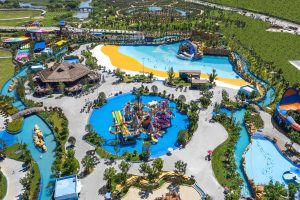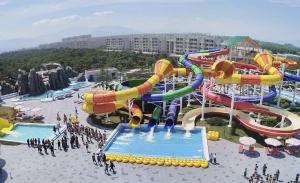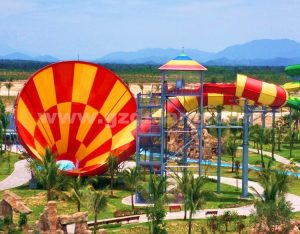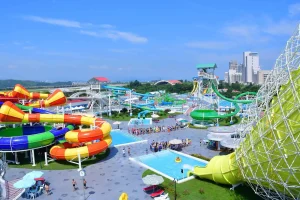
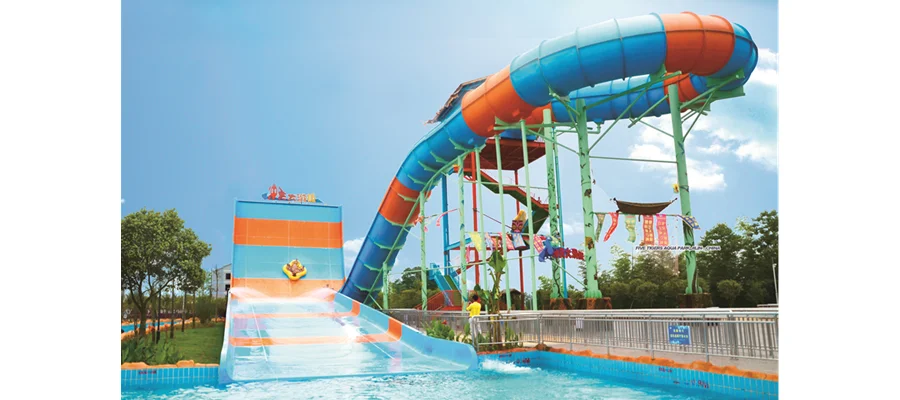
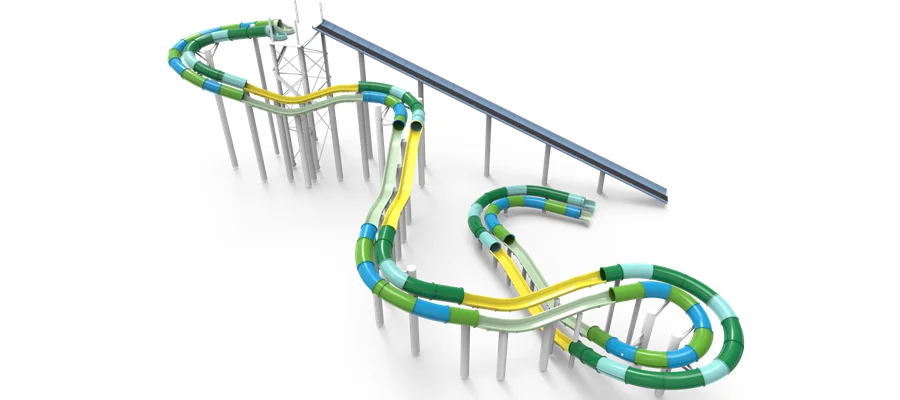
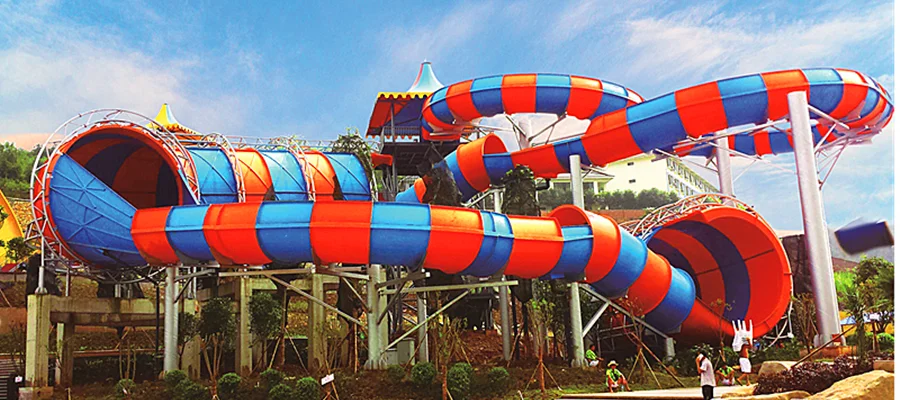
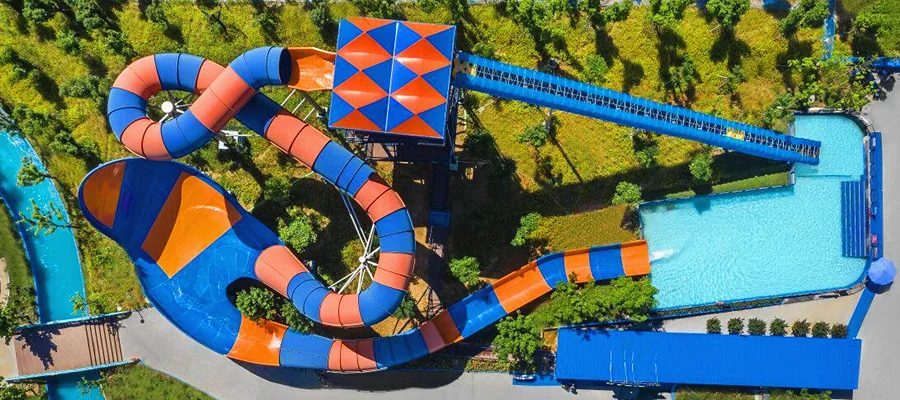
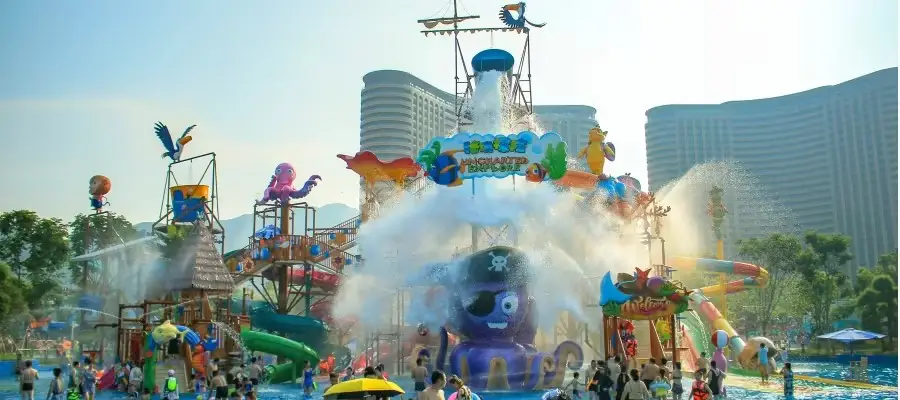
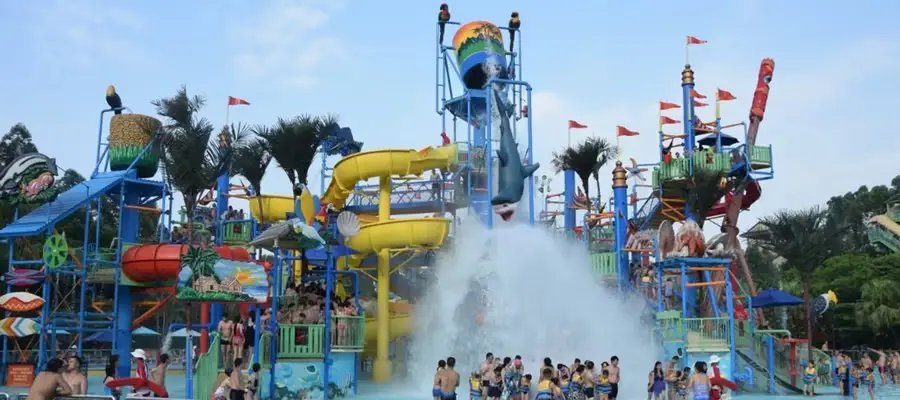
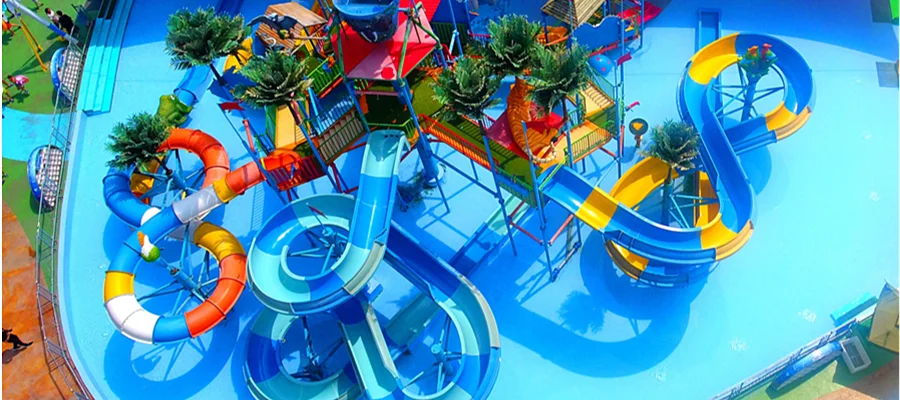
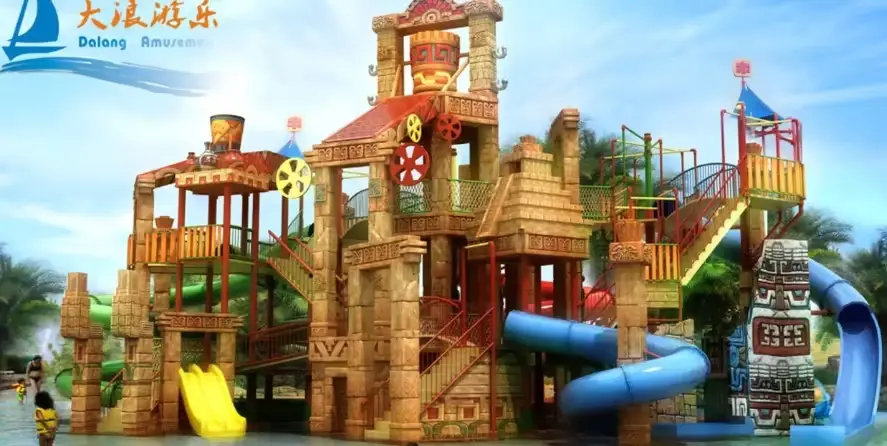
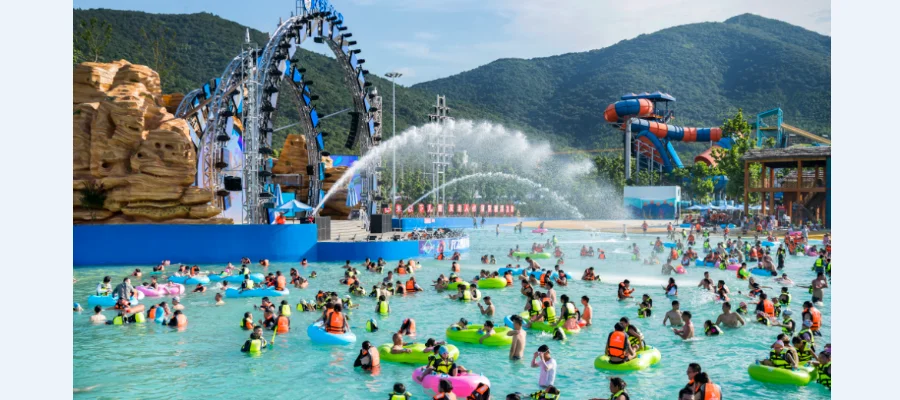
Water-based attractions remain the cornerstone of any successful amusement park, drawing crowds eager for relief from the heat and the thrill of aquatic adventure. As park owners look to update their offerings, the decision often comes down to a choice between the modern water coaster ride and the classic flume ride. Both offer unique guest experiences, but they impact operational goals and capacity in different ways.
Operational Differences and Guest Flow
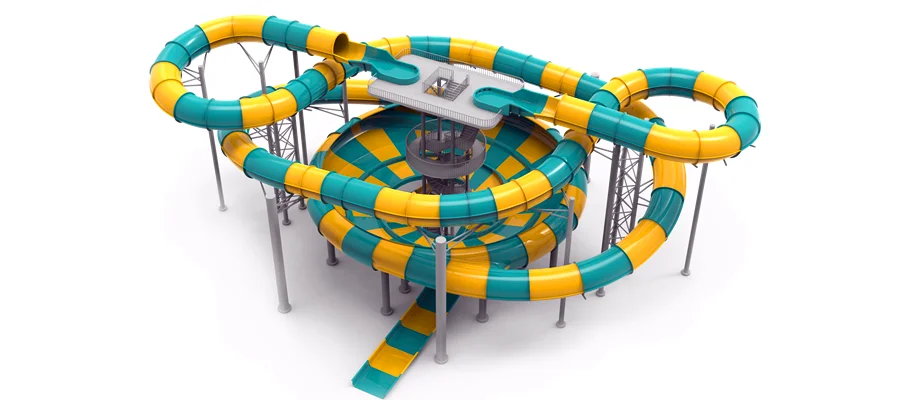
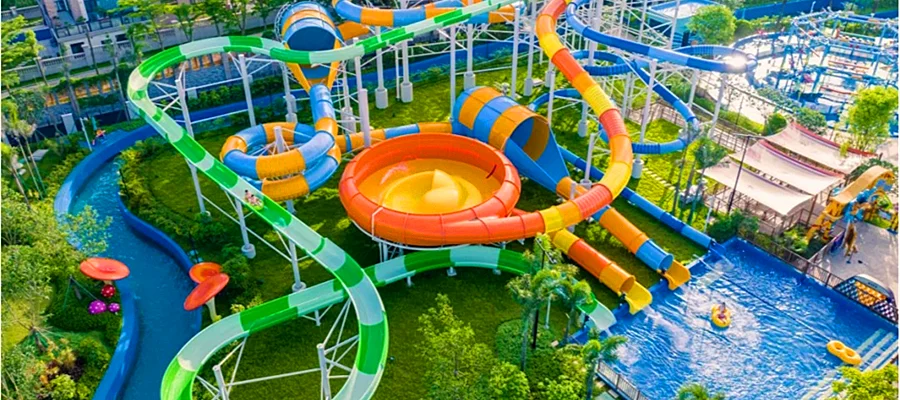
At Dalang, we often see park owners debating which system better fits their specific footprint. The traditional flume ride has been a staple for decades, relying on gentle gravity-fed channels and predictable pacing. These rides excel at moving large volumes of guests through a relaxing, scenic layout. They are low-maintenance, reliable workhorses that define the family experience in many parks.
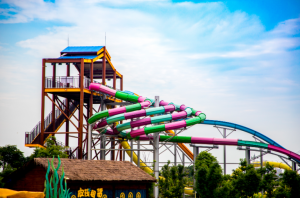
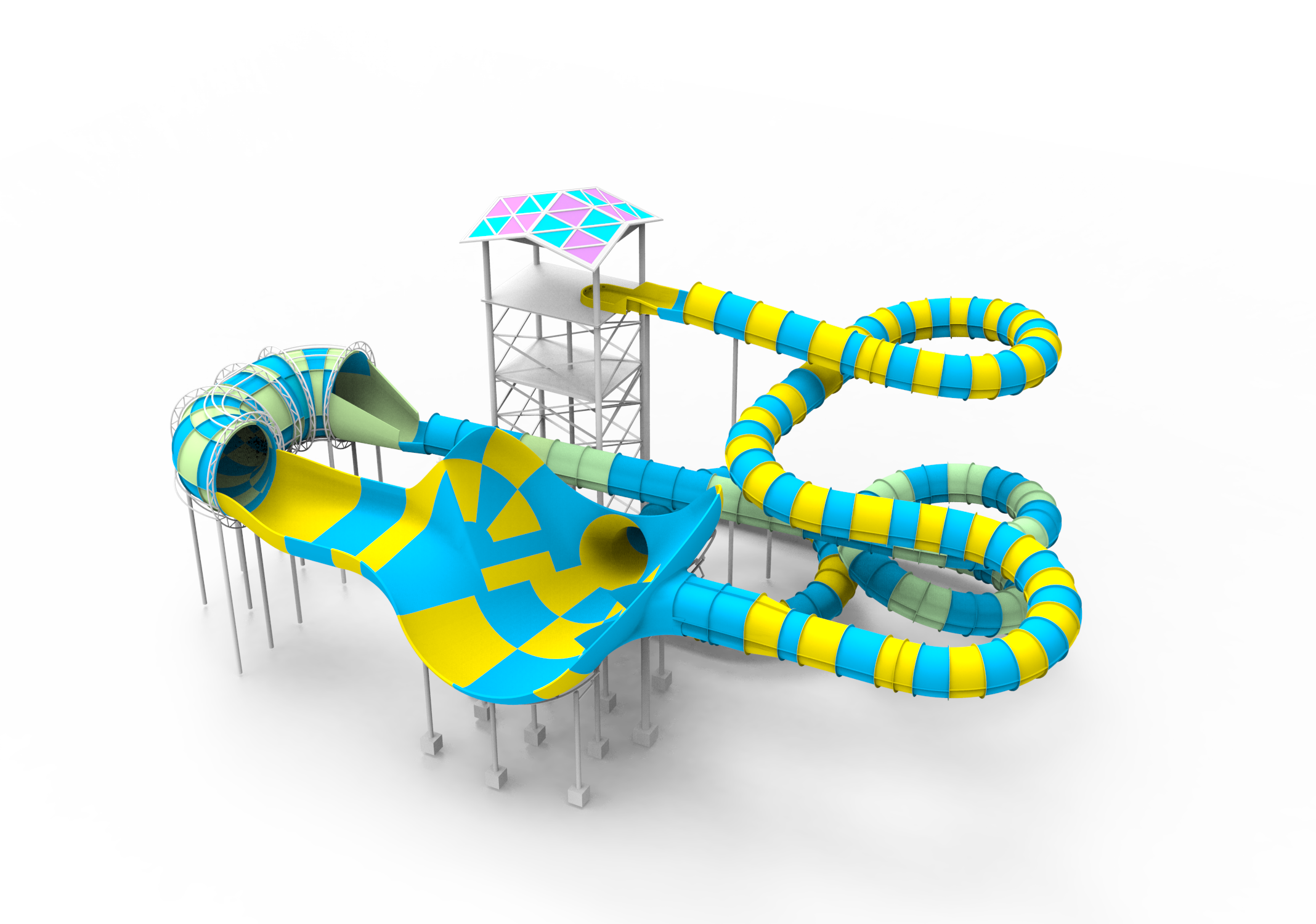
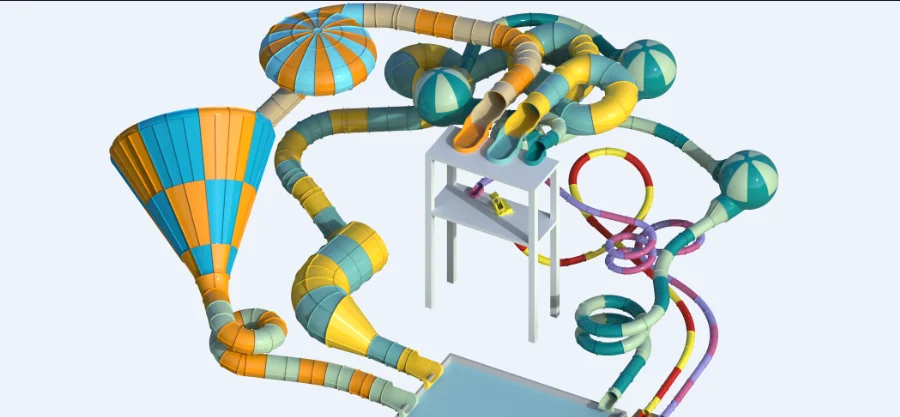
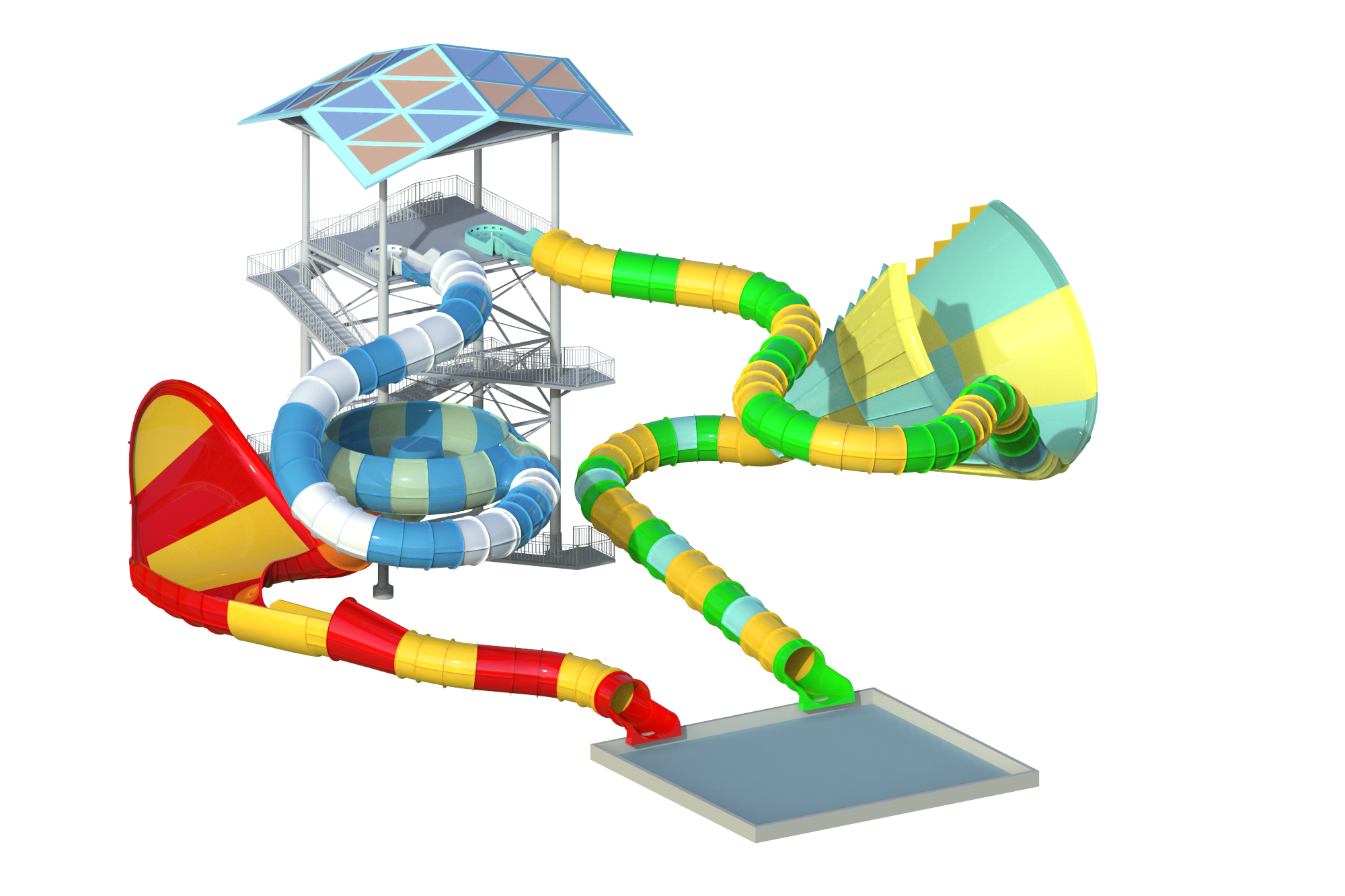
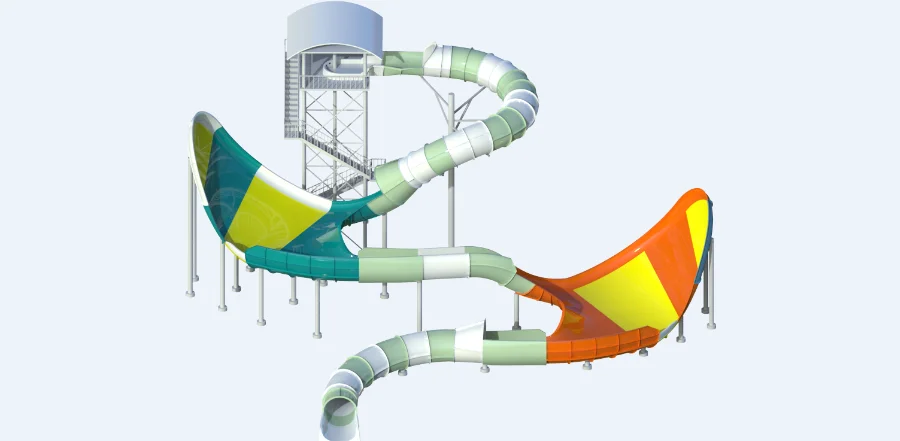
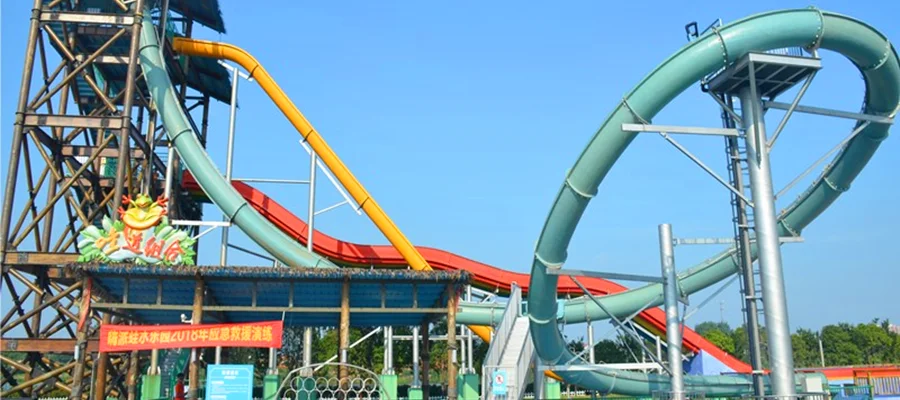
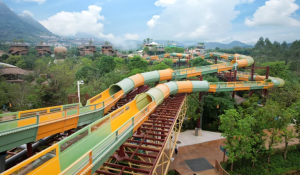
Conversely, the water coaster ride introduces high-speed propulsion, vertical lifts, and intense maneuvers that redefine what guests expect from a water ride manufacturer. These systems use advanced nozzle technology or magnetic propulsion to push boats uphill, which creates a more dynamic profile. While the engineering is more complex, the capacity for high-energy thrills is significantly greater.
Enhancing the Thrill Factor
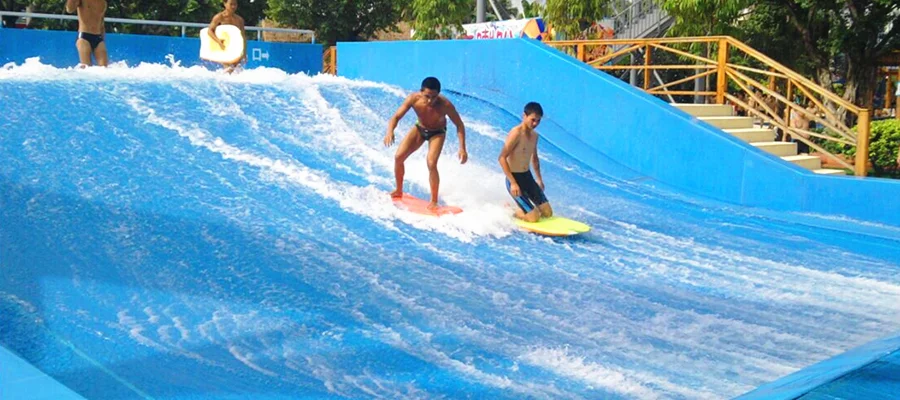
Guests today frequently seek more than just a slow boat ride. They want extreme water rides that provide a genuine rush. When we integrate water coasters into a park layout, we offer an experience that bridges the gap between a standard flume and a dry coaster. The sensation of being propelled up a hill before a dramatic drop creates a high-engagement loop that encourages repeat ridership.
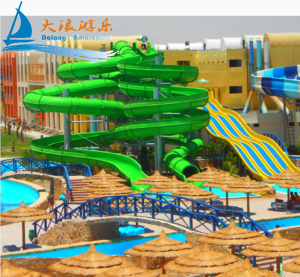
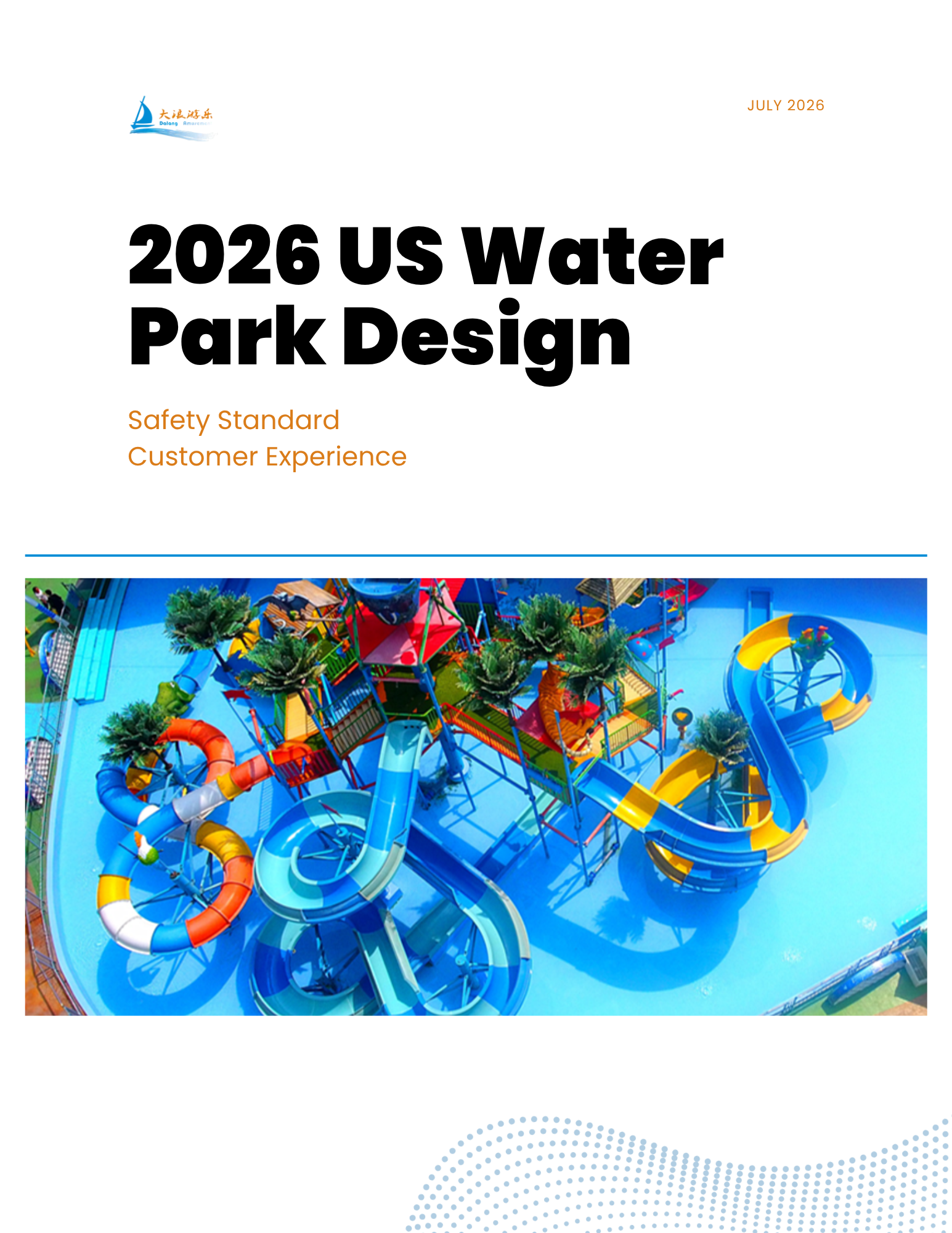
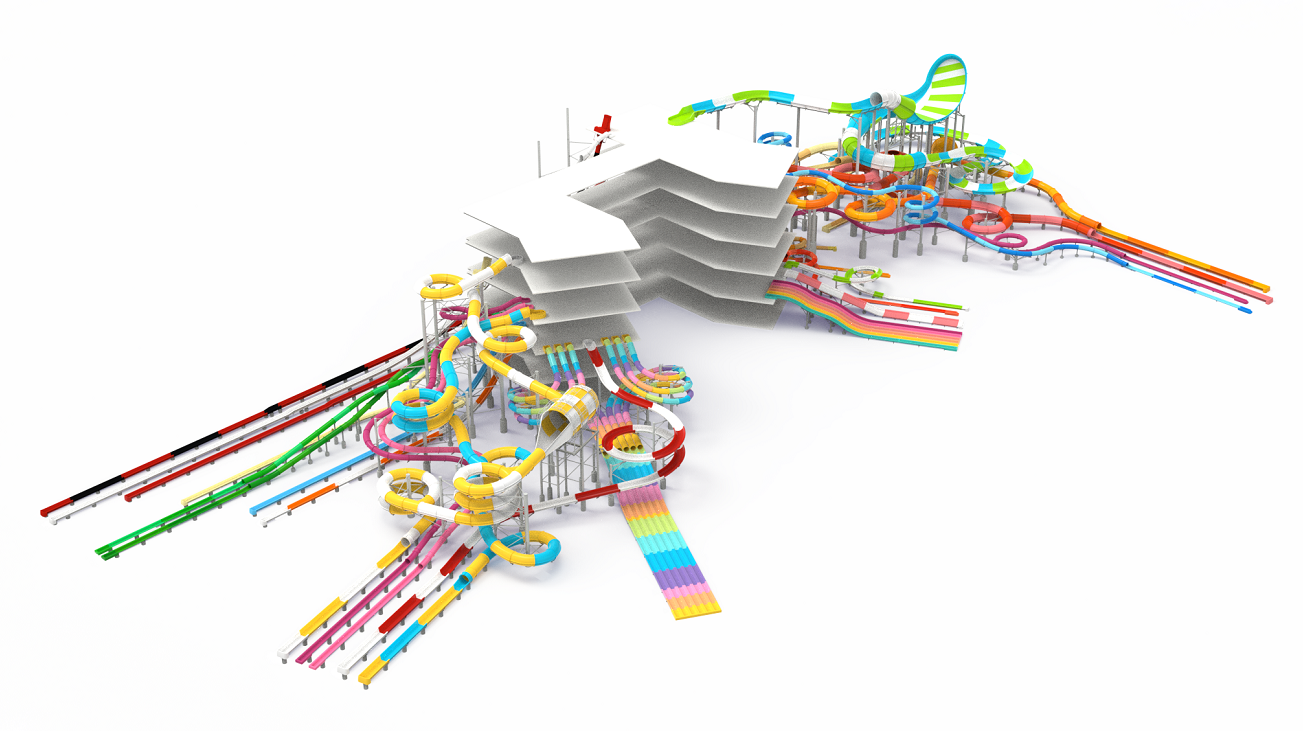
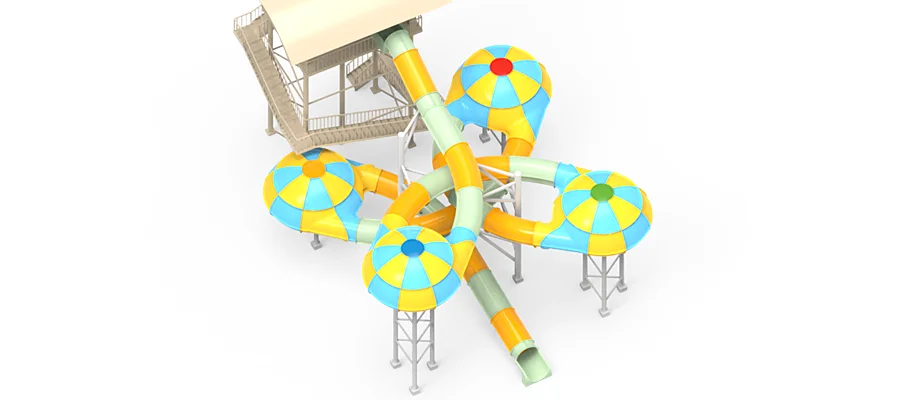
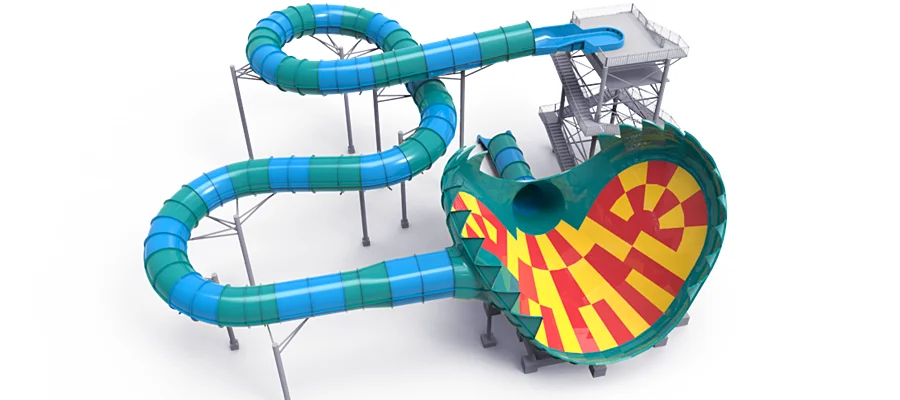
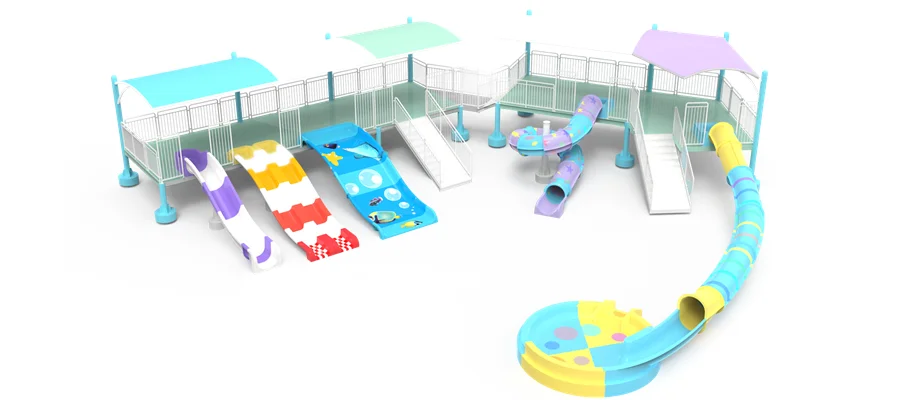
It is important to note that Dalang specializes in the creation of comprehensive integrated slide complexes. While we highlight the individual performance of these coasters, our approach focuses on how they integrate into your park’s broader ecosystem. We sell combination products, meaning our water coasters can be linked with other structures, such as a flying slide or interactive splash zones, to create a cohesive, multi-attraction experience. This modular philosophy ensures that your investment provides long-term value through interconnected guest journeys.
Technical Requirements and Maintenance
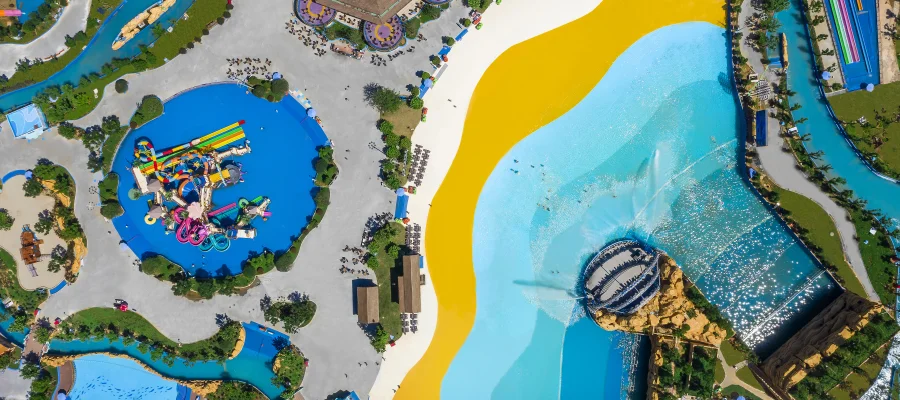
When comparing these two, consider your infrastructure. A flume ride requires significant space for wide channels and extensive water volume management. Because they are often sprawling, they can be difficult to fit into restricted plots of land.
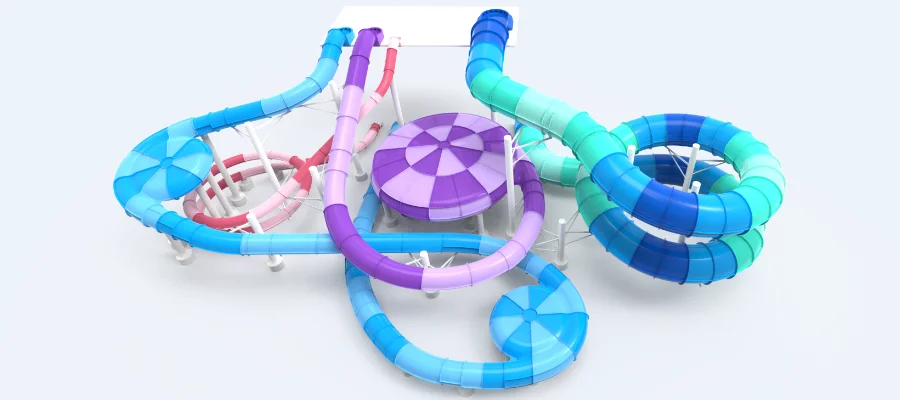
On the other hand, water coasters often utilize tighter, more vertical layouts. This efficiency allows park owners to pack more excitement into a smaller square footage. While the technical demands for pumps and sensors are higher, the footprint reduction often translates into lower overall land preparation costs. Our team ensures that every component of these assemblies is rigorously tested for durability. Because we manufacture complex assemblies, we prioritize the longevity of the control systems and the seamless transition between different sections of the ride.
Making the Final Decision
Reflecting on your specific park needs is vital. If your goal is high-capacity family entertainment, the traditional flume remains a reliable choice. However, if your vision involves capturing an audience hungry for modern intensity, a water coaster ride offers a distinct competitive advantage. At Dalang, we support your decision by providing versatile, high-quality assemblies that elevate your park’s profile. Regardless of which path you follow, the goal is to provide a safe, memorable, and high-performance aquatic experience for your guests.