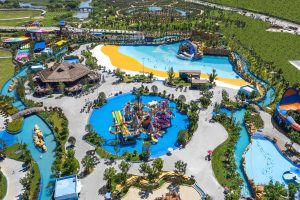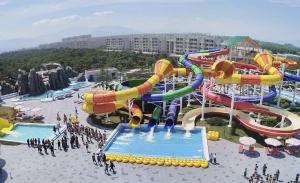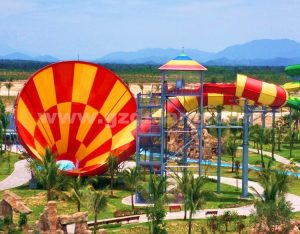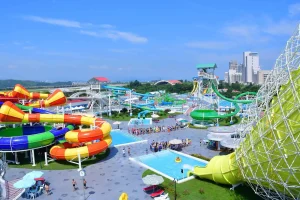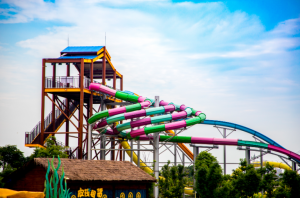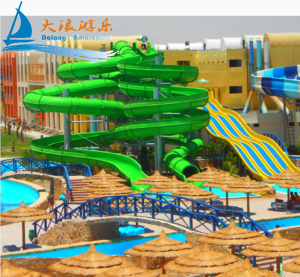
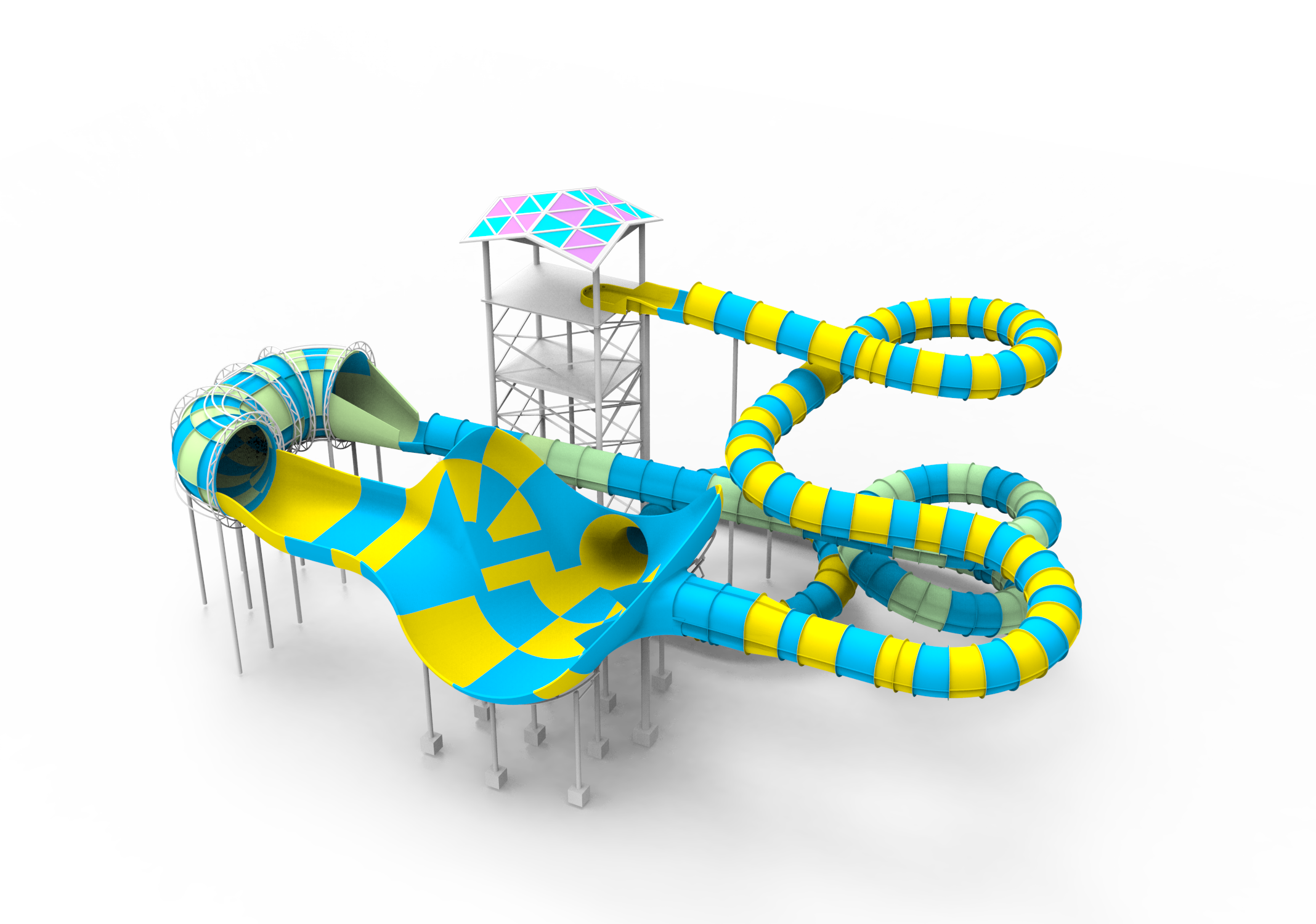
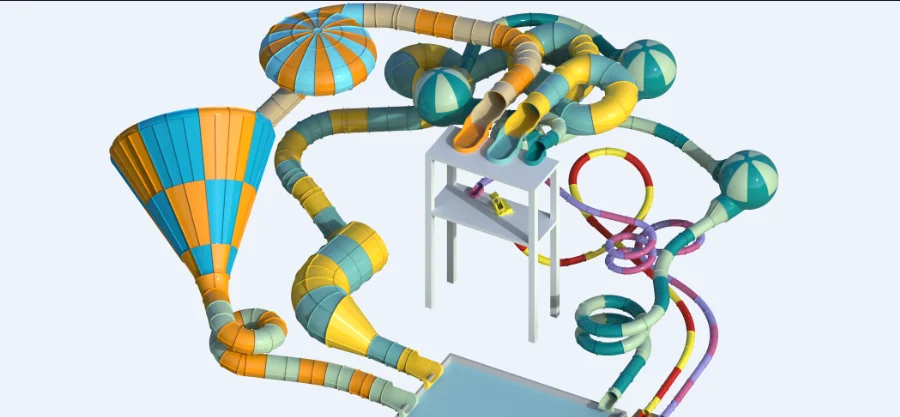
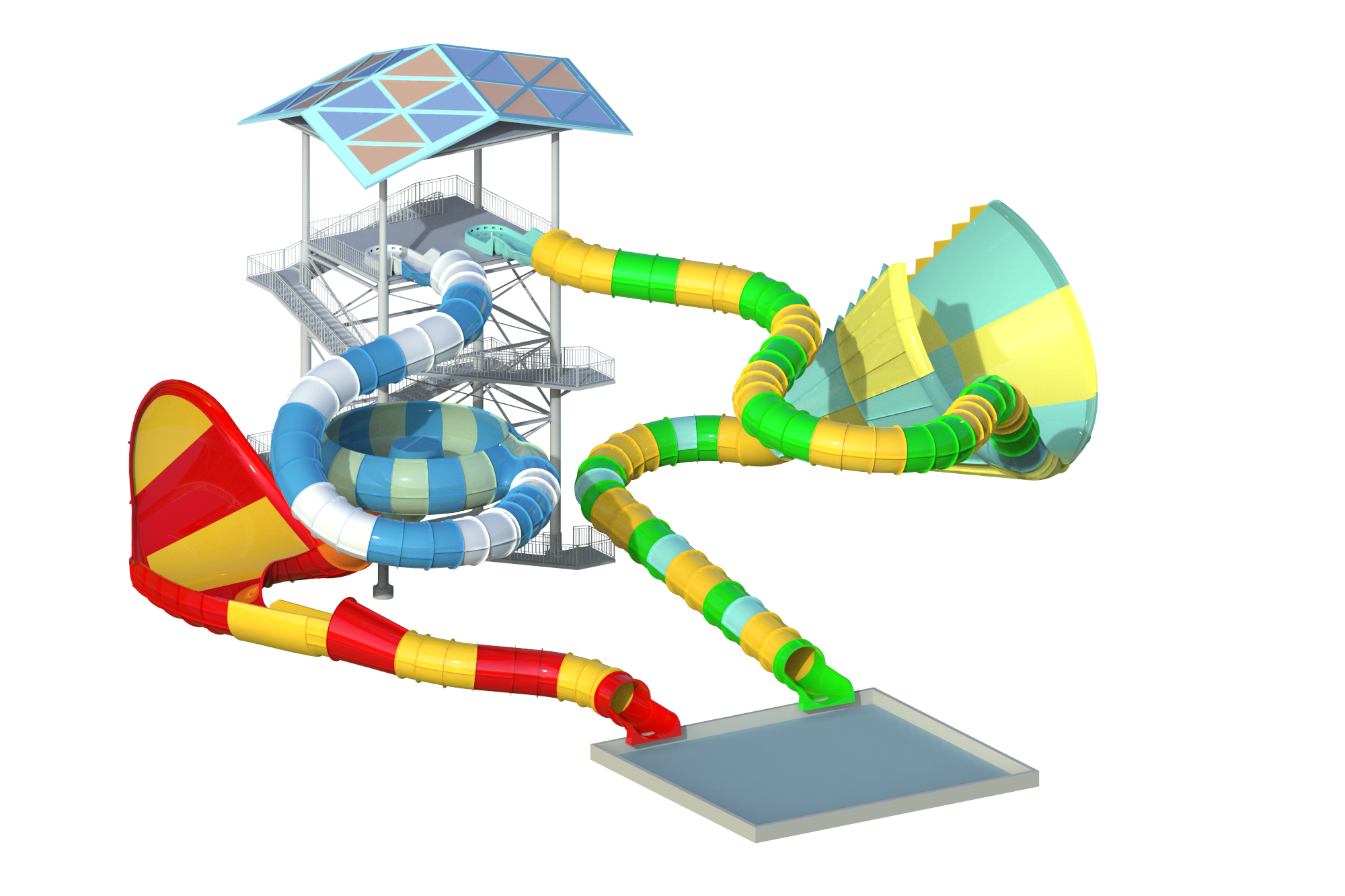
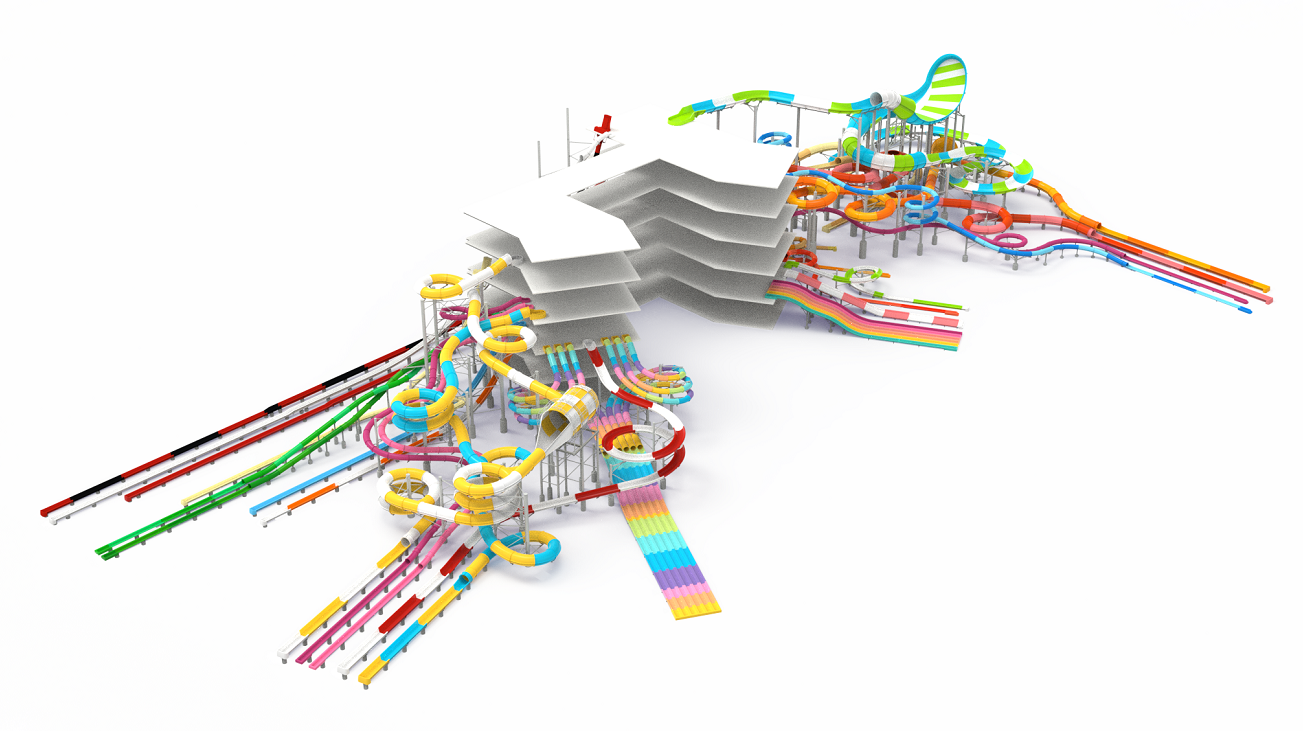
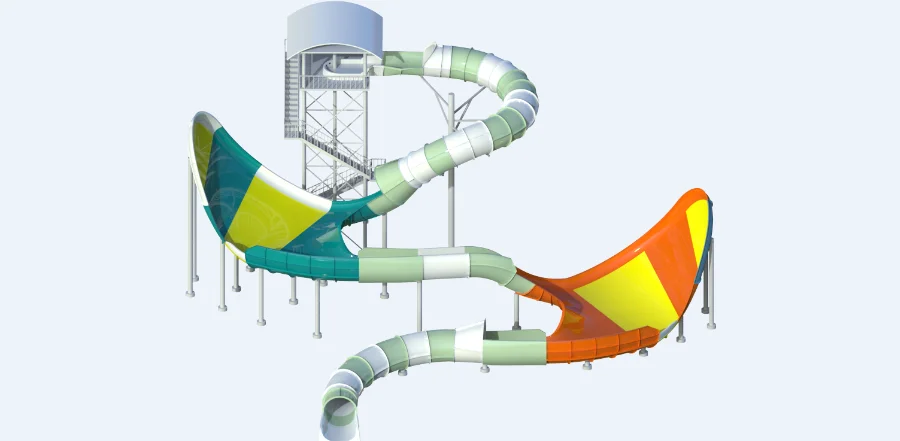
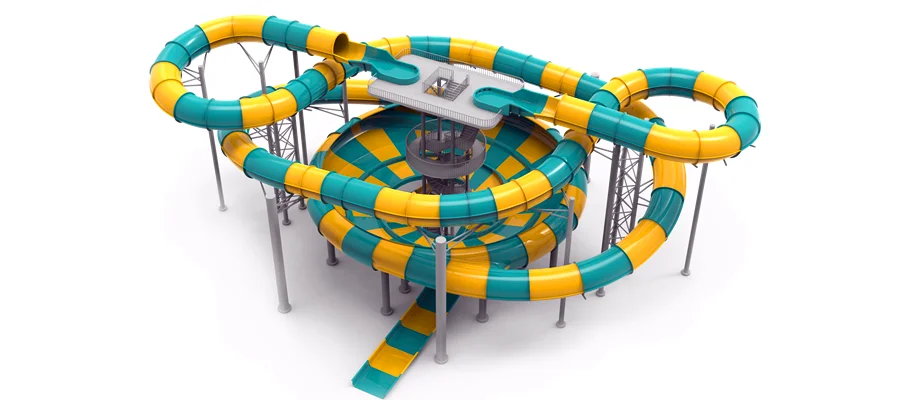
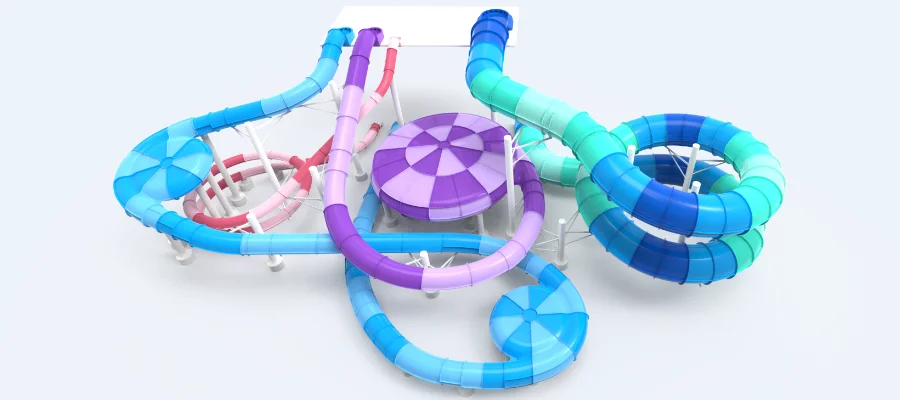
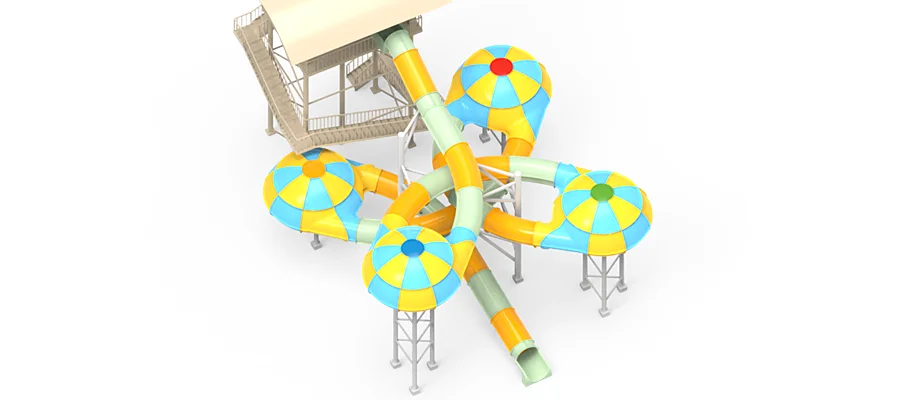
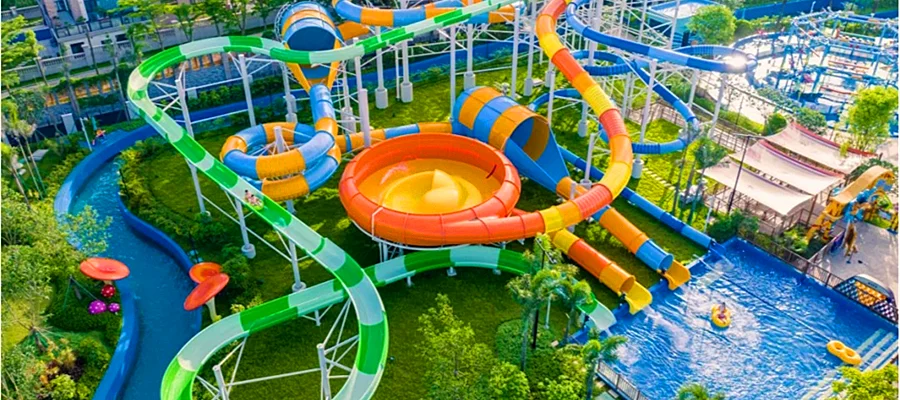
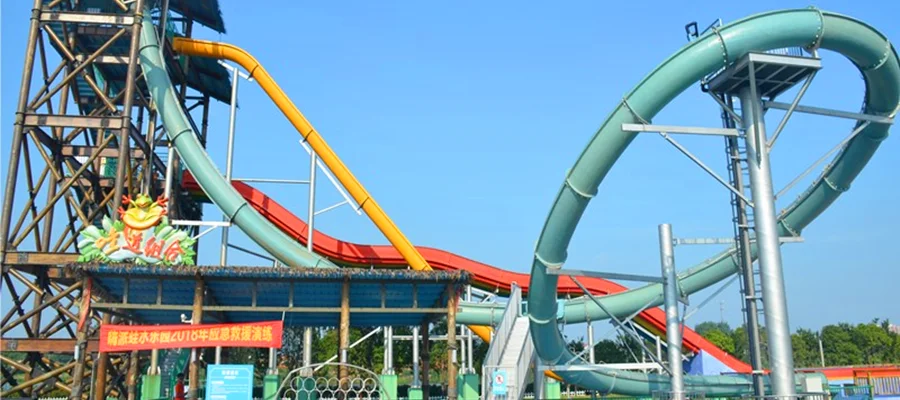
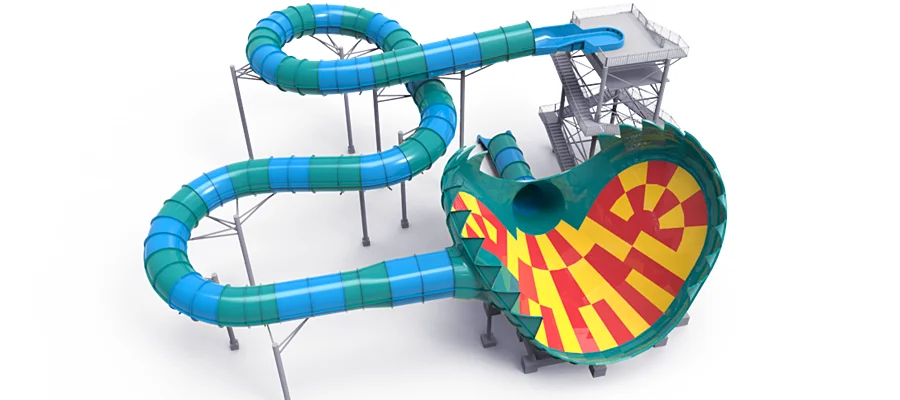
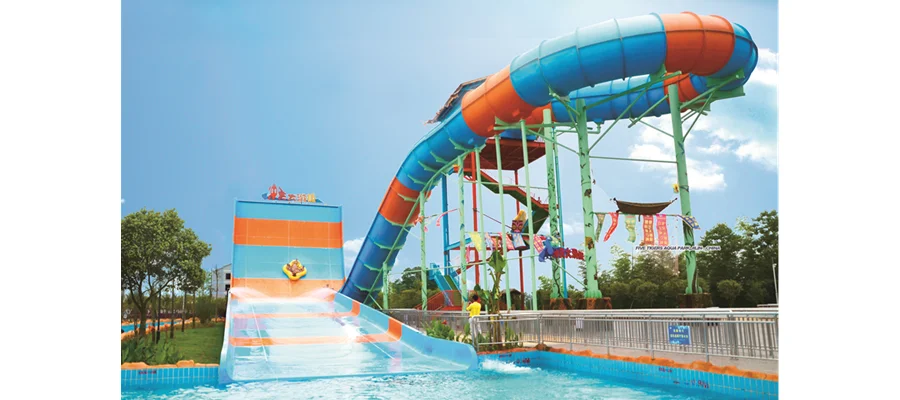
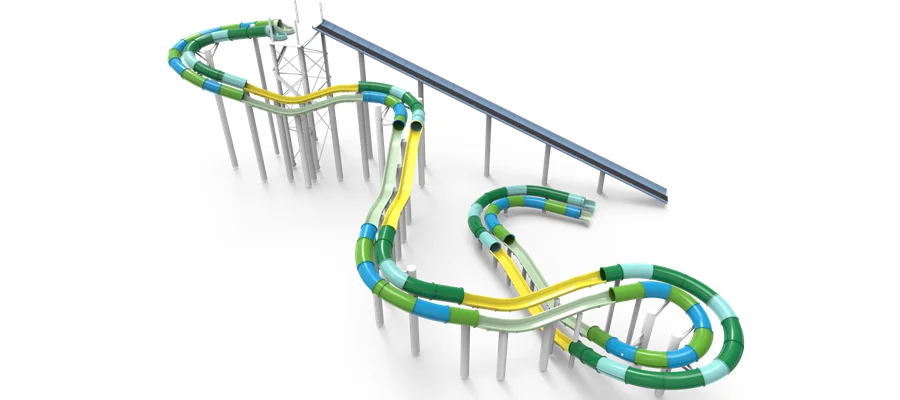
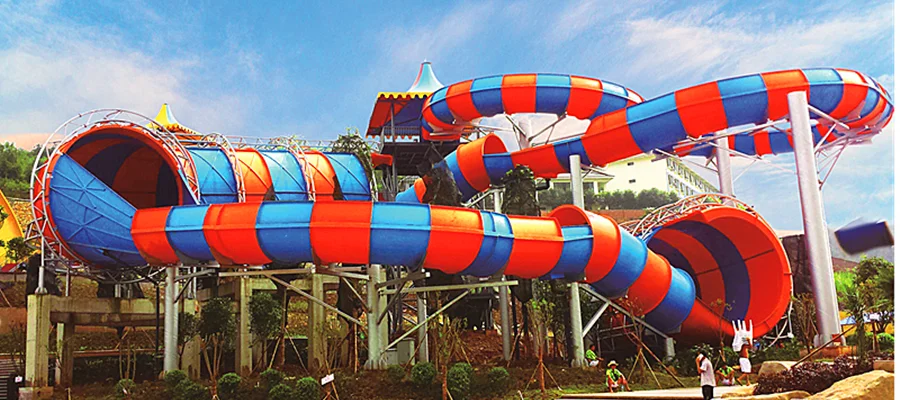
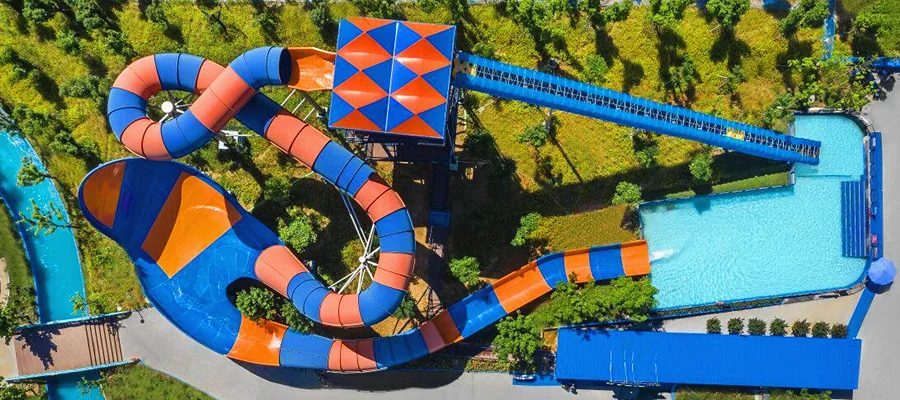
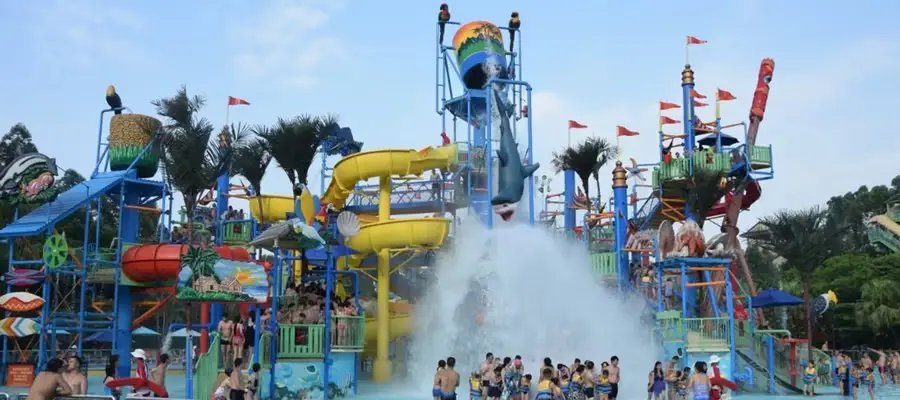
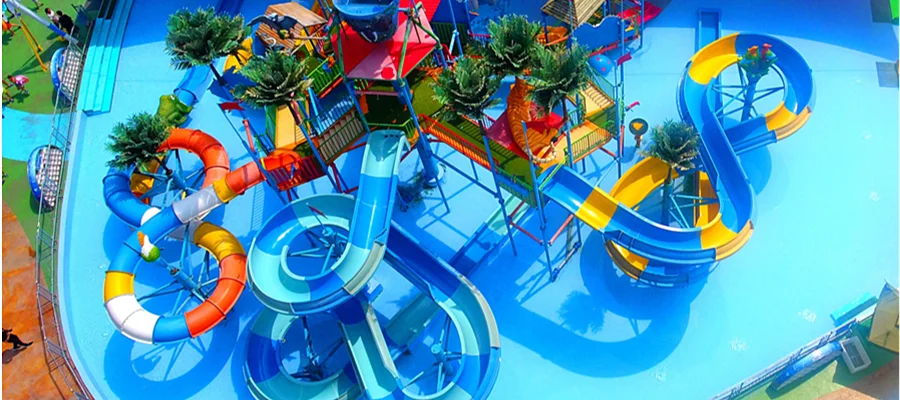
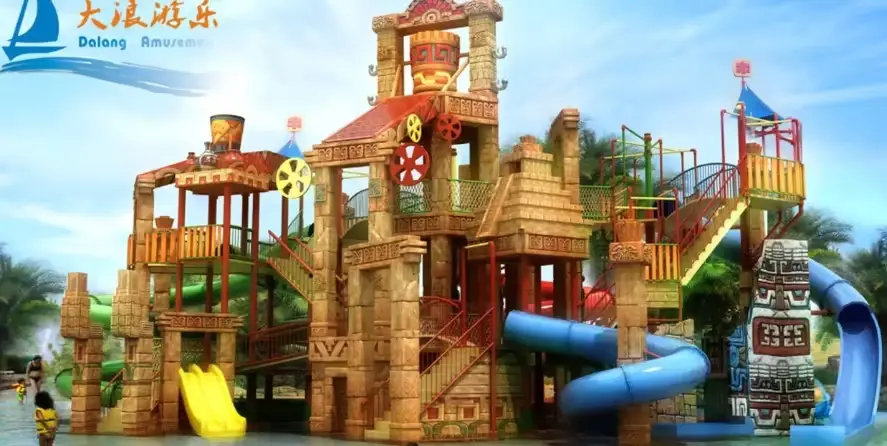
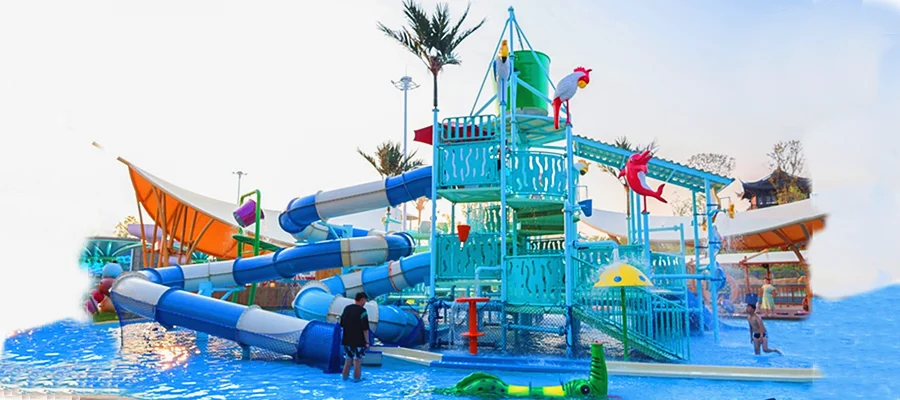
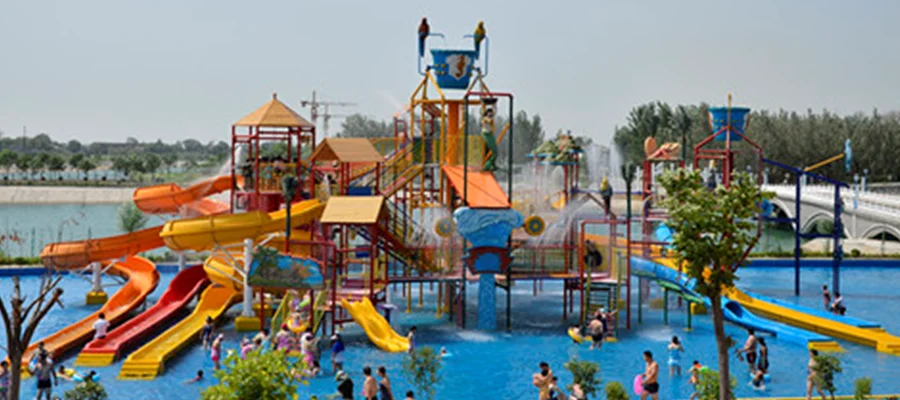
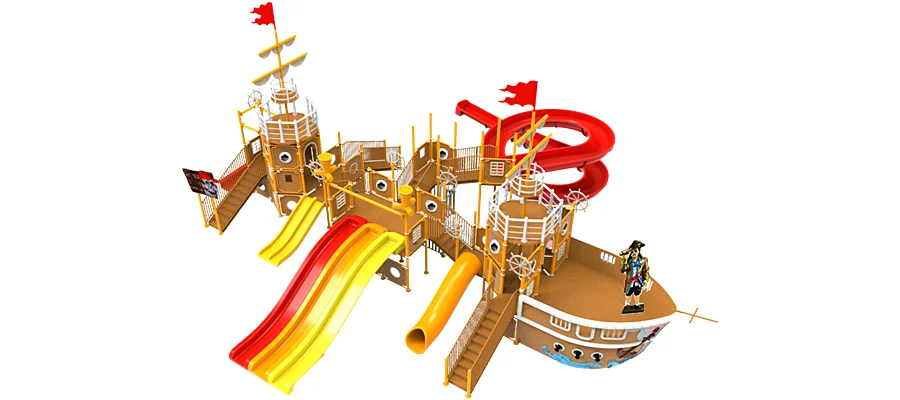
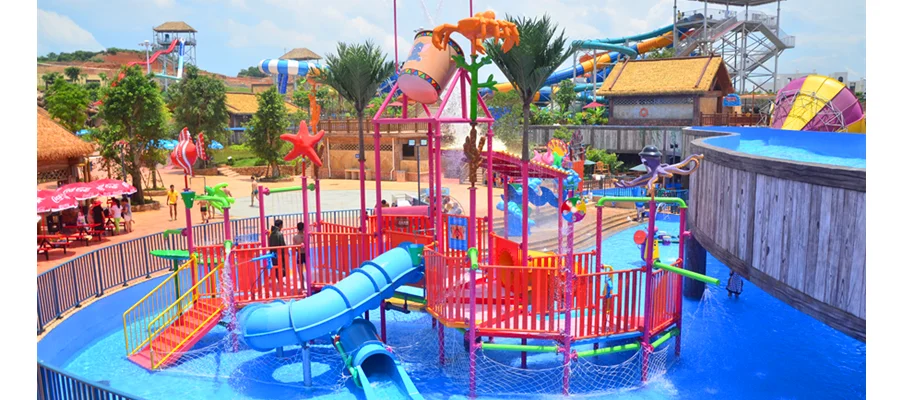
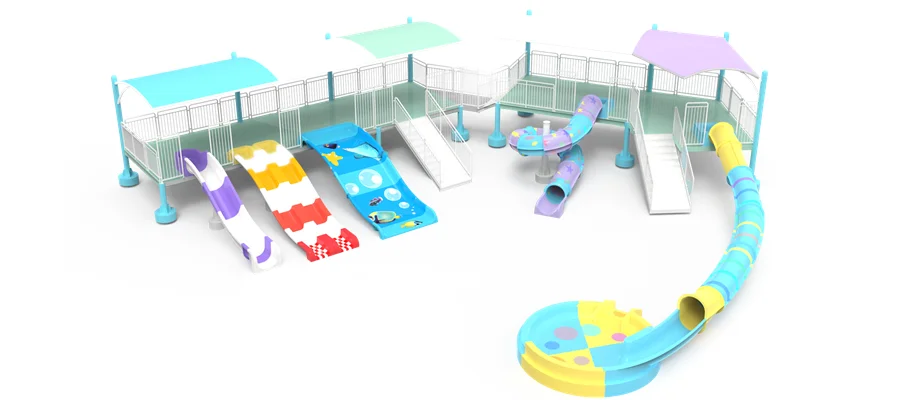
A statement slide can become one of the defining attractions in a commercial water park, combining visual presence with an experience that draws attention from visitors. Yet creating this type of attraction involves more than choosing an impressive slide design. Height, lane configuration, landing zones, available space, and construction requirements all influence how the attraction can be developed and operated.
For investors and project planners, understanding these factors makes it easier to compare slide concepts and communicate requirements with manufacturers. This article examines the practical considerations behind statement slide development, using documented product information from Dalang to explore how slide construction, layouts, and attraction features can support different commercial aquatic projects.
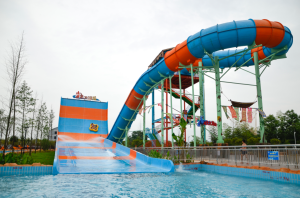
Planning With Water Slide Construction Details
Slide projects involve multiple design elements that affect guest experience and facility planning. We review how water slide construction information from the provided resources can support discussions about structural layouts, attraction arrangements, and project preparation for commercial aquatic environments.
Height considerations influence how designers organize slide routes and surrounding areas. The reference materials on enclosed water slides show product categories that help planners evaluate possible attraction styles while considering space requirements, operational needs, and the intended recreation environment.
Lanes and landing zones are important components when developing statement attractions. Dalang provides product references that allow project teams to review available solutions and consider how different slide features may fit within specific commercial facilities and aquatic recreation plans.
Facility investors often communicate with water slide manufacturers when preparing new projects. These discussions can include product details, manufacturing capabilities, and application considerations. Reviewing available information helps owners organize requirements before moving toward further planning stages.
Reviewing Slide Features and Project Requirements
Commercial operators need clear information when assessing attraction possibilities. Enclosed water slides represent one category within aquatic recreation solutions, and the supplied materials allow planners to examine features, applications, and general product options for various facility concepts.
Slide dimensions, user flow, and installation areas affect overall planning decisions. We use available references from Dalang to explain how owners can review product categories while keeping project discussions connected with actual supplier information and practical development considerations.
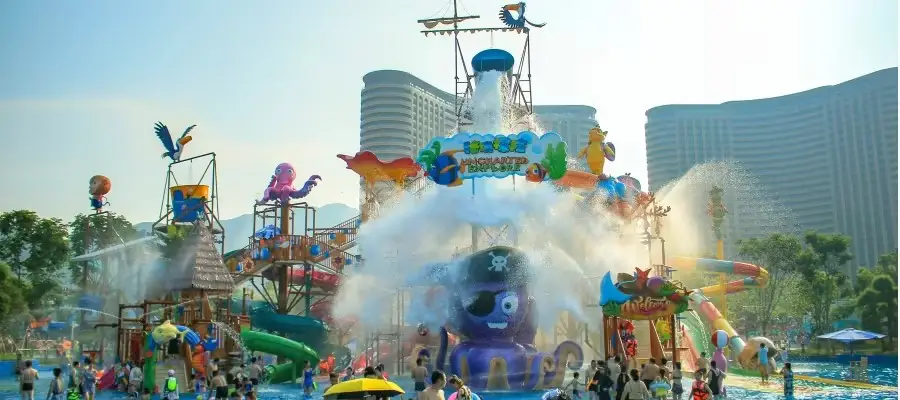
Aquatic facilities require coordination between designers, suppliers, and construction teams. Water park equipment planning should include attraction placement, visitor movement, and operational factors. These considerations help developers create organized spaces based on project conditions and available product information.
Investors frequently evaluate suppliers before beginning construction discussions. Water slide manufacturers provide important product resources that can help commercial planners understand available categories, technical details, and possible project applications without relying on unsupported assumptions.
Creating Attractive Statement Slide Experiences
Small and large aquatic facilities both require thoughtful attraction planning. We review how enclosed water slides from the reference source may support recreation concepts where designers need to balance visual appeal, available space, and guest interaction within planned environments.
Statement attractions often become central features in commercial water areas. The provided product information helps teams examine slide concepts, including layouts and possible applications, while keeping decisions connected to documented solutions from Dalang for facility development discussions.
Project teams may evaluate water park equipment categories when preparing aquatic spaces. Reviewing available options allows owners and planners to organize ideas around attraction types, facility requirements, and visitor expectations while maintaining practical project objectives throughout development stages.
Manufacturing cooperation plays an important role in aquatic attraction projects. Water slide manufacturers can provide product details that assist planners during early discussions, helping teams align attraction concepts with available resources and the needs of commercial recreation facilities.
Evaluating Supplier Support and Product Categories
Planning teams often compare product information before finalizing project concepts. Enclosed water slides offer specific attraction possibilities, and the supplied materials provide references that help commercial audiences review categories, features, and potential applications for their facilities.
A detailed project review includes attraction goals, available areas, and operational considerations. We present Dalang information as a resource for planners who need documented product references when discussing aquatic developments with internal teams and external partners.
Clear communication supports efficient project preparation. Water slide manufacturers contribute product knowledge that helps investors organize questions, review available solutions, and understand how supplier capabilities connect with commercial aquatic development requirements and facility planning goals.
Water park equipment details from available sources can support early planning conversations by providing information about categories and possible uses within commercial aquatic environments.
Developing Statement Slide Projects
Statement slide attractions require coordination between design goals and practical requirements. We review how water slide construction resources can assist planners when evaluating attraction structures, layouts, and project possibilities based on the information provided by the supplier.
Facility planners consider many factors before developing aquatic attractions. Product categories, site conditions, and visitor needs all influence project direction. The reference materials help teams review options while maintaining focus on documented features and applications.
Commercial resorts and recreation operators may explore different attraction solutions for their facilities. Dalang supports these evaluations through available product information, allowing planners to consider suitable concepts and organize project discussions around practical requirements.
Effective aquatic projects depend on careful preparation and supplier communication. Water park equipment choices should reflect facility goals, available resources, and visitor expectations. Reviewing documented solutions helps stakeholders create organized plans for future recreation developments.
Conclusion
A statement slide should be evaluated as a complete attraction rather than by appearance alone. Height affects the overall slide profile and route, lane configuration influences how the ride is organized, and landing zones must be considered alongside available space and visitor flow. By assessing these elements together, investors can communicate clearer requirements and identify slide solutions that are better suited to the intended water park environment.