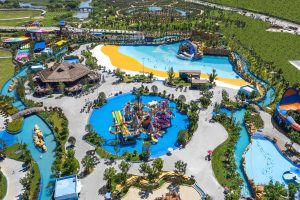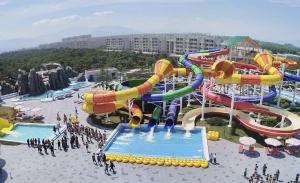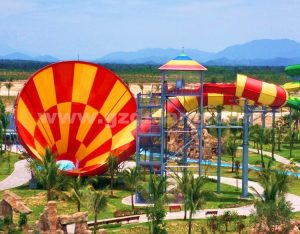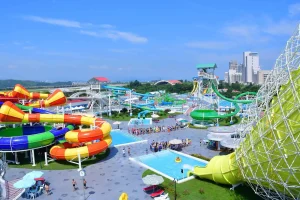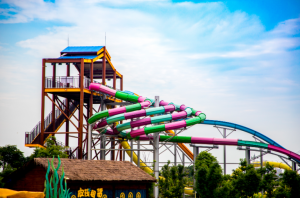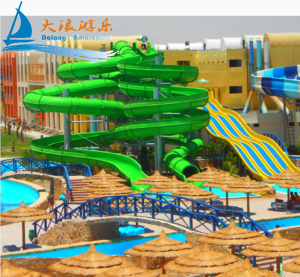
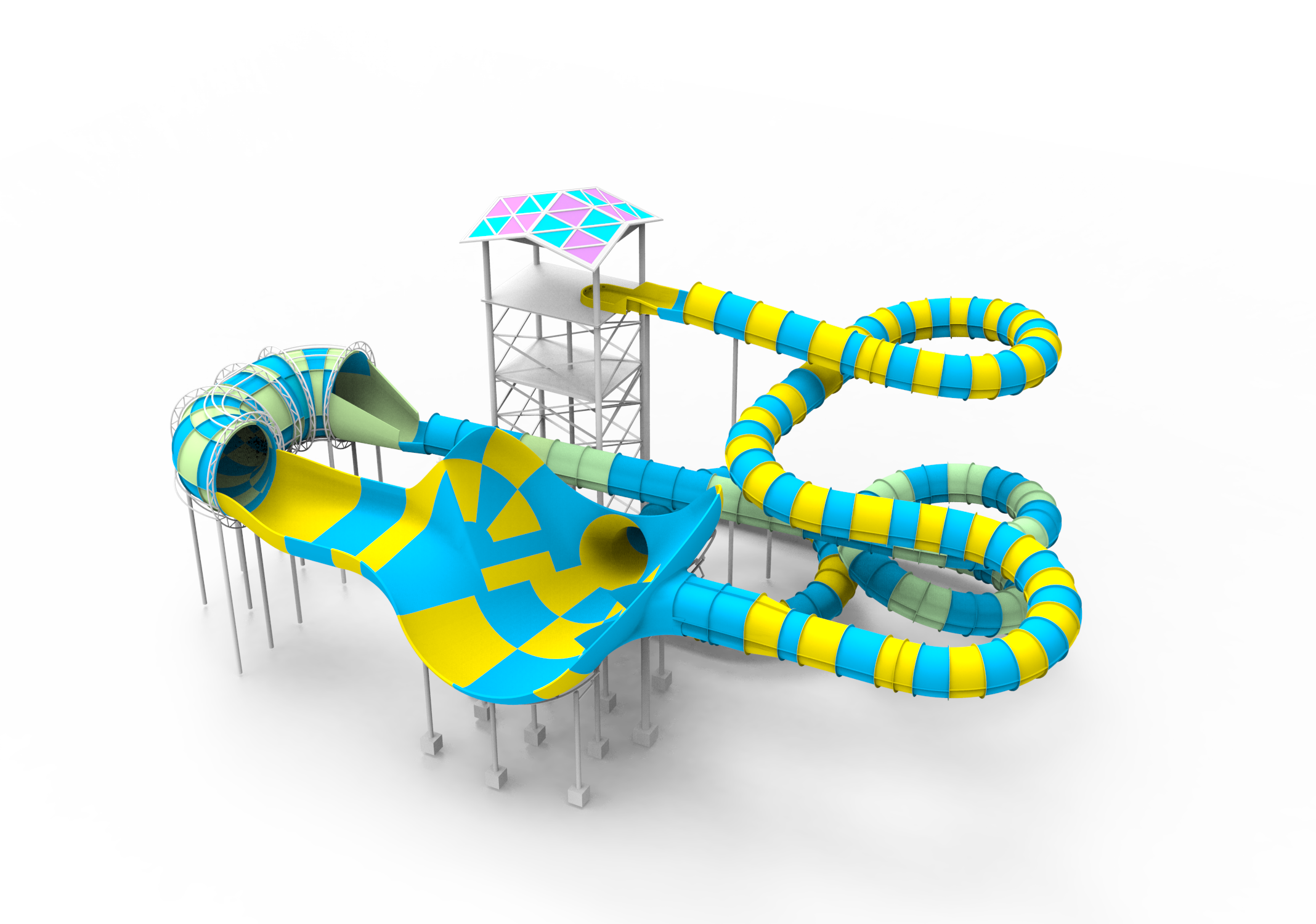
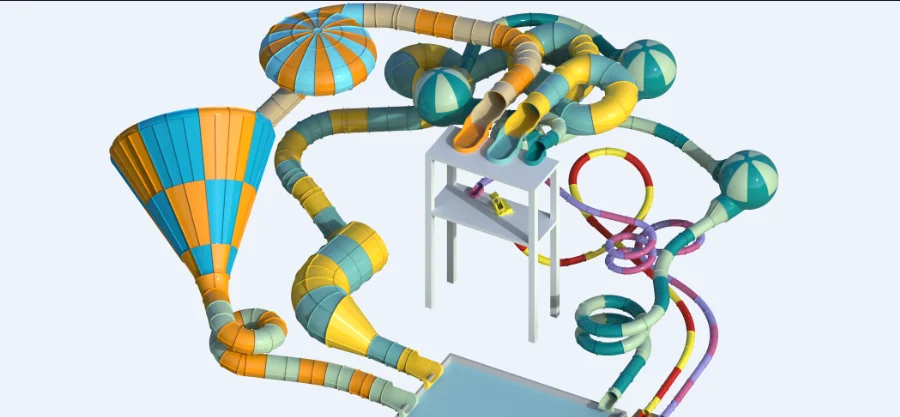
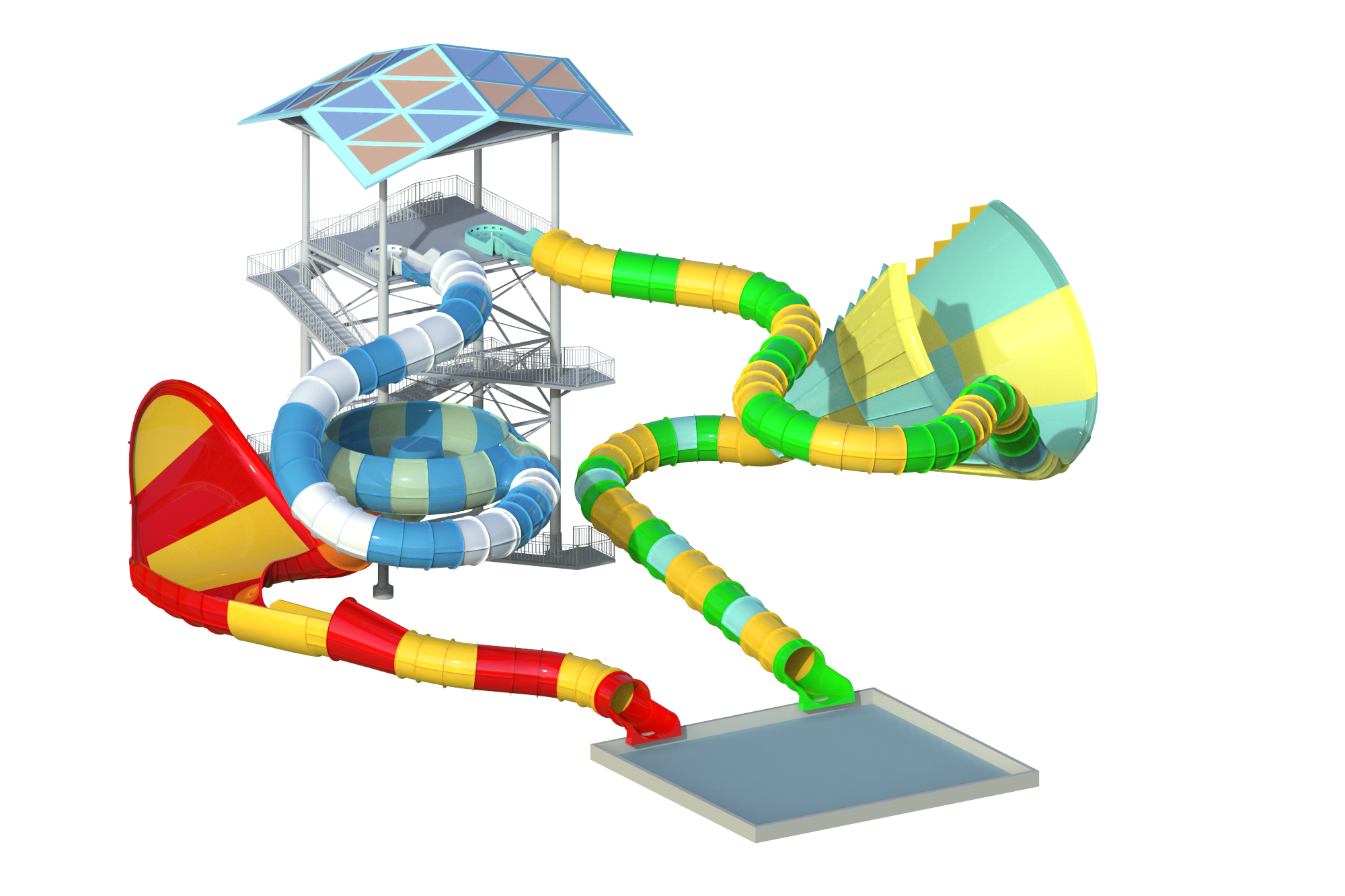
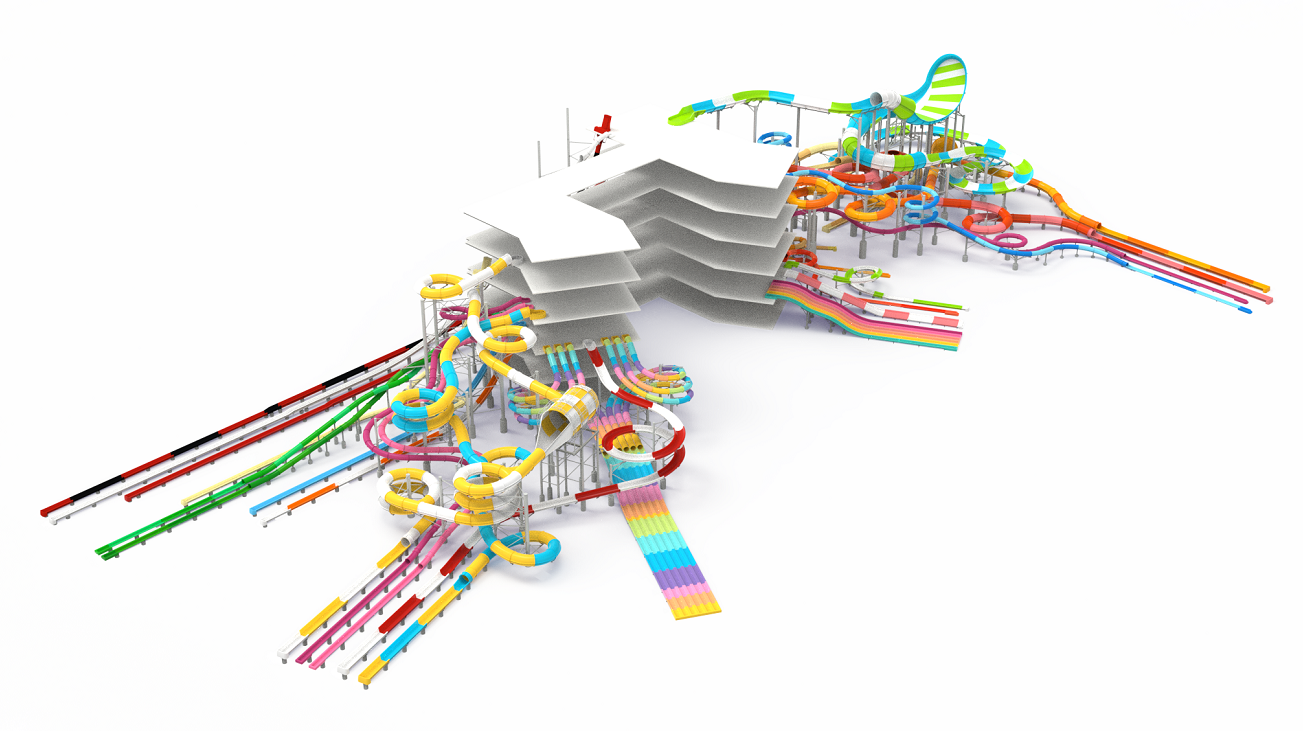
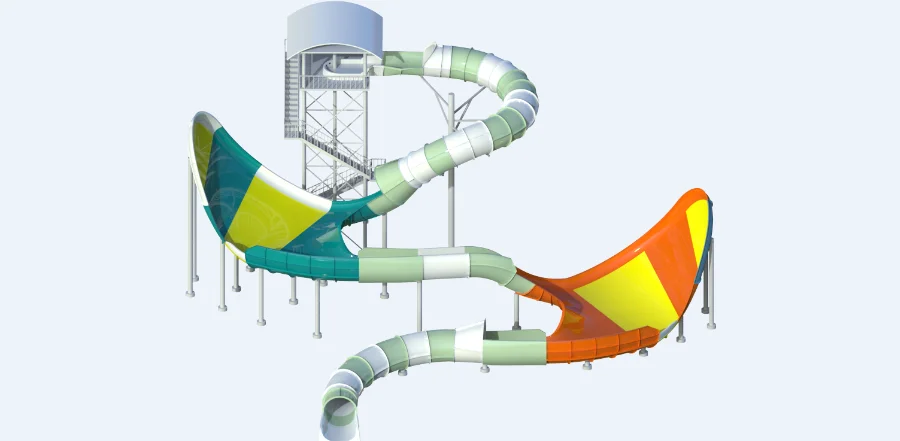
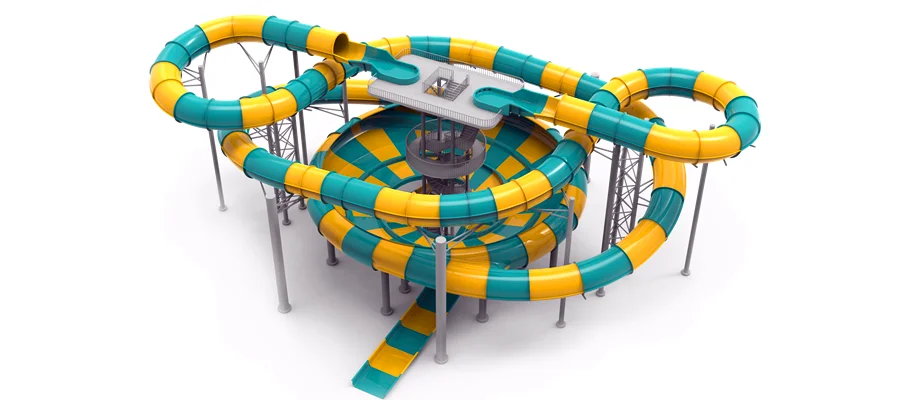
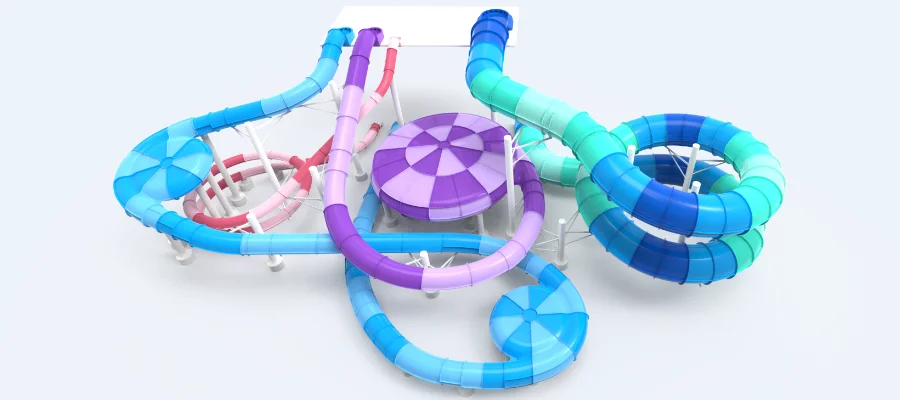
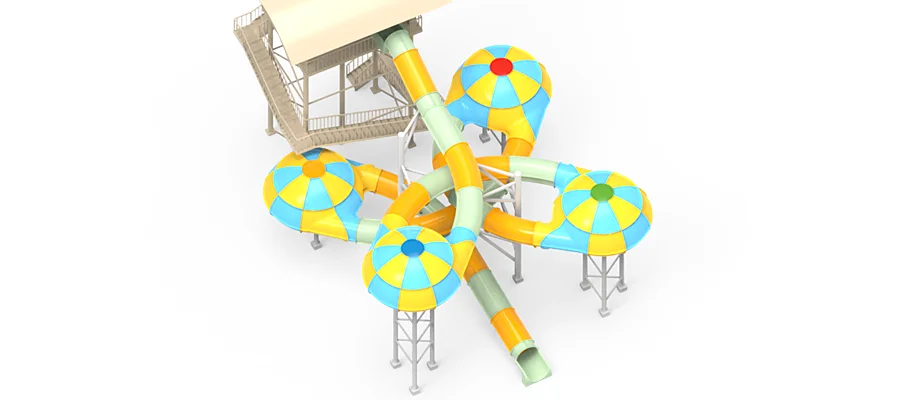
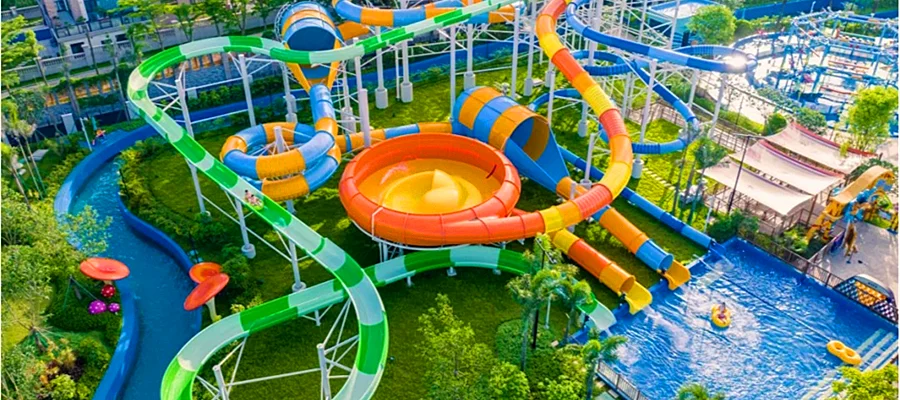
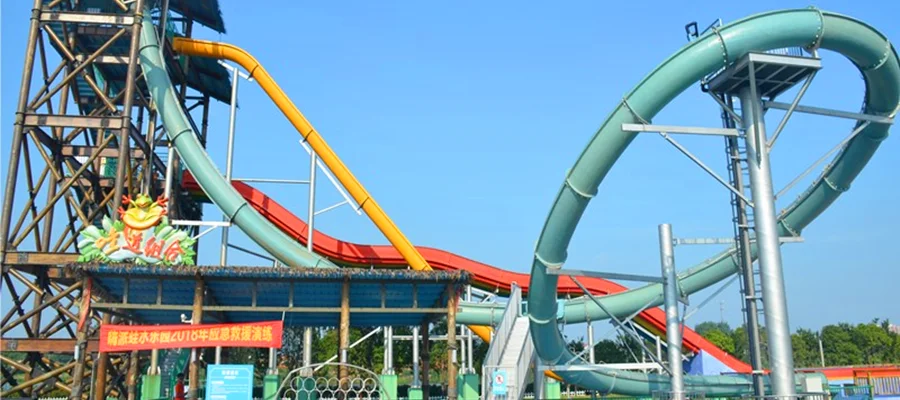
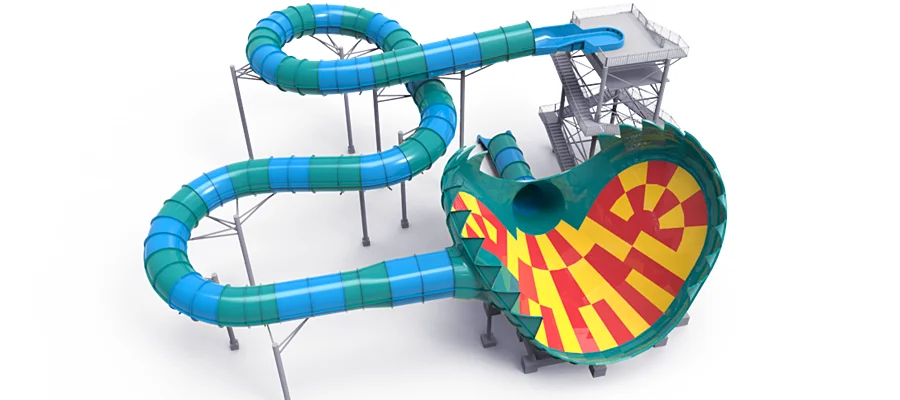
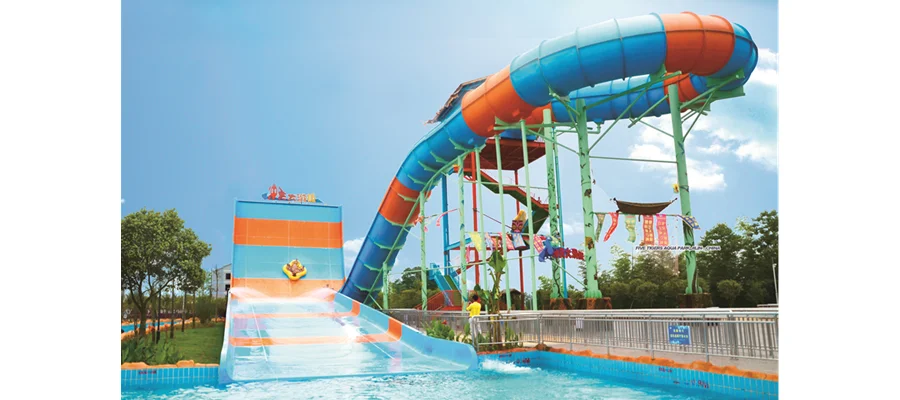
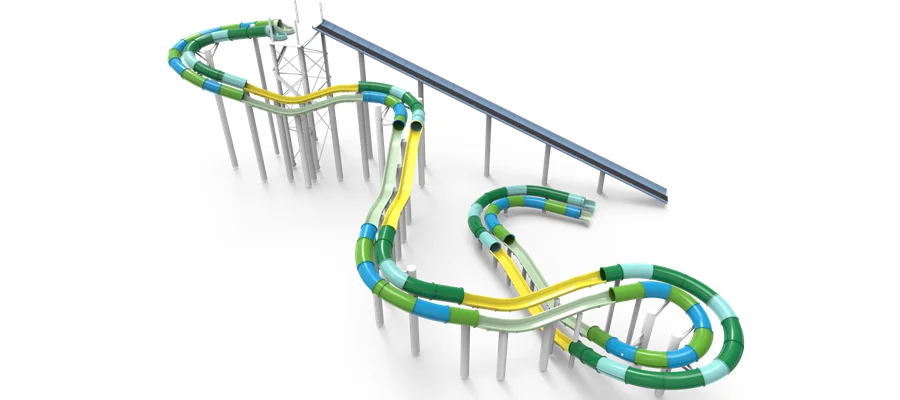
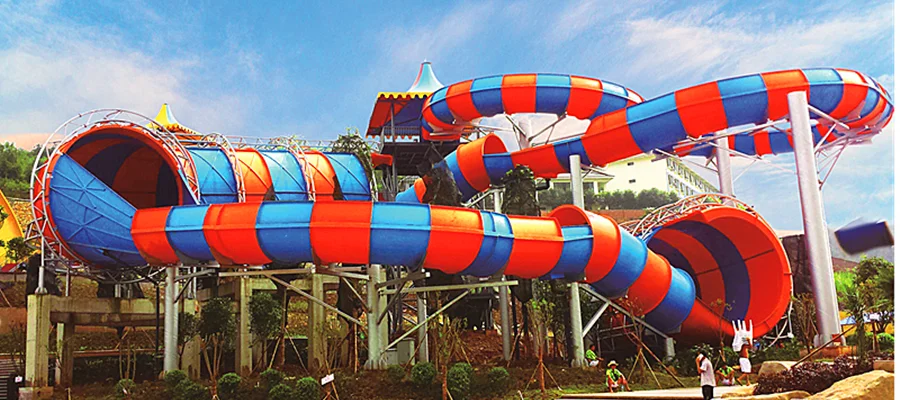
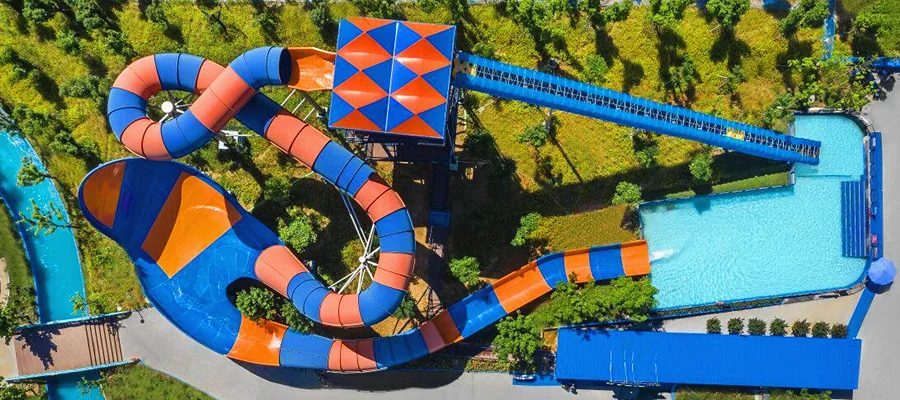
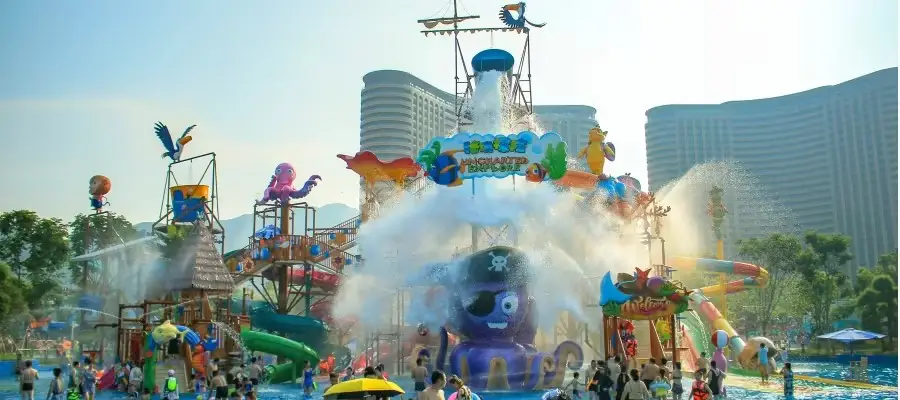
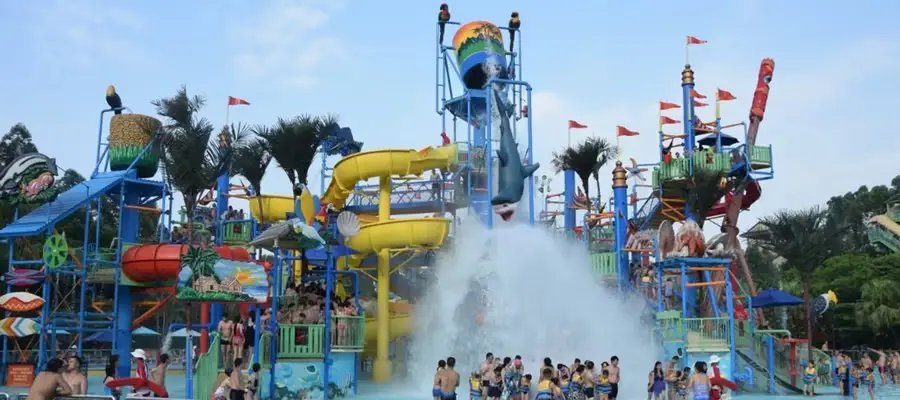
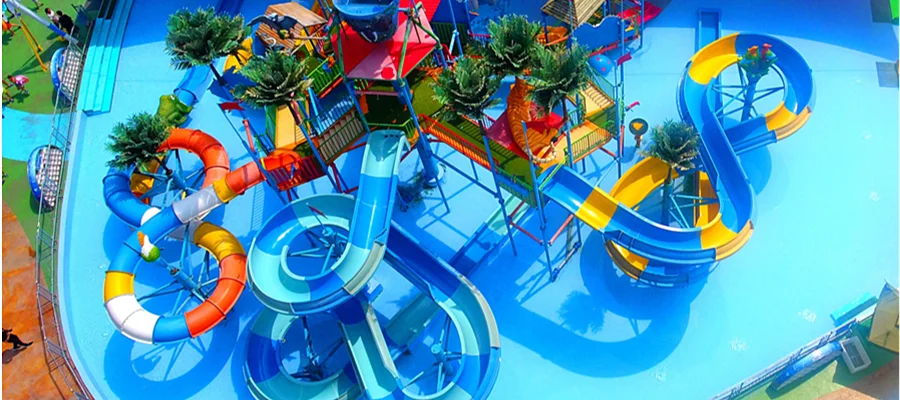
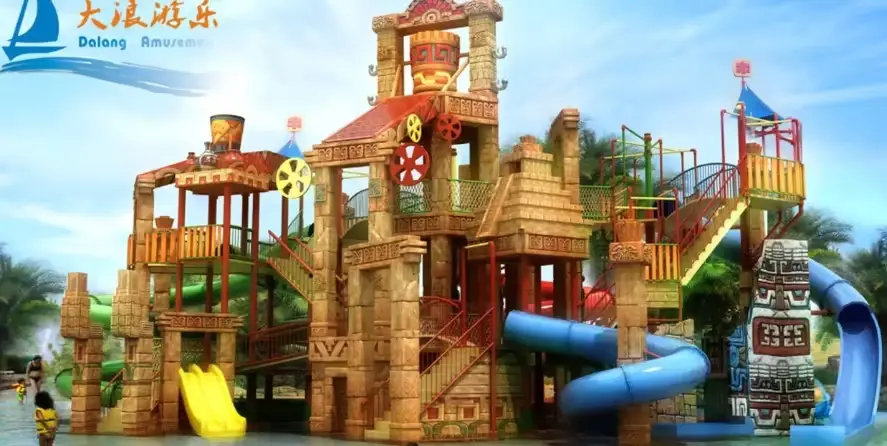
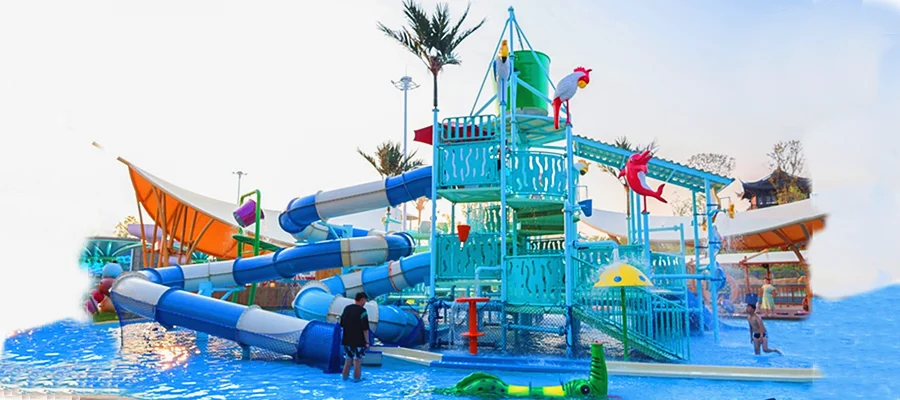
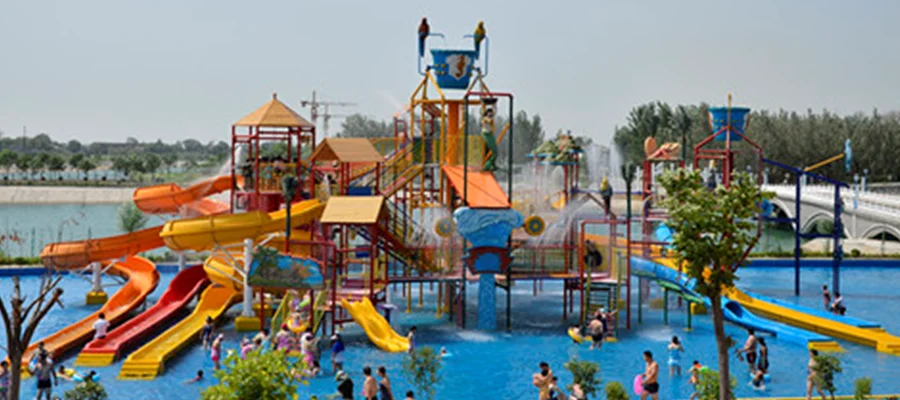
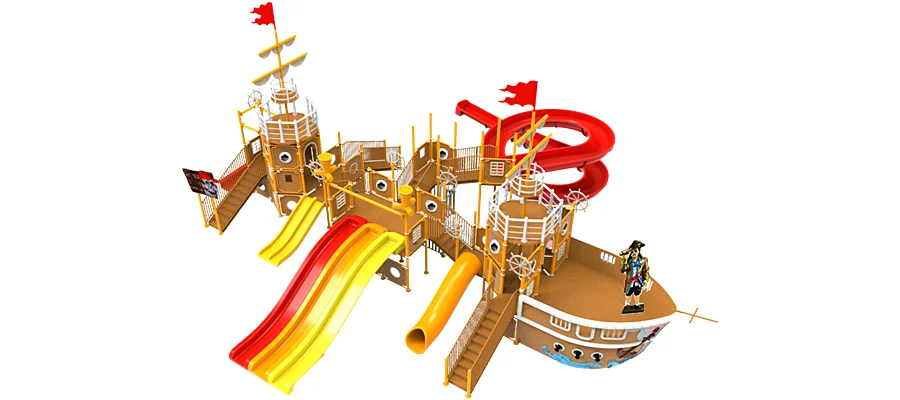
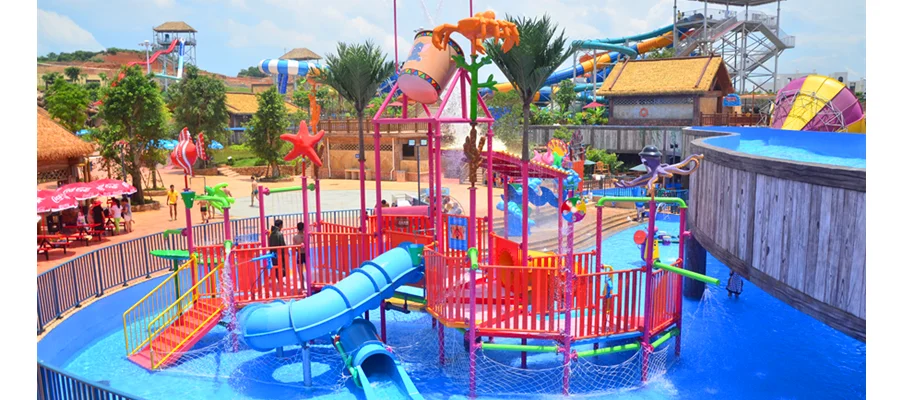
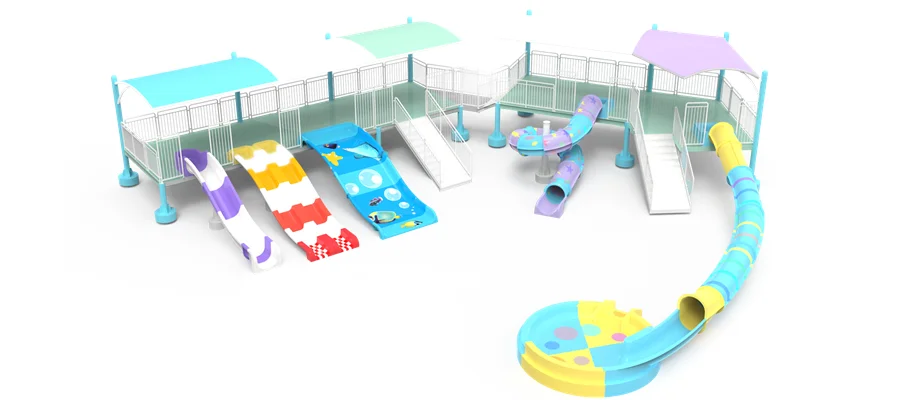
Initially, building an indoor aquatic center focused almost entirely on the thrill of the slides and the depth of the pools, but the conversation has shifted toward long-term resource management. We at Dalang have noticed that the air quality and energy bills of a facility are just as important as the rides themselves. For water park manufacturers, the challenge lies in creating an environment where high humidity and chlorine don’t result in massive energy waste. We focus on creating a balance where the entertainment value remains high while the mechanical footprint stays as small as possible. This shift isn’t just about being green; it is about the financial survival of a venue that operates 365 days a year.
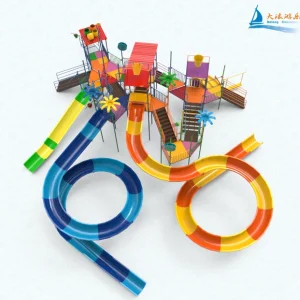
Smarter Air and Water Systems for Enclosed Spaces
Managing an indoor climate requires a specific level of technical expertise because the evaporation from heated pools can quickly damage the building structure if not handled correctly. When we supply indoor water park equipment, we don’t just look at the fiberglass; we look at how the slides interact with the HVAC and filtration systems. We provide combination products that integrate the water features with high-efficiency pumps and moisture-control hardware to ensure the air remains comfortable for guests. In our experience, using variable speed drives on pumps allows a park to scale its energy use based on real-time occupancy. This prevents the systems from running at full blast during slow weekday mornings, directly lowering the monthly overhead.
Strategic Planning for Resource Conservation
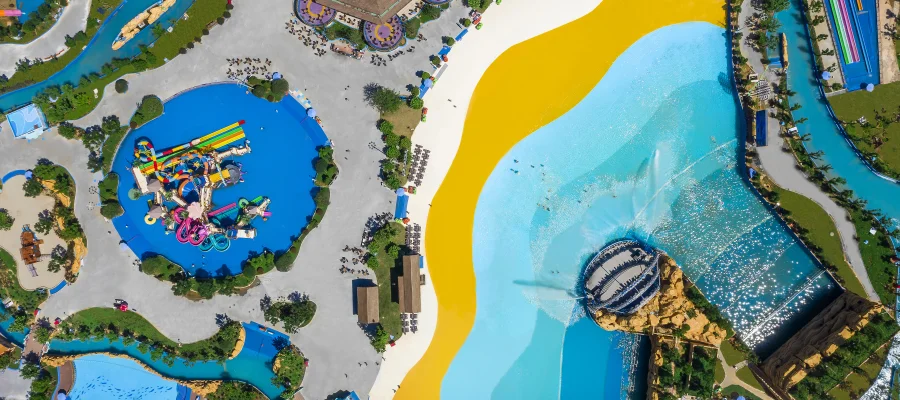
Every successful project begins with a comprehensive water park design project that accounts for every drop of water and every kilowatt of electricity. We have worked on sites where heat exchangers were used to capture the warmth from the air exhaust to pre-heat the pool water, a simple move that saves thousands in heating costs. Our team focuses on a layout that minimizes pipe runs, which reduces friction loss and allows smaller, more efficient motors to do the work. By considering the entire facility as a living organism rather than a collection of parts, we ensure that the drainage and recirculation systems are optimized for maximum recovery. This careful planning during the early stages prevents expensive retrofitting once the doors are open.
Material Durability and Long-Term Value
Choosing the right materials is the most direct way to ensure a facility lasts without requiring constant, resource-heavy repairs. As water park manufacturers, we emphasize using high-density composites and UV-resistant coatings that stand up to the unique rigors of an indoor environment where chemicals are more concentrated in the air. We provide combination products that include corrosion-resistant hardware and specialized fasteners, which are essential when you can’t rely on natural rain to wash away salt or chlorine deposits. This focus on durability means less waste over time, as parts don’t need to be scrapped and replaced every few years. When the equipment is built to last, the environmental and financial impact of the park remains manageable for the duration of its lifecycle.
Creating a sustainable park is about more than just the current trend; it is about building a business that can withstand rising utility costs and tightening regulations. At Dalang, we believe that a well-executed water park design project should serve as a blueprint for efficiency, proving that a high-energy attraction can still be a responsible investment. By integrating advanced indoor water park equipment with smart management software, we give operators the tools to monitor their consumption in real-time. This transparency allows for quick adjustments that protect both the equipment and the bottom line. Our goal is to ensure that when we hand over the keys to a new facility, the owners have a system that is as robust and efficient as it is fun for the families who visit.