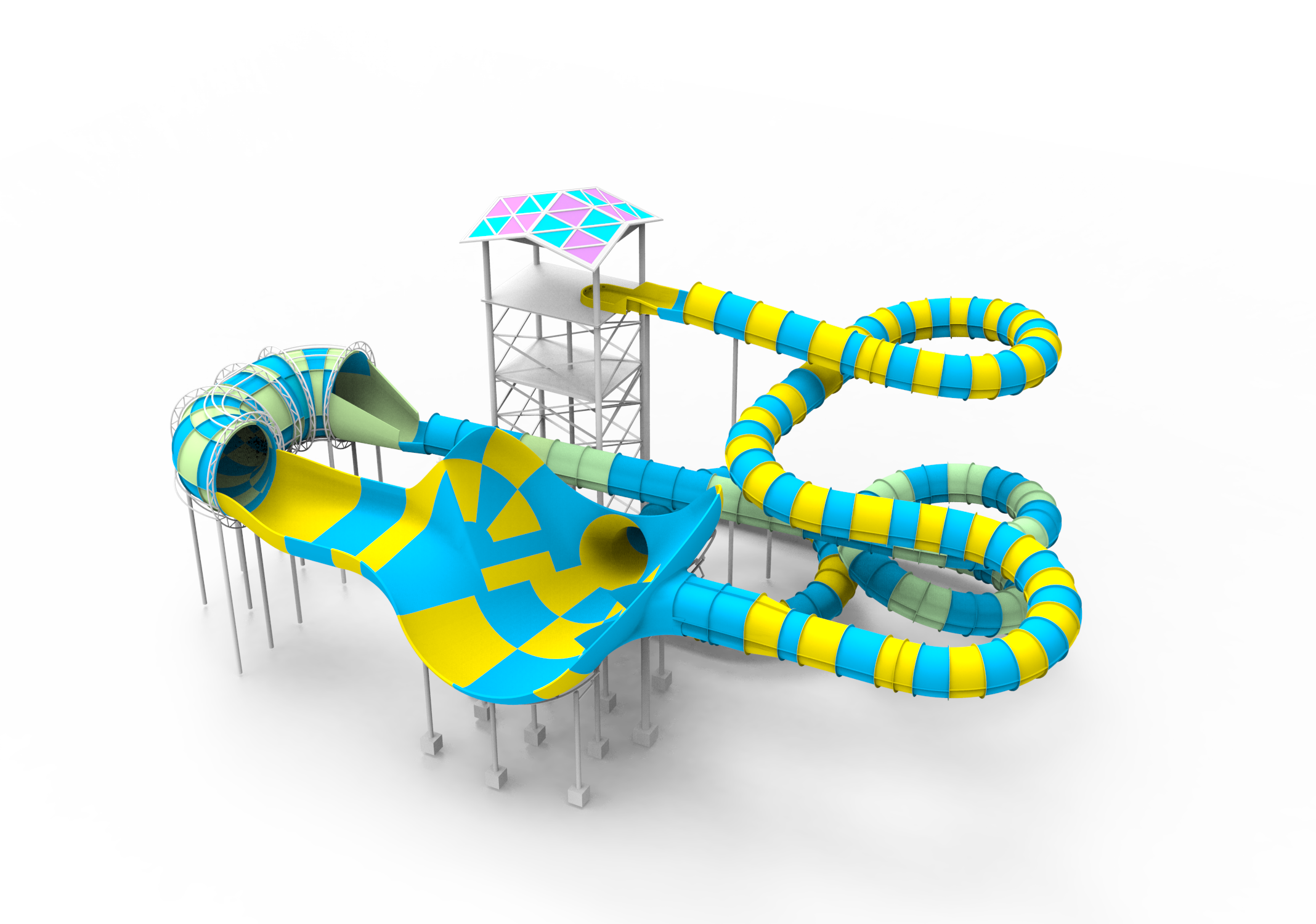
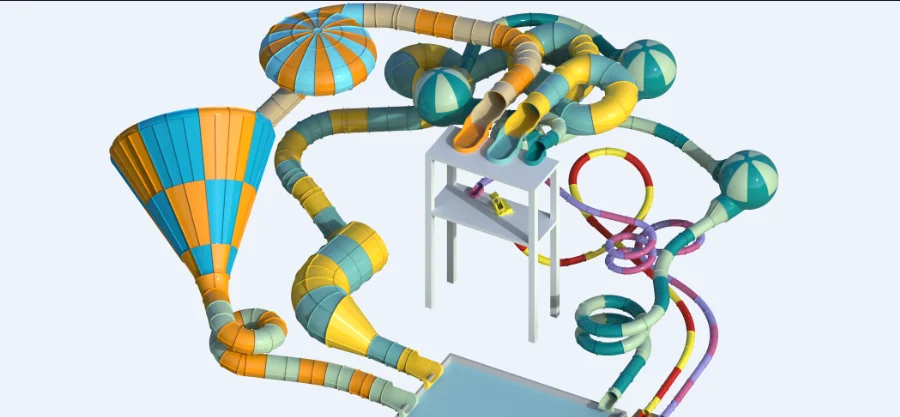
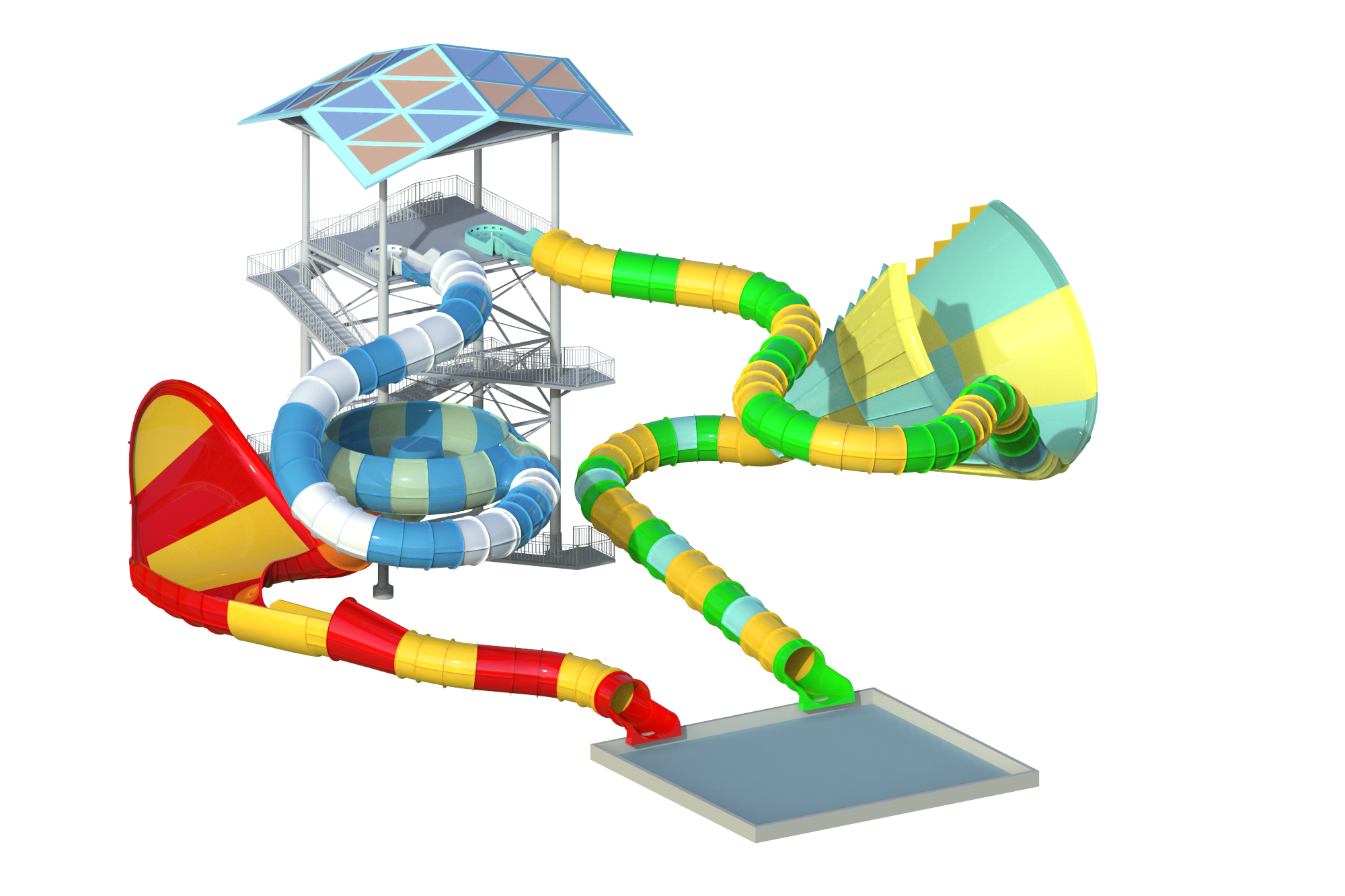
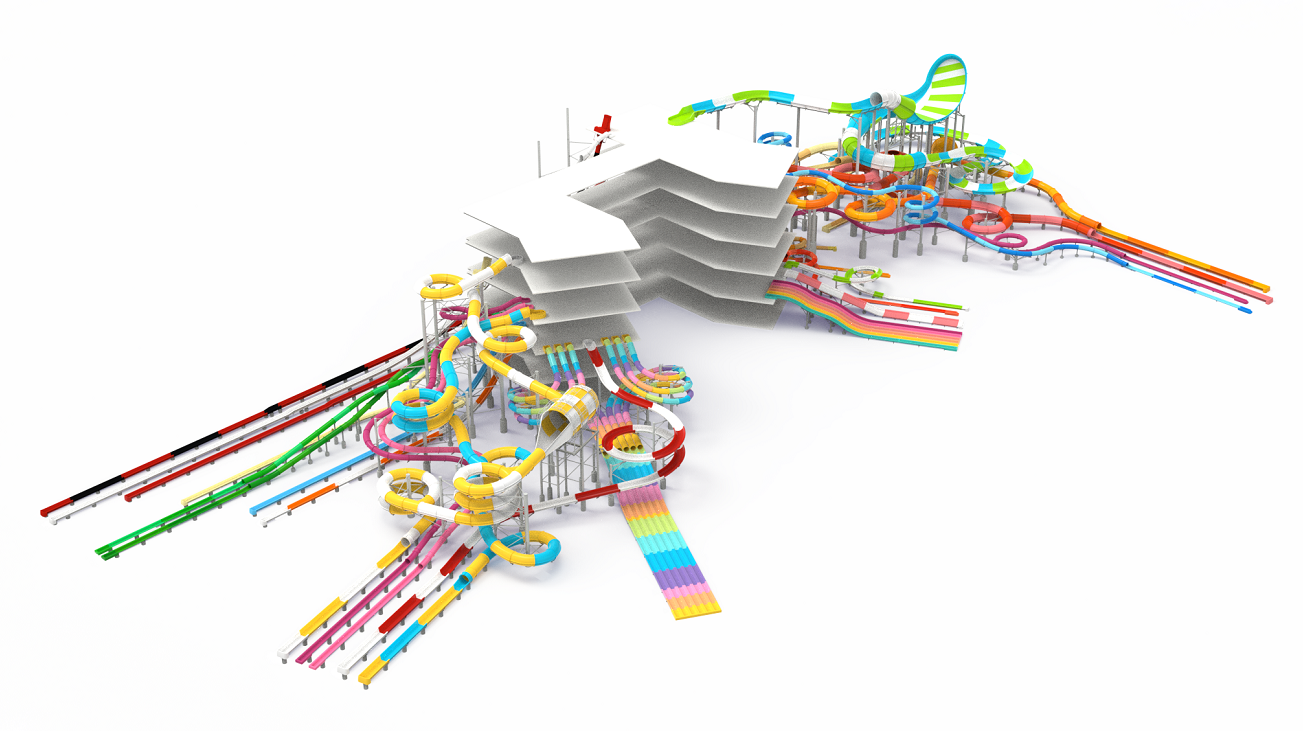
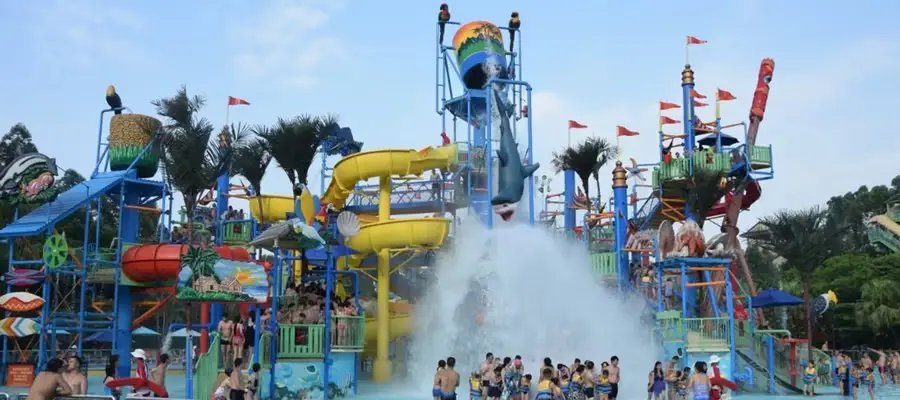
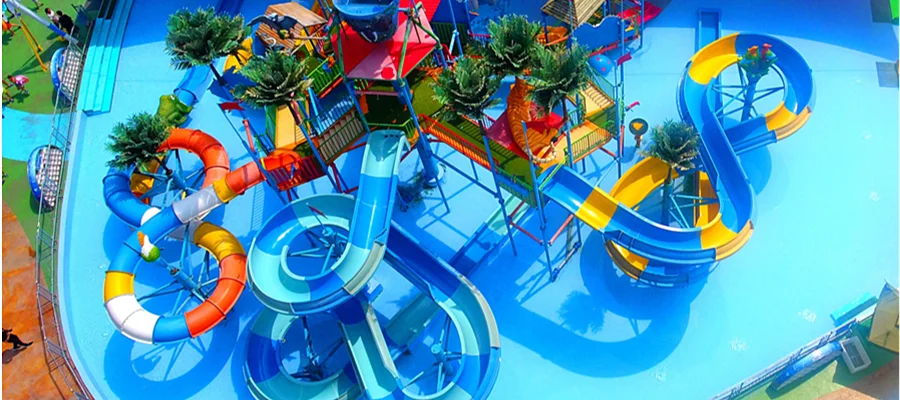
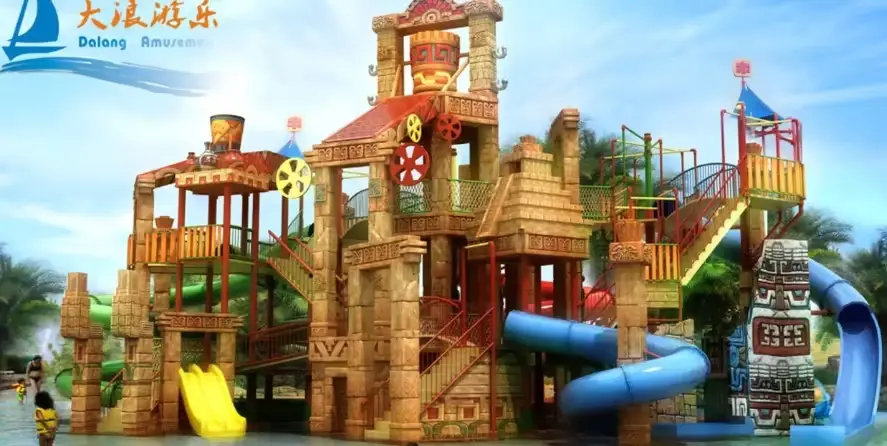
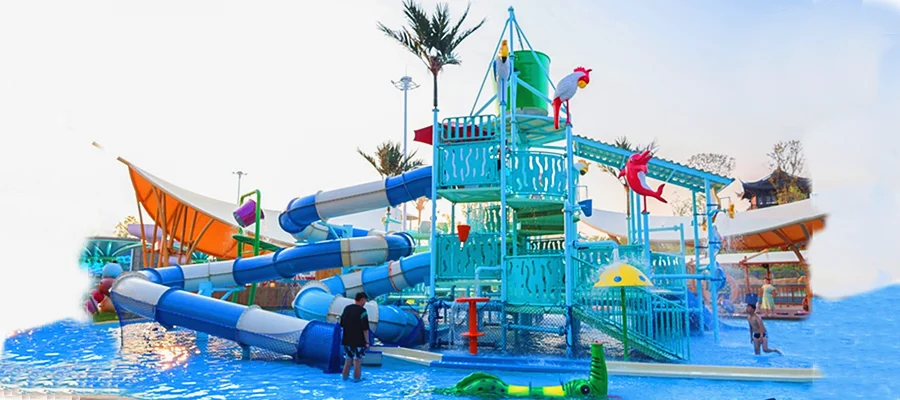
Declining gate attendance and abbreviated guest dwell times frequently signal a lack of a compelling visual anchor within an aquatic destination. When parks rely entirely on standard, predictable flumes, they often struggle to generate the regional marketing buzz necessary to drive advanced ticket sales. Addressing this stagnation requires a strategic architectural intervention. By deploying a massive, high-impact attraction that physically dominates the park skyline, operators can fundamentally alter regional consumer behavior. These towering installations provide a deeply engaging, multi-sensory experience that naturally captures the lucrative thrill-seeker demographic. This data-driven approach to attraction procurement helps project developers transform a standard recreational site into a highly competitive destination, actively supporting a measurable spike in initial gate attendance and sustained secondary spending.
Industry Background on Signature Installations
The broader aquatic entertainment sector is experiencing a structural evolution regarding signature attractions. Historically, facilities utilized numerous smaller, linear pathways to process daily bather loads. While these standard installations provide baseline entertainment, they frequently lack the psychological hook required to stand out in saturated tourism markets. Today, securing a dominant regional presence increasingly depends on deploying highly differentiated structural anchors.
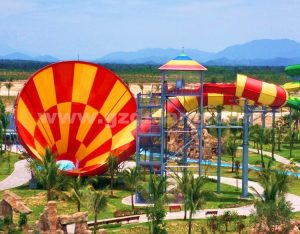
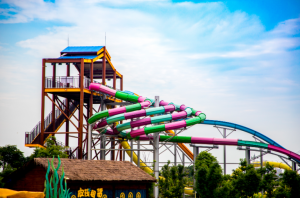
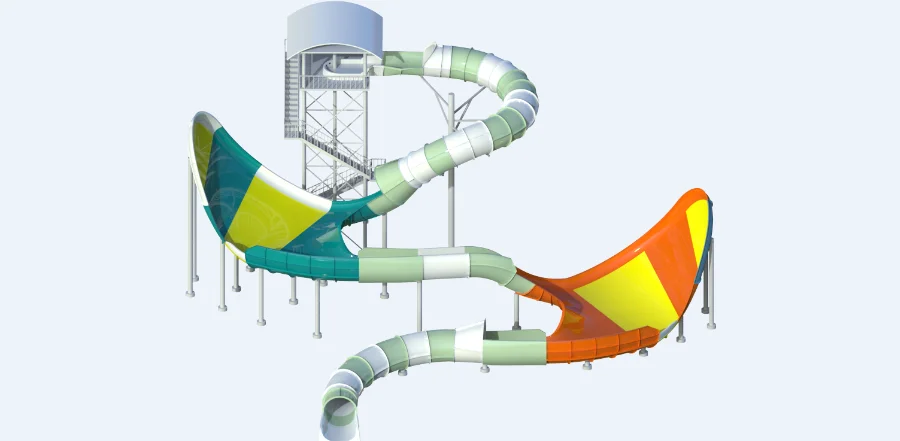
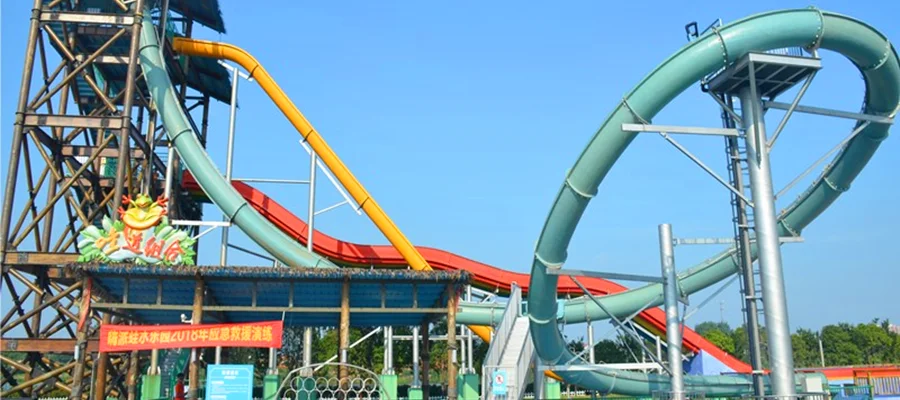
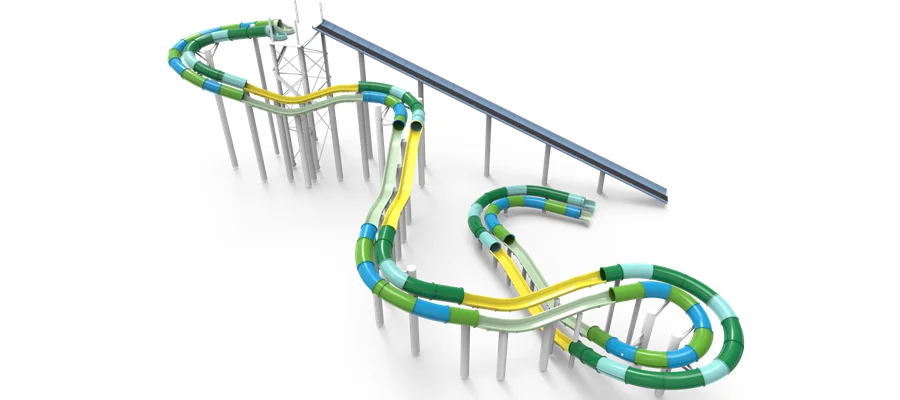
High-level resort investors are actively pivoting toward extreme-gravity installations that offer an entirely distinct rider experience. Introducing a flying slide into a master-planned facility serves as a primary catalyst for this shift. These dynamic structures subvert traditional spatial forms, presenting riders with an intimidating vertical oscillation that standard drops cannot replicate. Prioritizing these visually commanding anchors allows developers to capture the young adult demographic necessary to drive peak seasonal revenue.
Operational Challenges of High-Volume Venues
A persistent operational challenge facing large-scale venues involves managing intense bather loads while maintaining the high-energy atmosphere expected from a premier destination. When an attraction relies on single-rider formats, massive popularity instantly translates into agonizing wait times. This localized spatial friction frequently leads directly to severe guest fatigue and significantly diminished secondary spending at nearby food and retail centers.
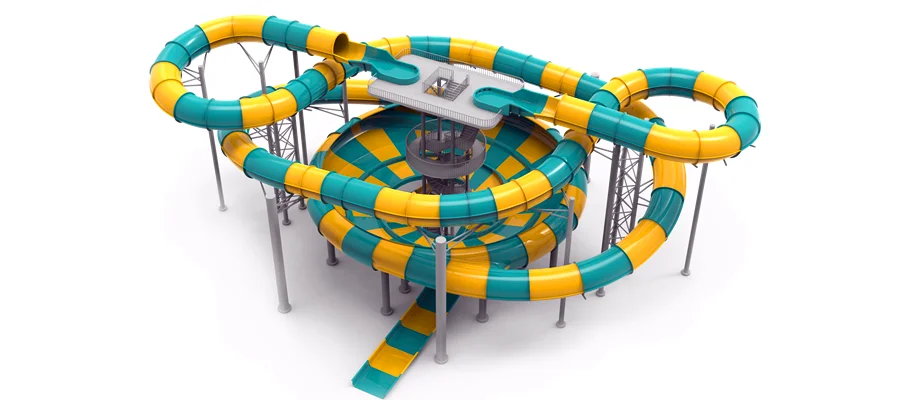
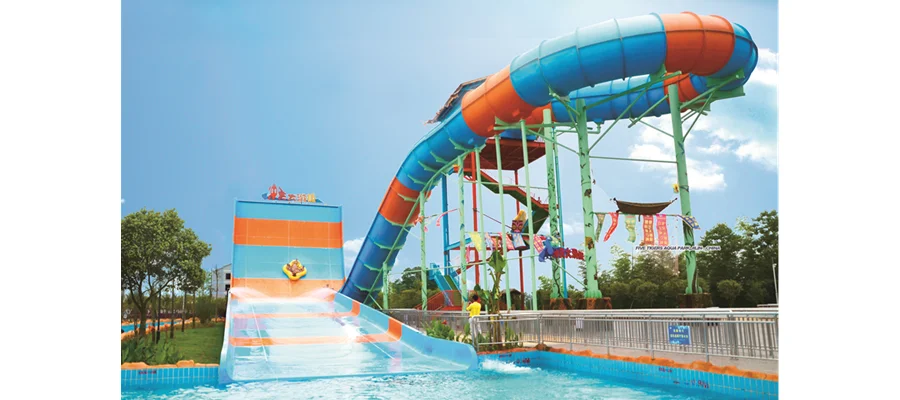
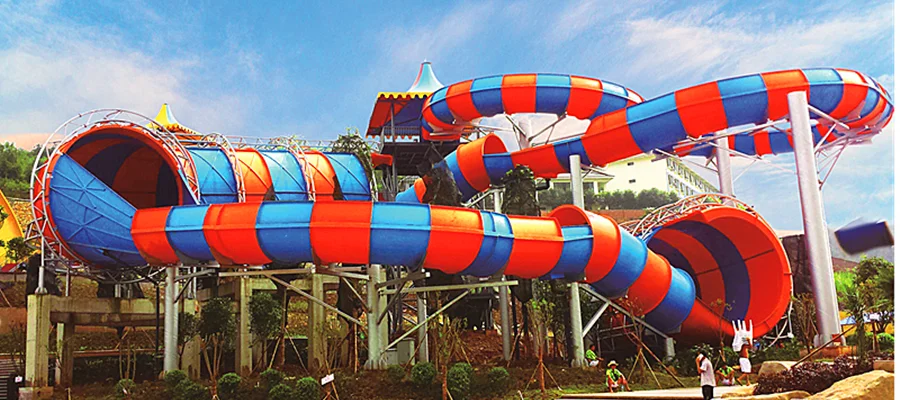
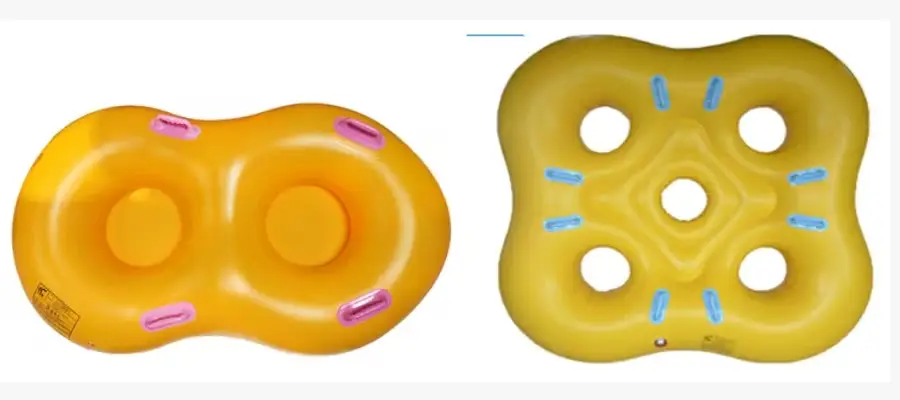
To successfully mitigate these bottlenecks, a park’s central anchor must be engineered for exceptionally high theoretical hourly capacity. Utilizing a specialized raft water slide directly addresses this severe challenge by relying on synchronized, multi-passenger vehicles. Instead of cycling single riders, these advanced systems rapidly absorb large groups of guests simultaneously. This high-volume release valve helps keep thousands of visitors actively engaged rather than standing idle in static queue lines.
Solution Details for Extreme Gravity Forces
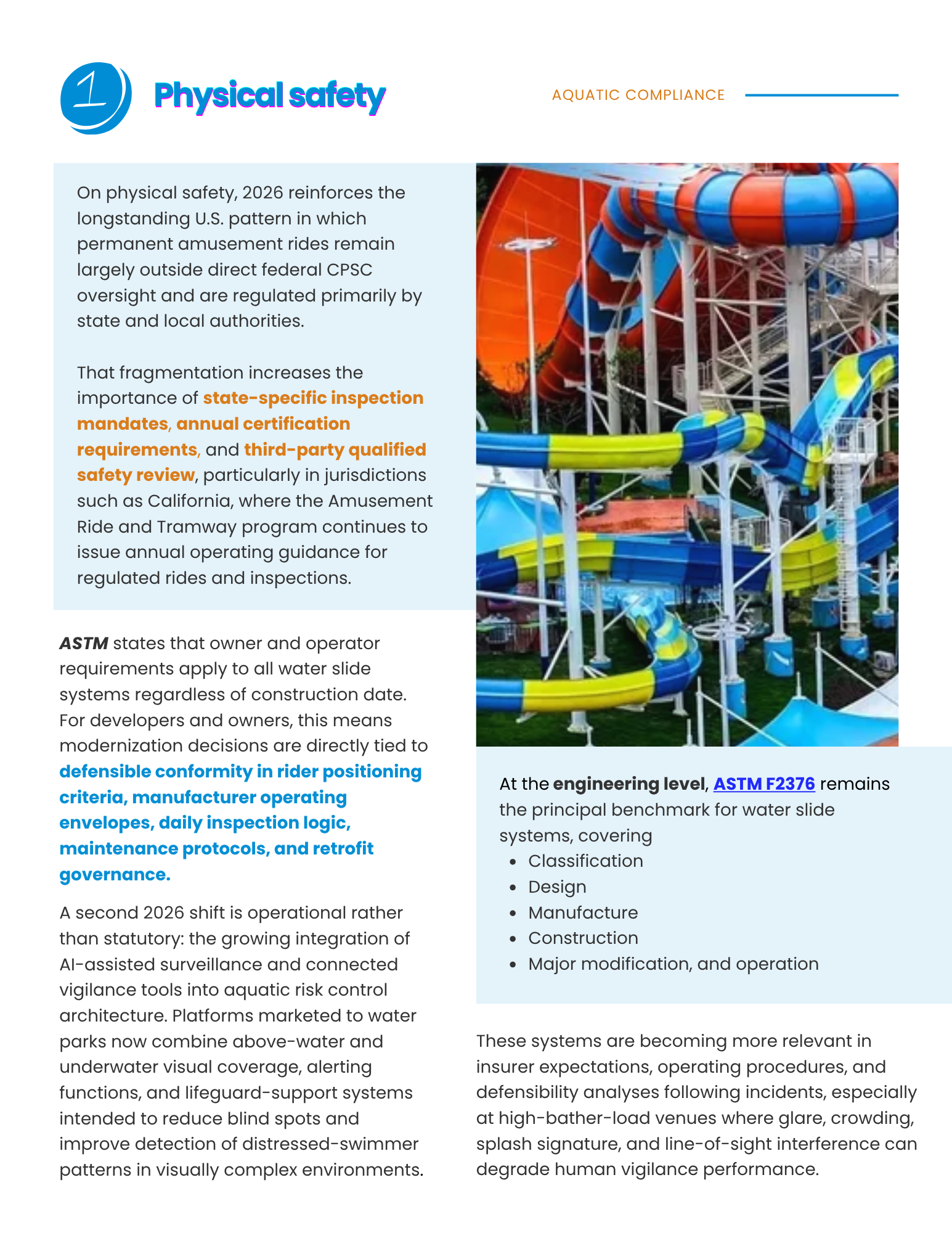
Resolving the complex physics associated with multi-passenger, high-velocity attractions requires sophisticated mechanical engineering and rigorous material science. When heavy rafts navigate extreme elevation changes, the resulting G-forces place immense stress on the structural framework. To safely manage this kinetic energy, modern theme park water slides rely on meticulously calculated geometric curves and heavily reinforced steel support matrices designed to evenly distribute the dynamic load.
Our structural engineering protocols actively utilize computational fluid dynamics to simulate these heavy bather loads before physical fabrication begins. We apply high-density isophthalic resins to the fiberglass surface, intending to create a perfectly seamless, low-friction hydrodynamic path. This precision manufacturing ensures the raft maintains optimal momentum throughout the extreme oscillating movements without compromising the integrity of the underlying composite materials, actively supporting highly reliable daily operation.
Data Results Analysis on Guest Engagement
Evaluating the true impact of a high-visibility architectural anchor requires a rigorous analysis of operational performance data and overarching guest flow patterns. Facilities deploying extreme elevation-change attractions frequently report distinct, measurable improvements in their seasonal metrics. Historical throughput data indicates that the shared, multi-passenger adrenaline rush creates a powerful psychological hook, directly encouraging active repeat visitation throughout the day.
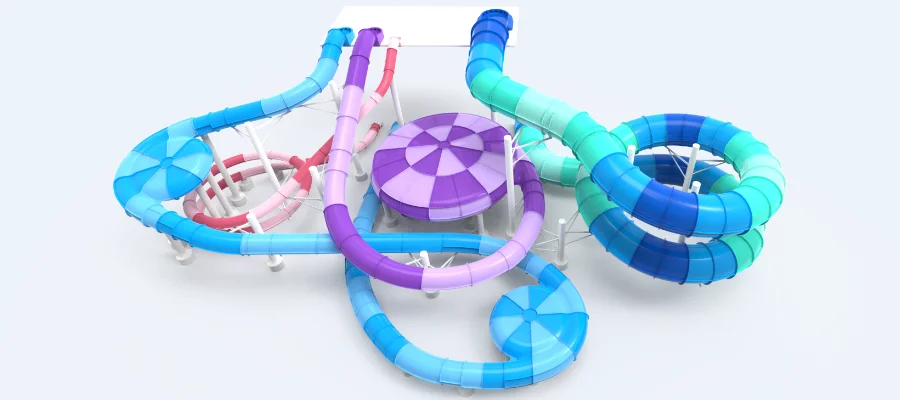
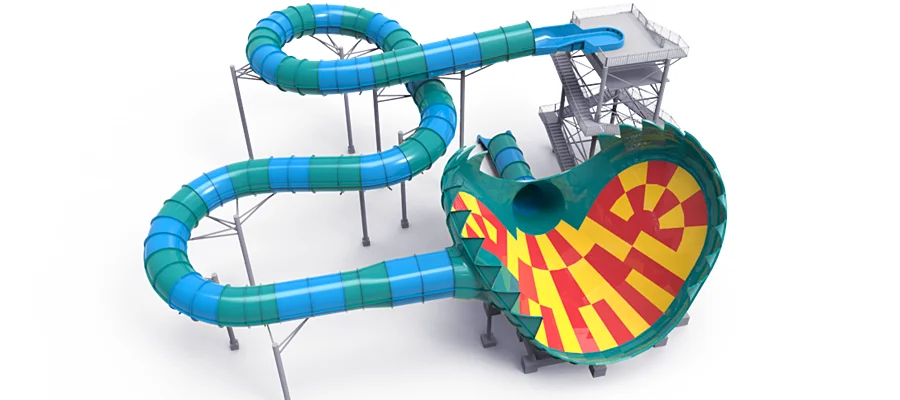
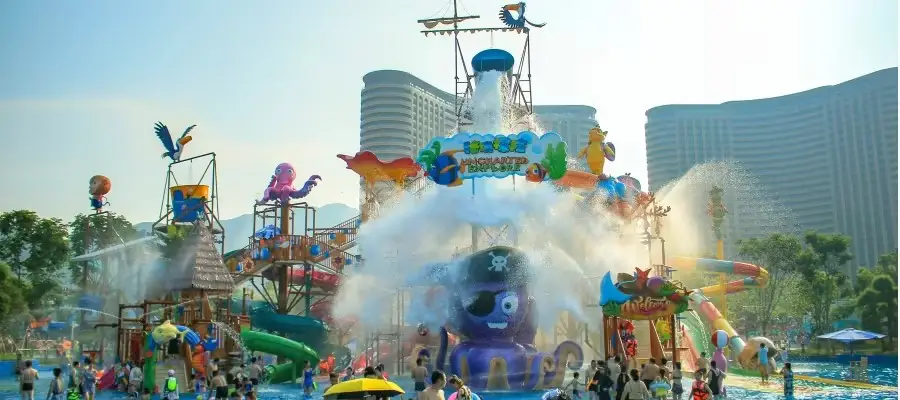
Furthermore, these massive structural anchors naturally create a spectator effect, drawing crowds of onlookers. When developers map premium commercial kiosks adjacent to these high-energy zones, they typically record elevated per-capita spending. This engagement loop is similarly observed when deploying an advanced water coaster ride, where continuous hydrodynamic propulsion keeps guests highly engaged. This data-driven layout strategy effectively transforms standard exit pathways into lucrative commercial spaces.
Advantages of Advanced Combination Products
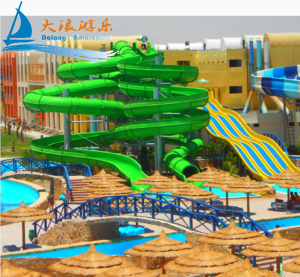
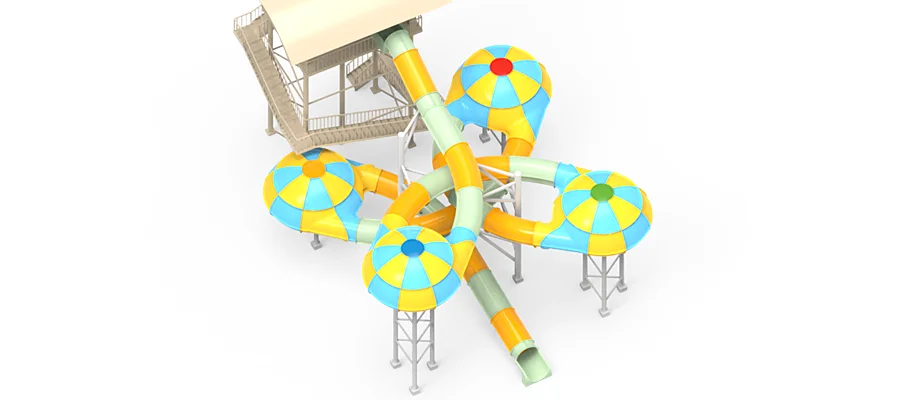
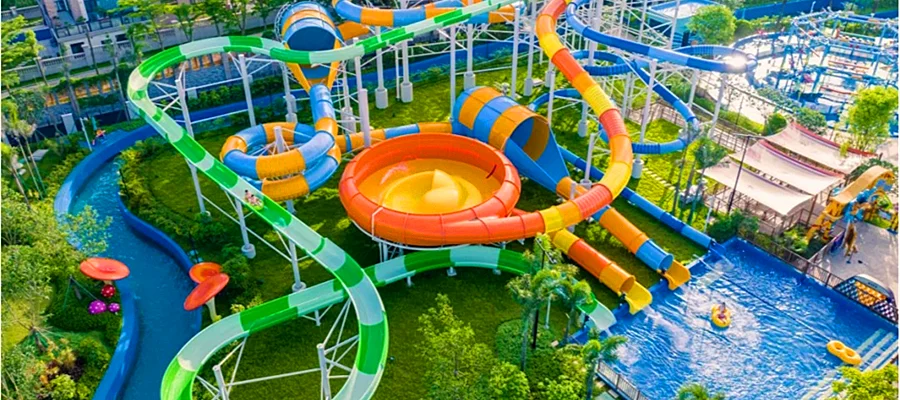
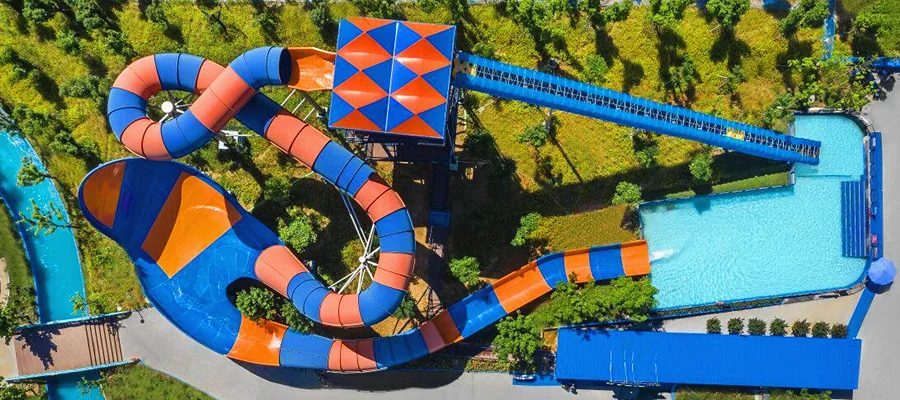
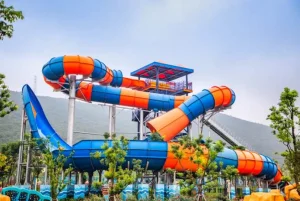
The architectural and financial advantages of deploying massive aquatic infrastructure are significantly magnified when developers utilize advanced combination products. Instead of isolating single high-thrill flumes across a sprawling property, centralizing distinct thrill elements into an interconnected structural matrix creates a highly efficient localized gravity center. Integrating extreme vertical oscillations and high-speed spirals establishes a profound visual landmark that dominates the skyline.
These customized modular installations serve as highly effective release valves, absorbing and dispatching massive crowd surges within a highly compressed footprint. By partnering with an established engineering resource like Dalang, operators can leverage tightly nested structural frameworks to maximize the vertical space of the building envelope. This strategic approach efficiently lowers raw steel procurement costs and minimizes complex foundational concrete pouring, protecting the initial capital investment.
Key Takeaways for Capital Allocation
For project investors and resort developers, navigating the complexities of regional market dominance presents clear strategic directives for future capital allocation. The primary takeaway is that securing long-term attendance growth frequently requires infrastructure that fundamentally alters standard guest behavior. Relying solely on basic hardware procurement typically results in an attraction mix lacking the necessary visual identity to drive robust digital marketing campaigns.
Investors must prioritize iconic, high-capacity installations that actively encourage guests to capture and share their experiences online. Utilizing intelligent attraction zoning and digitally responsive infrastructure serves as a fundamental strategy for economic endurance. By aligning the architectural master plan with advanced capacity management solutions, developers can navigate intense overhead challenges and work toward stable, highly predictable profitability goals within a competitive global tourism market.