Evaluating the return on investment between seasonal outdoor facilities and year-round indoor destinations presents a complex financial challenge for project investors. Traditional seasonal models require lower initial capital expenditure but force operators to generate their entire annual revenue within a heavily restricted, weather-dependent operational window.
Conversely, enclosed facilities offer revenue stabilization across all twelve months, effectively mitigating climate volatility, yet they demand significantly higher utility overhead and specialized mechanical engineering. Addressing this strategic divide requires a rigorous analysis of localized demographics, utility constraints, and foundational spatial planning.
By examining throughput data and operational expenditures across both business models, developers can actively determine which infrastructural approach aligns closely with their overarching financial goals, ultimately supporting a more stable and predictable path to long-term profitability.
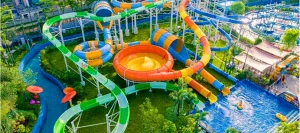
The Structural Shift Toward Climate Independence
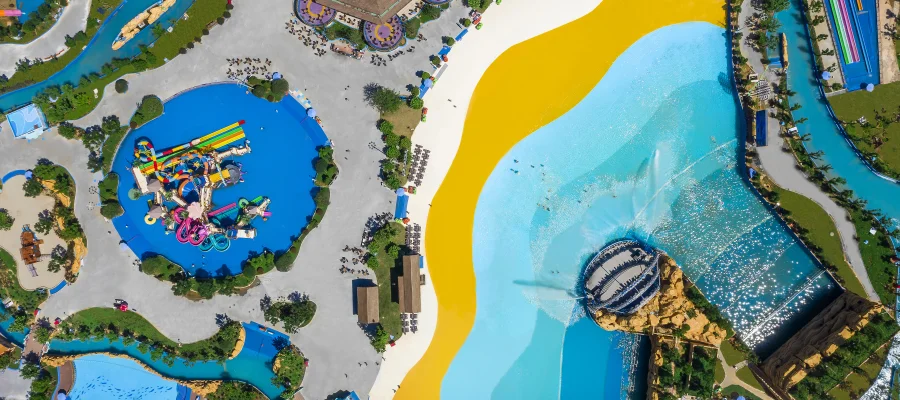
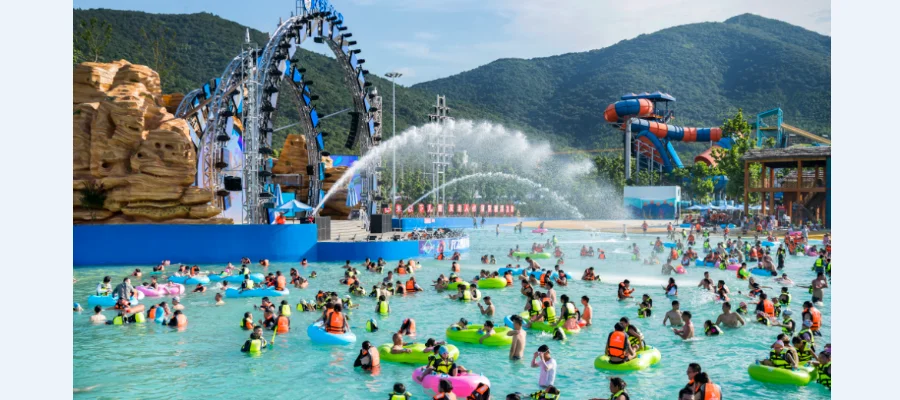
The broader aquatic entertainment sector is experiencing a structural evolution regarding how developers approach site acquisition and facility development. Historically, the industry relied predominantly on sprawling outdoor footprints designed to process massive bather loads during brief, intense summer surges.
While this seasonal model remains viable in specific equatorial regions, investors operating in volatile or temperate climates increasingly recognize the financial vulnerability of restricted operating calendars. Today, securing long-term market presence frequently dictates a shift toward climate-controlled, enclosed destinations that remain insulated from unpredictable weather patterns.
Operating as experienced water park manufacturers, we observe that high-level theme park developers are actively pivoting toward these year-round models to prevent costly facility dormancy. This transition requires highly specialized architectural master planning to support continuous revenue generation throughout the calendar year.
Managing High-Volume Bather Loads Indoors
Operating a large-scale destination within a confined architectural envelope introduces severe logistical and capacity constraints that outdoor facilities typically do not face. When a venue is entirely enclosed, managing intense bather loads requires meticulous spatial optimization to prevent localized queue bottlenecks and overwhelming crowd density.
If high-thrill attractions and leisure hubs are not strategically zoned, operators frequently experience severe operational friction, leading directly to guest fatigue and diminished secondary spending. Furthermore, deploying extensive indoor water park equipment necessitates rigorous humidity management and complex air handling systems.
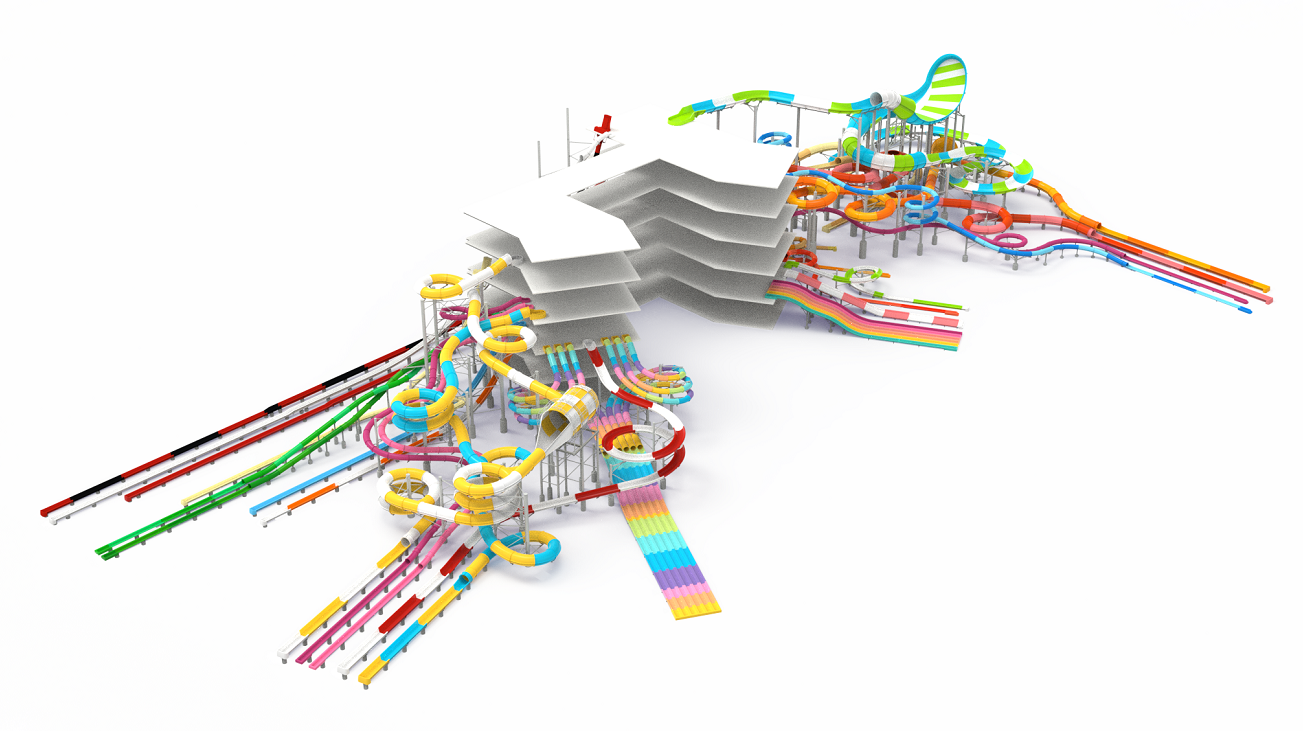
Addressing these indoor-specific challenges requires an immediate focus on intelligent layout configuration. By engineering pedestrian pathways that naturally diffuse crowd surges and efficiently distribute visitors across multi-level structural footprints, facility managers can effectively maintain high daily throughput without compromising the overarching guest experience.
Engineering Advanced Thermal and Hydraulic Systems
Resolving the high operational overhead associated with year-round facilities demands sophisticated mechanical intervention directly into the foundational master plan. Heating massive volumes of water and maintaining tropical ambient temperatures during winter months typically inflate daily utility expenditures.
To mitigate these thermal challenges, modern water park construction protocols actively integrate advanced variable frequency drives and intelligent climate control networks. These automated mechanical systems continuously adjust energy consumption based on real-time bather utilization, effectively lowering power requirements during off-peak hours.
Additionally, deploying closed-loop hydraulic networks and regenerative media filters minimizes the constant need to heat fresh municipal water. By prioritizing thermal efficiency and rigorous water conservation from the initial drafting phase, developers can actively reduce the formidable utility costs associated with enclosed operations, supporting a much healthier daily profit margin.
Evaluating Financial Performance Metrics
Determining the ideal business model requires a rigorous analysis of operational performance data and overarching lifecycle costs. Facilities utilizing an enclosed, year-round operational framework frequently report distinct improvements in their employee retention and advanced ticketing metrics.
Historical data suggests that avoiding the seasonal hiring cycle reduces training overhead and supports higher operational safety standards. Furthermore, when analyzing secondary revenue, indoor environments often encourage longer average visit durations during inclement weather.
Integrating premium water park equipment within a highly controlled climate naturally interfaces with adjacent dining and retail hubs, creating a captive audience. While the initial capital expenditure for a year-round facility is substantially higher, the ability to generate continuous daily cash flow without weather-related closures typically contributes to a highly stabilized, long-term return on investment for primary stakeholders.
Optimizing Indoor Spatial Efficiency
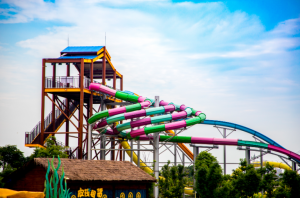
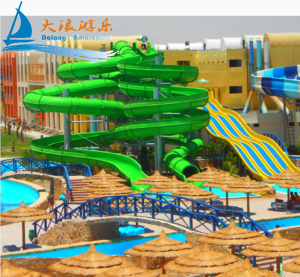
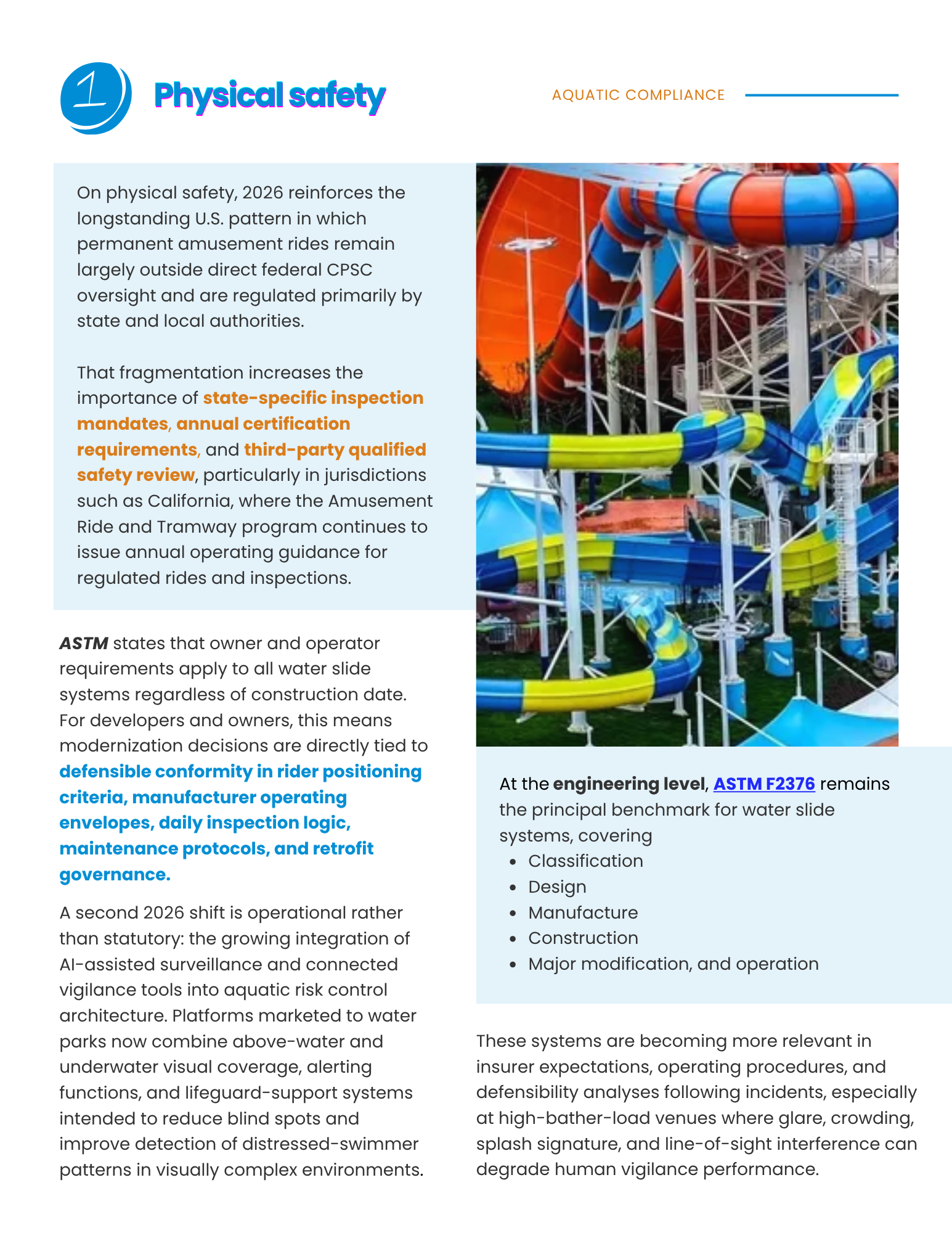
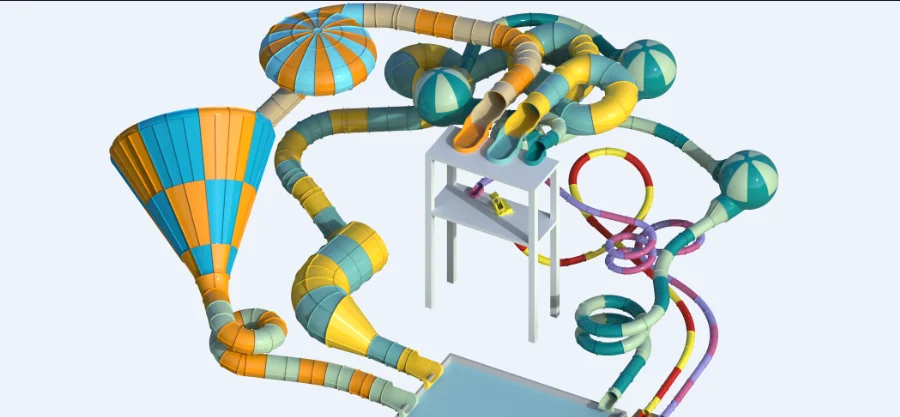
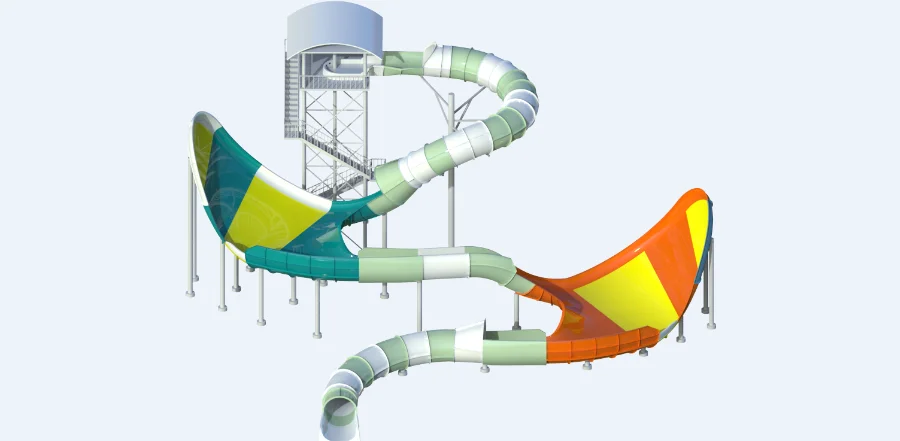
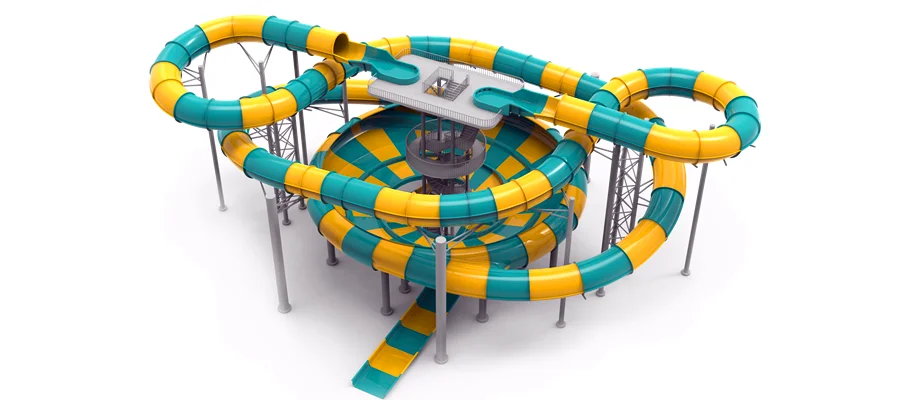
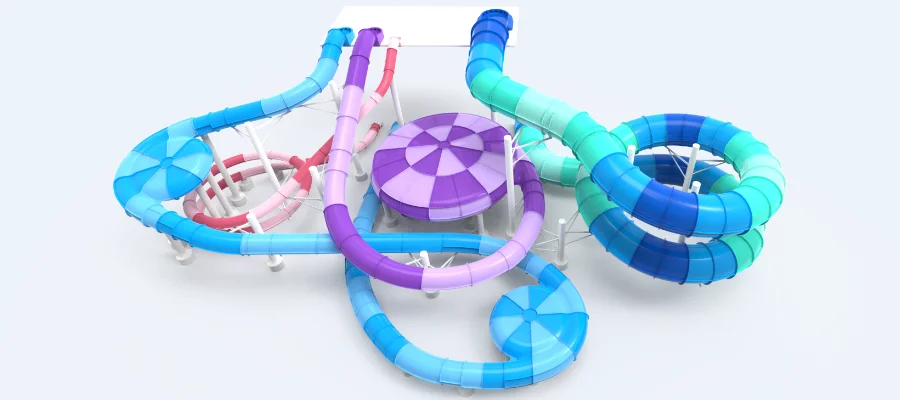
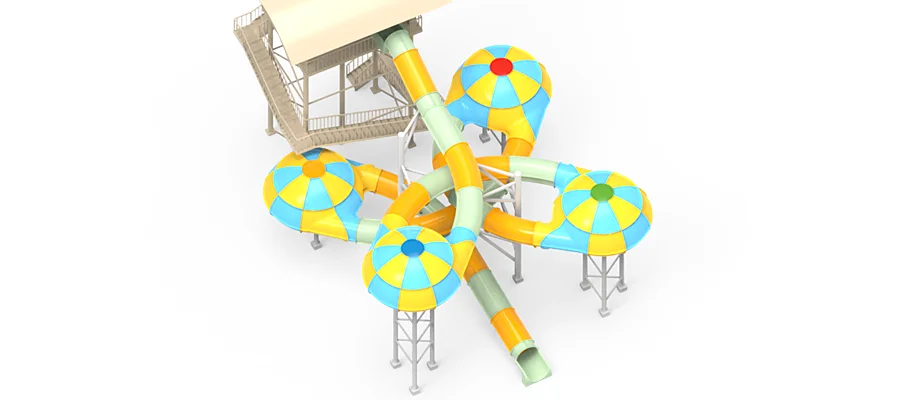
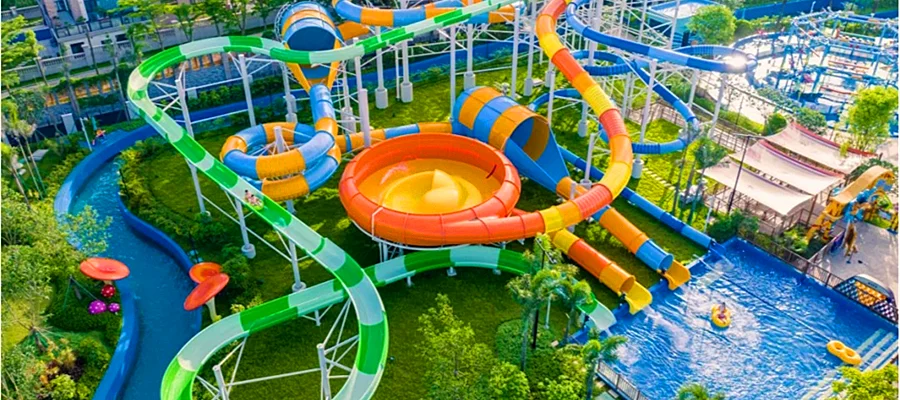
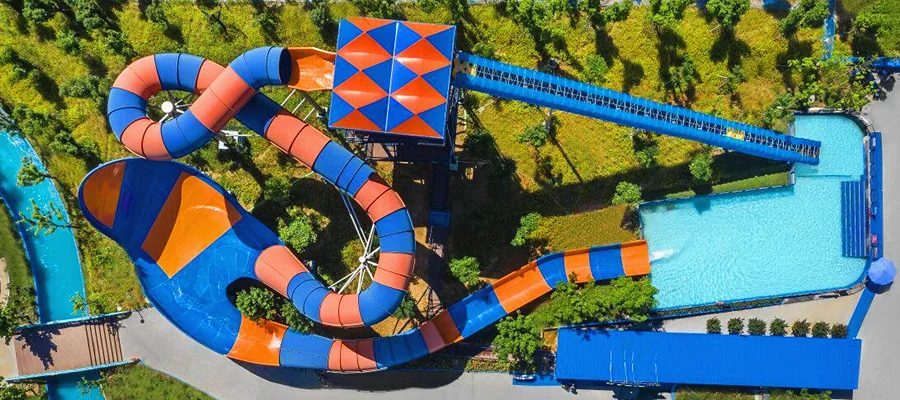
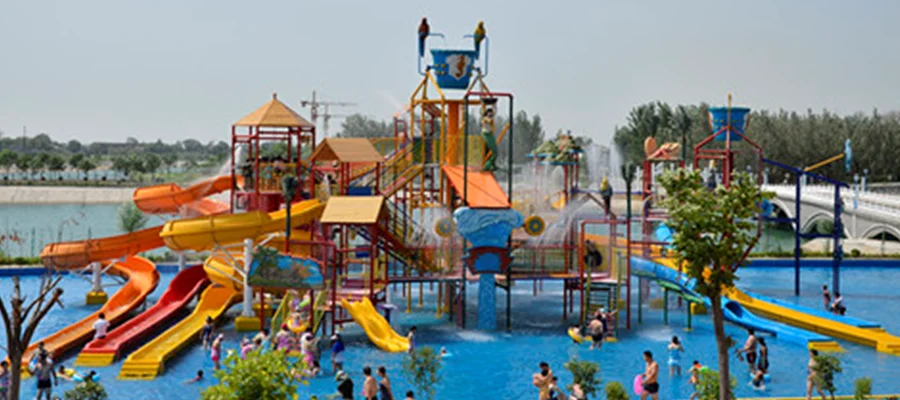
The architectural advantages of deploying massive combination products are magnified when developers navigate strict square-footage limitations. Instead of sprawling isolated flumes across vast outdoor acreage, centralizing distinct thrill elements into unified structural matrices becomes a fundamental requirement.
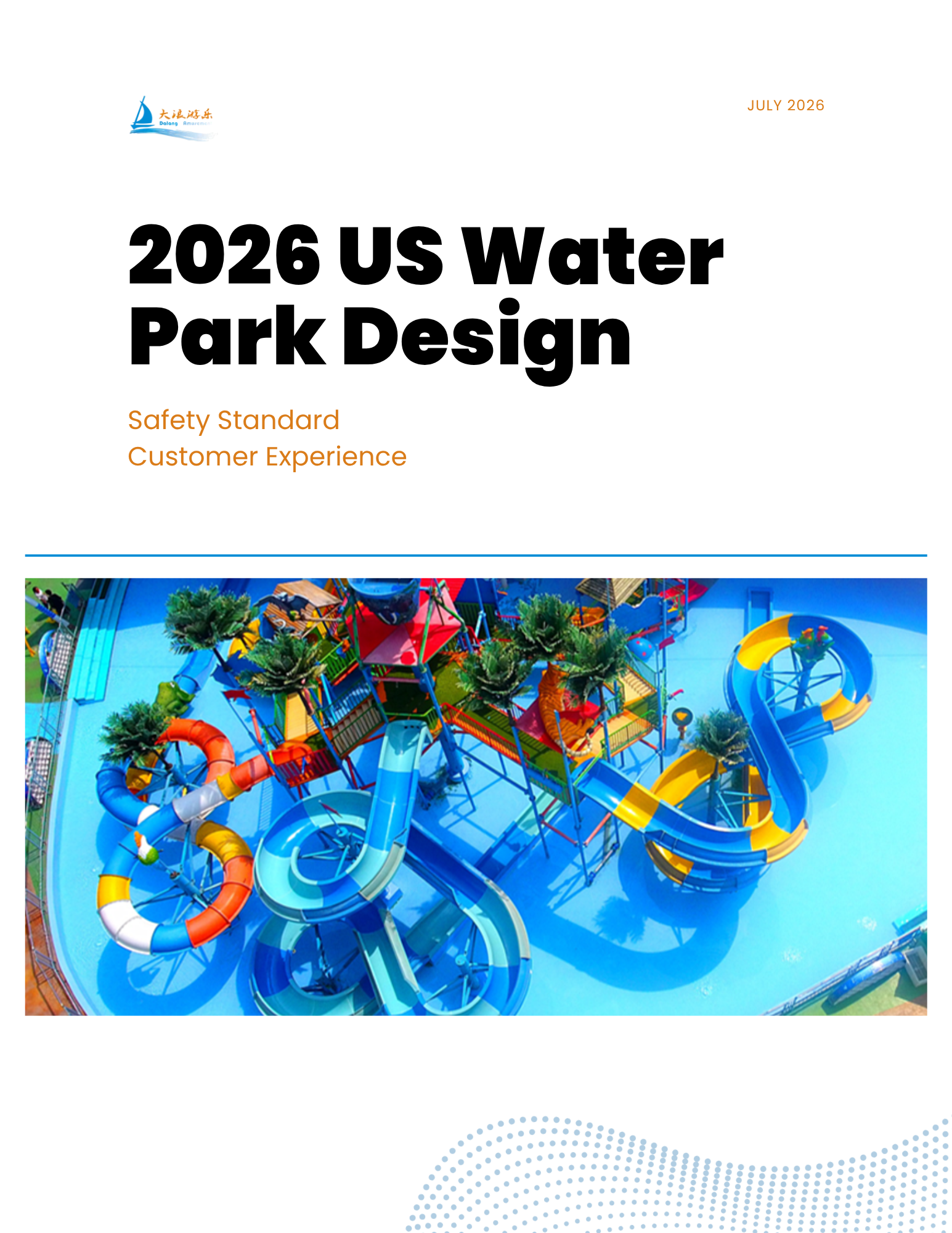
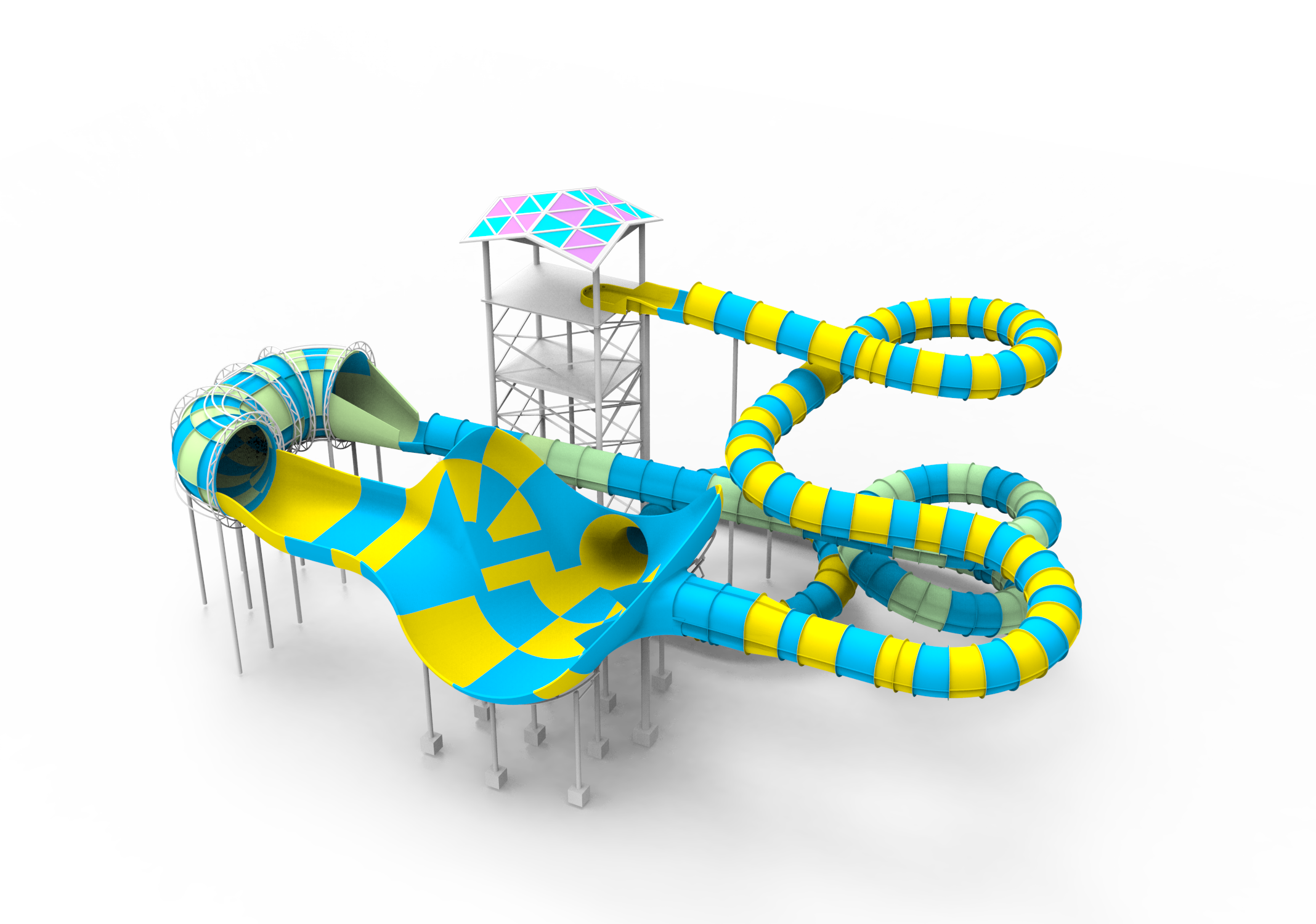
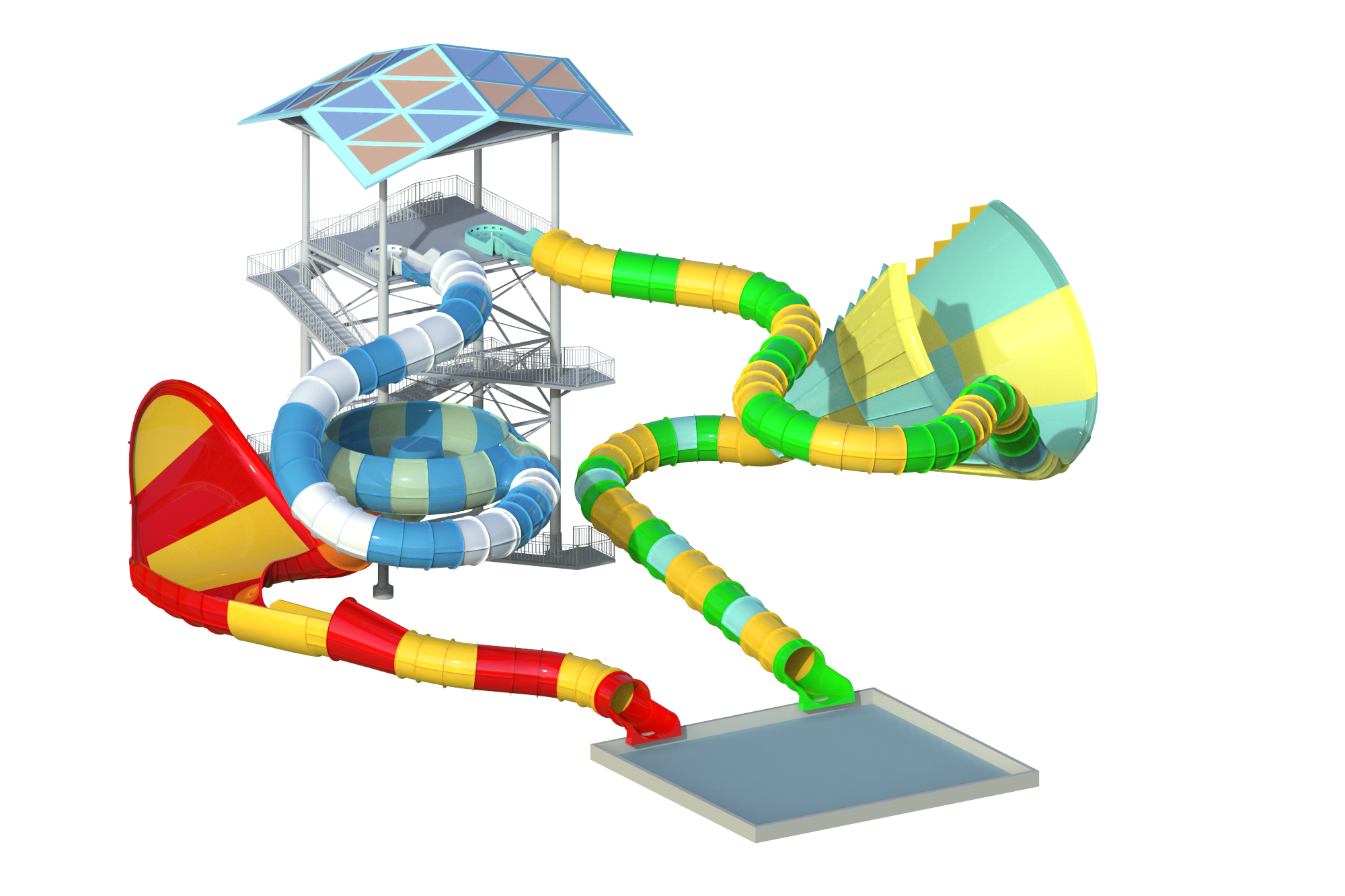
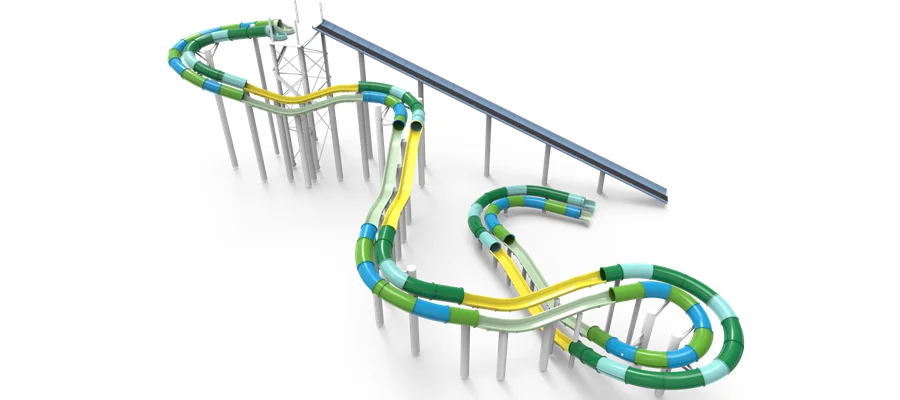
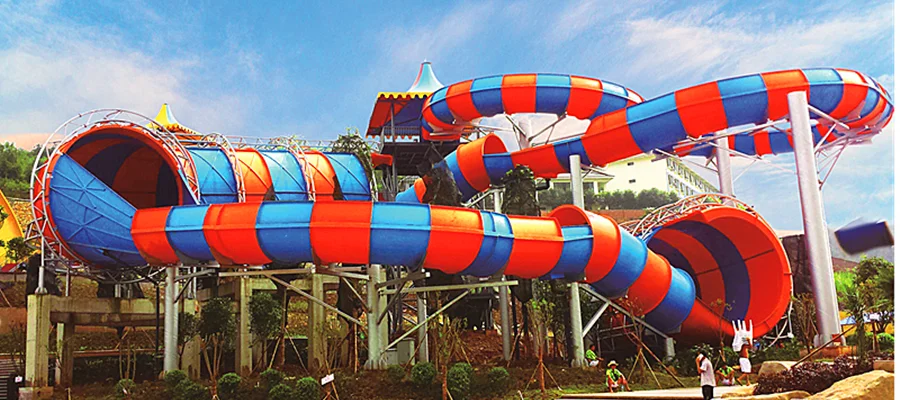
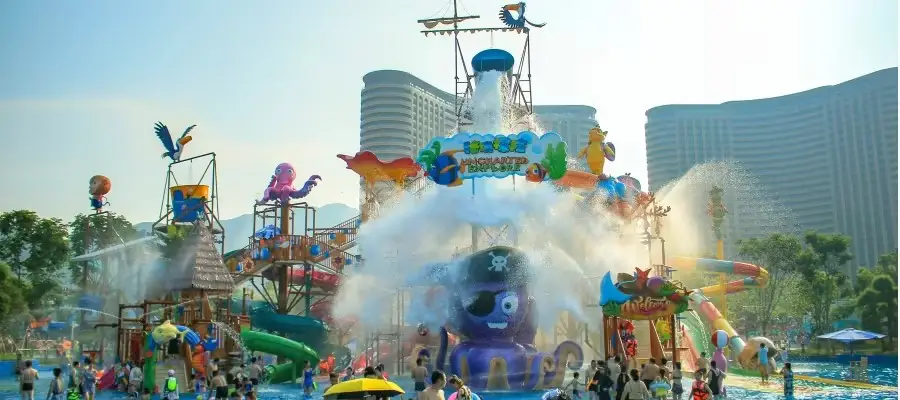
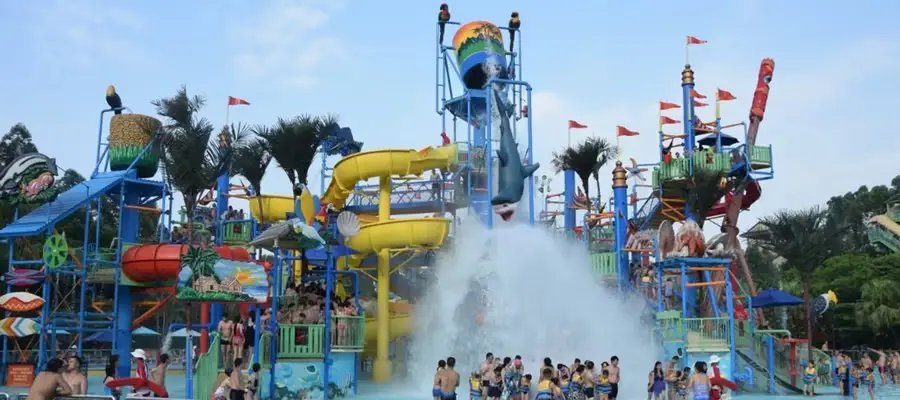
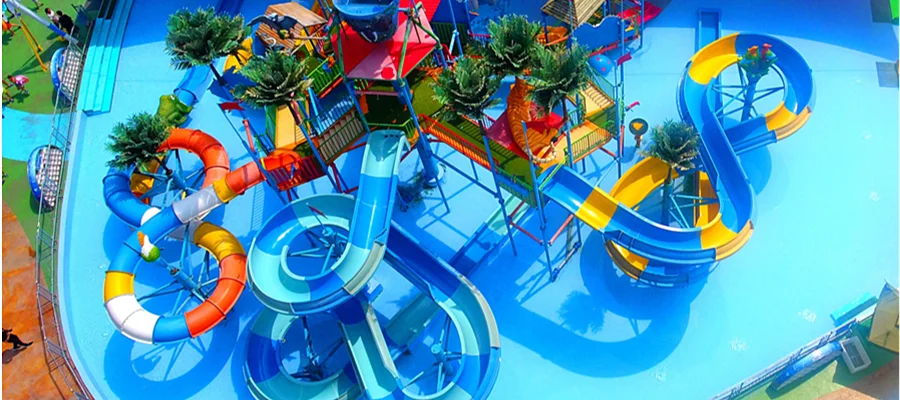
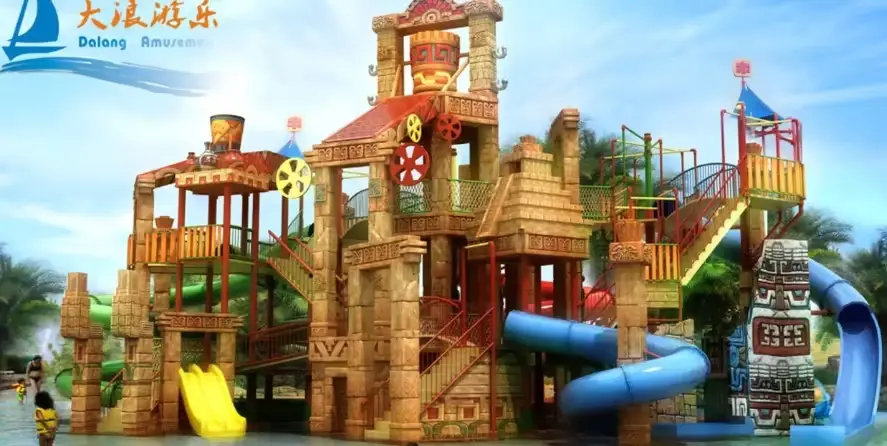
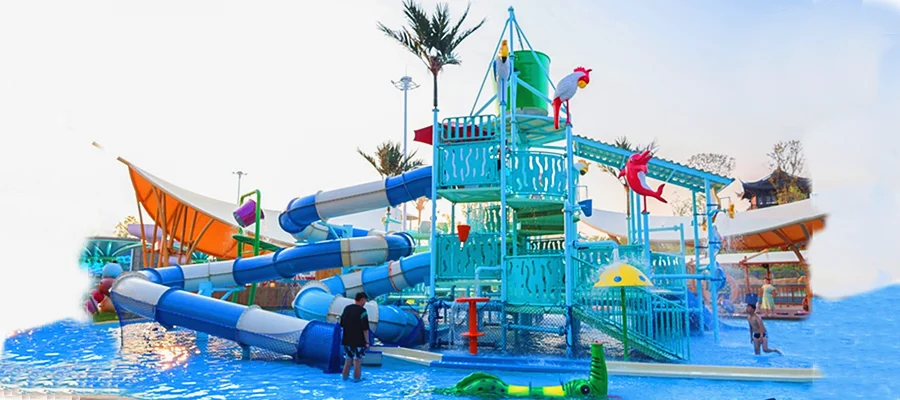
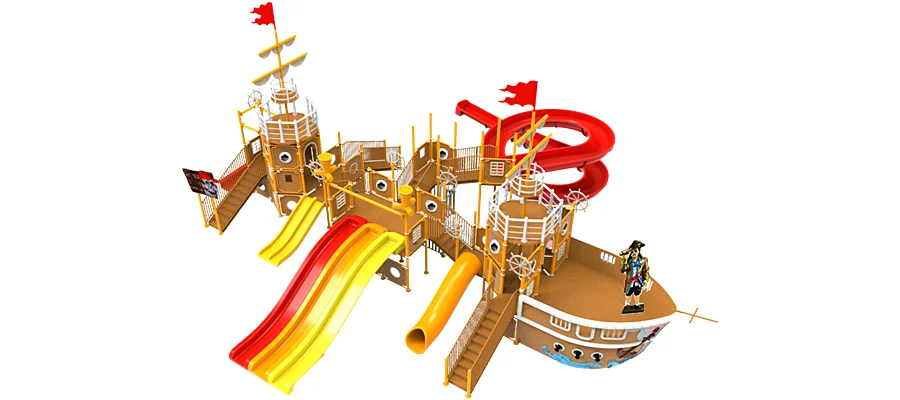
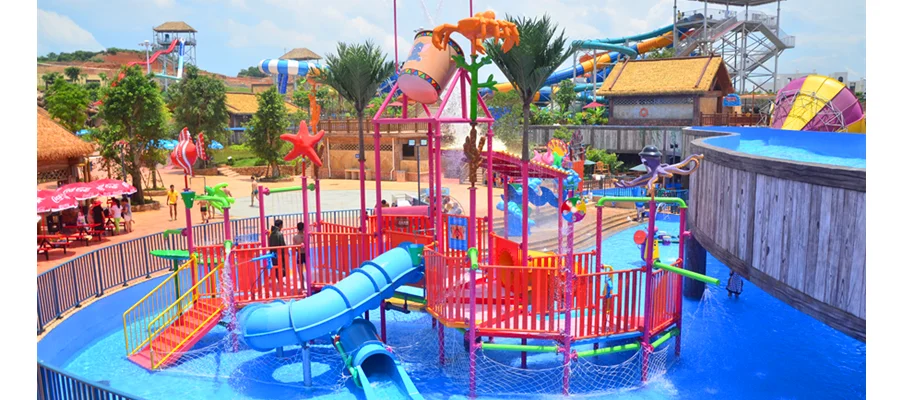
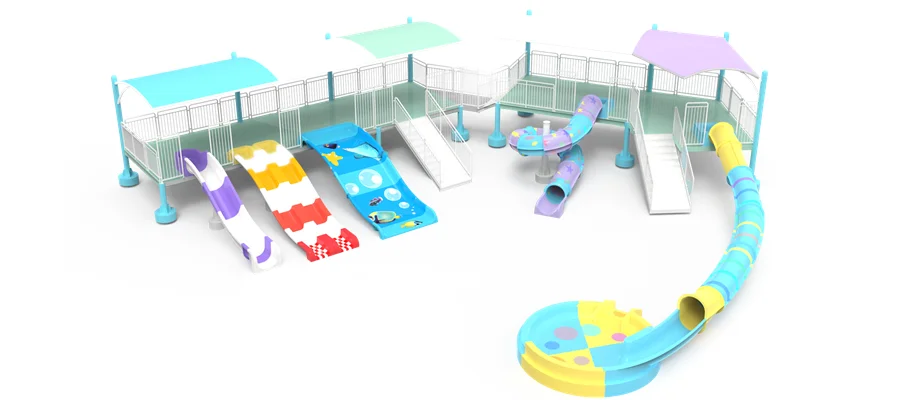
Integrating multi-lane racers, expansive interactive playhouses, and high-speed spirals into a single, interconnected tower creates a highly efficient localized gravity center. These customized modular installations act as high-capacity release valves, absorbing and dispatching thousands of riders within a highly compressed footprint.
By partnering with an established engineering resource like Dalang, operators leverage these tightly nested structural frameworks to maximize the vertical space of the building envelope. This strategic approach efficiently manages complex indoor crowd dynamics while preserving valuable ground-level real estate for high-margin commercial kiosks.
Strategic Directives for Capital Allocation
For resort developers, evaluating the seasonal versus year-round debate presents clear strategic directives for capital allocation. The chosen operational model must align with local climate realities and long-term utility access. While seasonal outdoor venues offer faster initial deployment, year-round indoor facilities increasingly serve as a highly effective strategy for economic endurance in volatile environments.
Investors must increasingly prioritize sophisticated thermal engineering and rigorous spatial optimization over basic hardware procurement. Utilizing intelligent capacity management and digitally responsive infrastructure helps ensure that enclosed facilities remain operationally lean.
By actively aligning the architectural master plan with long-term financial modeling, developers can navigate intense overhead challenges and work toward stable, predictable profitability goals within a highly competitive global tourism market.