Securing consistent year-over-year attendance growth remains a primary operational challenge for modern aquatic destinations. As regional entertainment markets become increasingly saturated, standard gravity-fed slides often fail to drive new gate attendance or sustain long-term guest engagement. This stagnation frequently signals the need for a highly differentiated architectural anchor.
Addressing this competitive friction requires a strategic shift toward advanced hydrodynamic propulsion. Integrating high-velocity, multi-passenger attractions transforms standard leisure sites into dynamic entertainment hubs. These specialized installations are specifically engineered to capture lucrative thrill-seeking demographics and encourage active repeat visitation.
By deploying technology designed to physically propel rafts uphill, operators can fundamentally alter visitor behavior and extend daily dwell times. This data-driven, operational approach provides a proven framework for revitalizing park appeal and supporting measurable spikes in seasonal attendance.
Industry Background and the Shift in Guest Expectations
The broader aquatic entertainment sector is experiencing a structural evolution regarding guest expectations. Historically, facilities relied on linear, gravity-driven pathways to process daily bather loads. While these standard installations provide baseline entertainment, they often lack the psychological hook necessary to generate sustained regional marketing buzz. Today, sustainable revenue growth increasingly depends on highly differentiated, multi-sensory experiences.
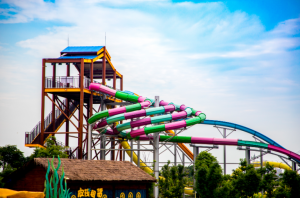
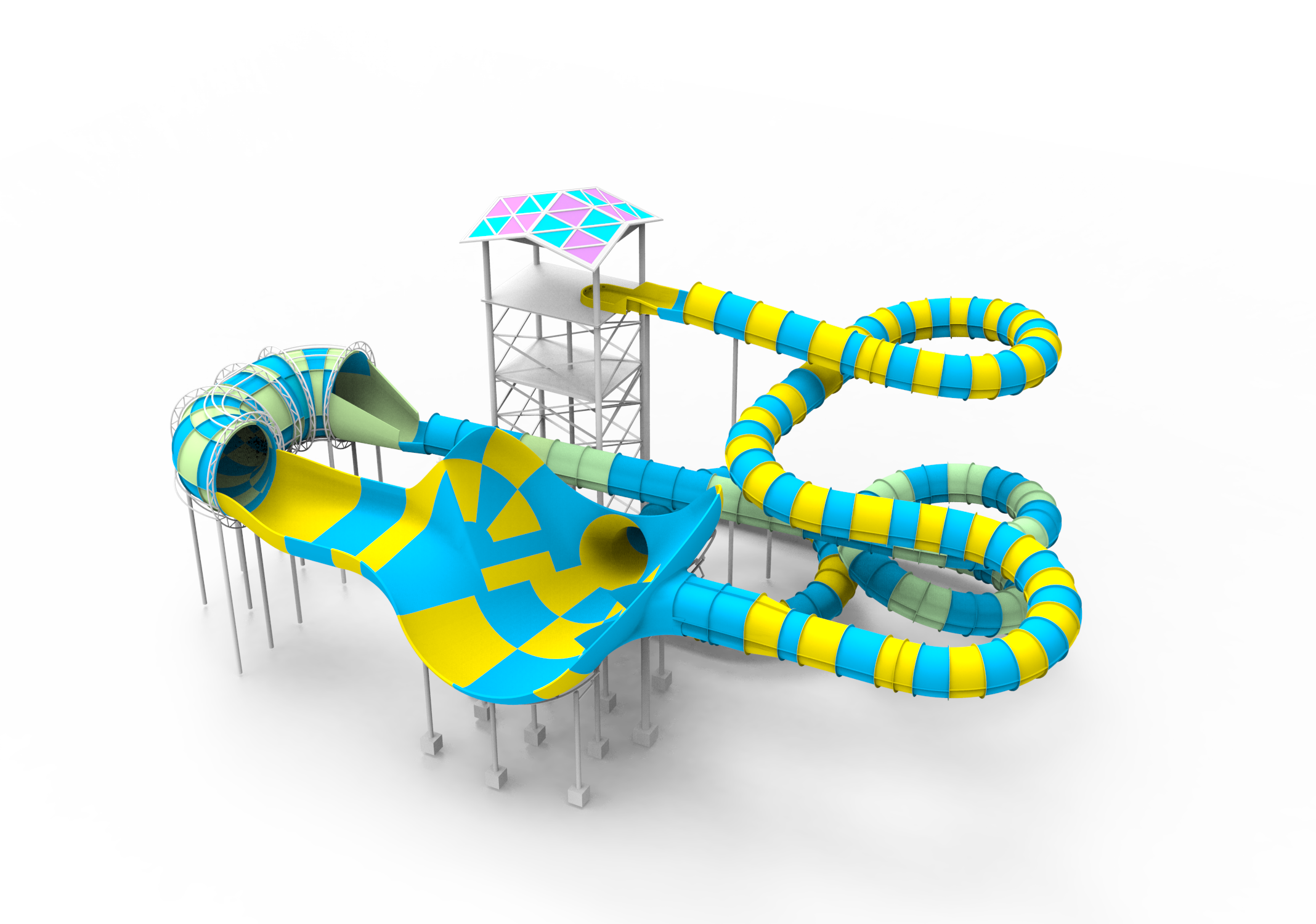
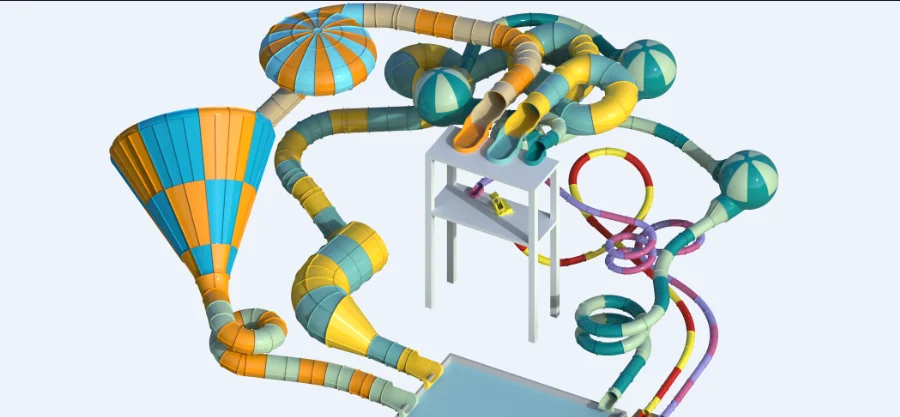
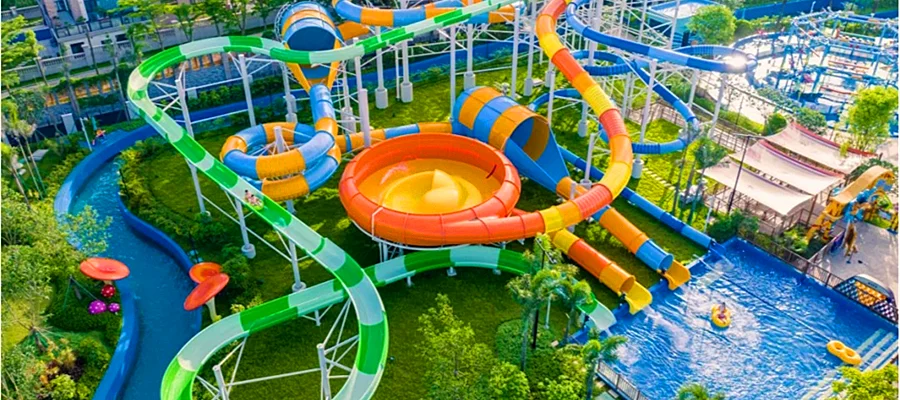
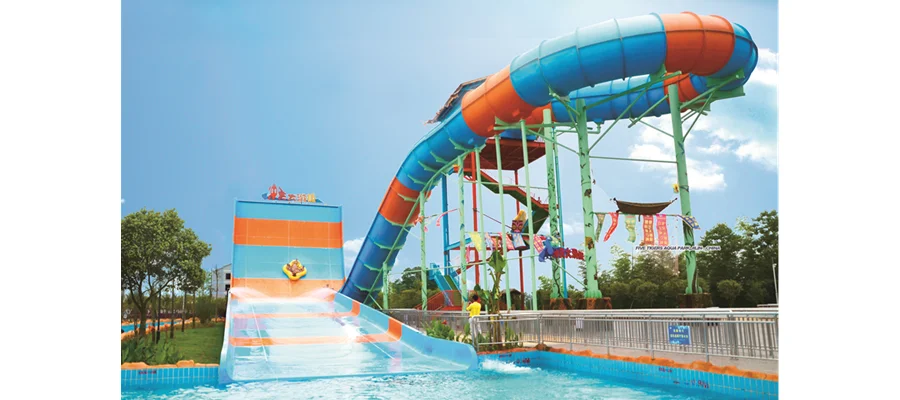
We observe that high-level theme park investors are pivoting away from fragmented hardware procurement in favor of massive, visually commanding anchors. Introducing a water coaster ride into a master-planned facility serves as a primary catalyst for this shift.
These dynamic installations subvert traditional spatial forms, offering a distinct experience that traditional flumes cannot replicate. Prioritizing advanced propulsion technologies allows developers to capture the lucrative young adult demographic required to drive peak seasonal attendance.
Addressing Capacity and Operational Challenges
A persistent operational challenge facing large-scale venues involves managing intense bather loads while maintaining a high-energy atmosphere. When guests experience prolonged wait times for brief, predictable slide descents, overarching facility satisfaction scores frequently decline. This operational friction often leads to shortened visit durations and diminished per-capita spending.
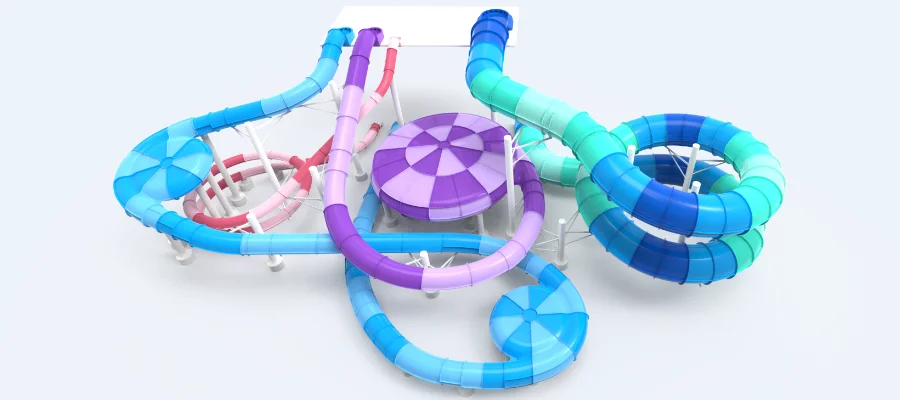
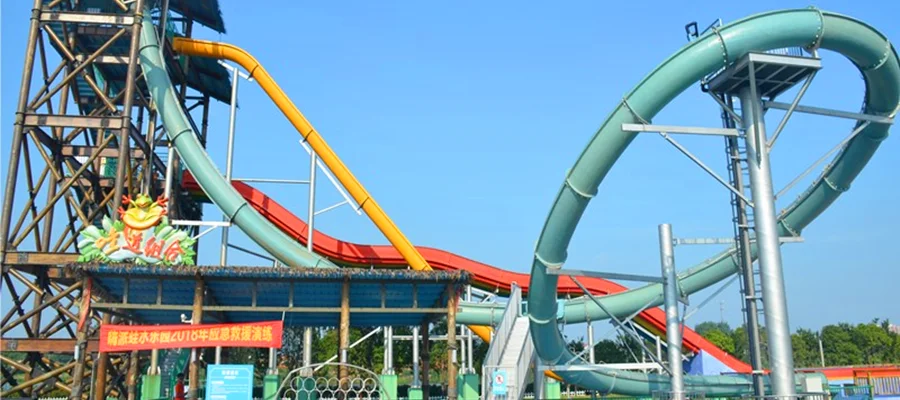
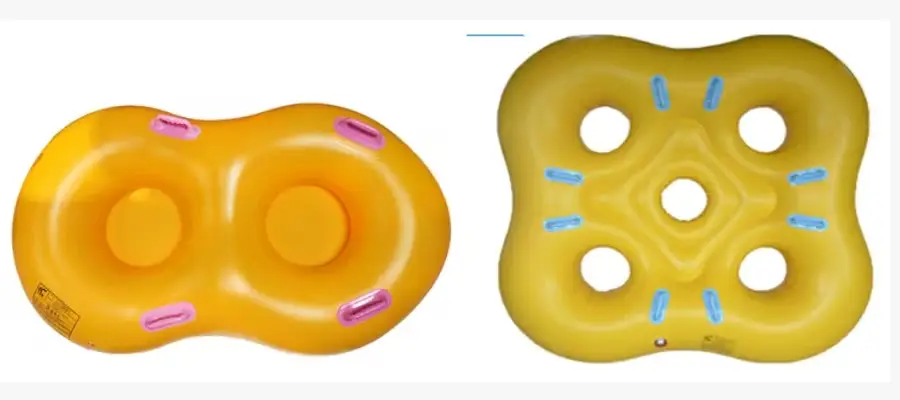
To mitigate these bottlenecks effectively, infrastructure must be engineered for high theoretical hourly capacity. Deploying a sophisticated water slide coaster directly addresses this capacity challenge by utilizing synchronized, multi-passenger rafts.
Instead of cycling single riders, these advanced propulsion systems rapidly absorb larger groups of guests. This high-volume release valve helps keep visitors actively engaged rather than standing idle in static queue lines. Transitioning guests quickly back into open pathways elevates the likelihood they will interact with nearby revenue-generating secondary services.
Engineering Solutions Through Advanced Propulsion
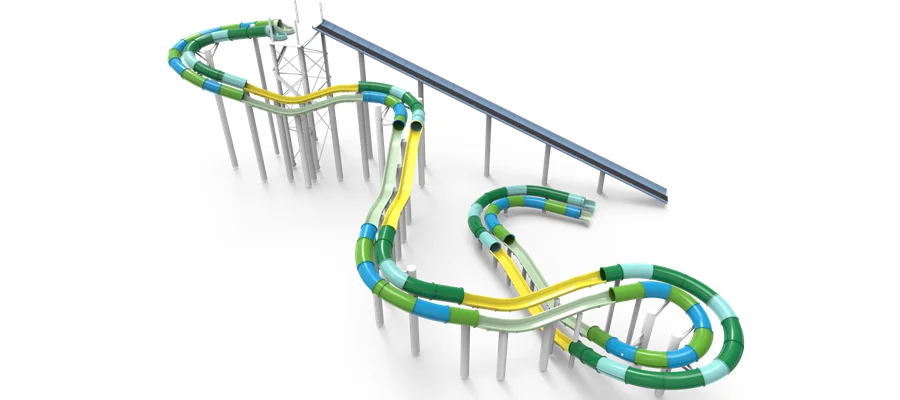
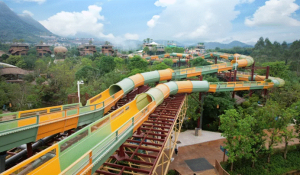
Resolving the limitations of standard gravity flumes requires complex mechanical engineering and meticulous hydraulic design. To propel heavy rafts uphill and maintain continuous momentum, these structures rely on specialized propulsion networks. We specifically utilize advanced linear induction motors and high-velocity hydraulic jets to drive these dynamic extreme water rides efficiently.
These automated launch mechanisms are carefully calibrated to communicate with centralized programmable logic controllers. This digital integration ensures precise dispatch intervals and maintains optimal rider safety throughout unpredictable elevation changes.
Furthermore, we specifically engineer these intricate electronic and hydraulic components to interface smoothly with the broader facility’s centralized filtration grid. This modularity allows technicians to conduct routine preventative maintenance on specific propulsion zones without causing park-wide disruptions, thereby supporting stable daily operations.
Data Results Analysis on Attendance and Dwell Time
Evaluating the impact of these high-velocity installations requires a rigorous analysis of operational performance data. Facilities equipped with advanced propulsion coasters frequently report distinct, measurable improvements in their seasonal metrics. Historical throughput data suggests that the inherent unpredictability of the ride mechanics creates a powerful psychological hook, encouraging active repeat visitation.
When guests experience these intense, shared adrenaline rushes, they often feel compelled to re-enter the queue line. This continuous loop of progression and engagement can contribute to attendance spikes of up to 30% following the installation of a flagship coaster.
Beyond initial gate attraction, these installations are highly effective at extending overarching facility dwell times. As guests remain on the property longer to re-experience the attraction, their propensity to purchase premium food, beverage, and merchandise naturally increases.
The Advantages of High-Capacity Combination Products
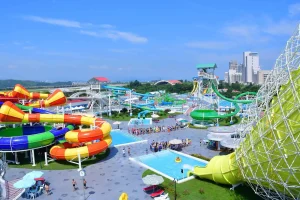
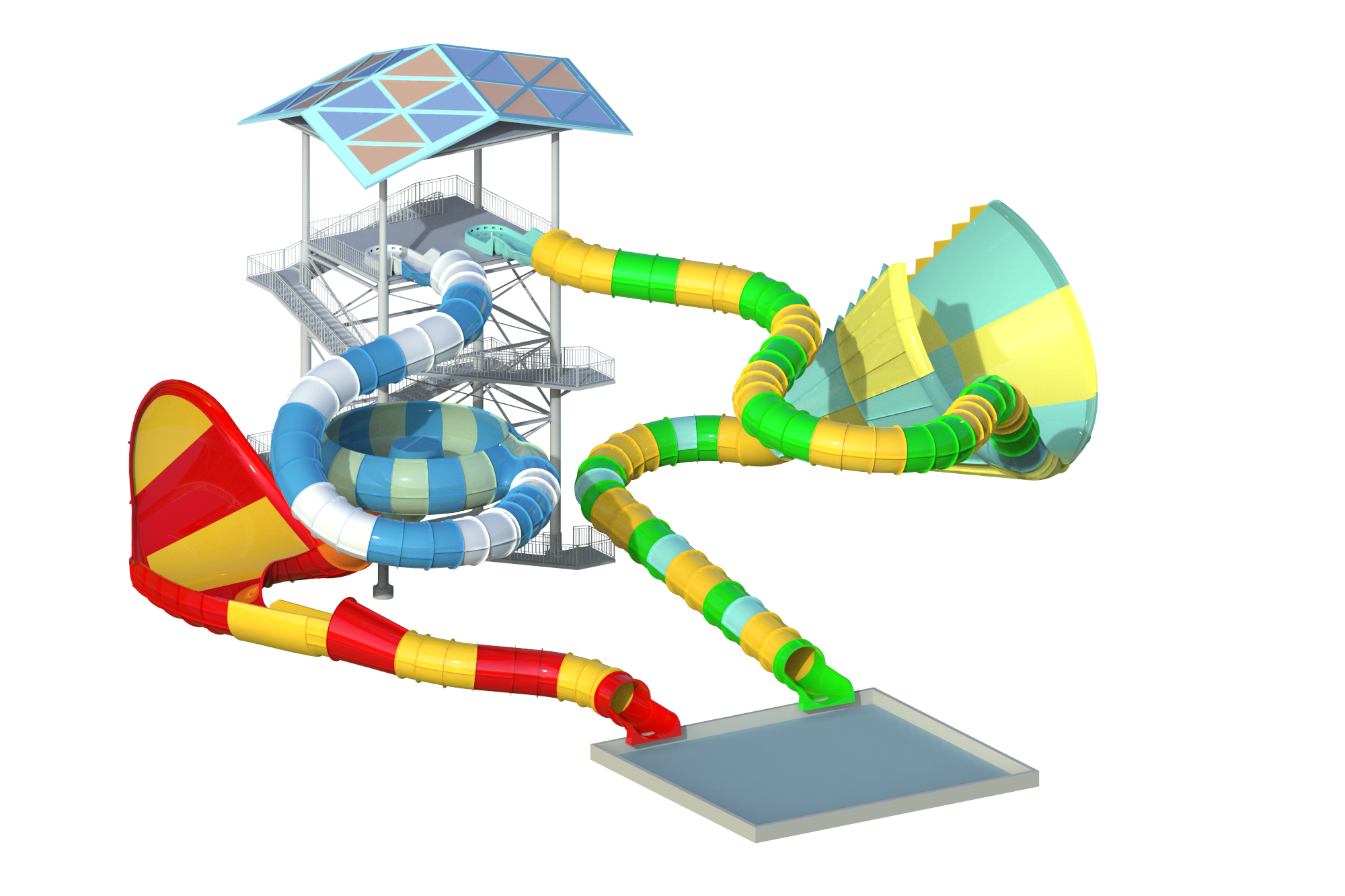
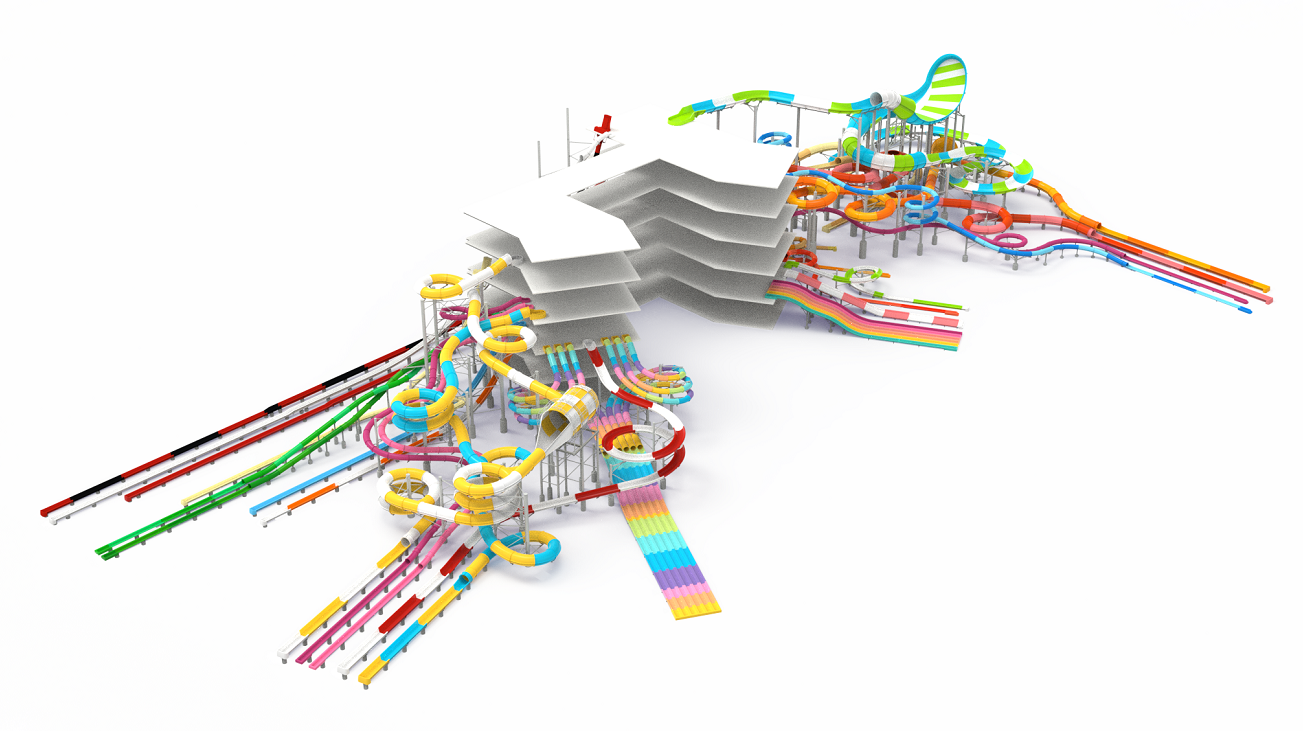
The architectural advantages of deploying advanced propulsion systems are significantly magnified when integrated into massive combination products. Instead of isolating a coaster on the perimeter of a property, developers frequently merge these upward propulsion networks with towering gravity funnels and expansive structural matrices.
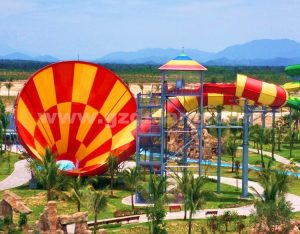
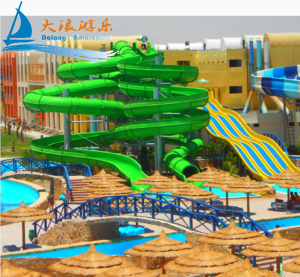
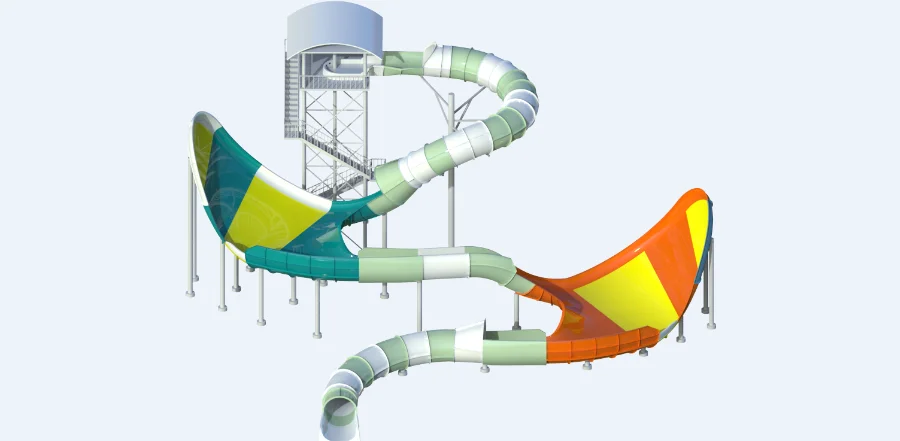
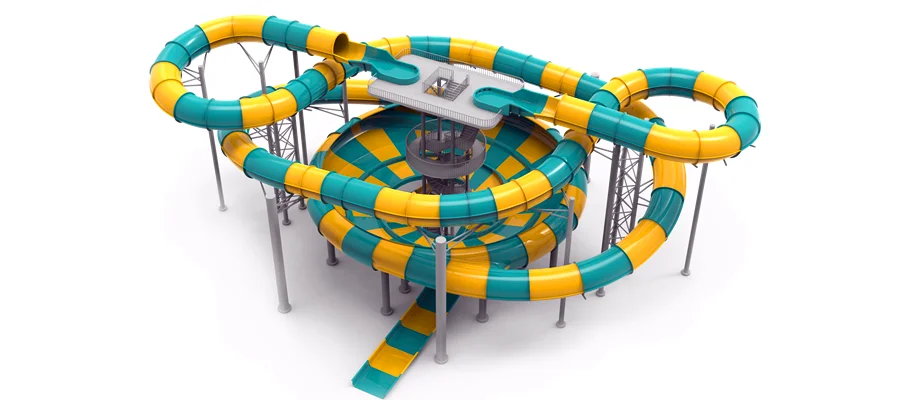
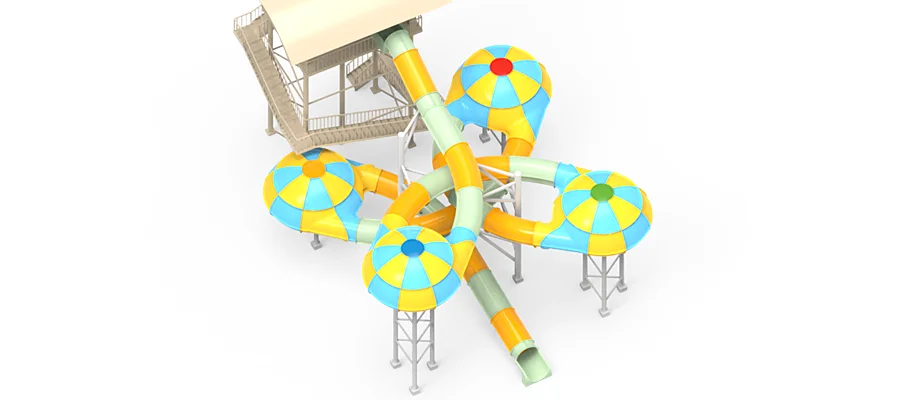
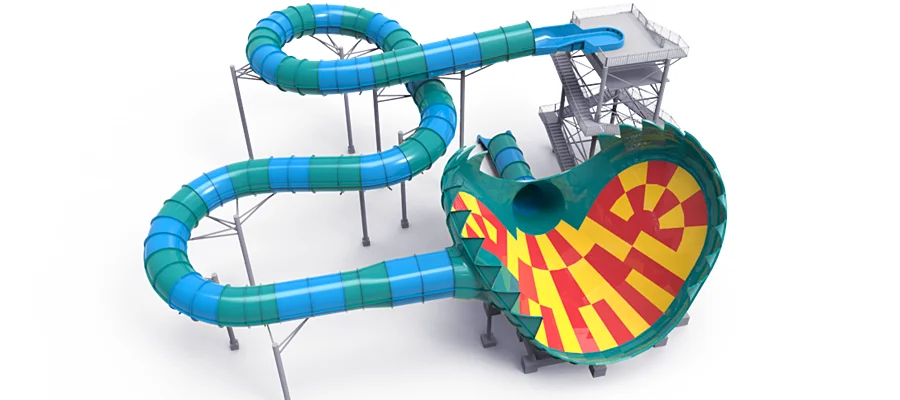
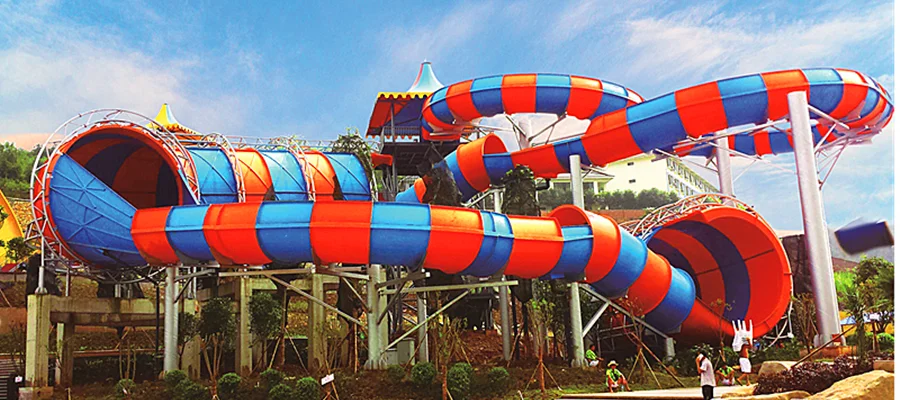
For example, linking a high-speed launch segment directly into a massive tornado water slide creates a continuous, highly immersive structural environment. This customized modular approach offers profound logistical and capacity advantages.
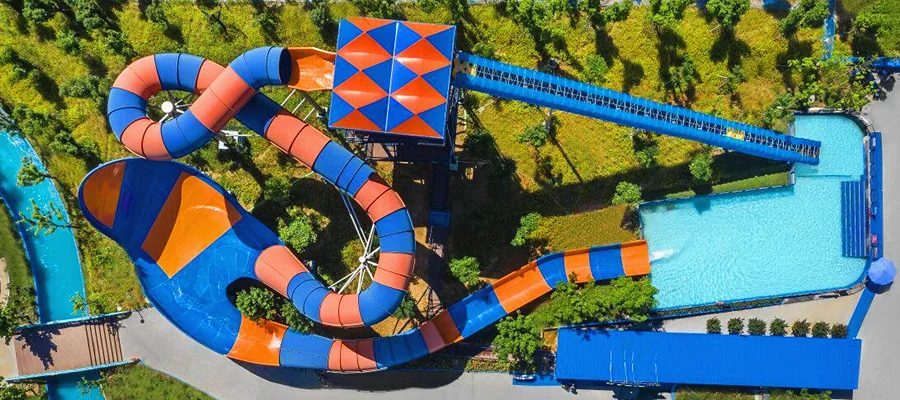
By sharing centralized structural steel columns and unified launch platforms, combination installations help lower raw material procurement costs and minimize environmental disruption. These multi-feature attractions serve as localized gravity centers, efficiently absorbing massive crowd surges and keeping thousands of visitors actively engaged within a single master-planned zone.
Key Takeaways for Strategic Capital Allocation
For project investors and resort developers, navigating the complexities of regional market dominance presents clear strategic directives for future capital allocation. The primary takeaway is that securing long-term attendance growth often requires infrastructure that fundamentally alters standard guest behavior. Investors increasingly prioritize highly differentiated, technology-driven attractions over basic hardware procurement.
Utilizing advanced hydrodynamic propulsion serves as a foundational strategy for economic endurance. When integrated carefully into a comprehensive spatial layout, these high-thrill installations actively support the broader capacity management goals of the entire destination.
By partnering with an established engineering resource like Dalang, international developers leverage evidence-based design to optimize their attraction mix. Prioritizing these advanced capacity management and propulsion tools helps operators navigate operational challenges while working toward stable profitability goals in a competitive global market.