Maximizing revenue per visitor is a critical operational objective for modern aquatic destinations. While daily gate attendance drives initial volume, stagnant per-capita spending often signals underlying operational friction. This friction frequently manifests as inefficient spatial layouts, severe queue bottlenecks, and an attraction mix that fails to sustain guest engagement.
Addressing these inefficiencies requires a deliberate shift toward intelligent capacity management and strategic attraction zoning. By engineering pedestrian pathways that naturally intersect with high-margin secondary spending centers, operators can significantly optimize revenue capture. Furthermore, deploying infrastructure specifically designed to extend guest dwell times directly addresses underperforming sales metrics.
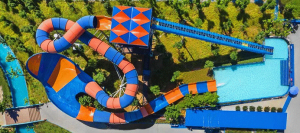
Optimizing Spatial Layouts to Drive Secondary Spending
The broader aquatic entertainment sector is experiencing a structural shift toward integrated entertainment ecosystems. Historically, facilities relied on linear pathways that efficiently moved guests directly to anchor attractions, bypassing retail and dining hubs. This outdated background often limits opportunities for secondary revenue capture.
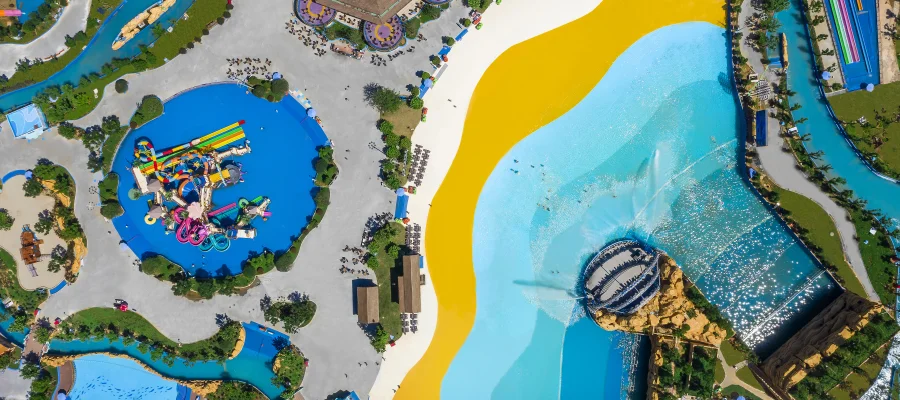
Today, operators utilize advanced spatial planning to route foot traffic past high-margin revenue centers. By understanding this spatial dynamic, developers engineer properties to position premium food and beverage kiosks directly adjacent to transition zones.
This intentional integration helps ensure that guests encounter spending opportunities naturally. When pathways are optimized to encourage casual browsing, overarching per-capita spending metrics typically experience a steady, measurable increase.
Resolving Peak-Hour Bottlenecks with High-Capacity Attractions
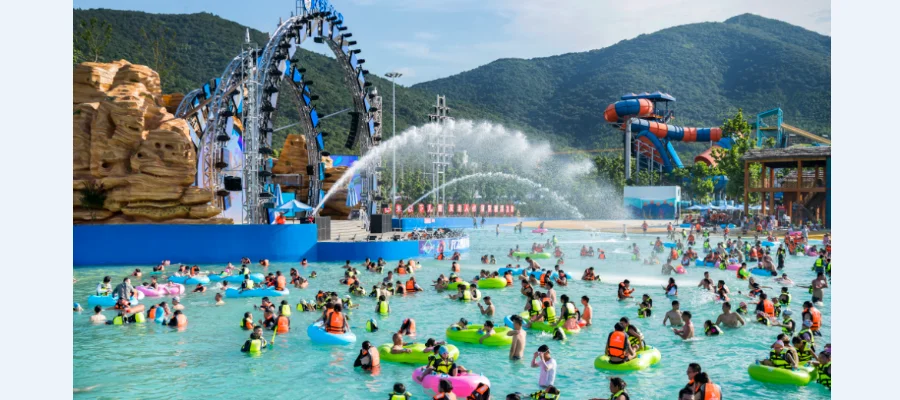
One of the most persistent operational challenges facing large-scale venues involves severe queue line congestion during peak hours. When guests are trapped in static stairwells waiting for an attraction, they are physically prevented from engaging with revenue-generating services. Addressing this capacity bottleneck is essential.
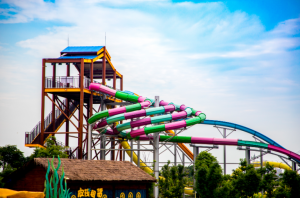
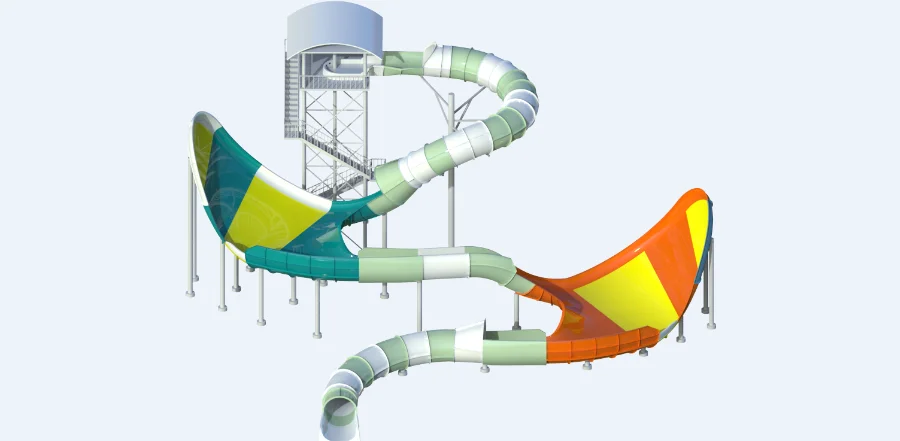
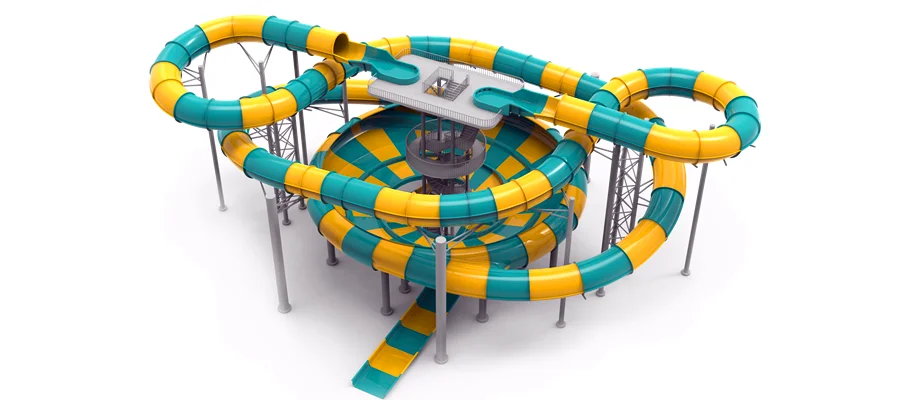
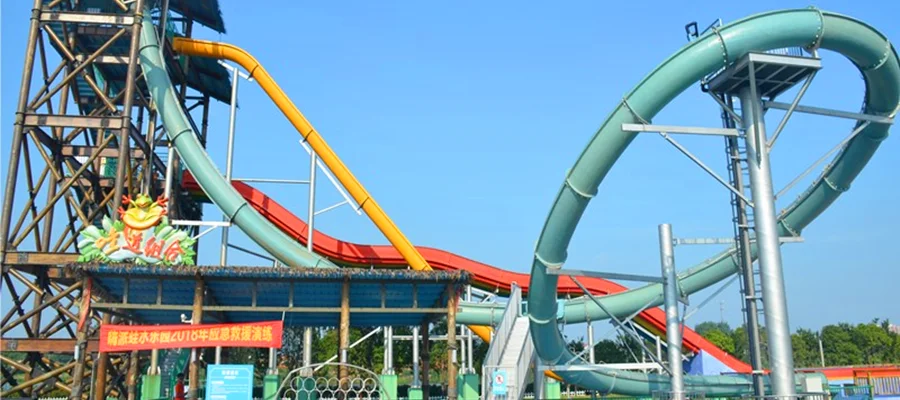
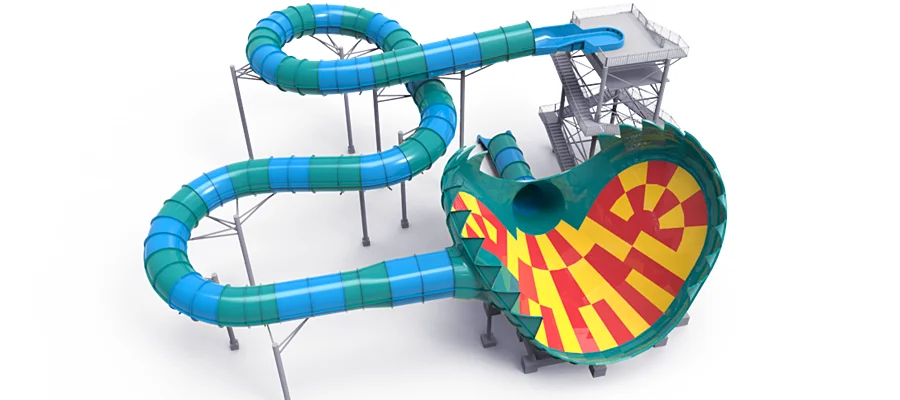
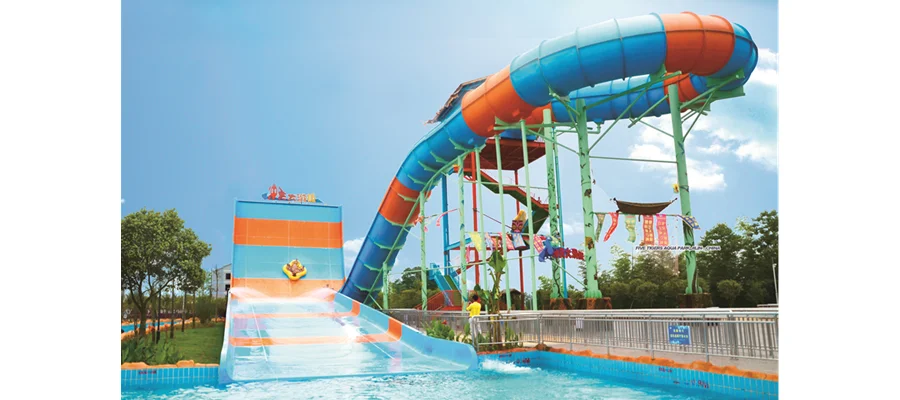
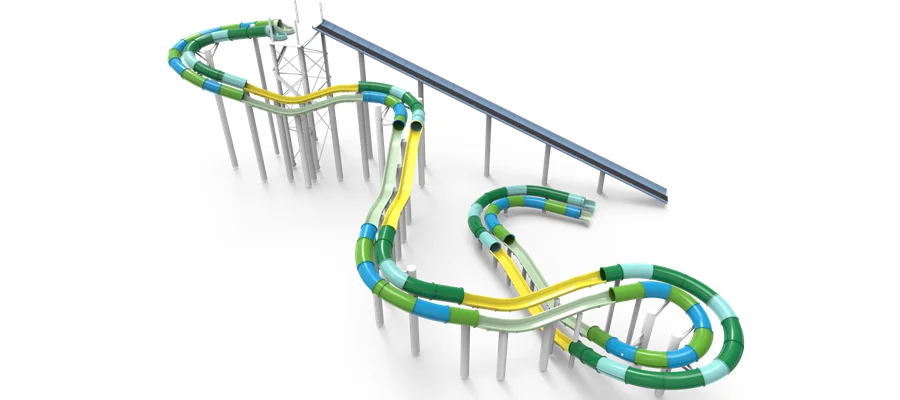
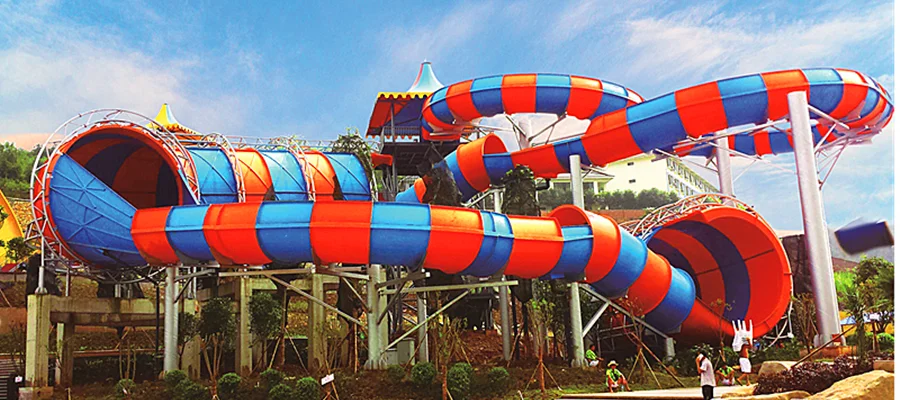
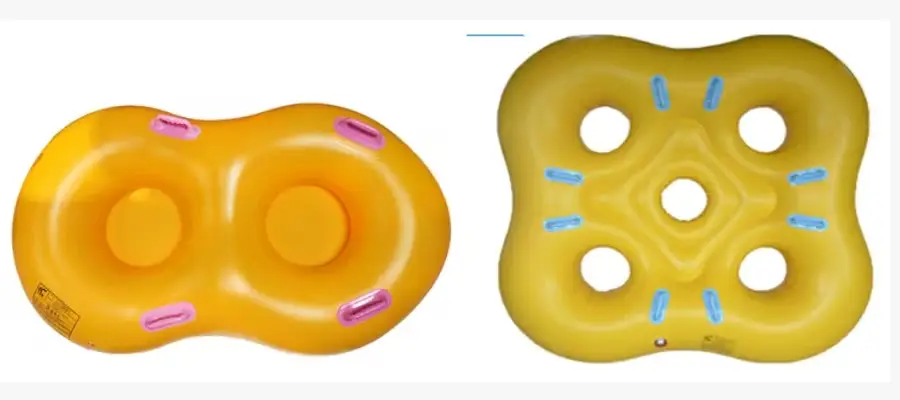
Operating as experienced water park manufacturers, we observe that deploying high-capacity, multi-passenger attractions serves as an effective method for clearing queue lines. When wait times are actively managed through synchronized dispatch systems, visitors spend less time standing idle.
This rapid throughput directly supports increased guest engagement. It allows guests to transition quickly back into open pathways where they are significantly more likely to purchase meals or premium merchandise.
Extending Guest Dwell Time Through Interactive Zoning
Extending the total duration of a guest’s visit is a fundamental requirement for driving daily per-capita revenue. Families represent a highly lucrative demographic, but they often depart early if the facility lacks comprehensive, multi-generational entertainment zones.
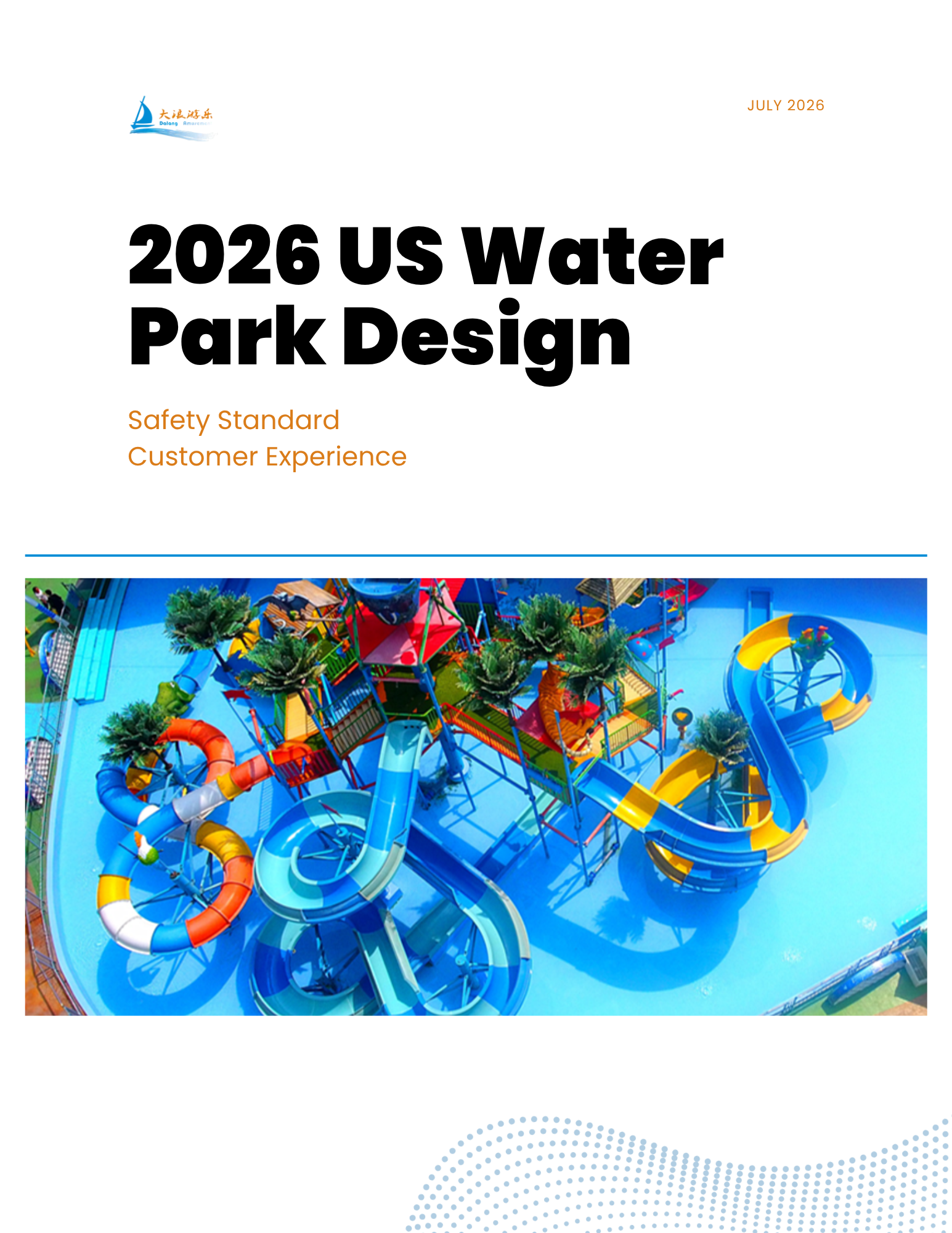
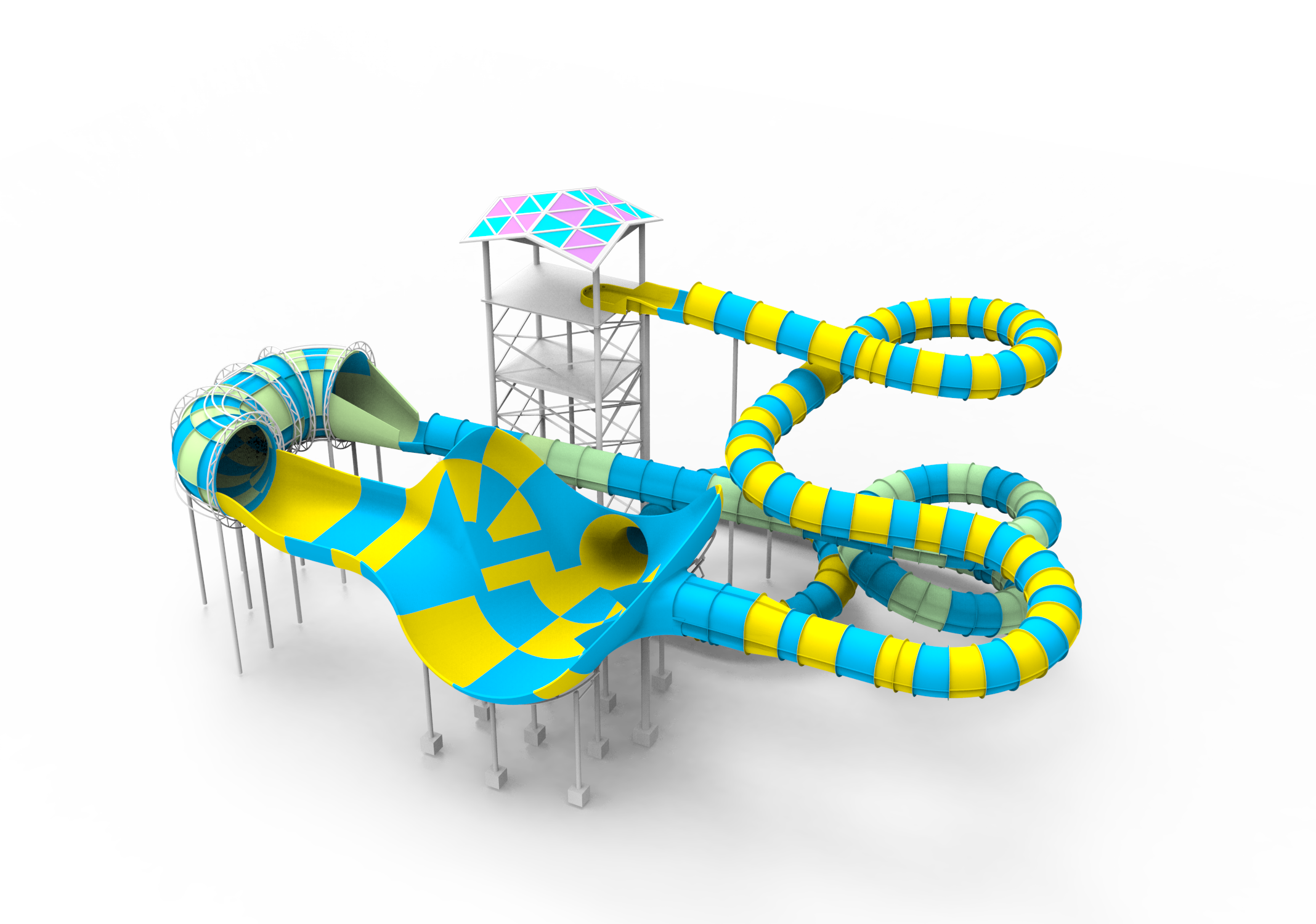
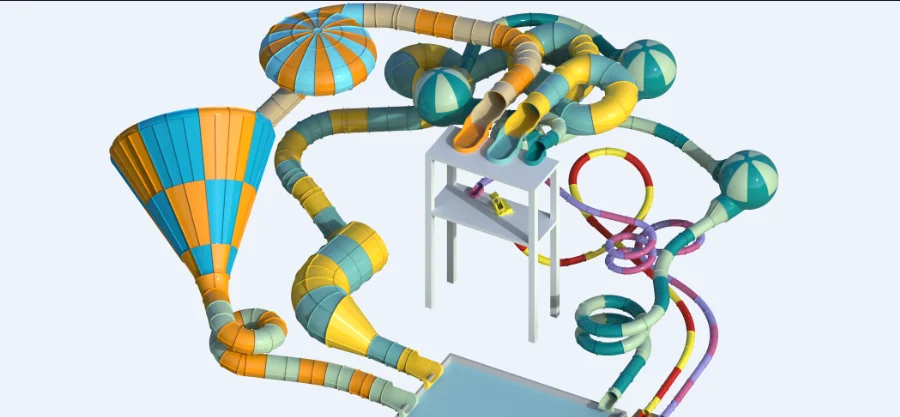
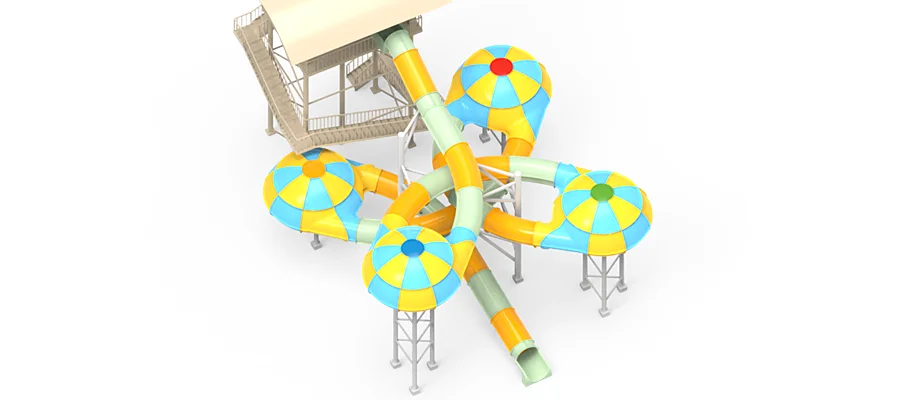
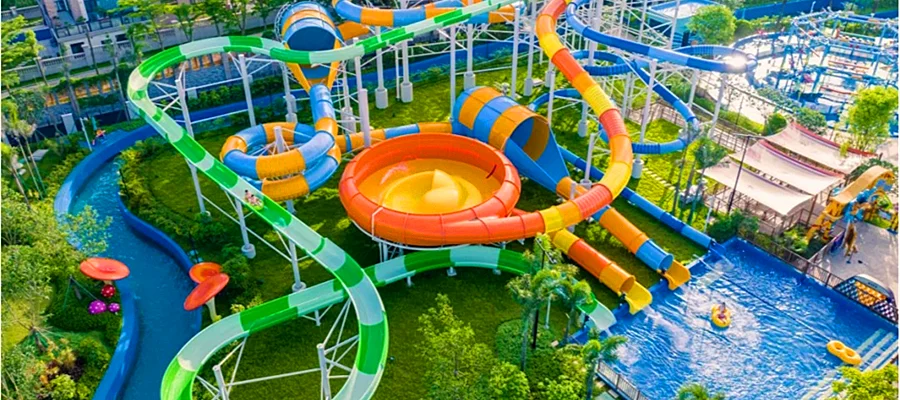
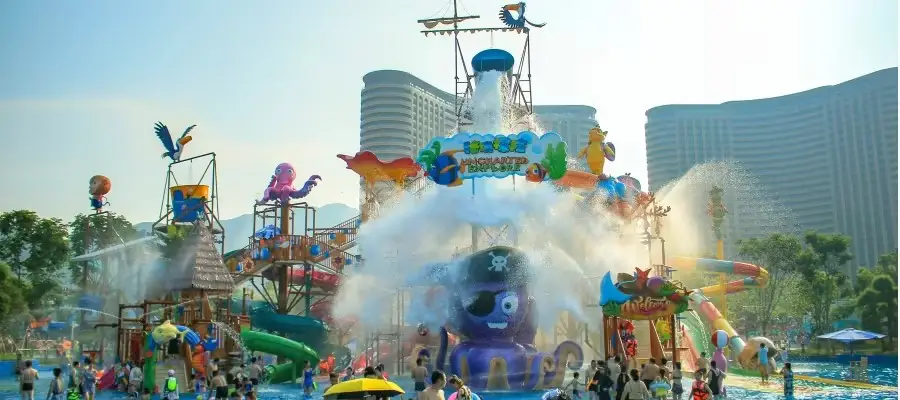
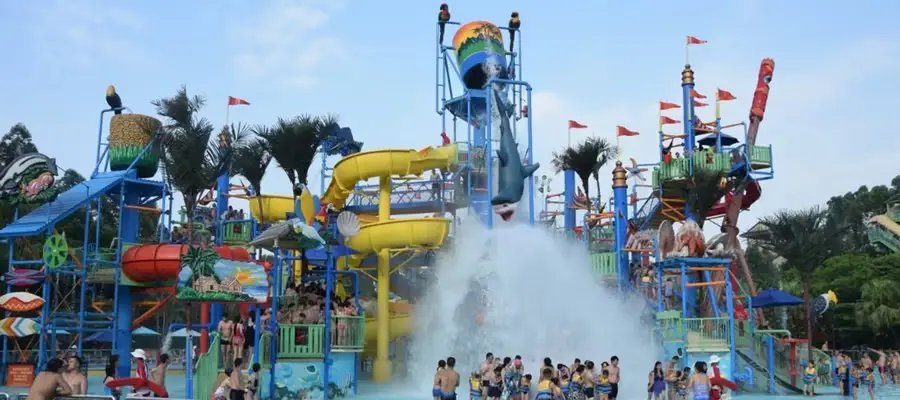
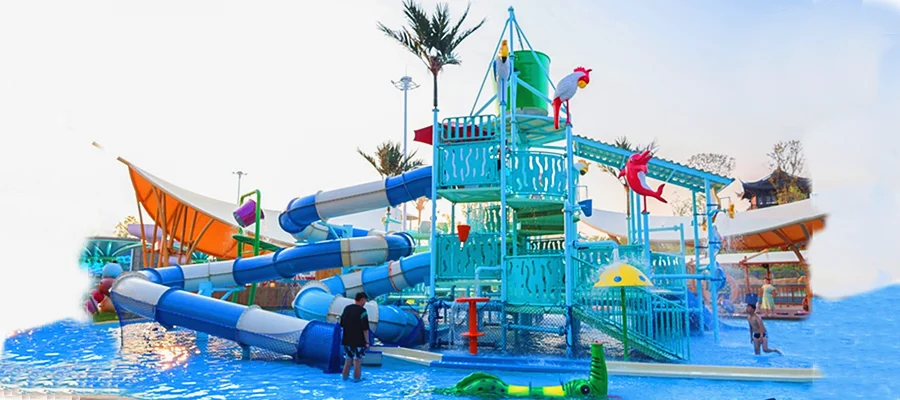
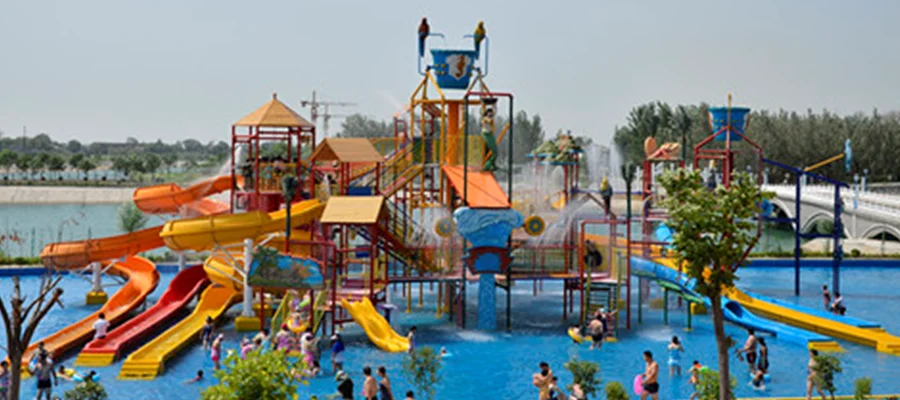
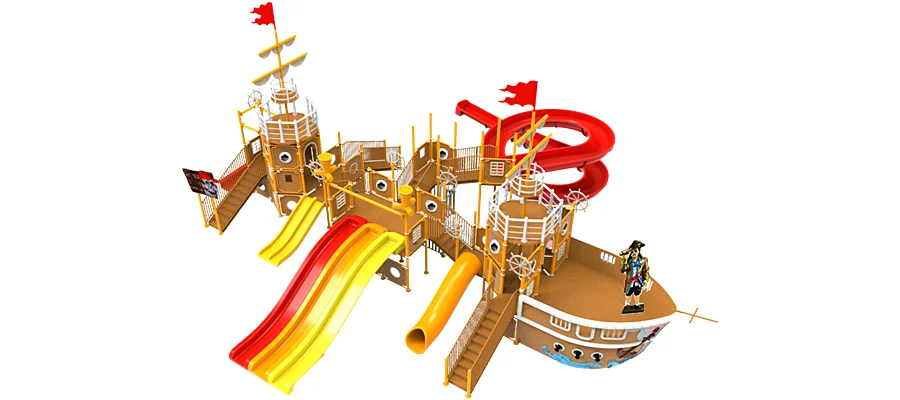
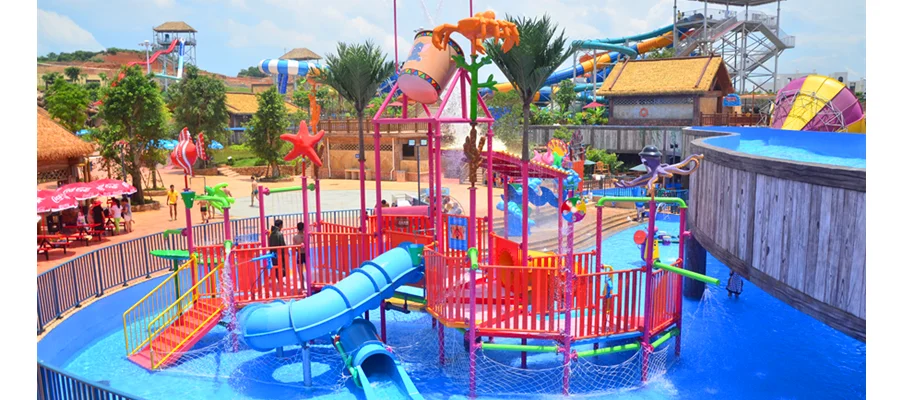
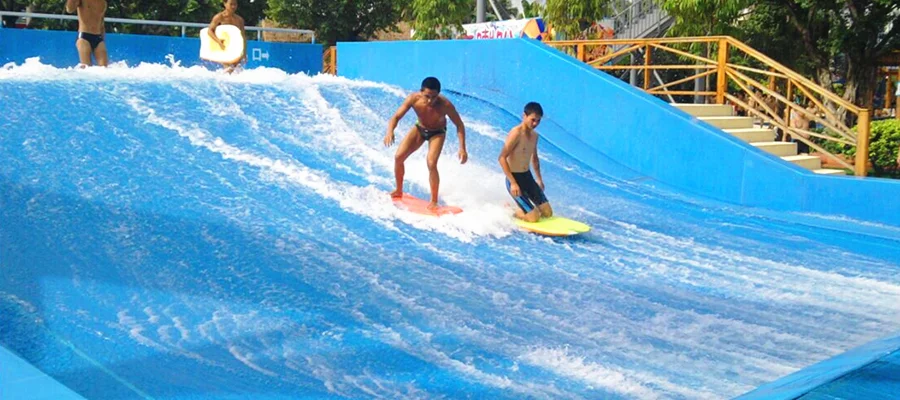
To successfully retain these groups, operators frequently deploy sprawling, multi-level interactive water park equipment to anchor dedicated family leisure hubs. These immersive installations are engineered to keep younger guests engaged in a centralized environment, which encourages parents to linger.
When families remain stationed in one specific zone for several hours, their propensity to purchase nearby snacks or utilize adjacent seating services naturally rises. Providing targeted attraction solutions serves as a reliable method for expanding the average length of stay.
Leveraging Data Analysis for Targeted Retail Placements
Maximizing localized revenue requires a meticulous analysis of ongoing operational data and historical visitor flow patterns. Relying on assumptions for food placement often results in missed revenue opportunities. By analyzing precise throughput metrics, facility management can deploy mobile retail carts with high precision.
For instance, data frequently indicates that crowd surges occur near extensive aquatic playground equipment precisely during the mid-day lunch rush. Evaluating these traffic patterns allows operators to position high-margin offerings exactly where the highest concentration of a captive audience exists.
This data-driven approach to infrastructure management helps reduce operational friction. Making transactions highly convenient supports elevated daily sales metrics and prevents visitors from abandoning purchases.
Centralizing Foot Traffic with Combination Installations
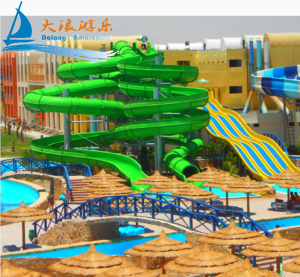
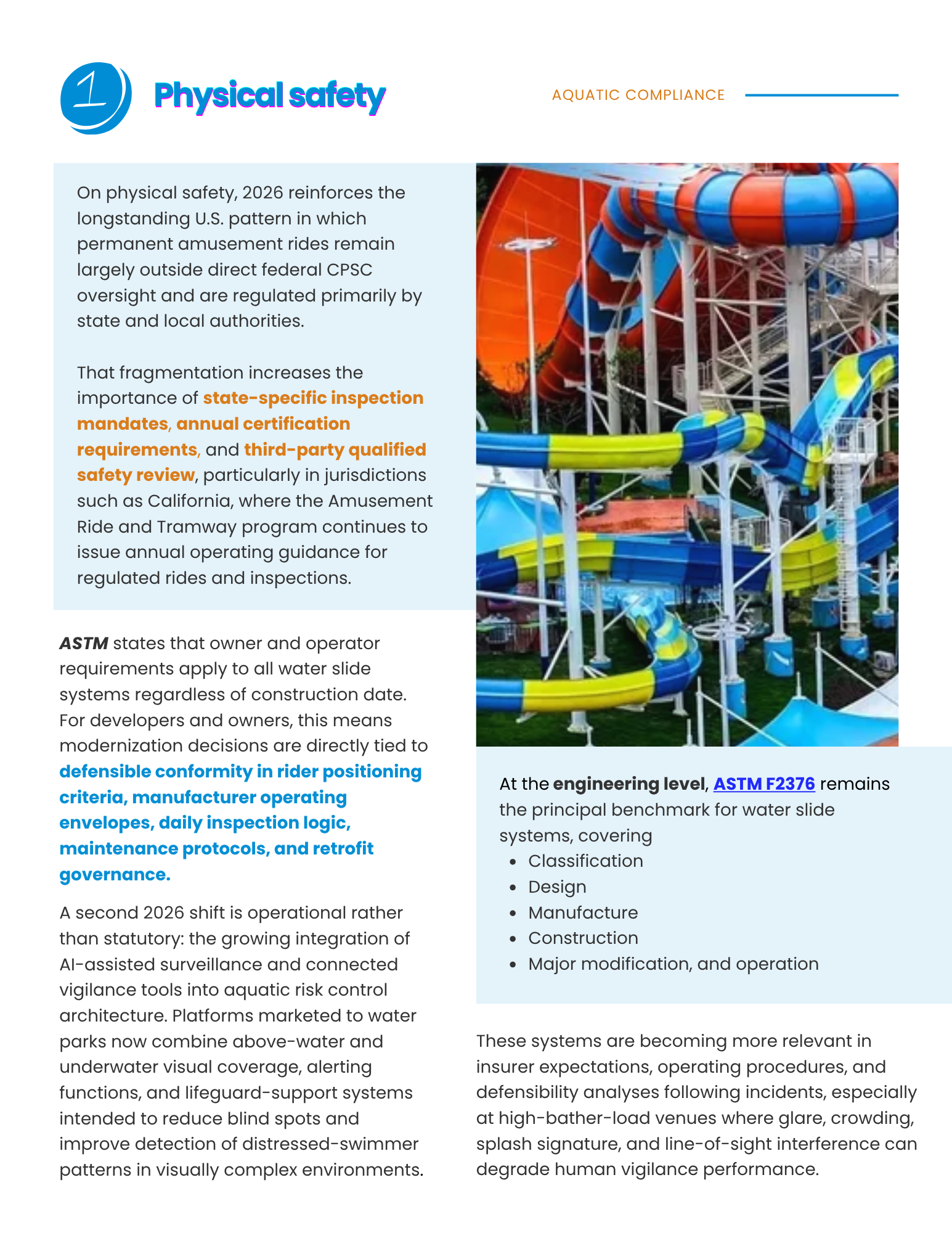
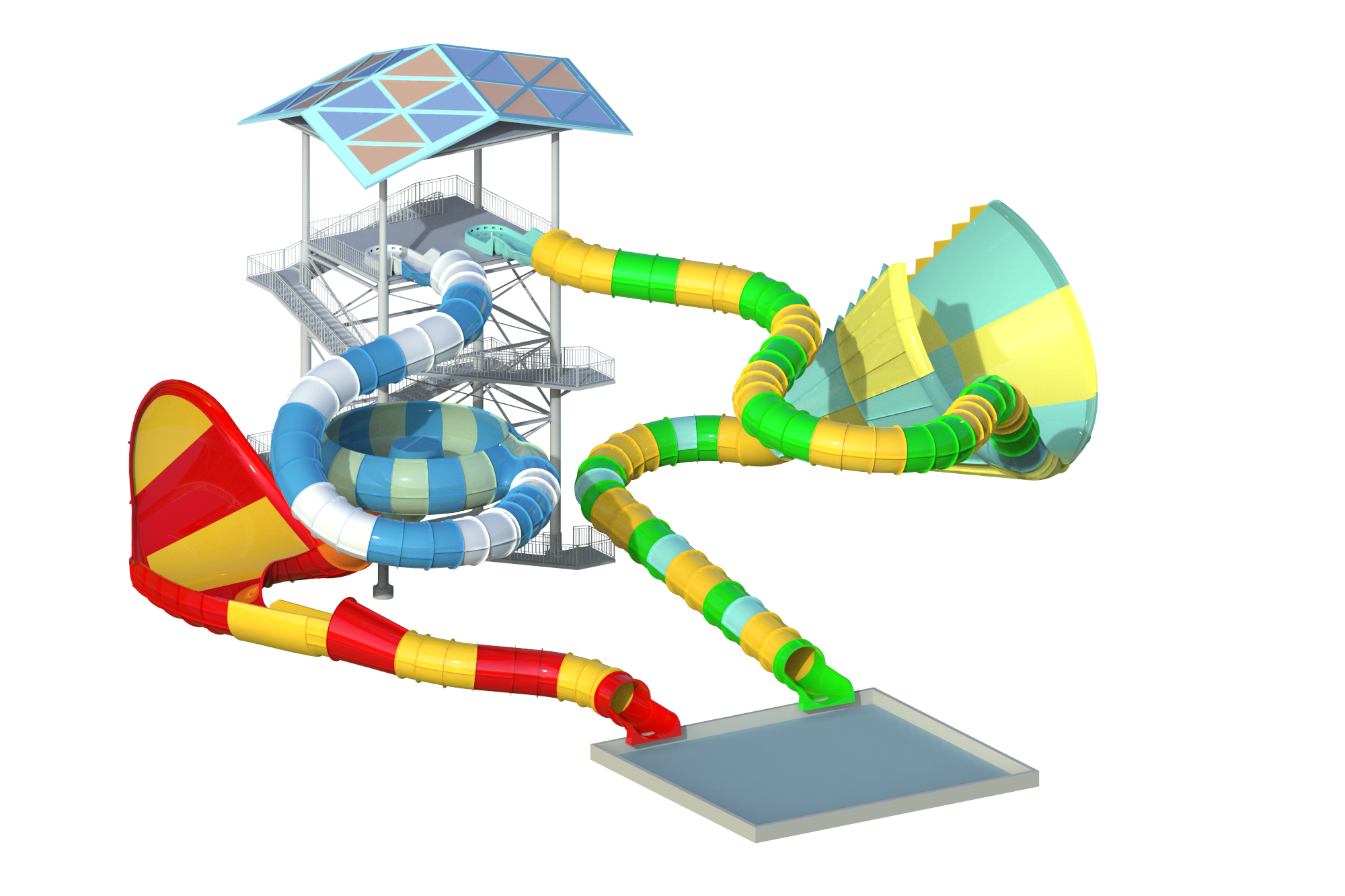
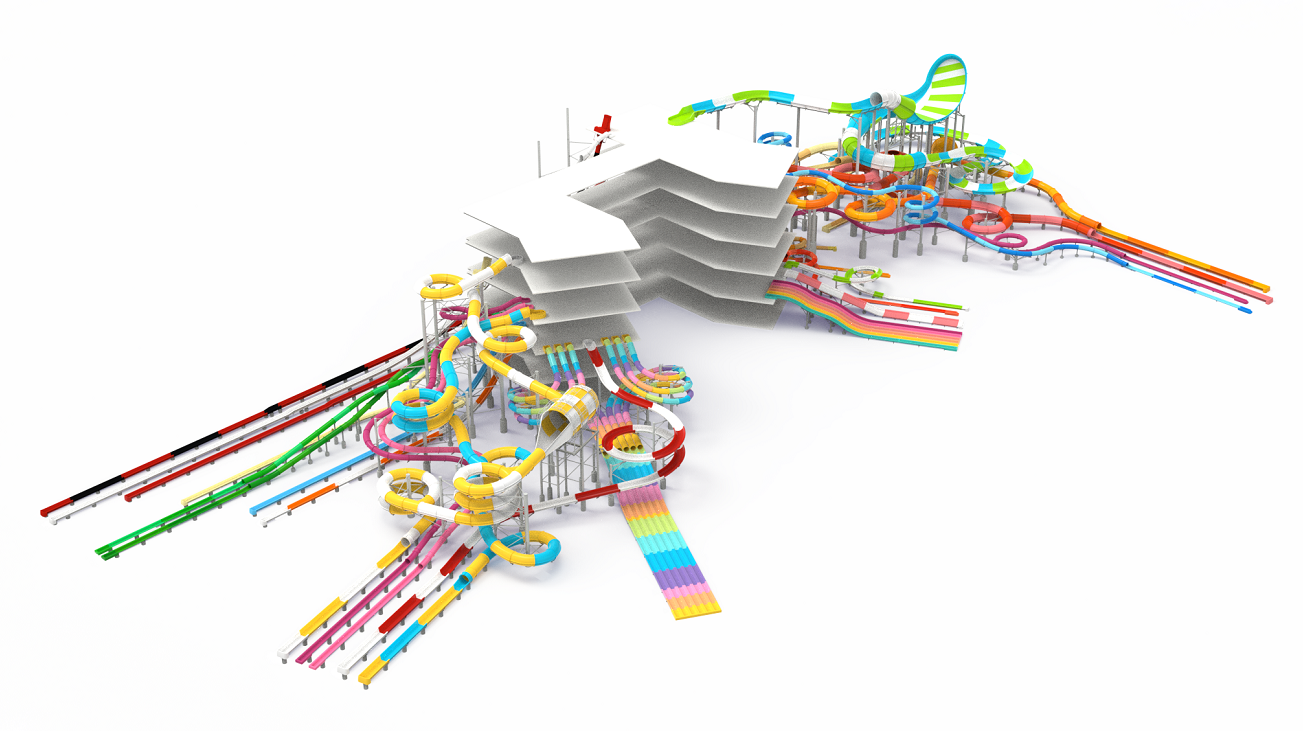
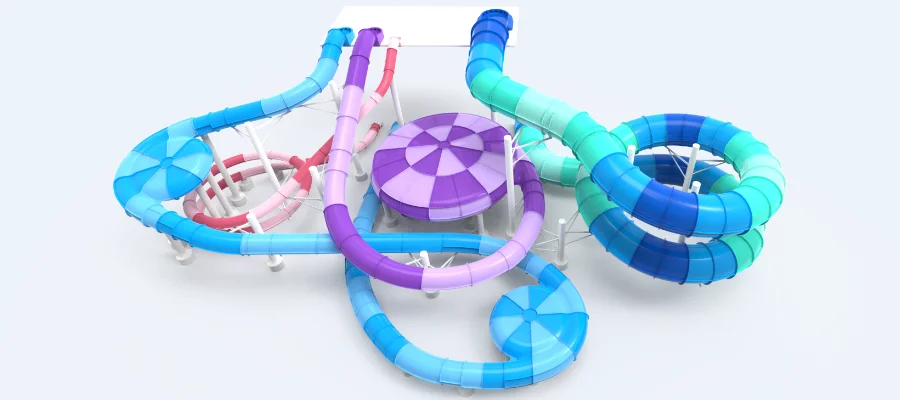
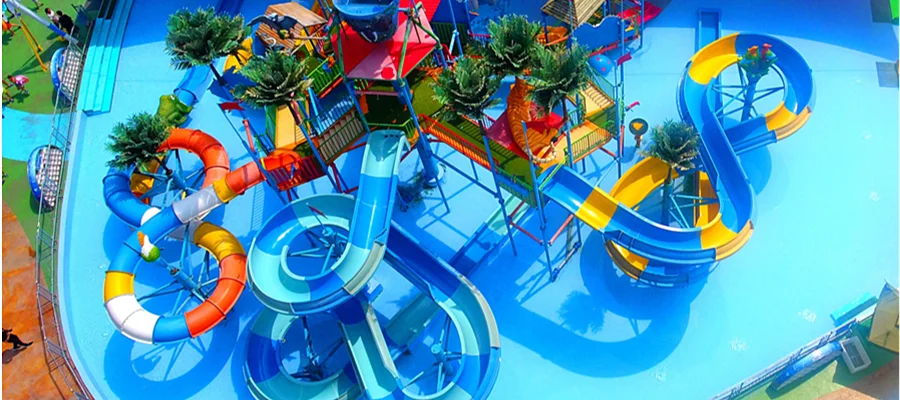
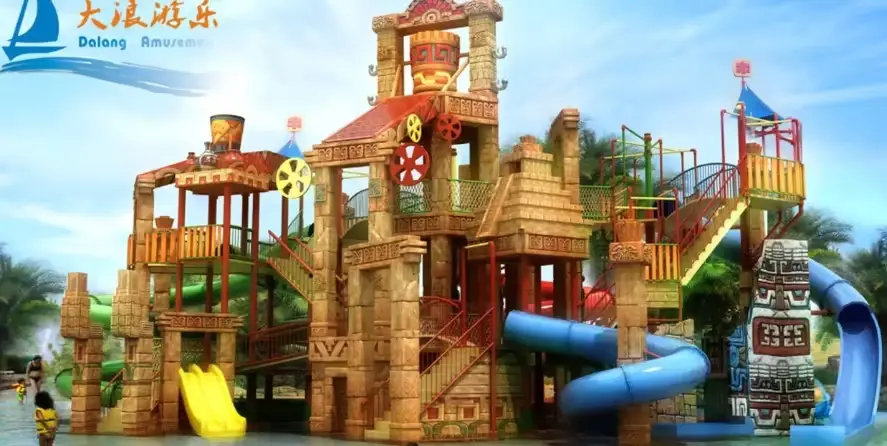
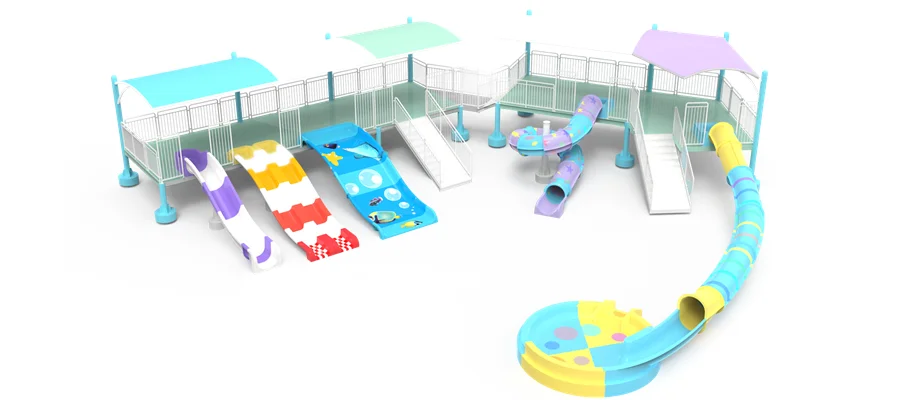
The architectural advantages of deploying massive, multi-feature combination products present profound opportunities for revenue generation. Instead of scattering isolated flumes across a sprawling property, developers are increasingly centralizing highly anticipated attractions into unified structural matrices.
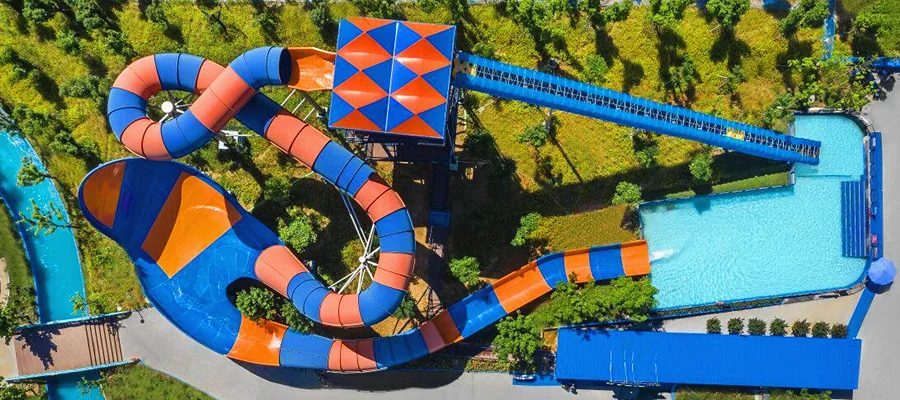
This customized modular approach acts as a powerful gravitational pull, drawing massive localized bather loads toward a single, highly engineered destination. Experienced water park designers specifically map sprawling exit splash pools directly alongside premium shaded cabanas and dining terraces to capitalize on this movement.
Because combination installations absorb and dispatch thousands of riders simultaneously, they create a continuous, high-volume flow of deeply engaged visitors. Concentrating massive crowd movements directly interfaces with adjacent commercial hubs, transforming standard exit pathways into lucrative, high-energy retail environments.
Creating Premium Leisure Zones for Tiered Pricing
Beyond general food and merchandise sales, establishing tiered pricing structures for premium experiences provides an effective pathway to elevating per-capita spending. Guests increasingly seek exclusive, high-comfort amenities that offer a respite from the highly energetic atmosphere of the general admission zones.
Operators can cater to this specific demand by developing dedicated VIP sectors featuring climate-controlled cabanas, dedicated waitstaff, and expedited attraction access. By transforming underutilized real estate into premium, gated leisure zones, facilities create entirely new revenue streams without requiring massive capital deployments.
When these exclusive comfort zones are marketed effectively to higher-tier demographic segments, they can contribute to an increase in overarching daily profitability. This targeted upselling strategy captures additional revenue from guests willing to pay for enhanced operational convenience.
Aligning Future Capital Allocation with Profitability Goals
For project investors and resort developers, navigating the complexities of per-capita revenue generation presents clear strategic directives for future capital allocation. The primary takeaway is that simply adding more physical infrastructure will not automatically yield higher guest spending if the foundational spatial logic is flawed.
Investors must prioritize comprehensive master planning over fragmented attraction procurement. Utilizing digitally responsive infrastructure and strategic attraction zoning serves as a fundamental strategy for economic endurance, helping ensure that the facility remains operationally lean.
By partnering with an established engineering resource like Dalang, international developers can leverage evidence-based design to optimize their attraction mix. Prioritizing these advanced capacity management and zoning tools helps operators navigate complex operational challenges while working toward stable profitability goals.