
The aquatic entertainment sector is shifting beyond traditional physical infrastructure to embrace digital integration. Historically, operators relied on manual processes to manage daily throughput and bather loads, which often led to operational friction. Today, sustainable revenue growth depends on resolving these inefficiencies.
As experienced water park manufacturers, we observe that integrating smart technologies directly into the architectural master plan is essential for competitiveness. Digital tools allow operators to actively orchestrate guest movement, reduce wait times, and optimize energy consumption.
This data-driven approach to facility management directly addresses operational bottlenecks. It allows theme park investors to bridge the gap between heavy infrastructure and refined guest experiences, supporting a more stable and predictable return on large-scale capital deployments.
Mitigating Severe Operational Friction
Large-scale aquatic facilities routinely encounter operational bottlenecks that can negatively impact daily profitability. One of the most persistent challenges involves static queue lines and uneven bather load distribution. When crowds naturally congregate around high-thrill anchor attractions, it frequently results in agonizing wait times while leaving secondary leisure zones underutilized.
This spatial imbalance not only leads to significant guest fatigue but also limits the opportunities for visitors to engage with premium food, beverage, and retail centers. Furthermore, relying on manual ride dispatch systems often creates inconsistent hourly throughput, making it difficult to project daily revenue accurately and manage guest expectations.
Beyond crowd management, operators face immense overhead expenses related to utility consumption. Propelling millions of gallons of water through heavy-duty water amusement park equipment requires substantial electrical and thermal energy. Operating these heavy hydraulic pumping networks at maximum capacity during off-peak hours frequently results in unnecessary thermal loss and inflated daily operational costs, threatening the overarching financial resilience of the destination.
Engineering Intelligent Dispatch and Pumping Networks
To effectively address these severe operational hurdles, advanced engineering now incorporates sophisticated digital intervention directly into the foundational infrastructure. The integration of automated, sensor-driven dispatch systems serves as a primary solution for standardizing hourly throughput. By utilizing photoelectric sensors and centralized programmable logic controllers, operators can maintain precise dispatch intervals, helping manage large guest volumes safely.
This digital synchronization reduces the reliance on manual ride cycle management, which often contributes to smoother queue progression. Guests spend less time waiting in stairwells and more time actively engaged with the facility’s revenue-generating zones.
Additionally, as a dedicated water park manufacturing company, we specifically design our hydraulic networks to interface effectively with intelligent variable frequency drives. These smart drive systems continuously communicate with the dispatch sensors, allowing the massive water pumps to dynamically adjust their output based on real-time ride utilization. Integrating this level of digital responsiveness helps lower baseline power consumption during off-peak hours, providing a highly pragmatic approach to sustainable energy management.
Analyzing Operational Data for Financial Performance
Evaluating the true impact of these digital interventions requires a rigorous analysis of long-term operational data. Facilities equipped with integrated sensor networks typically experience distinct improvements in their daily operational overhead. For instance, historical utility data suggests that implementing variable frequency drives linked to real-time bather loads can contribute to a notable reduction in heavy pumping electrical consumption.
This intelligent energy routing helps operators preserve their daily profit margins without sacrificing the visual spectacle or hydrodynamic performance of the attractions. When utilities are optimized, developers can allocate capital toward secondary guest experiences.
Furthermore, tracking localized throughput metrics provides actionable insights into overarching guest behavior. By analyzing which interactive water park equipment experiences the highest utilization during specific times of day, facility management can adjust their staffing models and targeted marketing promotions accordingly. This continuous stream of operational data empowers B2B investors to transition away from reactive facility management and adopt a highly proactive, evidence-based approach to maximizing their seasonal revenue capture.
Maximizing Value with Digitally Integrated Structures
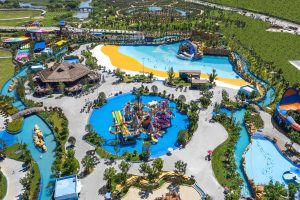
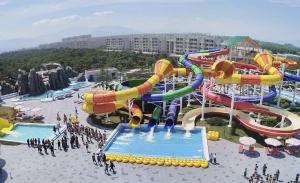
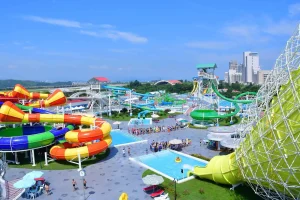
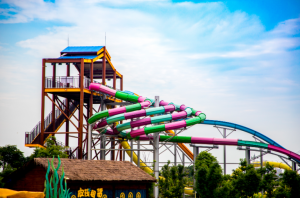
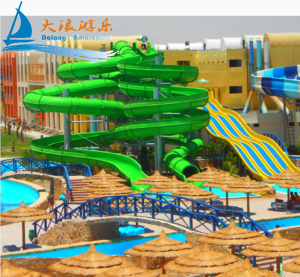
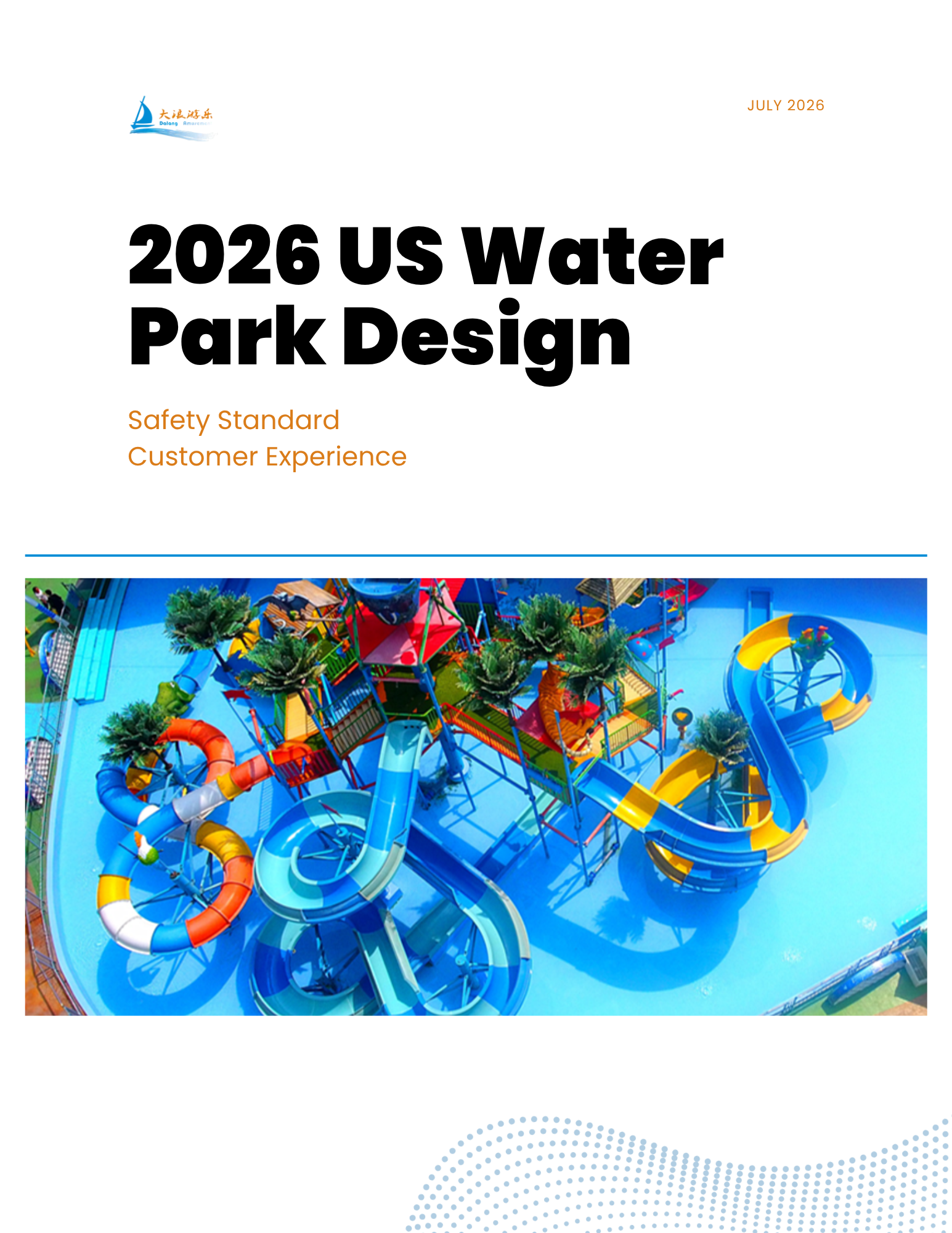
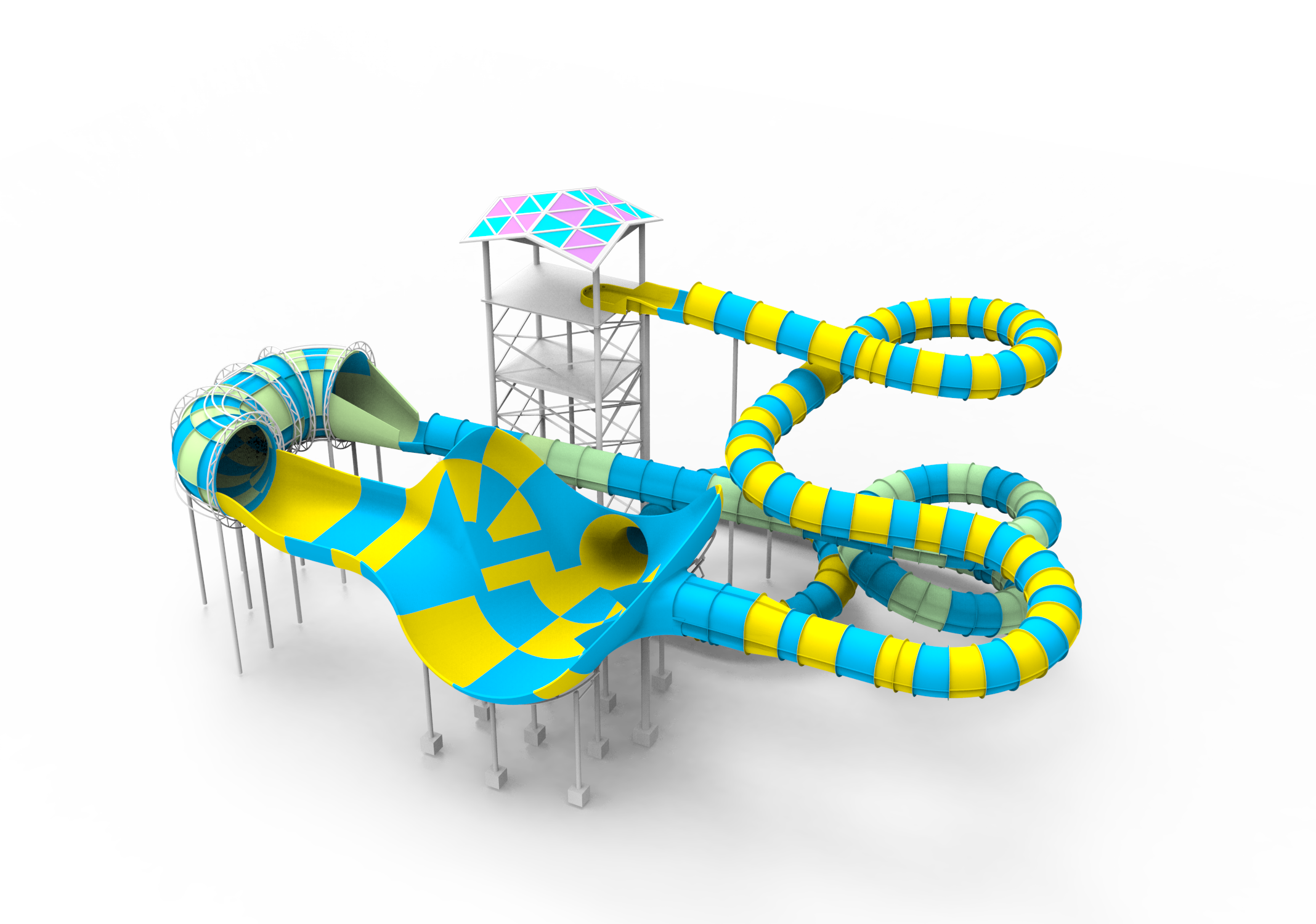
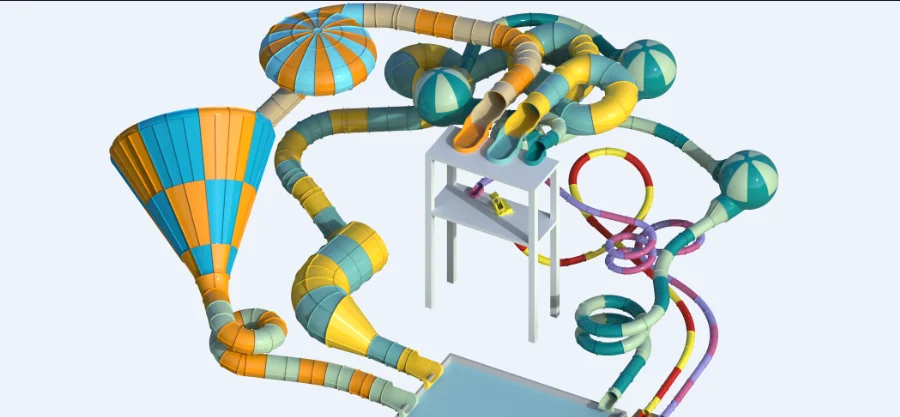
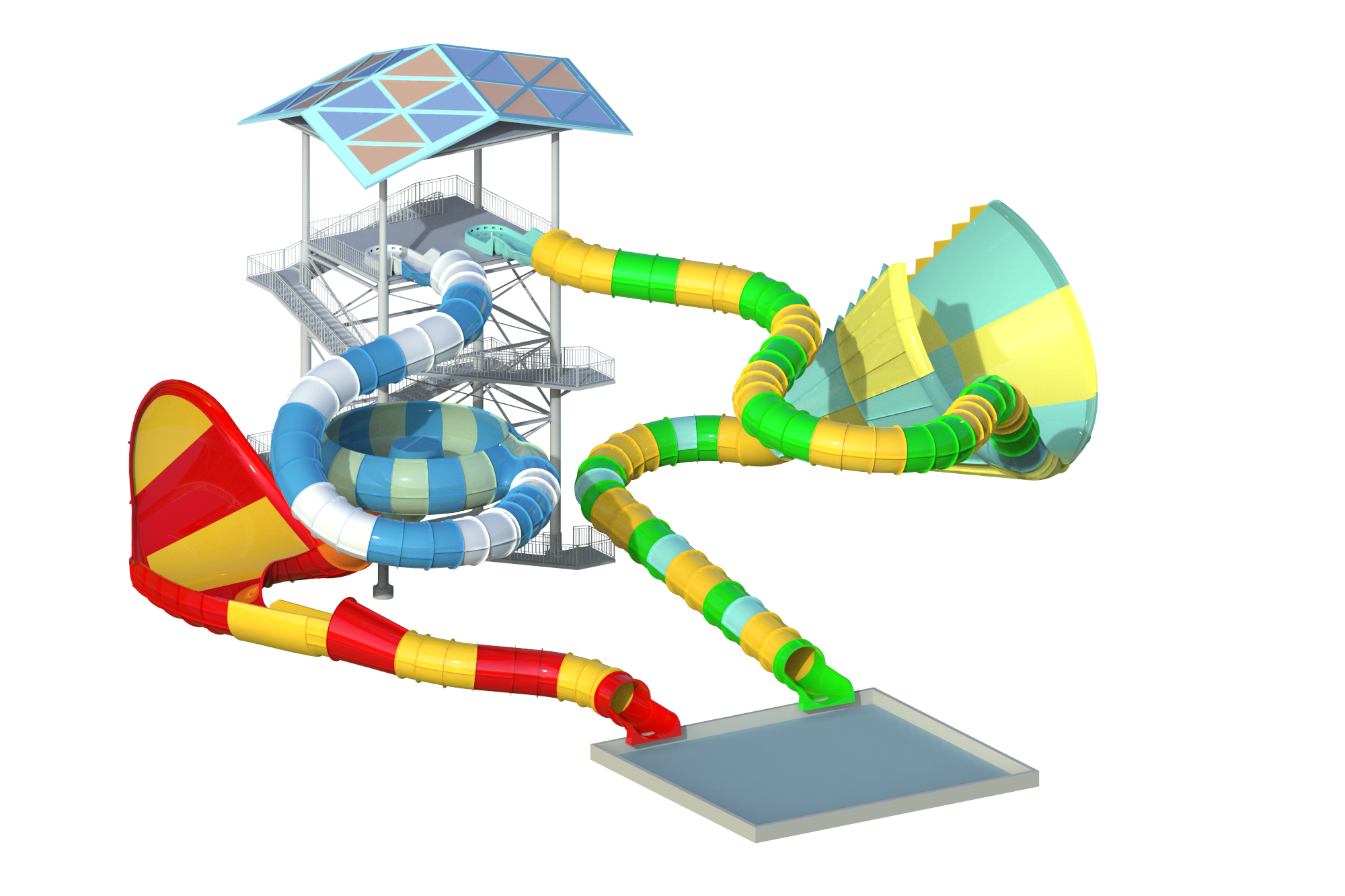
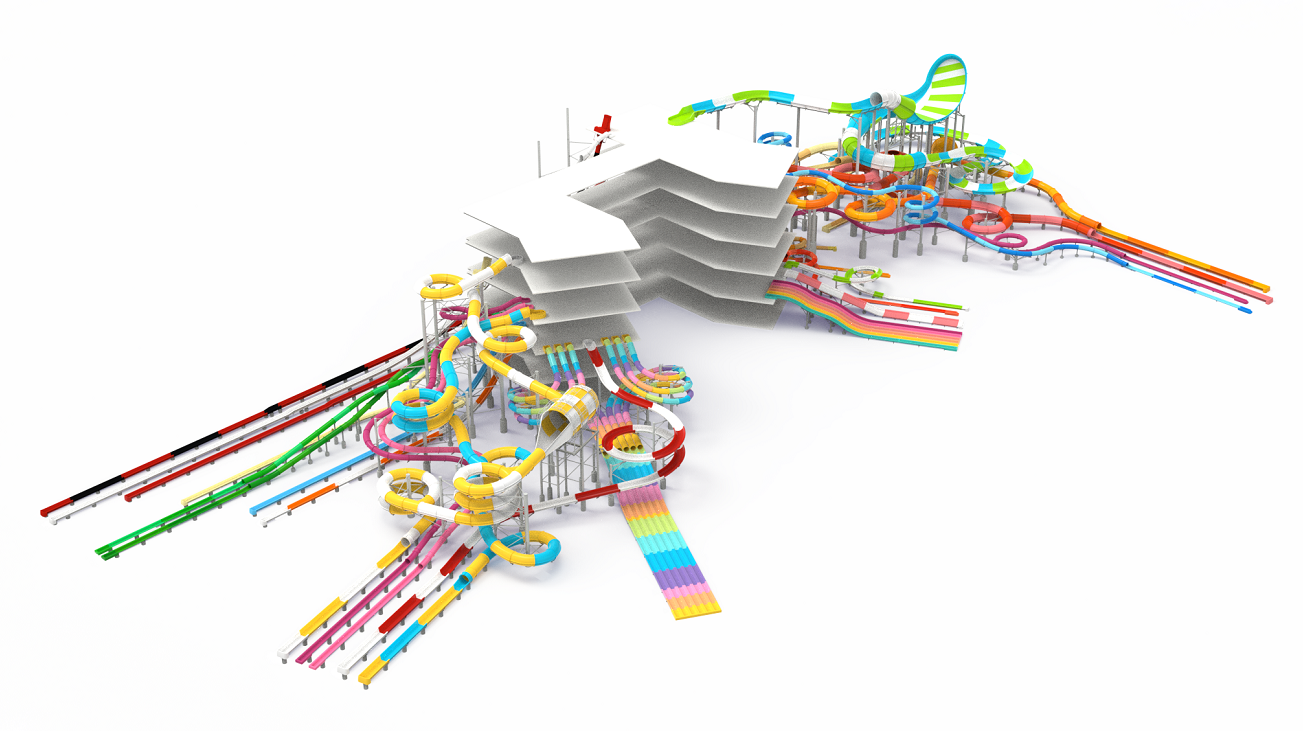
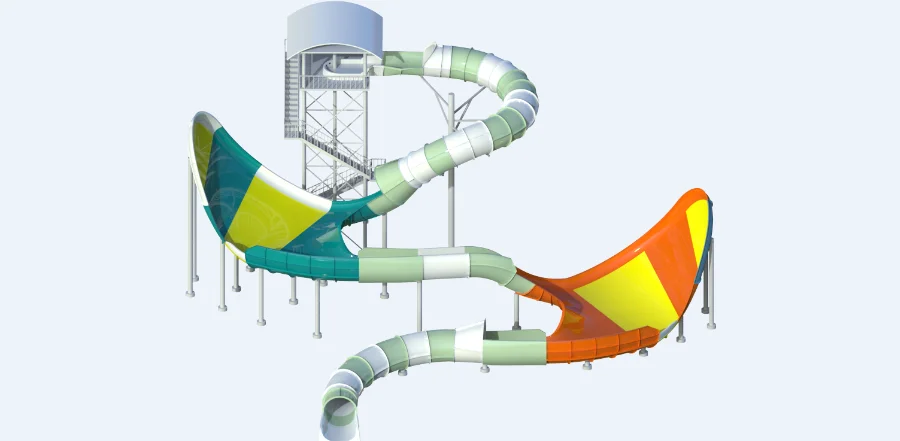
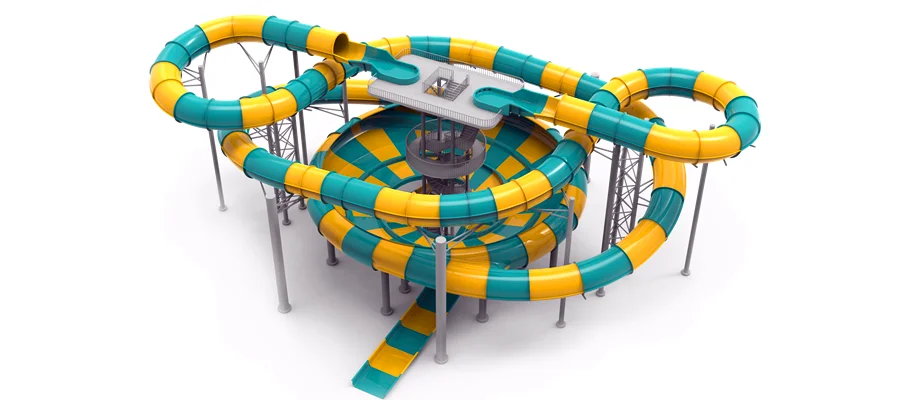
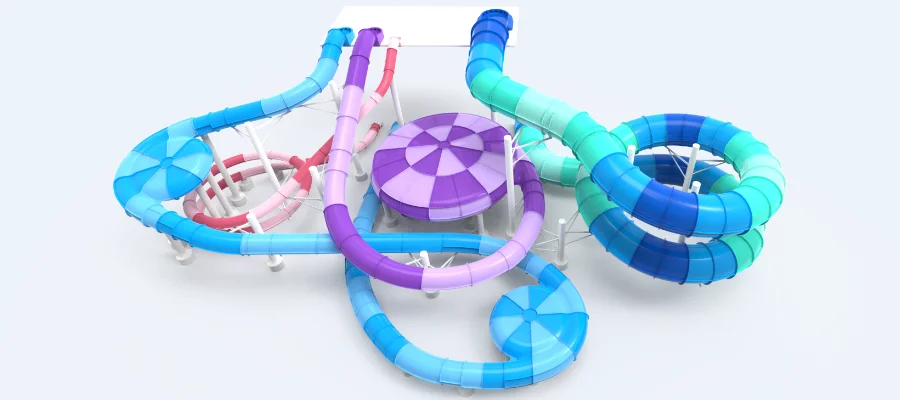
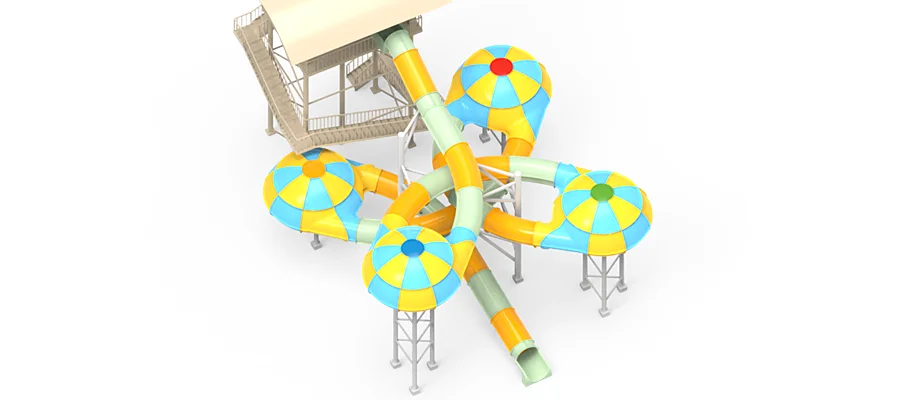
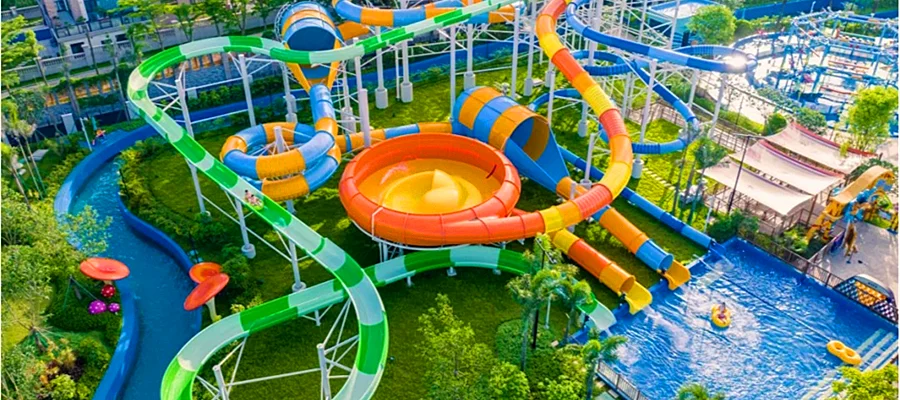
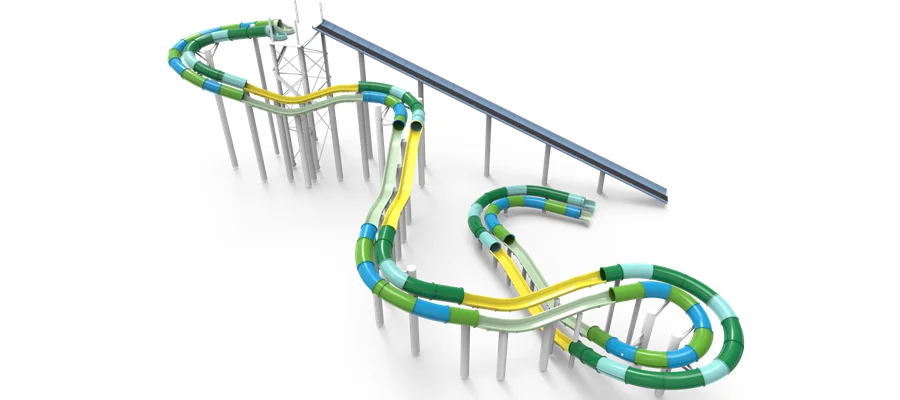
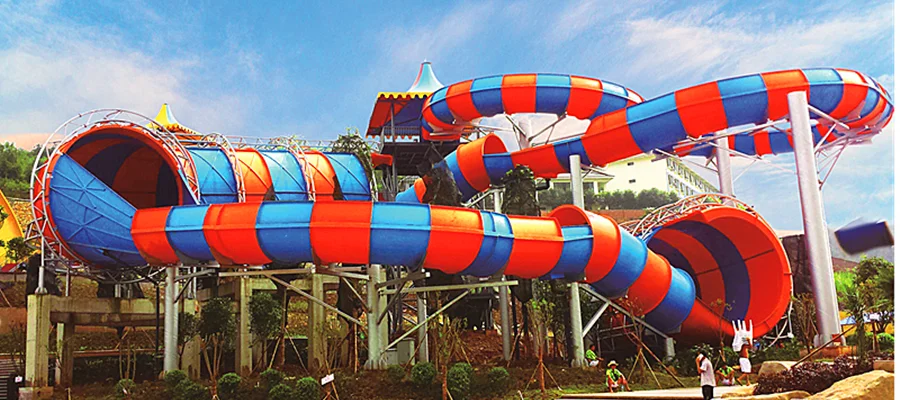
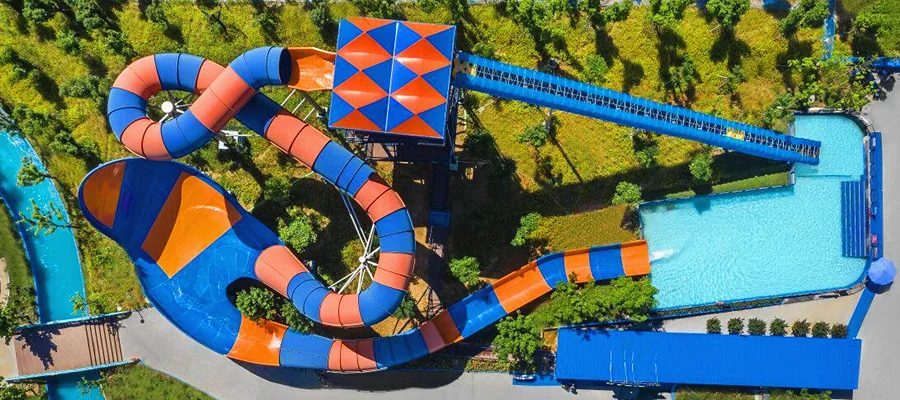
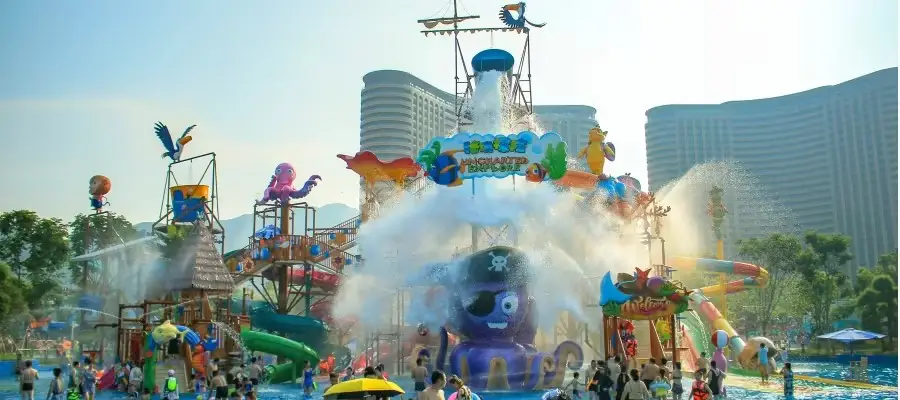
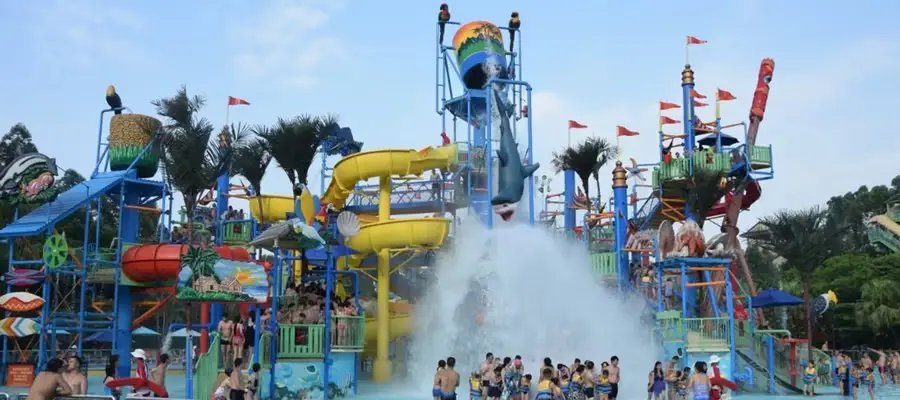
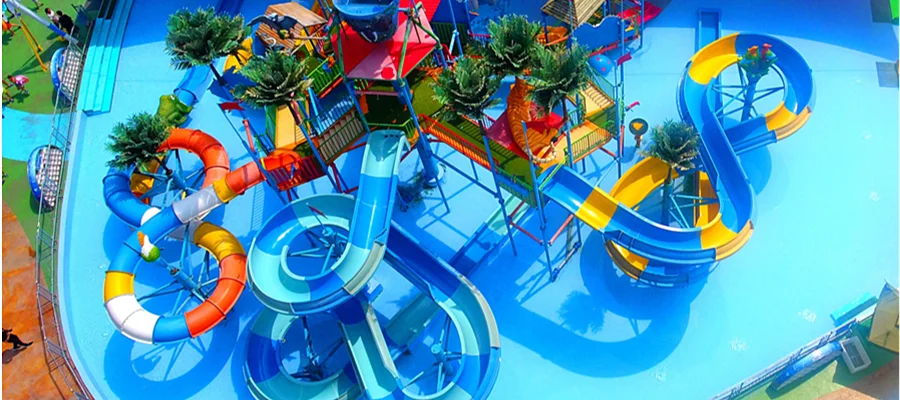
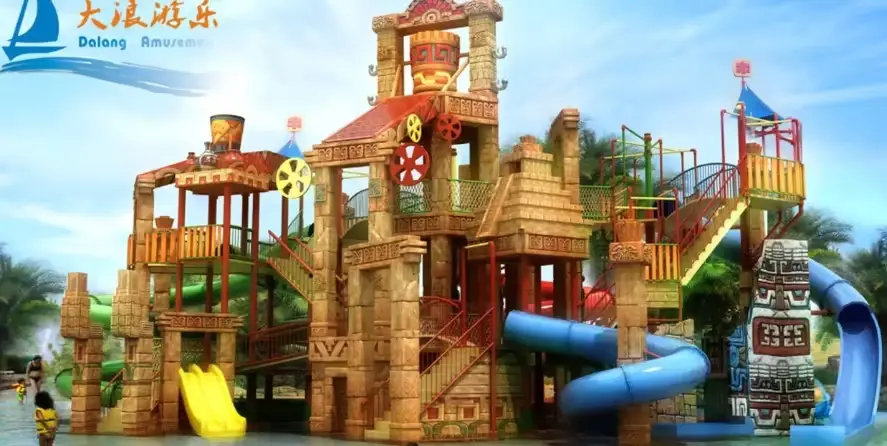
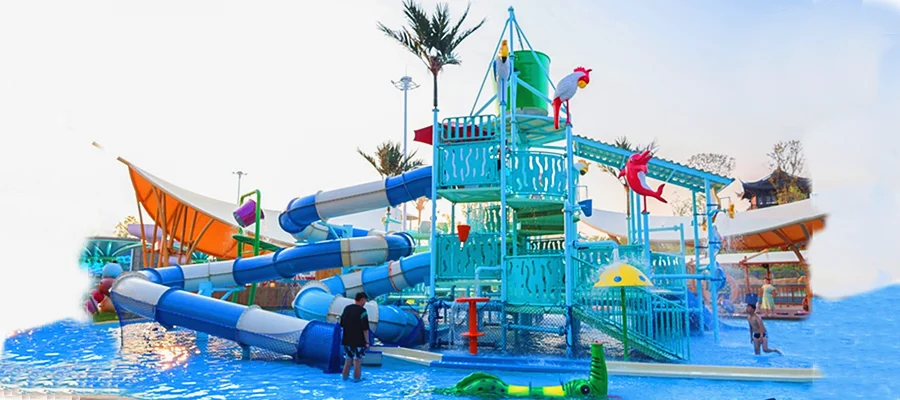
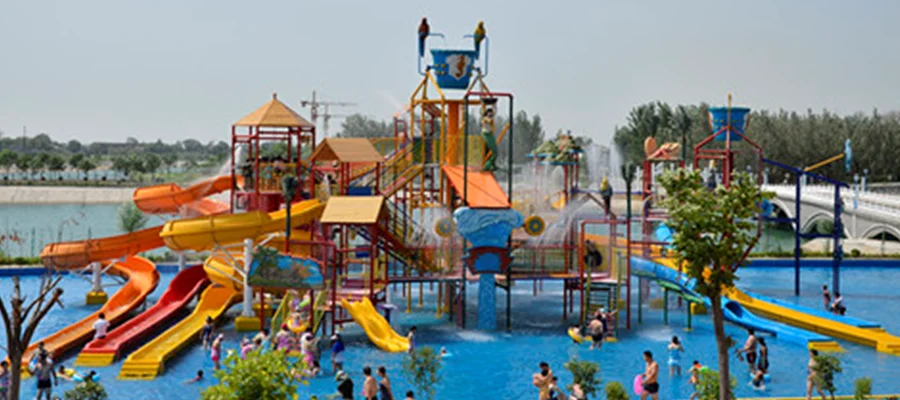
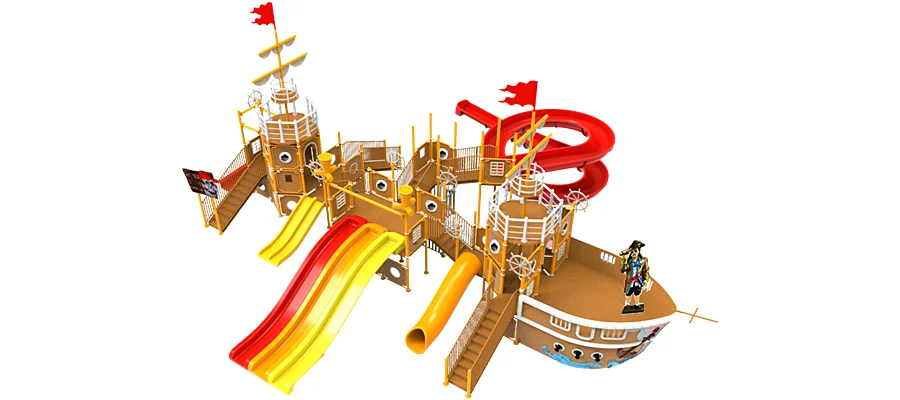
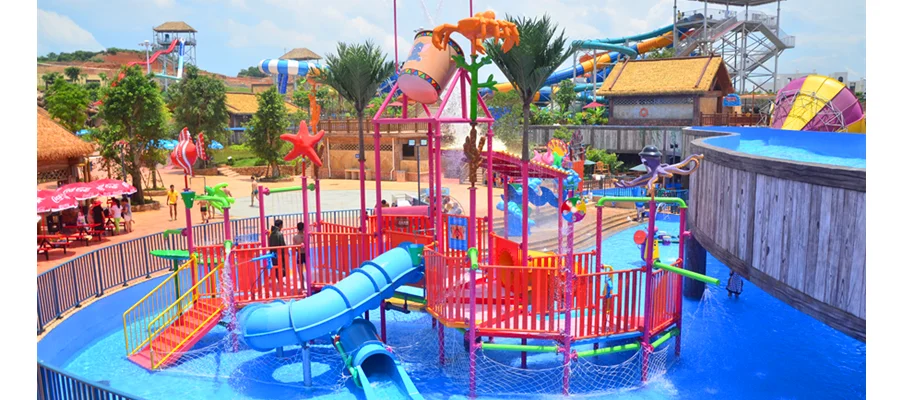
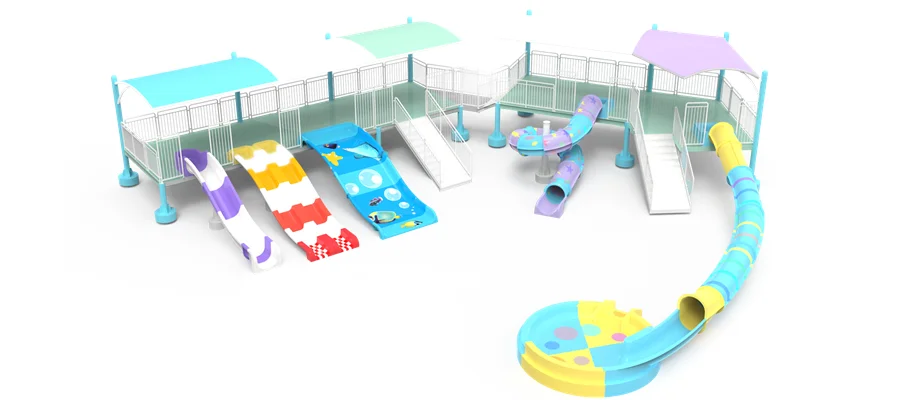
Deploying massive, multi-feature combination products presents a unique opportunity to leverage digital flow control. Instead of scattering isolated attractions across a sprawling property, developers are increasingly centralizing interactive playhouses, multi-lane racers, and high-speed spirals into unified structural matrices. When digital monitoring tools are integrated into these complex modular installations, the logistical advantages become profound.
Smart sensors embedded within these high-capacity release valves can monitor bather density across multiple interconnected platforms simultaneously. This data allows operators to dynamically route guests toward specific slide flumes or interactive zones that currently have lower wait times.
By utilizing a digitally managed combination structure, facilities can efficiently absorb massive localized crowd surges and keep thousands of visitors actively engaged. This customized modular approach not only maximizes the spatial efficiency of expensive commercial real estate but also ensures that the central structural anchors actively support the broader capacity management goals of the entire destination.
Strategic Capital Allocation for Digital Adaptability
For project investors and resort developers, the convergence of heavy infrastructure and digital technology presents clear strategic directives for future capital allocation. Modern aquatic destinations must be engineered for digital adaptability from the initial drafting phase. Attempting to retrofit outdated mechanical networks with smart sensors often introduces severe integration challenges and unnecessary capital expenditure.
Investors should prioritize partnerships that demonstrate transparent, data-driven approaches to equipment design and hydraulic engineering. Utilizing digitally responsive infrastructure serves as a fundamental strategy for economic endurance, helping to ensure that the facility remains operationally lean and mechanically reliable over decades of heavy utilization.
Ultimately, prioritizing these advanced management tools helps operators navigate complex operational challenges while working toward stable, highly sustainable profitability goals. By selecting Dalang as an engineering resource, international developers can leverage sophisticated, digitally integrated project solutions to maintain a competitive edge in an increasingly sophisticated global tourism market.