As the global aquatic entertainment sector matures, resort developers and project investors are increasingly scrutinizing the foundational engineering behind their massive capital deployments. Historically, the industry relied heavily on manual mold creation, which often led to microscopic surface irregularities and unpredictable material lifespans. Today, the shift toward high-capacity, visually striking destinations requires that the infrastructure supporting these attractions be exceptionally durable. Furthermore, as regional parks transform into internationally recognized mega-resorts, the tolerance for mechanical failure decreases.
We have observed that continuous advancements in material science and digital fabrication are fundamentally reshaping how modern attractions are built. As an established water slide manufacturer, we recognize that relying on outdated fabrication methods can expose investors to severe financial risk. By prioritizing precision engineering from the initial drafting phase to final factory output, operators can better position their facilities to secure a predictable operational return on investment and maintain a sustained competitive edge in increasingly saturated regional markets.
Addressing Severe Environmental and Operational Challenges
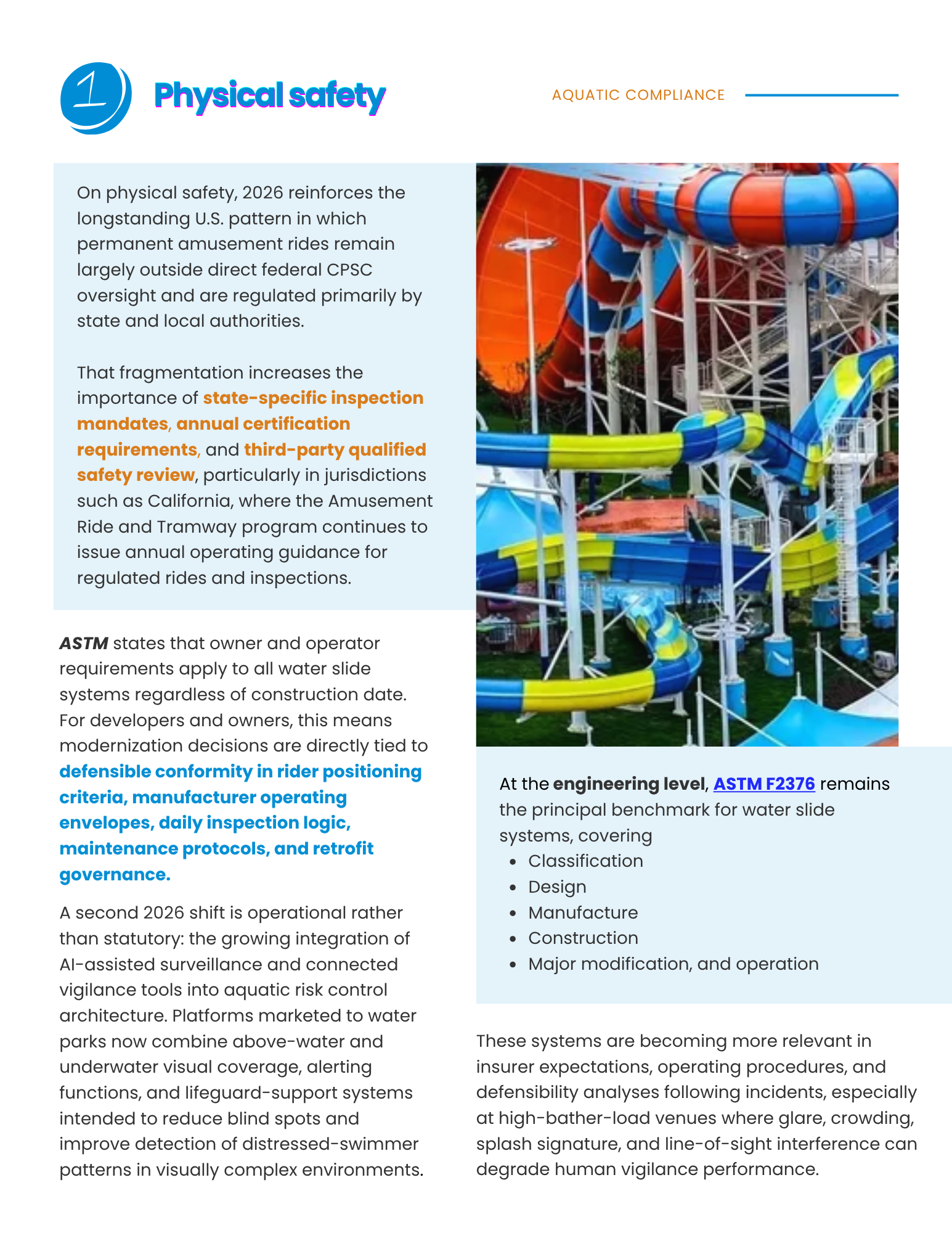
The physical demands placed on modern aquatic infrastructure are immense. Constant exposure to intense ultraviolet radiation, extreme seasonal temperature fluctuations, and the continuous flow of chlorinated pool water can rapidly degrade standard fiberglass composites. This environmental fatigue often manifests as severe surface oxidation, color fading, and micro-cracking around high-stress flange joints.
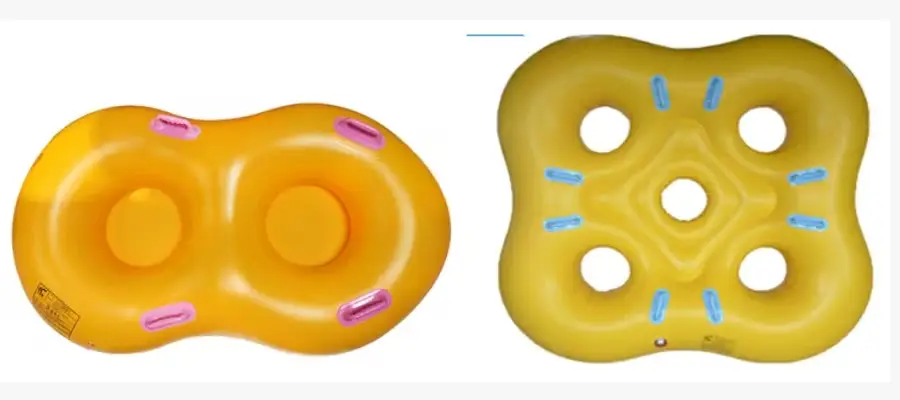
When joints are improperly aligned or weakened by continuous chemical breakdown, it can create a jarring experience for guests and significantly increase the physical wear and tear on multi-passenger rafts. Furthermore, deteriorating surfaces elevate sliding friction, forcing facility operators to run heavy-duty hydraulic pumps at higher capacities just to maintain appropriate dispatch velocities.
To successfully mitigate this complex chemical and mechanical breakdown, modern water park equipment manufacturers must pivot away from basic commercial plastics and prioritize advanced, highly resilient marine-grade composites that are specifically designed to endure decades of continuous hydrodynamic stress.
Engineering Solutions Through Digital Fabrication
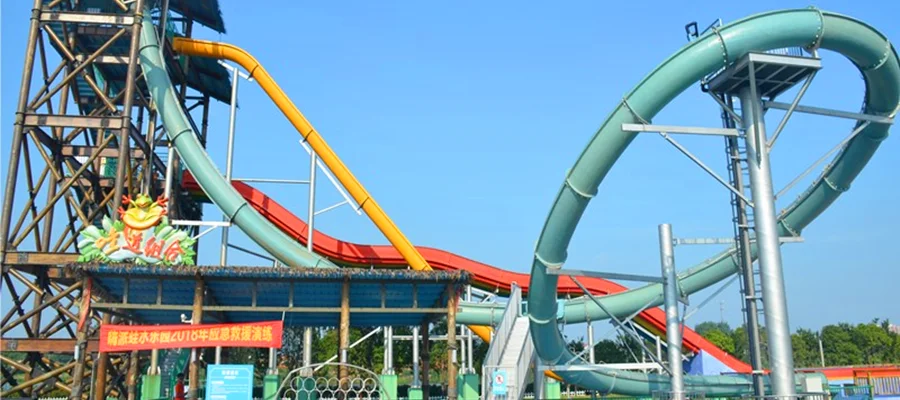
To resolve these critical environmental vulnerabilities, the fabrication process now relies heavily on advanced digital intervention and premium material chemistry. The adoption of European five-axis CNC machining centers represents a vital evolution, allowing engineering teams to mill fiberglass molds with exacting digital precision rather than relying on inconsistent manual shaping. This technological upgrade facilitates the creation of seamlessly aligned flume sections, which is intended to reduce hydrodynamic resistance and support a much smoother rider experience. Beyond geometric precision, we meticulously apply high-density isophthalic resins and specialized protective gel coats to all exposed surfaces.
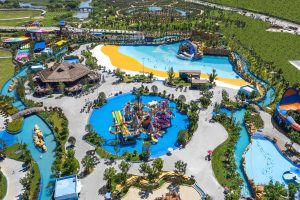
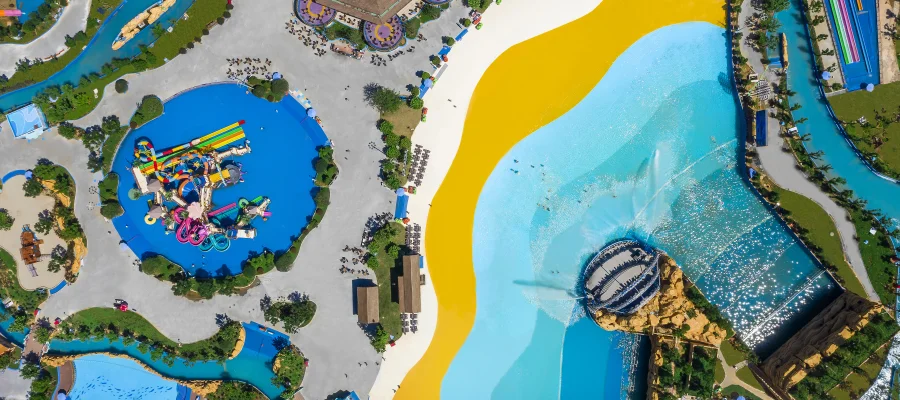
Before any physical manufacturing begins, computational fluid dynamics and 3D structural modeling are utilized to simulate immense bather loads. This pre-fabrication digital analysis is highly beneficial for optimizing the overarching water park layout, allowing layout specialists to identify potential flow bottlenecks and adjust the structural steel framework to maximize the natural topography of the development site.
Analyzing Operational Data and Performance Metrics
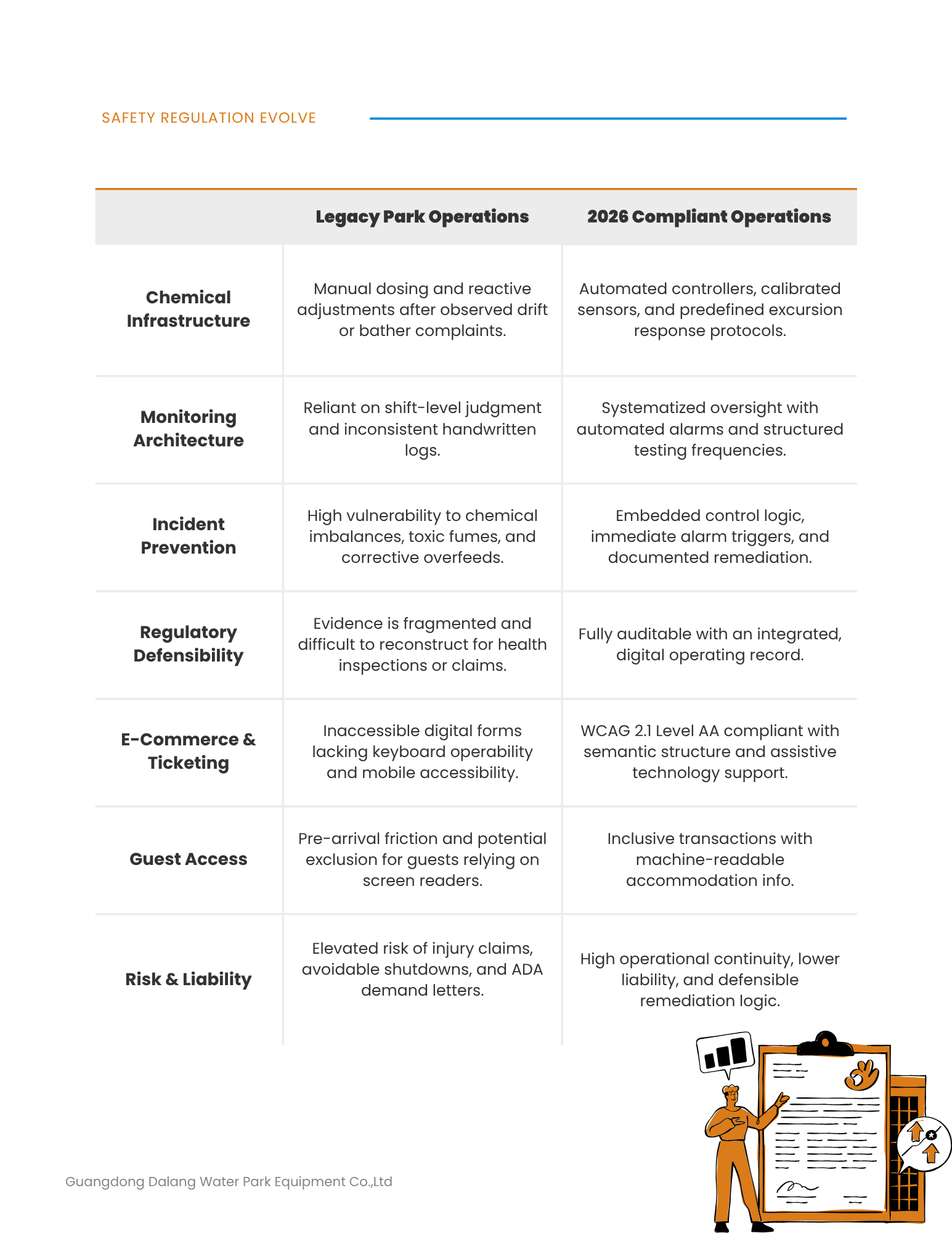
Evaluating the impact of these manufacturing innovations requires a close analysis of long-term operational data. Facilities equipped with precision-milled, chemically resilient infrastructure typically experience distinct, measurable improvements in their daily operational overhead. For instance, the application of premium gel coats and seamless flange joints can contribute to a notable reduction in surface friction. This hydrodynamic efficiency often allows facilities to utilize variable frequency drives at lower baseline settings, which may support a reduction in daily electrical consumption for heavy pumping systems.
Additionally, historical maintenance data suggests that utilizing marine-grade epoxies can significantly extend the intervals between required aesthetic restorations. Acting as a strategic water slide supplier, we observe that when heavy-duty attractions require fewer mid-season structural interventions, the overarching facility is better positioned to capture peak seasonal revenue continuously, helping operators avoid the severe financial losses associated with unexpected mechanical downtime.
Maximizing Value with Customized Combination Installations
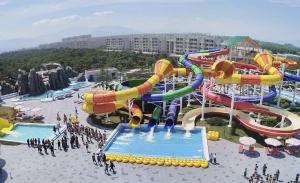
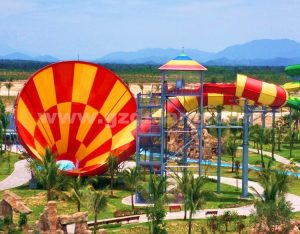
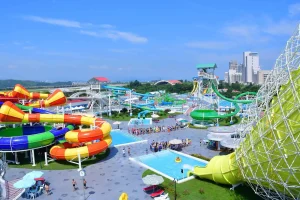
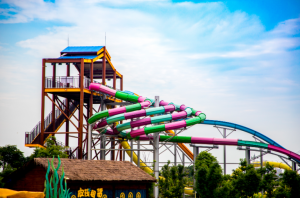
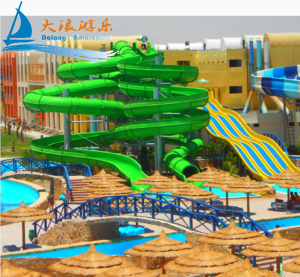
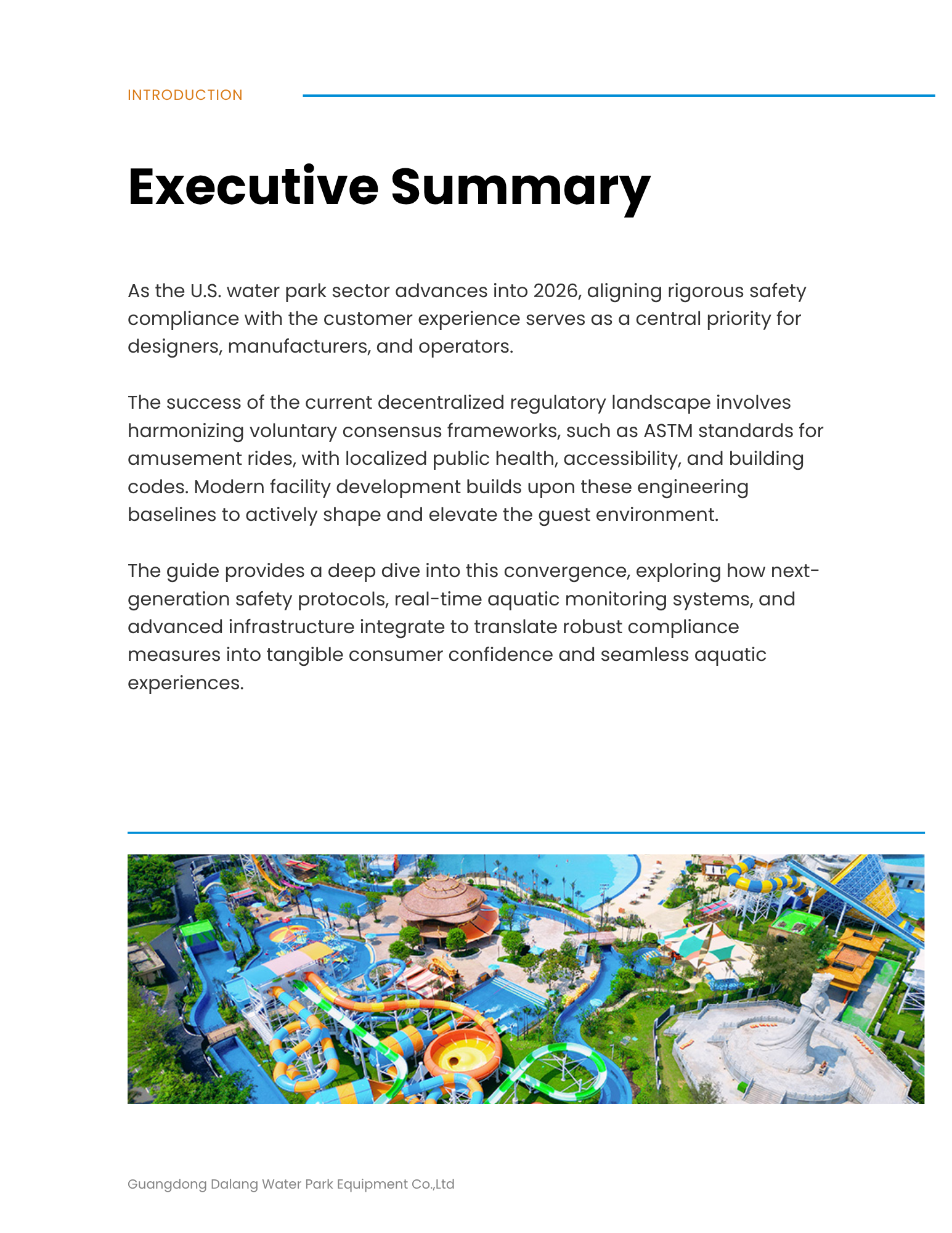
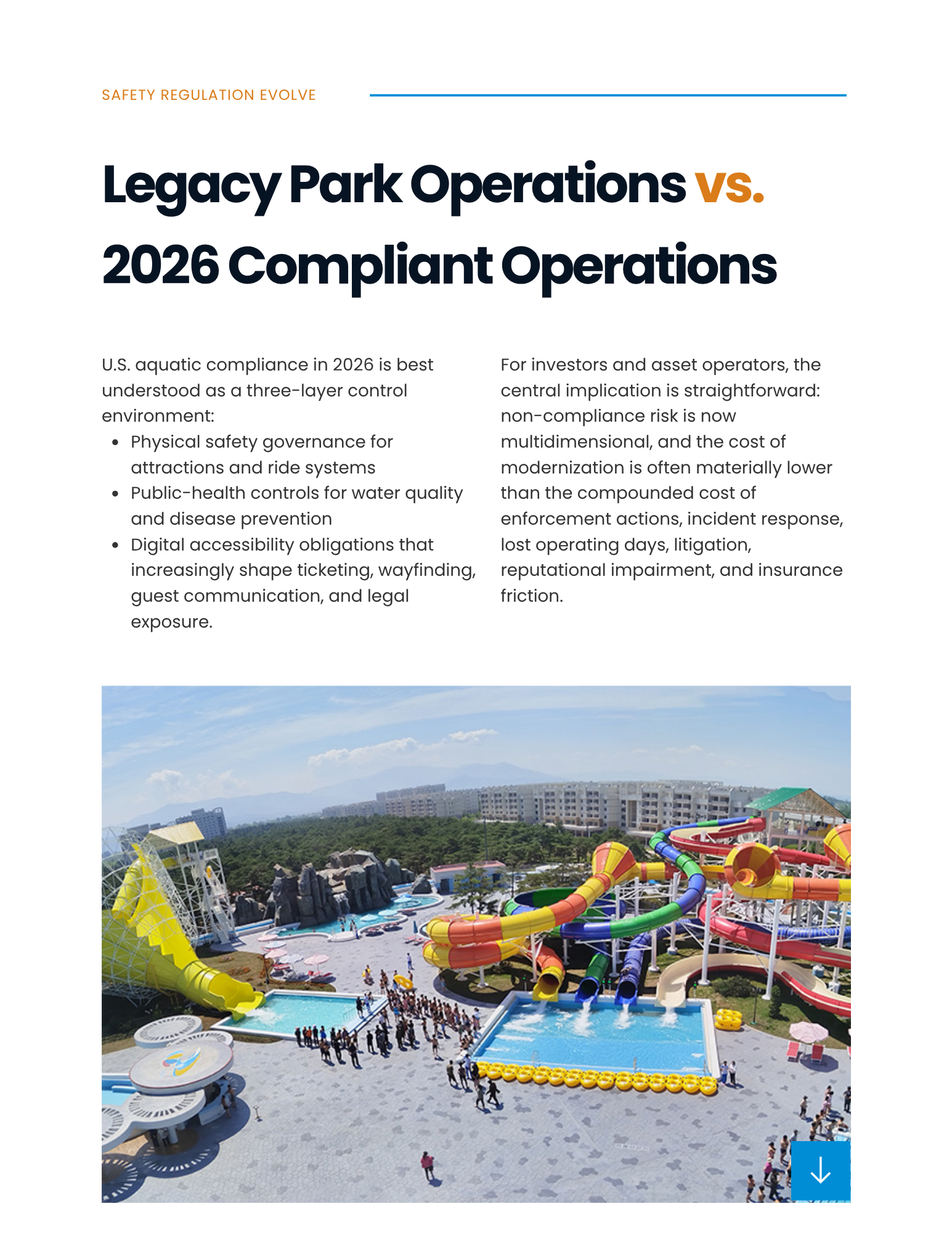
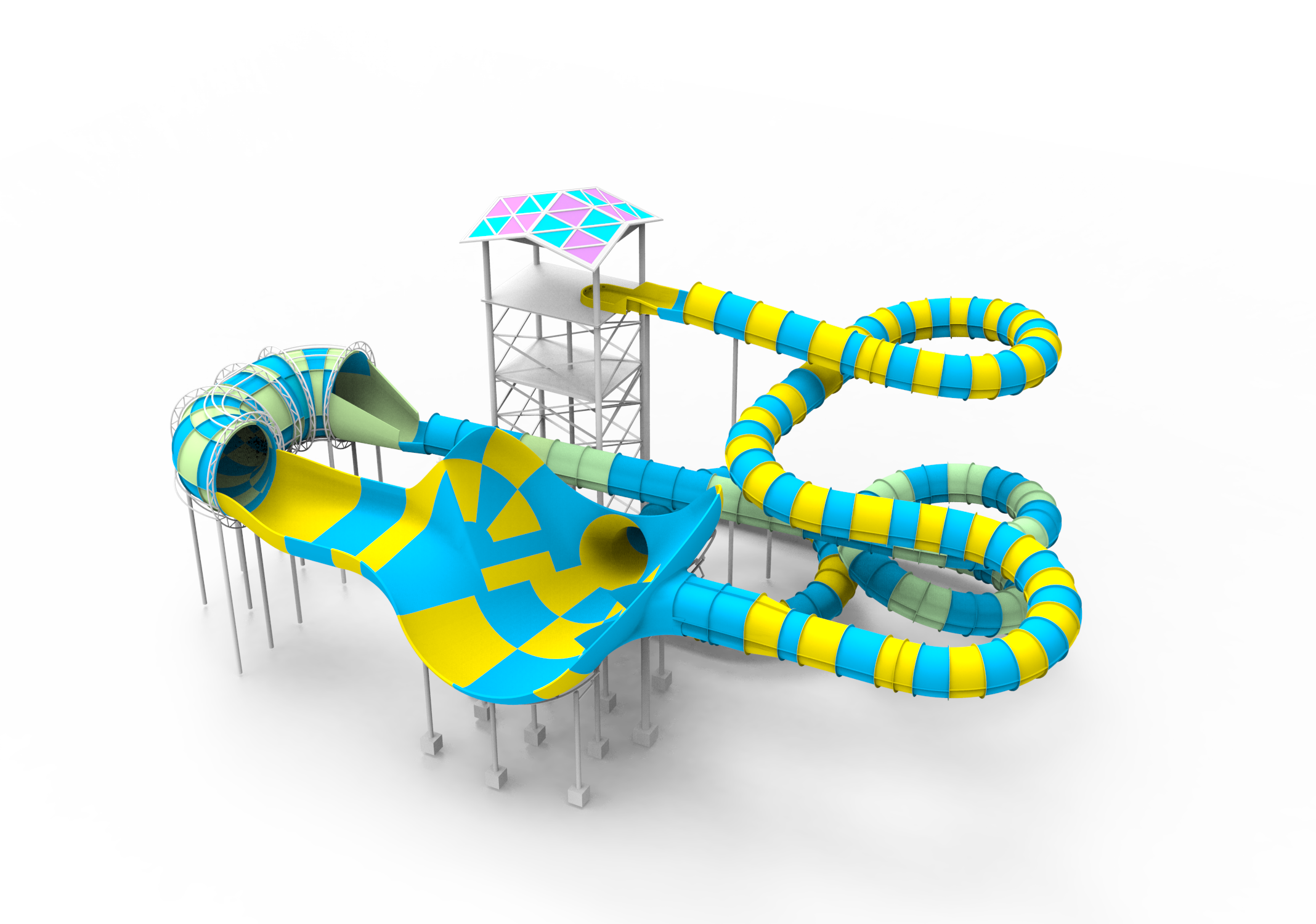
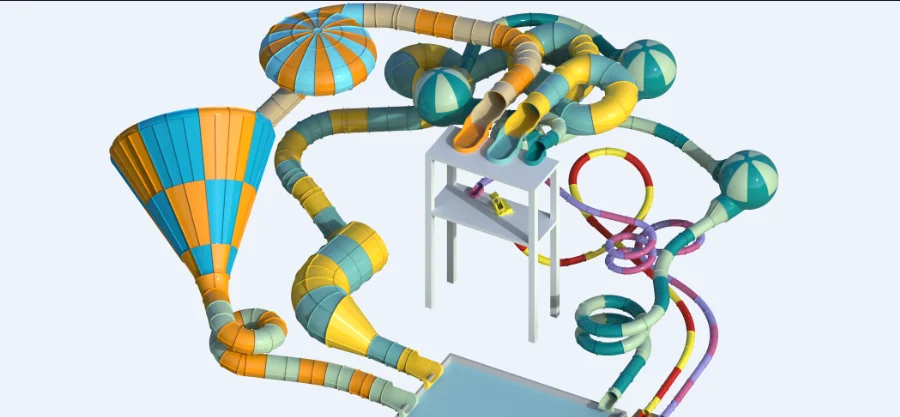
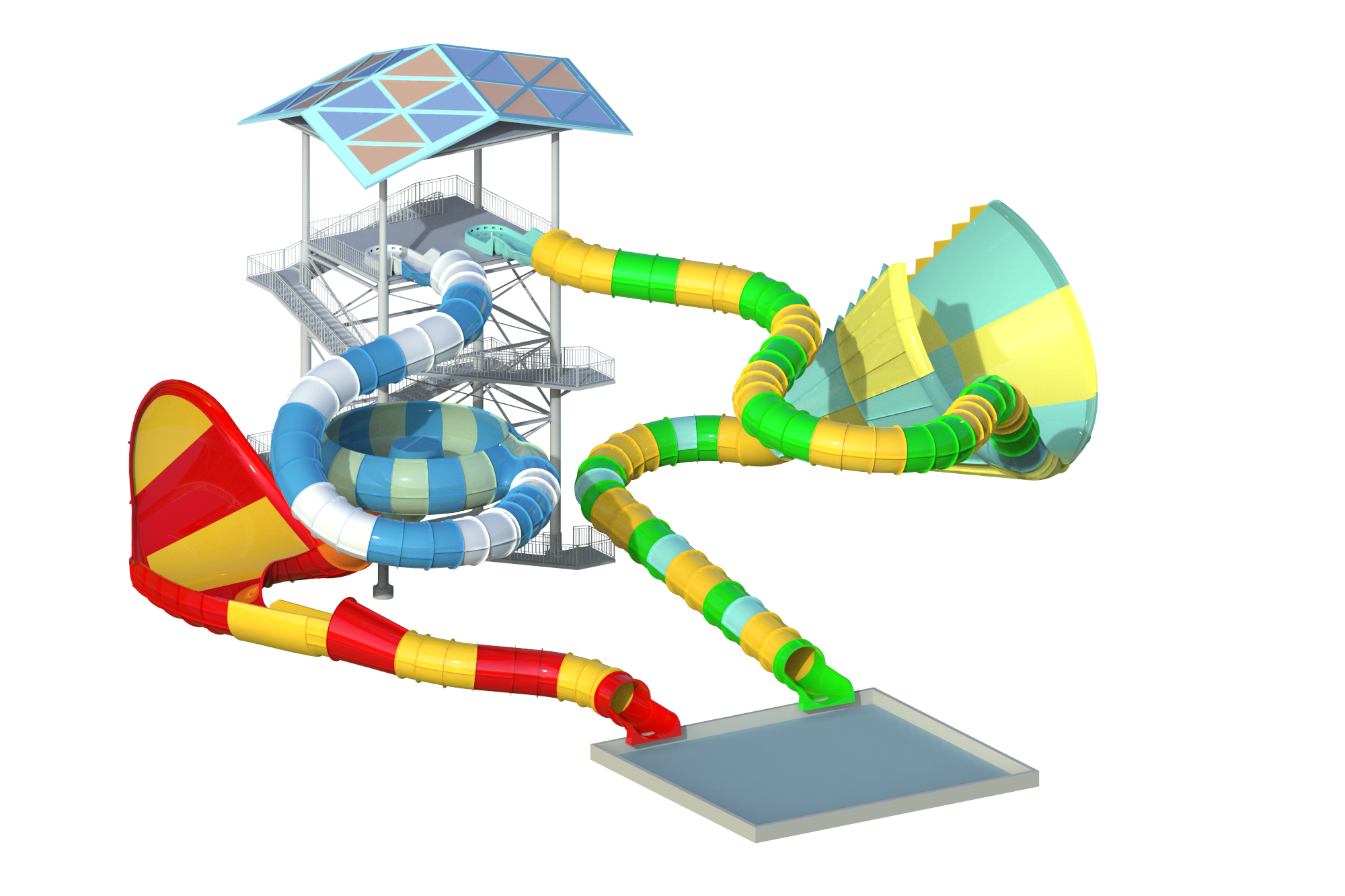
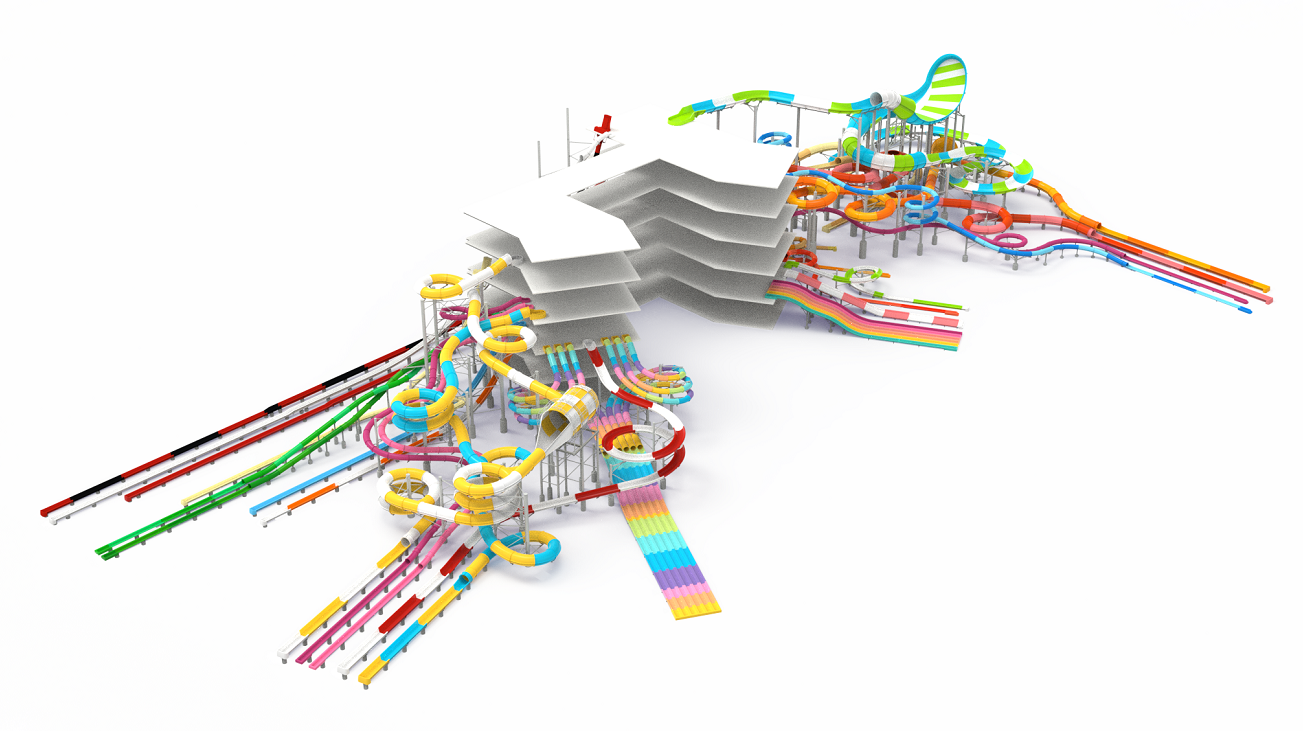
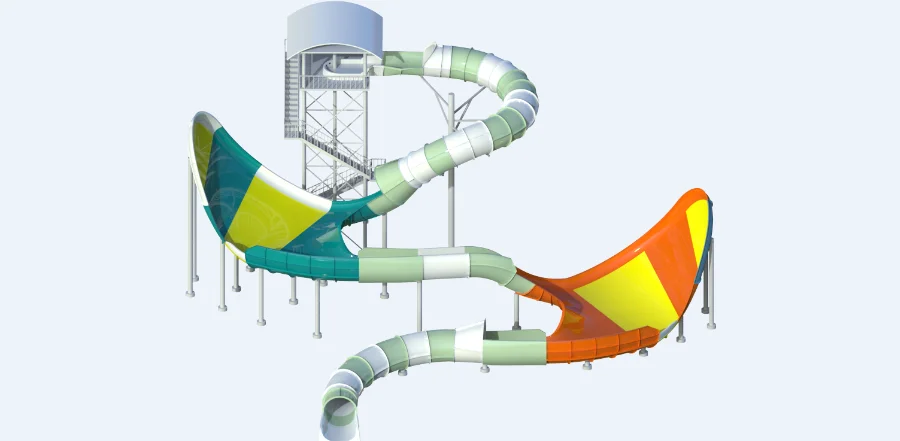
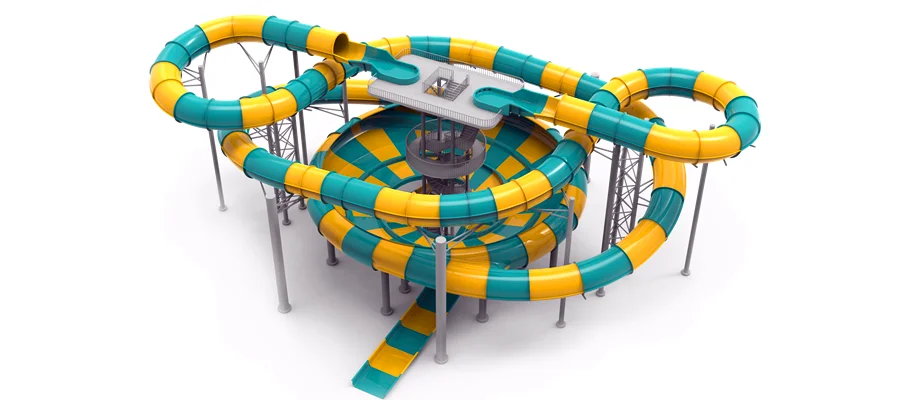
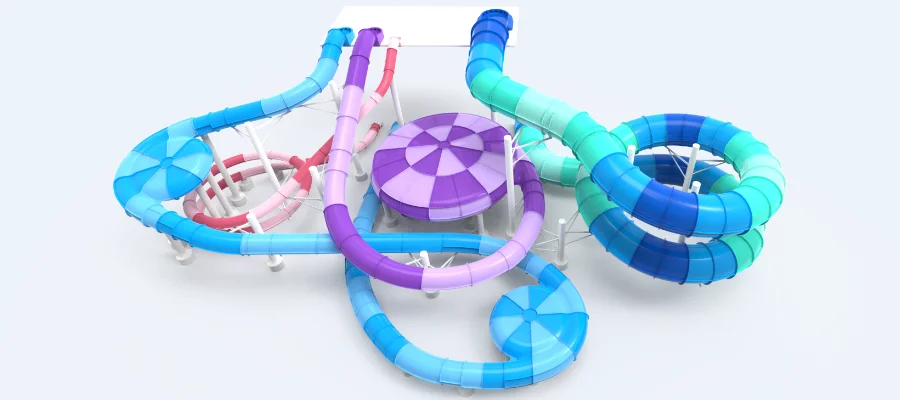
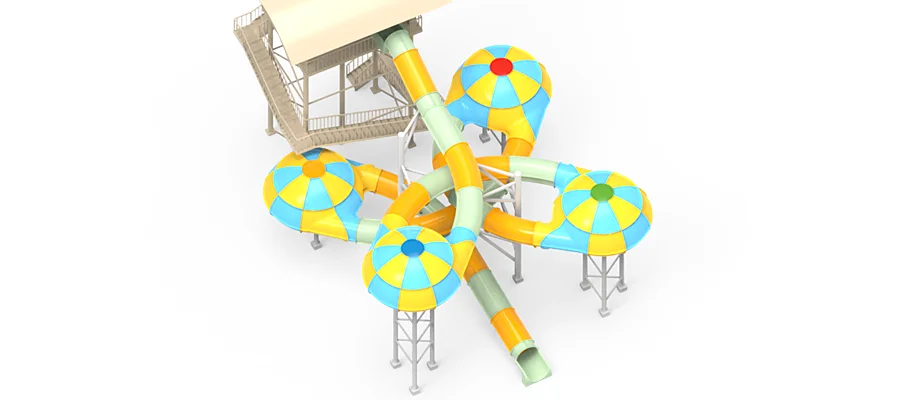
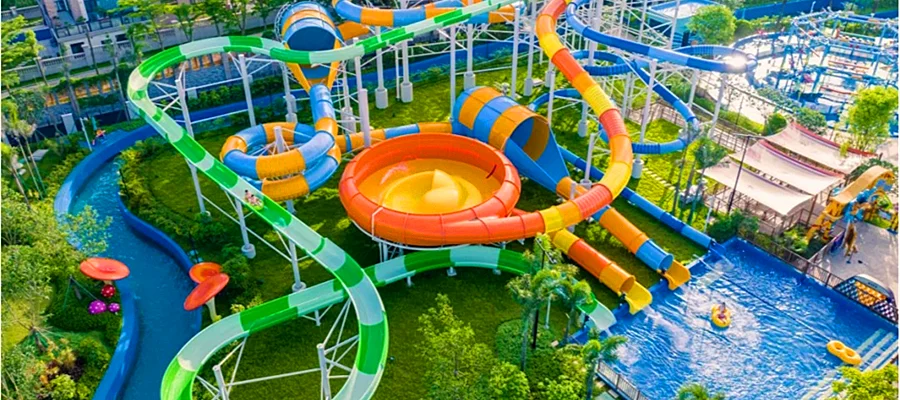
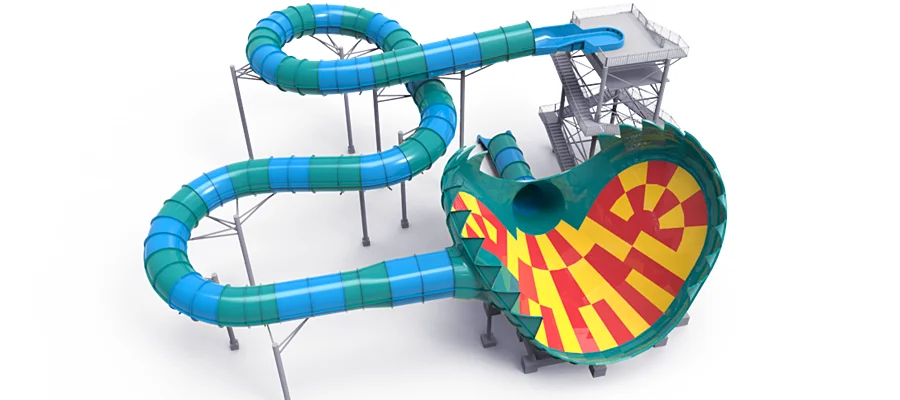
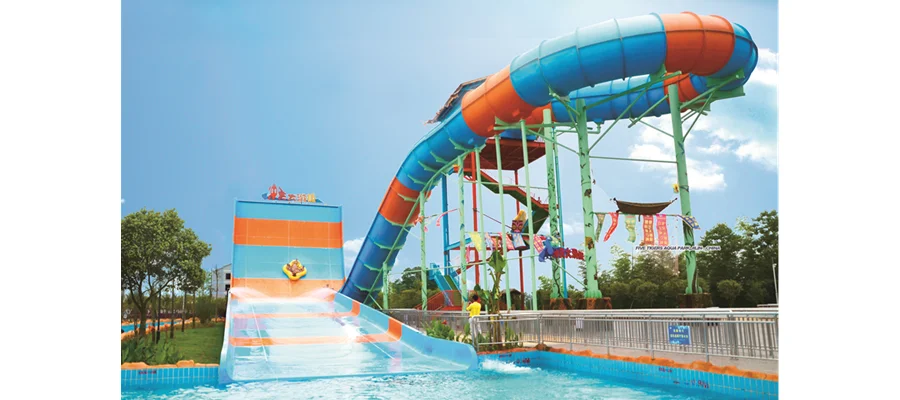
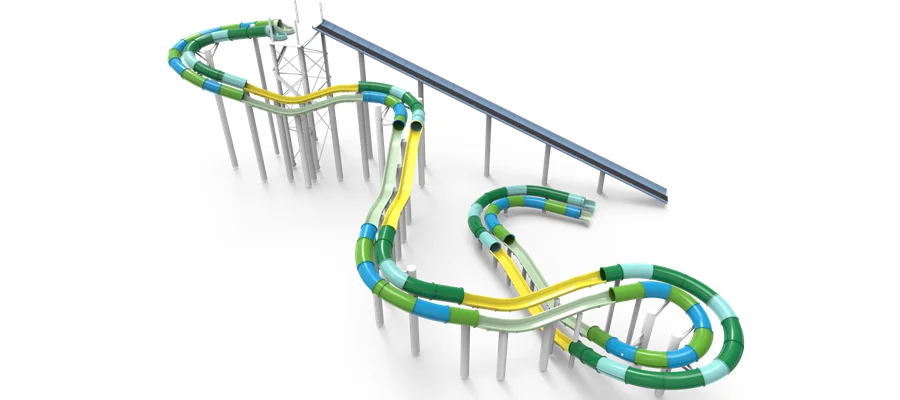
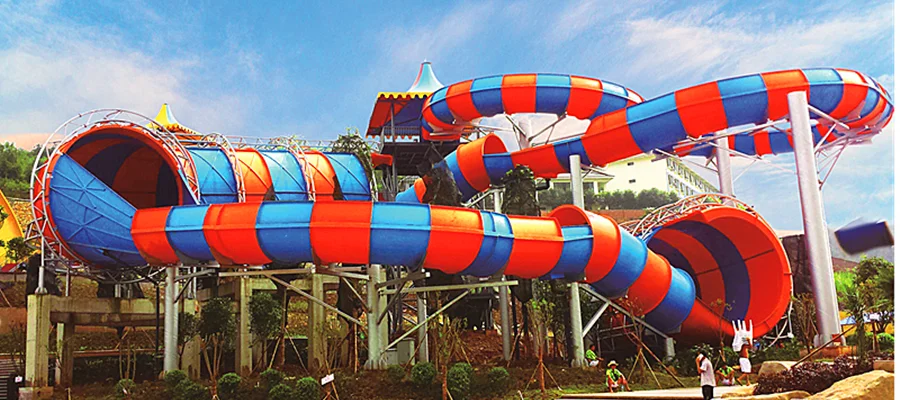
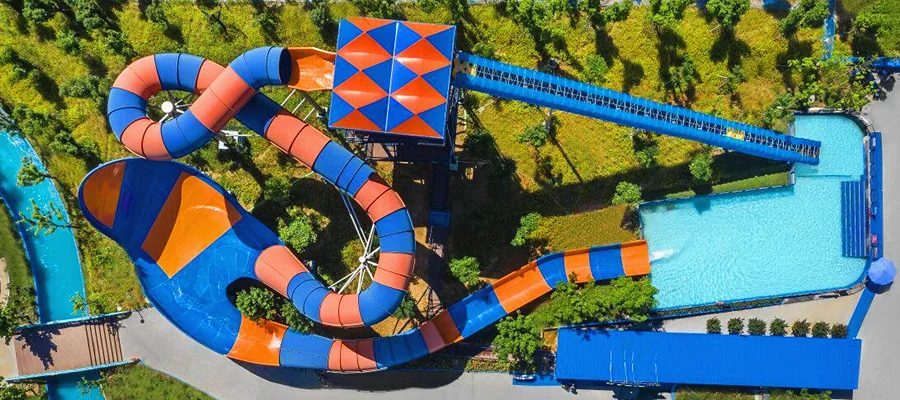
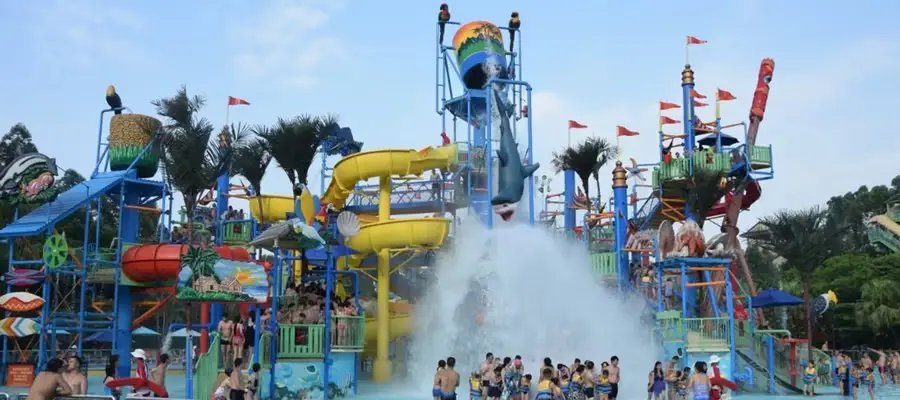
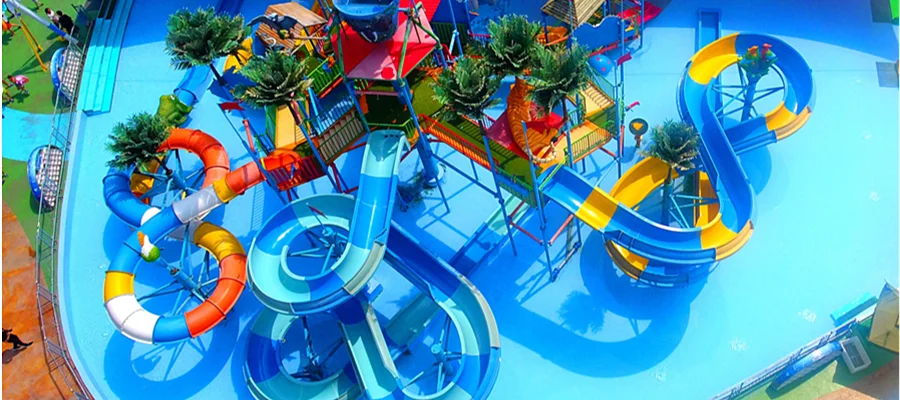
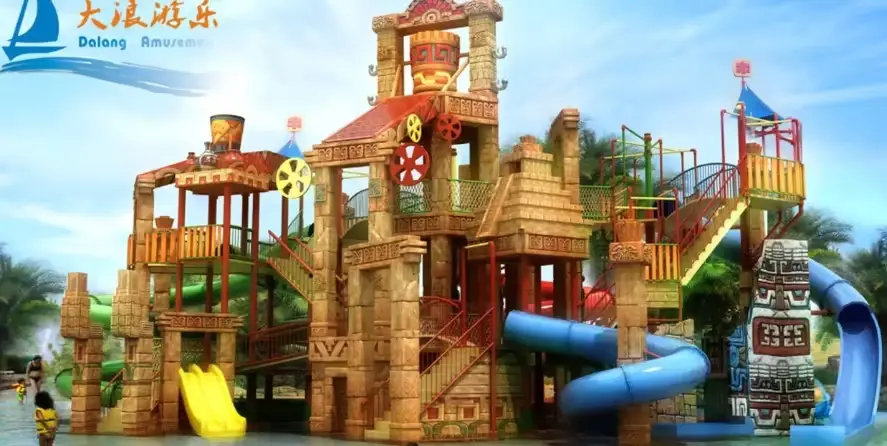
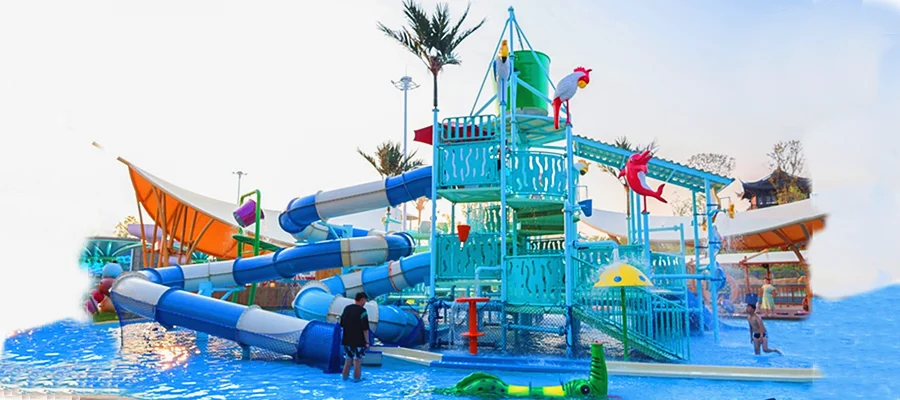
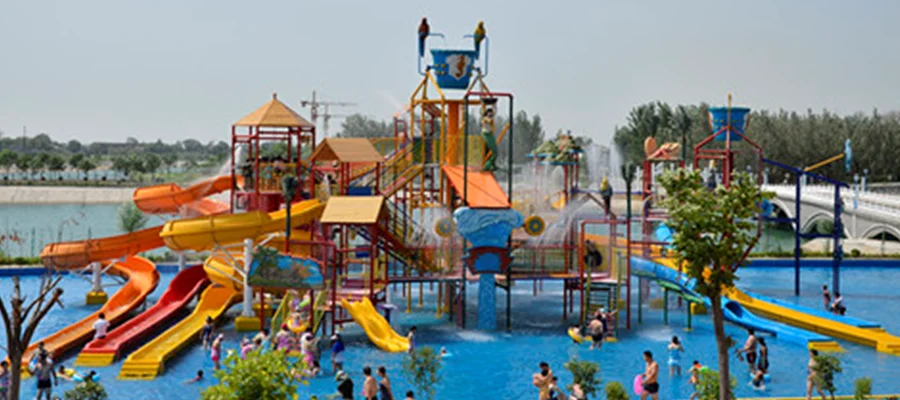
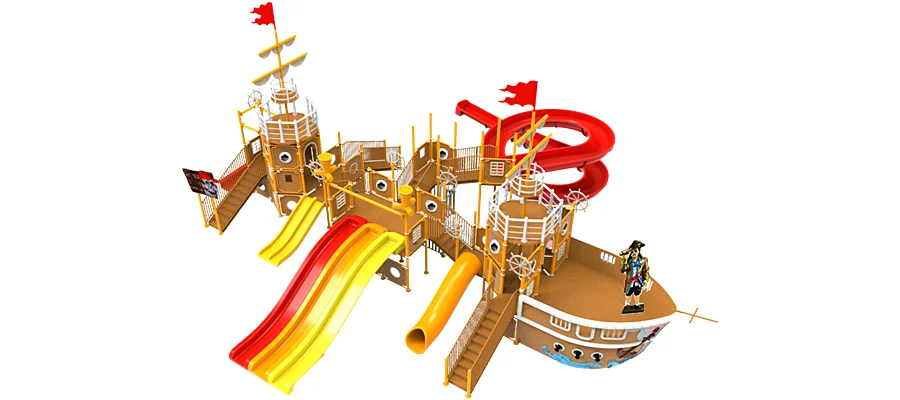
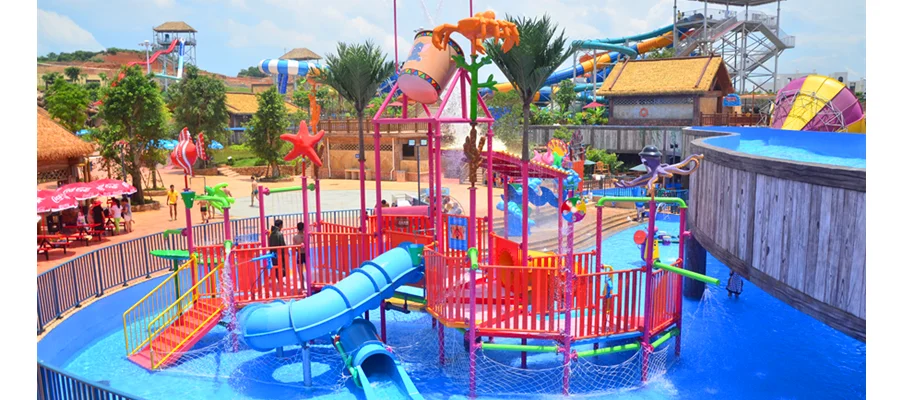
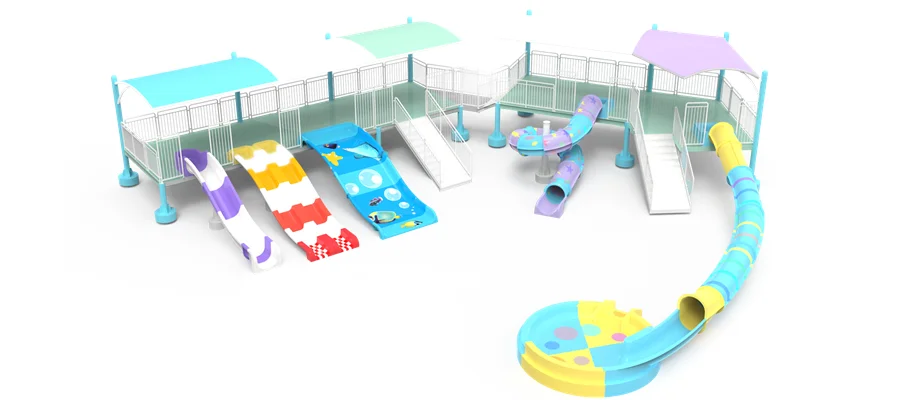
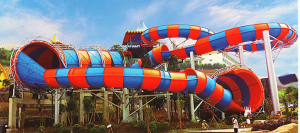
The complexities of modern site development further necessitate innovation in physical design, particularly through the deployment of advanced combination products. Instead of relying on isolated, single-experience flumes, developers are increasingly integrating towering funnels, enclosed high-speed spirals, and multi-lane racing segments into single, continuous structural matrices. This customized modular approach offers profound logistical and financial advantages.
By sharing centralized structural steel columns and unified launch platforms, combination installations can help lower raw material procurement costs and minimize the environmental disruption associated with heavy concrete pouring. Furthermore, these multi-feature attractions serve as high-capacity release valves, absorbing massive bather loads and dispatching riders at varying thrill levels simultaneously.
By selecting Dalang as a central engineering partner, international investors can leverage these sophisticated, interconnected installations to manage complex bather distribution while maximizing the spatial efficiency of expensive commercial real estate.
Strategic Investment Takeaways for Resort Developers
For project investors and resort developers, the evolution of fiberglass manufacturing presents clear strategic directives for capital allocation. The primary takeaway is that the initial procurement cost of aquatic infrastructure should always be weighed against the projected lifecycle maintenance expenditures. Attempting to reduce upfront capital by sourcing manually fabricated, low-grade fiberglass often results in elevated long-term repair costs and premature asset degradation.
Moreover, infrastructure built to exacting digital standards generally retains a higher long-term asset valuation. Investors should prioritize manufacturers who demonstrate transparent, data-driven approaches to material science and modular fabrication. Utilizing advanced, digitally milled equipment serves as a fundamental strategy for economic endurance, ensuring that the attraction remains visually commanding and structurally sound over decades of heavy utilization.
Ultimately, deploying premium, precision-engineered attractions helps facility operators navigate complex environmental challenges while working toward stable, highly sustainable profitability goals in an increasingly competitive global tourism market.