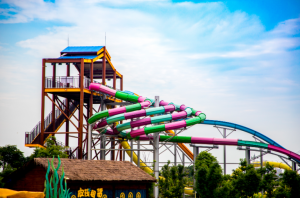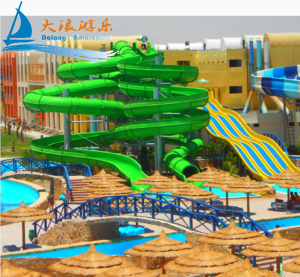
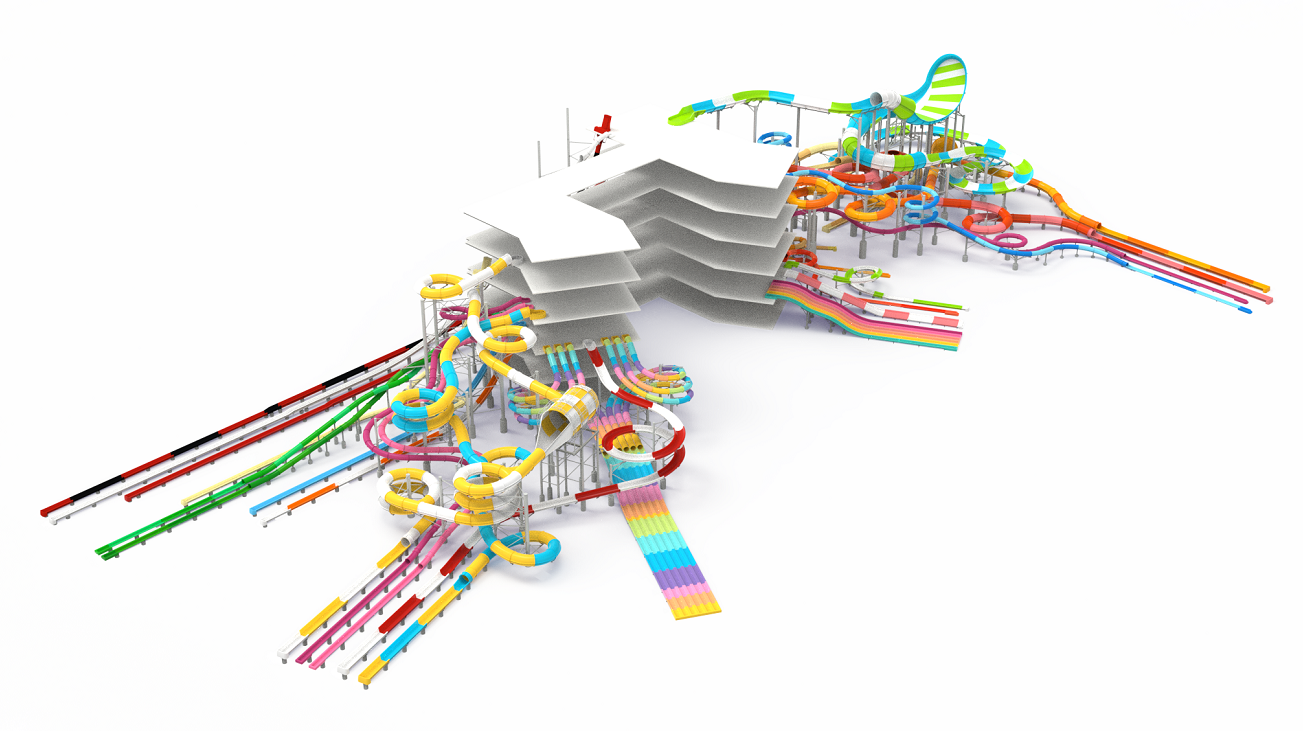
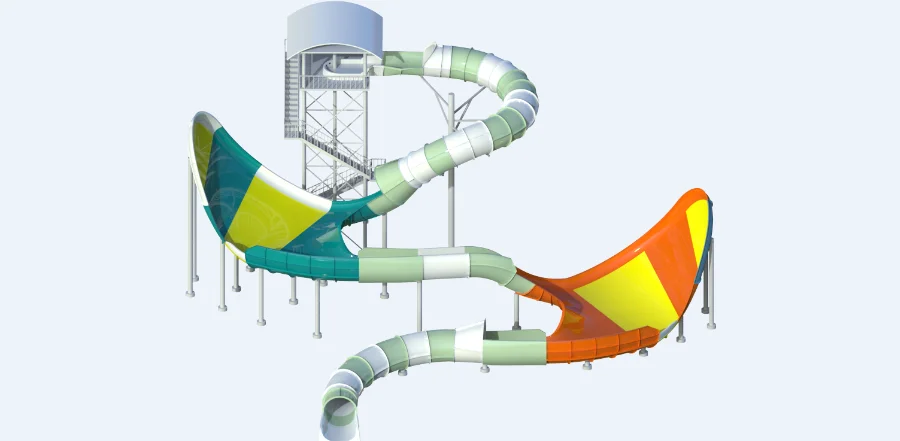
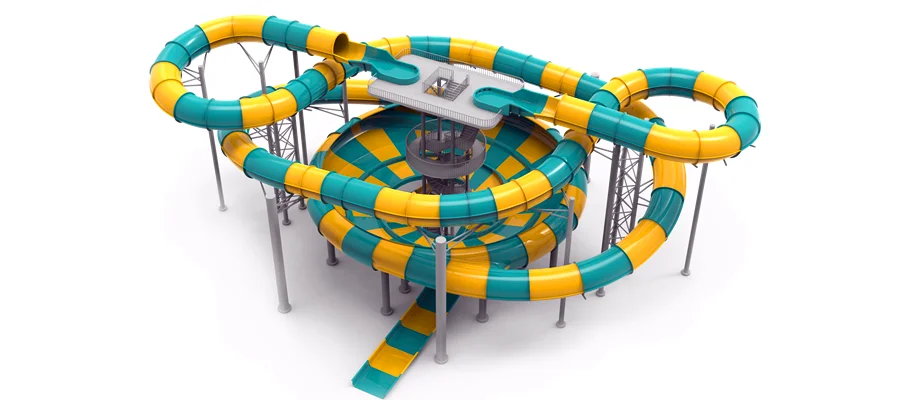
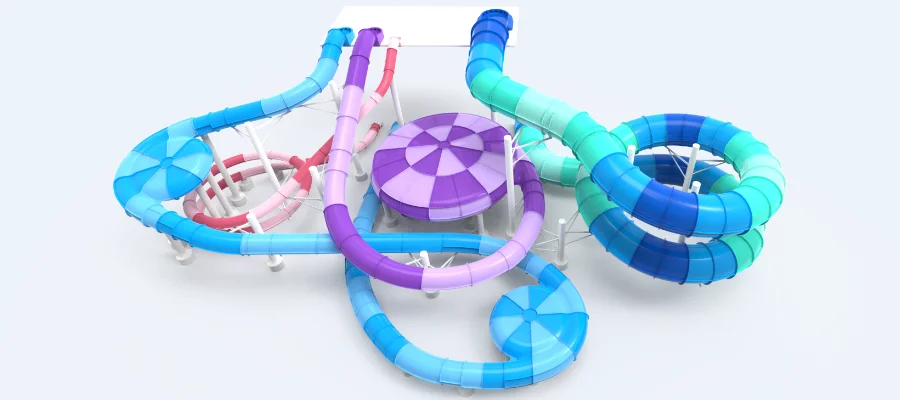
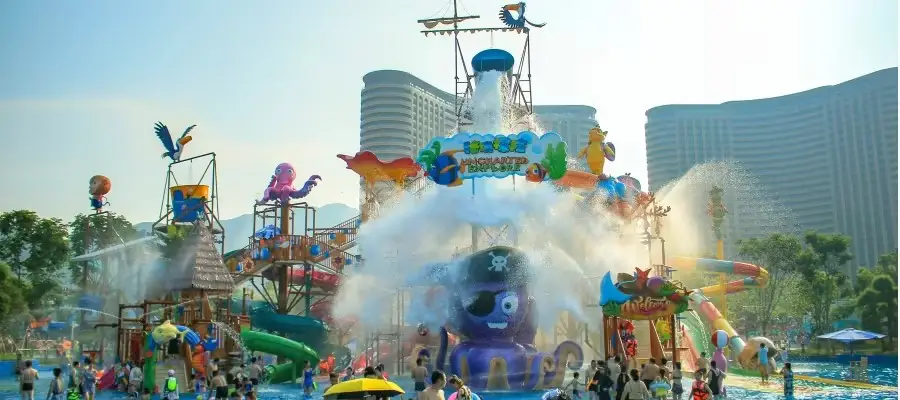
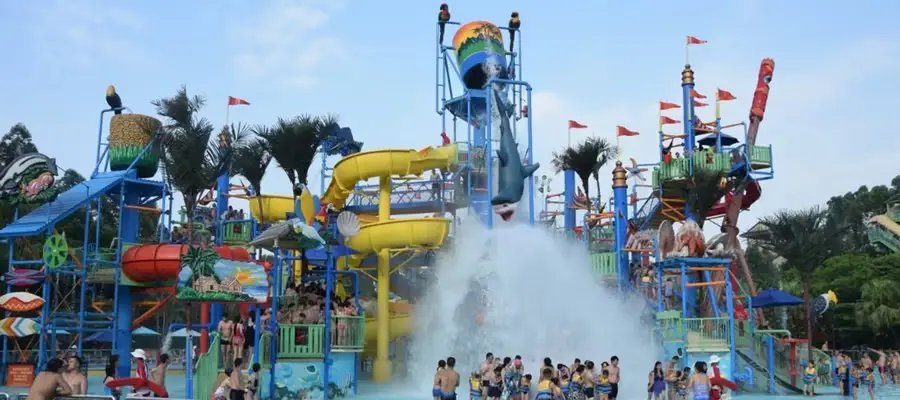
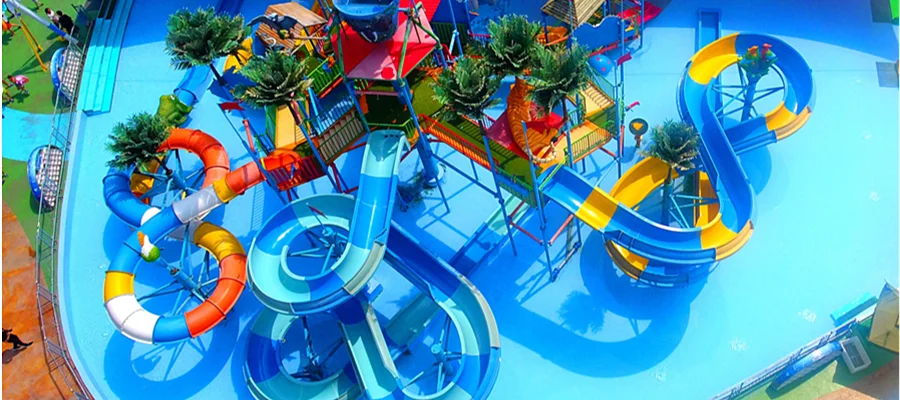
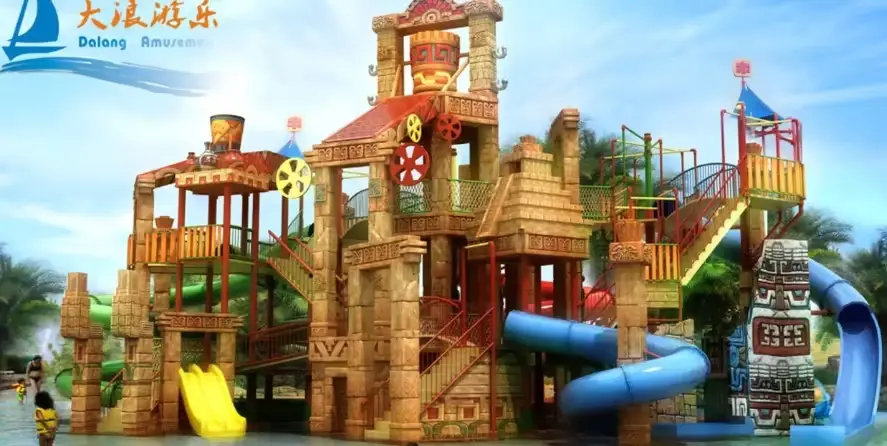
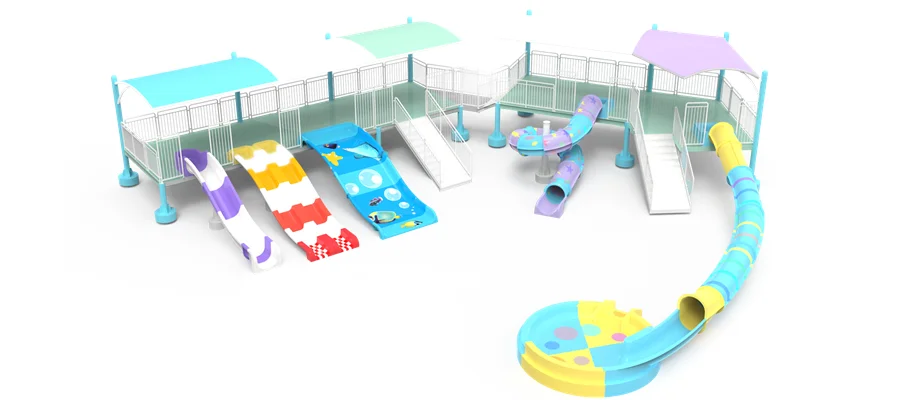
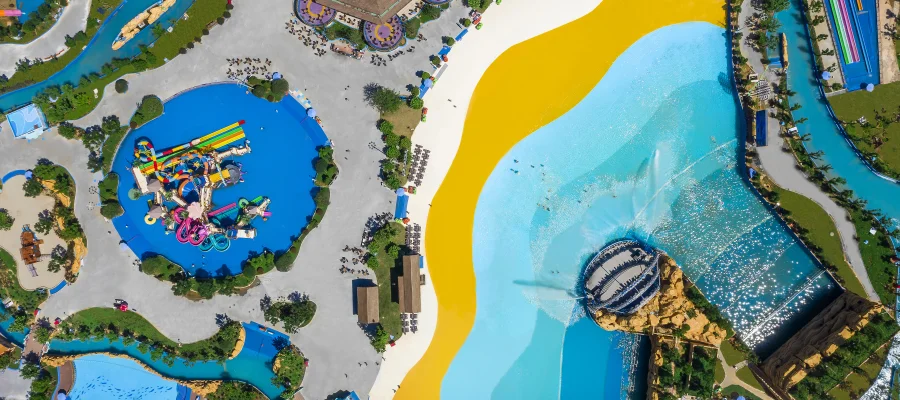
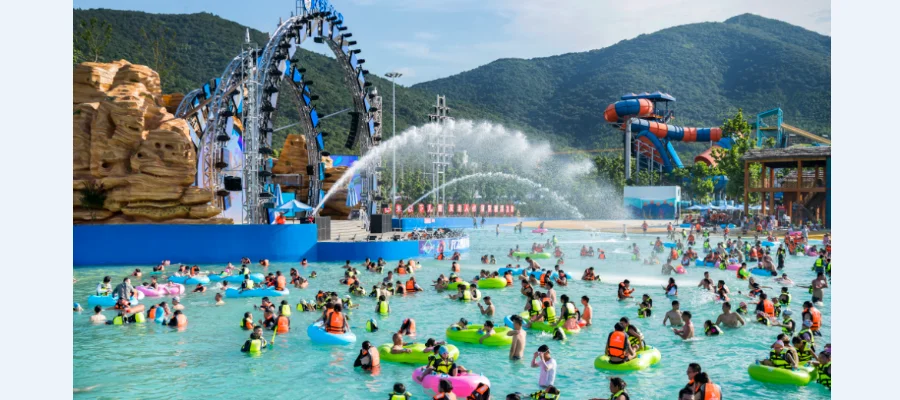
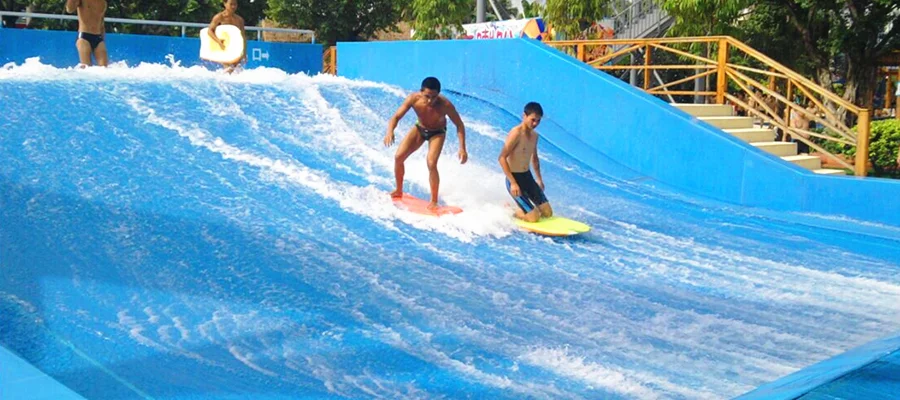
Let Dalang share a lesson from last year. A client in Vietnam had already paid a deposit to a water park manufacturer before asking us to review the technical drawings. We spotted three critical flaws in the filtration layout that would have doubled their chemical costs within six months. That client lost four weeks renegotiating. Vetting a manufacturer properly from the start saves months of headaches. For anyone developing a large amusement water park, the selection process goes far beyond glossy brochures and reference calls. Here is what we have learned after two decades of watching developers make – and avoid – expensive mistakes.
Check Real Installation Footage, Not Just Renders
Many water park manufacturers provide beautifully edited videos of slides in action. But those clips often come from the same three pilot projects. When we evaluate a potential partner, we ask to see unedited footage from at least four different sites. Specifically, we look for water flow consistency at the bottom of speed slides and how wave pools handle half-load days. For a proper amusement water park, operational reliability under varied crowd volumes matters more than peak performance. We once reviewed a manufacturer’s claim of “zero downtime” by requesting maintenance logs from a park that had operated for two full seasons. Those logs revealed weekly pump resets. So our rule: ask for documented run hours and parts replacement records. Real water park construction companies will provide these without hesitation. If the vendor stalls, walk away. At Dalang, we keep a shared folder for every client with raw GoPro footage from each project’s first month of operation – because we know trust requires proof.
Verify How They Handle Mid-Project Changes
Large-scale construction never goes exactly to plan. Soil conditions shift. Local permitting agencies demand unexpected railings. The question is not whether changes will happen, but how the manufacturer responds. We suggest you name this scenario during vetting: “If we need to shorten a slide’s landing pool by two meters after concrete has been poured, what is your process?” A reliable water park manufacturer will describe a clear change-order workflow with fixed hourly engineering rates and expected turnaround times. Vague answers like “we’ll work it out” are red flags. In one Middle Eastern amusement water park project we consulted on, the chosen manufacturer took eleven weeks to approve a simple slide exit modification. That delay pushed the opening past peak season – roughly $400,000 in lost ticket revenue. Water park construction companies that have real field experience will also offer prefabricated joint adapters as standard items. We actually stock over sixty types of angle adapters in our warehouse because we learned that on-site adjustments are inevitable. And we sell them only as part of a combo package with installation supervision, because a loose adapter without proper welding instructions creates more problems than it solves.
Inspect Their Combo Supply Capability on Paper
A single slide does not make a functioning amusement water park. You need pumps, filters, chemical controllers, lifeguard platforms, lighting, audio systems, and queue line shades. Some water park manufacturers outsource everything except fiberglass. That creates finger-pointing when something fails. We recommend you request a single-line diagram showing every component’s origin. For each item, ask: who warranties it, what is the response time for replacement, and are spare parts stocked regionally? We have seen a park shut down for nine days because a proprietary controller board from a third-party supplier had a six-week lead time. At Dalang, we design our combo packages so that every electrical component shares the same communication protocol. Our slides, wave generators, and filtration panels all talk to one central touchscreen. That integration is not accidental – it is the result of refusing to sell slide-only deals. When you vet water park construction companies, ask to see a sample bill of materials for a complete zone. If the list has more than four different brand names for critical safety equipment, proceed carefully.
Vetting a manufacturer for a large commercial project is not about finding a perfect portfolio. It is about verifying how they perform under real construction pressure, how they manage changes, and whether they truly control their own supply chain. We have watched too many developers fall for impressive 3D animations while ignoring basic maintenance access or spare parts availability. So here is our direct suggestion: request a site visit to a park built by that manufacturer at least three years ago. Talk to the maintenance staff, not just the owner. And always demand a combo proposal – slides plus mechanical plus electrical plus training – because disjointed equipment creates operational chaos. The right water park manufacturer will welcome those questions. The wrong one will rush you toward a signature.