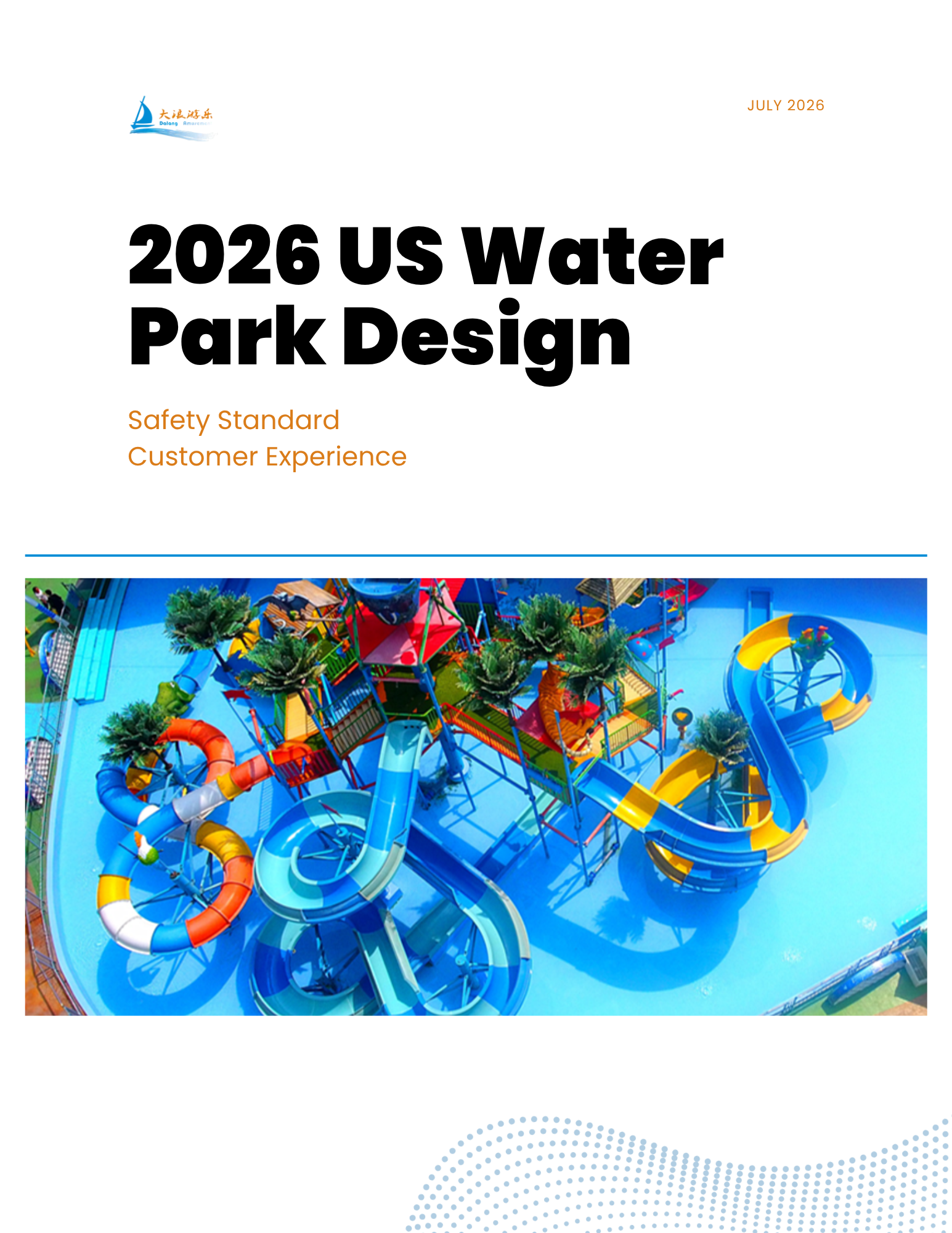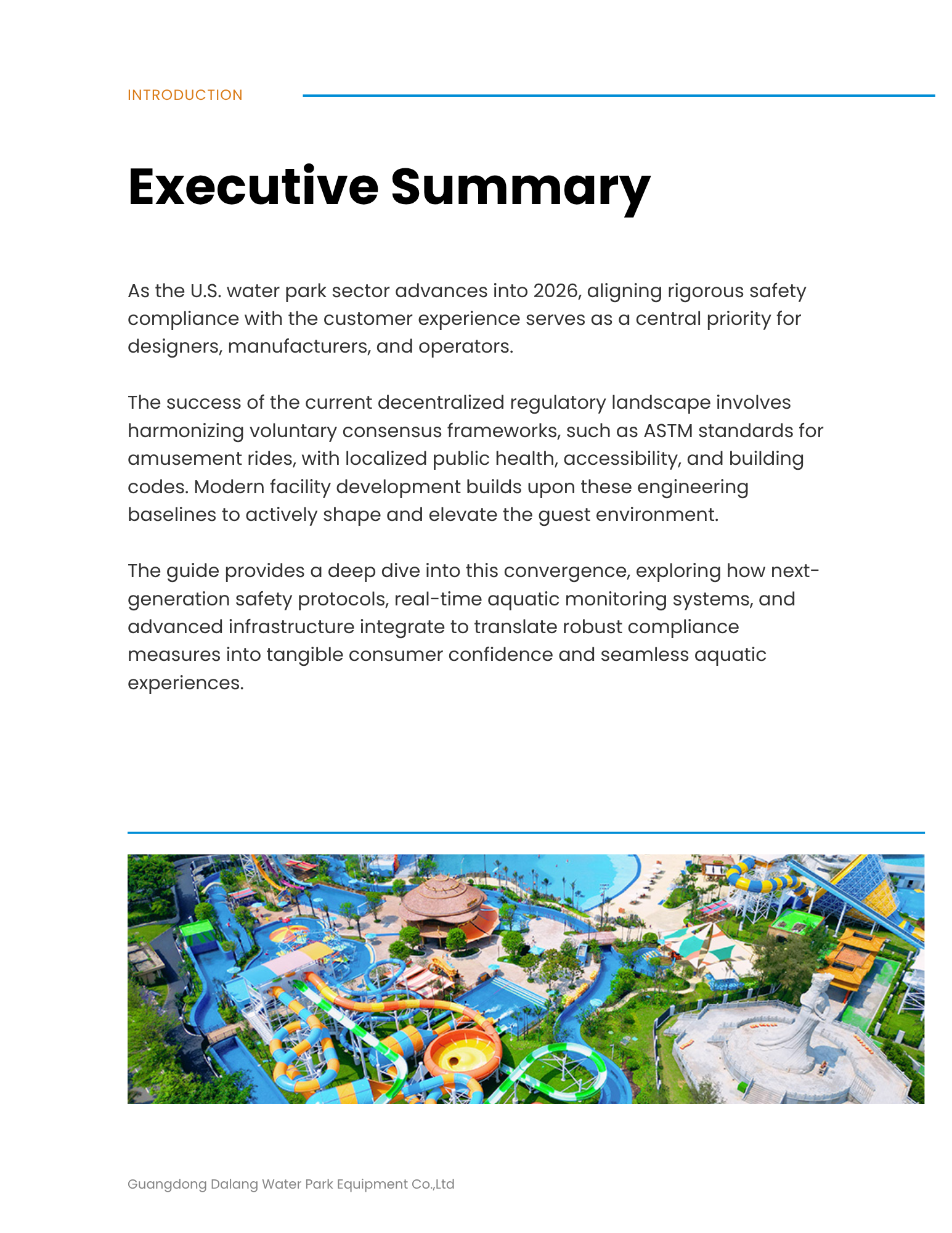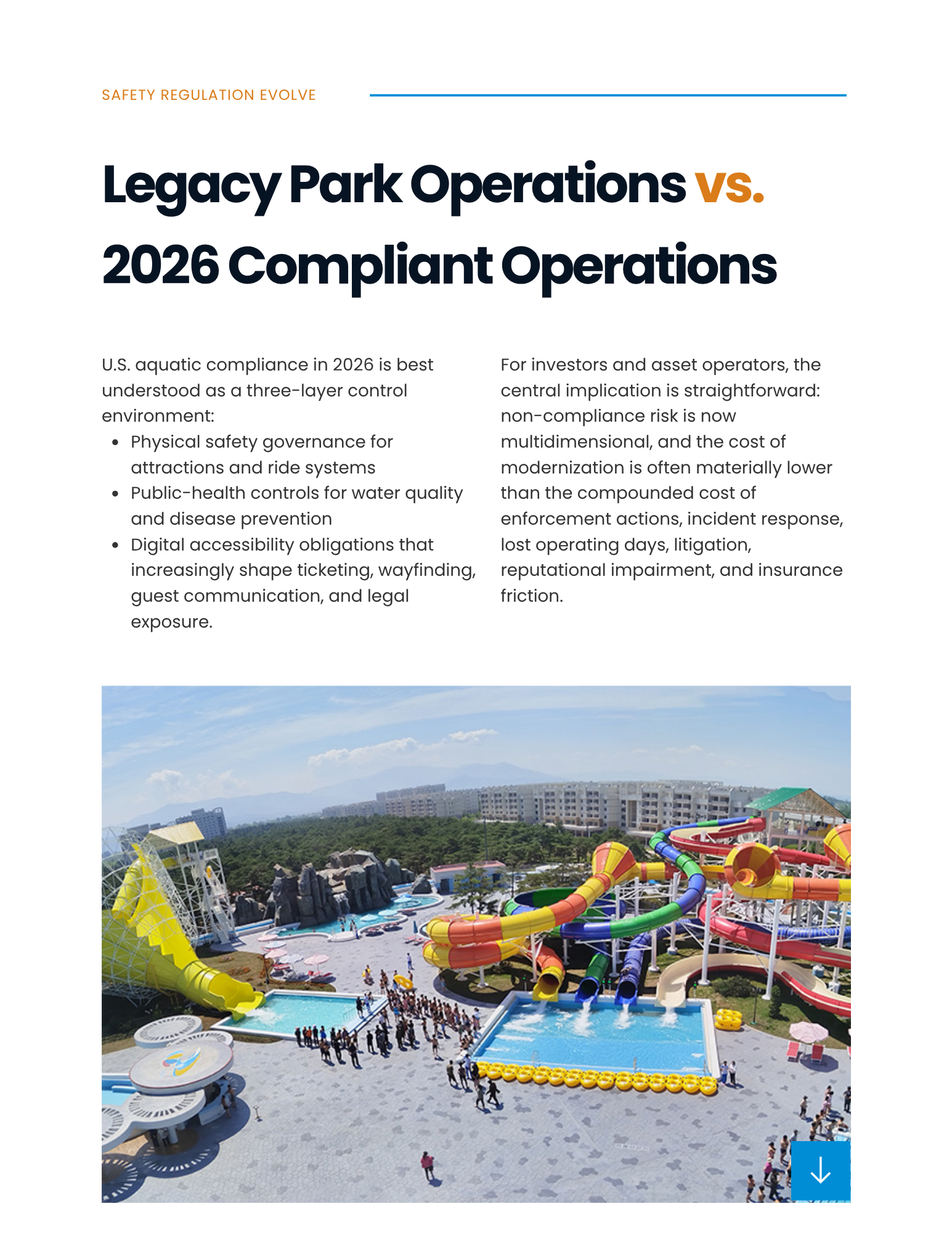
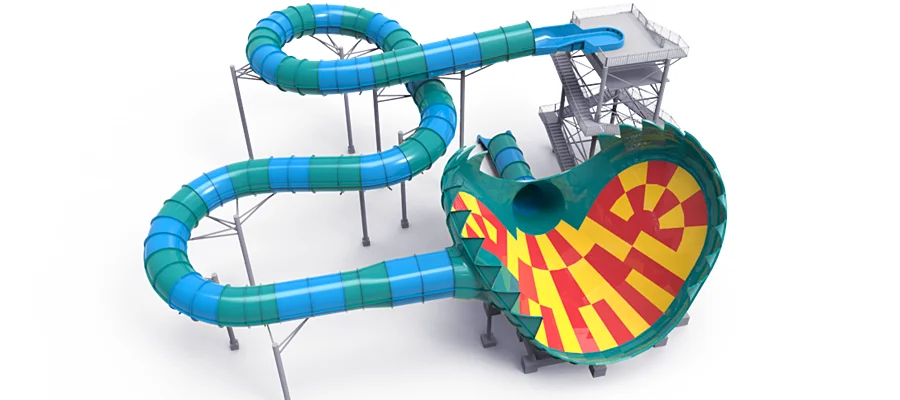
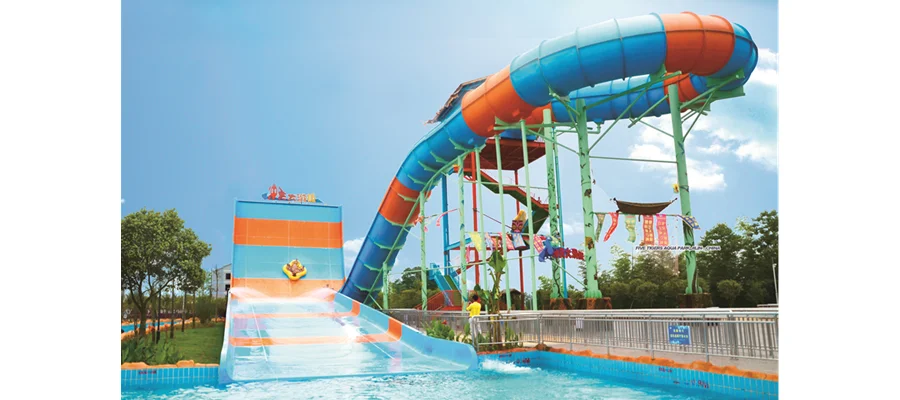
Let’s be honest—replacing a large fiberglass slide costs a fortune. We’ve seen resort owners retire a commercial water slide after only seven years because of faded gel coats, stress cracks, and worn connection joints. The truth is, most slides fail early not because they are poorly designed, but because owners didn’t plan for lifecycle management from day one. As a water slide manufacturer that also operates maintenance crews across multiple parks, we have developed practical methods to extend a slide’s safe lifespan well beyond fifteen years. In this article, we’ll walk you through three hands-on strategies we use at Dalang—covering material selection, inspection routines, and modular repairs—so your commercial water slide stays profitable and safe for decades.

Material Choices That Delay Aging Before Installation Starts
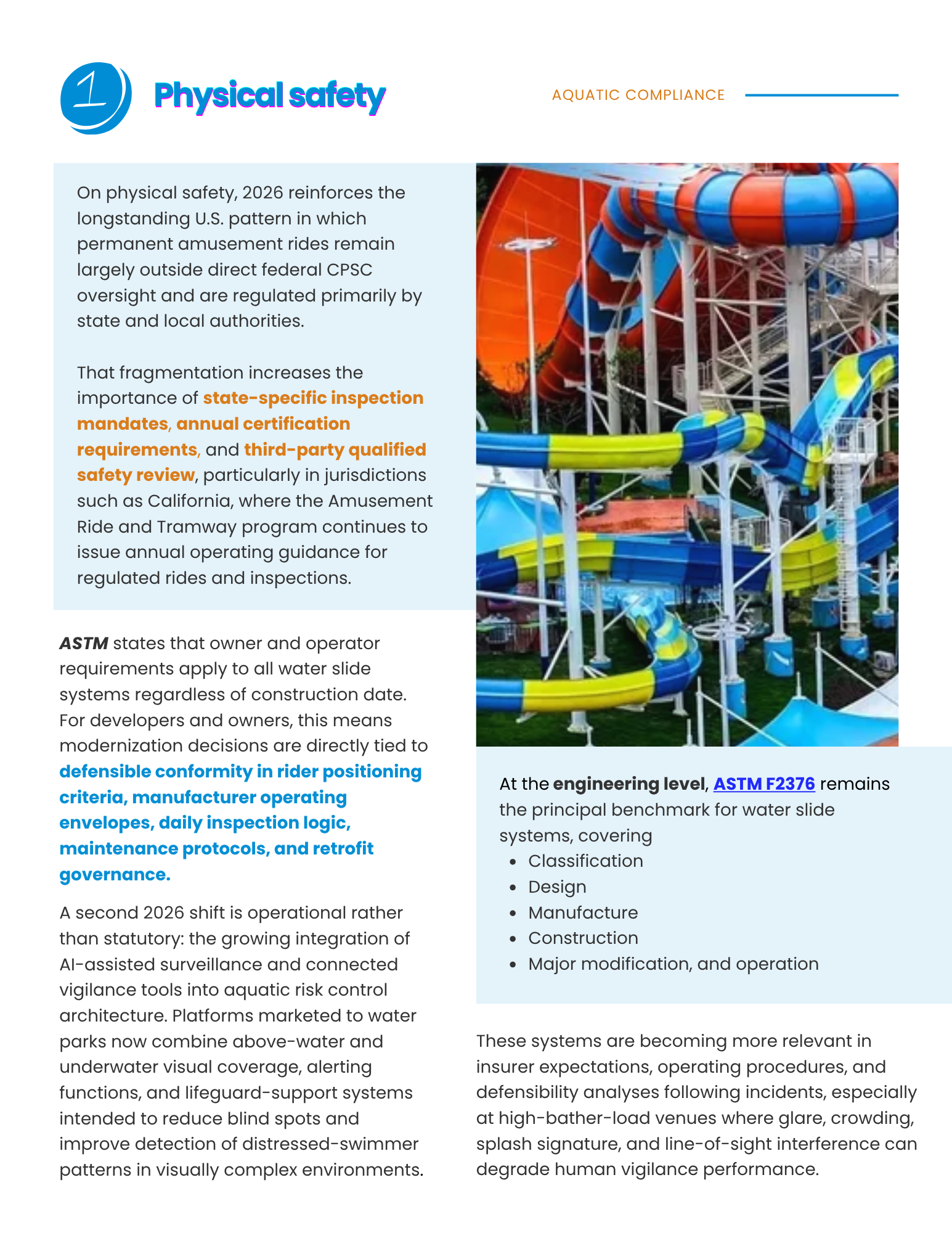
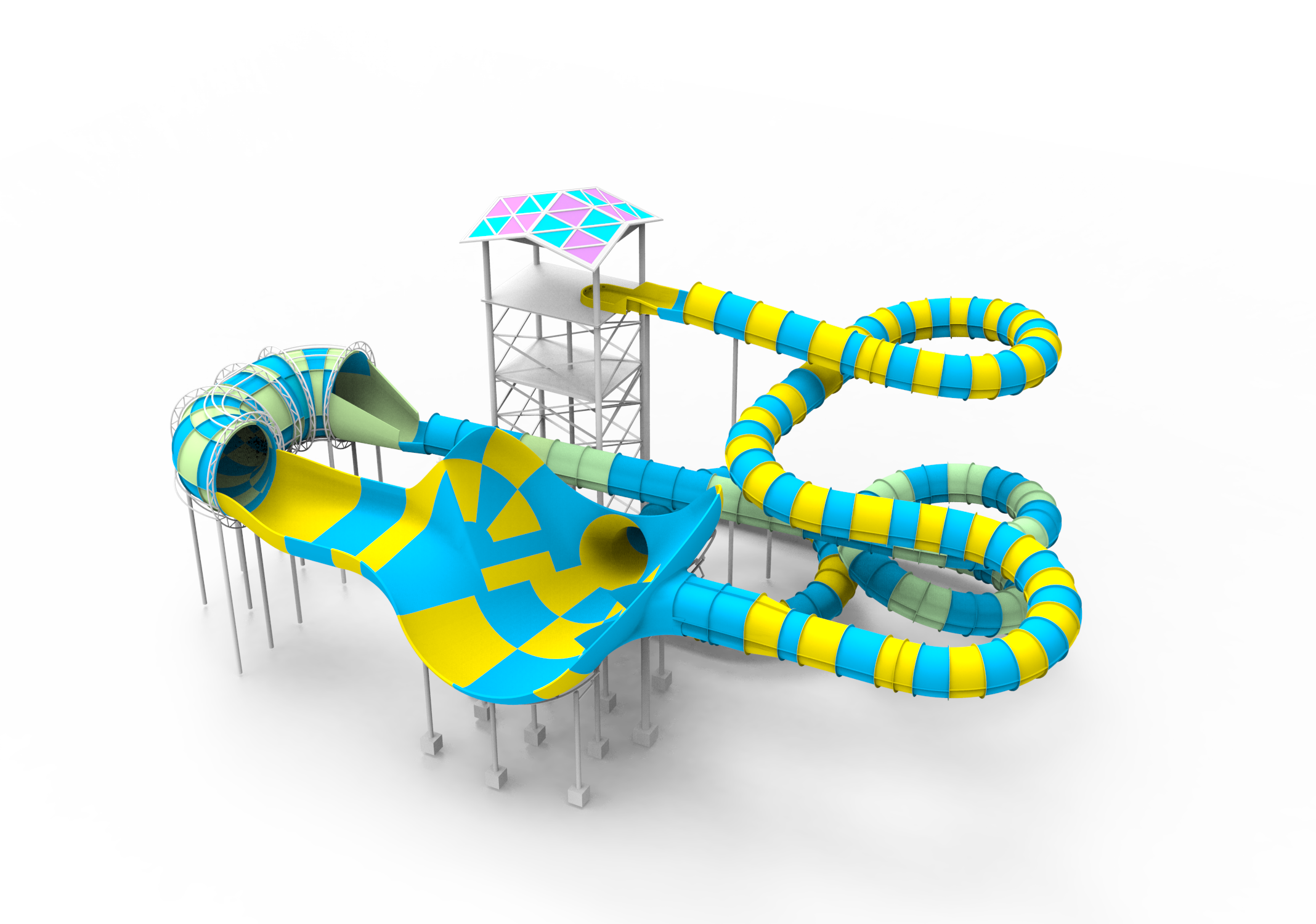
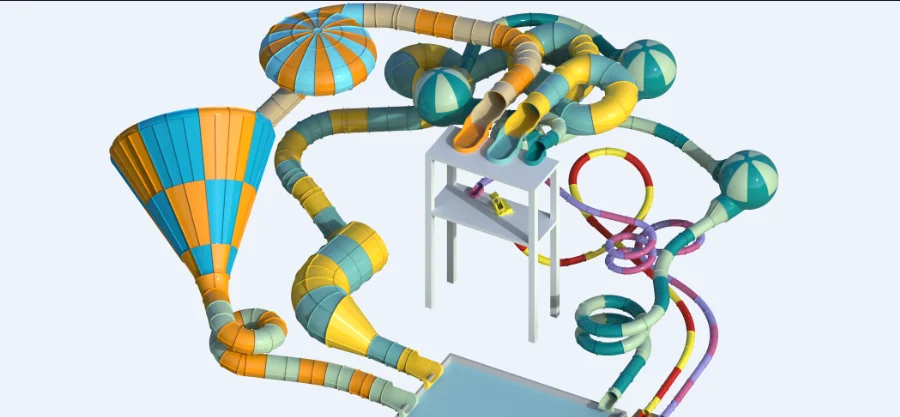
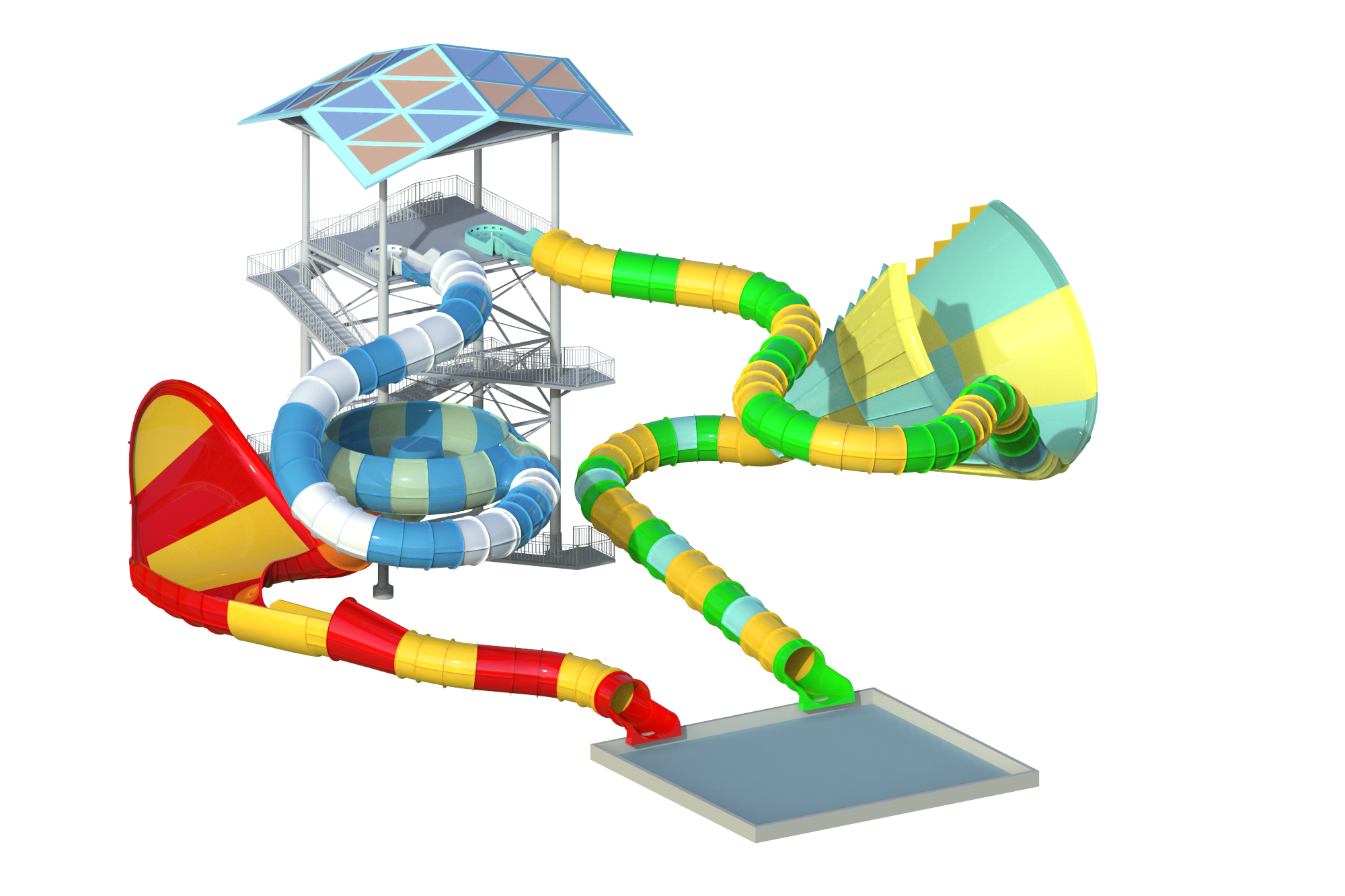
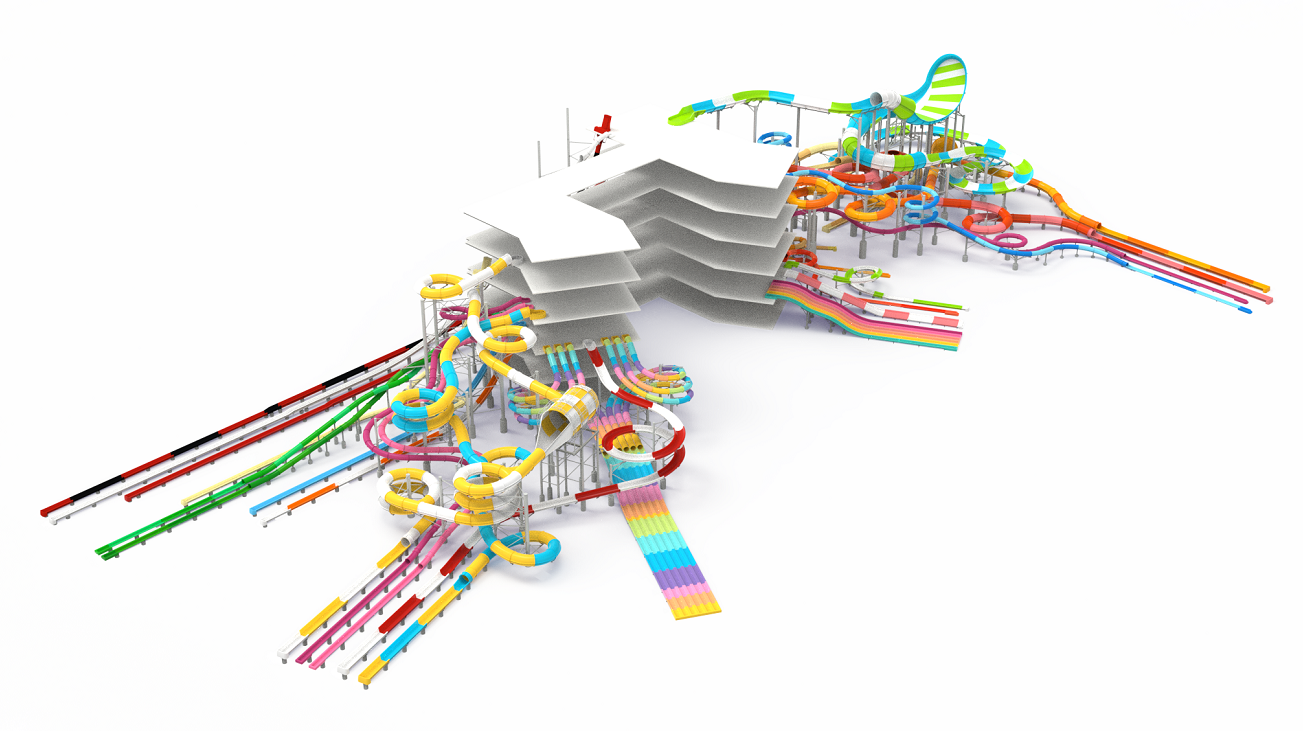
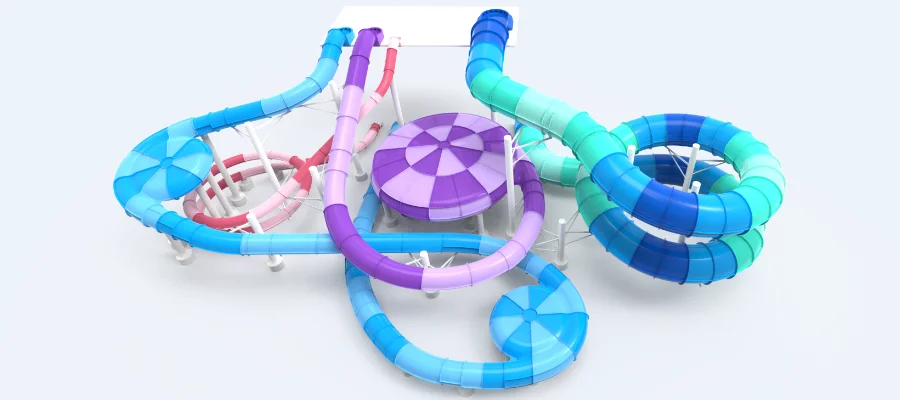
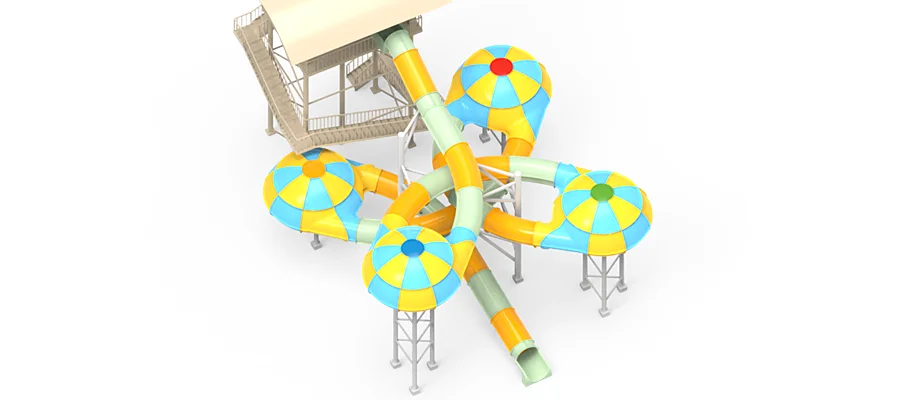
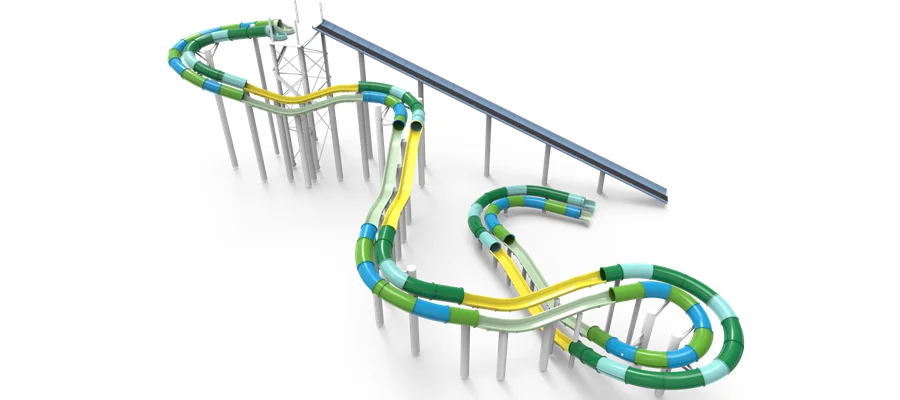
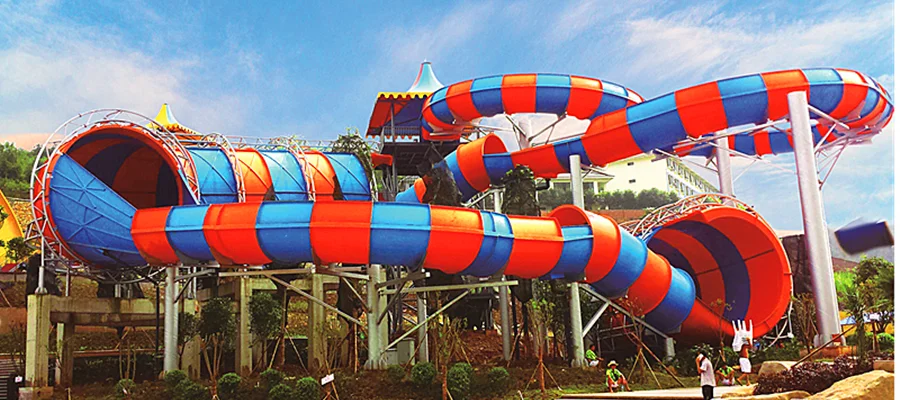
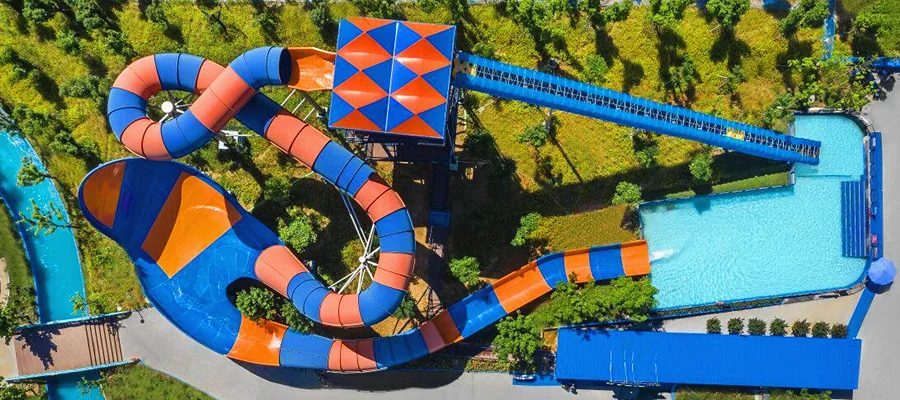
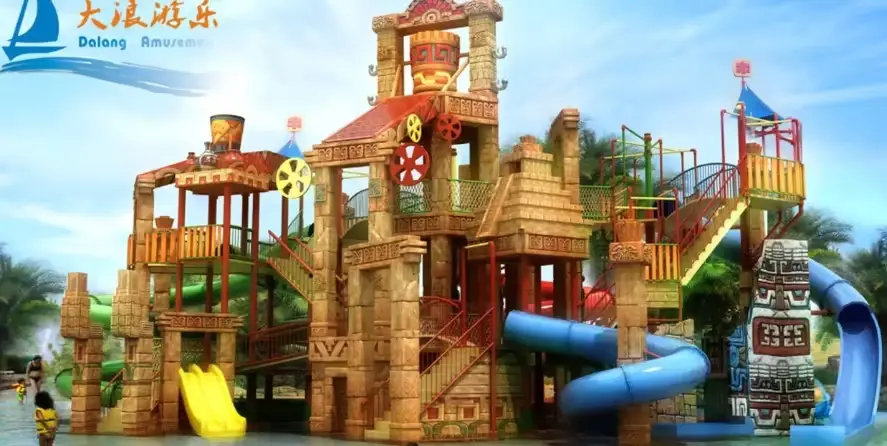
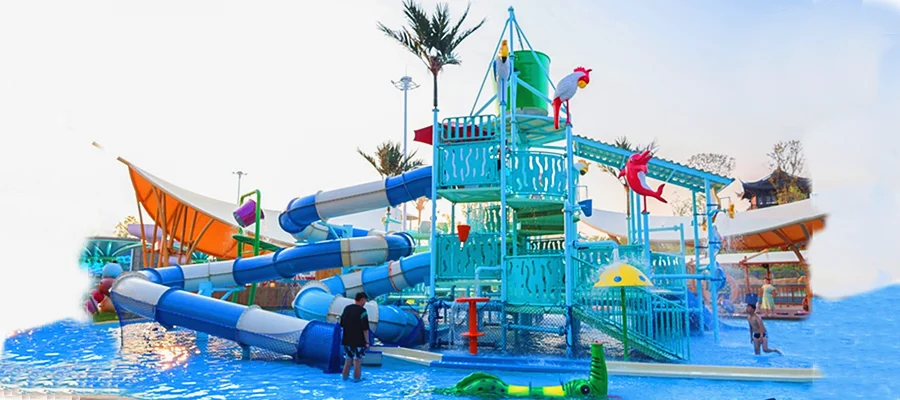
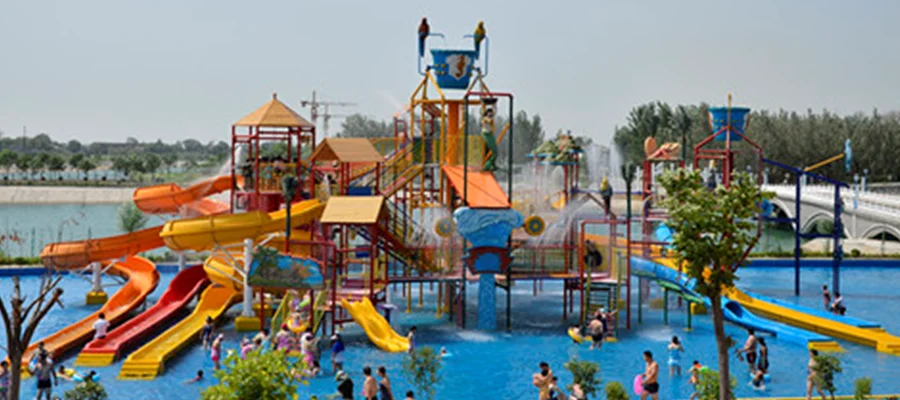
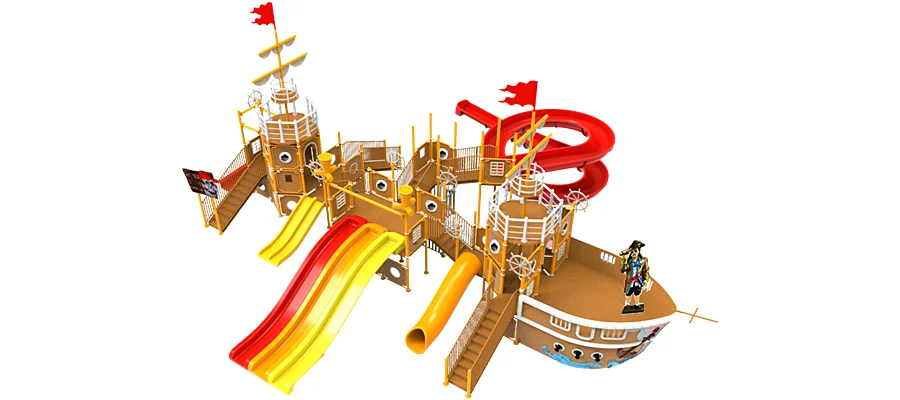
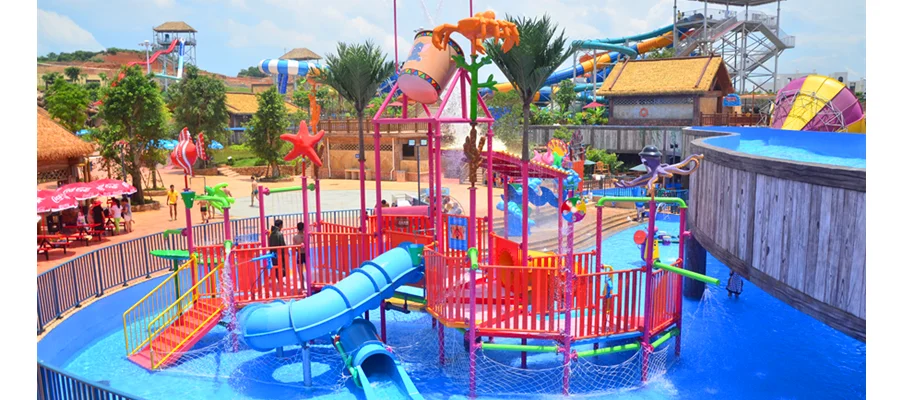
The clock starts ticking the moment fiberglass leaves the mold. Many water slide manufacturers use standard polyester resin with minimal UV protection. That’s why you see pink slides turning chalky white after two summers. We take a different approach. We specify isophthalic gel coats with added UV stabilizers and a thickness of at least 0.6 millimeters. This layer resists yellowing and micro-cracking far longer than cheaper alternatives. Additionally, we use stainless steel 316L for all underwater hardware—not the common 304 grade—because chlorine aggressively pits lower-grade metals. Making these material upgrades adds roughly eight percent to initial cost but doubles the operational life of a commercial water slide. One of our clients in Malaysia has a body slide still going strong after eleven years of daily use, with no major surface degradation. When you combine multiple slides into a single tower structure—a typical combination product we offer—these material choices apply across all attractions, giving you uniform durability and simpler spare parts management.
Routine Inspections That Catch Problems Before They Spread
Waiting until a crack leaks water or a joint wobbles is already too late. We train park maintenance teams to perform visual checks every two weeks, focusing on three specific zones: flume seams, ladder mounting points, and exit pool splash areas. Use a flashlight at night to back-light the fiberglass—cracks show up as bright lines. Keep a simple logbook with photos. Once a quarter, we recommend a dye-penetrant test on high-stress areas like slide entry bowls and curve apexes. As a water slide manufacturer, we provide inspection templates and even send our technicians for annual spot checks. For a commercial water slide that operates year-round, we also advise checking the support structure’s anchor bolts and rubber pads. Loose bolts accelerate fatigue. Tighten them to our specified torque—usually 60 Newton-meters for M16 bolts—and replace worn pads every two years. One customer avoided a full slide replacement simply because our inspector caught a hairline crack at an elbow joint early. A simple fiberglass patch bought them another six years of service.
Modular Repair Systems That Replace Sections Instead of Whole Rides
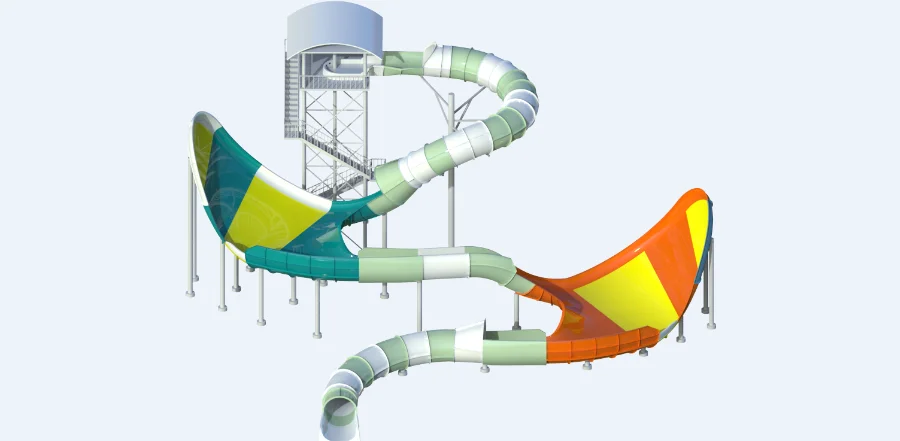
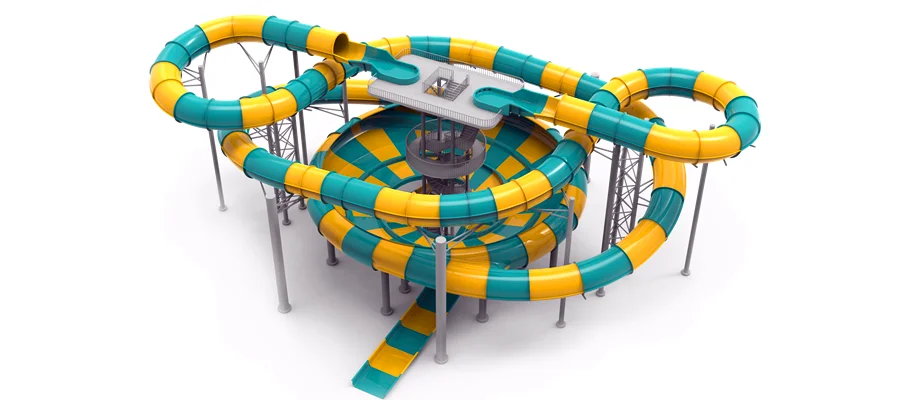
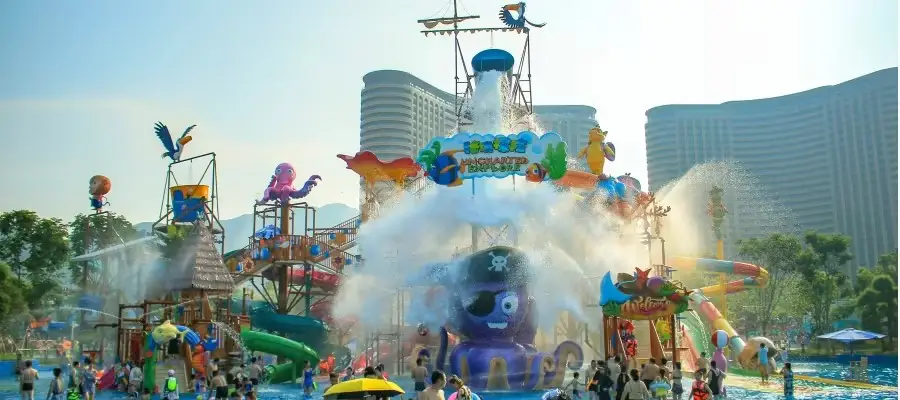
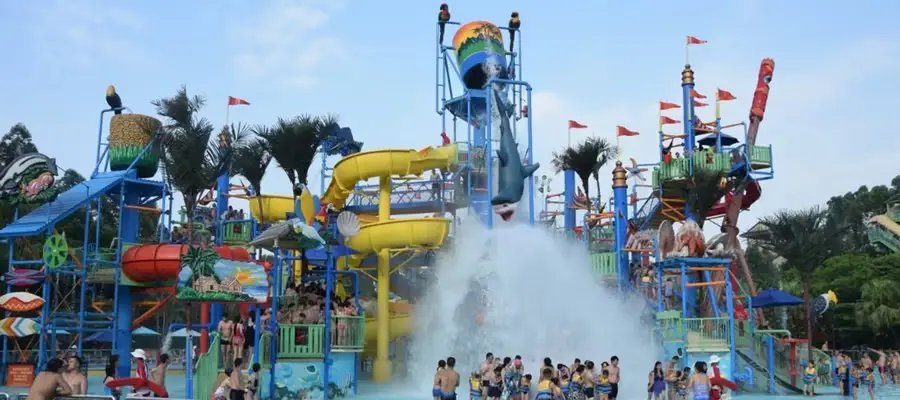
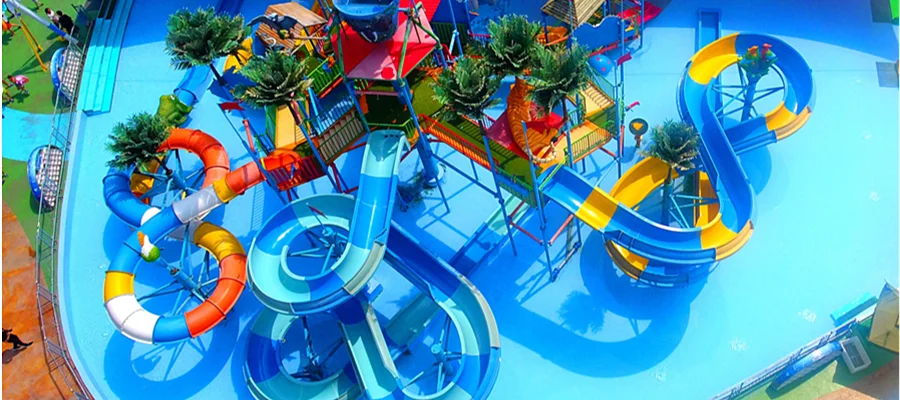
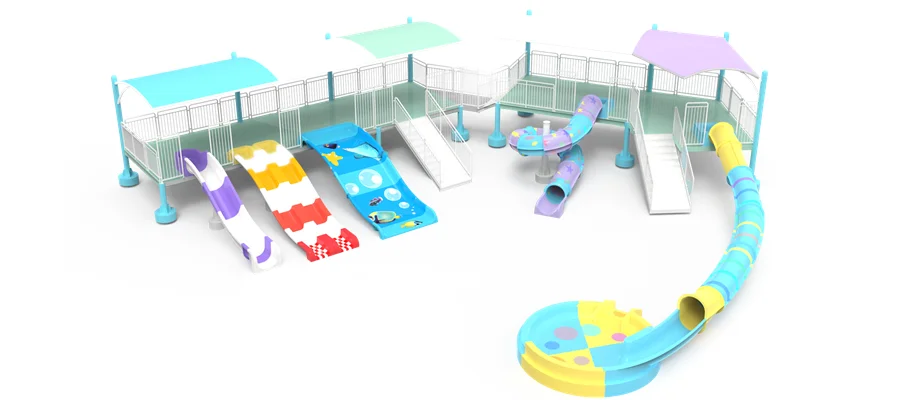
Eventually, even the best-maintained slide will suffer localized damage—a deep scratch from a guest’s metal buckle, or a worn section at the braking zone. Instead of replacing the entire commercial water slide, we design our slides with modular flume sections. Each section bolts to the next with flanges and gaskets. When a four-meter piece near the bottom degrades, you unbolt just that segment and ship a new one from our factory. We keep digital molds for every slide we have built in the past twelve years, so replacement sections match perfectly. This modular approach is central to our combination product philosophy. For example, a tower structure might hold three slides, each with removable lower sections. Downtime for repair drops from weeks to three days. We’ve even shipped pre-assembled repair kits—including gel coat paste, hardener, and color-matched pigment—so your on-site team can handle small fixes. One resort in Thailand used our modular system to extend two aging slides by replacing only the final five meters of each. Cost was roughly 22 percent of a full replacement. Check our company profile for a diagram of how this modular repair system works.
Extending the operational span of a commercial water park slide equipment comes down to three decisions: start with better materials, inspect systematically, and design for modular repairs. At Dalang, we don’t just sell slides and then walk away. We build documentation, training, and replacement part availability into every combination product we deliver. Whether you need a new installation or want to revive an aging attraction, our team can help you plan the full lifecycle. See more of our approach on our company profile, or send us your latest inspection report for a free second opinion. Your slide investment deserves to last.