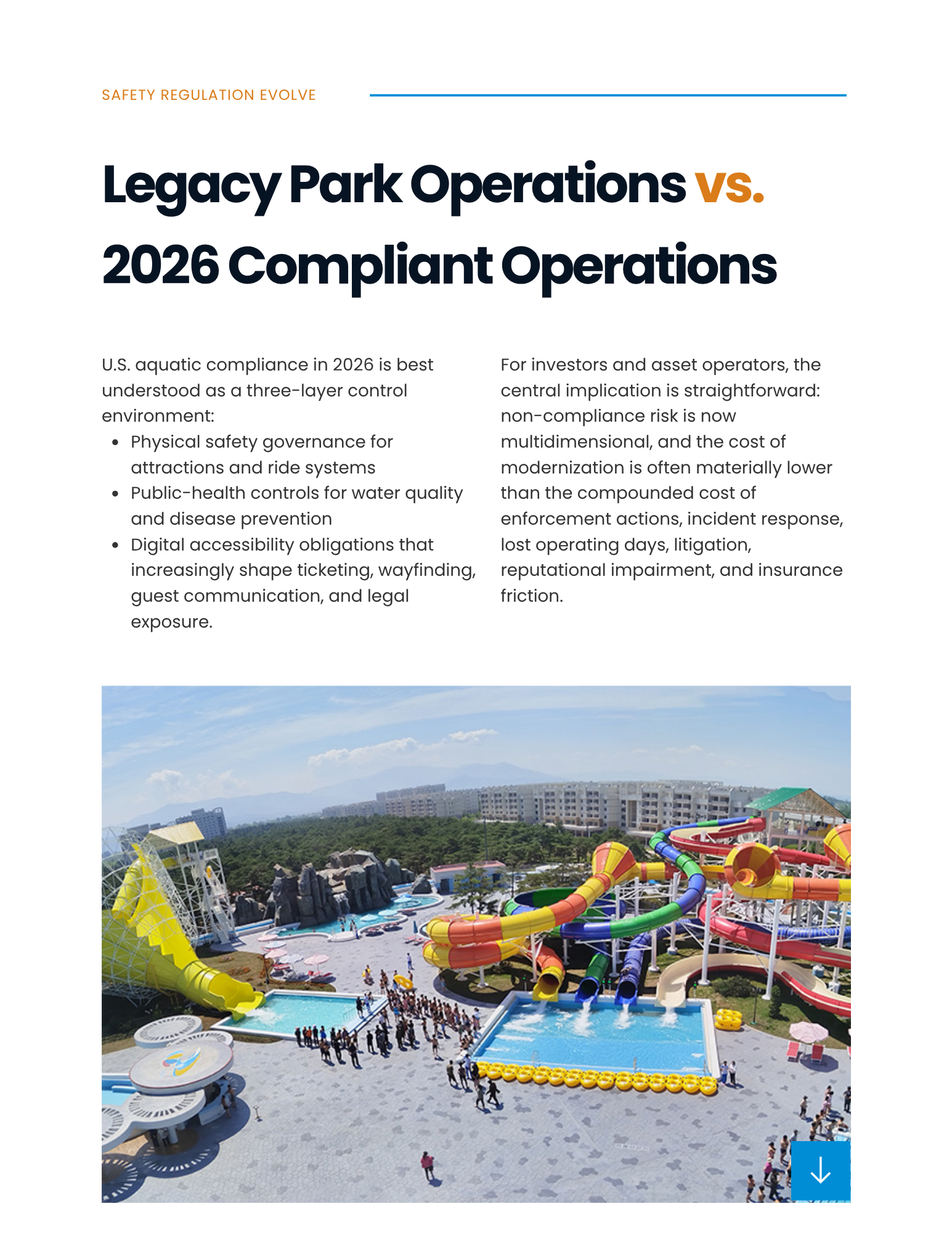
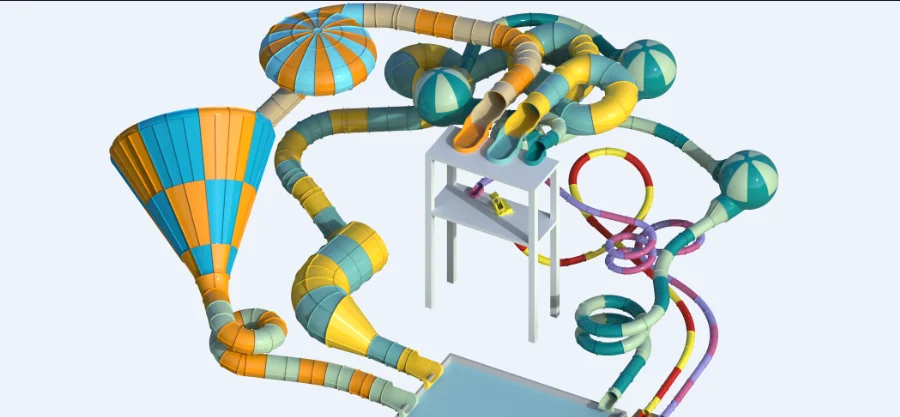
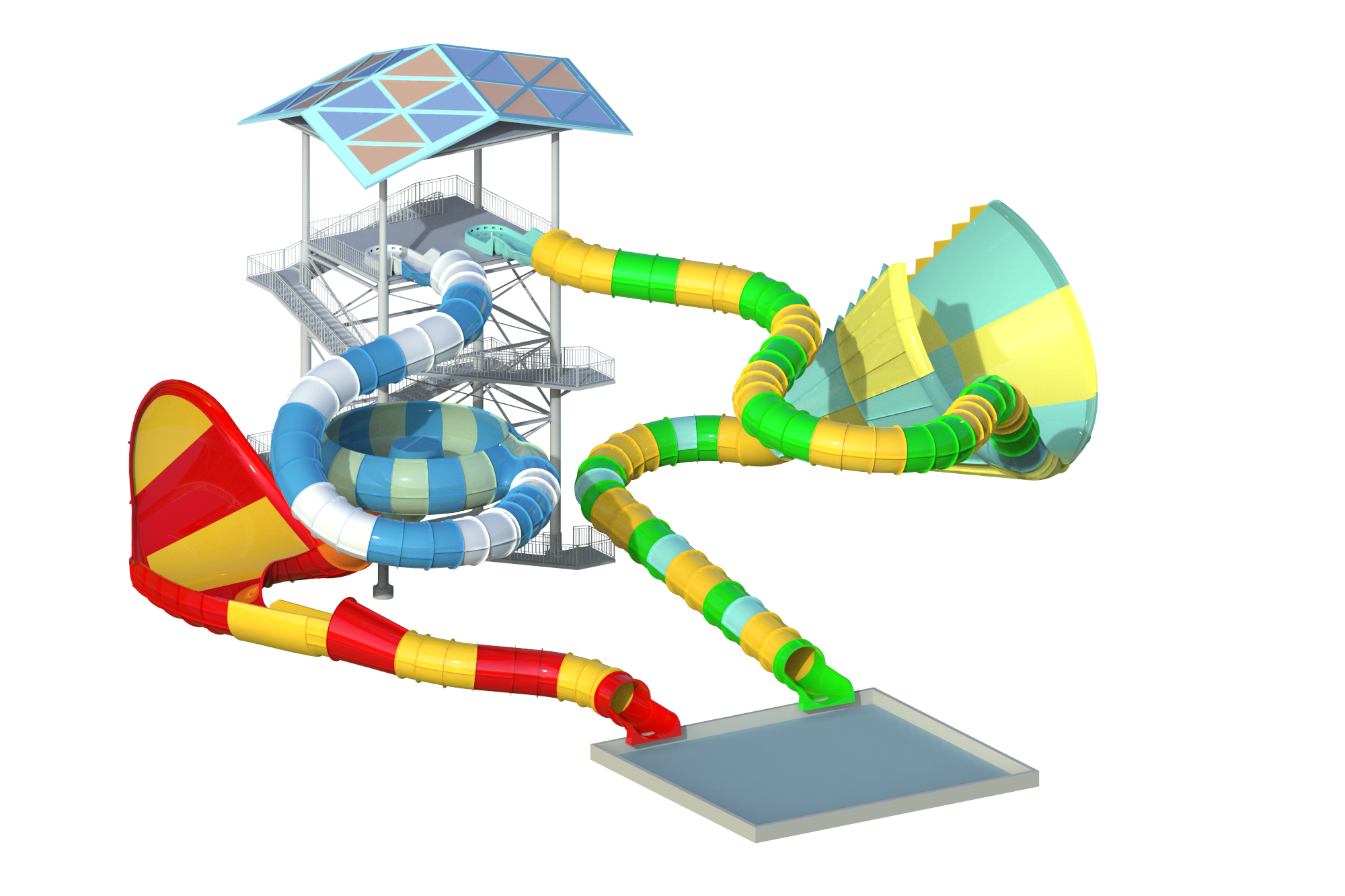
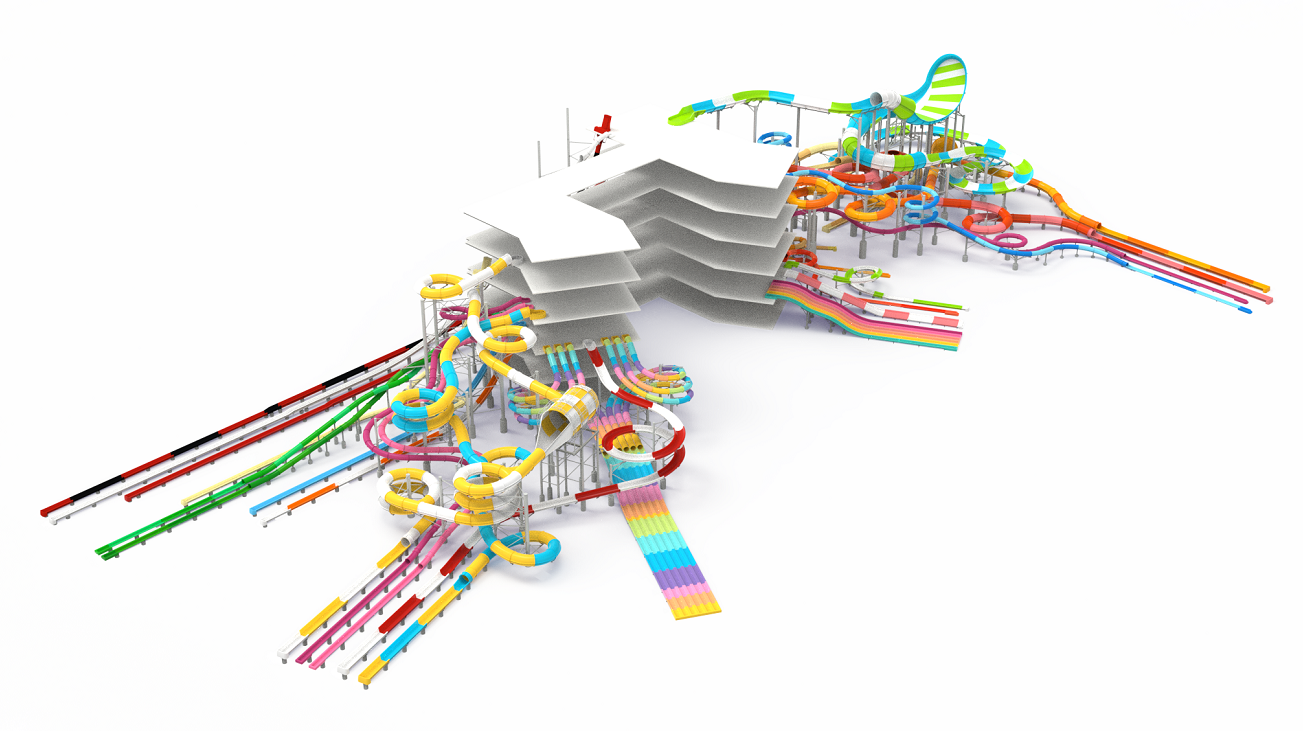
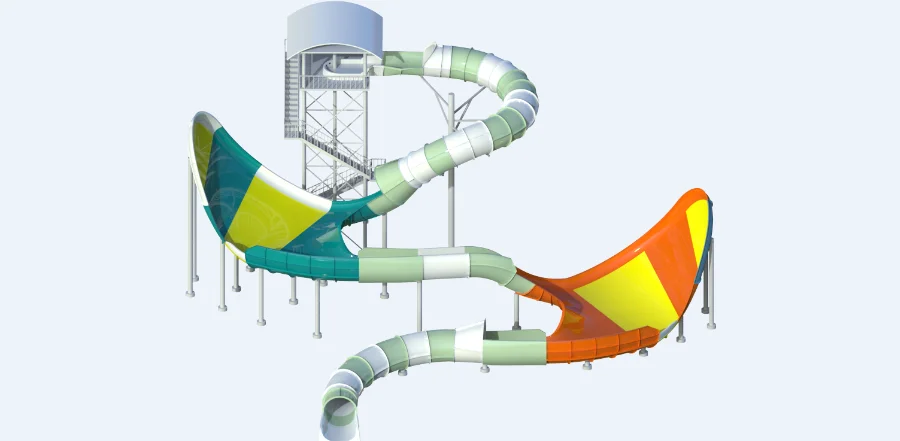
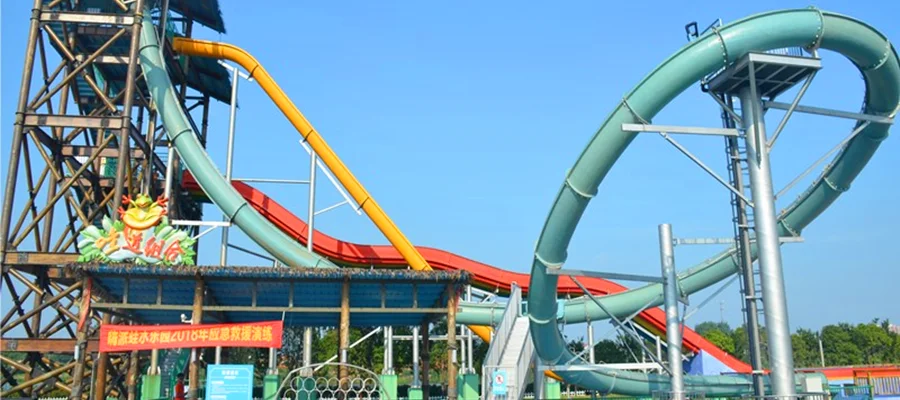
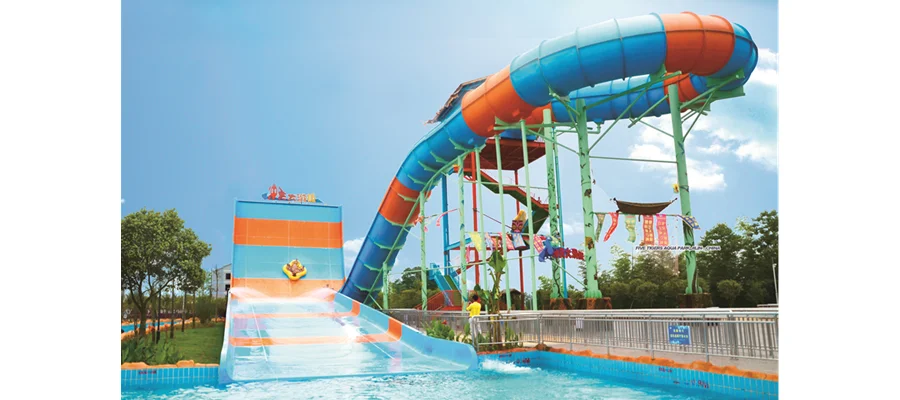
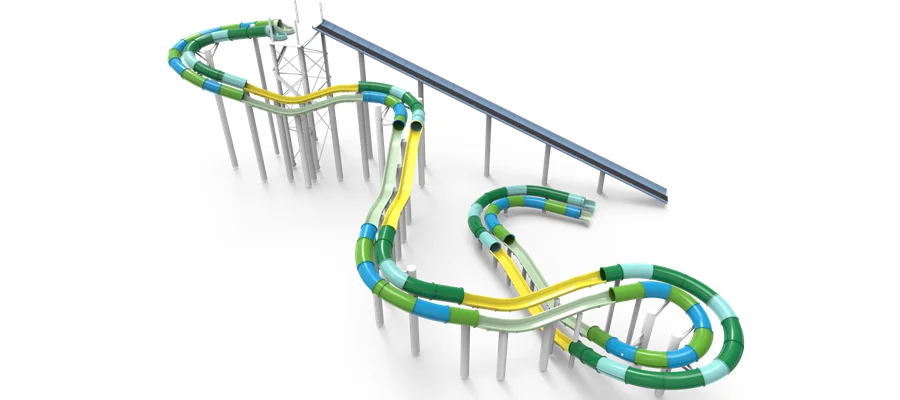
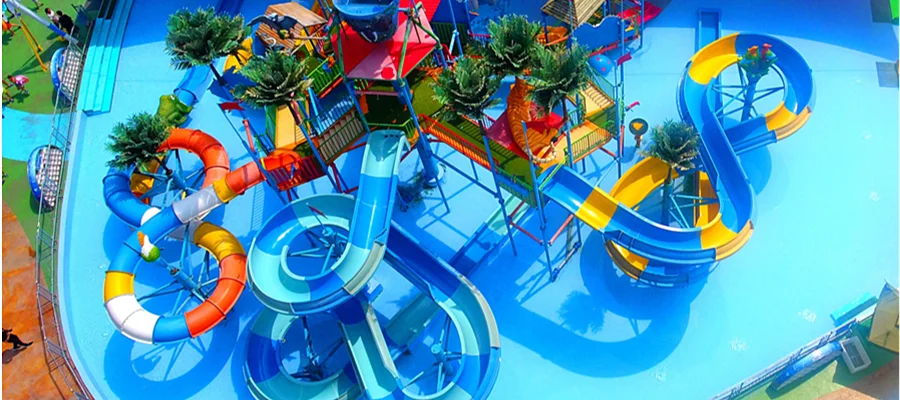
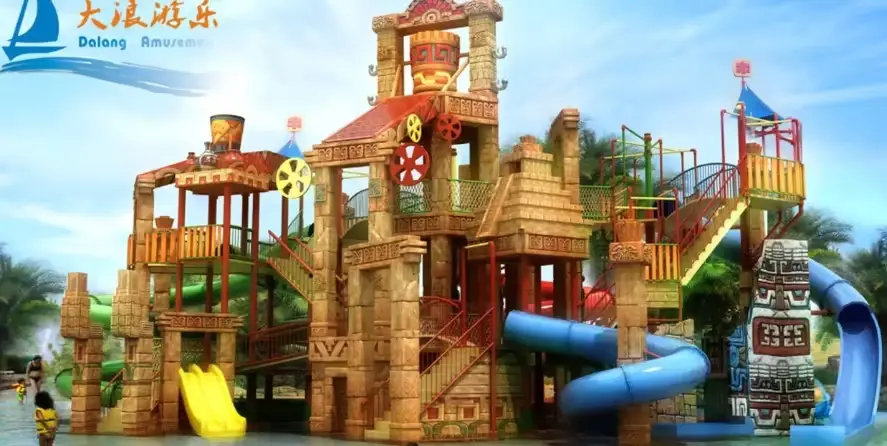
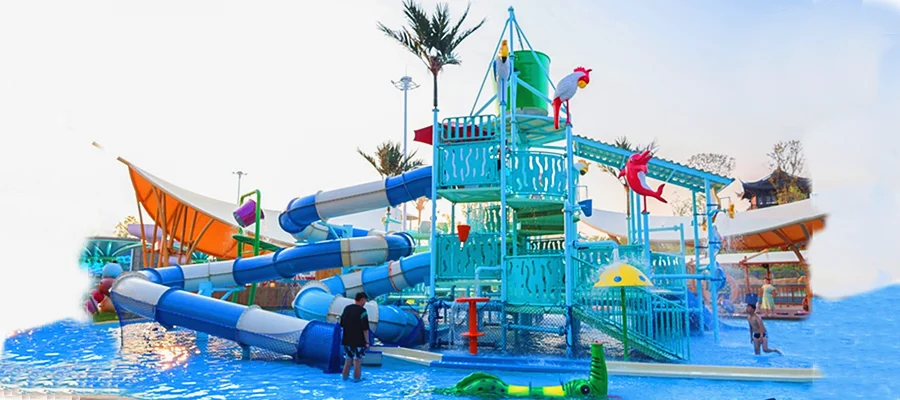
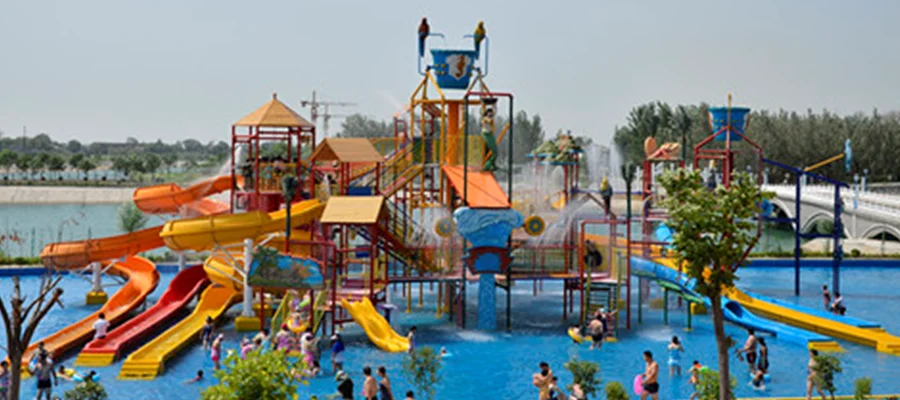
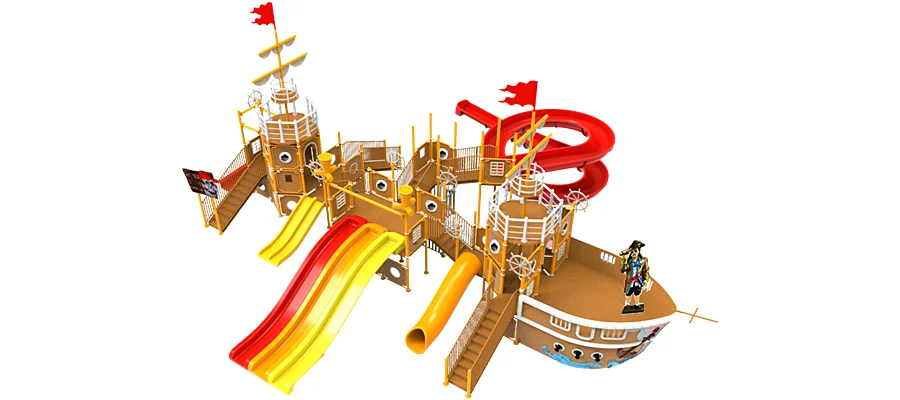
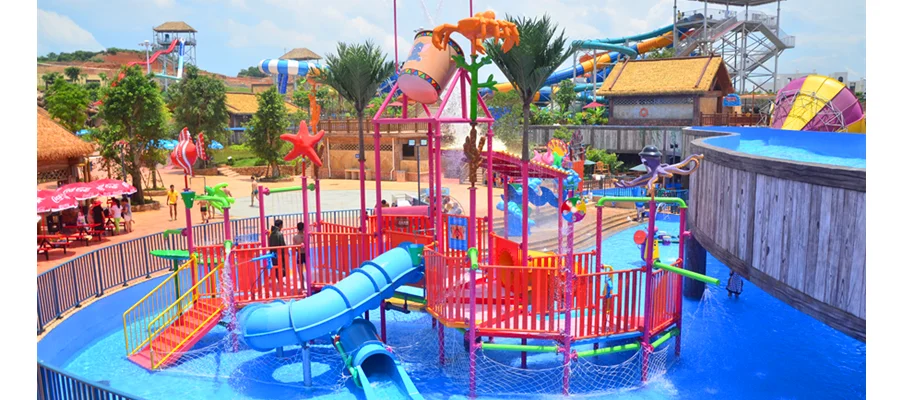
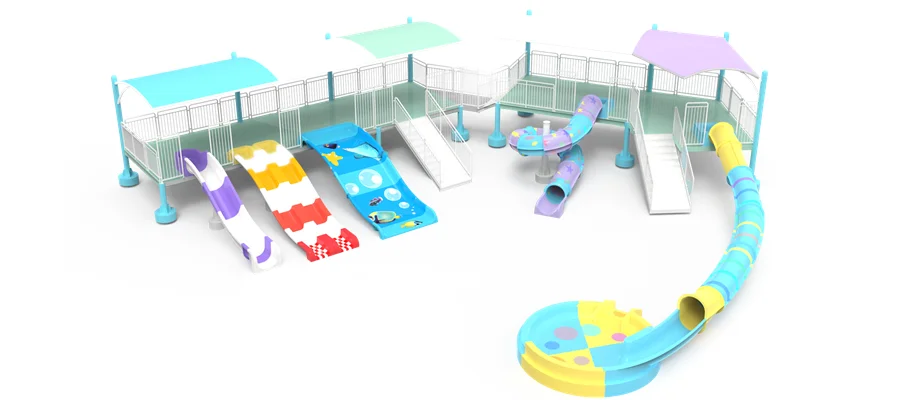
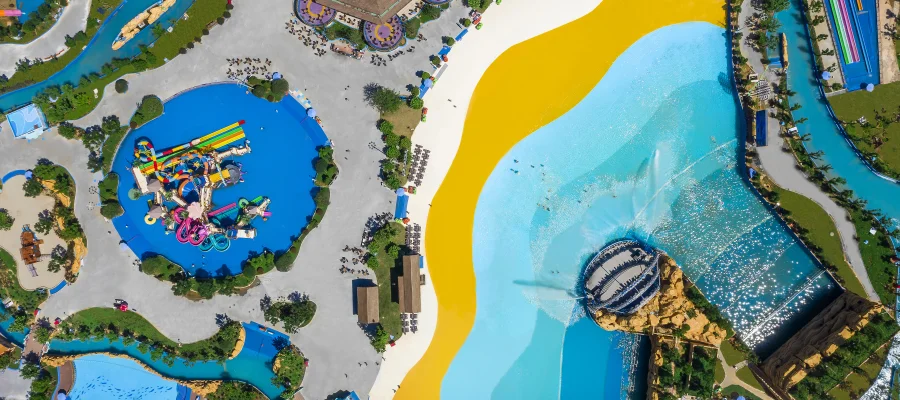
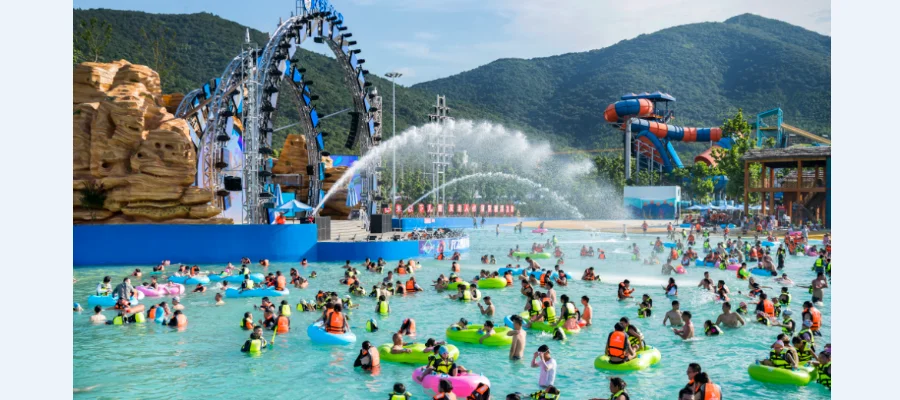
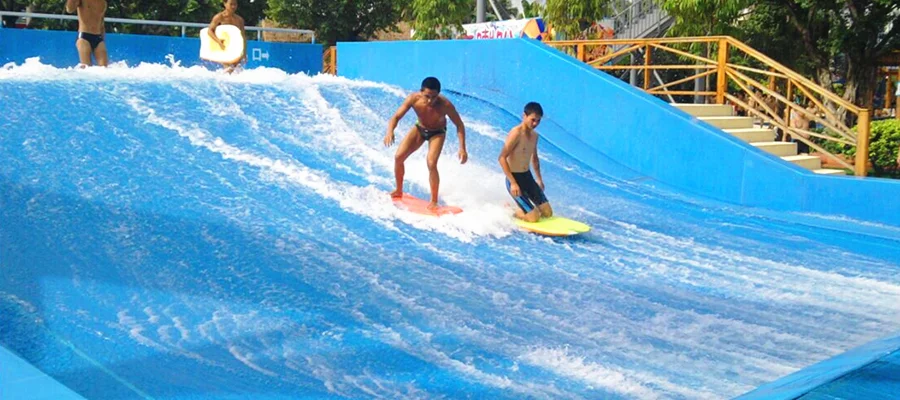
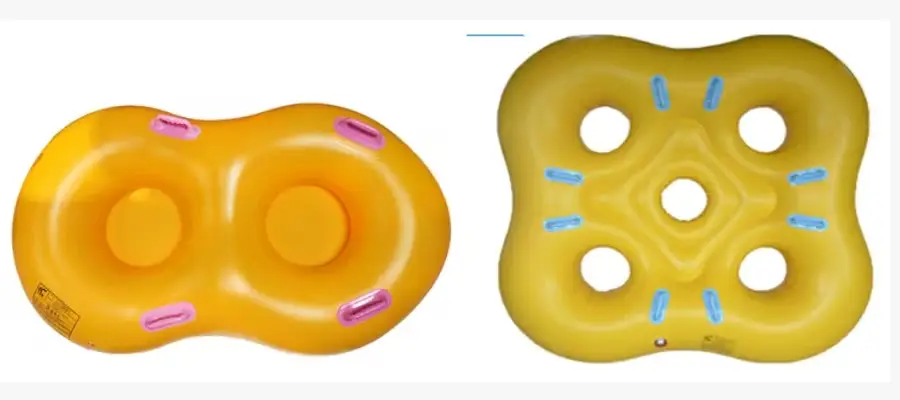
When we analyze busy water parks during peak season, one problem keeps appearing: bottlenecks. Guests pile up at one popular slide, while other areas sit empty. This hurts both revenue and visitor experience. Over years of refining our water park layout, we at Dalang have learned that signature attractions—when placed correctly—act as traffic controllers. They pull crowds away from choke points. But a poorly positioned signature ride creates the very congestion you want to avoid. Below, we share three real-world strategies we use to keep lines moving.
Positioning Signature Slides to Distribute Crowds
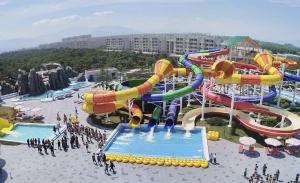
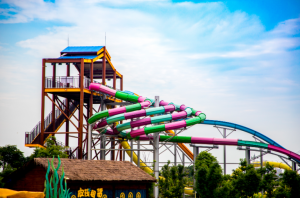
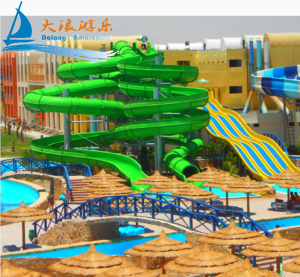
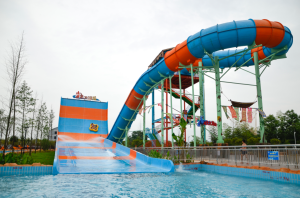
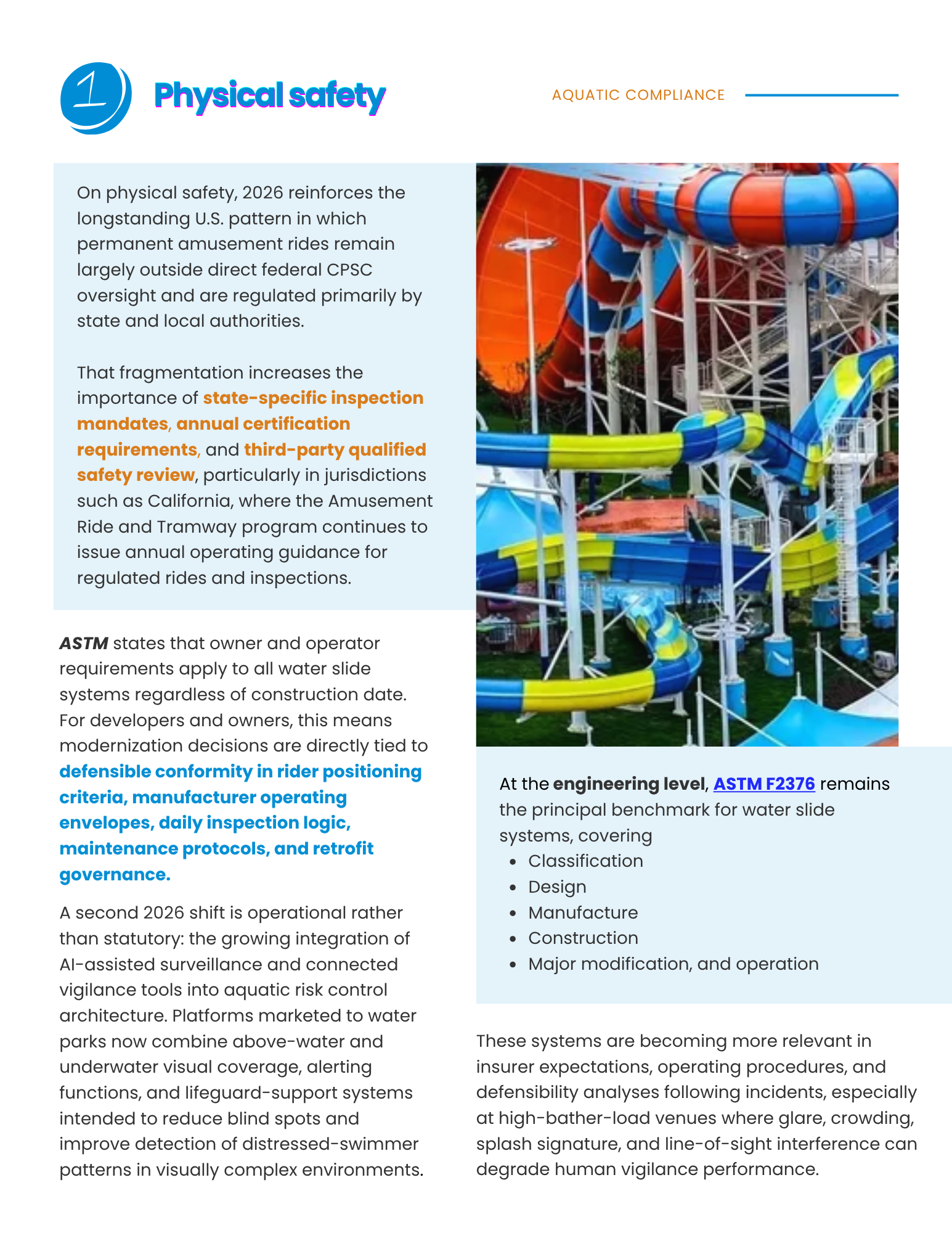
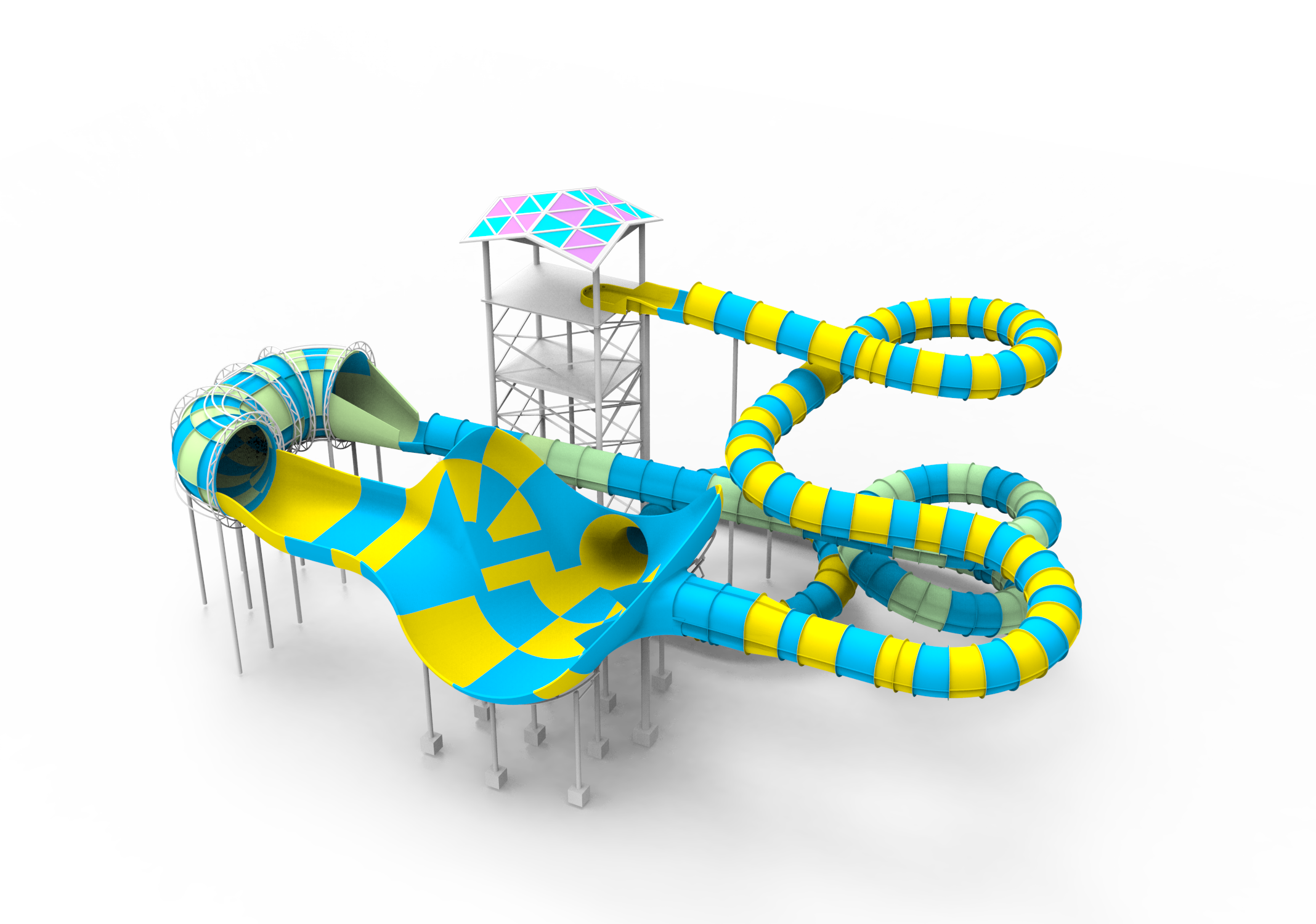
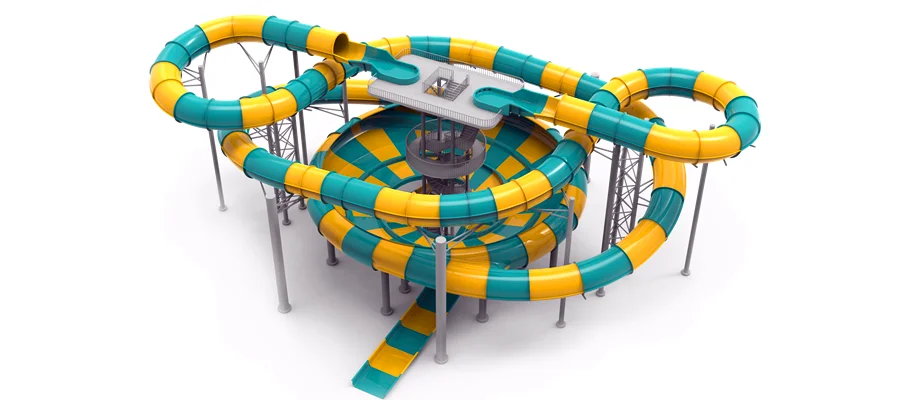
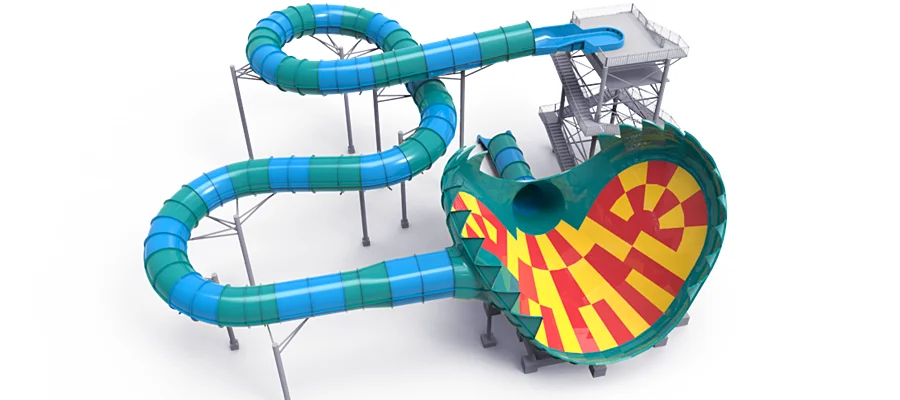
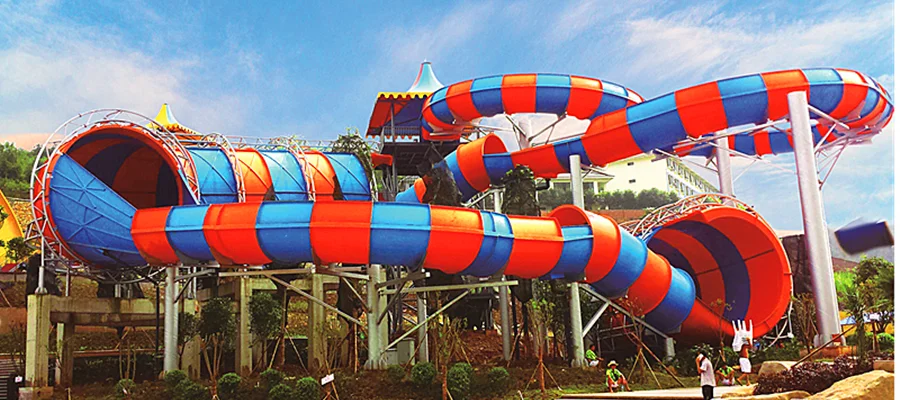
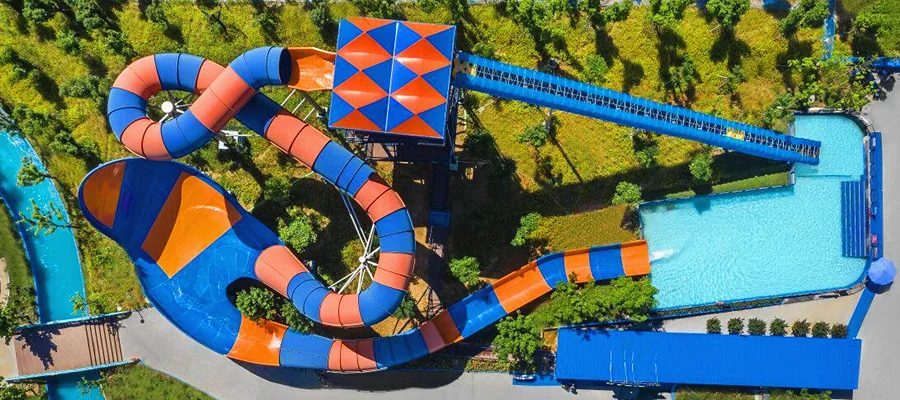
A single mega slide complex can hold 200 guests at once. Where do you put it? Many parks place it at the center, which seems logical. Wrong. We once worked with a client whose water park layout had their four-lane racer slide right next to the main entrance. The result? Everyone saw it first and rushed there. Wait times hit 45 minutes. We suggested moving the entrance pathway slightly and placing a family raft slide at the far end instead. The fix was simple: use signature attractions as destination anchors. A smart water park layout puts high-throughput rides (like tube slides) near the back, and lower-capacity thrill slides closer to food courts. That way, crowds spread naturally. As a water slide manufacturer, we design our attractions with specific queue lengths and exit paths. For example, our Dalang bowl slides come with a pre-queue area that holds 50 people without blocking main walkways. And because we sell combination products, these queue areas integrate with our shade structures and drainage systems—no extra hassle.
Using Water Park Layout to Manage Wait Times
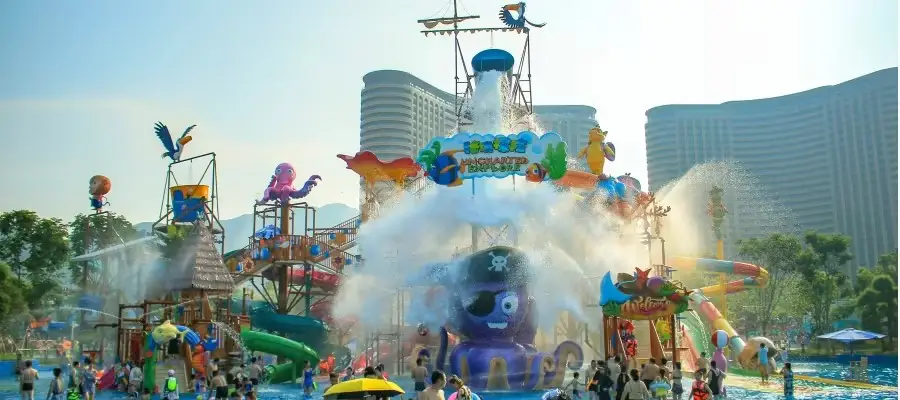
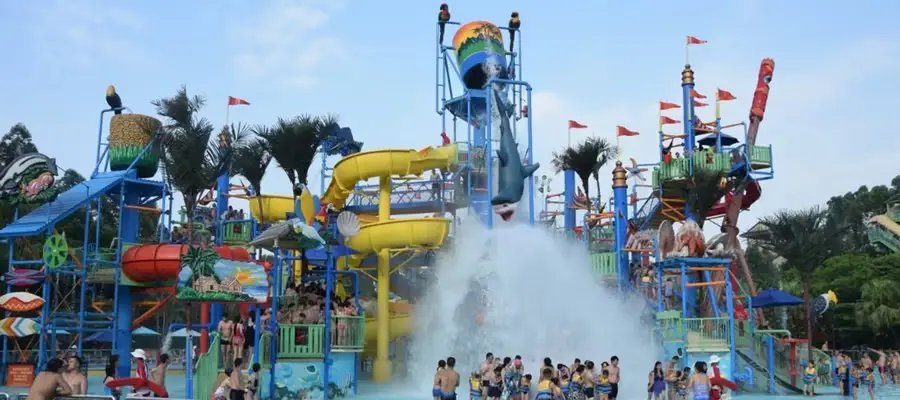
You cannot eliminate waiting, but you can hide it. A well-planned water park layout uses signature attractions to create virtual queues. Here’s a trick we deploy: place a moderately exciting slide next to a highly popular one. The popular slide has a 30-minute line. The moderate slide has a 5-minute line. Guests see both, choose the short line, then later return to the popular one. This evens out demand. We also install digital wait-time boards at key junctions—powered by our control system. But the mechanical part matters more: the water park layout must have wide enough “bypass lanes” so people can walk past a long queue without squeezing through. Another real example: a park in Malaysia had a bottleneck at their wave pool entrance. We redesigned the water park layout by adding a signature kiddie slide complex on the opposite side. Within three months, traffic flow improved by 40% (their own count, not ours). Because we sell combination products, the kiddie slides shared filtration and pump systems with neighboring attractions, saving space and cost.
Aligning Water Park Plans with Guest Flow Patterns
Good water park plans start with observing how people actually move, not how you imagine they will. We send our team to sit for two full days with a stopwatch and a map. They mark where guests stop, turn around, or hesitate. Then we adjust water park plans accordingly. For instance, a signature attraction like a funnel slide should never face directly into the sun—guests squint and slow down. Also, your water park plans need “pressure release” paths. These are narrow corridors that funnel guests past low-priority attractions (locker areas, restrooms) before opening into wide plazas. One of our Dalang clients used this trick around their cliff jump attraction. They added a one-way loop path so exiting guests did not collide with incoming ones. The result? Zero crush incidents in two summers. And since we offer combination products, we can supply matching signage, railings, and decking that fit the exact dimensions of your water park plans.
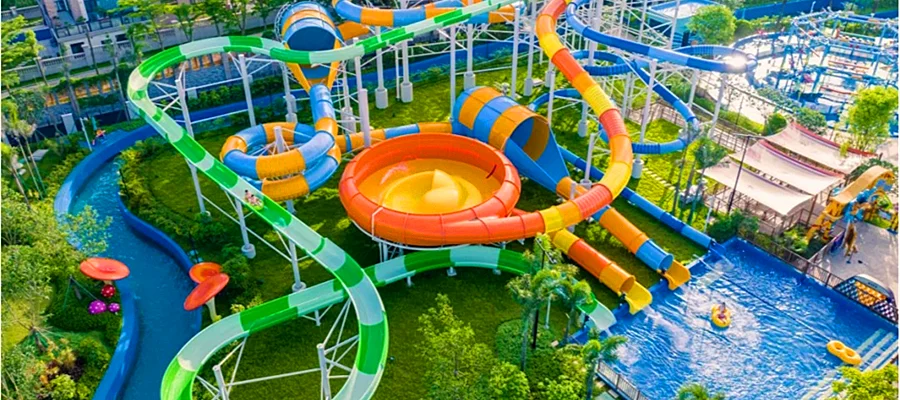
A smart water park layout uses signature attractions as tools for crowd control, not just photo opportunities. Position them intentionally, manage wait times with secondary rides, and design water park plans around real guest movement. At Dalang, we’ve applied these methods across dozens of parks. And because we sell combination products—from slides to wave pools to filtration—we help you execute a unified layout without piecing together mismatched components. Next time you draft your water park plans, ask yourself: where will the crowd go after the first big slide? The answer shapes everything.