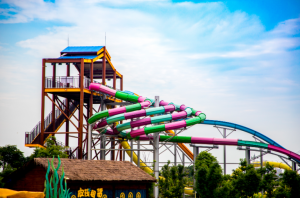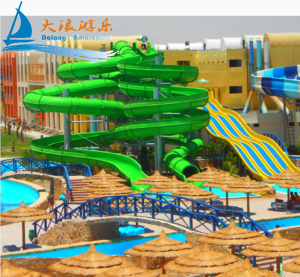
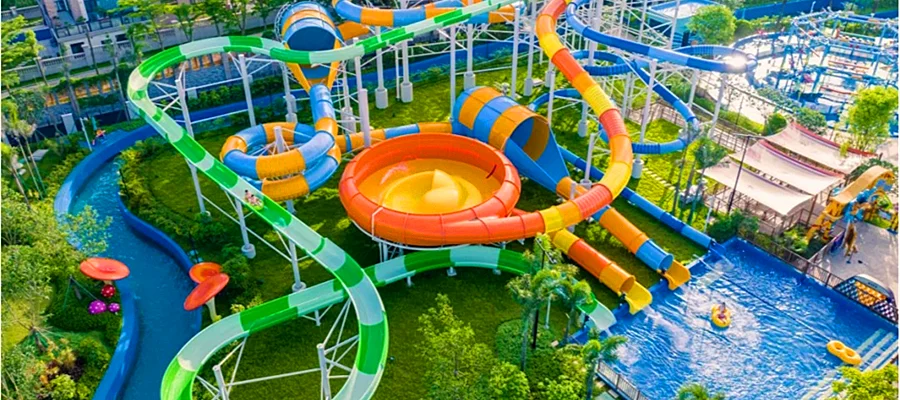
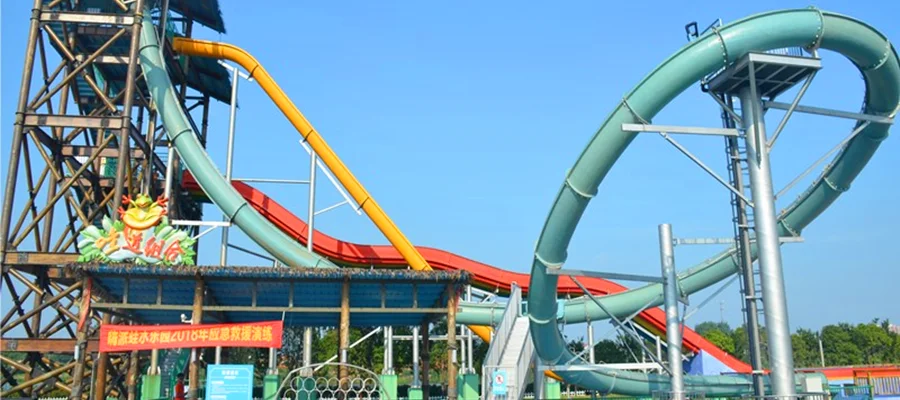
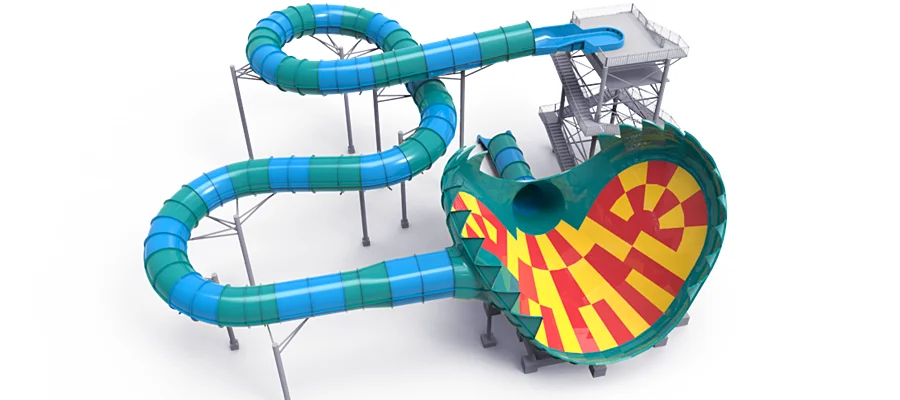
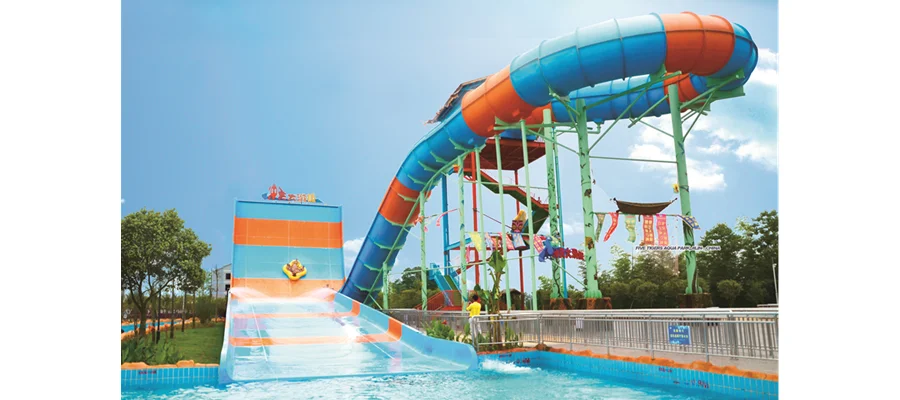
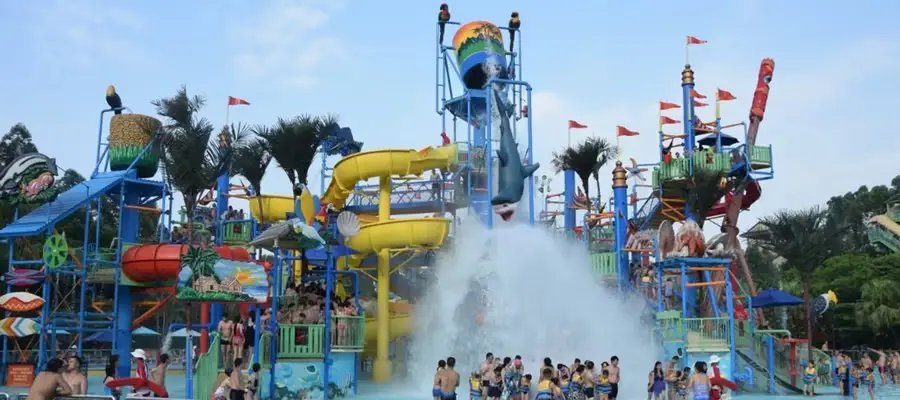
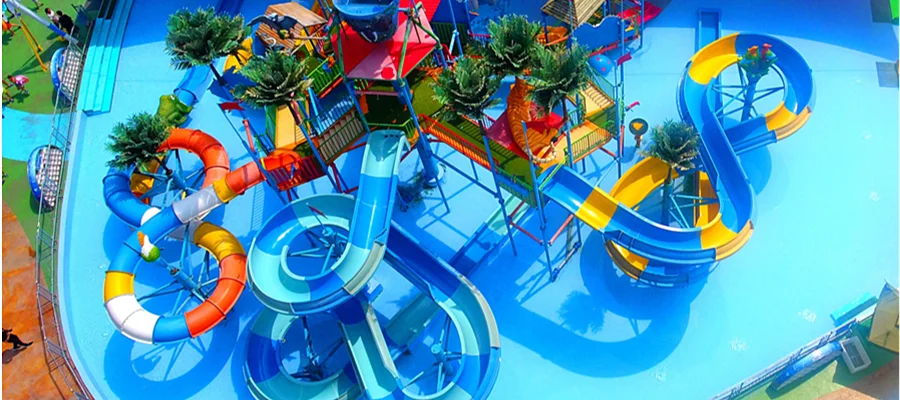
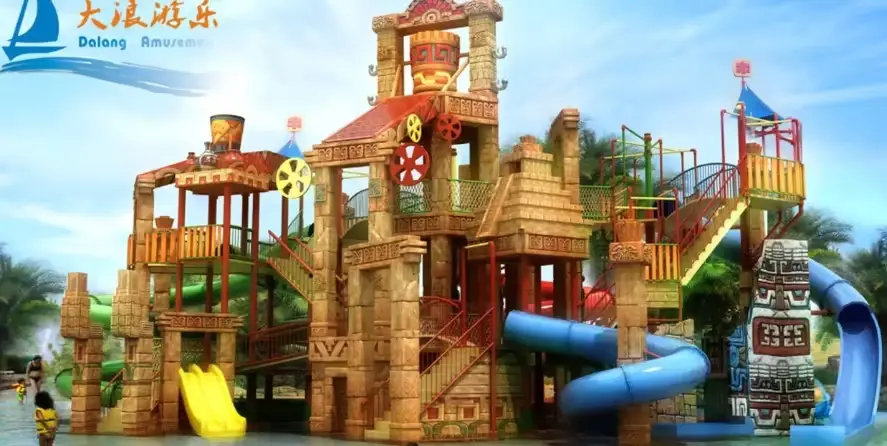
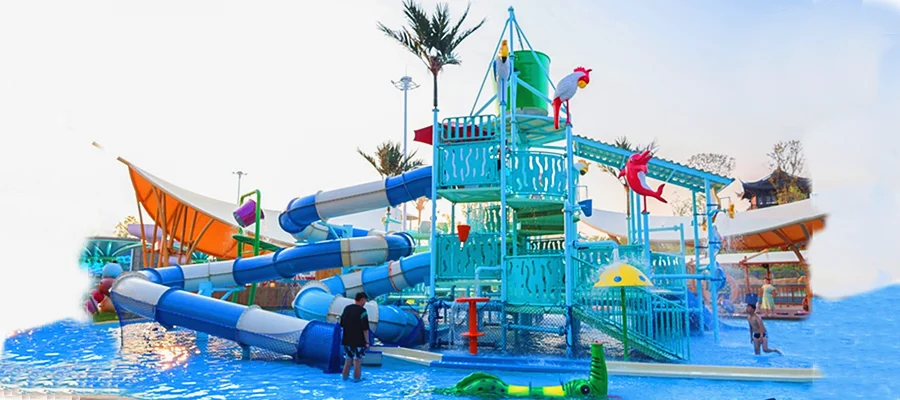
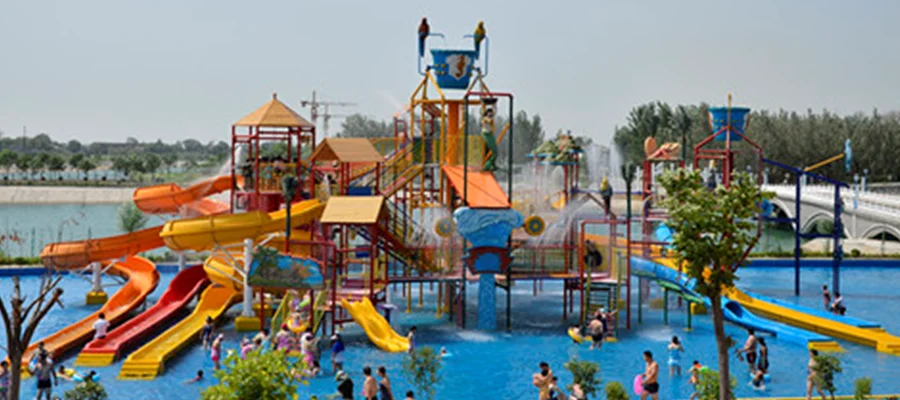
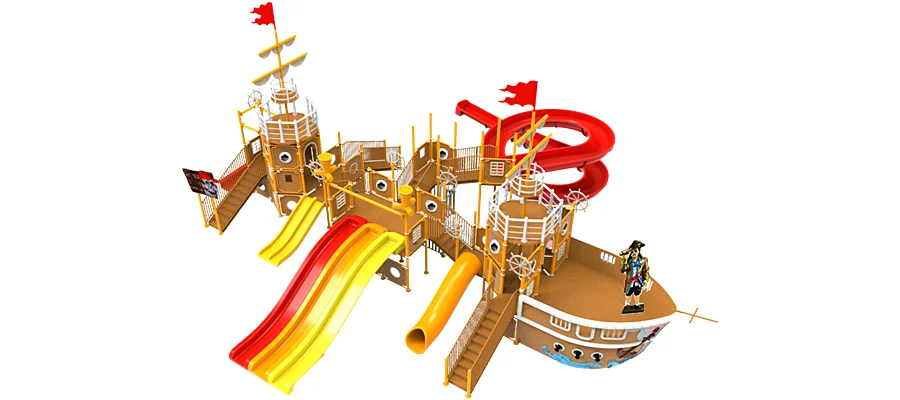
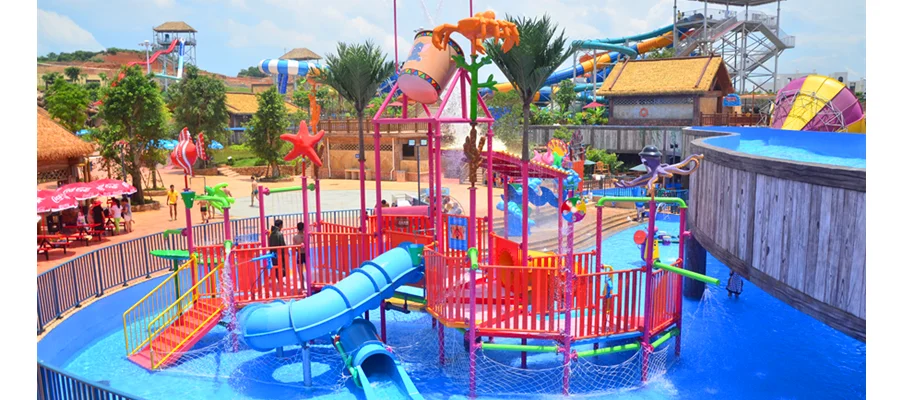
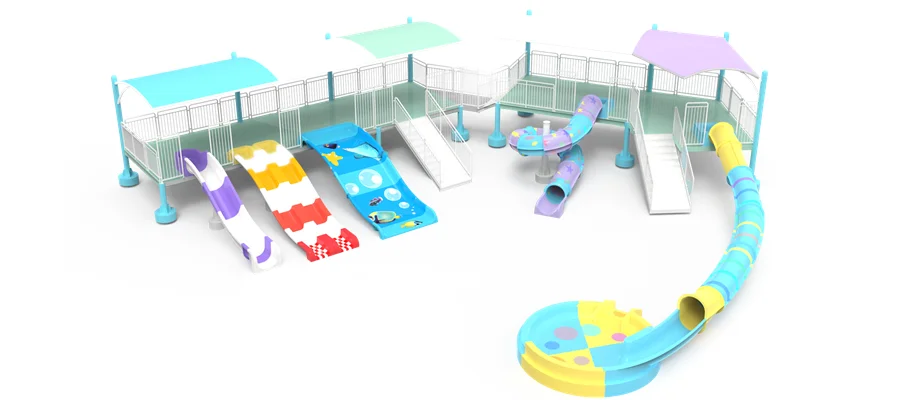
Walk through any older water park, and you will notice two types of slides. One set looks almost as bright as the opening season. The other has turned into a faded, cloudy version of its former self. What separates them? We have investigated this question across thirty-plus park audits over the past five years. The answer rarely comes down to luck or expensive pigments alone. For a commercial water slide intended to operate for fifteen years or more, color retention requires deliberate choices at the manufacturing stage. This article shares what we have learned from our own production line and from replacing faded slides for clients who chose poorly the first time.
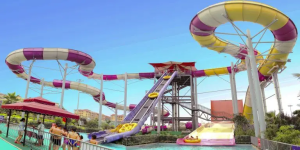
The Role of UV-Stable Pigments in the Gelcoat
Most people assume fading happens because the surface material breaks down. That is partially correct. But the real culprit is often the pigment itself. Standard off-the-shelf pigments degrade under ultraviolet light, changing molecular structure and shifting color. We tested two batches of red pigment in our shop last year. One was a general industrial grade. The other used encapsulated pigment particles with a ceramic coating. After 1,500 hours of UV exposure, the general grade lost 40% of its chromatic value. The encapsulated version lost less than 8%. Any serious water slide manufacturer should specify pigment type on their material data sheet. At Dalang, we only use encapsulated pigments rated for at least 5,000 hours of QUV exposure. But here is the catch – even the best pigment fails if the gelcoat application is uneven. That is why our combo package includes both the encapsulated pigment blend and a digital thickness gauge for onsite verification. A professional water slides project cannot afford to guess whether the gelcoat layer is consistent from the top of a drop slide to the runout. We have seen cases where a slide looked perfect from ten meters away but had thin spots near the joints that faded within two seasons.
How We Use Real-Time Weathering Stations
Accelerated lab testing tells part of the story. But real weather is messy. Humidity fluctuates. Pollution levels change. The angle of sunlight shifts with seasons. So we installed three outdoor weathering stations at different latitudes – one in Guangdong, one in Arizona (contracted through a partner), and one in southern Spain. Each station holds sample panels from every commercial water slide batch we produce. We measure color change every three months using a handheld spectrophotometer. Last year, the Arizona samples showed more fading in six summer months than the Guangdong samples did in twelve, due to the intense dry heat and clearer skies. That information changed how we formulate gelcoat for Middle Eastern projects. A water slide manufacturer relying only on indoor lab results would miss those regional differences. We share this station data with any client requesting it. For a full park supply, we offer an optional combo that includes yearly color monitoring reports using the same spectrophotometer model, so operators can track degradation trends across their entire professional water slides collection. This is not a warranty gimmick. It is practical data that helps maintenance teams plan recoating schedules before colors become visibly uneven.
Preventing Oxidation Through Topcoat Sealing
Gelcoat itself provides the first line of defense. But gelcoat is slightly porous at a microscopic level. Over years of rain, pool chemicals, and cleaning detergents, the surface develops microscopic cracks. Oxygen penetrates those cracks and starts oxidizing the pigment from underneath. The solution is a clear UV-sealing topcoat applied after the slide is fully assembled. Many manufacturers skip this step because it adds two days to production. We have done the comparison. Two identical yellow slide sections – one with topcoat, one without – placed side by side on our Arizona rack. After eighteen months, the uncoated section had visible chalkiness when wiped with a dark cloth. The coated section wiped clean. For any commercial water slide expected to last beyond eight years, that topcoat pays for itself in avoided repainting costs. We do not sell the topcoat separately. It comes as part of our finishing combo alongside the gelcoat and the polishing compound. Why? Because we have watched park owners buy cheap topcoat from a hardware store and ruin the slide surface with uneven application. The right tool and the right material must be paired.
Keeping a water slide vibrant for decades is not about one expensive ingredient. It requires encapsulated pigments held in a properly applied gelcoat layer, validated by real-world weathering data, and sealed with a compatible topcoat. We have seen how small shortcuts in any of these areas lead to faded slides that disappoint guests and drain operating budgets. So when you evaluate a water slide manufacturer, ask for their outdoor weathering records, not just a lab certificate. Ask for the pigment supplier name and the topcoat application procedure. If their answers sound vague, keep looking. At Dalang, we bundle these three layers into a single documented system – because a beautiful slide is only valuable when it stays beautiful.