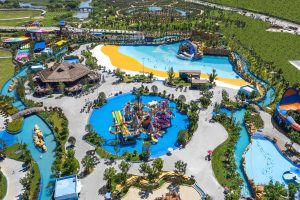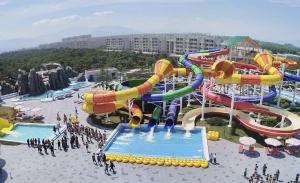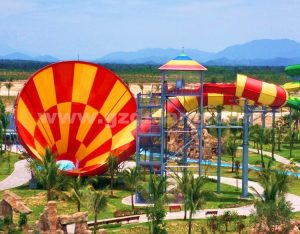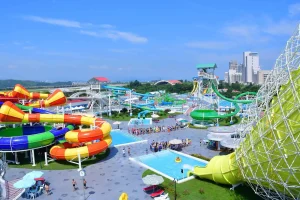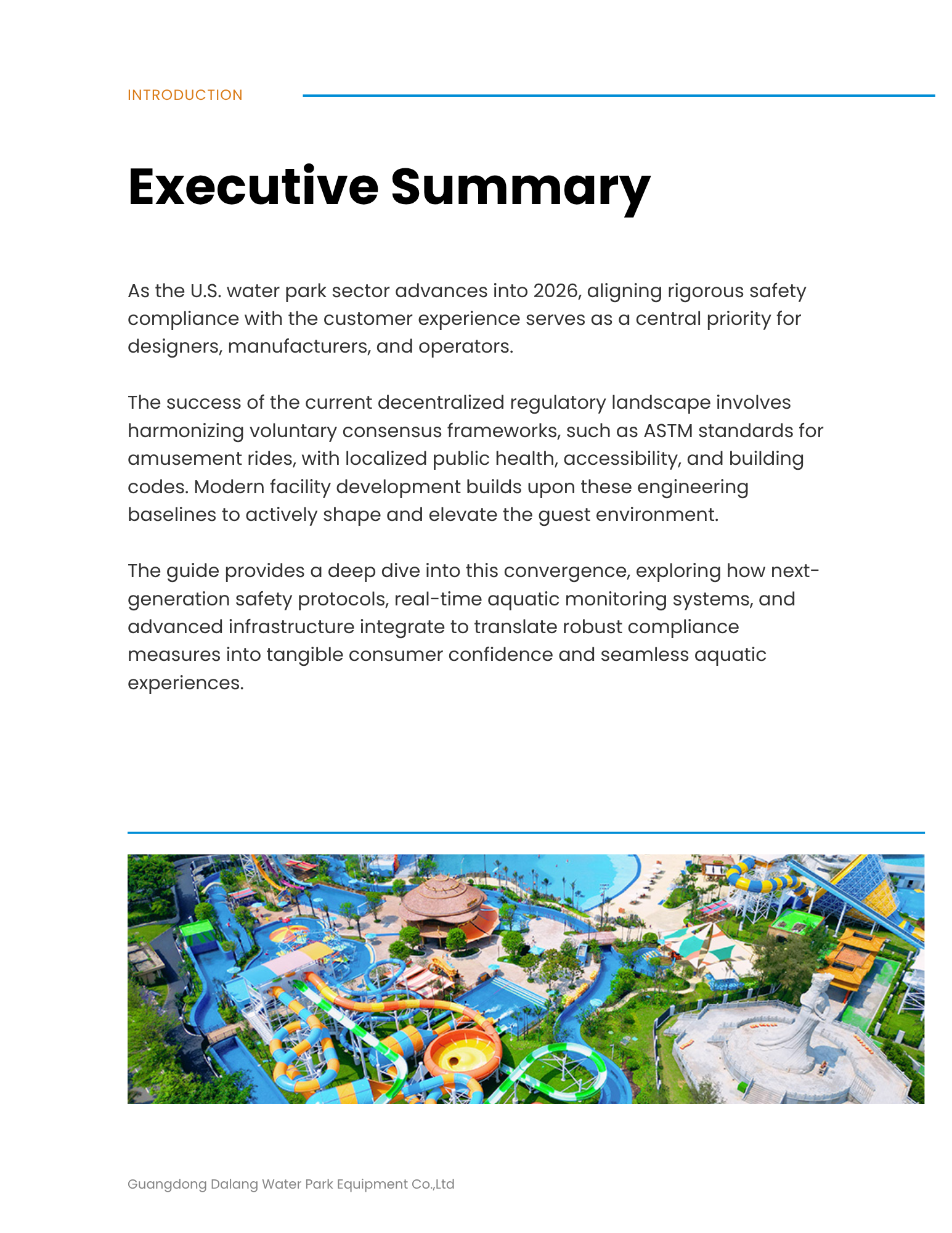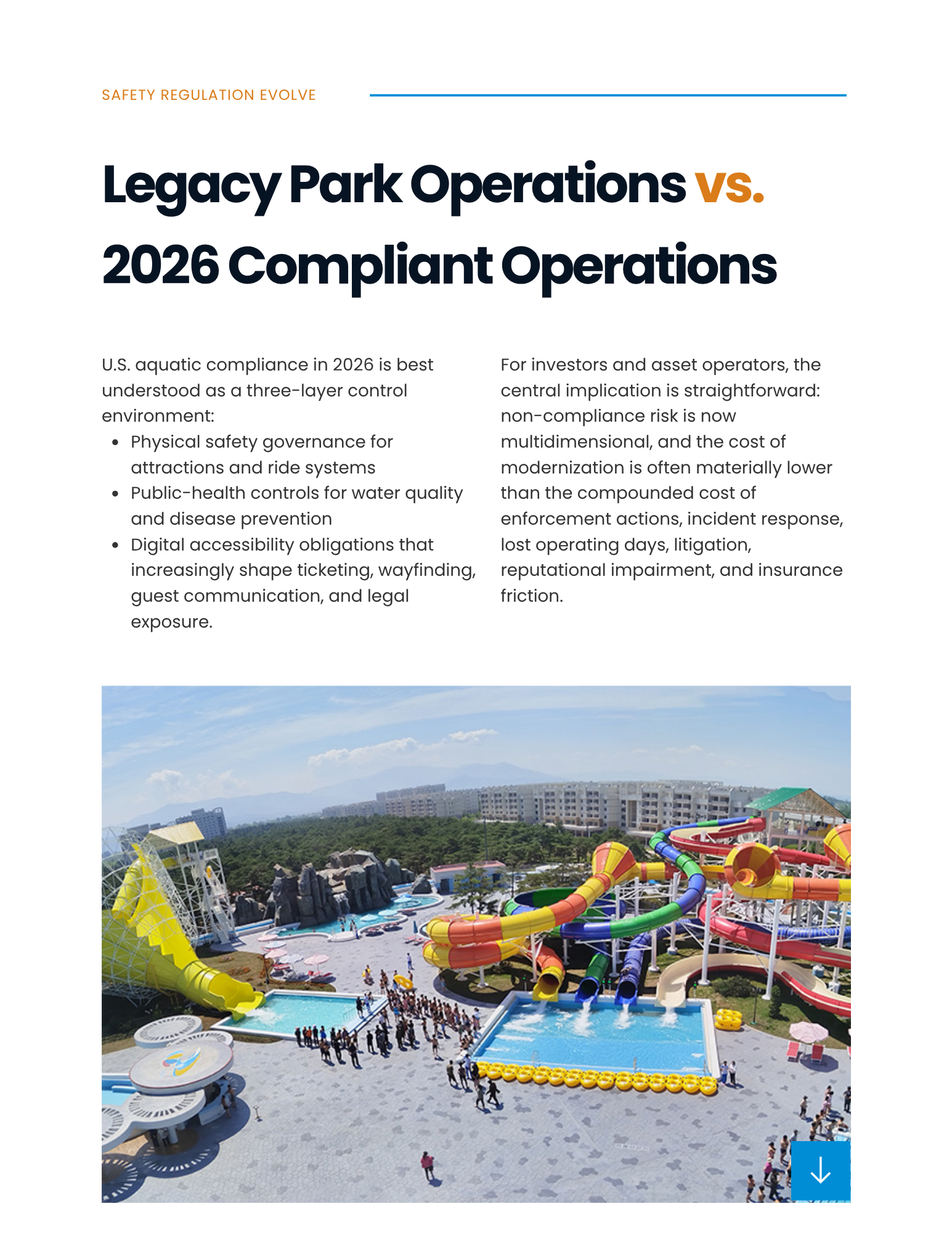
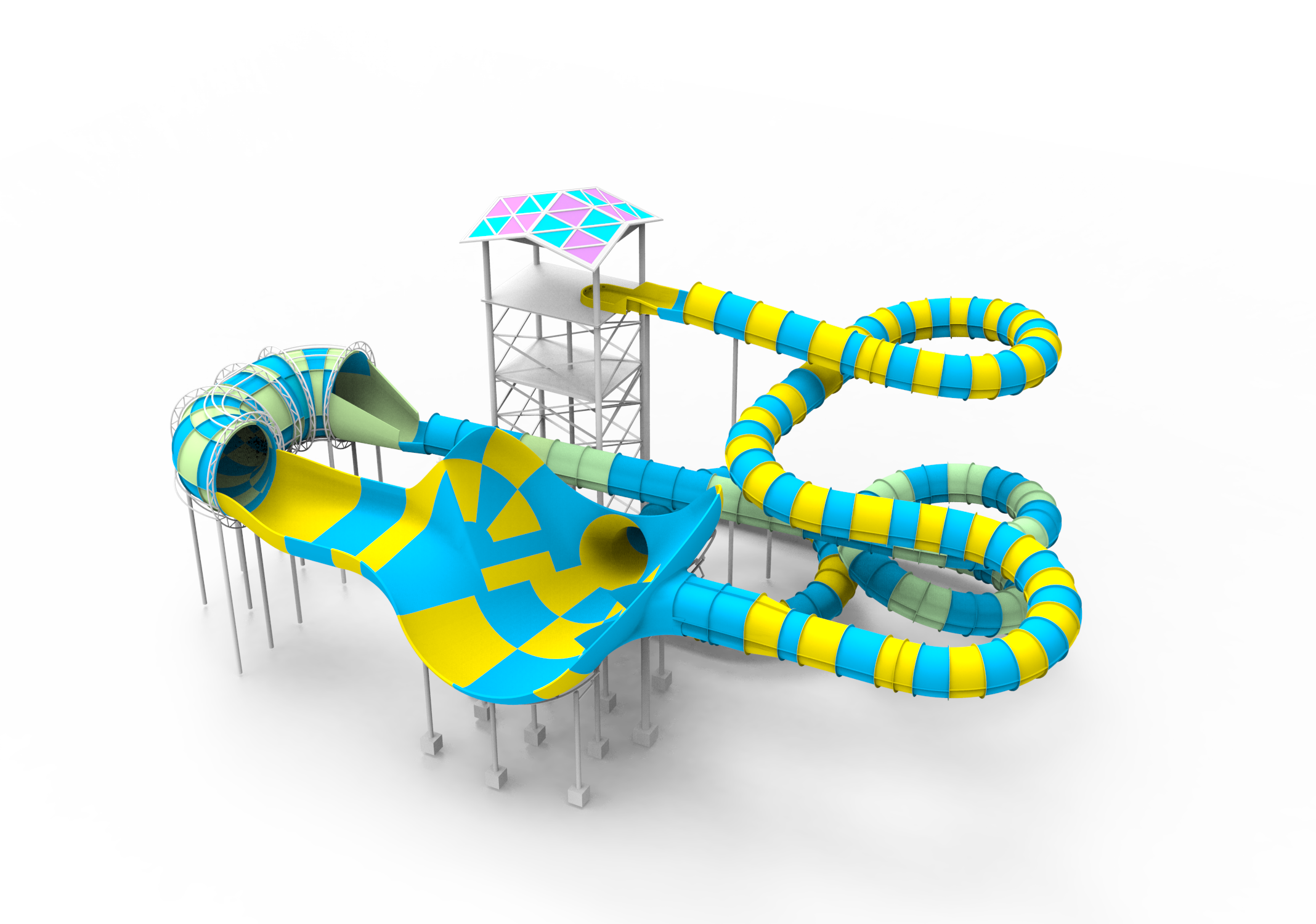
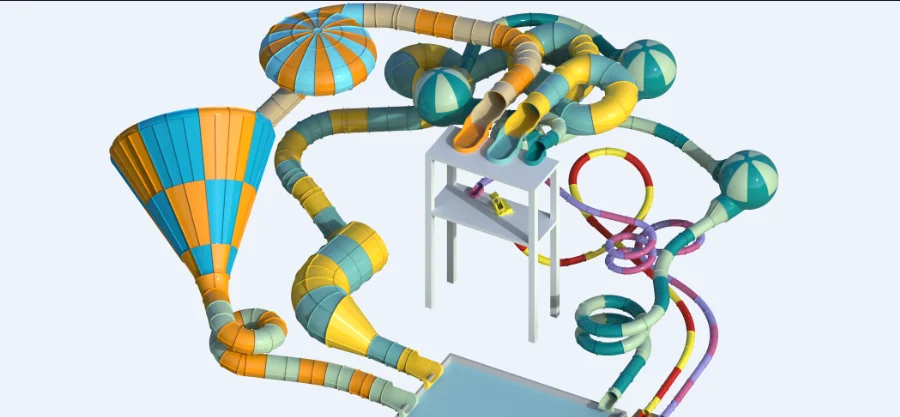
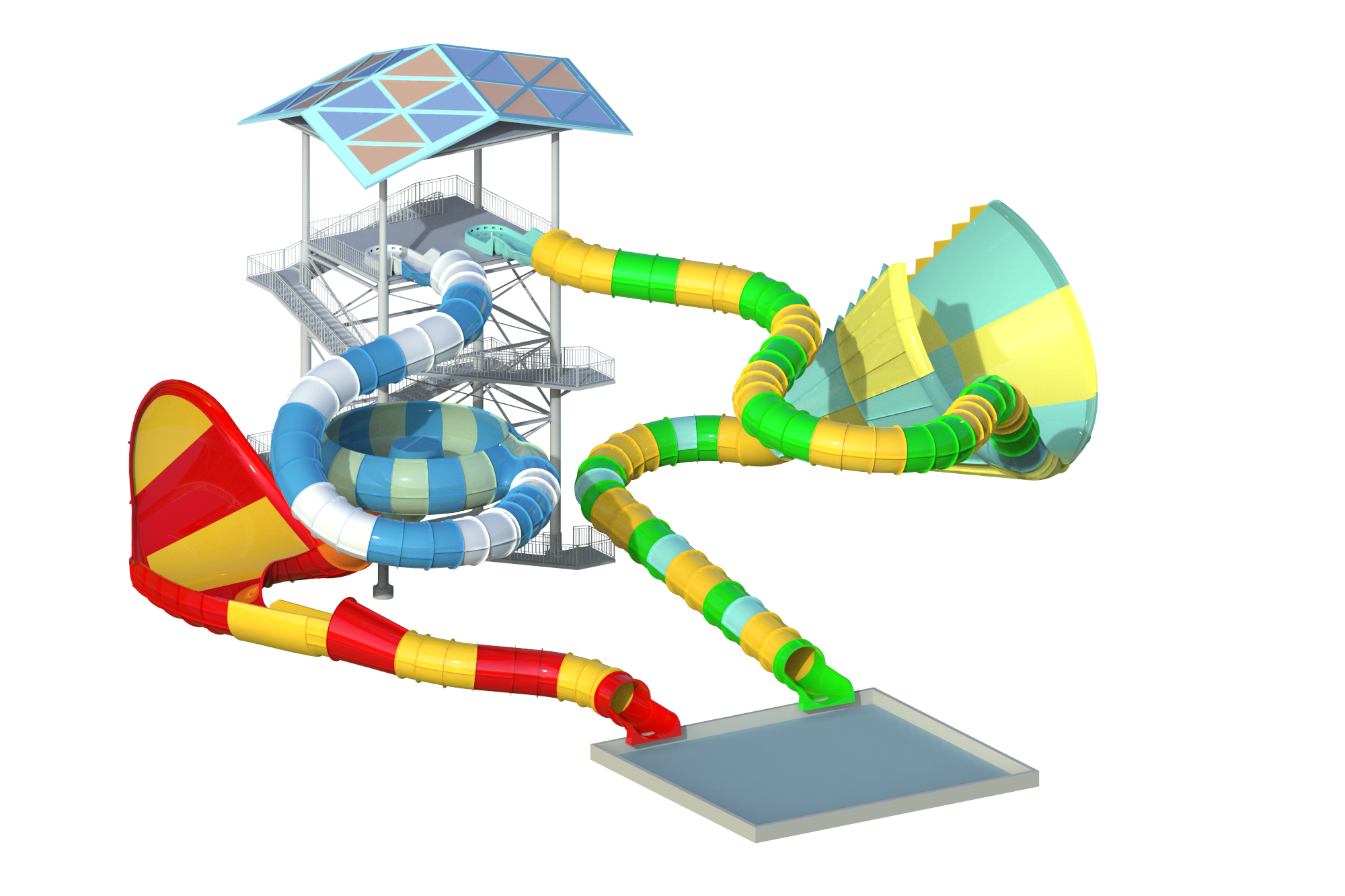
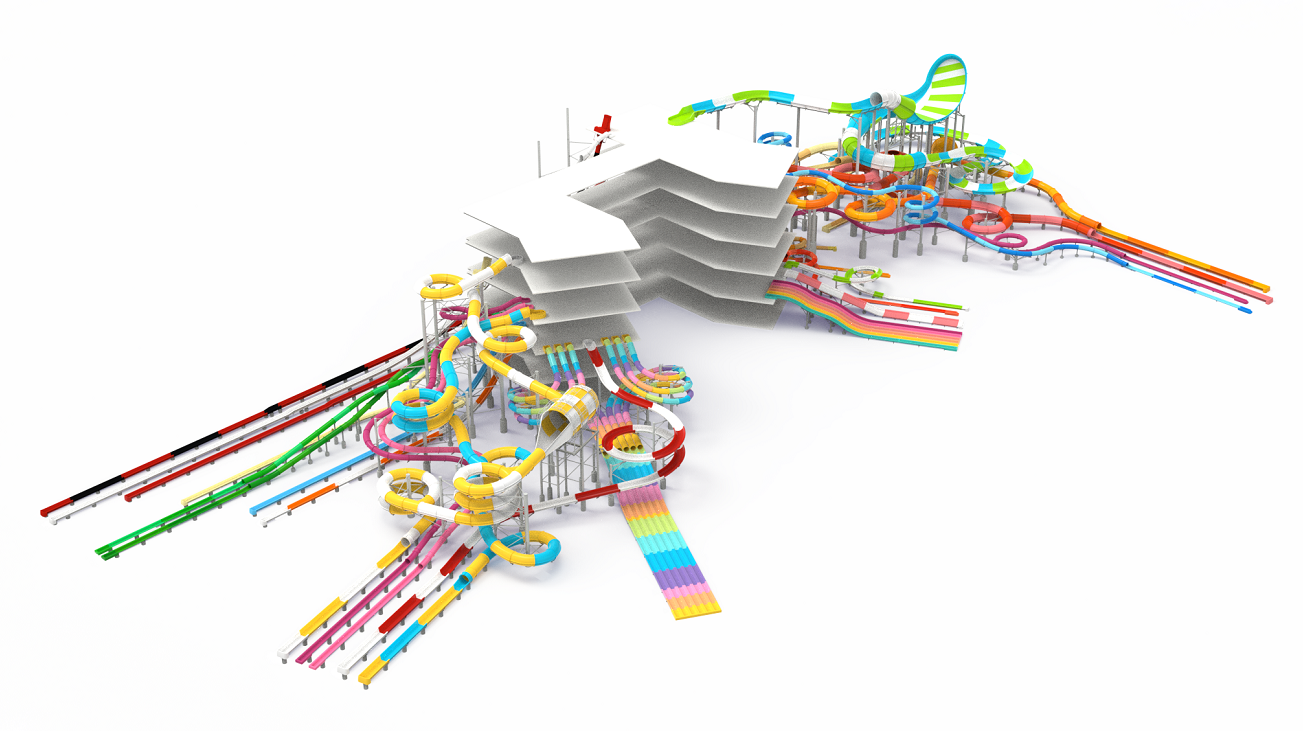
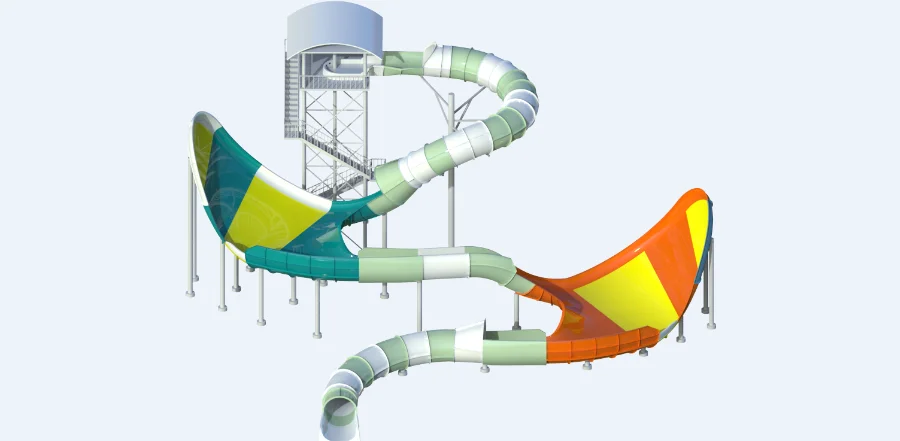
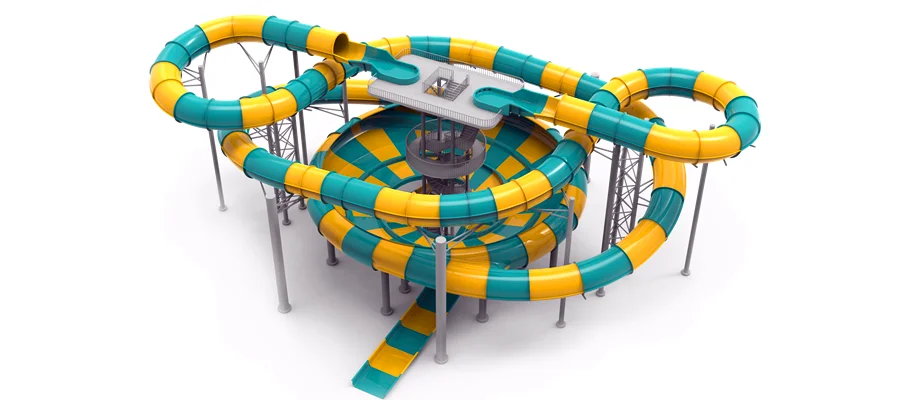
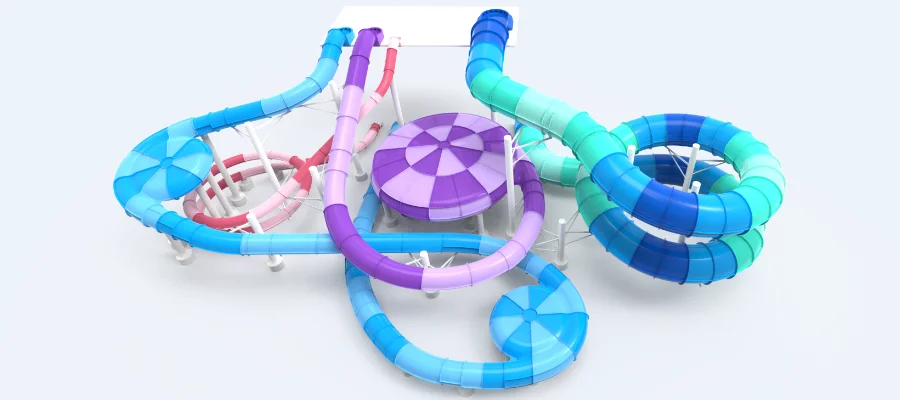
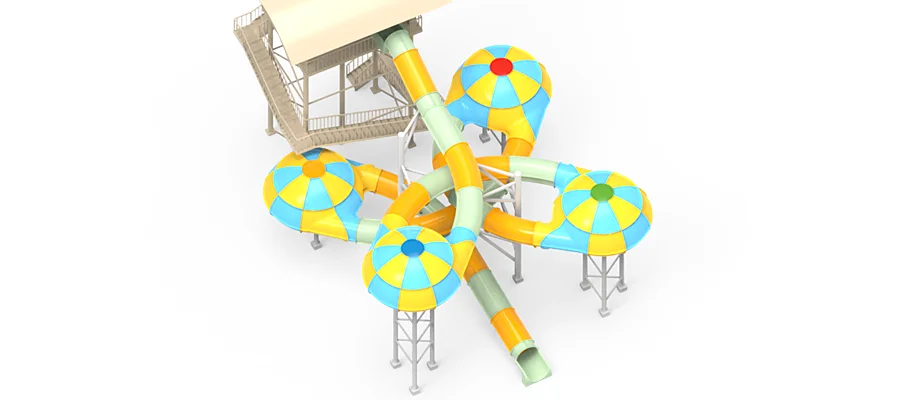
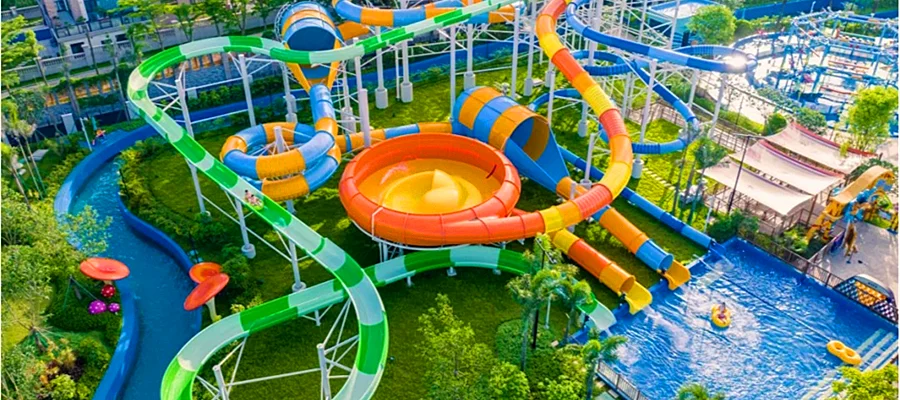
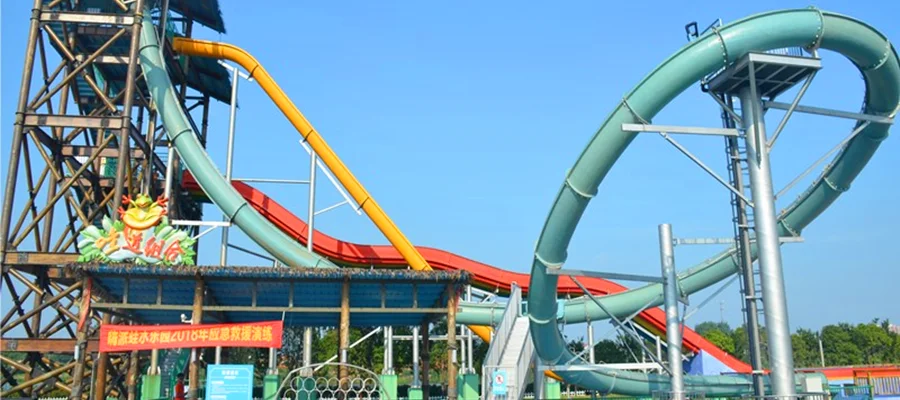
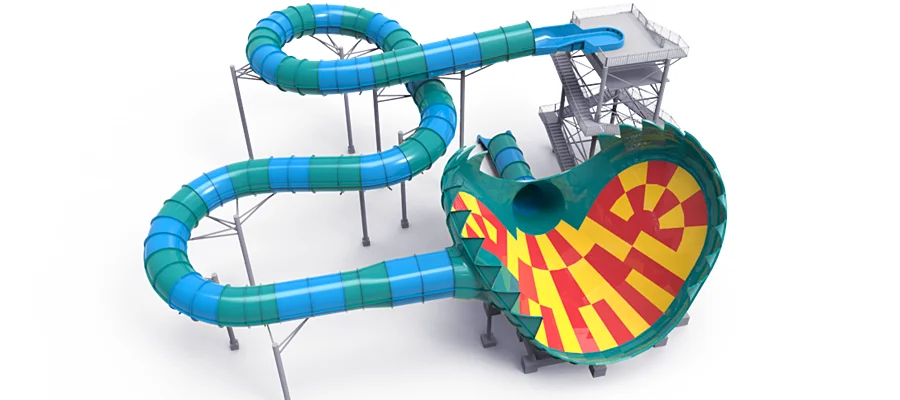
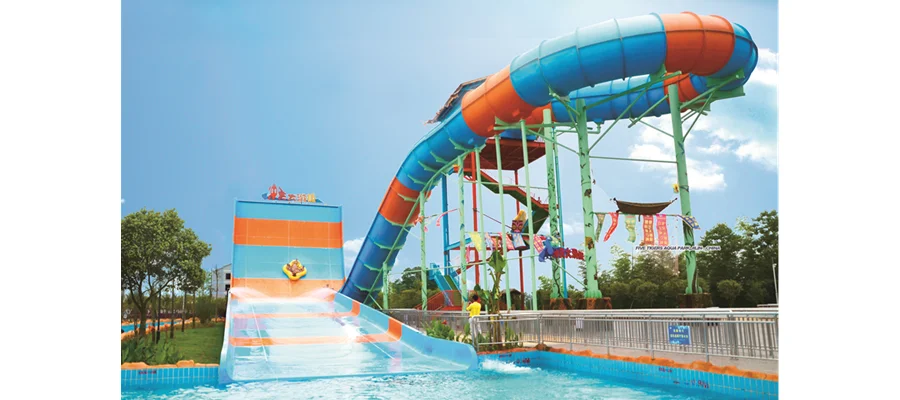
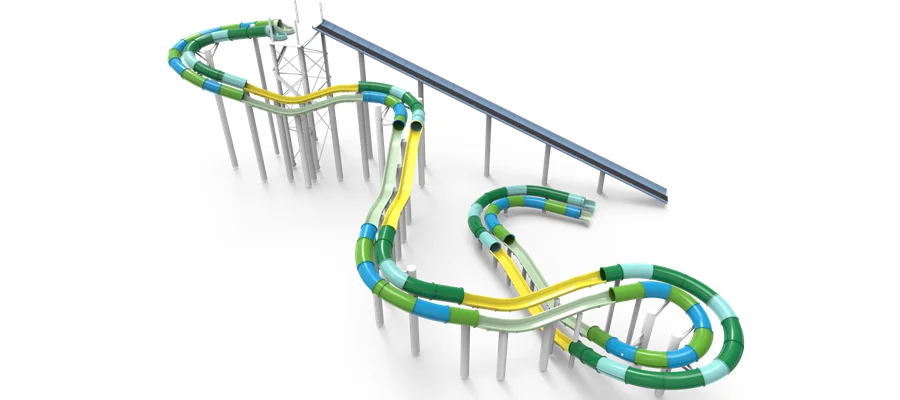
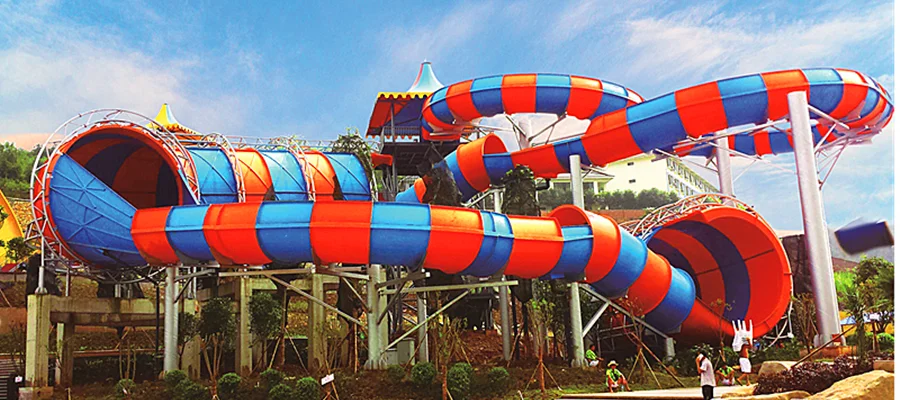
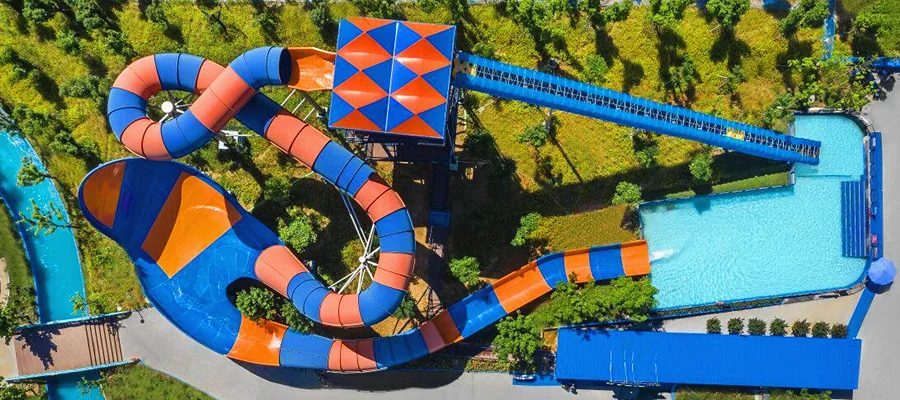
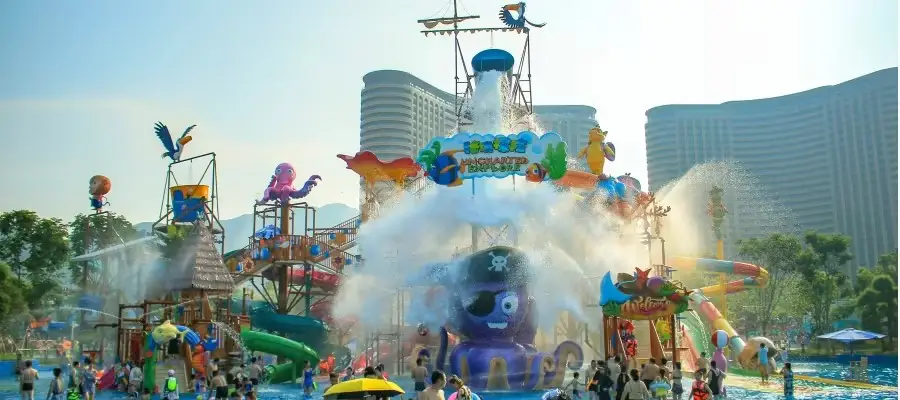
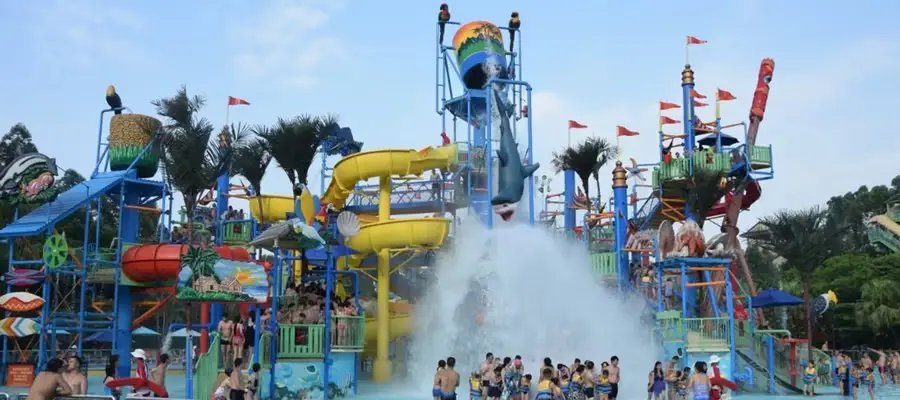
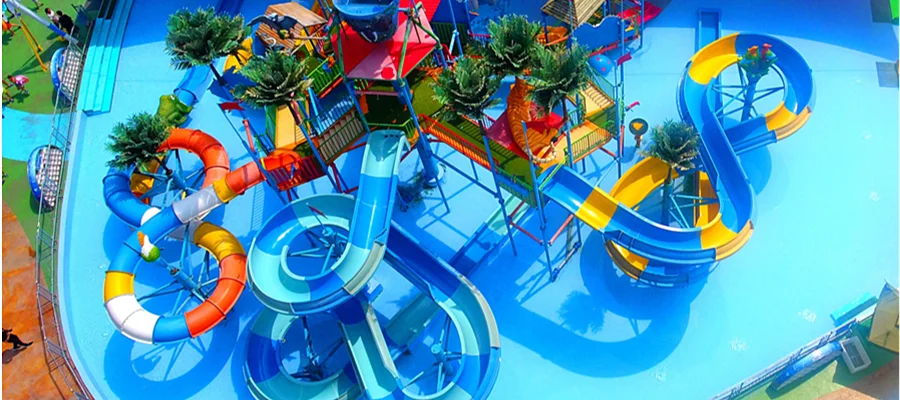
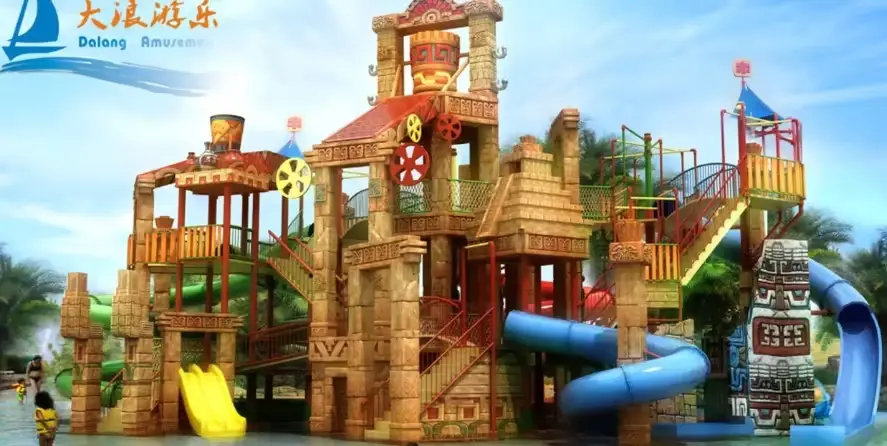
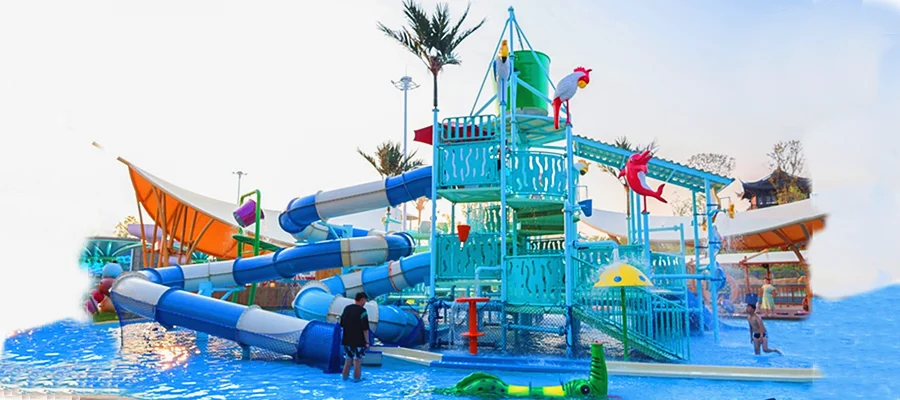
As global environmental standards evolve, the aquatic entertainment sector is experiencing a significant operational shift. Theme park developers and resort investors are increasingly prioritizing sustainability alongside high-capacity throughput. Constructing sprawling aquatic destinations inherently requires substantial water and energy resources, making eco-conscious engineering a critical consideration for modern development. By integrating smart technologies and sustainable material science into the foundational master plan, operators can actively reduce overhead costs while aligning with international green building standards. We have observed that adopting these eco-friendly engineering practices serves as a strategic pathway to supporting long-term operational resilience and maintaining a competitive edge.
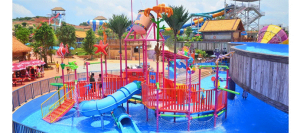
Intelligent Water Filtration and Conservation
The most pressing environmental challenge for any large-scale aquatic facility involves efficient water management. Older infrastructure often relies on continuous turnover systems that can contribute to significant water loss through evaporation and inefficient backwashing. Today, developing a sustainable master plan relies heavily on closed-loop hydraulic networks and advanced filtration technologies designed to minimize waste. By utilizing regenerative media filters and automated water chemistry controllers, facilities can drastically reduce the volume of fresh water required to maintain optimal hygiene standards.
Operating as experienced water park manufacturers, we focus deeply on optimizing these hydraulic ecosystems. Our engineering teams design spatial layouts that purposefully route splash run-off and wave pool displacement back into centralized recovery systems. This meticulous approach to water conservation supports regional environmental compliance and often yields substantial reductions in municipal water expenditures for facility operators. By prioritizing intelligent water recovery from the initial drafting phase, we help developers build sprawling attractions that remain environmentally responsible.
Energy-Efficient Hydraulic Pumping Systems
Beyond water conservation, reducing the massive electrical load required to power high-velocity attractions represents a primary sustainability goal. Propelling thousands of gallons of water up towering launch platforms demands immense kinetic energy. Historically, fixed-speed pumps operated at maximum capacity regardless of actual bather load, leading to excessive thermal loss and unnecessary electrical overhead. Modern sustainable engineering actively mitigates this inefficiency through the widespread integration of Variable Frequency Drives (VFDs) and smart sensor networks.
When we conceptualize complex infrastructure as a dedicated water slide manufacturer, our technical departments specifically calibrate these smart drive systems to communicate with automated dispatch sensors. This allows the hydraulic pumps to dynamically adjust their output based on real-time ride utilization, lowering power consumption during off-peak hours. Implementing these energy-efficient mechanical networks can contribute to a highly favorable operational ROI, proving that high-thrill aquatic experiences do not require an unsustainable carbon footprint.
Eco-Conscious Material Science and Manufacturing
True sustainability also extends to the physical materials utilized during the fabrication process. The rapid degradation of poorly manufactured fiberglass requires frequent repairs and premature component replacement, creating a cycle of continuous industrial waste. To combat this, modern facilities require attractions built with premium, long-lasting composite materials that can withstand decades of ultraviolet radiation and chemically treated water without losing structural integrity.
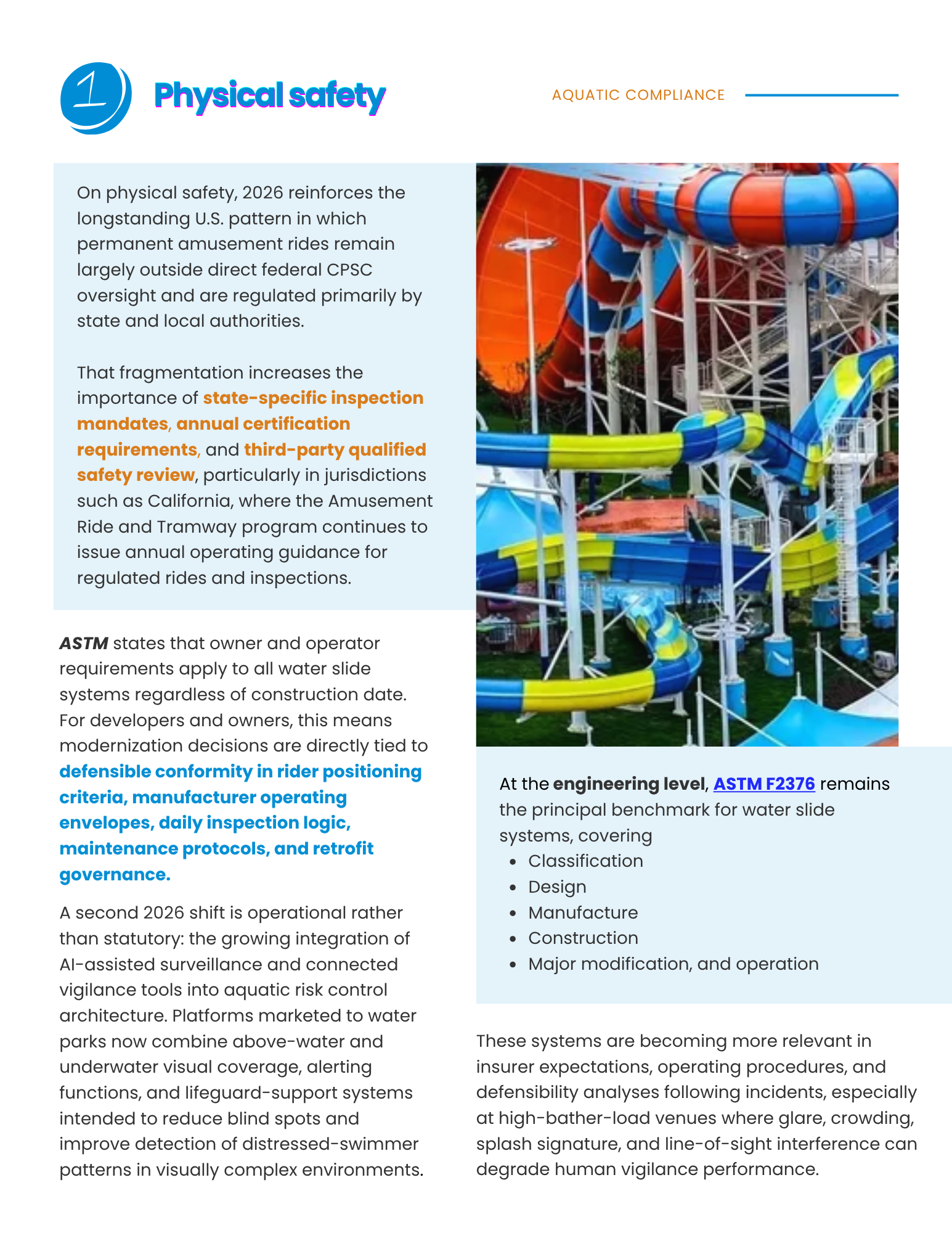
As prominent water park equipment suppliers, we actively implement advanced material science to extend the lifecycle of our aquatic infrastructure. We utilize high-grade isophthalic resins and precision-applied gel coats designed for maximum environmental resistance. Furthermore, our transition toward utilizing European five-axis CNC machining centers allows for highly precise mold creation, effectively reducing raw material waste on the factory floor. Building exceptionally durable attractions fundamentally reduces the environmental impact associated with ongoing manufacturing and heavy freight shipping over the lifespan of the park.
Master-Planning for Sustainable Site Integration
The physical footprint of an aquatic destination plays a vital role in its overall ecological impact. Bulldozing natural landscapes to erect massive, freestanding steel towers often disrupts local ecosystems and requires immense volumes of poured concrete. A more sustainable developmental approach involves harmonizing the architectural blueprint with the existing natural topography of the land.
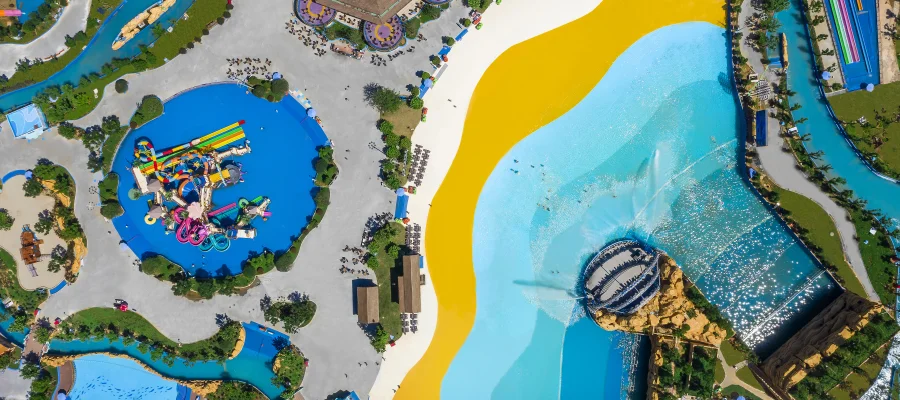
When engaging with developers and leading water park construction companies, our layout specialists prioritize site-specific engineering. By utilizing natural elevation changes and integrating structural supports directly into hillside bedrocks, we can significantly reduce the amount of structural steel and concrete required for launch platforms. This organic integration not only preserves the aesthetic beauty of the surrounding environment but also helps lower the massive carbon emissions typically associated with heavy steel procurement and extensive concrete pouring.
Long-Term Viability and Operational Resilience
Ultimately, the adoption of eco-friendly aquatic equipment is not merely an environmental initiative; it is a fundamental strategy for economic endurance. As utility costs fluctuate and global environmental regulations become increasingly stringent, facilities encumbered by outdated, inefficient mechanical networks may face severe operational friction. Conversely, destinations engineered with a focus on conservation and energy efficiency are better positioned to maintain stable profit margins and attract environmentally conscious demographics.
By selecting Dalang as an engineering partner, investors leverage decades of expertise in balancing high-capacity revenue generation with responsible environmental stewardship. We view every new master-planned destination as an opportunity to implement smarter, greener technologies. Through our customized modular infrastructure and integrated whole-park project solutions, we help our global B2B partners navigate the transition toward sustainable operations, supporting long-term industry growth while respecting the ecological limits of our shared environment.