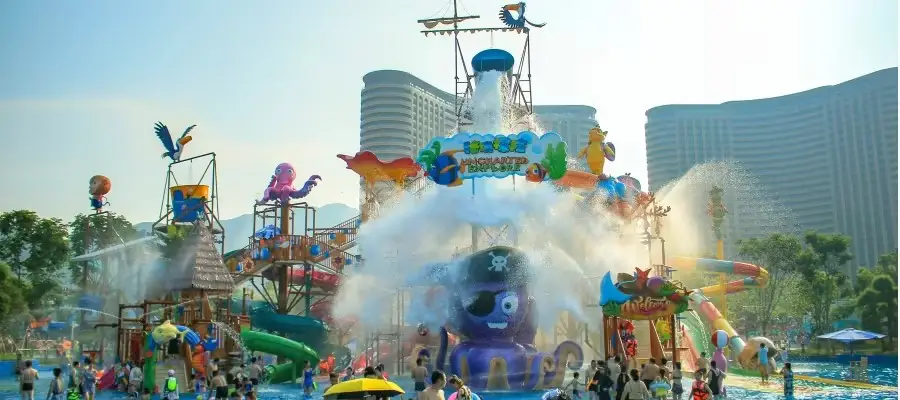
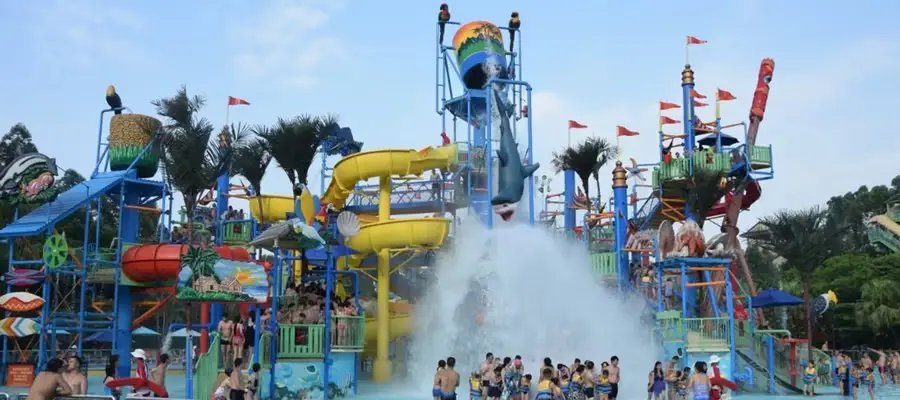
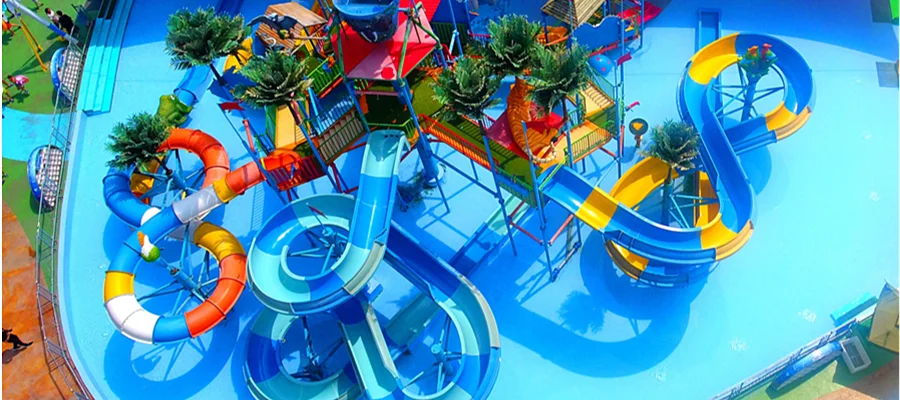
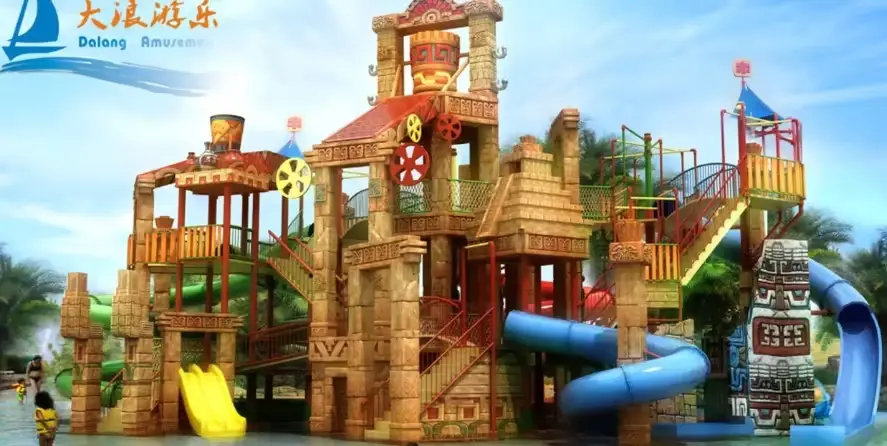
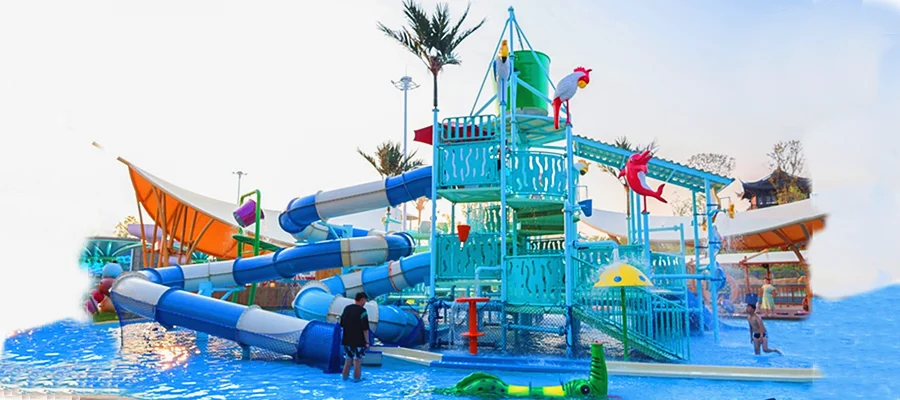
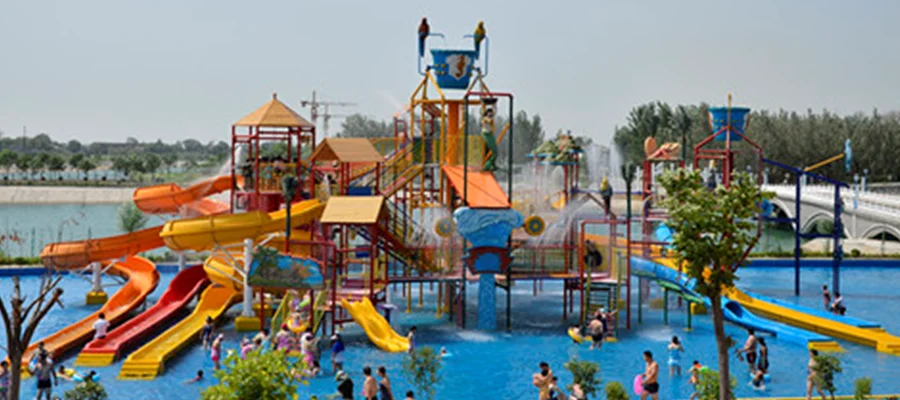
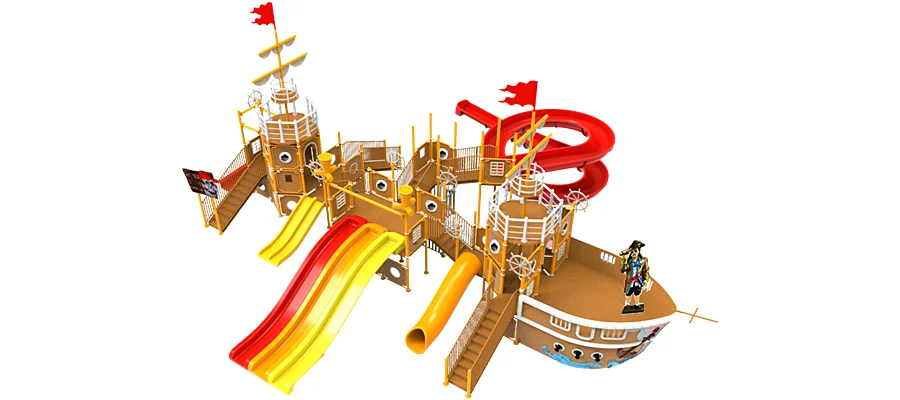
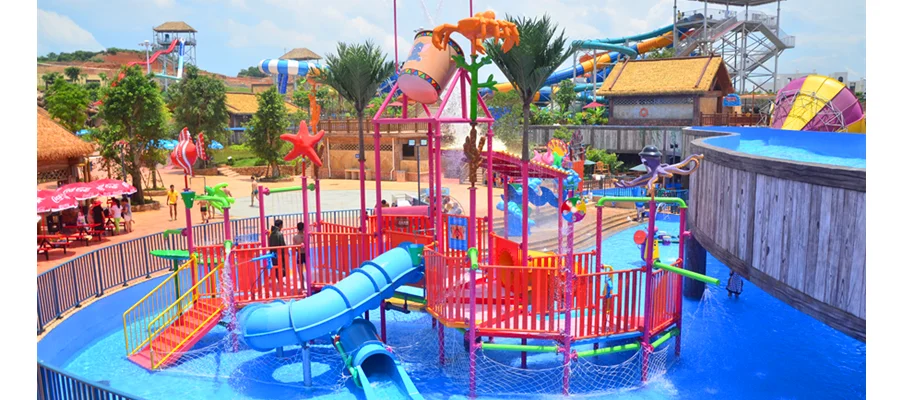
As we navigate the operational landscape of 2026, the global aquatic entertainment sector demands strategic foresight from project investors and resort developers. Deploying immense capital into high-capacity destinations increasingly depends on an acute understanding of shifting demographic behaviors, climate resilience, and operational efficiency. The era of relying solely on isolated thrill attractions to drive regional gate attendance is increasingly giving way to more integrated destination strategies. Today, maximizing a return on investment increasingly depends on highly synchronized, master-planned environments that prioritize sustained guest engagement and consistent mechanical reliability. By observing real-time global deployment data and operational feedback from our massive B2B network, we have identified the key engineering and capacity management trends dictating the profitability of highly successful aquatic destinations in 2026.
Transitioning to Integrated Aquatic Ecosystems
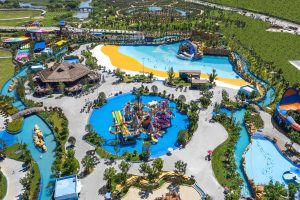
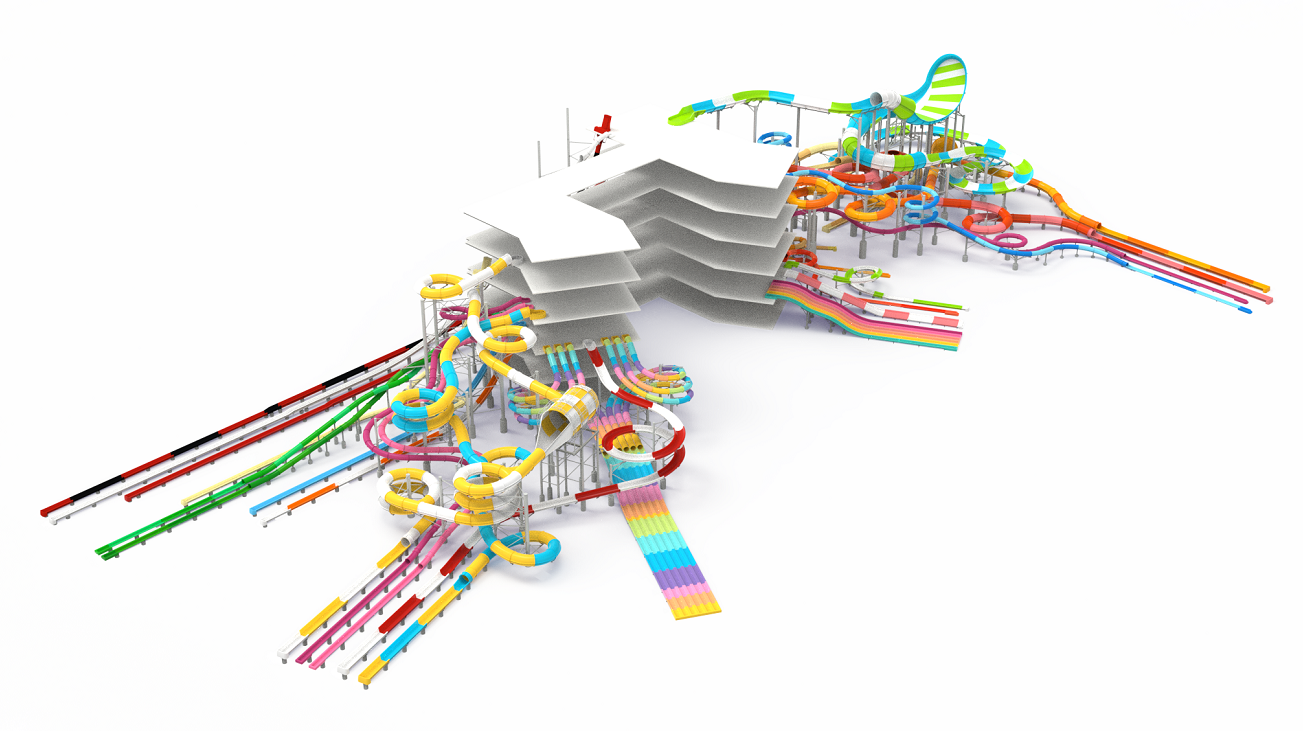
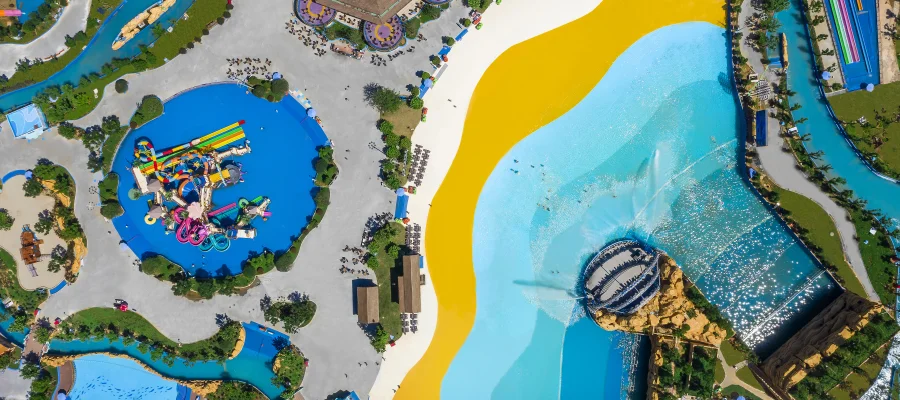
The most significant shift we observe in 2026 is the growing preference for integrated attraction planning over fragmented development. Modern developers recognize that localized bottlenecks and unprofitable dead zones occur when infrastructure is pieced together without a unified hydraulic and spatial vision. To secure long-term market presence, experienced water park manufacturers now prioritize comprehensive topographical orchestration over basic hardware supply, ensuring every cubic meter of the facility actively contributes to visitor engagement.
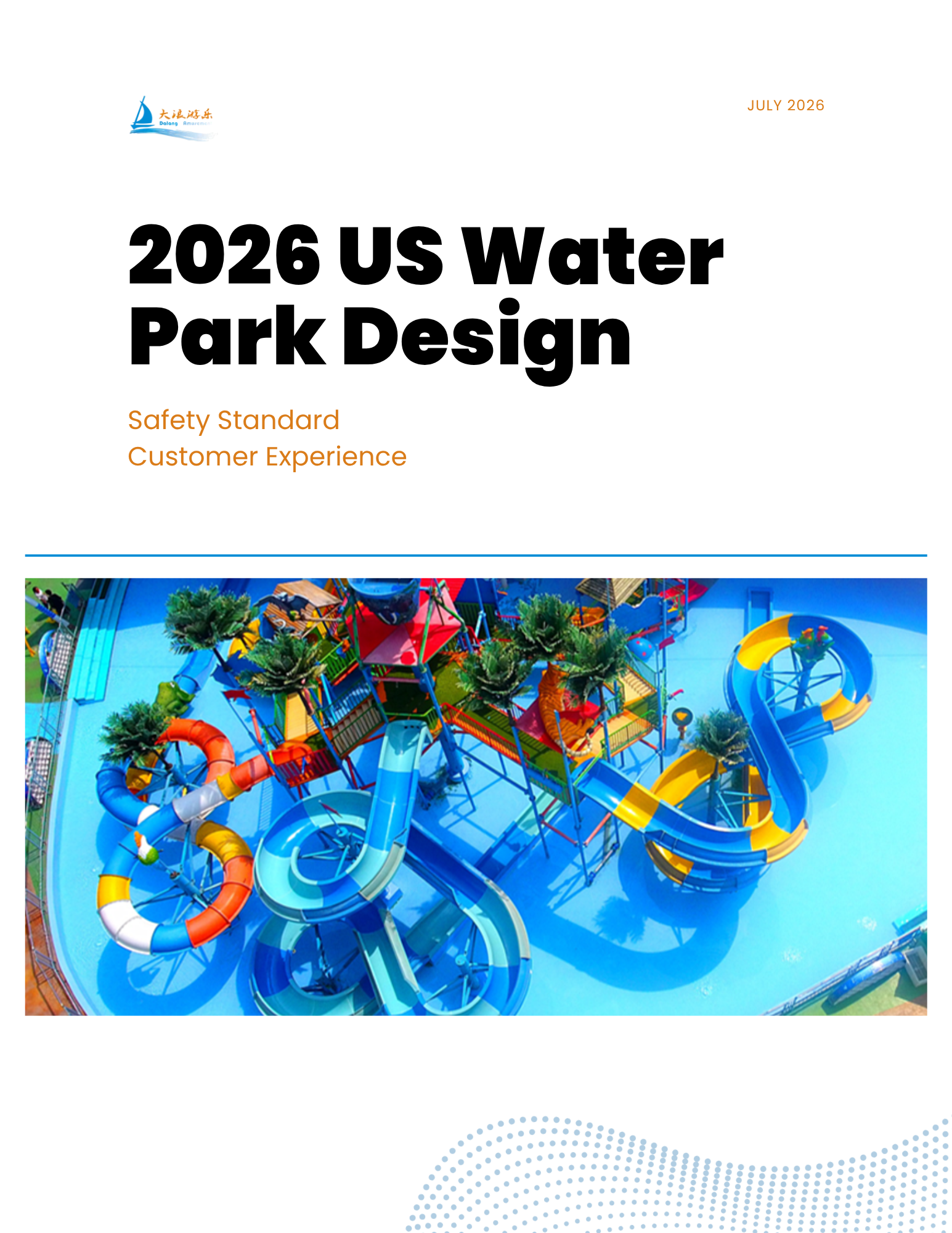
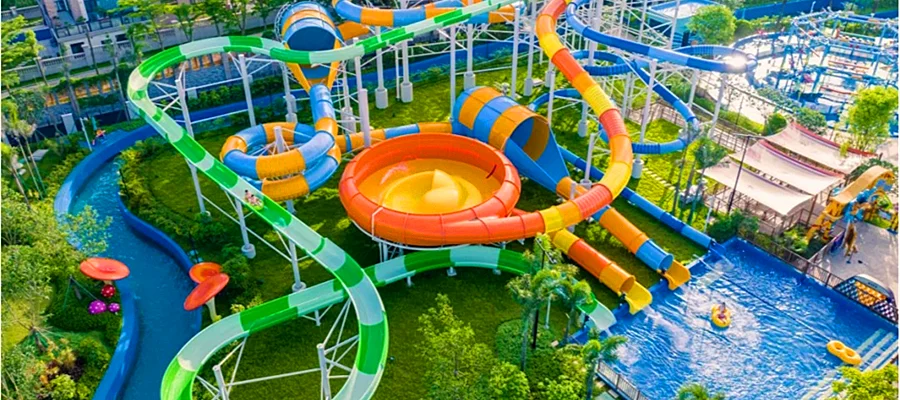
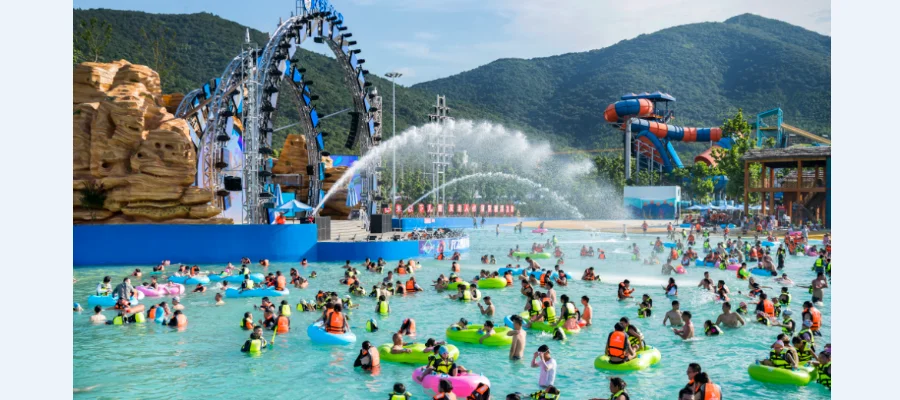
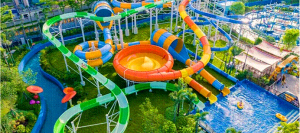
We engineer signature attractions, wave pools, and lazy rivers to function as interconnected components within our core business: customized modular water park equipment and integrated whole-park project solutions. This synchronized master layout helps ensure that centralized water filtration systems, power distribution grids, and high-velocity hydraulic pumps interface efficiently across the entire sprawling property.
By prioritizing this holistic architectural framework from the initial drafting phase, we can help reduce electrical overhead and thermal loss. This integrated approach supports massive crowds in naturally pivoting between high-energy thrill zones and premium secondary spending areas, contributing to the transformation of a standard recreational site into a highly profitable, master-planned entertainment ecosystem.
Accelerating Deployment Through Modular Engineering
High capital expenditure projects face intense pressure to accelerate build timelines and achieve operational readiness. Traditional poured-in-place concrete attractions and rigid structural integrations frequently suffer from supply chain delays and unpredictable regional labor shortages. In 2026, mitigating these developmental bottlenecks often benefits from a strict adherence to advanced modular fabrication techniques.
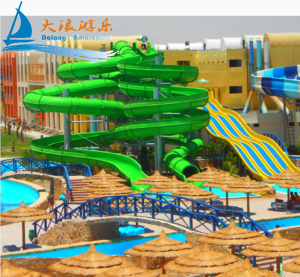
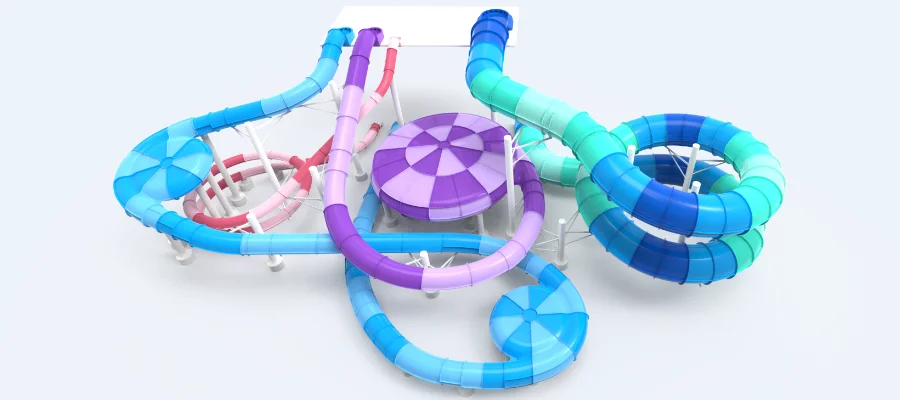
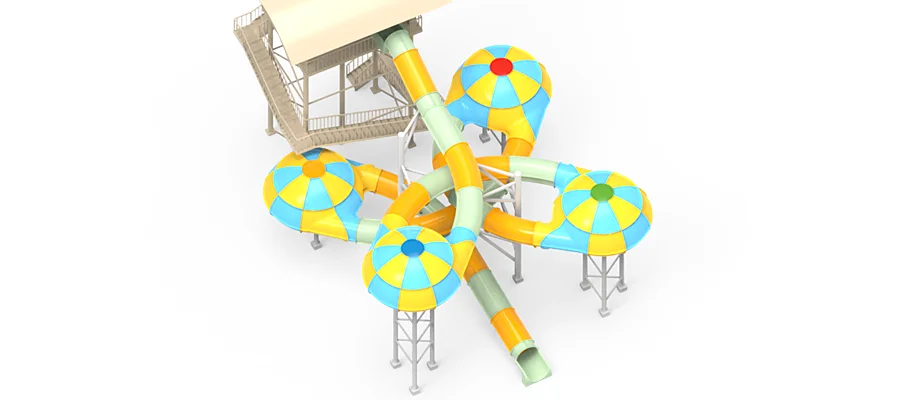
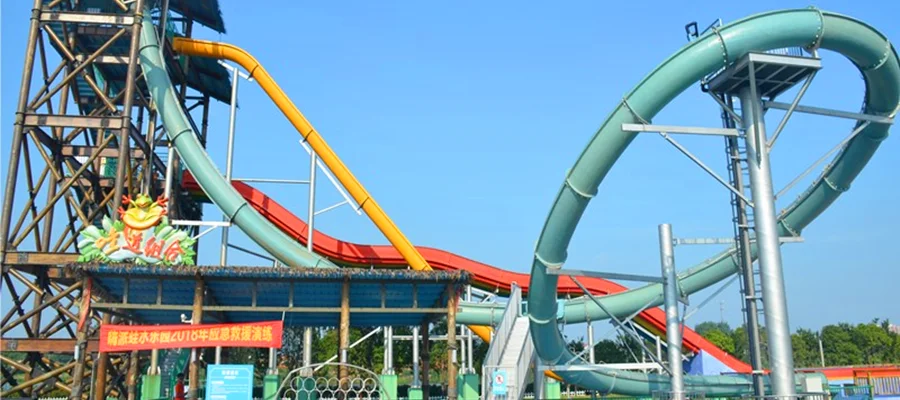
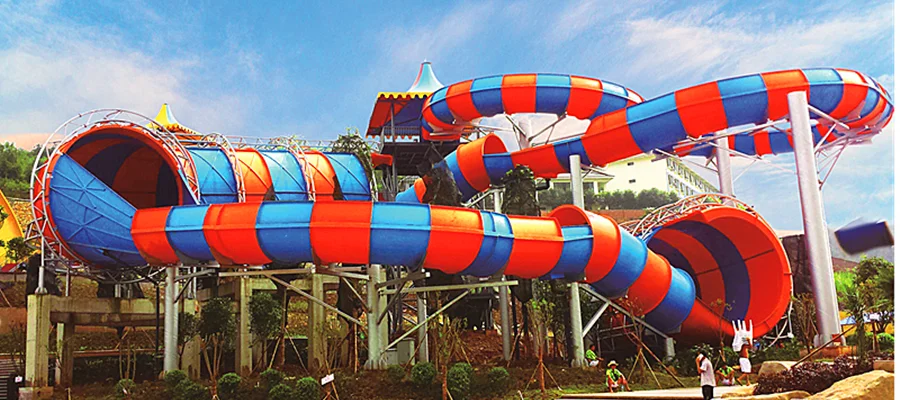
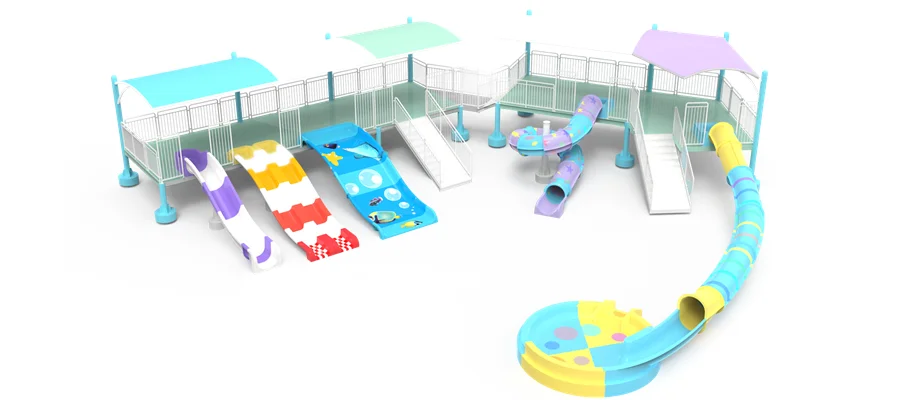
Our engineering departments circumvent these logistical hurdles by designing structural steel columns and complex fiberglass flumes for rapid on-site assembly. This meticulous focus on modularity allows specialized mechanical networks to be integrated surgically, helping accelerate the overall water park construction schedule while reducing on-site labor expenditures for our international investment partners.
Because we design customized modular infrastructure, our installation teams can interface complex variable frequency drives and aquatic play structures without disrupting concurrent development zones. This flexible framework can support faster project delivery and empowers facility operators to seamlessly reconfigure specific leisure zones as their local demographic market evolves over the coming decades.
Climate Resilience and Advanced Material Science
The escalating extremes of global climates require modern infrastructure to possess rigorous material resilience. Facilities expanding into brutal winter climates or harsh equatorial deserts can no longer afford the rapid material degradation associated with outdated manufacturing practices. Protecting structural integrity against constant ultraviolet radiation and relentless freeze-thaw cycles has become an important benchmark for water park construction companies.
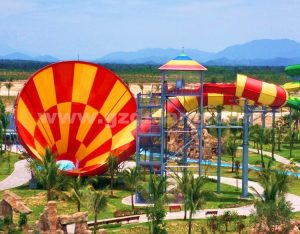
We utilize premium isophthalic resins and resilient fiberglass laminates designed to withstand decades of environmental exposure and chemically treated pool water. By meticulously applying advanced protective gel coats to exposed surfaces, we support strong color retention, surface smoothness, and long-term structural stability from the moment the facility opens.
This dedication to material science can contribute to decreased operational friction and lowered variable frequency drive power consumption. We actively work to prevent premature oxidation and micro-cracking, helping to reduce the maintenance expenditures that typically hinder large-scale capital investments in remote geographical locations.
Maximizing Throughput with High-Capacity Anchors
Driving sustained financial performance in 2026 is closely linked to optimizing daily visitor throughput and effectively managing static queue lines. Prolonged wait times can negatively impact the energetic atmosphere essential for a successful theme park, potentially leading to early guest departure and diminished per-capita spending. To solve this operational challenge, we engineer high-capacity competitive hubs designed to help manage large guest volumes.
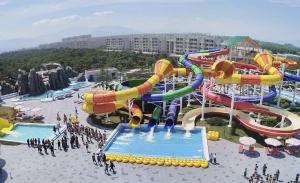
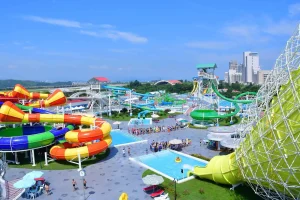
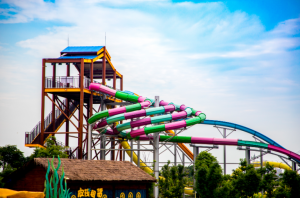
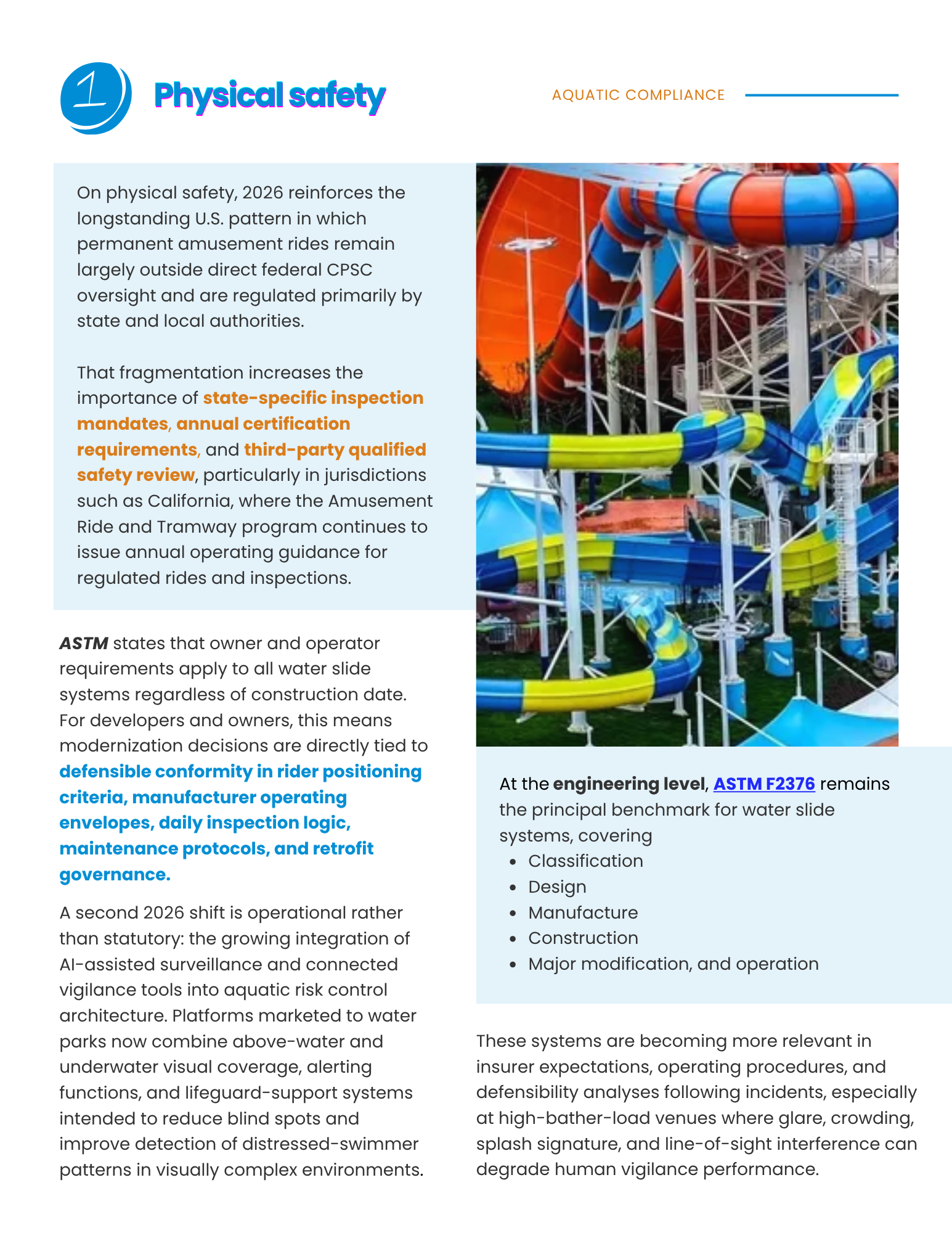
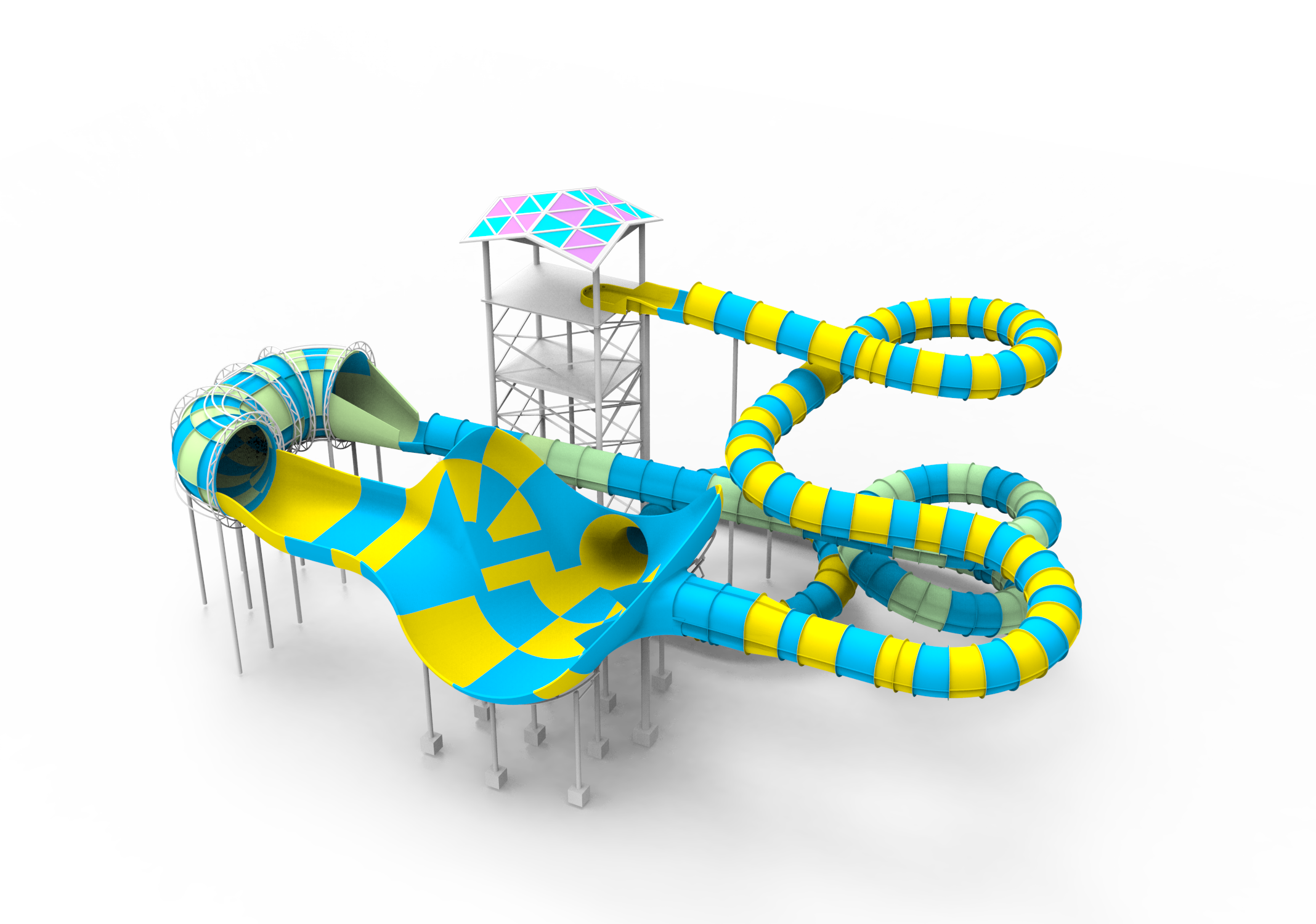
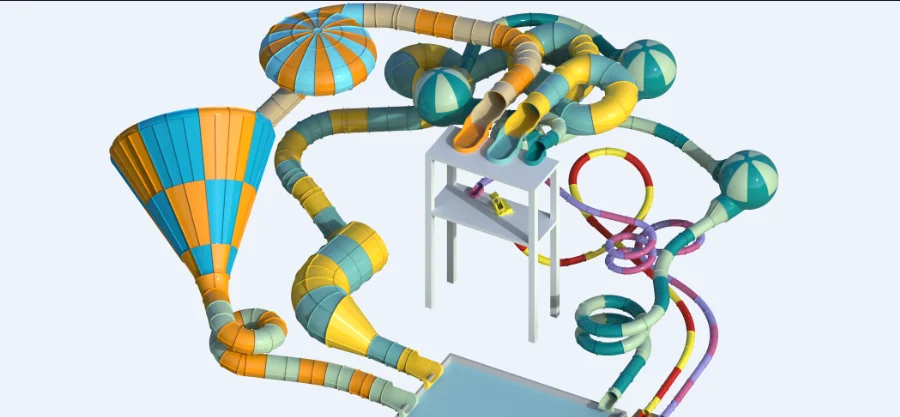
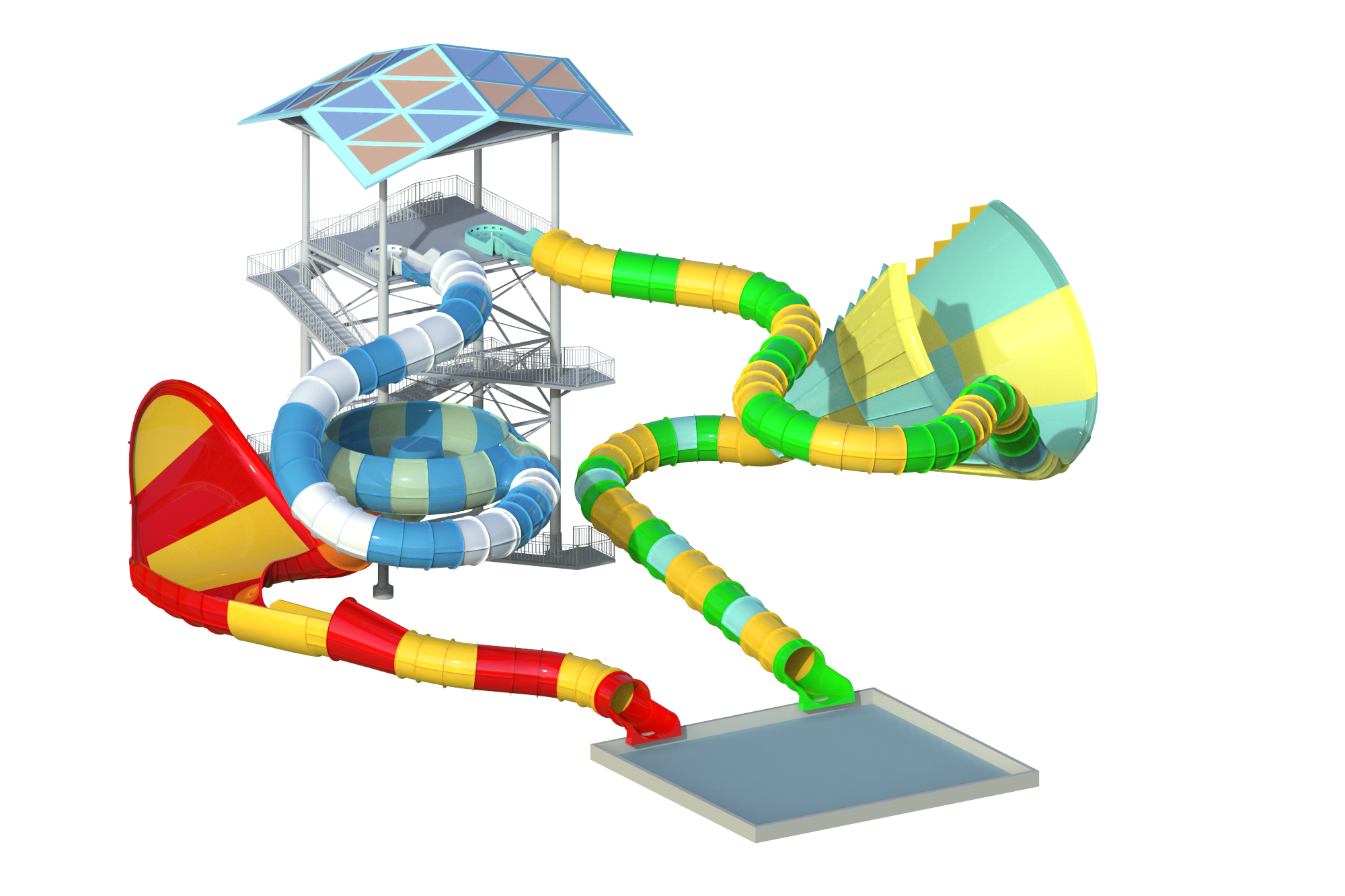
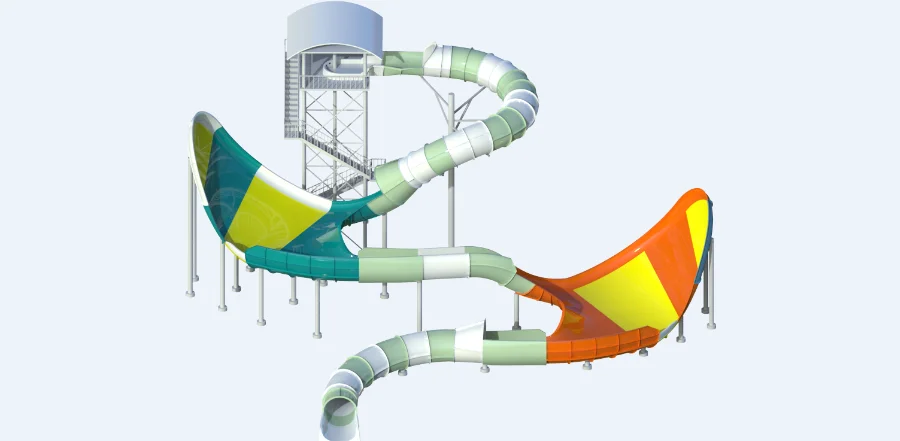
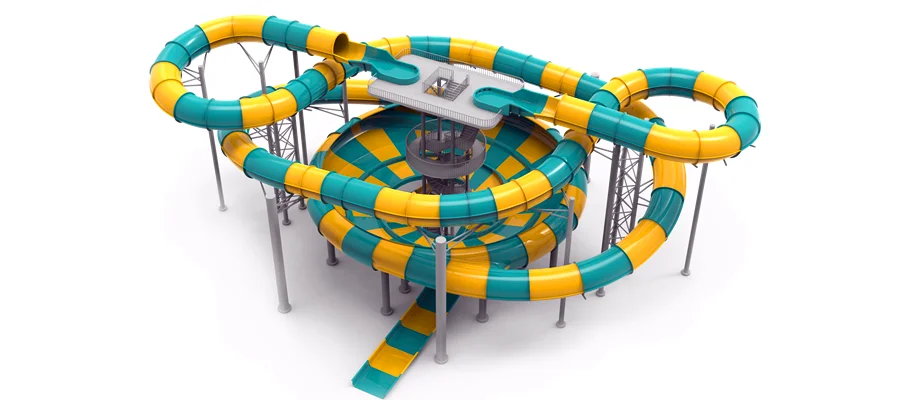
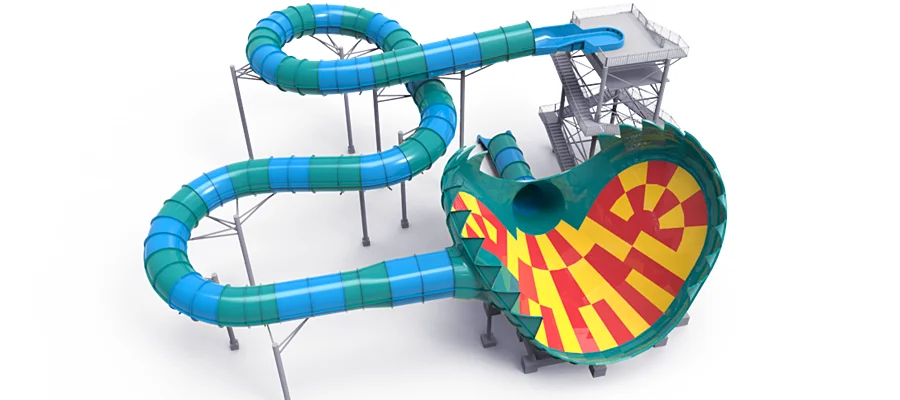
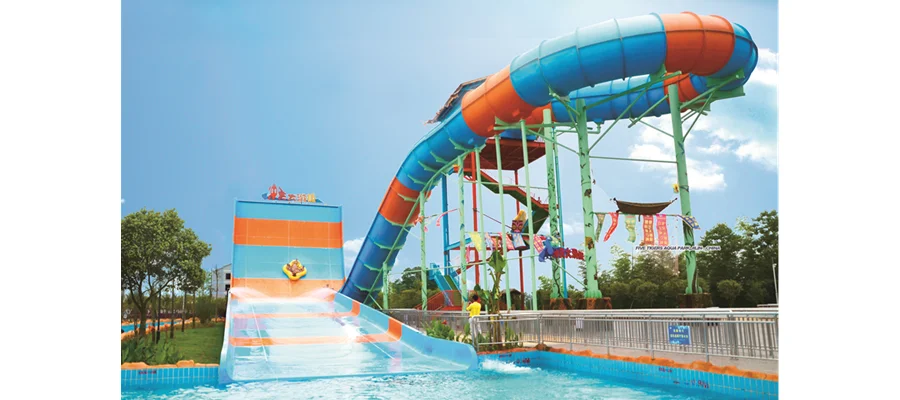
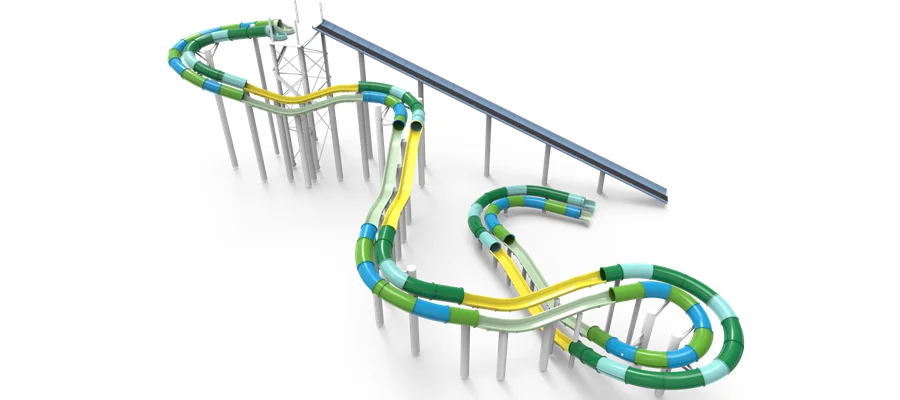
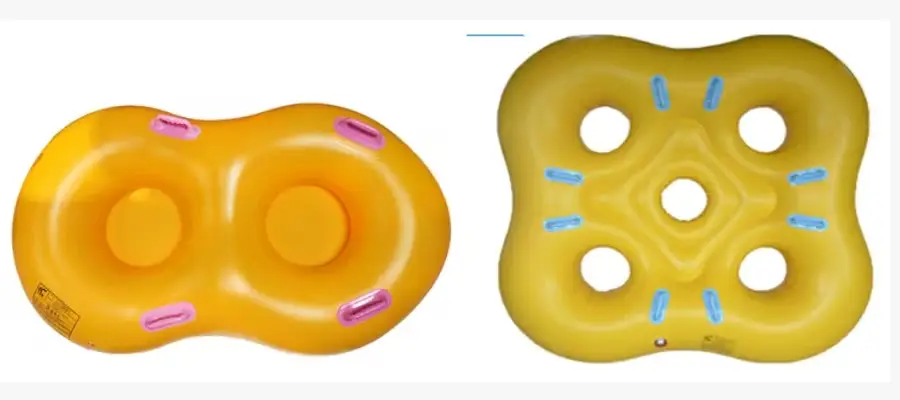
Operating as an established water slide manufacturer, we continuously deploy multi-lane racing complexes and multi-passenger hydrodynamic coasters that dispatch up to eight riders simultaneously. This synchronized, high-volume release valve serves as an effective throughput solution, helping keep visitors engaged rather than standing idle in sun-baked corridors.
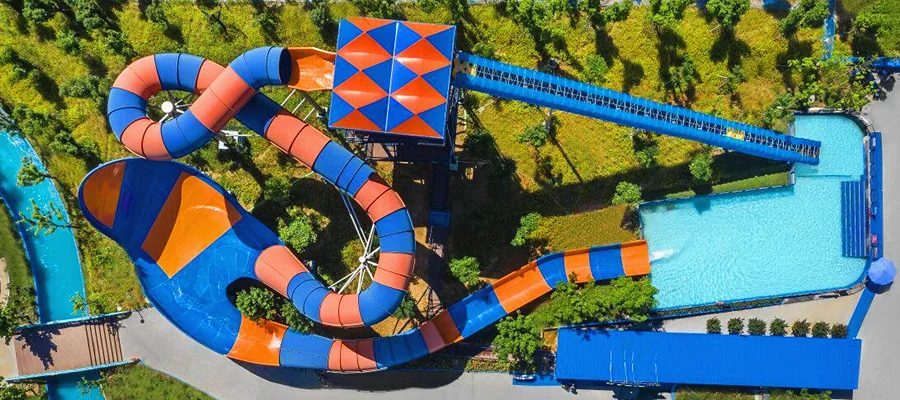
We purposefully map the sprawling exit splash pools of these high-capacity anchors directly adjacent to premium shaded cabanas, specialized retail kiosks, and tropical food and beverage outlets. As engaged guests naturally circulate past these revenue centers after a high-speed descent, the overarching secondary spending metrics of the facility can increase.
Commitment to Operational Longevity
The operational realities of 2026 dictate that the relationship between an engineering entity and a resort developer must endure long after the initial ribbon-cutting ceremony. Capital protection requires an ongoing commitment to rapid remote diagnostics, structural audits, and seamless hardware replacement. We establish comprehensive after-sales support networks to prevent minor mechanical issues from escalating into costly park closures.
We supply rigorous operational training parameters and preventative maintenance archives, ensuring facility attendants master the precise dispatch intervals necessary to maintain high safety standards. This proactive technical supervision helps ensure the steel framework of the facility remains rigid and mechanically sound long before water begins circulating through the heavy pumping systems.
By selecting Dalang as the central engineering partner from day one, international investors leverage our decades of experience navigating the profound complexities of high-capacity revenue generation. We view every new master-planned destination as a long-term commitment to the continuous financial evolution of the global aquatic entertainment industry, supporting long-term operational reliability and profitability goals.