Key Takeaways
- Commercial custom water slides rely on fiberglass (FRP) for superior structural durability, UV resistance, and smooth, seamless joints.
- Slide footprint planning demands a 2x spatial buffer and deep water landing zones (1.2m to 1.5m) to safely manage high-velocity rider exits.
- Utilizing vertical spiral configurations maximizes site traffic flow while significantly minimizing the required deck footprint.
- European safety compliance mandates specific hardware, including restrictive entry hoods, galvanized support towers, and engineered deceleration chutes.
To design a successful tube slide, park developers must prioritize material selection, precise footprint calculations, structural component safety, and hydraulic integration. High-traffic commercial environments demand commercial-grade fiberglass, rigorous spatial planning for run-out zones, and specialized parts to meet European safety standards like DIN EN 1069.
Which material is best for high-traffic custom water slides?
The optimal material for high-traffic commercial water slides is Fiberglass Reinforced Plastic (FRP) due to its high tensile strength and frictionless finish. While polyethylene and stainless steel have niche applications, FRP remains the strict industry benchmark for large-scale parks.
| Material Spec | Tensile Strength (MPa) | UV Resistance Rating | Primary Application | Seam Integrity |
|---|---|---|---|---|
| FRP (Fiberglass) | 2,000 – 3,500 | Excellent (Gel-Coated) | High-Traffic Parks | Seamless / Low Friction |
| HDPE (Plastic) | 7.6 – 43 | Moderate (Degrades) | Playgrounds | Prone to Seam-Drag |
| Stainless Steel | 579 (Grade 316) – 621 (Grade 304) | Supreme | Urban / Architectural | Welded / High Friction |
Fiberglass (FRP)
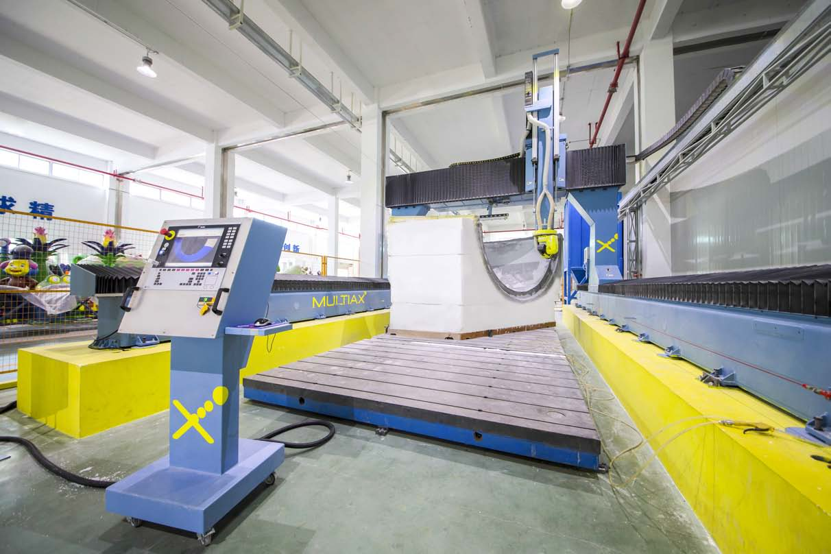
This material is the best solution for high-throughput resort environments. Utilizing Light Resin Transfer Molding (L-RTM) and 5-axis CNC machining, FRP delivers double-sided smooth surfaces with seamless joints.
This manufacturing precision drastically reduces rider friction and consistently withstands harsh, highly chlorinated pool chemicals over decades of use.
Polyethylene (HDPE)
This molded plastic is frequently used for a tube slide playground in residential or light-commercial zones. However, it is highly prone to “seam-drag” in heavy water applications. It simply lacks the structural longevity and load-bearing capacity of commercial fiberglass.
Stainless Steel
This represents the premium choice for architectural custom water slides integrated into high-end urban spaces or cruise ships. It requires meticulous shading design and advanced water flow management to prevent dangerous heat retention in direct sunlight.
How to Calculate the Space and Footprint for A Custom Tube Slide?
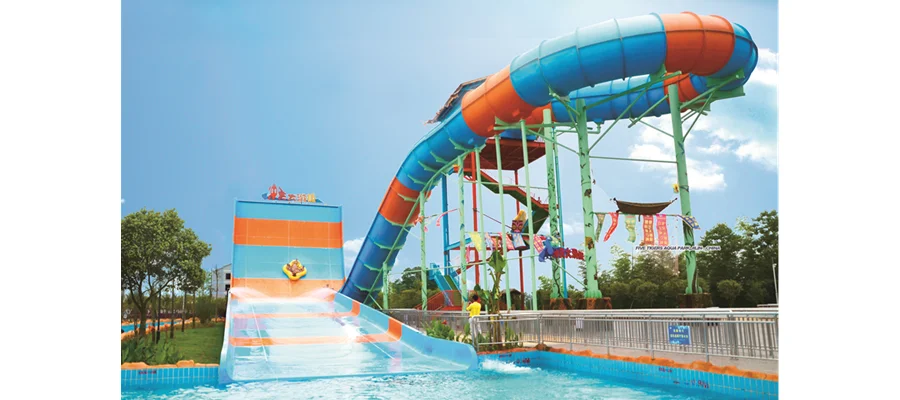
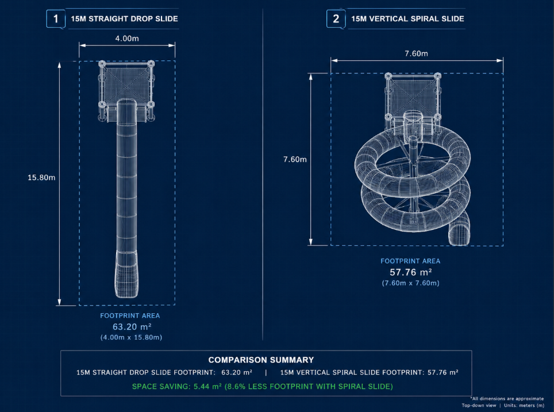
Calculating the exact footprint requires applying the “2x Rule”* for safety buffers and factoring in exit velocity to determine the run-out zone. Choosing a spiral tube slide over a straight drop geometry significantly condenses the required deck space and improves site logistics.
- Slide Path Length (L): L = H / sin(θ)
- Horizontal Ground Distance (D): D = H / tan(θ)
*H = Platform Height; θ = Angle of Inclination
- “2x Rule”: L = 2H
*Assume that the θ equals 30°, where the length is exactly twice the height.
What are the practical space requirements for different slide types?
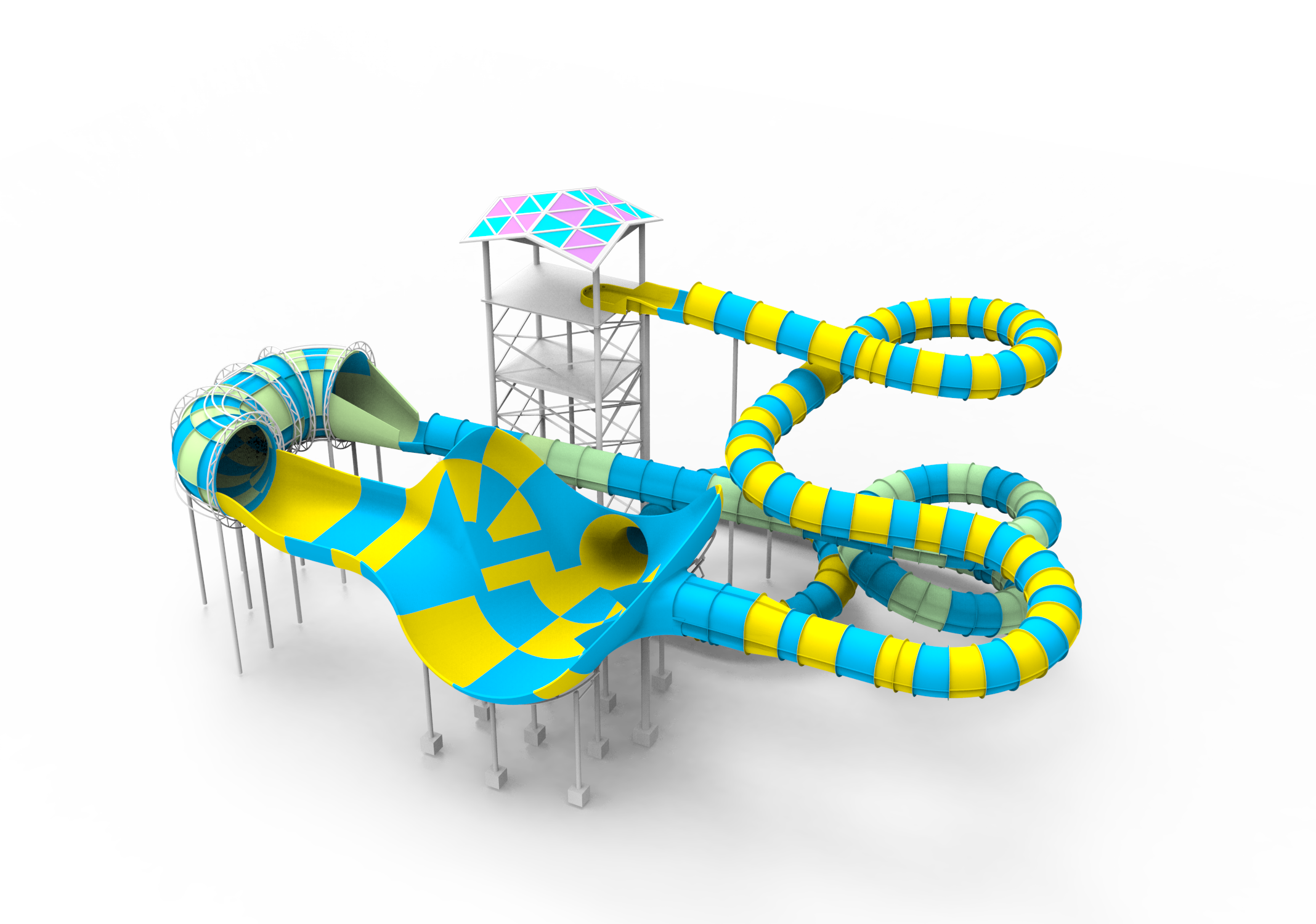
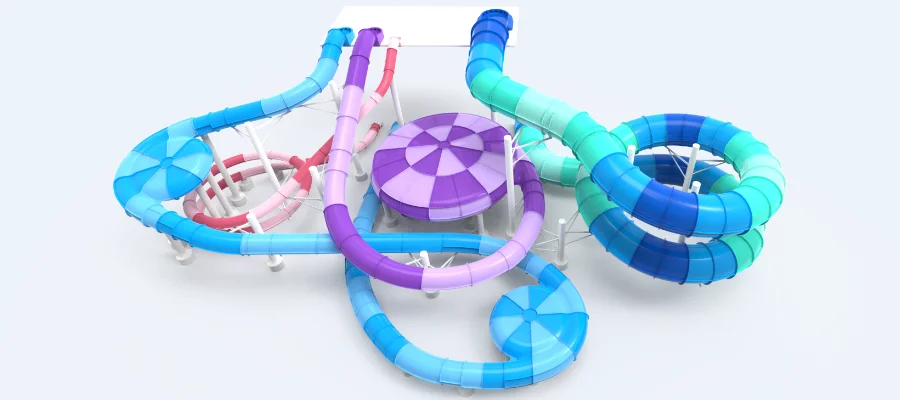
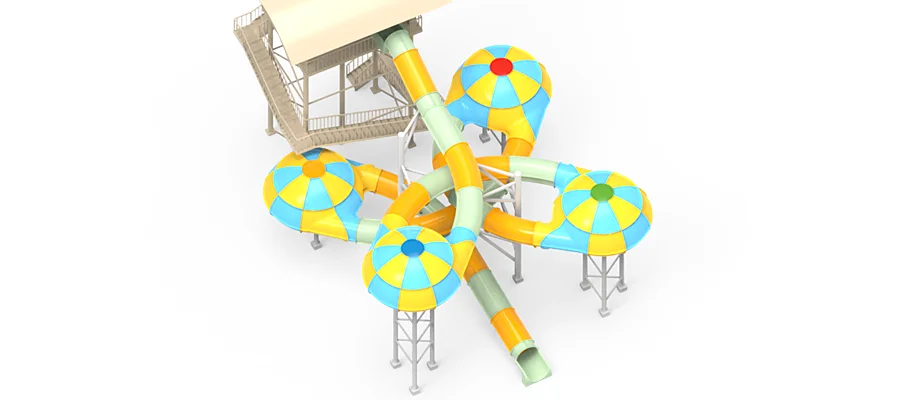
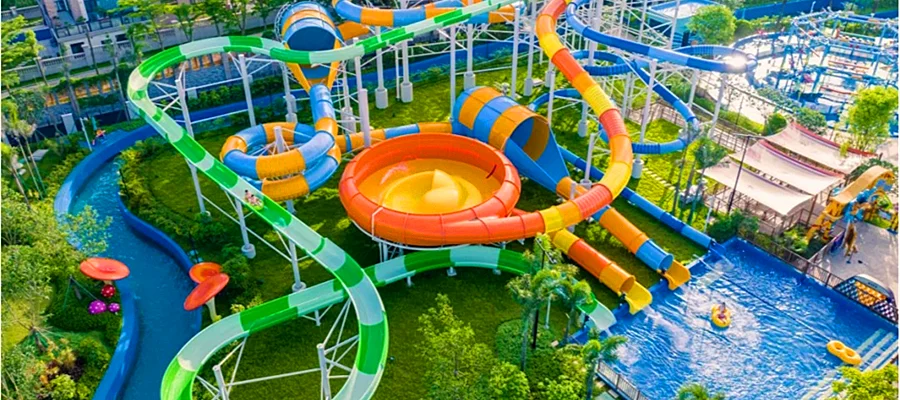
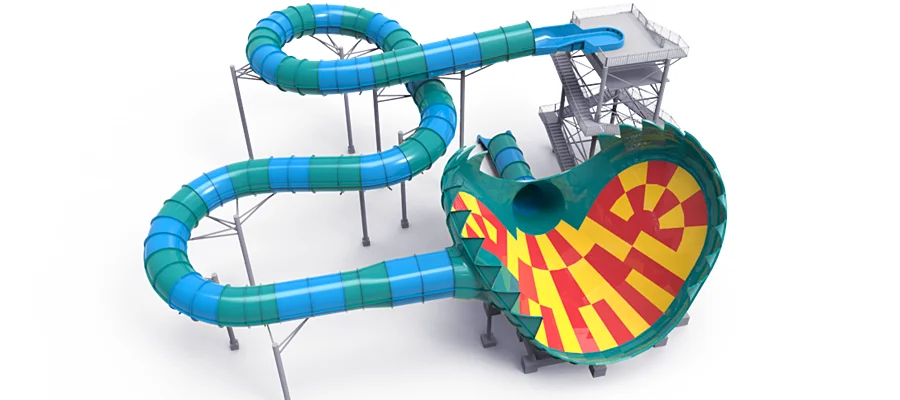
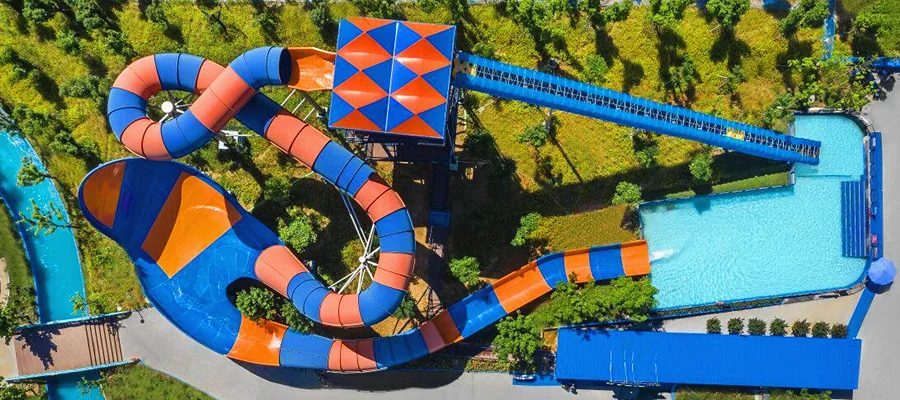
Different configurations have vastly different spatial impacts. While a straight drop is long and narrow, a spiral tube slide compresses the linear length into a vertical cylinder, saving ground space but increasing structural complexity.
| Slide Type | Average Angle (θ) | Ground Space (D) | Best Use Case |
|---|---|---|---|
| Family Tube Slide | 20°-25° | 2.2H – 2.8H | Resorts, Toddler areas |
| Standard Comm. Slide | 30°-35° | 1.5H-1.8H | General water parks |
| High-Speed Drop | 45°-60° | 0.6H-1.0H | Thrill seekers (Requires long exit) |
| Spiral / Helix | Variable | 1.2 × Diameter | Tight spaces, Indoor parks |
Hydraulic deceleration zone should be taken into account. A deep entry point, typically ranging from 1.2m to 1.5m, is critical to ensure a safe rider exit without impacting the pool floor.
A spiral configuration positively alters your site’s traffic flow. By keeping the kinetic energy contained within vertical loops, you save massive amounts of ground space compared to straight “veer” designs, which keeps primary park walkways entirely clear.
Deck footprint calculator (estimated)
Slide Footprint Estimator
Calculate deck space requirements for commercial water park installations (DIN EN 1069 compliant).
Applies the “2x Rule” for safety buffers.
Determines required queuing deck space.
Estimated Deck Footprint
0 m²
0 m²
0 m²
Total Recommended Area
m²
Estimates based on standard Dalang OEM manufacturing specifications and general EU safety clearances. Actual footprint requires formal site engineering.
What Are the Essential Tube Slide Parts for a Safe Installation?
A secure and compliant installation relies heavily on four core tube slide parts: entry hoods, flume sections, support saddles, and exit chutes. Each specific component plays an undeniable role in enforcing rider safety and maintaining structural integrity under heavy loads.
Entry Hoods
These components cover the exact starting point of the slide. They physically force riders into a seated, standardized posture before descent, effectively preventing hazardous head-first riding.
Flume Sections
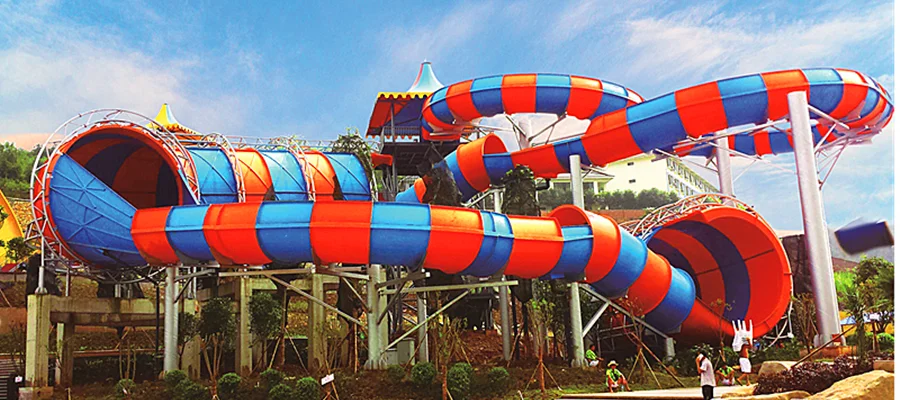
These are the modular fiberglass track pieces that form the ride path. They are manufactured in straight configurations or highly specific elbows (30°, 45°, 90°) to expertly control velocity and lateral G-forces.
Support Saddles & Towers
These robust elements act as the rigid “bones” of the structure. Galvanized steel towers provide the necessary load-bearing capacity to firmly meet TÜV and CE certification requirements.
Exit Chutes
These are mathematically engineered for safe, gradual deceleration. They transition the rider smoothly from the high-speed enclosed flume directly into the water or a designated dry run-out lane.
What Are the Other Critical Design Considerations for Tube Slides?
Beyond the physical fiberglass structure, designers must address internal flume ventilation, static electricity dissipation, and the correct safety zone surfacing. Properly engineering these secondary factors prevents rider discomfort and severe blunt-force injuries.
Ventilation
Fully enclosed dry slides require engineered portholes or the integration of translucent fiberglass sections. This structural addition prevents dangerous heat buildup and mitigates claustrophobia, which is especially critical in warmer European summer climates.
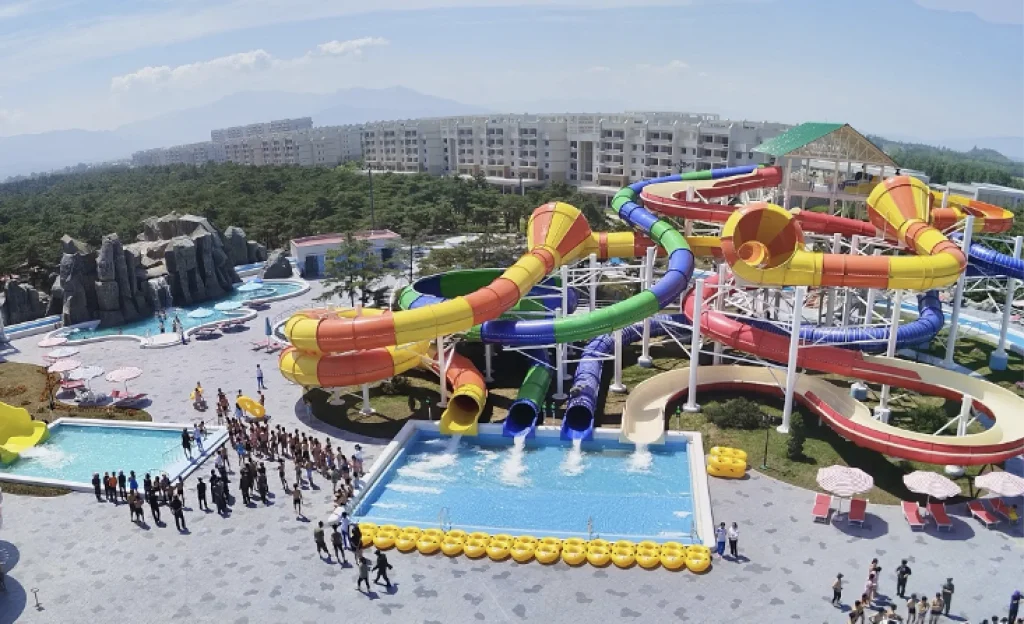
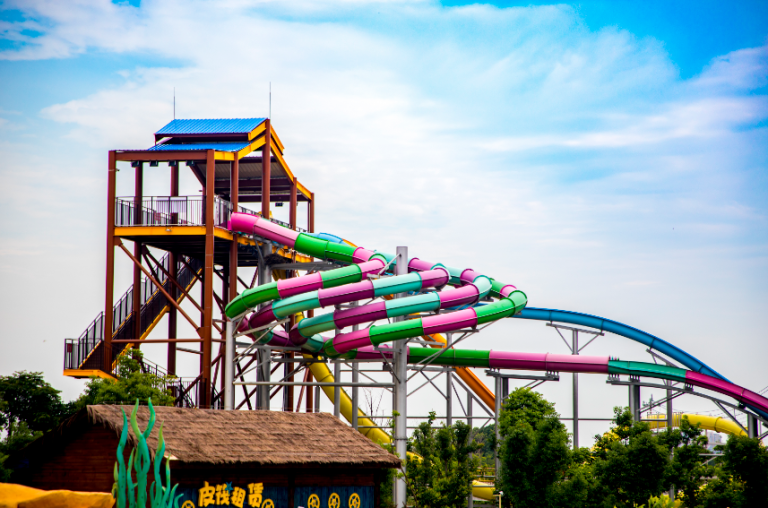
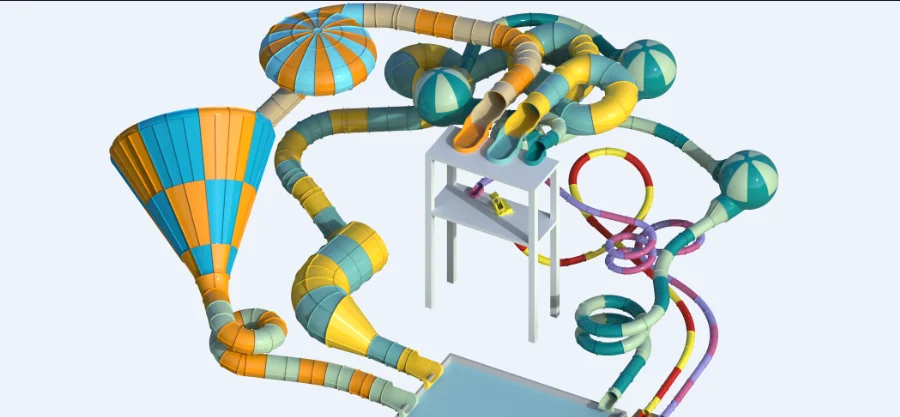
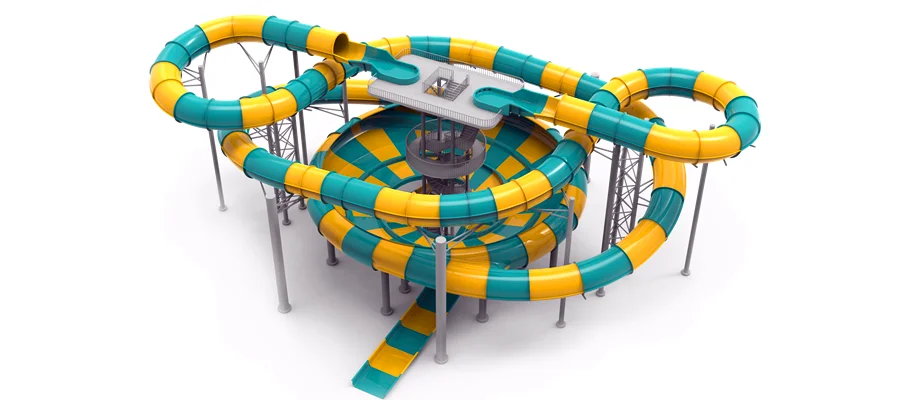
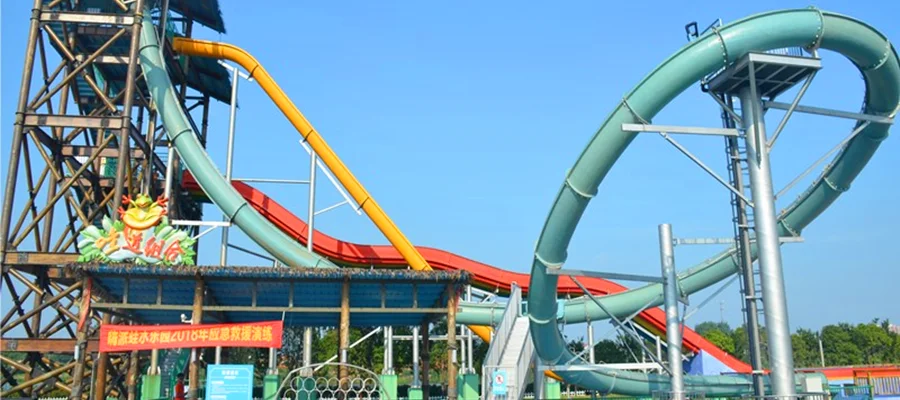
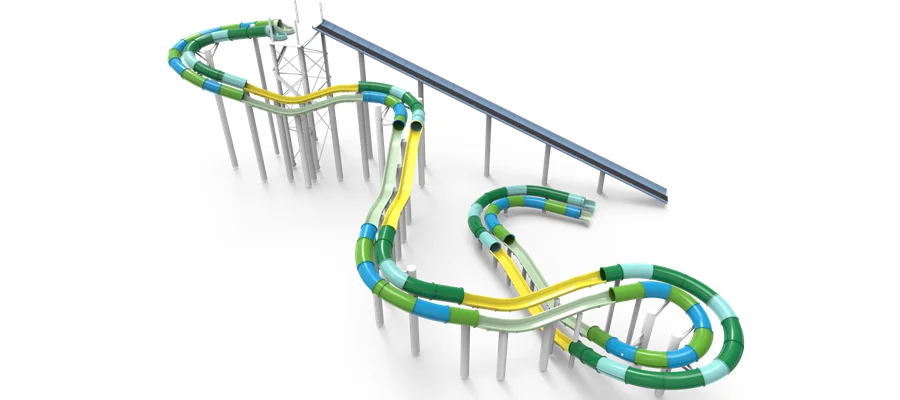
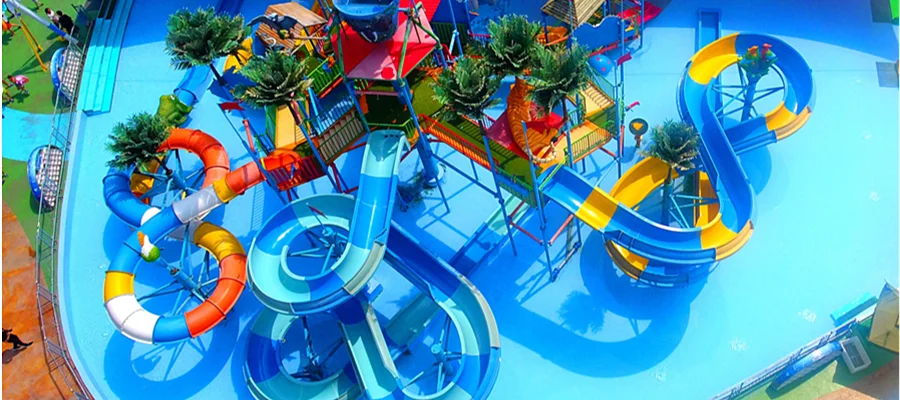
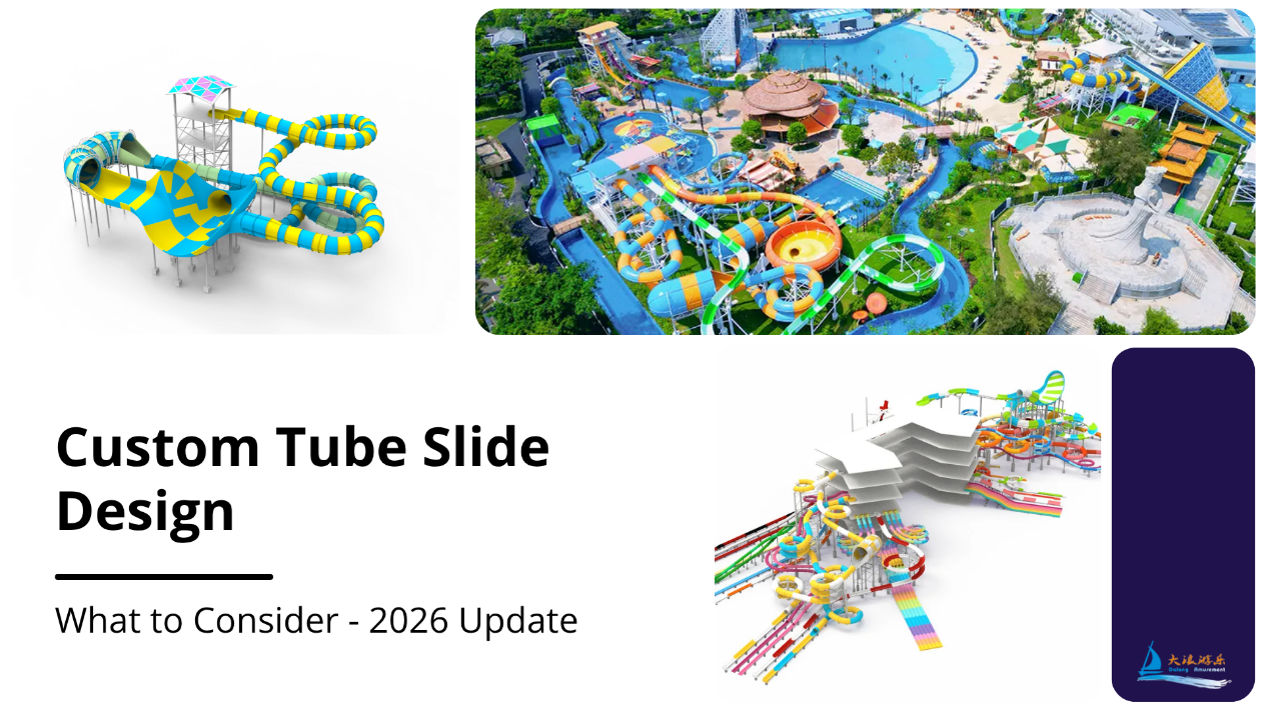
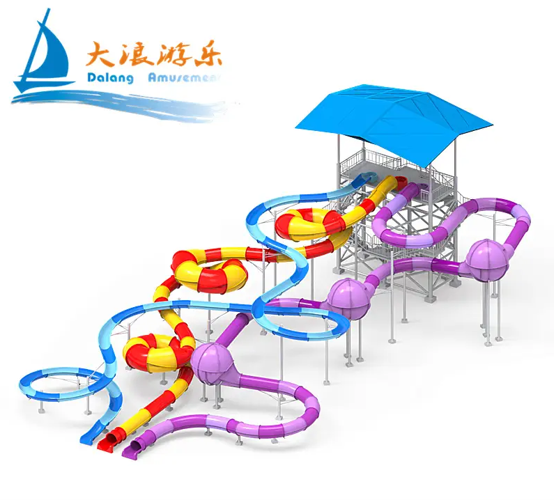
Dalang Spiral slide group of height 12m/15m
Static Dissipation
This is absolutely essential for dry plastic or fiberglass applications to prevent static electrical “shocks.” Specialized anti-static coatings or physical grounding elements keep the rider experience comfortable and safe.
Safety Zone Surfacing
The terminal landing area dictates the injury rate of the attraction. For wet applications, this means strict adherence to pool depth standards governed by DIN EN 1069. For dry applications, certified rubber “soft fall” mats of a specific density must be installed to absorb human impact.
FAQ for Custom Slide Projects
Q: What is the optimal diameter for a commercial tube?
A: The required diameter ranges from 760mm for dedicated children’s sections up to 1400mm for adult raft rides or high-velocity enclosed flumes. The exact dimension depends entirely on the projected rider type and throughput goals.
Q: How long is the typical production lead time?
A: When utilizing modern manufacturing techniques, expect a standard lead time of 4–8 weeks. This allows for custom L-RTM mold fabrication, curing, and precision 5-axis CNC cutting.
Q: Can we integrate LED lighting or sound?
A: Yes, these elements are highly compatible. Lighting and sensory hardware can be adopted, especially within translucent fiberglass sections, creating a dynamic visual experience without compromising structural integrity.
Conclusion
To construct a world-class water attraction requires objective expertise in material science, spatial geometry, and European safety compliance. If you are looking for reliable amusement park facility solution provider, contact Dalang today.
Reference
- Wikipedia: Fiberglass
- Matweb: Overview of materials for High Density Polyethylene (HDPE), Injection Molded
- Ulbrich: Grade 304 Vs. 316 Stainless Steel: What’s the Difference?
- DIN EN 1176-1 – European Standards
- TÜV SÜD: Amusement ride inspection and certification