Continuous environmental exposure and high-volume hydrodynamic stress inflict severe mechanical fatigue on premium aquatic infrastructure. For facility operators and project investors, deferred maintenance quickly escalates into profound operational downtime, leading to substantial revenue loss and severely compromised rider safety. Addressing these inevitable material failures requires a rigorous, data-driven approach to asset management.
Implementing highly structured, cyclical maintenance protocols—specifically broken down into monthly, quarterly, and annual checklists—serves as the primary defense against premature material degradation. This systematic approach allows technical crews to identify microscopic vulnerabilities before they evolve into catastrophic structural failures. By adhering to precise operational checklists, operators actively mitigate equipment fatigue, stabilize overarching maintenance budgets, and ensure high-capacity attractions deliver reliable, highly profitable performance across the entire operational season.
Industry Background on Asset Lifecycle Management
The global aquatic entertainment sector has evolved into a highly capital-intensive industry, where infrastructure longevity directly dictates the overarching return on investment. Historically, regional parks relied on reactive maintenance models, addressing mechanical wear only after glaring physical damage became apparent. This outdated operational framework typically resulted in extended out-of-service periods and vastly inflated emergency repair budgets.
Today, securing a dominant market position requires a proactive understanding of material fatigue. As facilities scale into internationally recognized destinations, the tolerance for unexpected mechanical downtime effectively drops to zero. Consulting with an established water slide supplier indicates that this shift toward structured lifecycle management is essential for stabilizing seasonal cash flow. By understanding specific degradation rates, developers can transition toward highly predictable, data-driven operational resilience.
Operational Challenges of Seasonal Deterioration
A persistent operational hurdle involves managing relentless environmental stress without disrupting overarching facility flow. Heavy-duty infrastructure faces continuous assault from intense ultraviolet radiation, seasonal temperature fluctuations, and highly chlorinated pool water. This harsh environment rapidly accelerates the chemical breakdown of unprotected polymer chains, frequently manifesting as localized gel coat oxidation and increased sliding friction.
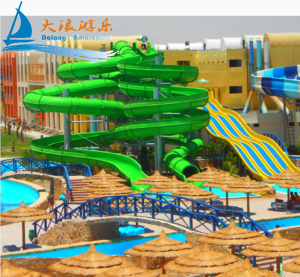
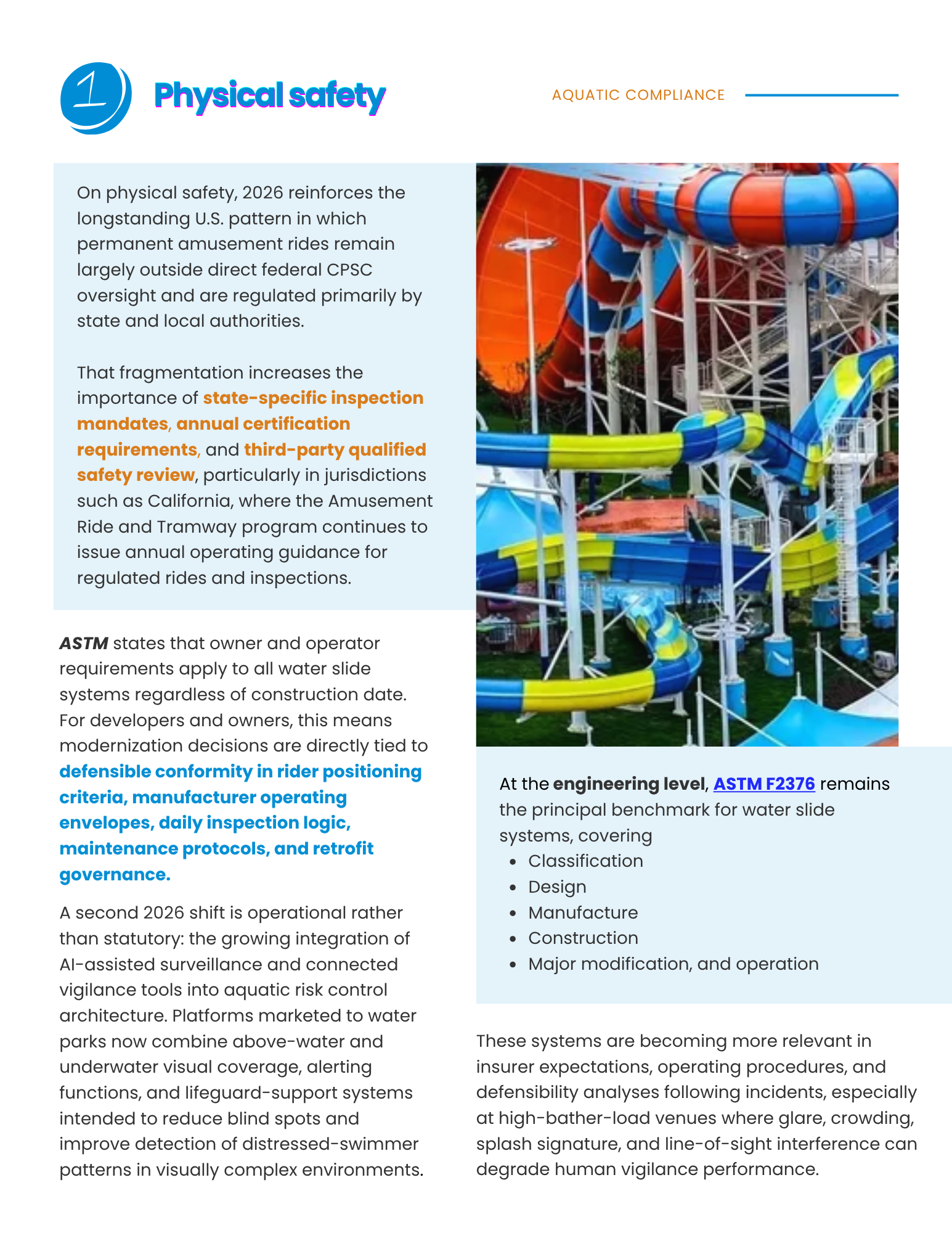
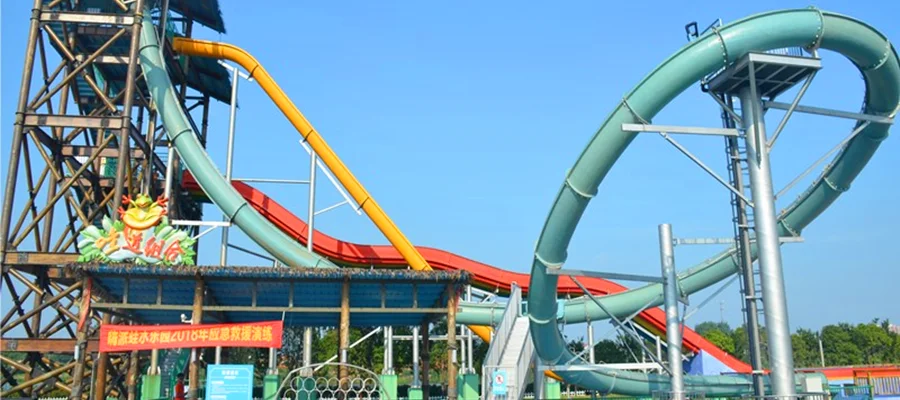
Beyond surface degradation, the constant kinetic energy of heavy rafts hitting sweeping fiberglass curves introduces severe dynamic stress. This repetitive physical impact often generates micro-cracking around specialized flange joints. Experienced water slide builders emphasize that minor aesthetic flaws rapidly evolve into major structural liabilities if excluded from routine evaluations. Operators must navigate the logistical friction of executing surface remediation without triggering localized queue bottlenecks.
Solution Details for Preventative Checklists
Resolving complex material failures demands the execution of highly precise, cyclical remediation protocols. The monthly maintenance checklist focuses primarily on surface integrity and minor mechanical calibrations. Technicians must conduct rigorous visual inspections of all fiberglass flumes, utilizing non-abrasive chemical washes to eliminate calcium deposits. Simultaneously, protocols dictate the verification of all flange joints to ensure specialized sealants remain completely intact, effectively preventing dangerous gapping or water ingress.
The quarterly checklist expands this scope to include rigorous mechanical audits. Every three months, operators should apply high-grade marine waxes to minimize sliding friction. Furthermore, acting as a dedicated water slide designer, we recommend a complete calibration of the automated water delivery systems. Technicians must utilize calibrated torque wrenches to verify that all underwater stainless steel hardware meets original engineering specifications.
Data Results Analysis on Annual Audits
Evaluating the true financial impact of these preventative strategies requires a rigorous analysis of long-term operational data. Facilities adhering to comprehensive monthly and quarterly checklists frequently report distinct improvements in their overarching lifecycle costs. Historical operational data indicates that addressing micro-fractures and localized gel coat oxidation systematically correlates directly with a measurable reduction in mid-season mechanical failures.
The annual checklist serves as the highly intensive data-gathering phase, typically executed during off-season dormancy. As an established water slide manufacturer, we observe that conducting full structural audits of reinforced concrete foundations and steel columns during this period drastically extends the interval between capital overhauls. Tracking these maintenance metrics reveals that facilities consistently pass safety inspections faster and capture significantly more lucrative peak-season ticket sales without interruption.
Advantages of Combination Products in Upkeep
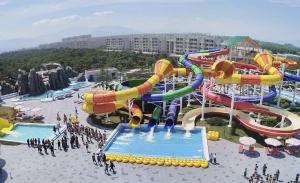
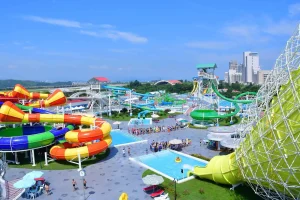
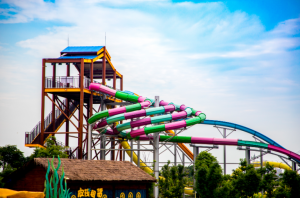
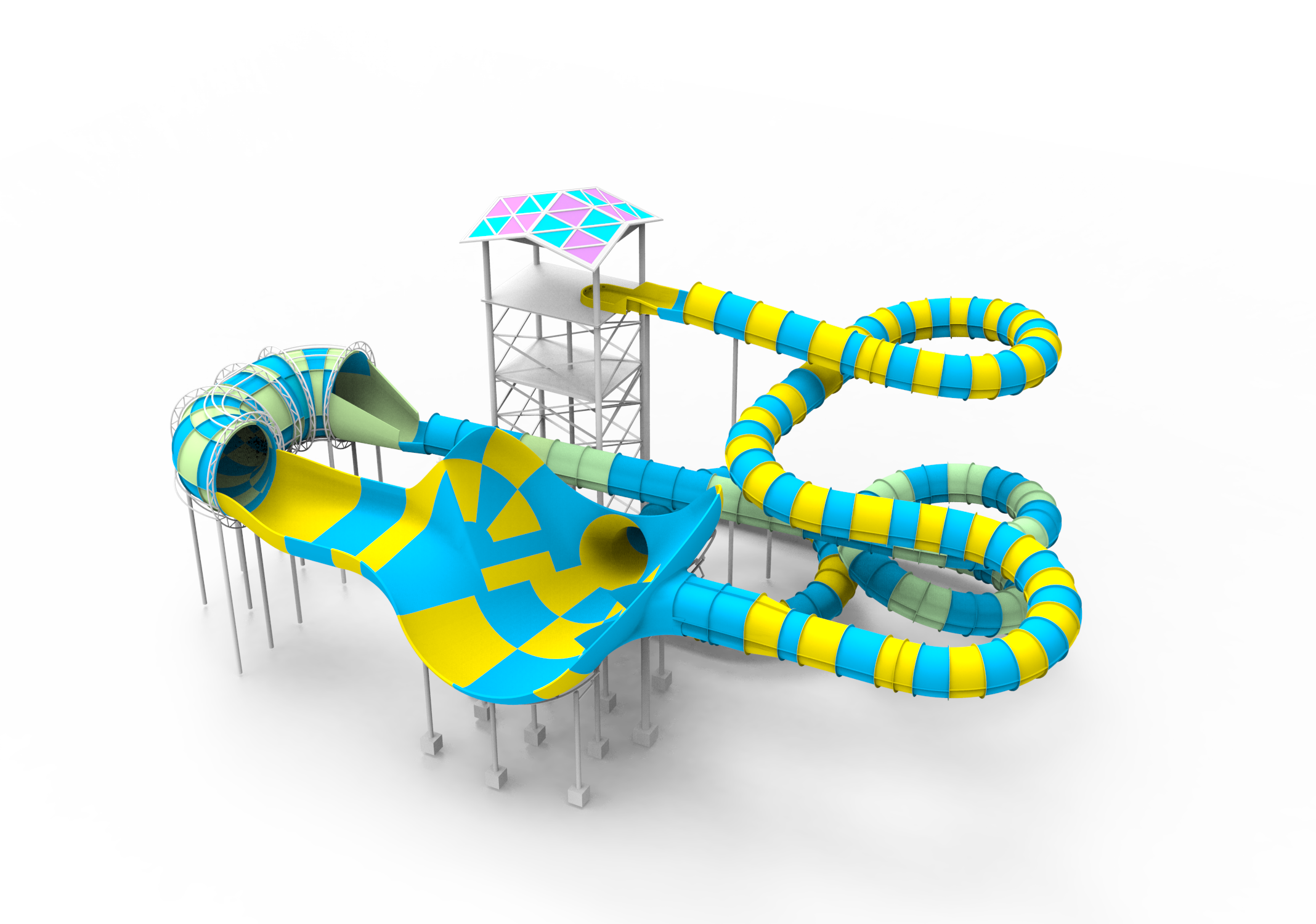
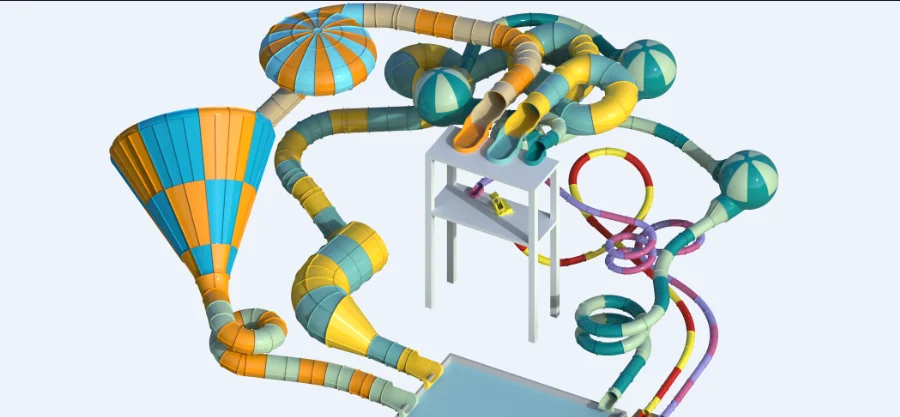
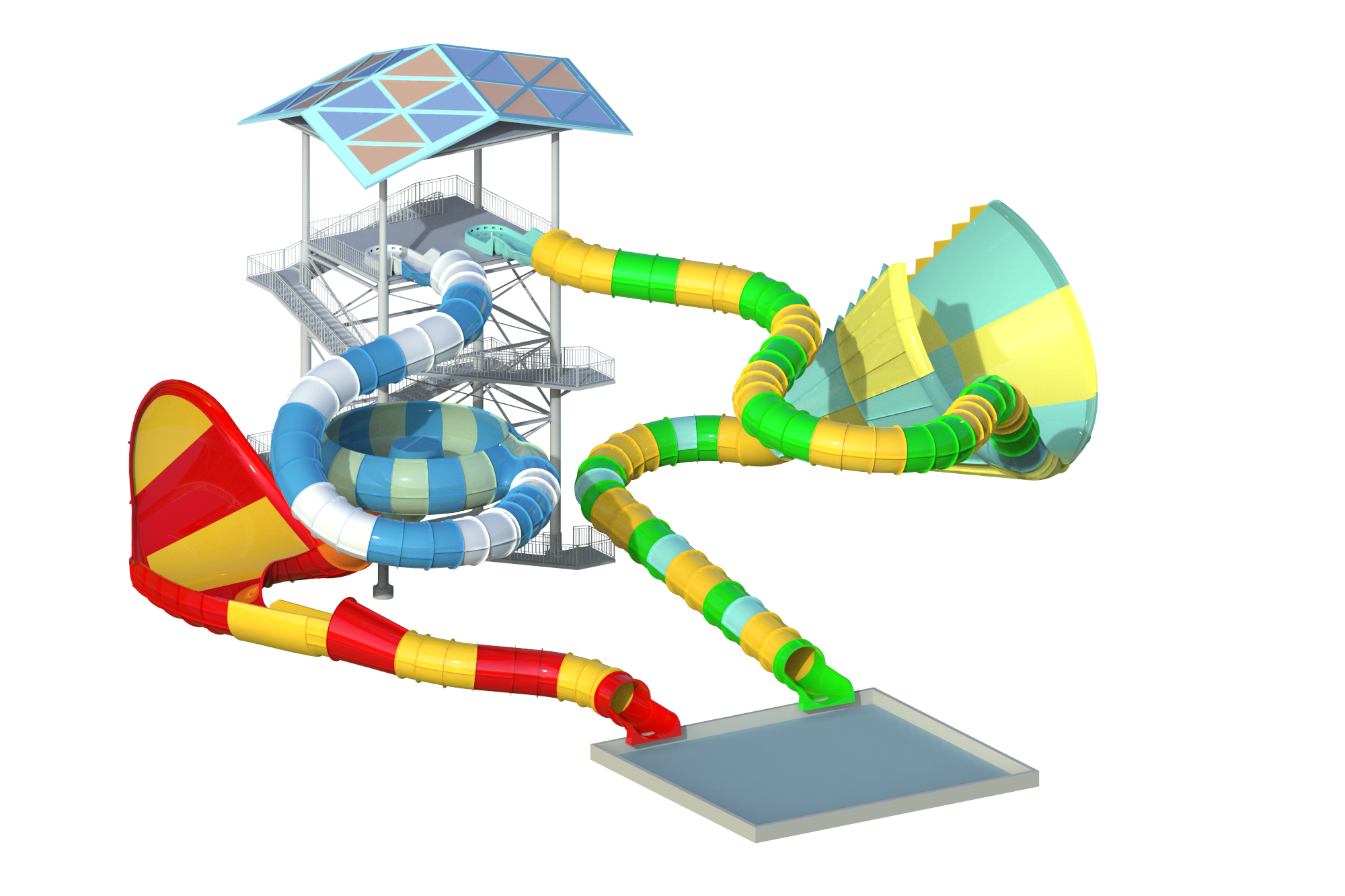
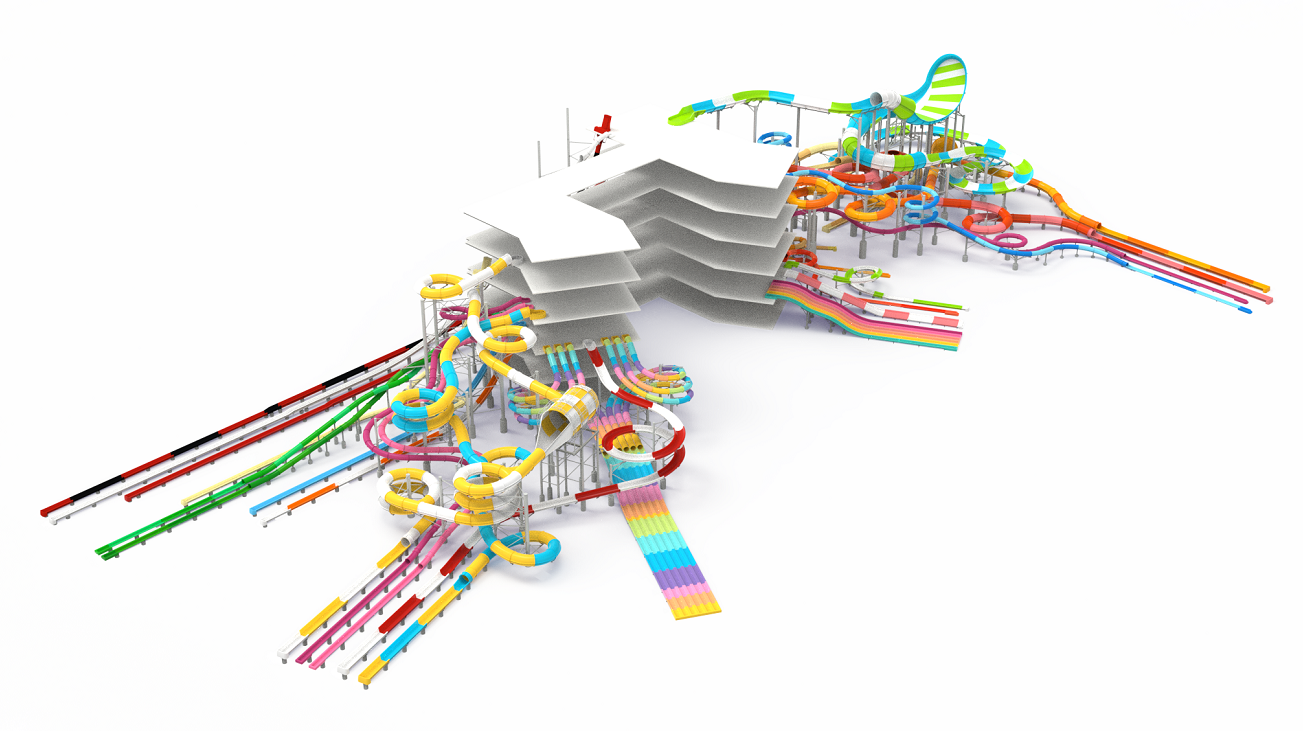
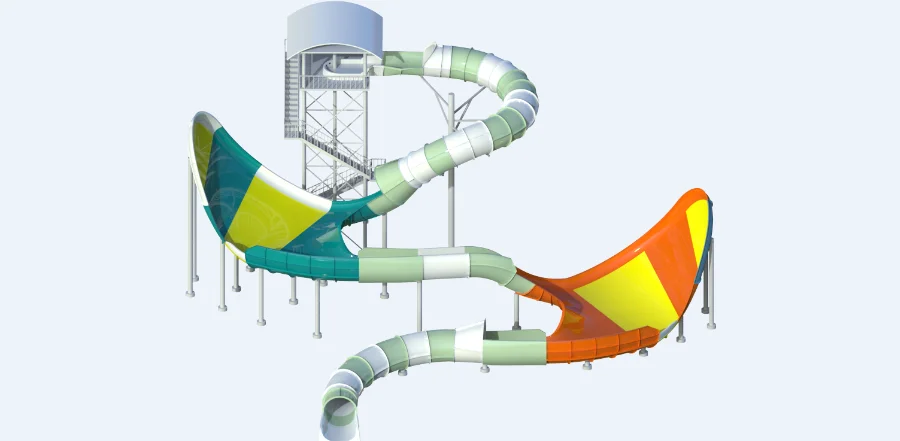
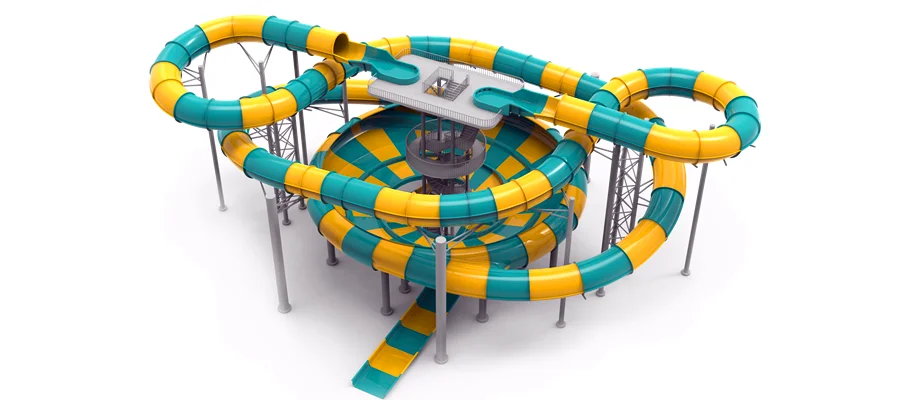
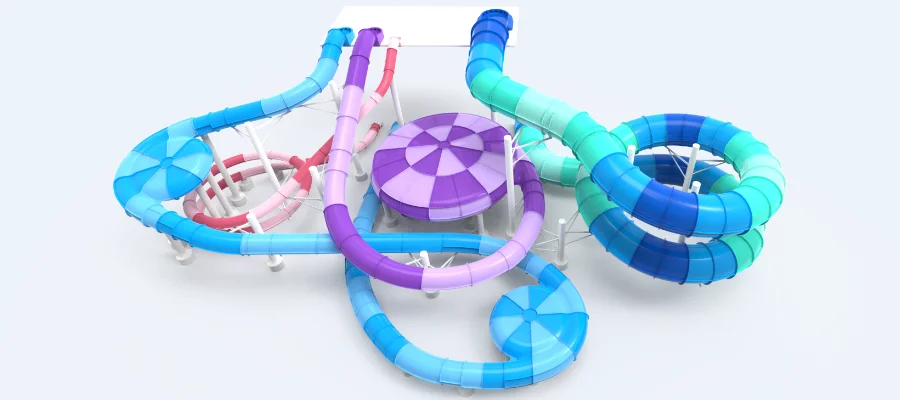
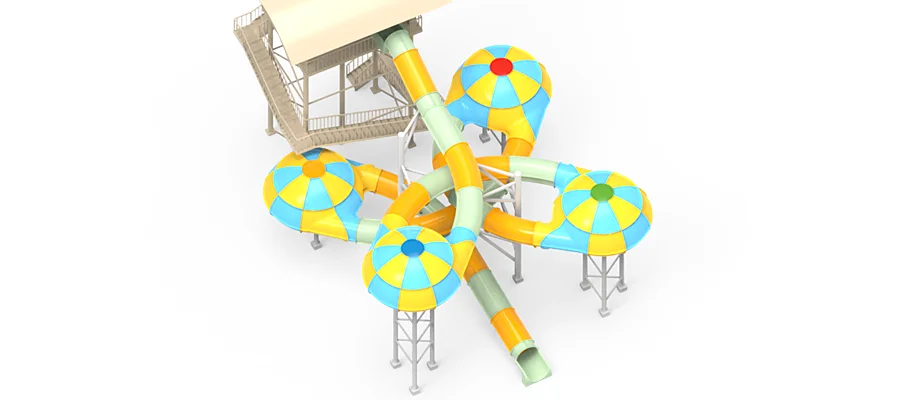
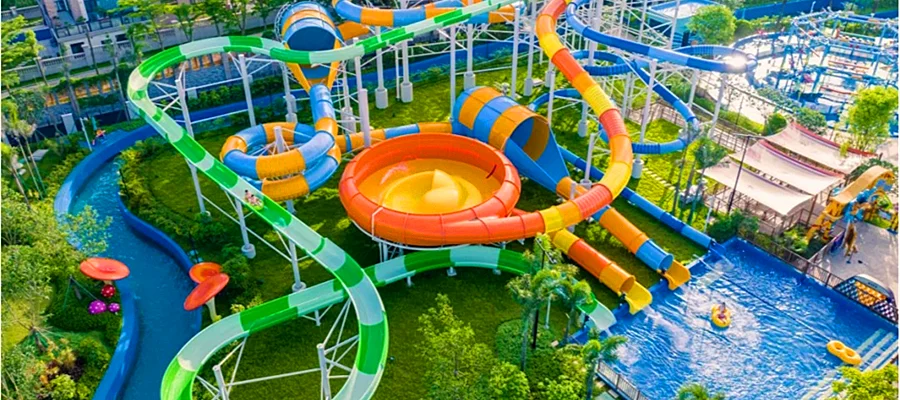
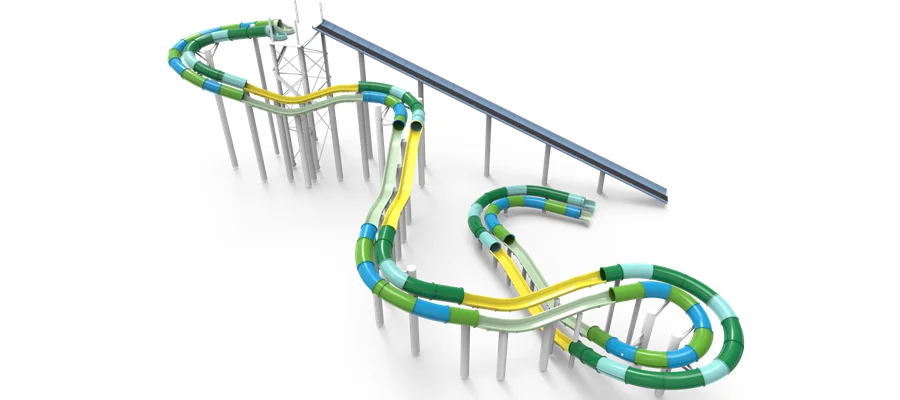
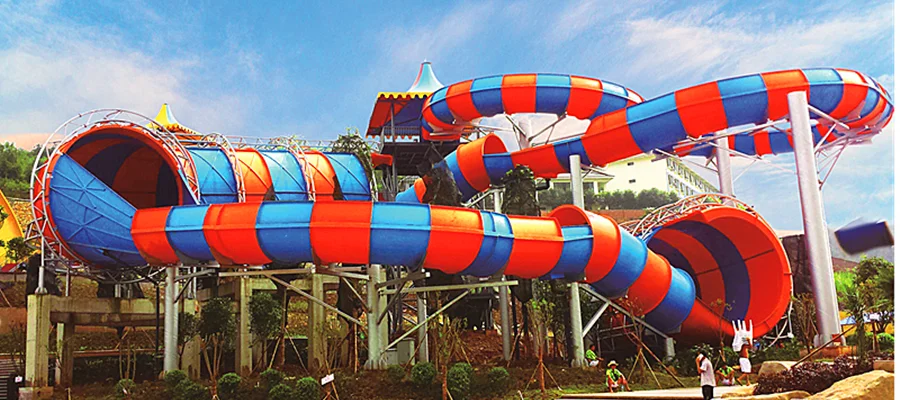
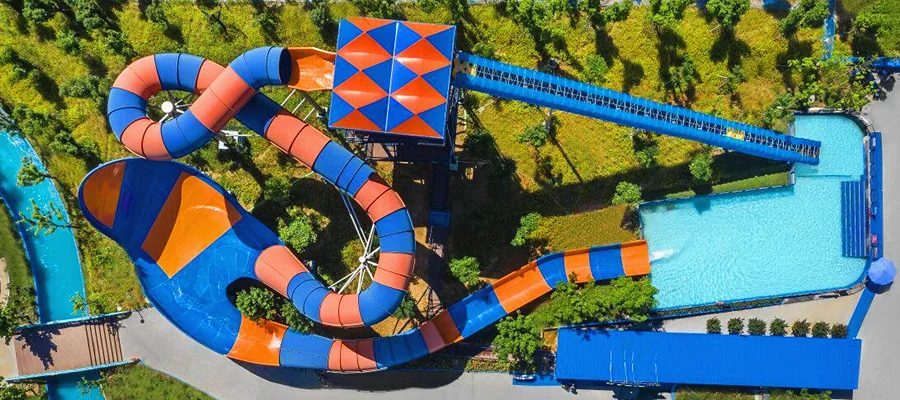
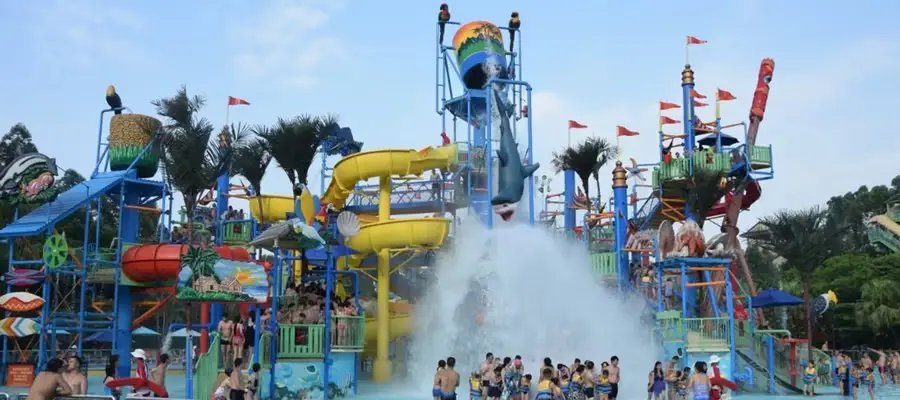
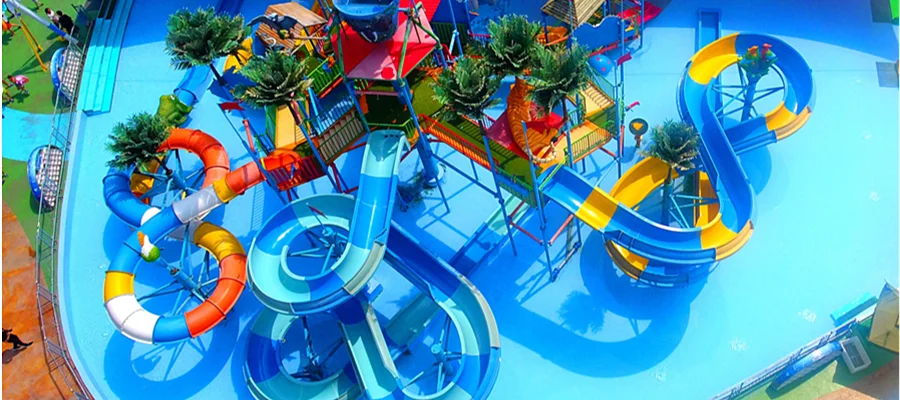
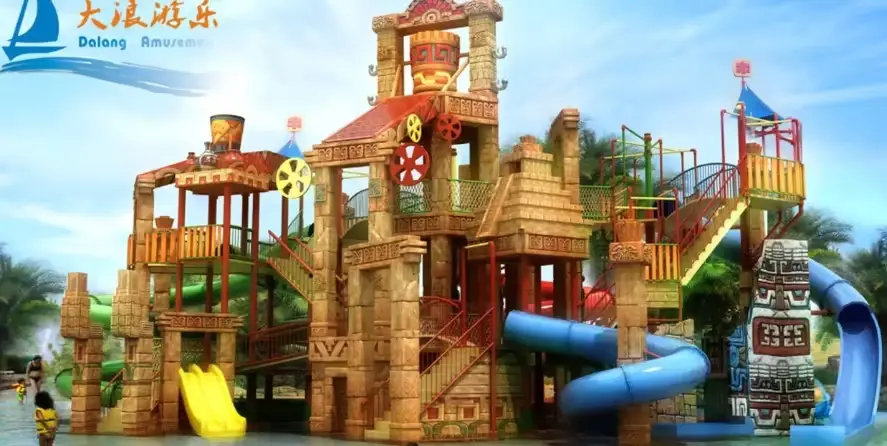
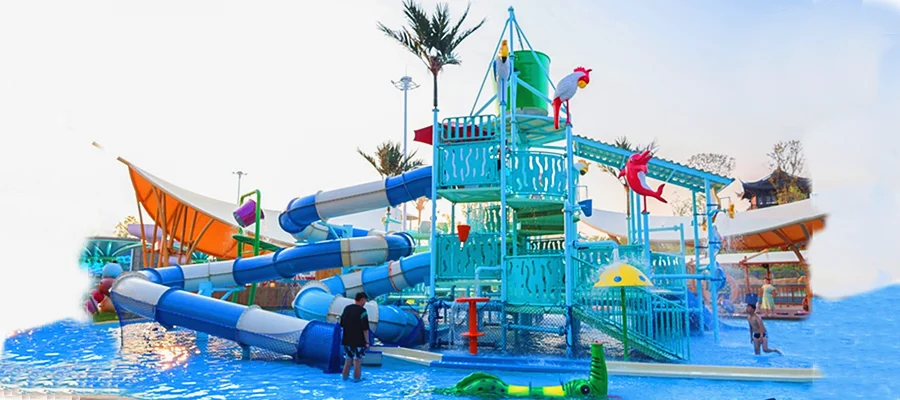
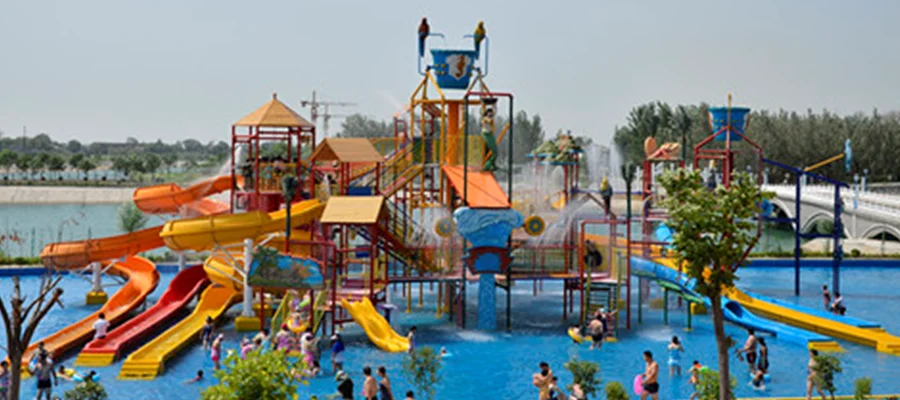
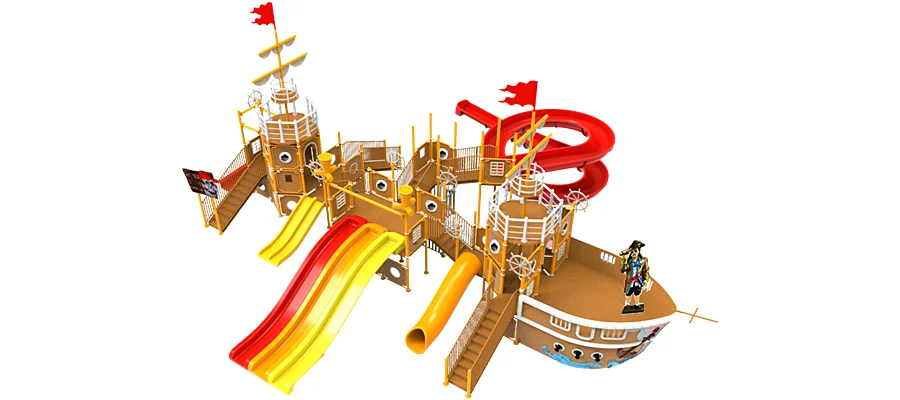
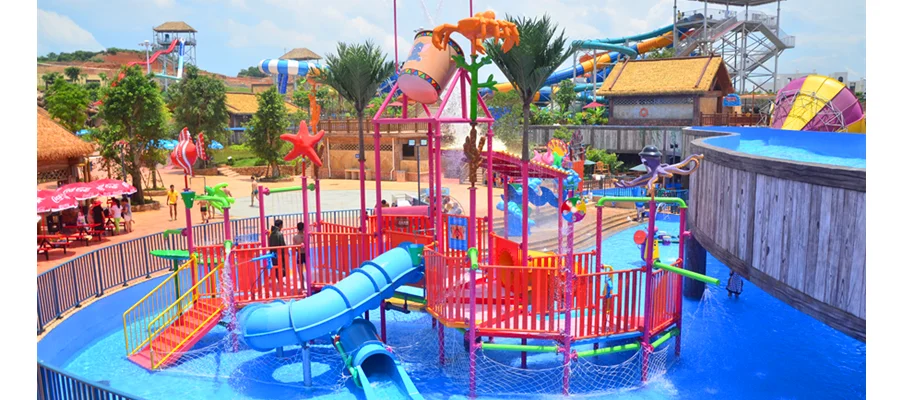
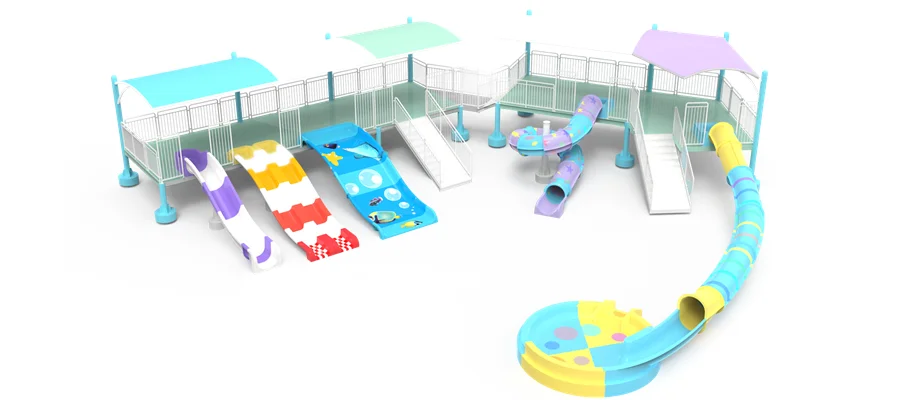
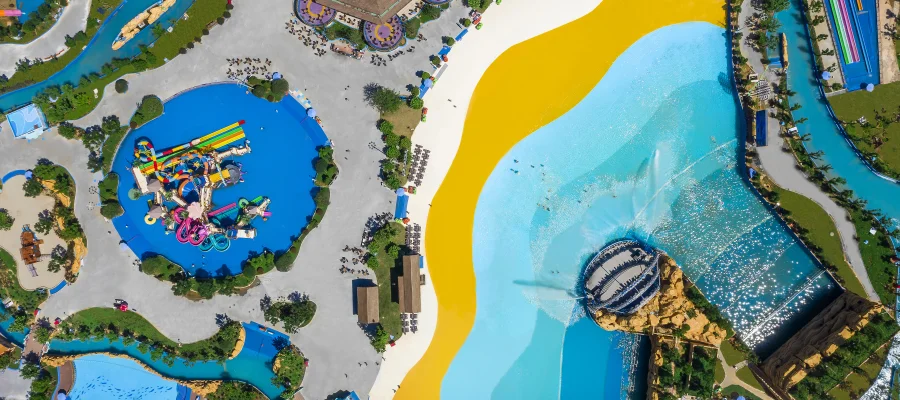
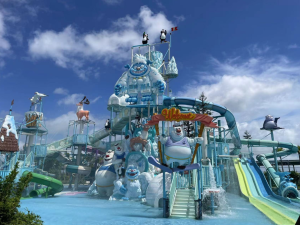
The logistical complexities of executing precise checklists are significantly simplified when developers utilize advanced combination products. Instead of isolating individual flumes across a massive property—which heavily complicates scaffold access—integrating multiple high-thrill elements into a unified structural matrix offers profound operational advantages. Centralized steel columns and shared access platforms allow technical crews to efficiently reach elevated damage zones without erecting temporary support structures.
Furthermore, this customized modular approach acts as a strategic buffer during the actual repair process. By selecting a sophisticated engineering resource like Dalang, operators leverage tightly nested, interconnected frameworks. If a specific flume requires isolation for quarterly hardware replacement, these multi-feature installations can often absorb the displaced bather load. This modularity ensures the broader entertainment zone continues generating uninterrupted revenue while targeted maintenance is actively underway.
Key Takeaways for Capital Allocation
For project investors and resort developers, navigating the complexities of infrastructure maintenance presents clear strategic directives for capital allocation. The primary takeaway is that the initial procurement cost of aquatic equipment must always be weighed against its long-term repairability. Attempting to reduce operational budgets by deferring necessary monthly or quarterly surface remediation inevitably results in unpredictable structural failures that threaten the overarching return on investment.
Investors must increasingly prioritize partnerships with technical firms that engineer their attractions for rapid, modular repair from the initial drafting phase. Utilizing infrastructure that natively supports efficient surface preparation, localized resin curing, and simplified hardware audits serves as a fundamental strategy for economic endurance. By aligning structured preventative maintenance checklists with the physical realities of environmental wear, developers ensure their facilities remain operationally lean and perfectly positioned to sustain profitable daily operations.