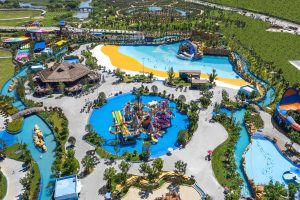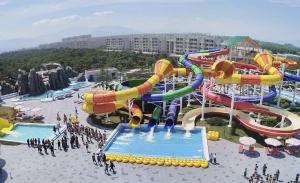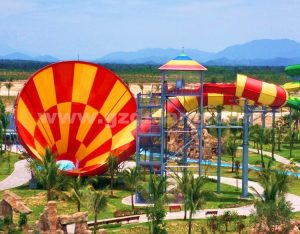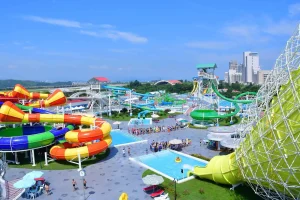
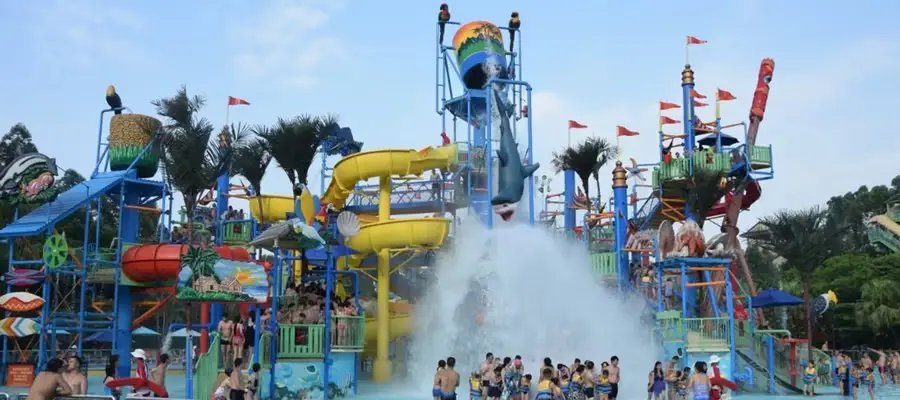
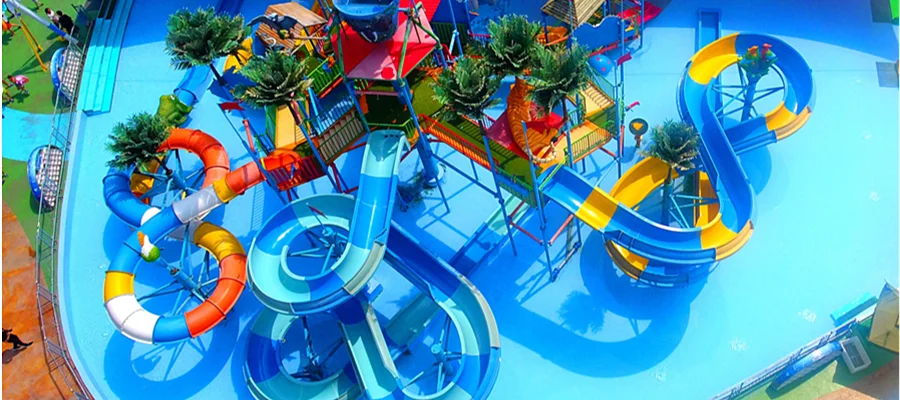
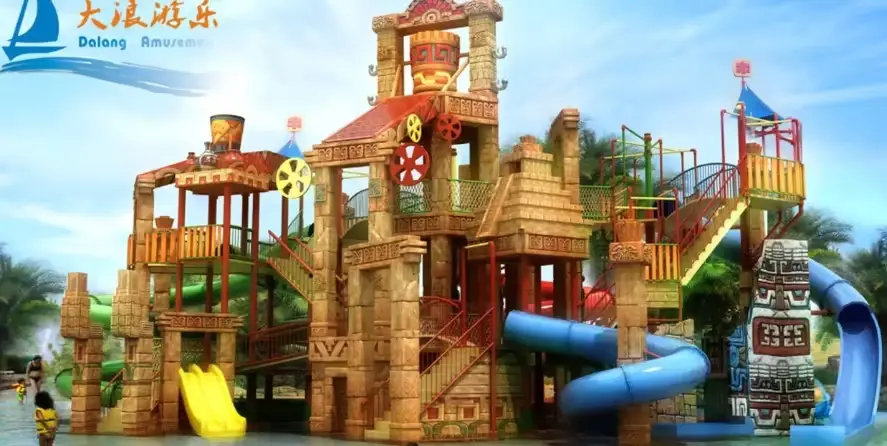
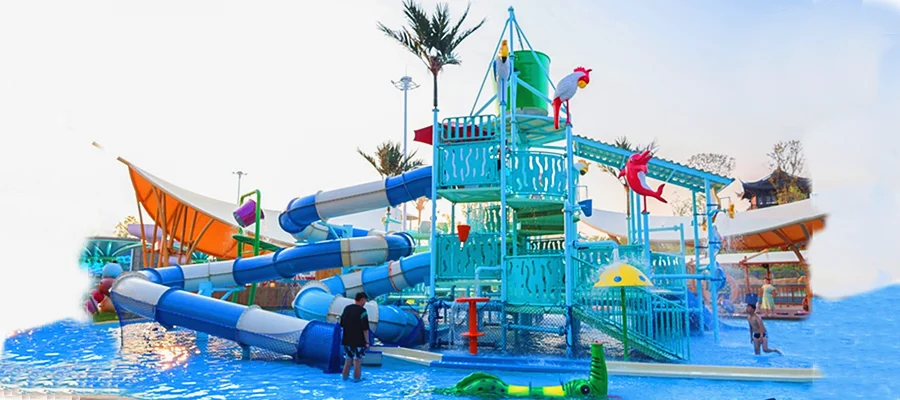
The off-season presents severe financial risks for aquatic facilities. For theme park investors, systematic winterization is a critical necessity to prevent catastrophic freeze-thaw damage and protect capital investments. Failing to properly secure outdoor infrastructure typically leads to burst hydraulic lines, severe fiberglass delamination, and costly delayed openings in the spring. Addressing these harsh environmental realities requires a rigorous approach to off-season storage. By implementing highly strategic winterization protocols—ranging from complete hydraulic purging to advanced surface protection—facility managers can actively mitigate equipment fatigue. This preventative approach guarantees that complex infrastructure remains structurally sound, extending the operational lifespan of the property and supporting a profitable reopening.
Industry Background on Seasonal Operations
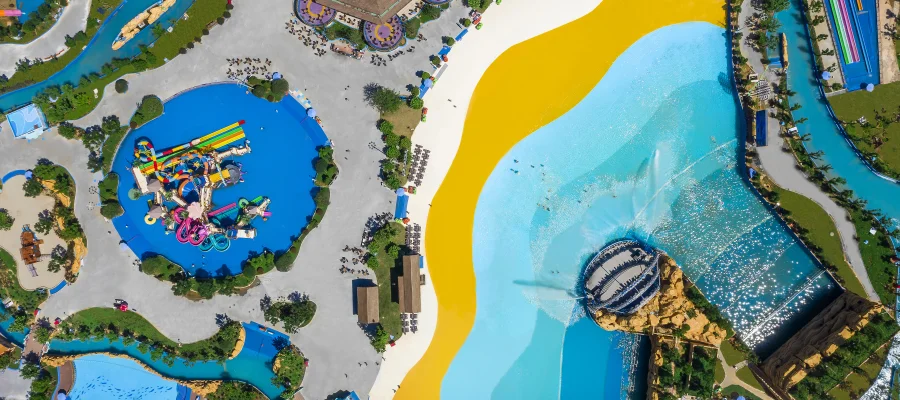
The aquatic entertainment sector has evolved from deploying simple pools into operating massive, interconnected destination properties. Today, regional destinations rely on sophisticated, master-planned environments featuring intricate pneumatic systems and extensive hydraulic networks. This structural evolution directly impacts how facility operators approach off-season dormancy. Transitioning a massive property into a safe hibernation state is a comprehensive engineering requirement. Modern operators must navigate strict protocols to ensure every zone is safely depressurized against freezing temperatures.
As facilities scale, the reliance on advanced water park equipment dictates a shift in maintenance strategy. Investors recognize that protecting expansive ecosystems during harsh winters is just as critical as managing bather loads during peak summer operation. Proper off-season planning is an essential component of the long-term financial modeling for any successful theme park.
Operational Challenges of Harsh Climates
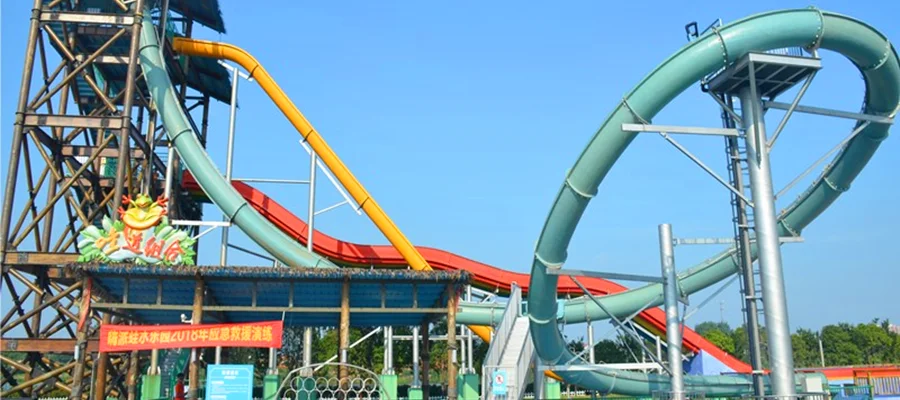
Plummeting temperatures and volatile winter weather introduce profound operational friction for outdoor recreational infrastructure. The most severe threat involves the expansion of trapped water within internal plumbing networks. Minor residual moisture left inside complex piping can freeze and expand, often resulting in catastrophic fractures to core hydraulic systems. Beyond plumbing failures, the exterior surfaces face relentless environmental assault. Continuous exposure to freezing rain and winter ultraviolet radiation rapidly accelerates the chemical breakdown of unprotected fiberglass composites.
Consulting with leading water park equipment suppliers highlights that mitigating these challenges requires proactive surface management. If operators fail to address continuous freeze-thaw cycles, the underlying steel support matrices can experience accelerated rust and metal fatigue, significantly inflating the variable maintenance overhead required before reopening.
Solution Details for Off-Season Storage
To successfully mitigate risks associated with freezing climates, maintenance teams must execute a highly systematic water evacuation process. Engineering protocols dictate that operators utilize industrial air compressors to forcefully expel all residual moisture from the filtration network. Once purged, technicians systematically introduce non-toxic antifreeze compounds into vulnerable valves and low-lying pipe networks. Protecting the structural integrity of the fiberglass requires targeted chemical intervention.
Established aqua park equipment suppliers strongly advise applying specialized protective wax coatings to exposed surfaces before the first freeze. This heavy barrier effectively seals the composite material against frost, helping preserve color vibrancy. Furthermore, delicate electronic dispatch sensors require careful management. Technicians must power down these systems and detach them for climate-controlled indoor storage. This targeted removal prevents the severe voltage fluctuations that frequently occur during winter temperature drops.
Data Results Analysis on Lifecycle Costs
Evaluating the true financial impact of rigorous winterization requires a close analysis of long-term operational data and seasonal repair expenditures. Facilities adhering to comprehensive off-season storage protocols frequently report measurable reductions in their spring refurbishment budgets. Historical maintenance data indicates that thorough pipe purging and surface waxing directly correlate with fewer emergency structural repairs. This preventative approach is exceptionally valuable for stabilizing overarching lifecycle costs.
As an experienced water slide supplier, it is evident that preventing freeze-thaw damage drastically extends the interval between required major overhauls. When heavy-duty attractions require fewer pre-season interventions, operators save significantly on specialized labor. Furthermore, tracking these maintenance metrics reveals a direct link to revenue capture. Facilities successfully protecting their infrastructure consistently pass safety inspections faster and open precisely on schedule, capturing lucrative early-season ticket sales.
Advantages of Combination Products in Winter
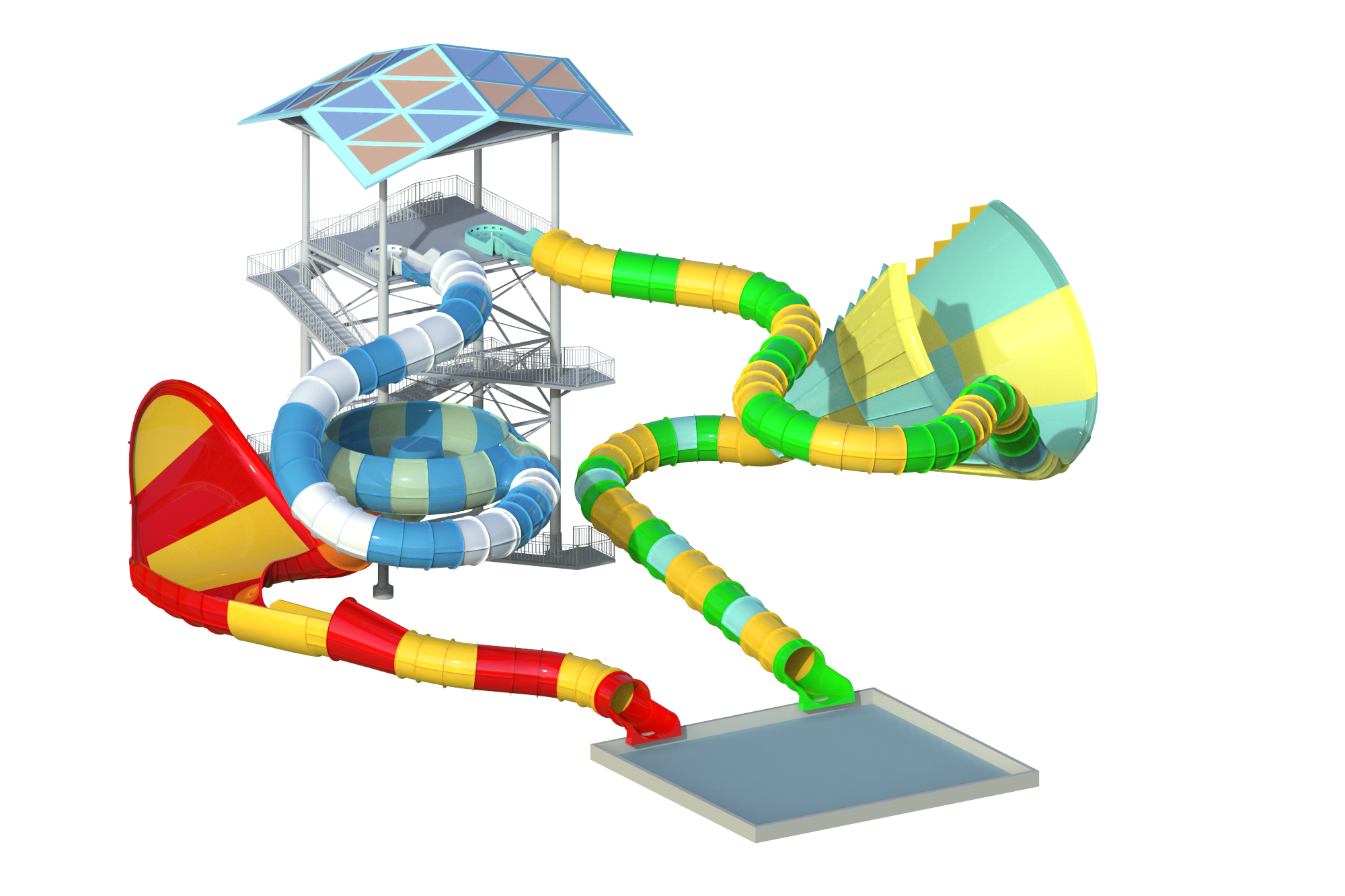
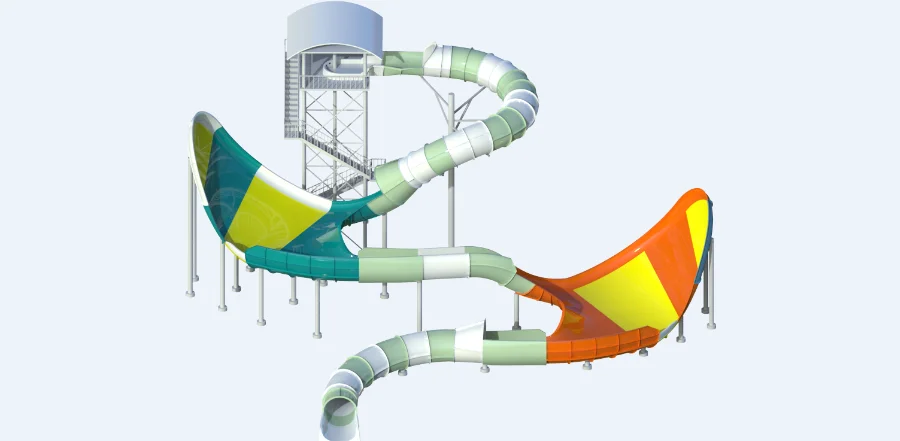
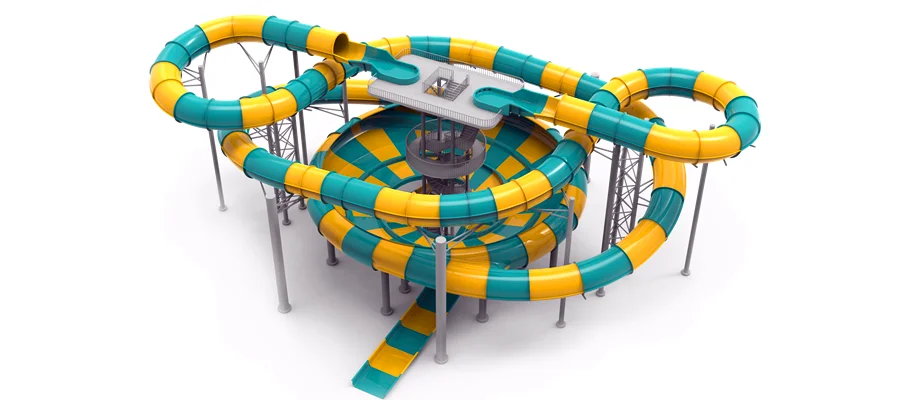
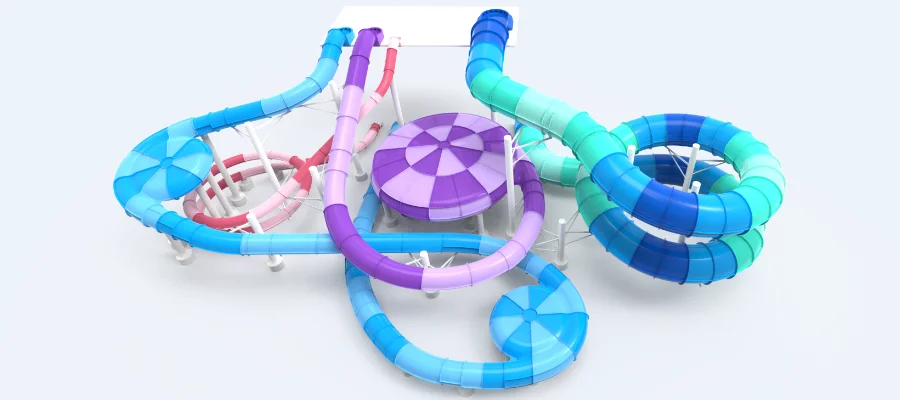
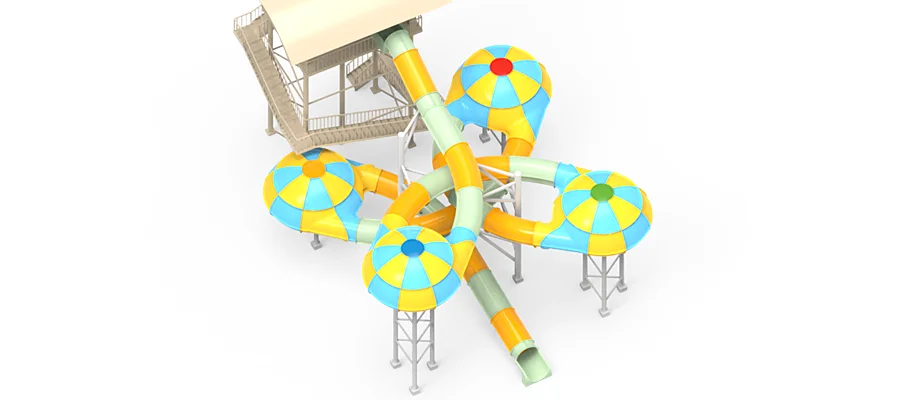
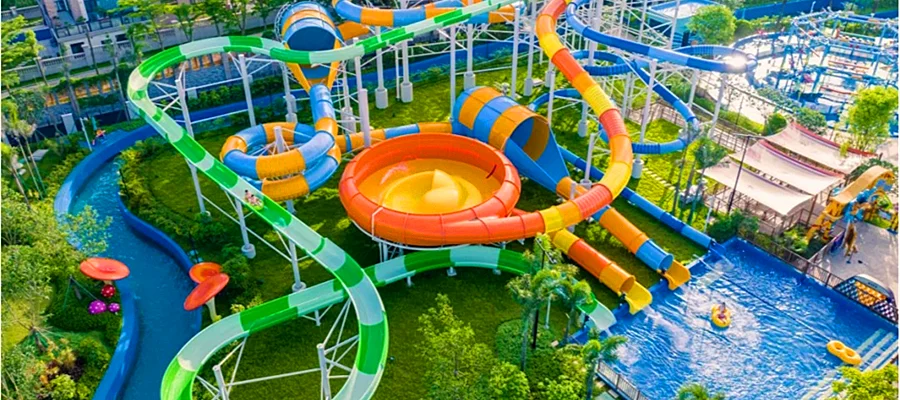
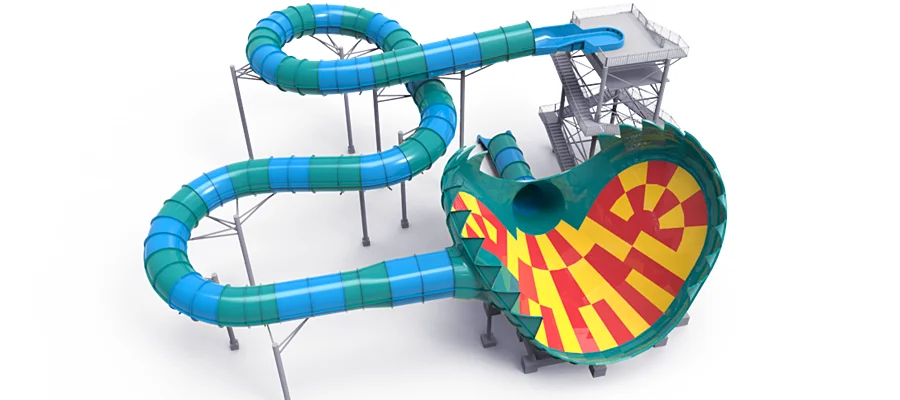
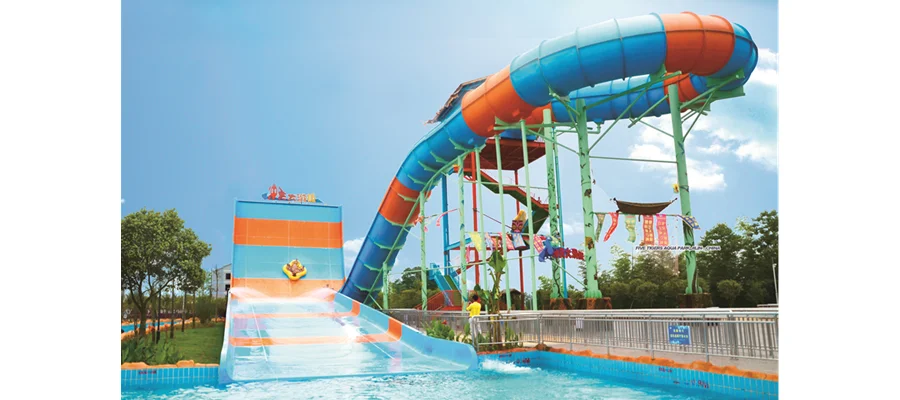
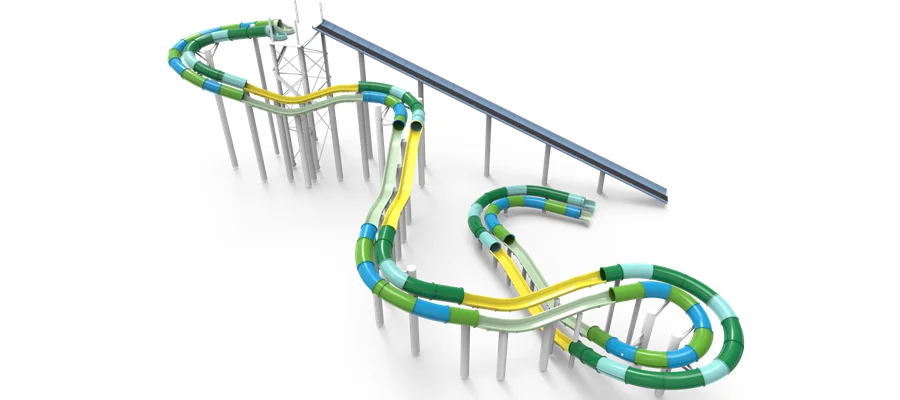
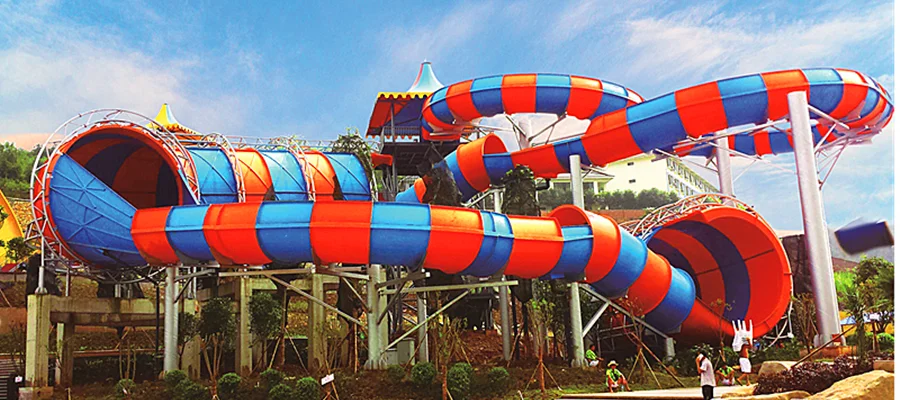
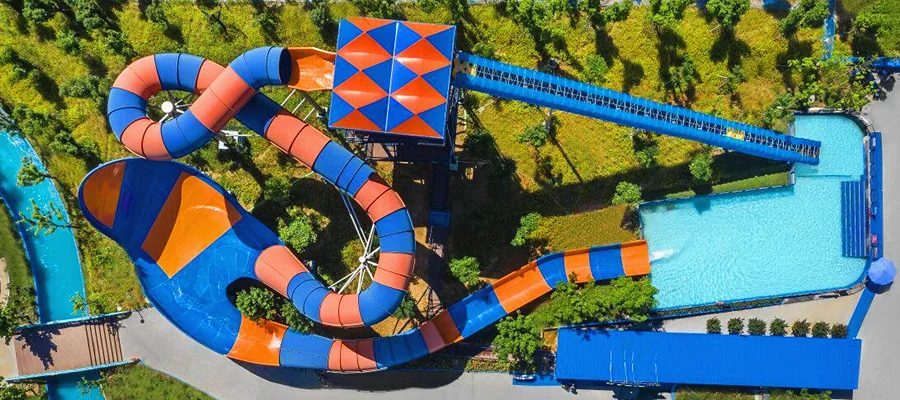
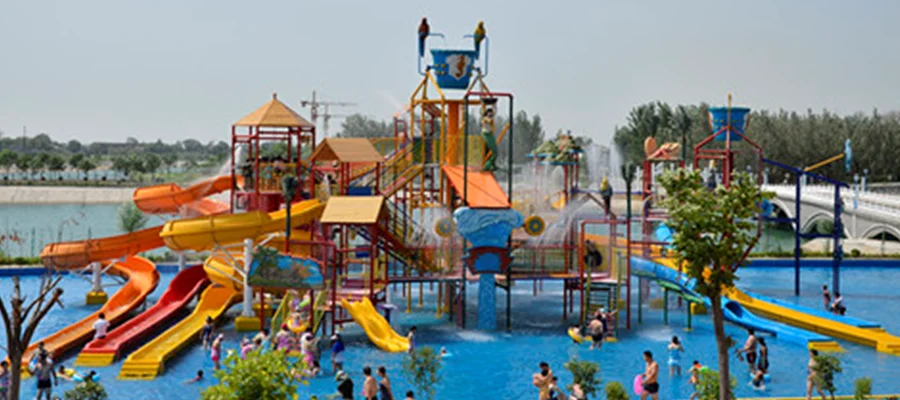
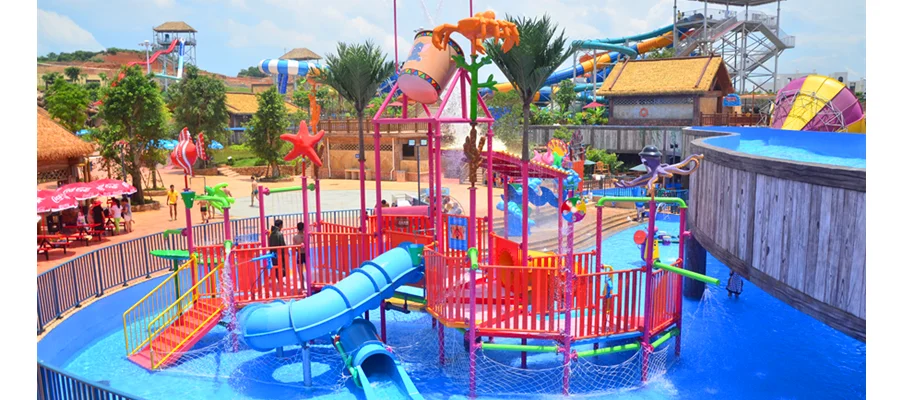
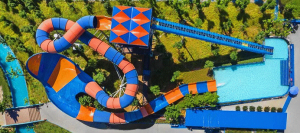
The logistical complexities of securing a massive facility for the winter are simplified when developers utilize advanced combination products. Instead of isolating sprawling plumbing networks across a massive footprint, integrating multi-lane racers and towering funnels into a centralized matrix creates a unified hydraulic core. This customized modular approach offers profound operational advantages during the winterization phase. Because combination structures share centralized steel columns and launch platforms, technicians can efficiently drain massive sections of the park from a single mechanical room.
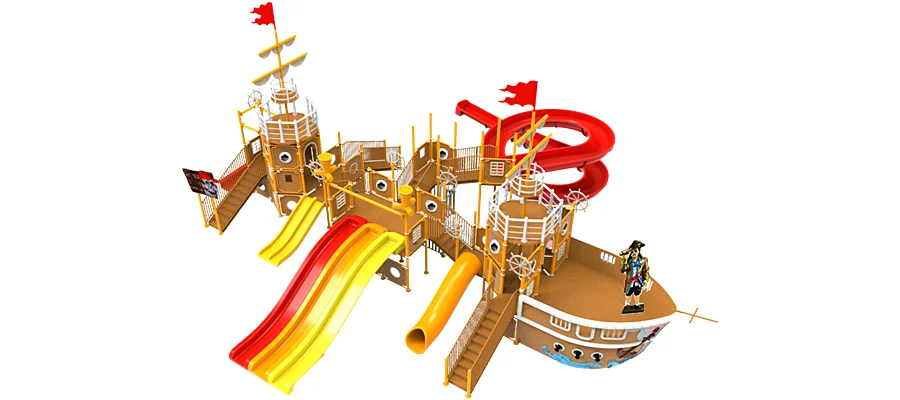
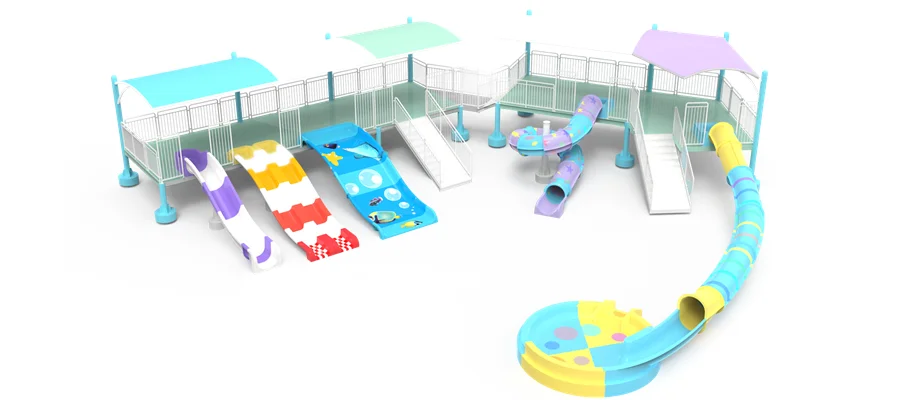
This highly centralized infrastructure drastically reduces the labor hours required to properly secure the facility. By selecting an engineering partner like Dalang, operators leverage tightly nested, modular frameworks. These modular designs feature easily detachable interactive elements, allowing maintenance crews to rapidly dismantle vulnerable components for safe indoor storage until the spring reassembly.
Key Takeaways for Capital Investors
For project investors and resort developers, navigating the off-season presents clear strategic directives for future capital protection. The primary takeaway is that winterization must be viewed as an essential component of asset management. Attempting to reduce operational costs by skipping comprehensive storage protocols inevitably results in unpredictable repair expenditures that threaten the overarching return on investment. Investors must prioritize partnerships with technical firms that provide detailed, site-specific winterization blueprints from the initial drafting phase.
Utilizing infrastructure engineered for easy drainage and rapid modular disassembly serves as a fundamental strategy for economic endurance. By actively aligning preventative maintenance protocols with the physical realities of their region, developers can confidently navigate intense environmental challenges. Prioritizing structured off-season protection guarantees that the facility remains operationally lean and perfectly positioned to resume profitable daily operations.