Surface degradation on aquatic infrastructure introduces severe operational friction, directly impacting daily revenue and compromising rider safety. When constant environmental exposure and chemical wear deteriorate flume surfaces, facility operators frequently experience agonizing downtime and inflated maintenance overhead. Addressing these inevitable material failures requires immediate, highly systematic rapid repair protocols to extend the lifespan of premium capital investments.
By executing precise diagnostic strategies, teams can efficiently resolve localized damage—ranging from gel coat oxidation to structural micro-fractures—before they escalate into catastrophic mechanical failures. This data-driven, operational approach to material management provides a proven framework for minimizing out-of-service periods, protecting overarching operational ROI, and ensuring that the facility maintains an uncompromised, highly reliable entertainment ecosystem for its guests.
Industry Background on Material Degradation
The broader aquatic entertainment sector operates under exceptionally harsh environmental conditions. Historically, facility managers reacted to infrastructure degradation only when physical damage became glaringly obvious, leading to costly emergency overhauls. Today, maintaining a competitive destination demands a highly proactive understanding of composite material science. Continuous exposure to intense ultraviolet radiation and chlorinated pool water rapidly degrades standard fiberglass polymers.
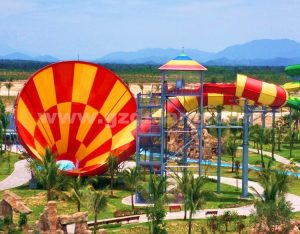
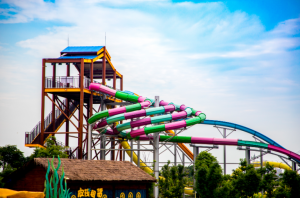
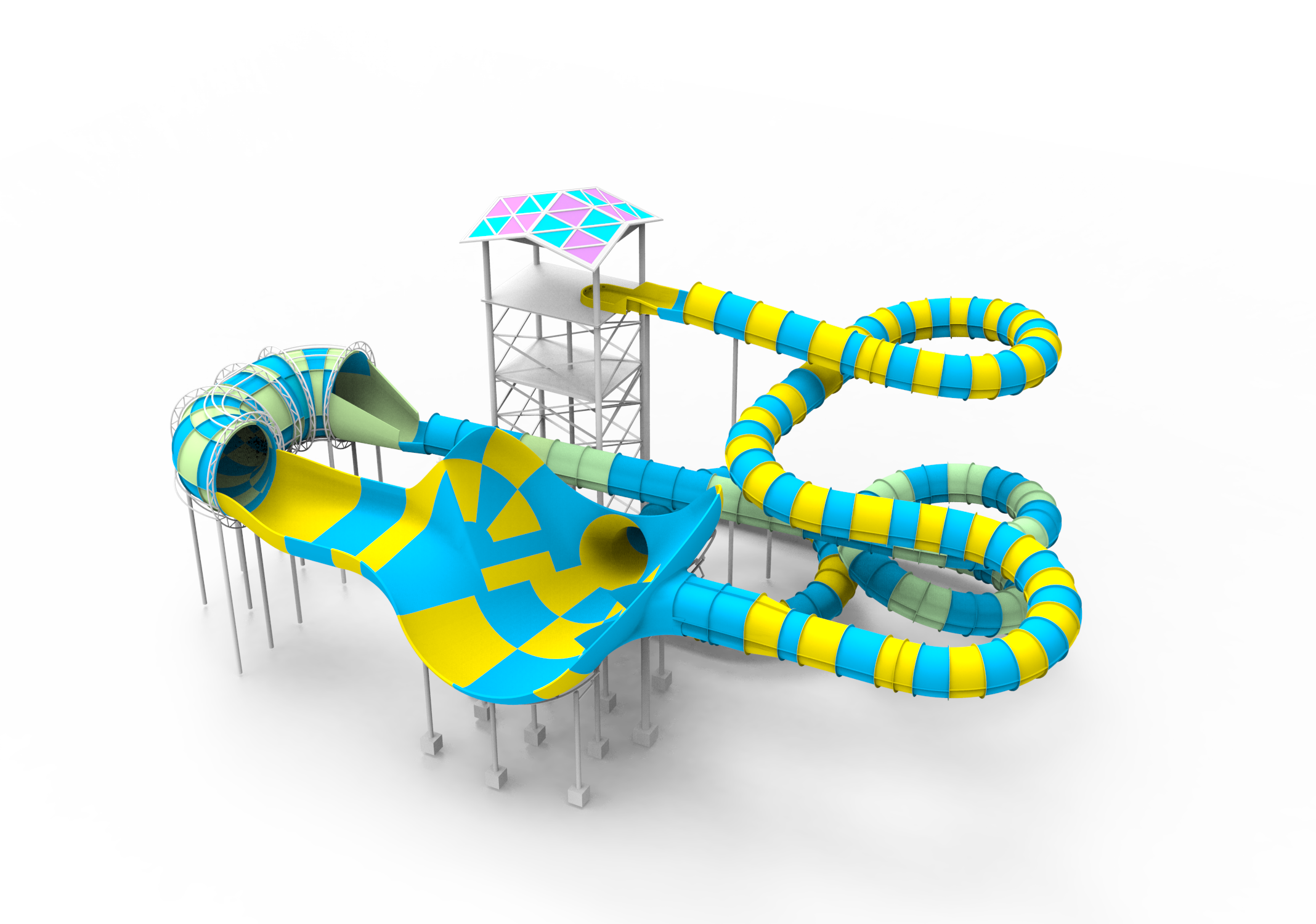
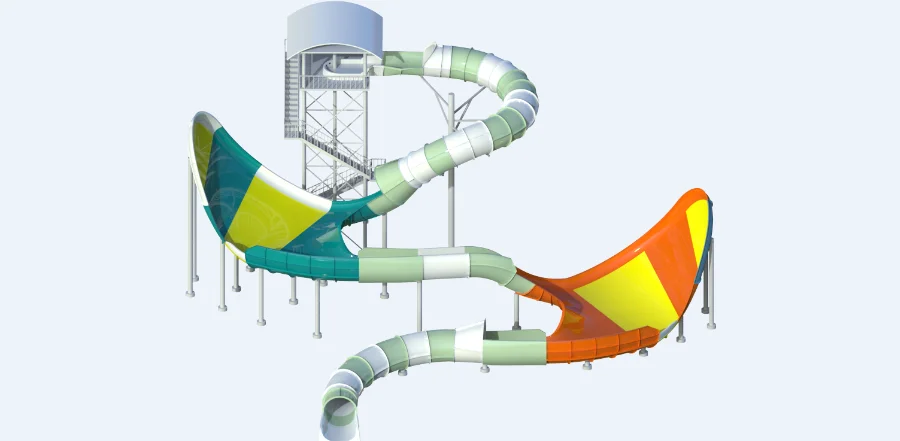
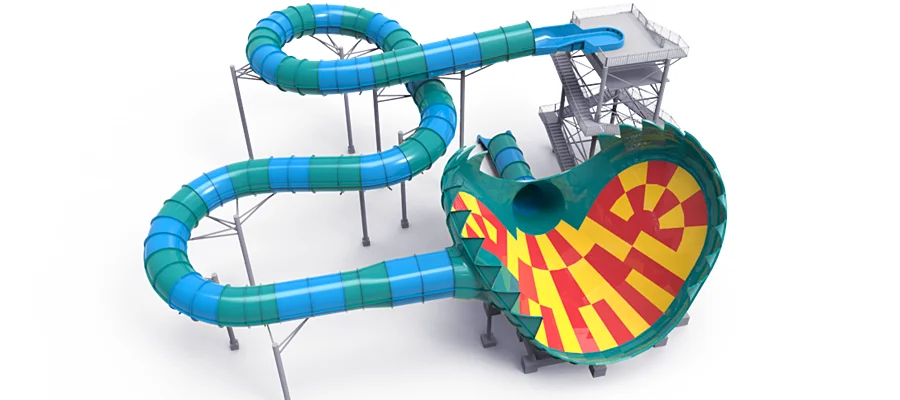
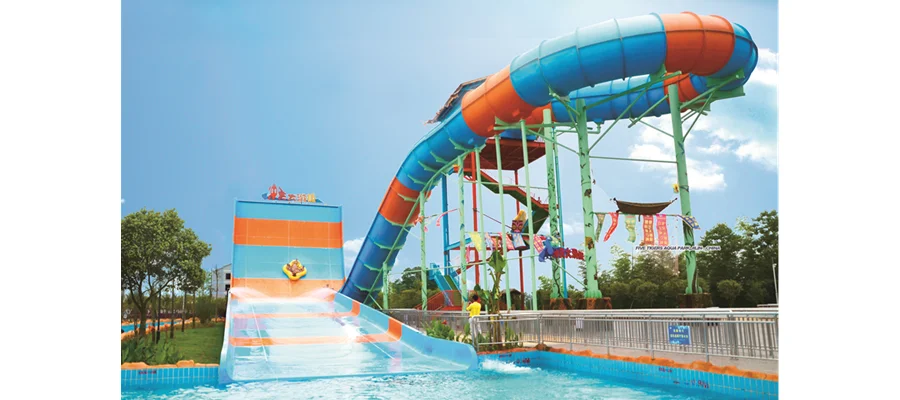
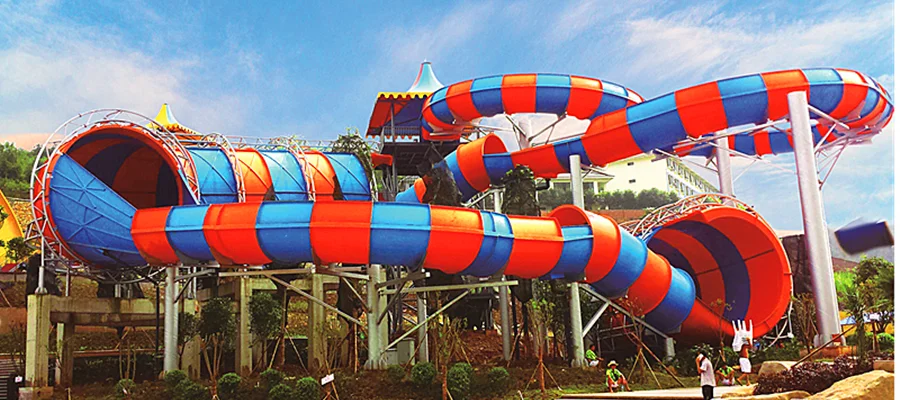
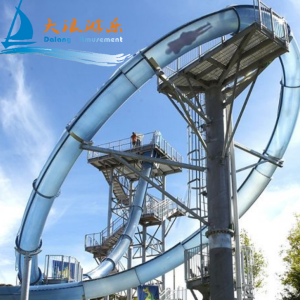
When operating heavy-duty installations, such as a massive tornado water slide, the dynamic physical stress placed upon the structural matrix amplifies baseline environmental factors. Industry data suggests recognizing the early indicators of composite fatigue is essential for modern asset management. Investors increasingly recognize that mitigating premature material breakdown through structured remediation is absolutely critical for stabilizing maintenance budgets and sustaining high-volume daily throughput.
Operational Challenges of Surface Friction
A persistent operational hurdle facing large-scale venues involves managing localized surface damage without disrupting overarching facility flow. The most common physical damage manifests as gel coat oxidation, creating a chalky residue on the riding surface. This chemical breakdown significantly increases hydrodynamic friction, creating uncomfortable rider experiences and forcing variable frequency drives to pump larger volumes of water simply to maintain dispatch velocities.
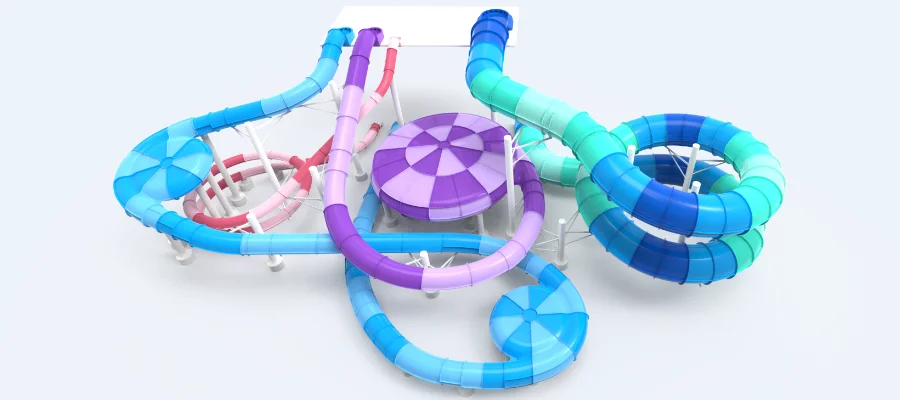
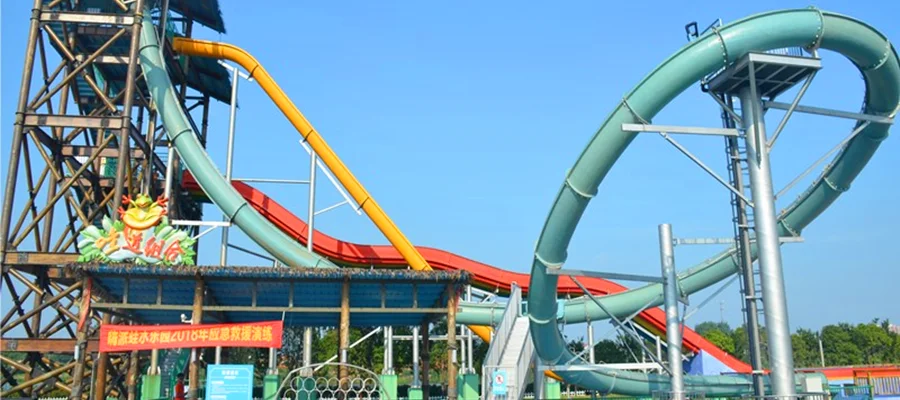
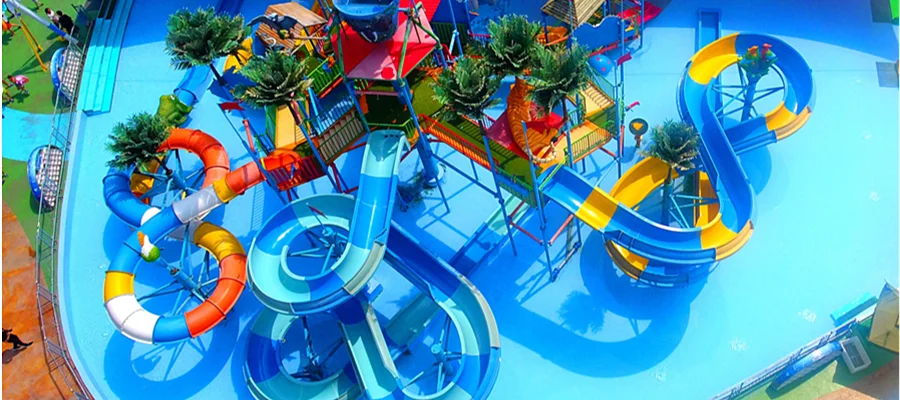
Beyond surface oxidation, fluctuating thermal expansion frequently causes spiderweb micro-cracking around flange joints on rigid fiberglass water slides. While these hairline fractures appear cosmetic, they provide direct pathways for moisture to penetrate the underlying laminate. If maintenance crews fail to isolate this moisture ingress, the composite material undergoes accelerated internal delamination. This severe structural decay vastly inflates the maintenance overhead required to restore operational safety standards.
Solution Details for Structural Remediation
Resolving complex material failures requires a highly precise, systematic remediation protocol designed to minimize facility downtime. The initial phase of structural repair involves rigorous moisture evacuation and aggressive surface preparation. Technicians typically utilize specialized infrared heat lamps to dry the compromised area before deploying industrial pneumatic grinders to remove all oxidized gel coat and damaged laminate. This deep excavation creates a severely beveled edge, guaranteeing a seamless structural bond.
Following preparation, protocols dictate the application of high-strength vinyl ester resins combined with precisely measured chopped strand fiberglass matting. Established fiberglass water slide manufacturers advise utilizing these advanced marine resins. Once the structural thickness is rebuilt, technicians meticulously apply a factory-color-matched gel coat. This heavy protective barrier is aggressively buffed to eliminate microscopic irregularities, completely restoring the seamless, low-friction hydrodynamic surface.
Data Results Analysis on Maintenance ROI
Evaluating the impact of rapid remediation strategies requires a rigorous analysis of seasonal maintenance expenditures and operational uptime. Facilities adhering to proactive, targeted fiberglass repair protocols frequently report distinct improvements in their overarching lifecycle costs. Historical operational data indicates that addressing micro-fractures and localized gel coat wear immediately correlates with fewer requirements for complete mid-season flume replacements.
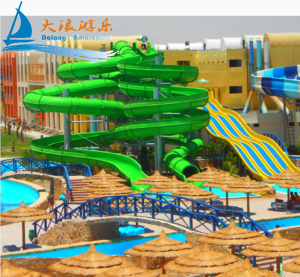
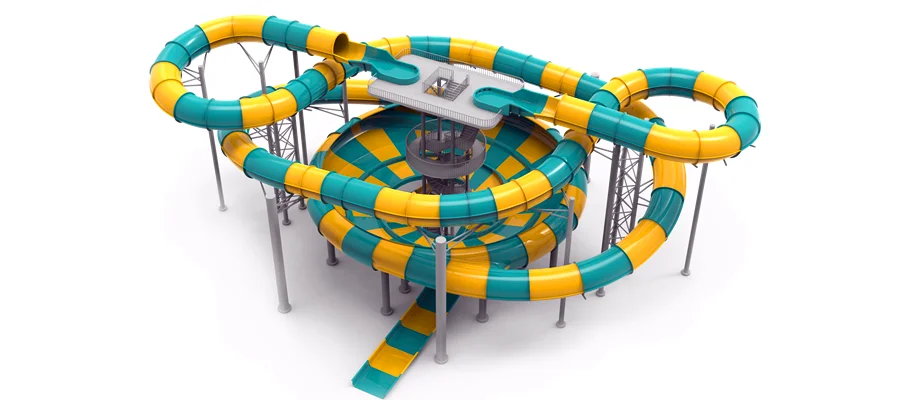
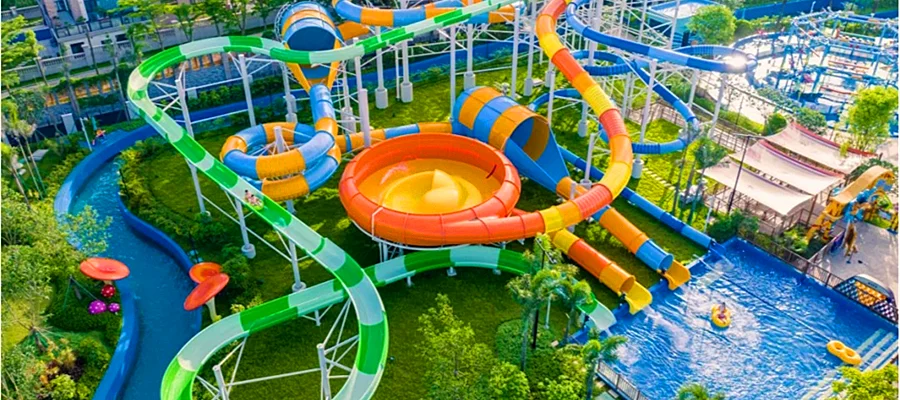
For example, when operators rapidly polish out friction-induced gouges on a high-throughput rainbow water slide, they successfully prevent the underlying fiberglass strands from prolonged aquatic exposure. This preventative approach stabilizes the overarching operational ROI by mitigating catastrophic mechanical downtime. Tracking these maintenance metrics reveals that when heavy-duty attractions require fewer emergency structural interventions, facilities pass safety inspections faster and capture significantly more lucrative peak-season ticket sales without continuous interruption.
Advantages of Combination Products in Upkeep
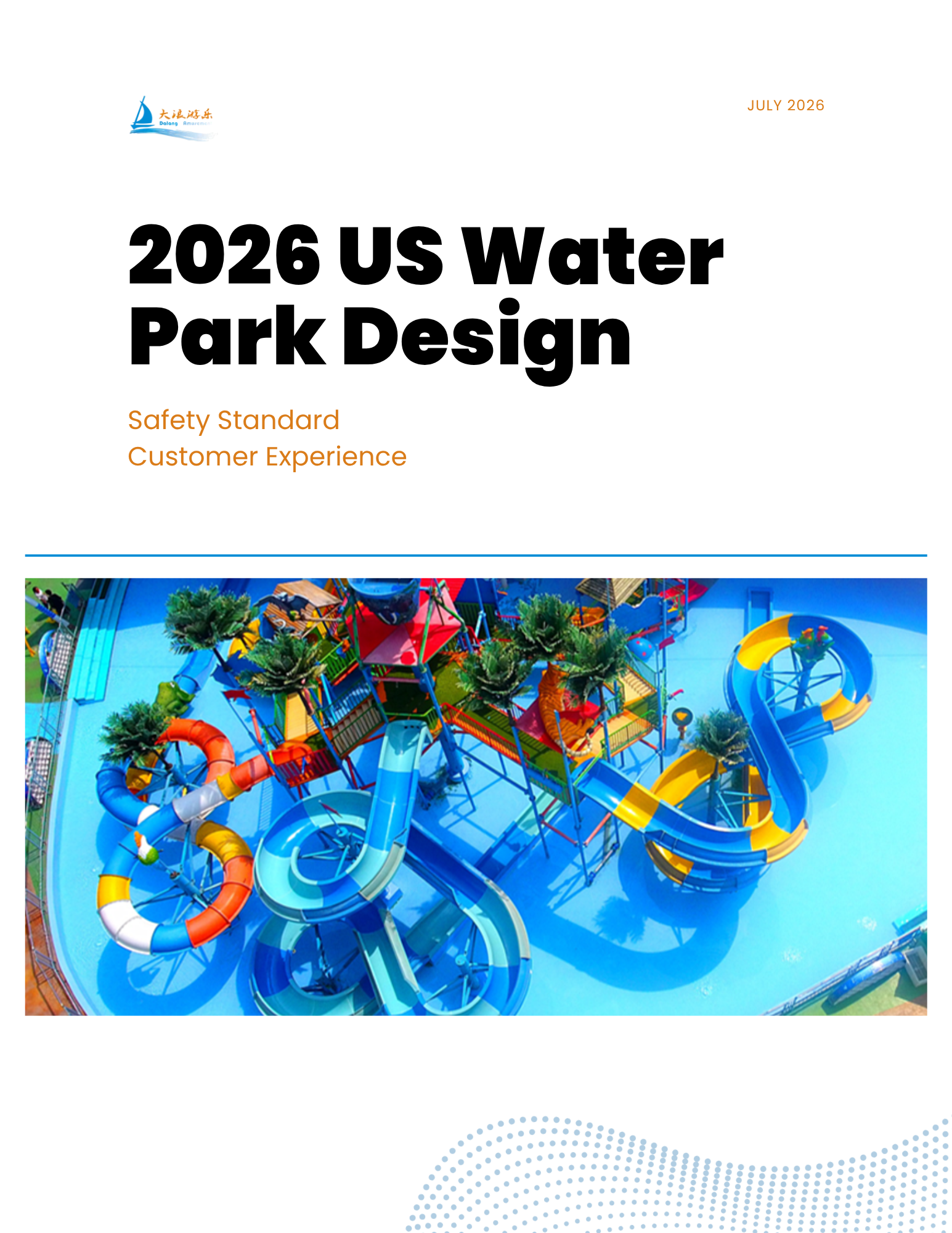
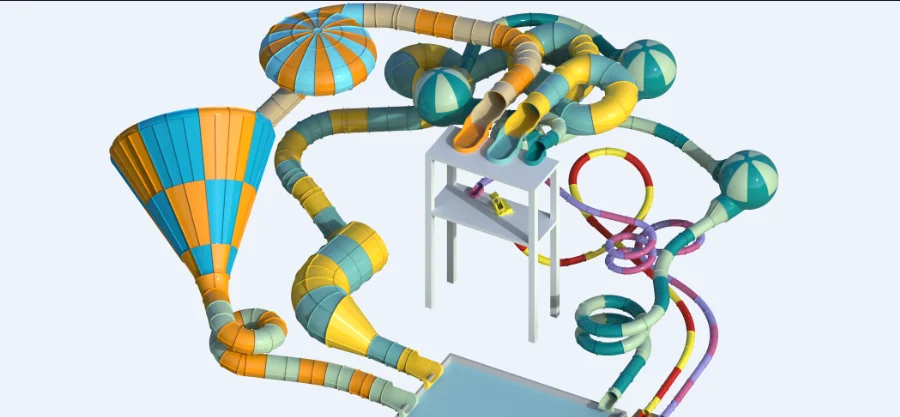
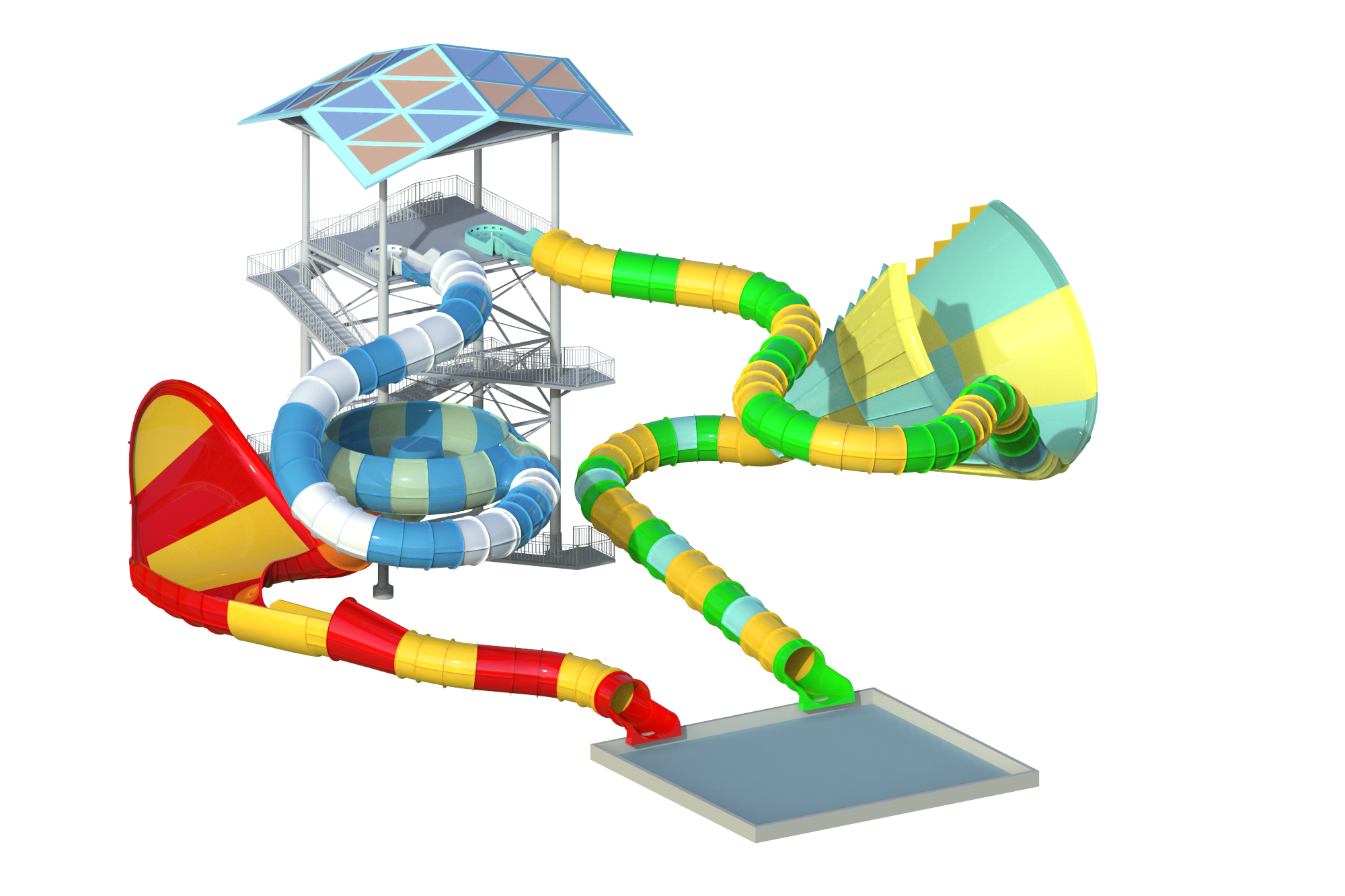
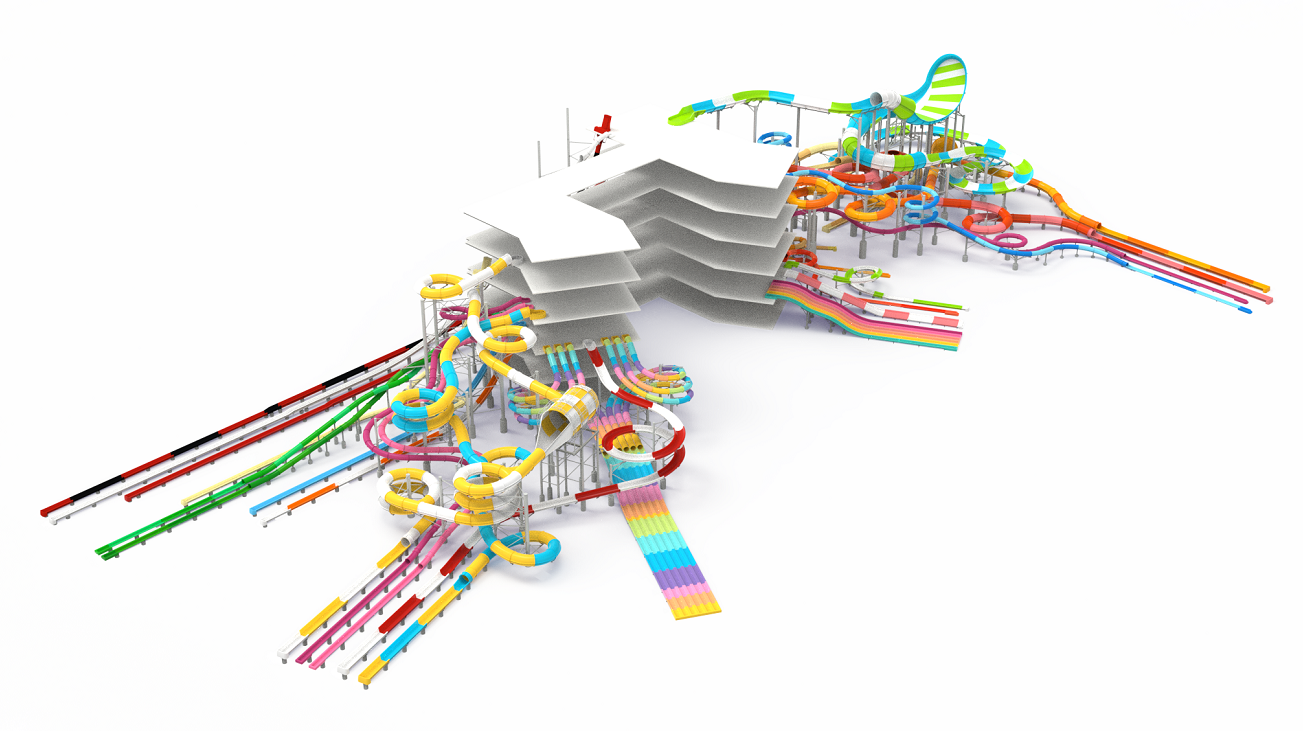
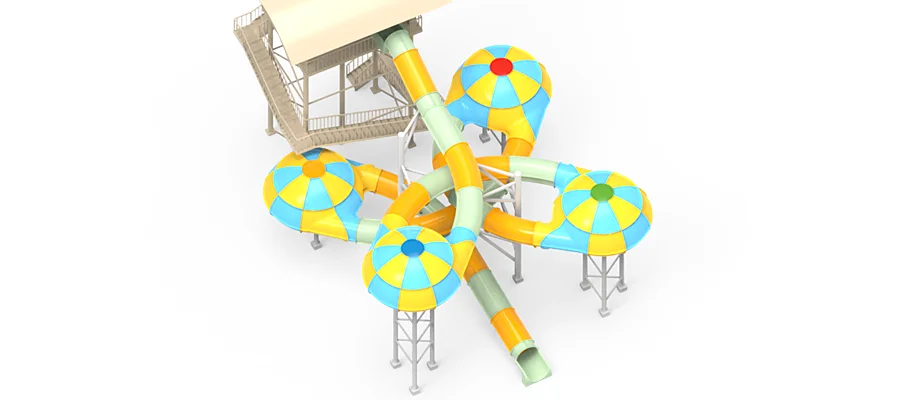
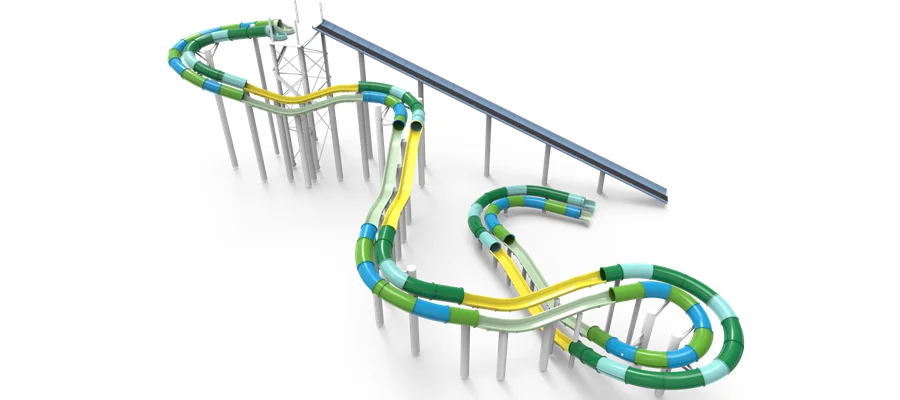
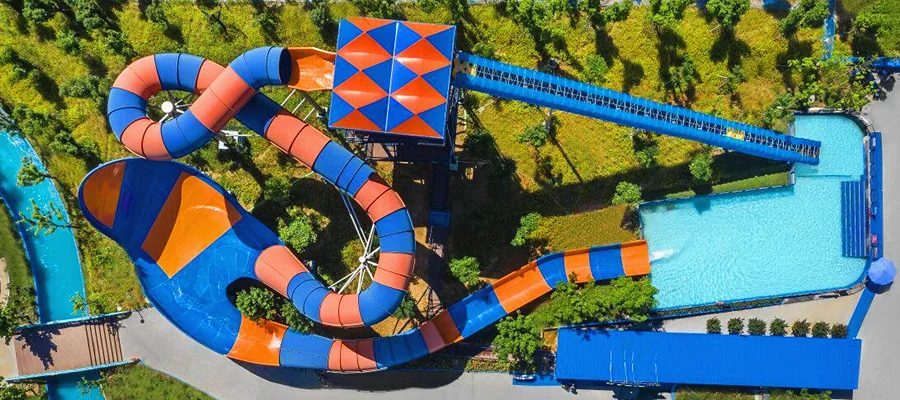
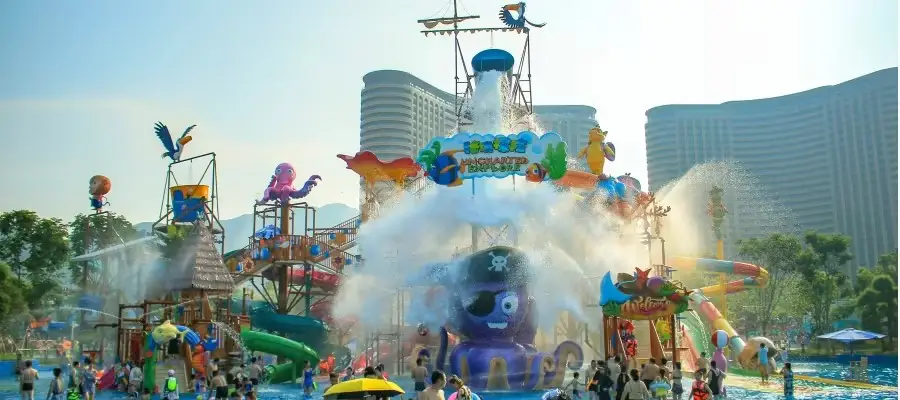
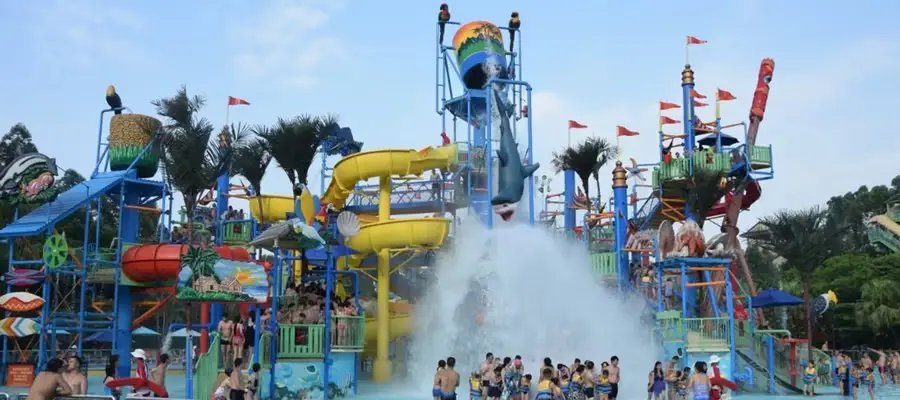
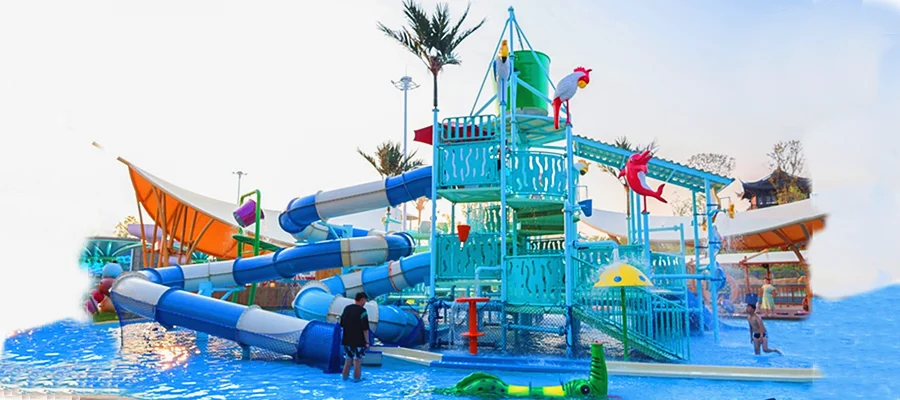
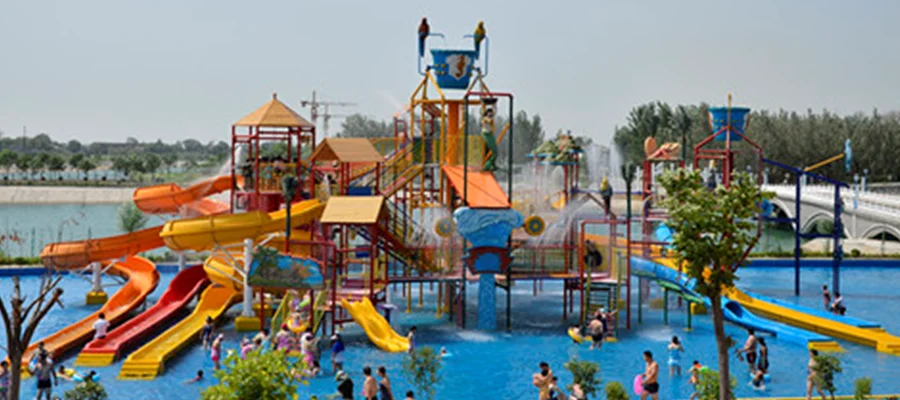
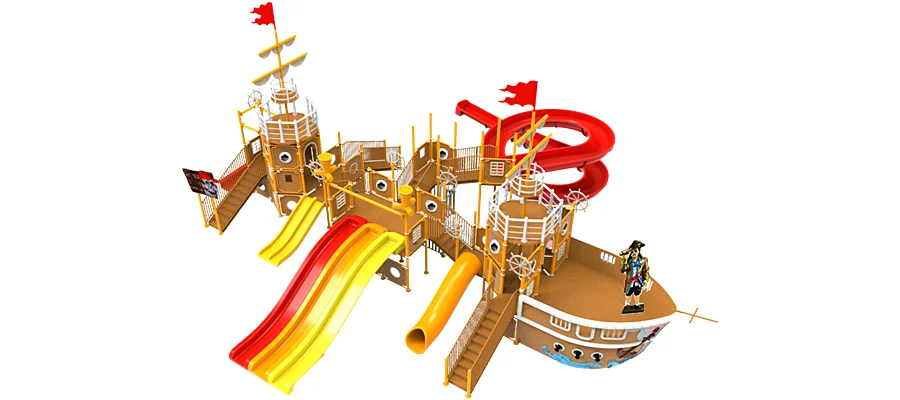
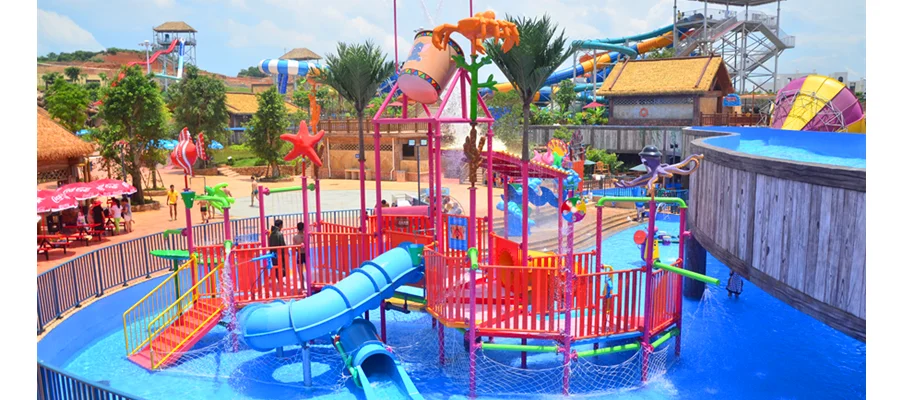
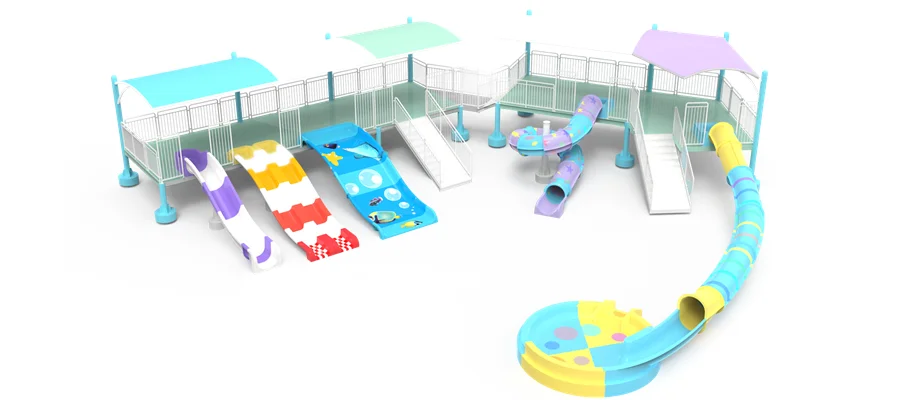
The logistical complexities of executing precise surface repairs are significantly simplified when developers utilize advanced combination products. Instead of relying on sprawling, isolated flumes that complicate scaffold access, integrating multiple high-thrill elements into a unified structural matrix offers profound maintenance advantages. Centralized steel columns and shared access platforms allow technical crews to efficiently reach elevated damage zones without erecting temporary support structures.
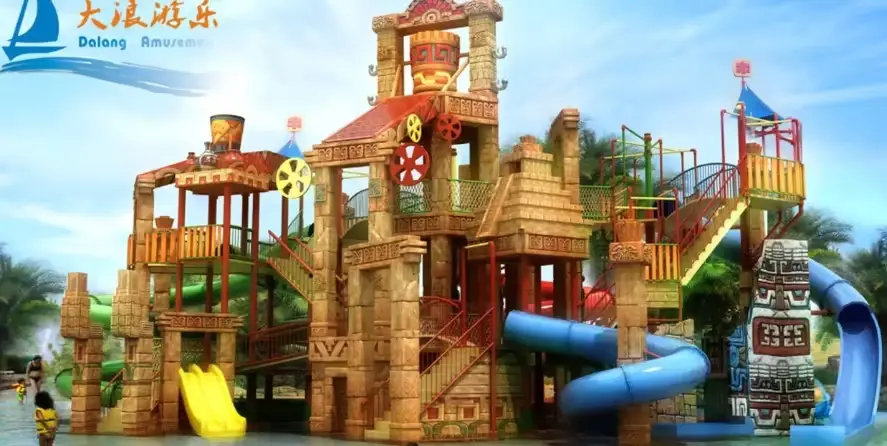
Furthermore, this customized modular approach acts as a strategic buffer during the actual repair process. By selecting a sophisticated engineering resource like Dalang, operators leverage tightly nested, interconnected frameworks. If a specific flume requires isolation for resin curing, these multi-feature installations can often absorb the displaced bather load by keeping adjacent racing lanes operational. This modularity ensures the broader entertainment zone continues generating revenue even while targeted maintenance is underway.
Key Takeaways for Capital Allocation
For project investors and resort developers, navigating the complexities of infrastructure maintenance presents clear strategic directives for future capital allocation. The primary takeaway is that the initial procurement cost of aquatic equipment must always be weighed against its long-term repairability. Attempting to reduce operational budgets by deferring necessary surface remediation inevitably results in unpredictable structural failures that threaten the return on investment.
Investors must prioritize partnerships with technical firms that engineer their attractions for rapid, modular repair from the initial drafting phase. Utilizing infrastructure that supports efficient surface preparation and localized resin curing serves as a fundamental strategy for economic endurance. By actively aligning preventative repair protocols with the physical realities of environmental wear, developers ensure their facilities remain operationally lean, highly safe, and perfectly positioned to sustain profitable daily operations.