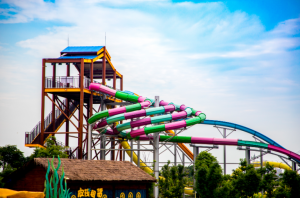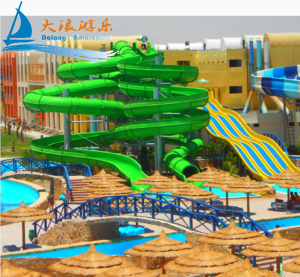
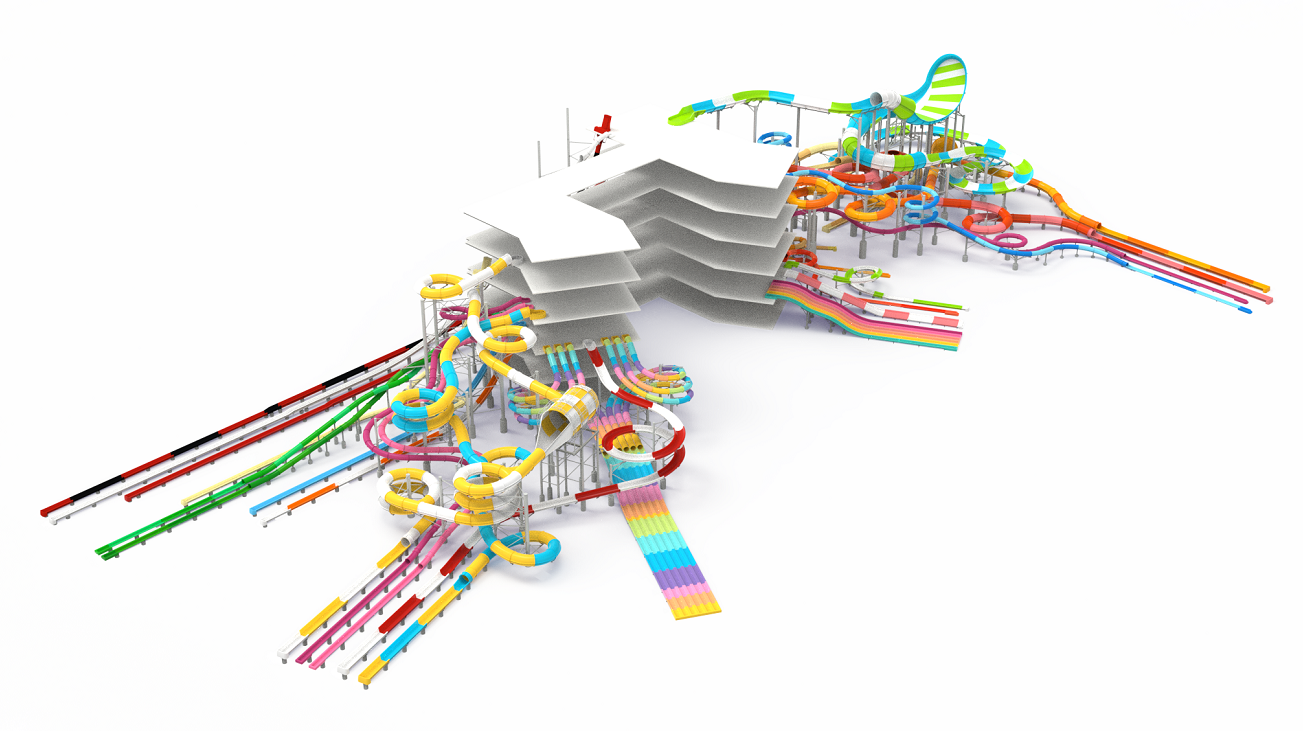
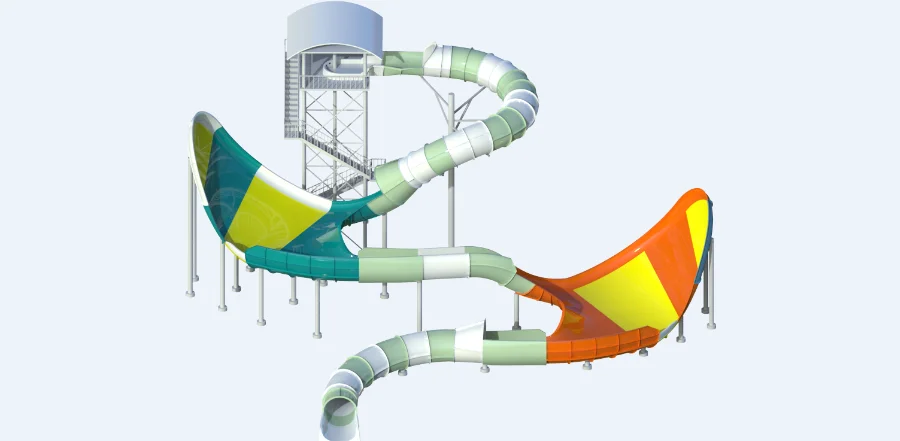
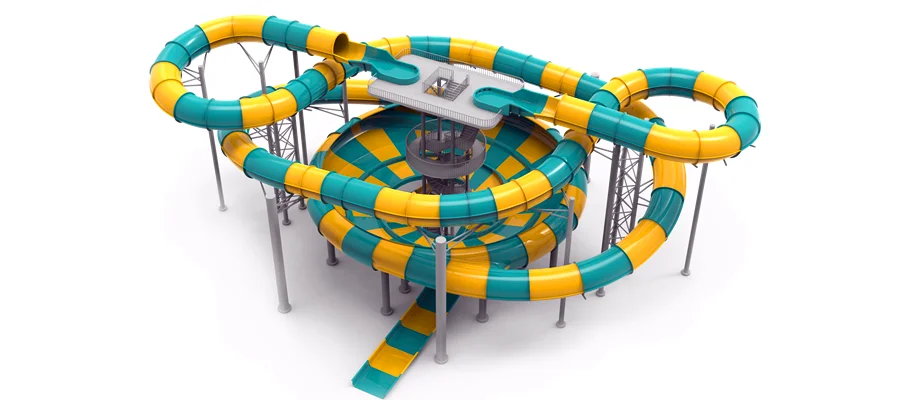
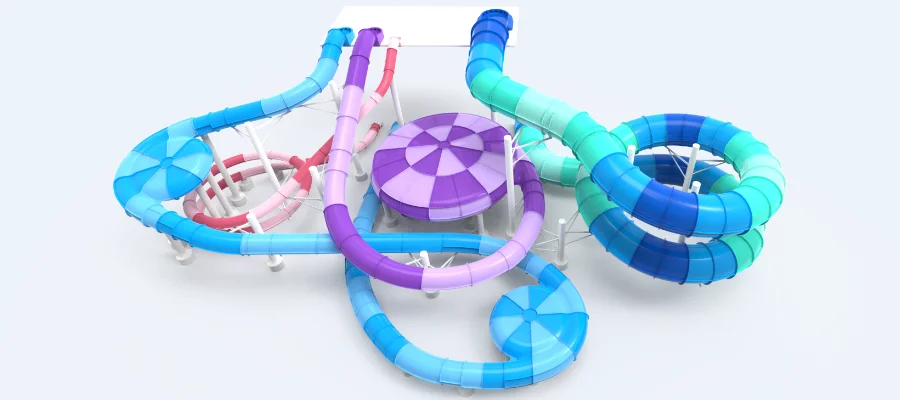
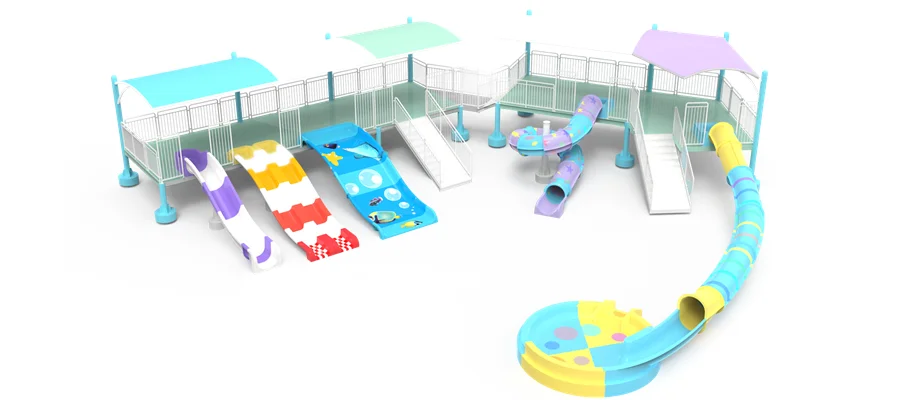
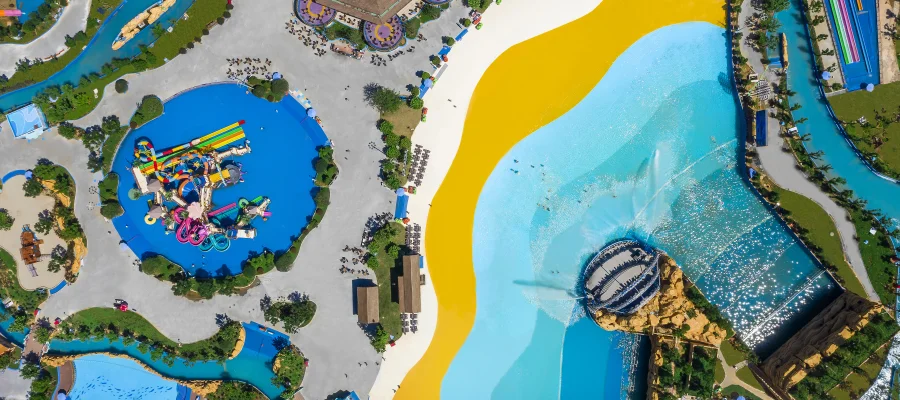
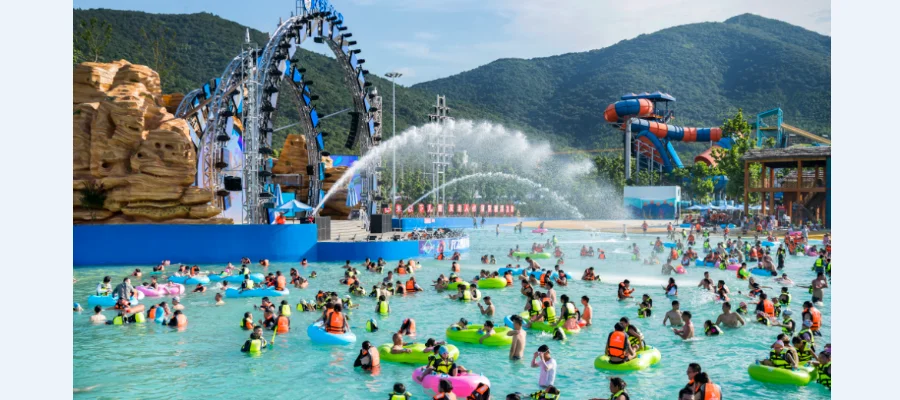
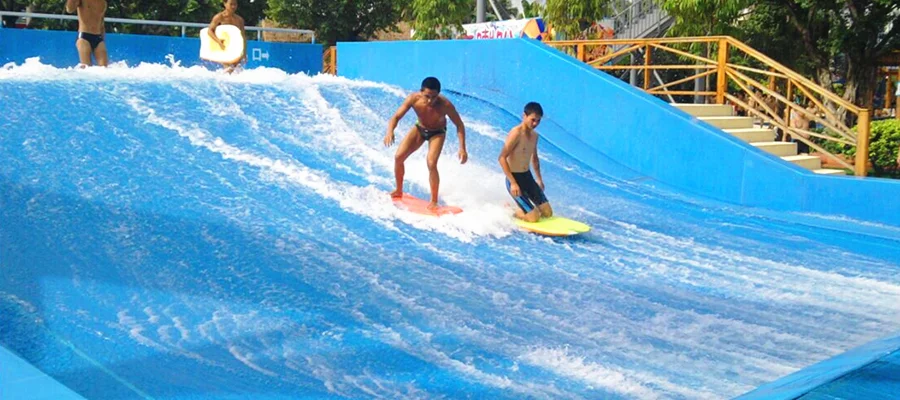
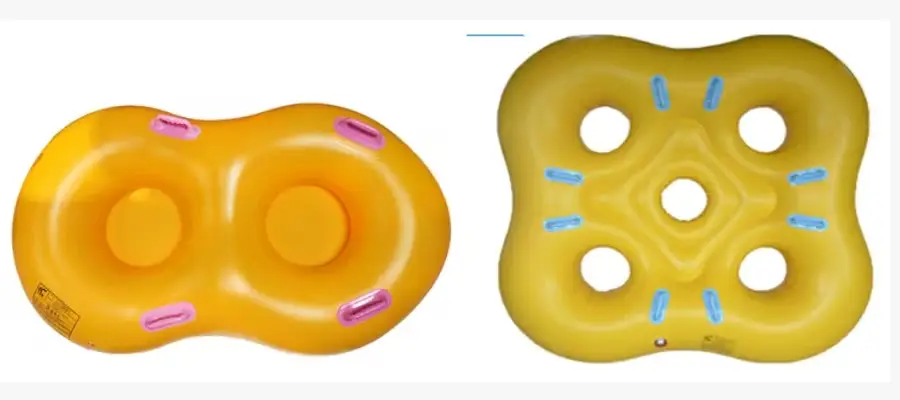
Over the past decade working with parks worldwide, we’ve noticed a simple truth: mechanical safety features separate a reliable slide from a liability. A flashy design means nothing if the braking system fails or the harness unlatches mid-ride. As a water slide manufacturer ourselves, we at Dalang have learned that real safety comes from small, well-engineered mechanical details. These are not optional upgrades—they are the backbone of long-term operation. In this article, we’ll walk you through three critical mechanical features that we check on every project.
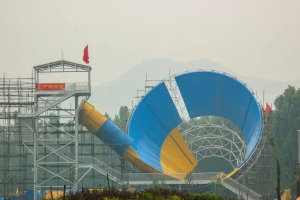
Redundant Braking Systems and Failsafe Mechanisms
Let’s start with braking. Many parks overlook how a raft or mat stops at the exit pool. A trustworthy water slide manufacturer always builds redundant braking—pneumatic plus mechanical friction, for instance. We once visited a site where a single-point brake failed, sending rafts crashing into each other. No injuries, but close. That’s why our Dalang slides use dual-circuit air brakes. Even if one air line leaks, the second engages automatically. Also, look for failsafe springs: when power is cut, brakes lock by default, not release. A good water slide manufacturer tests these mechanisms under full load, not just empty. We run 10,000 cycle tests on every brake unit before shipping. And remember, we sell combination products—so your braking system integrates perfectly with our water pumps and control panels. No compatibility guesswork.
Precision-Engineered Restraint and Harness Systems
For tube slides and raft rides, passenger restraints are often the weakest link. A serious water park manufacturing company designs restraints that cannot be opened by riders mid-slide. We use a simple mechanical latch with a double-action release: you must lift and rotate simultaneously. Children cannot do that accidentally. But here’s the real-world detail: many restraints fail because of sand or sunscreen buildup. Our solution? Sealed stainless steel bearings and a self-cleaning groove. We’ve operated slides in sandy coastal parks for seven seasons without a single jam. As a water park manufacturing company, we also provide daily inspection checklists for your staff—checking latch spring tension and hinge wear. One client in Thailand reduced restraint-related downtime by 60% after switching to our design. Because we sell combination products, each restraint matches the specific raft model and slide curvature we supply.
Modular Structural Connections and Load Monitoring
What you cannot see matters most—the joints holding your slide together. A reputed water park equipment manufacturers group uses flanged connections with torque-indicating bolts. We have a rule: every bolt gets a colored marker after torquing. If the color aligns, it’s tight. If not, it’s loose. Simple mechanical verification. Beyond that, we install passive load cells at critical support pillars. These are not active electronics—just mechanical deformation indicators. A thin metal strip bends permanently if the pillar experiences sudden overload. Your maintenance team can check it with a feeler gauge each month. Many water park equipment manufacturers skip this because it takes extra fabrication time. But we’ve seen too many slides develop micro-cracks at joints from undetected ground settlement. With our system, you spot trouble early. And yes, because we sell combination products, our structural brackets fit our wave pools and lazy rivers as well, creating a unified maintenance routine.
Picking the wrong water slide manufacturer means exposing your park to preventable mechanical failures. Focus on redundant brakes, tamper-proof restraints, and verifiable joint monitoring. At Dalang, we embed these features into every slide as standard—not as expensive add-ons. And because we offer combination products, you get a full ecosystem where slides, pools, and filtration work together safely. Next time you evaluate a supplier, ask to see their brake test logs and joint torque records. The answers will tell you everything.