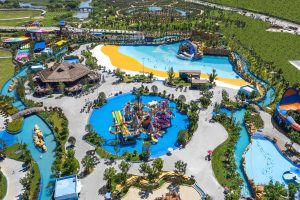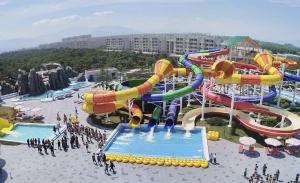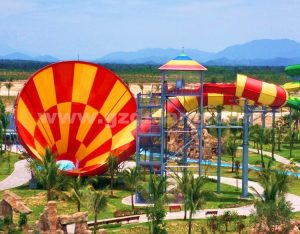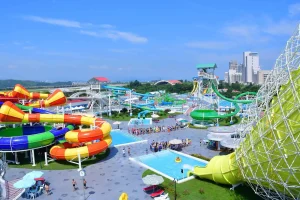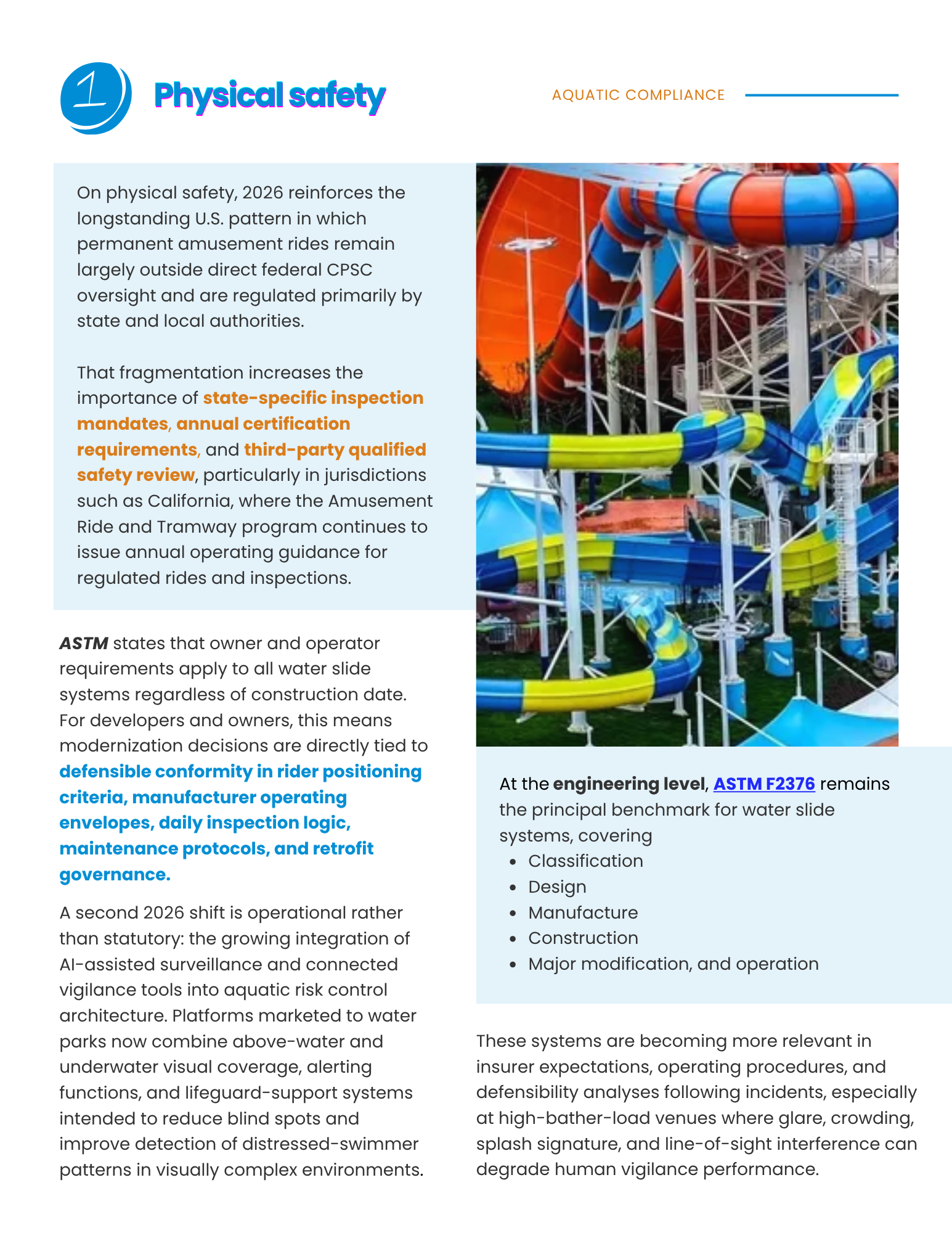
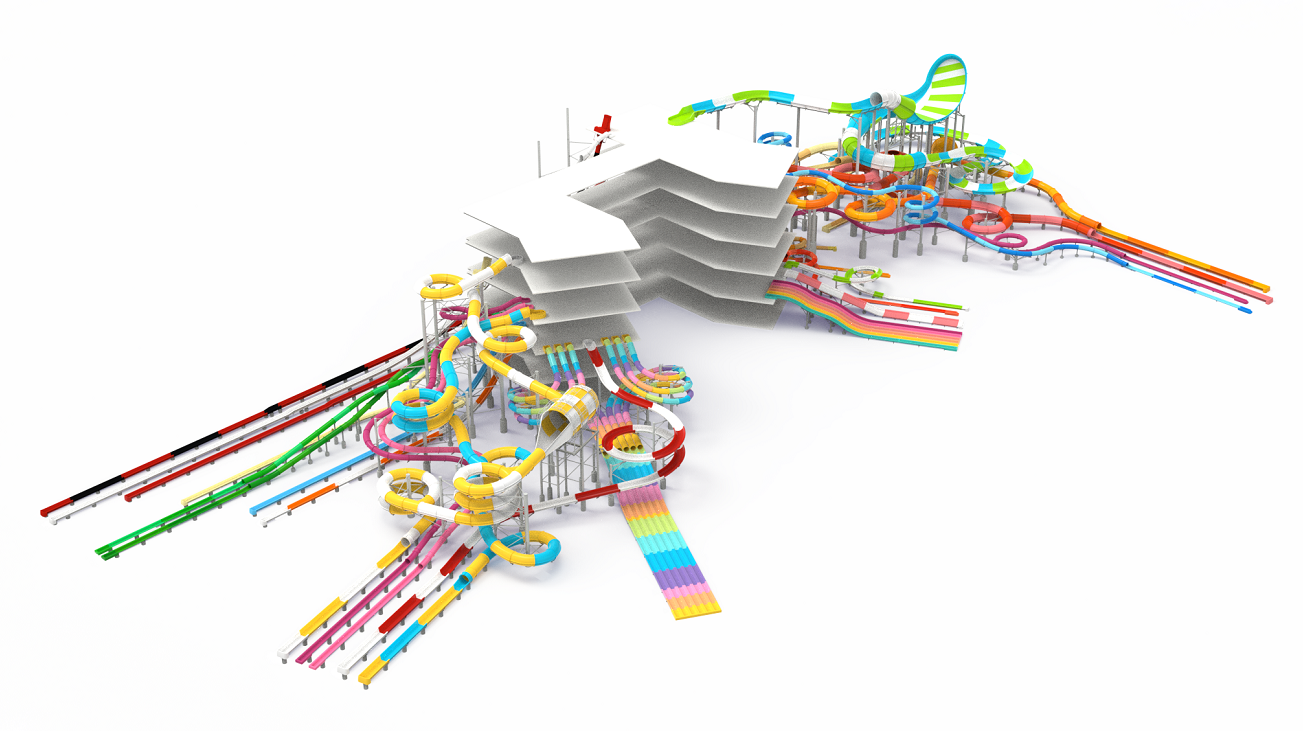
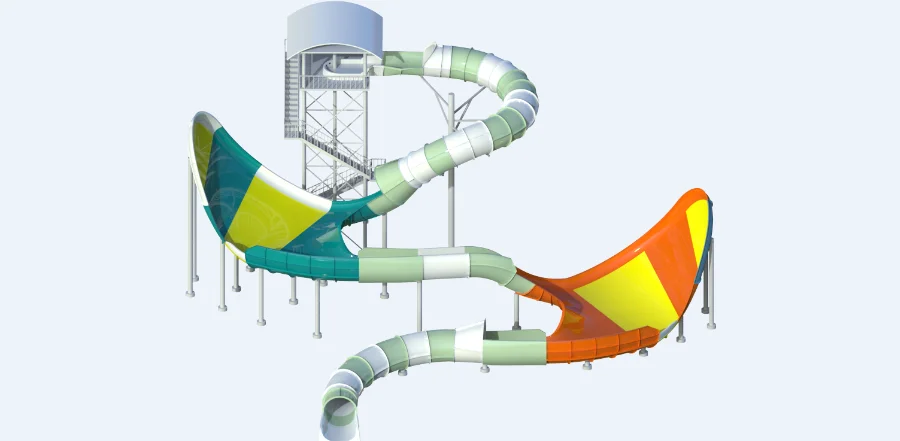
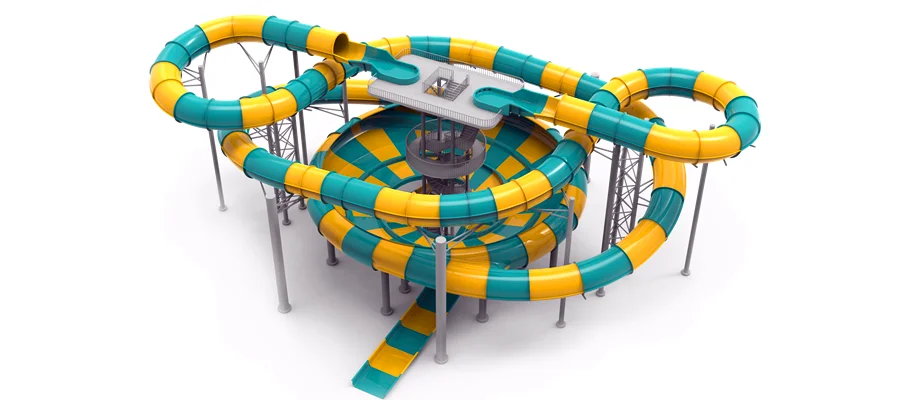
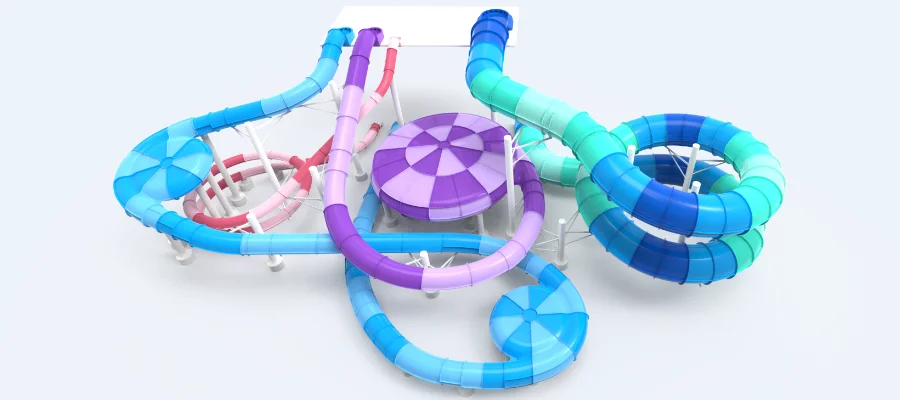
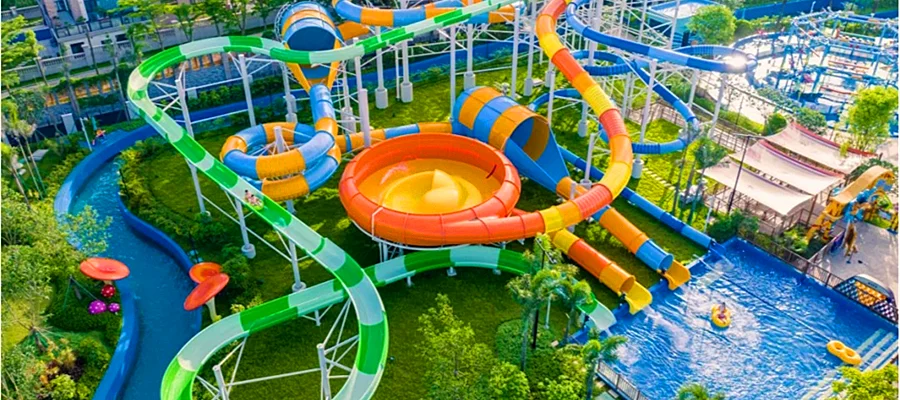
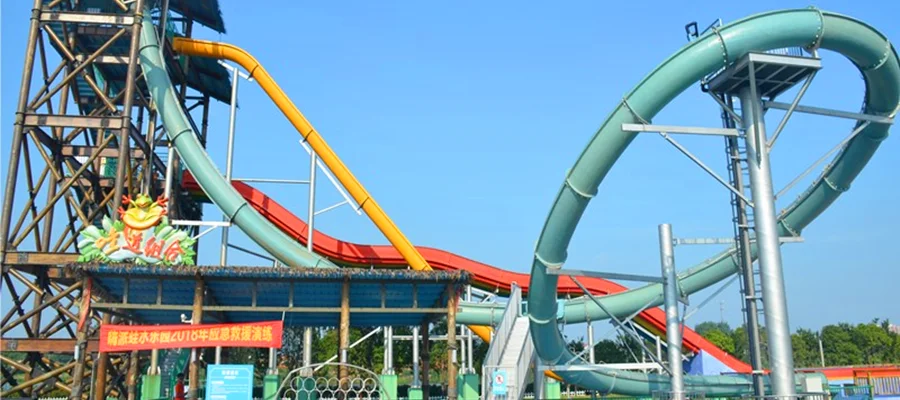
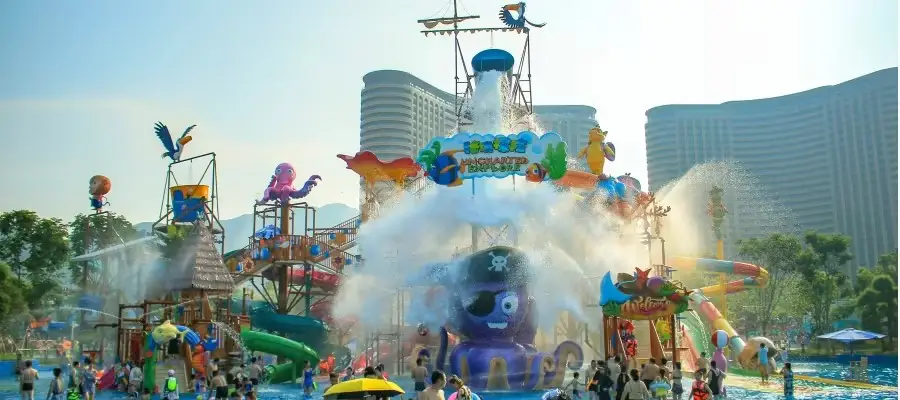
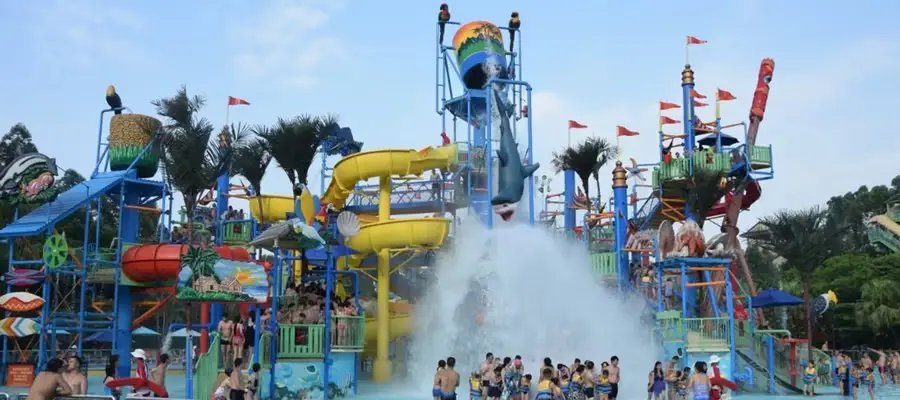
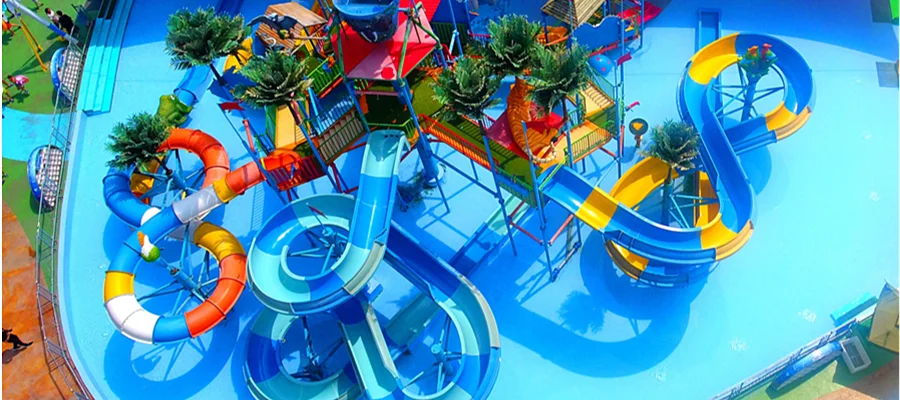
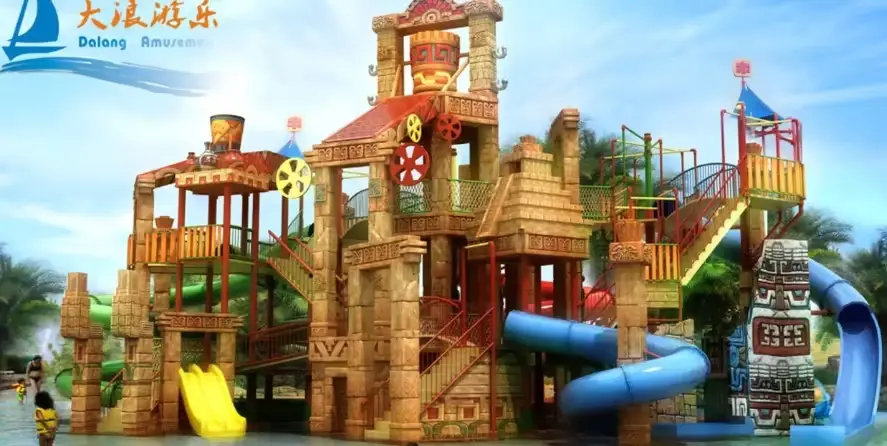
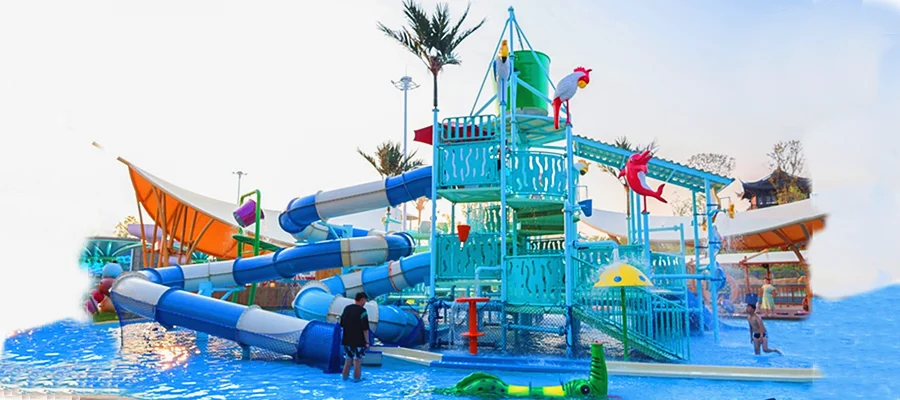
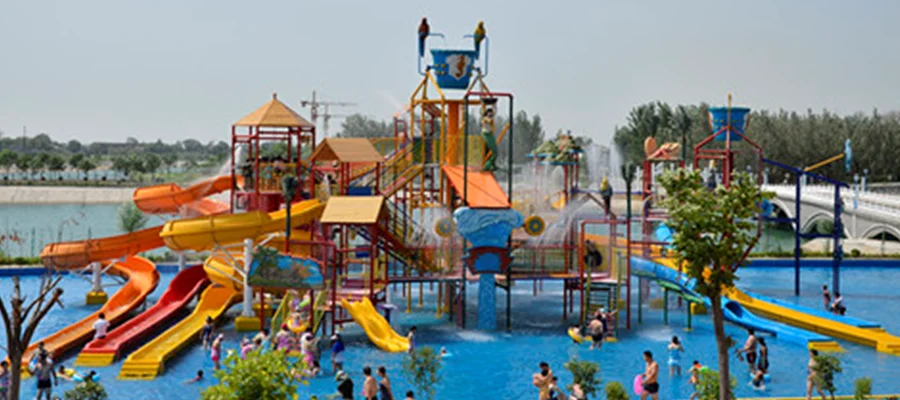
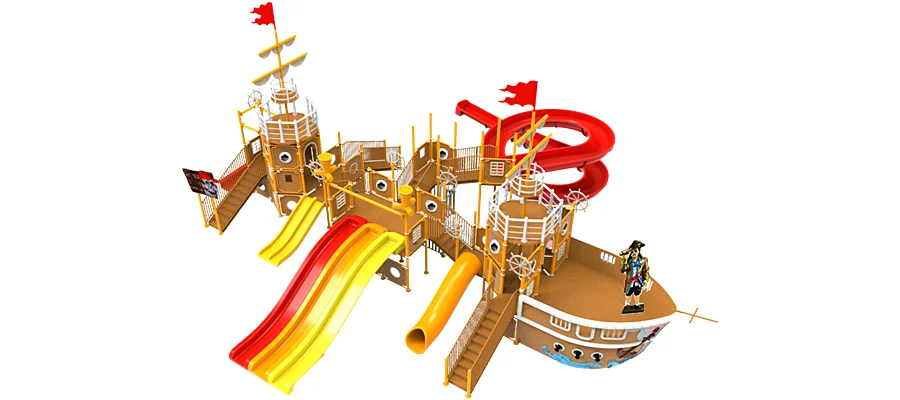
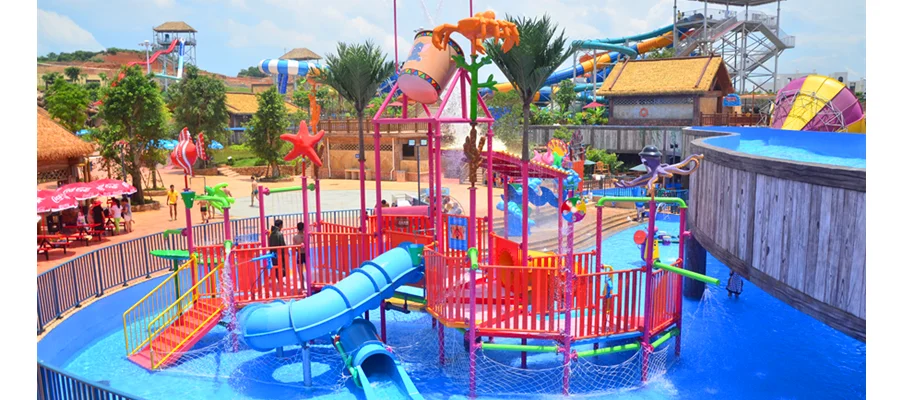
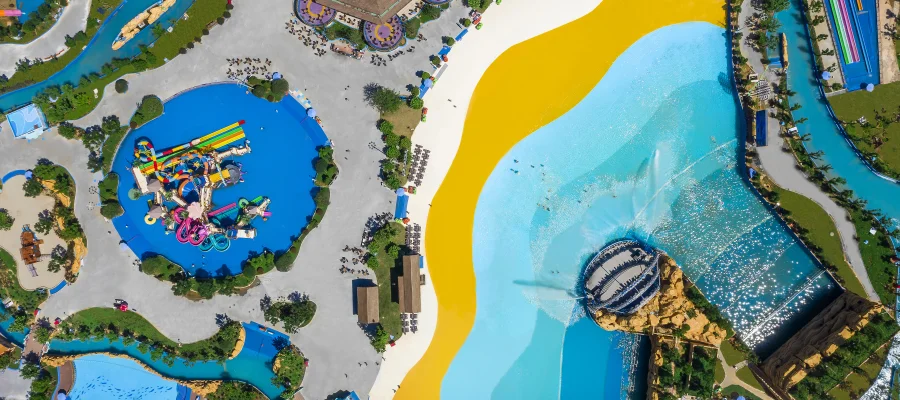
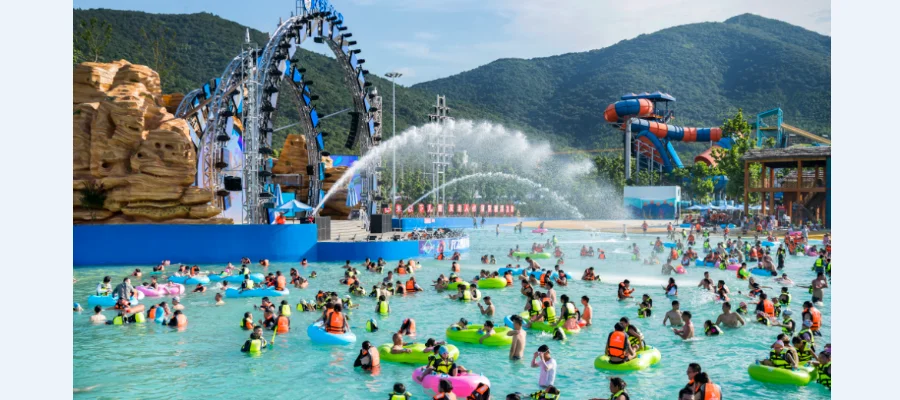
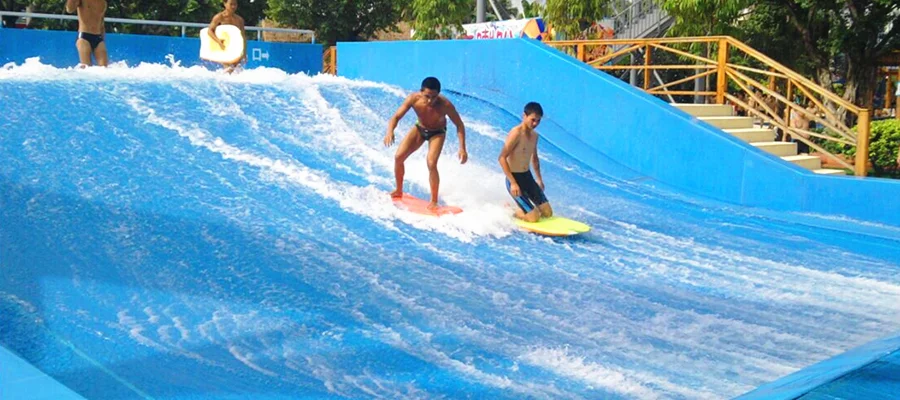
Walk into a water park in 2026 – what would you see? Slides that adjust flow based on rider weight, pools that generate their own power, and control systems that predict maintenance needs before anything breaks. We at Dalang have spent the last two years working closely with developers and operators to shape these realities. This isn’t about futuristic concepts anymore. These innovations are entering final testing phases, and for B2B buyers, understanding them now means smarter procurement decisions for the upcoming season.
Smarter Safety Systems Within Slides
Traditional water park manufacturers relied on manual inspections and basic sensor alerts. That approach leaves gaps. Our team recently collaborated with a Southeast Asian resort where we retrofitted fiber-optic pressure sensors inside slide joints. These sensors detect micro-stresses and send real-time alerts to the control room. For water park construction companies, this means moving from reactive repairs to predictive upkeep. One of our clients reduced unplanned downtime by switching to this system mid-season. Meanwhile, water park manufacturing companies like ours are now embedding RFID trackers into ride tubes. When a tube exits the slide, the system logs speed and rider position. If something deviates, an alarm triggers before the next rider launches. We have seen how this changes liability conversations with insurers. It also cuts the need for manual lifeguard counts at slide exits. For any water park construction company planning a 2026 build, specifying these smart systems upfront saves retrofit costs later. At Dalang, we have already integrated this into our combo packages – slides plus monitoring hardware plus training – because a single sensor without proper calibration adds little value.
Energy-Recovering Water Circulation
Pumps consume over 60% of a water park’s electricity – a figure we hear from operators every month. But two years ago, a water park manufacturing company in Europe tested a turbine system inside wave pool return lines. The turbine spins from returning water pressure, feeding small amounts of power back into the pump motors. We adapted this idea for tropical climates. Now, when we work with water park manufacturers on new projects, we offer closed-loop circulation where each pump’s variable frequency drive communicates with the turbine output. Water park construction companies that adopt this see immediate operational cost drops. For a 2026 installation, the payback period on the extra hardware is under two years based on current energy prices. We do not sell these turbines separately. Instead, our combo includes the pump system, the turbine housing, and the control logic board pre-synced. One Philippine client reported saving roughly $12,000 annually on a medium-sized wave pool after eighteen months. That is real money that can fund other attractions. In our own assembly yard, we have stress-tested this setup for over 4,000 hours without a single bearing failure. Water park manufacturers who ignore this will watch their clients’ utility bills climb while smarter competitors win bids.
Modular Slide Construction For Faster Turnaround
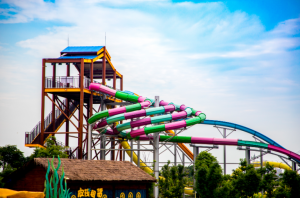
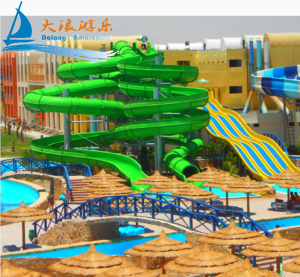
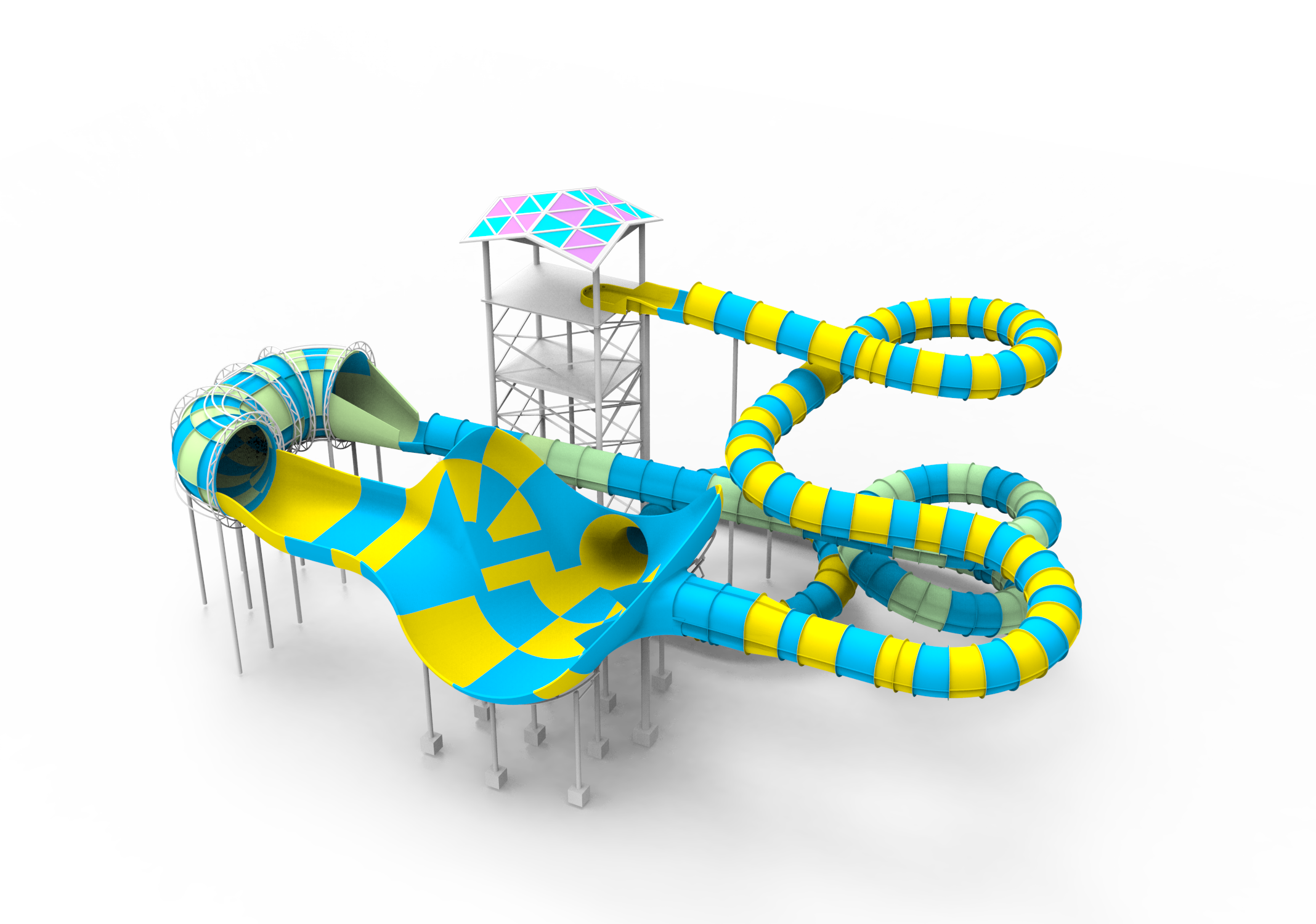
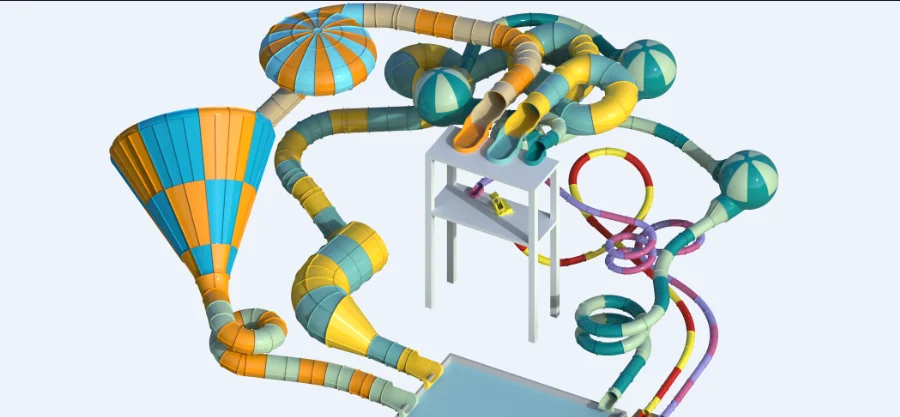
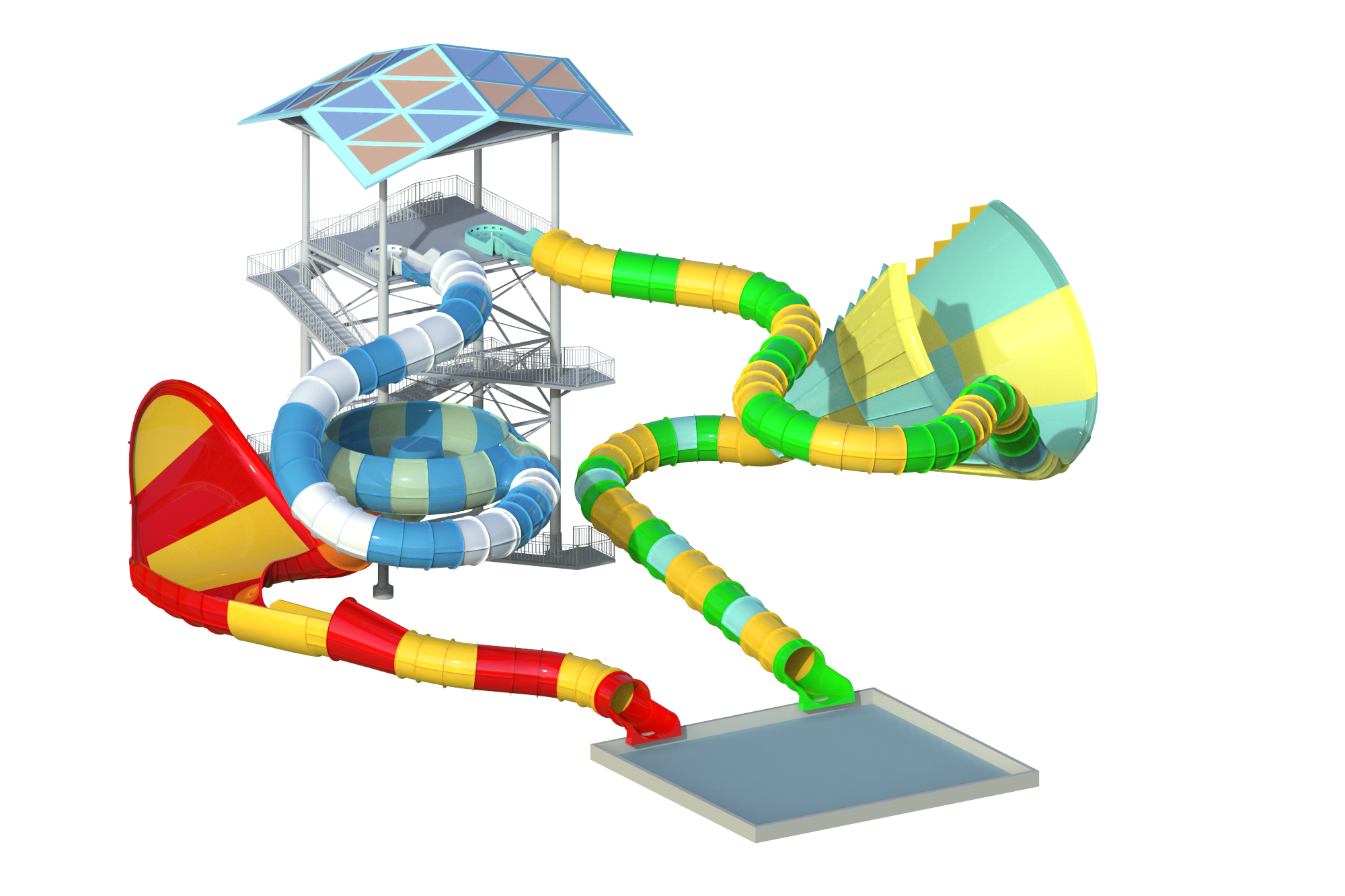
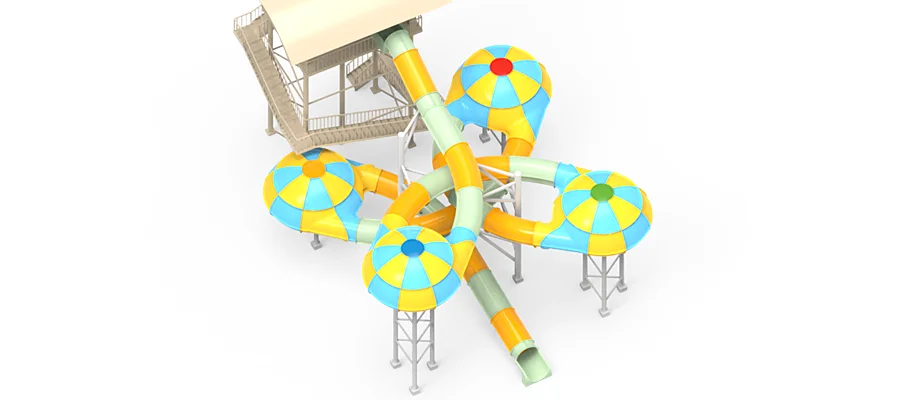
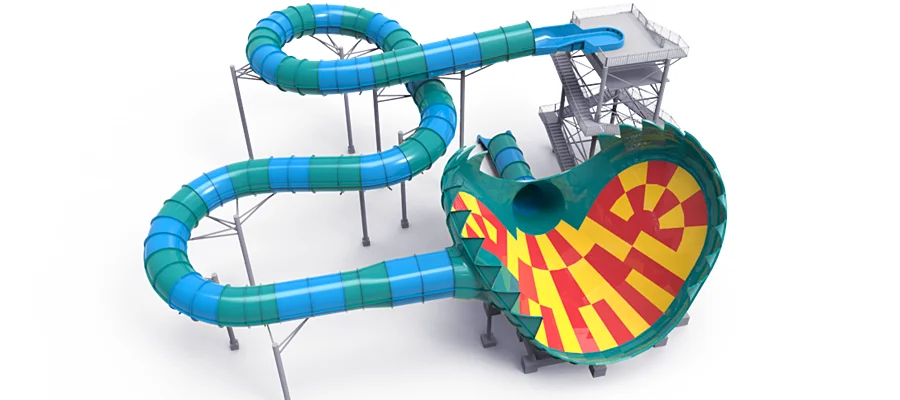
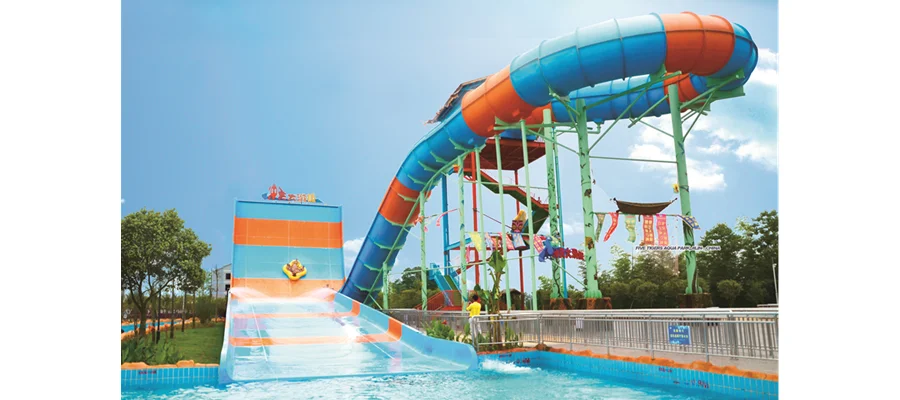
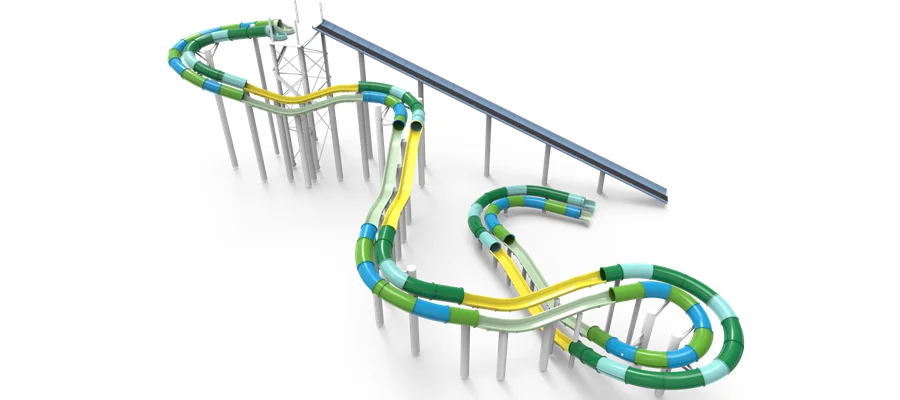
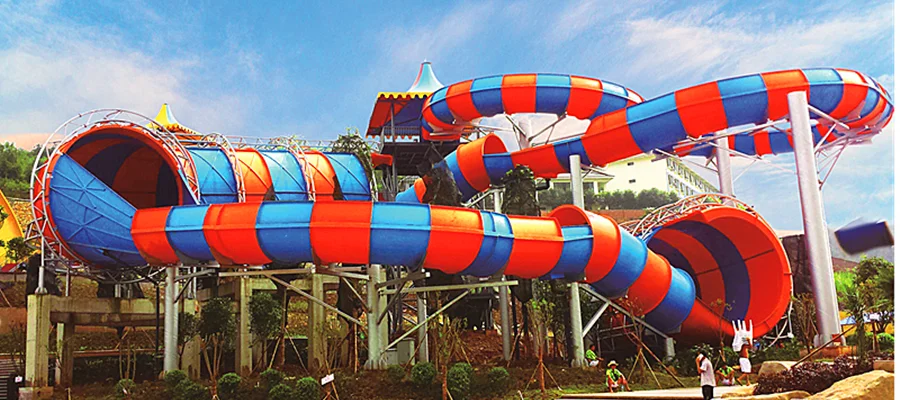
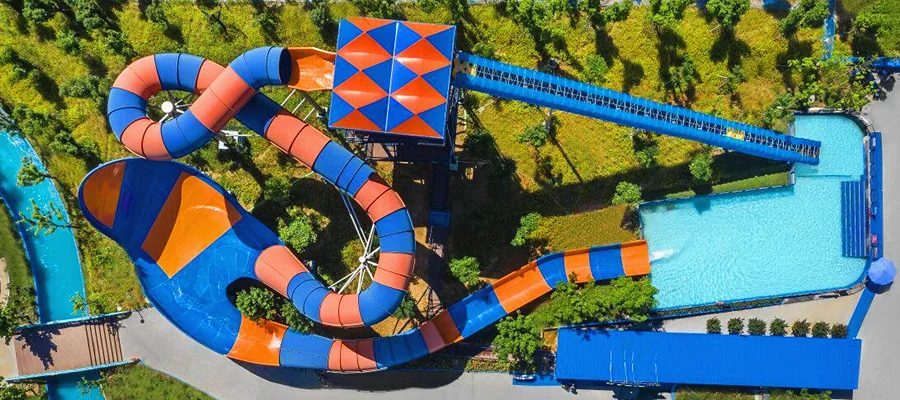
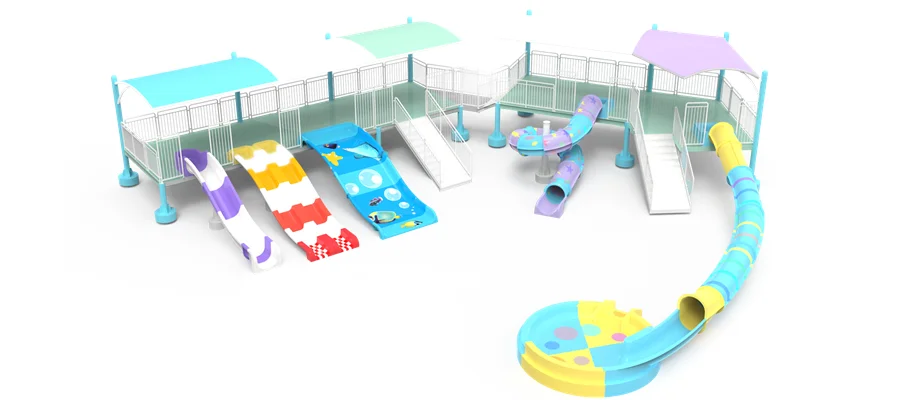
Long construction timelines kill project budgets. A typical custom slide from design to delivery takes eight to ten months. Our shop in Guangzhou has shifted to modular molds. Instead of building one unique fiberglass piece, we produce standardized segments that bolt together but change shape through different jig angles. For water park construction companies, this means site assembly in days instead of weeks. We recently shipped a four-slide tower to a Malaysian development – the entire set of segments fit into four shipping containers. Water park manufacturing companies that embrace modular design also reduce waste. Fiberglass offcuts dropped by nearly half in our last quarter. But here is the practical detail: modular does not mean boring. We create different color inserts and rail shapes that clip onto the same base segments. So a water park manufacturer can offer a “new” slide every season just by swapping the outer shells. This keeps return customers coming back for refresh packages. For any water park construction company handling multiple projects, this predictability changes how you bid labor and storage. We have seen project managers reduce on-site work crews by 30% using our modular combo – which includes the segments, the lifting jigs, and the assembly manual.
The shift toward smarter, more efficient, and modular equipment is already happening. Waiting until 2026 to evaluate these innovations means missing early adoption advantages. At Dalang, we focus on selling combination systems – safety sensors bundled with circulation controls, modular slides paired with assembly tools – because single components rarely deliver the full benefit. Whether you represent a development fund or operate an existing park, ask your equipment provider about these three areas. If they cannot show real testing results, keep looking. The right water park manufacturing partner will share shop-floor data, not just renderings.