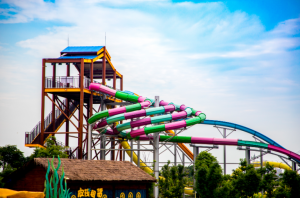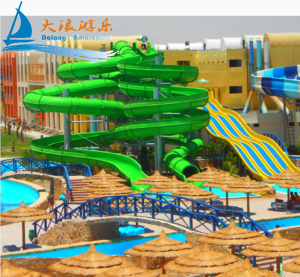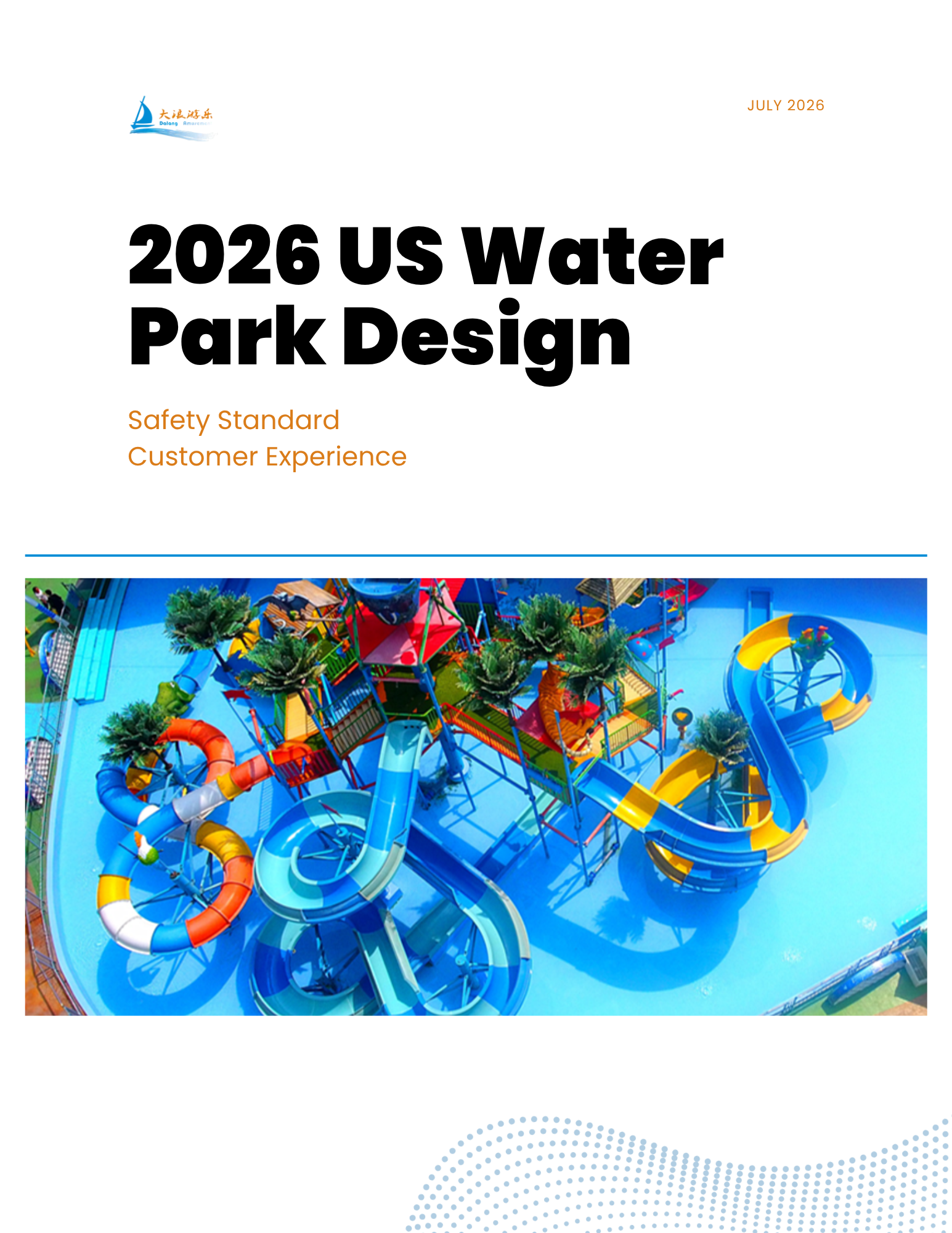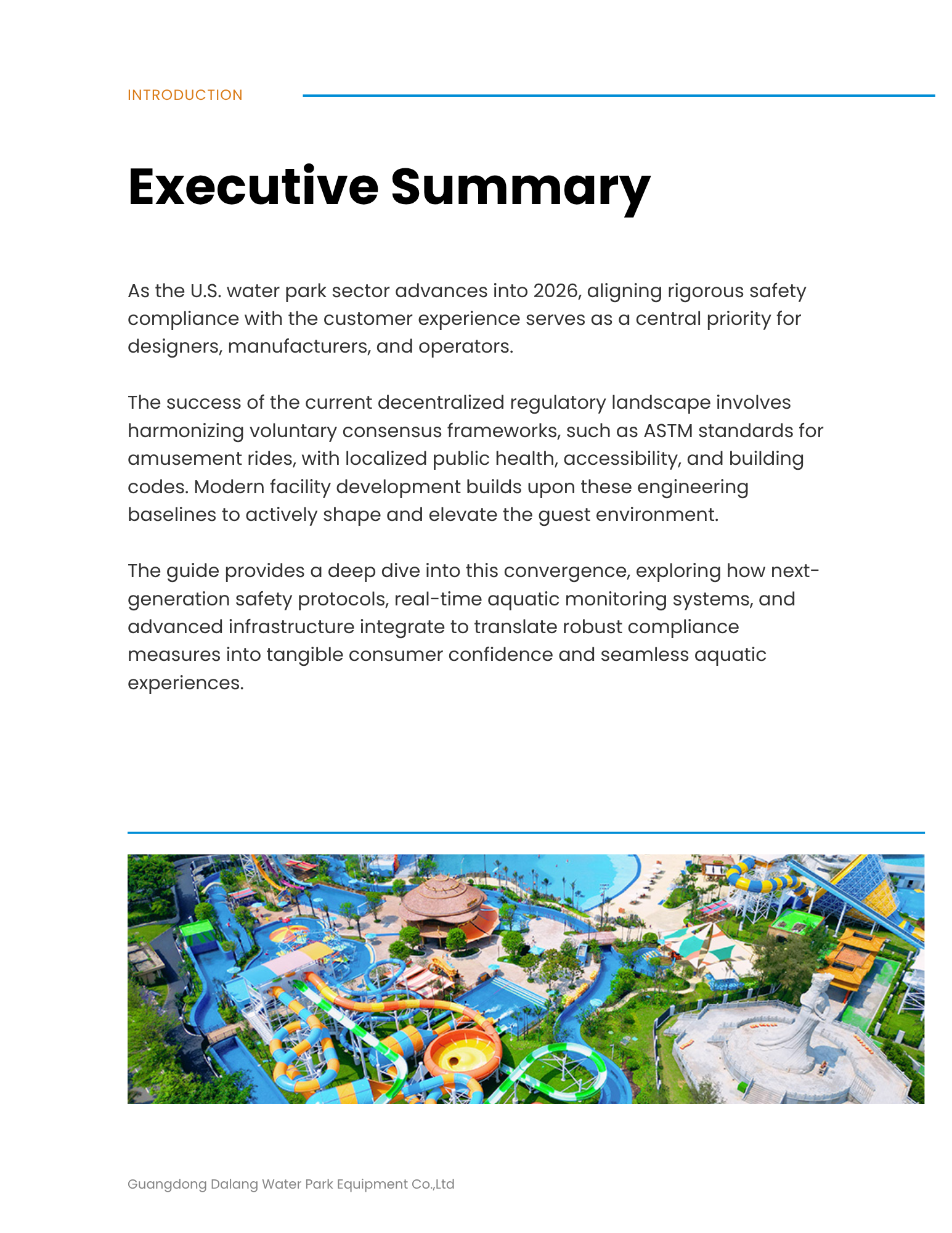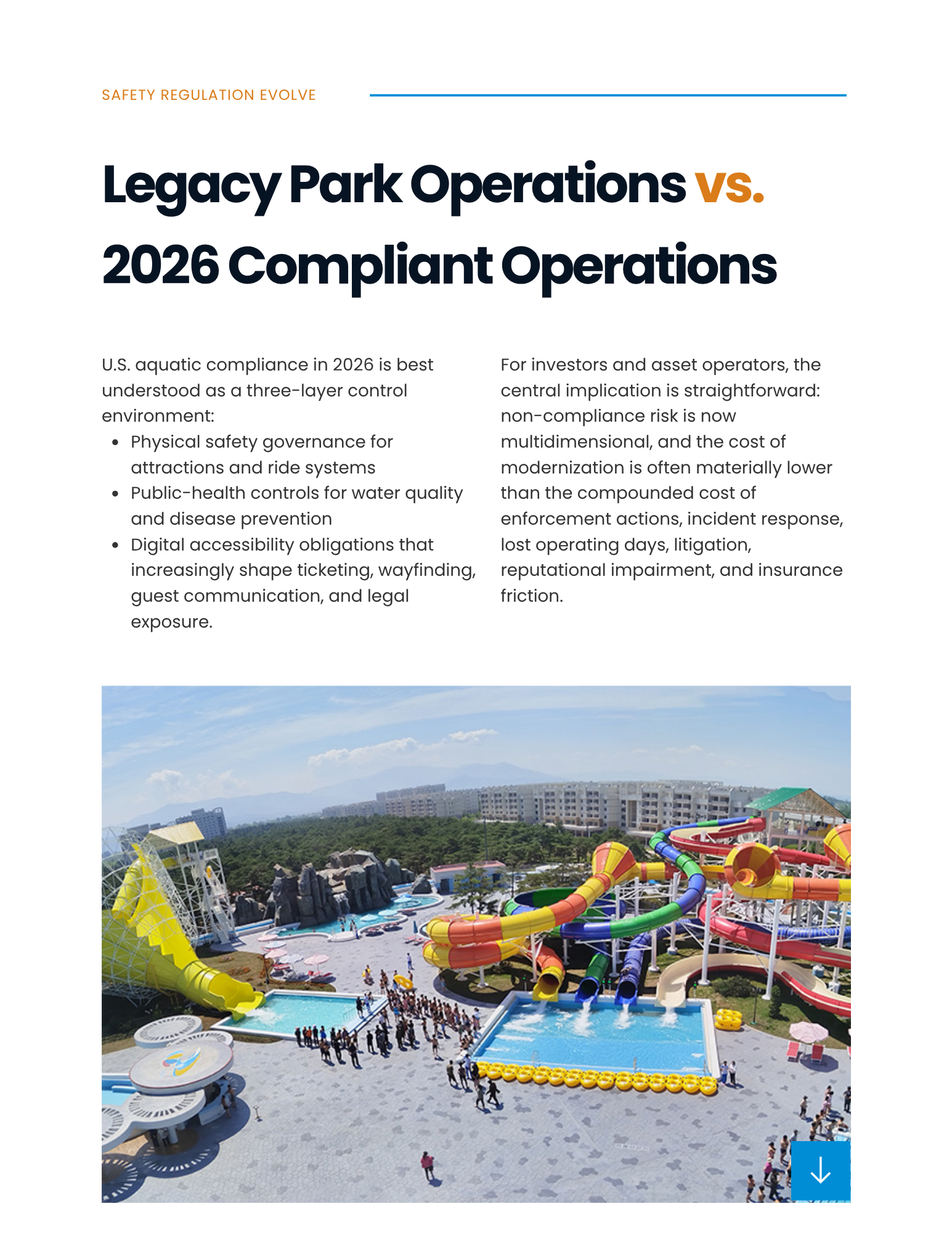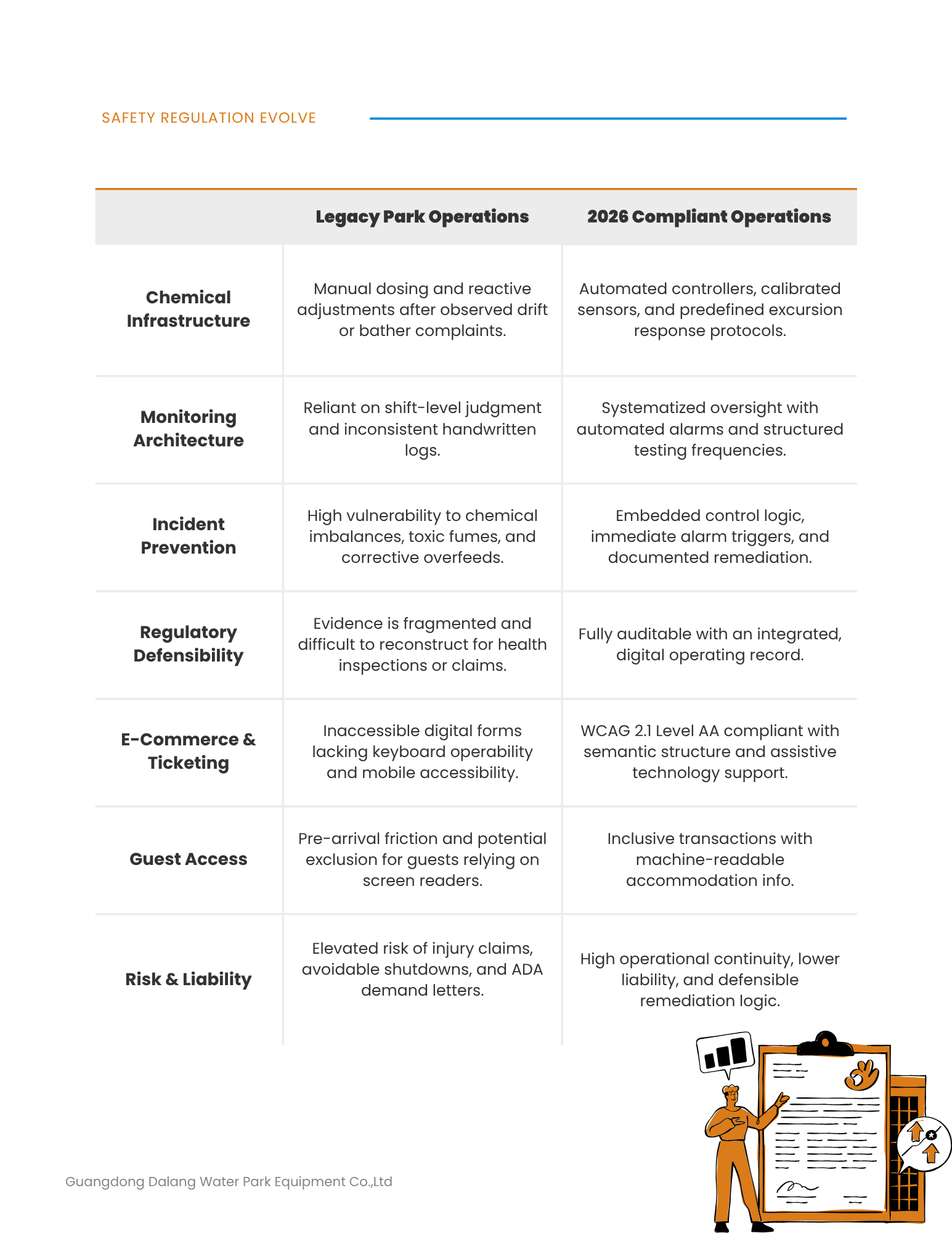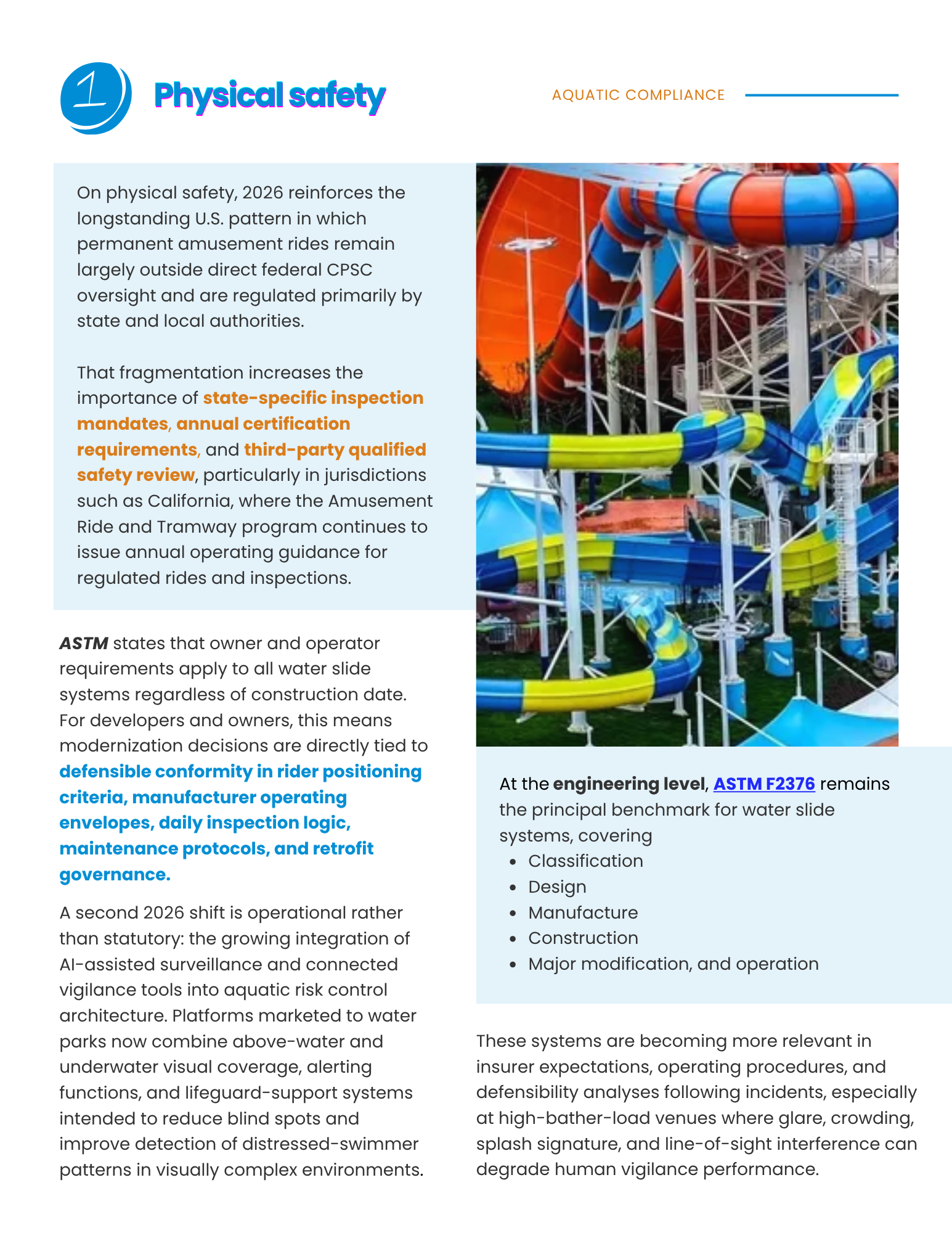
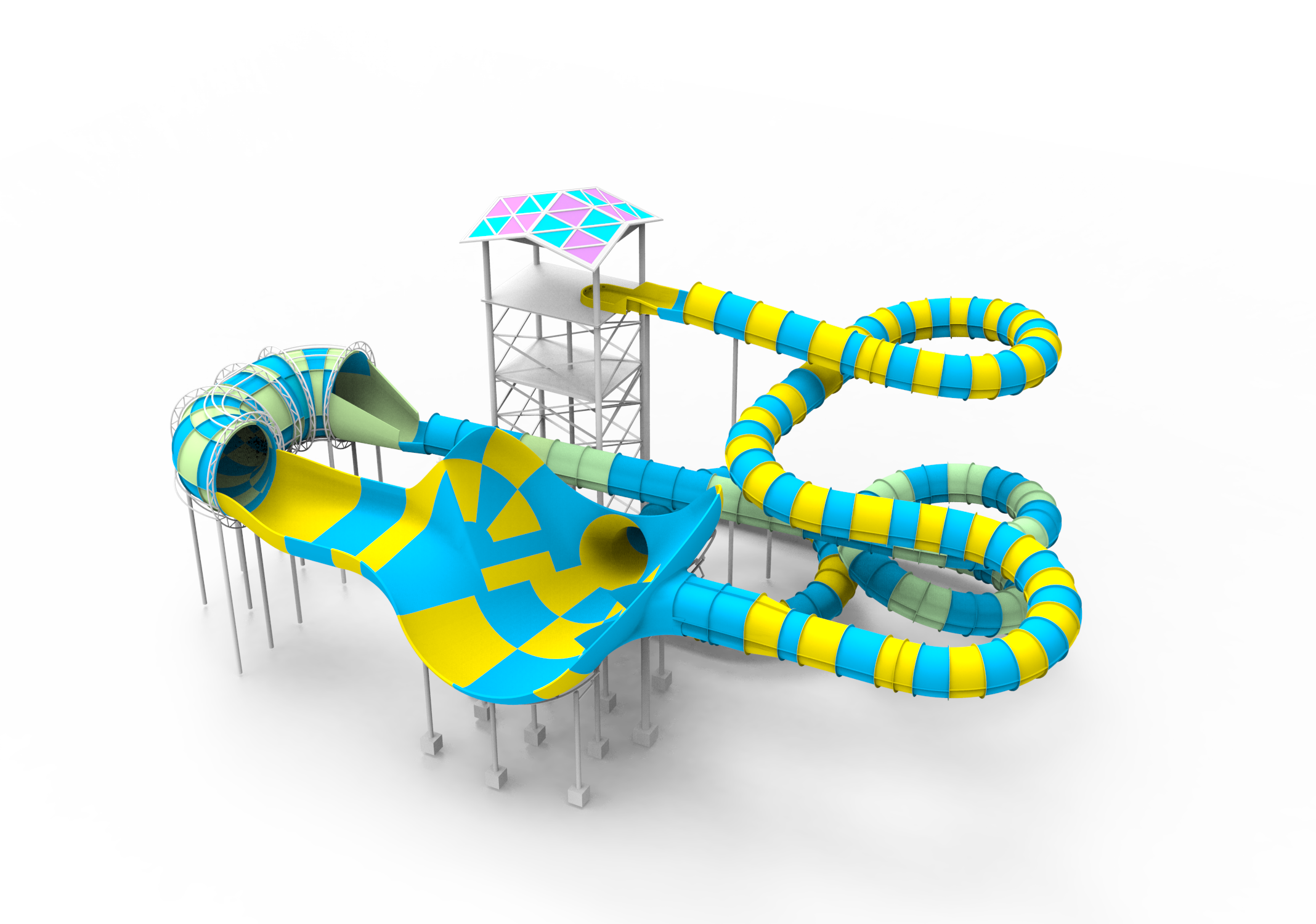
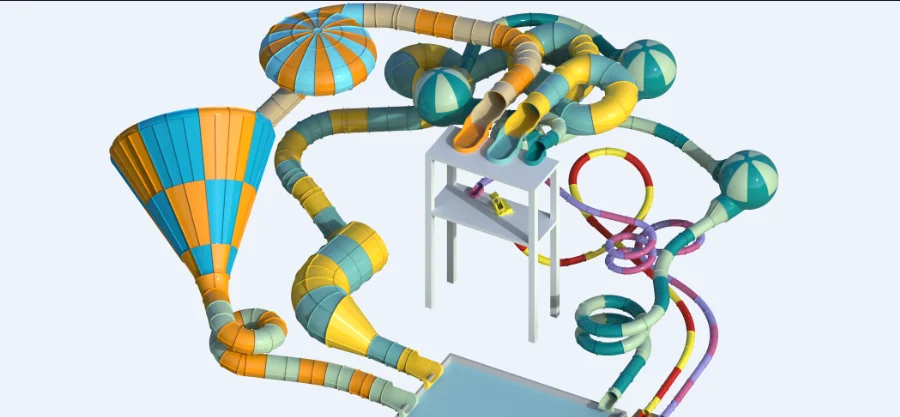
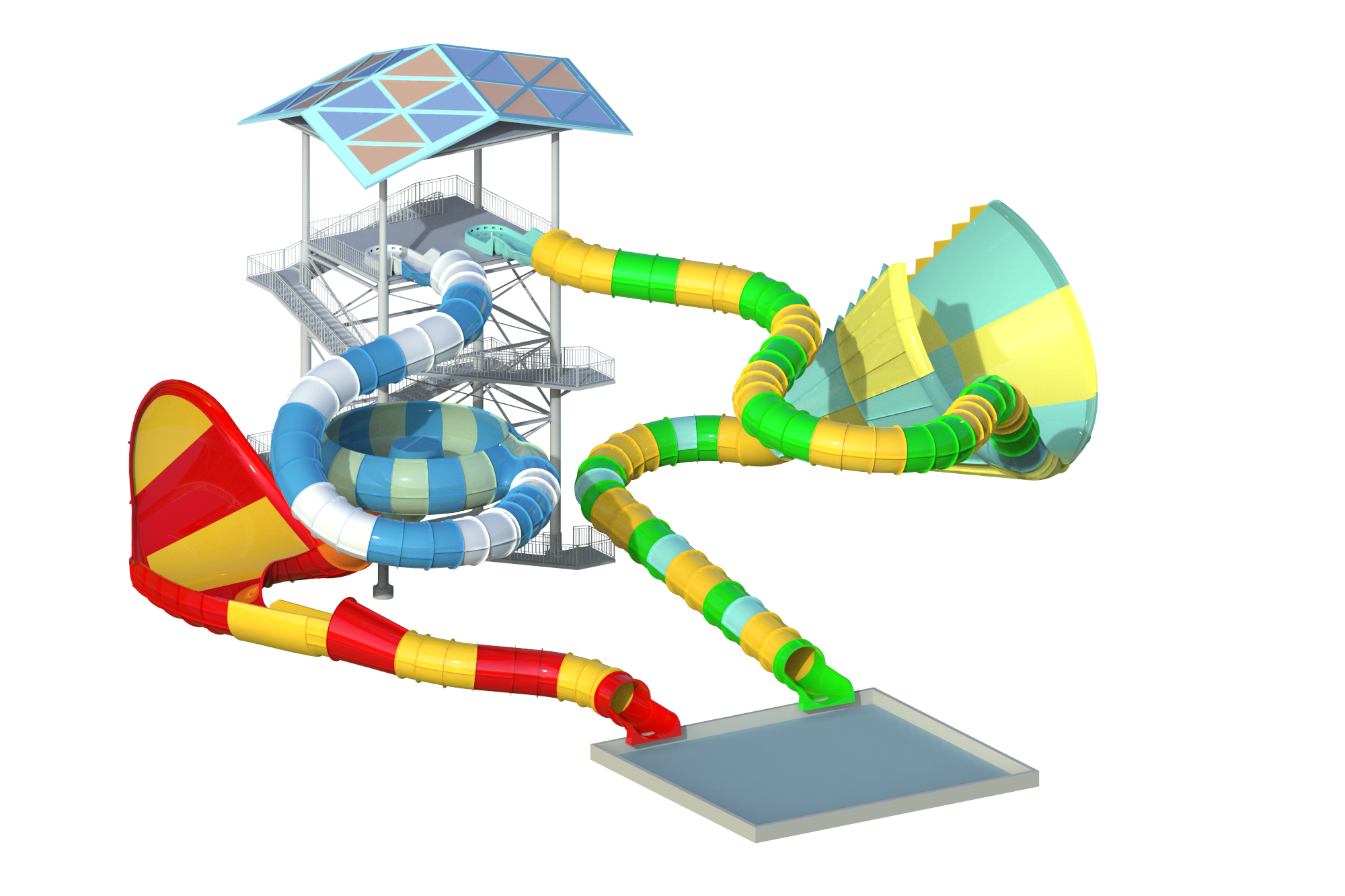
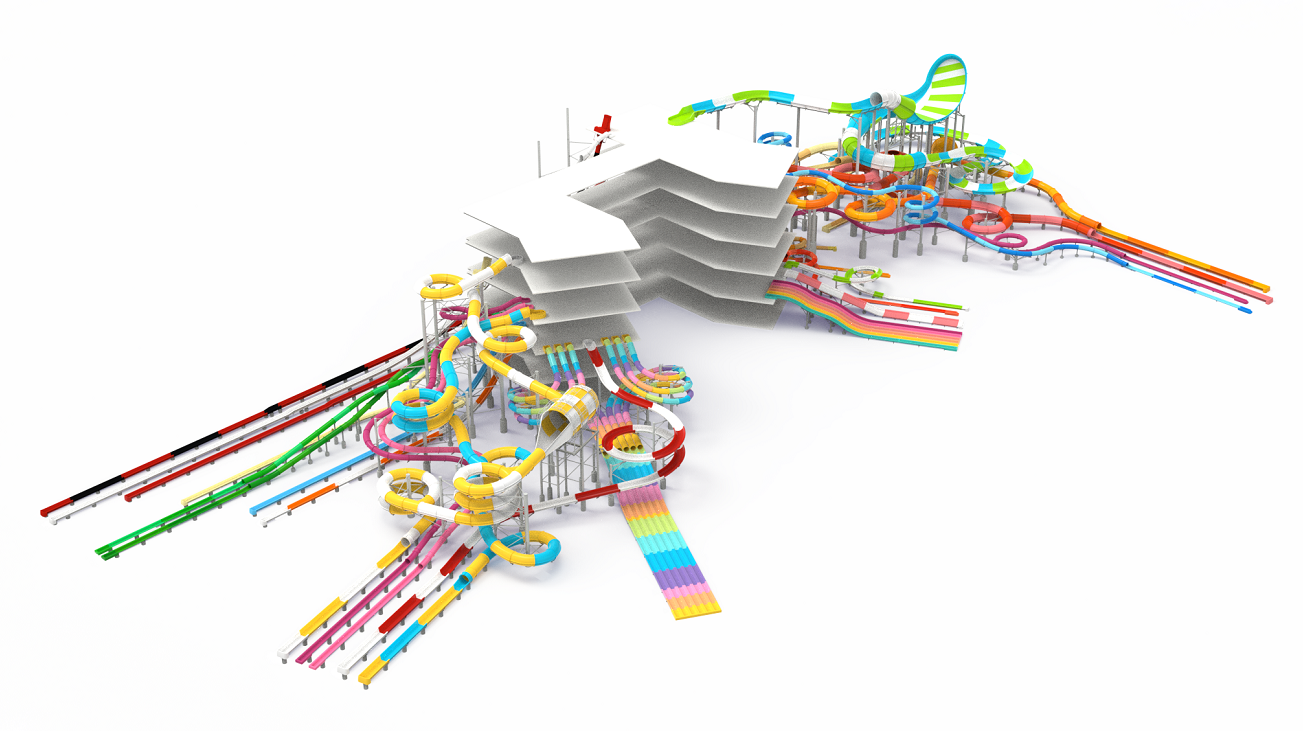
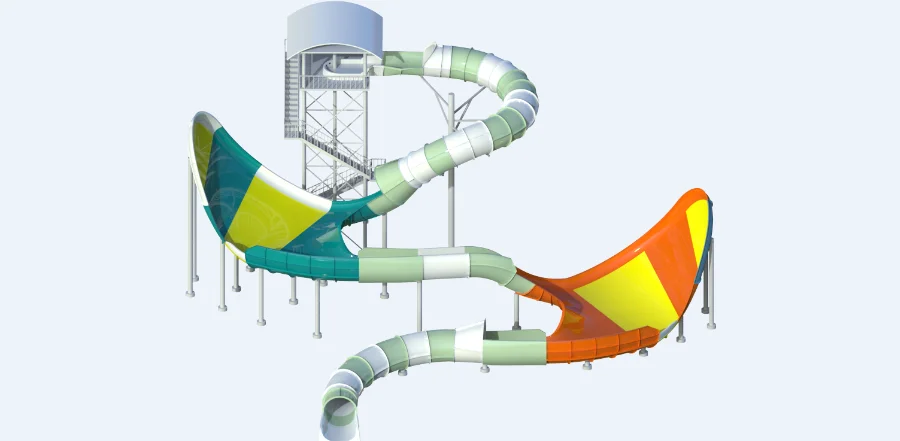
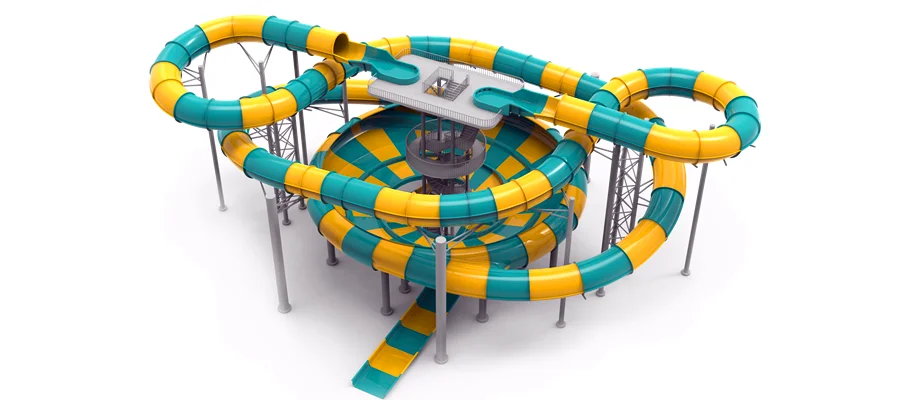
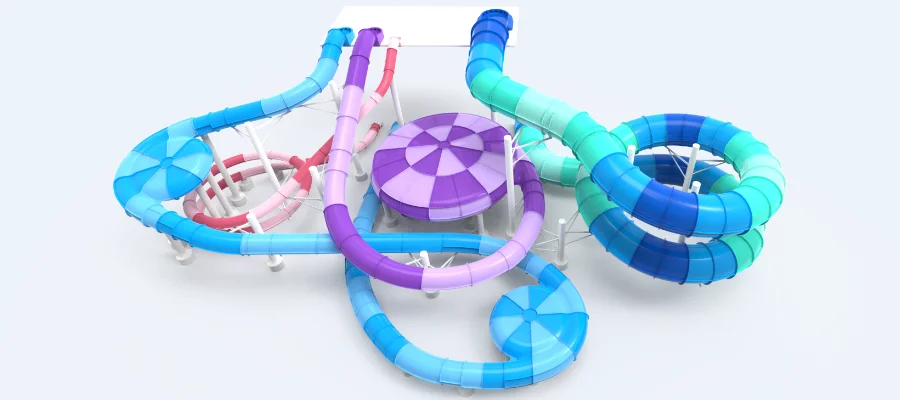
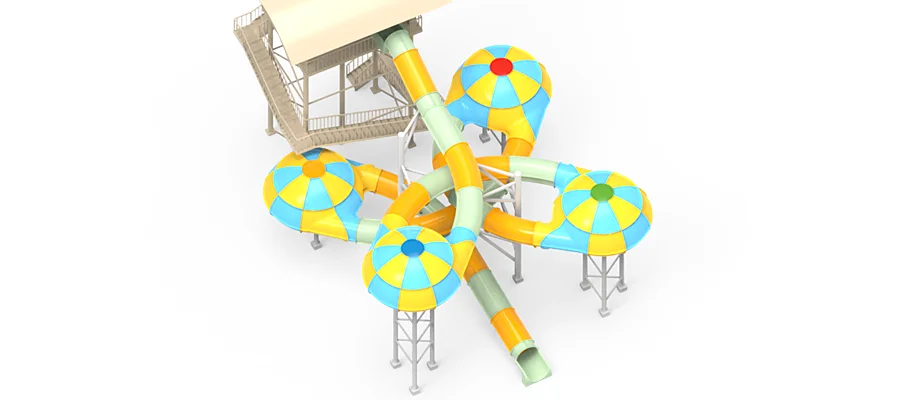
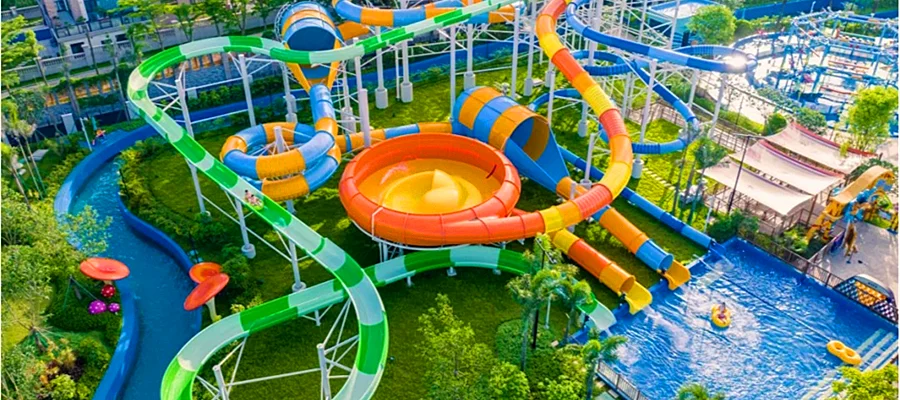
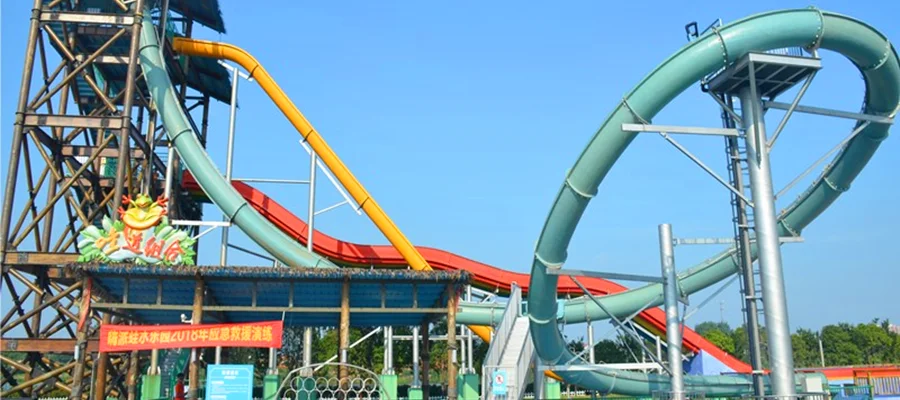
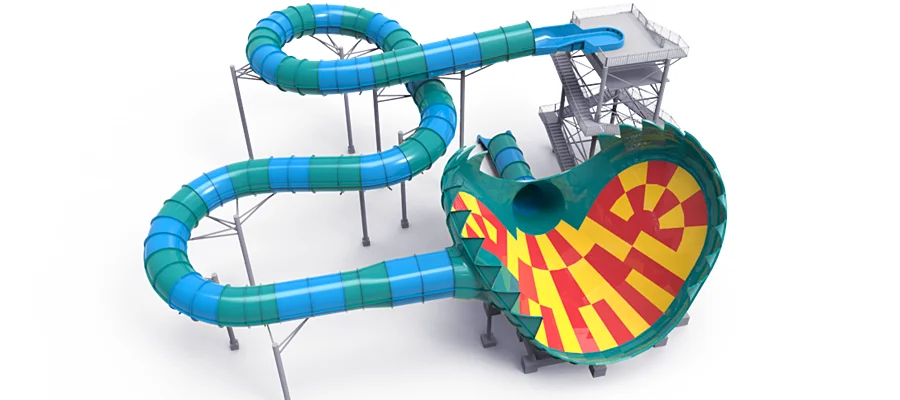
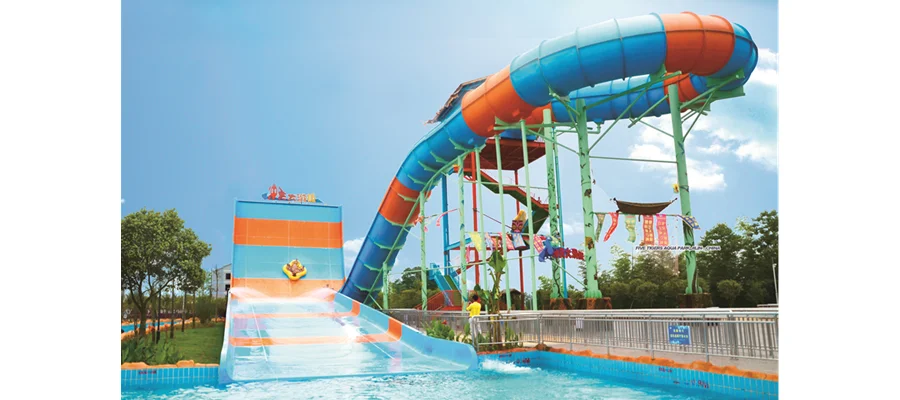
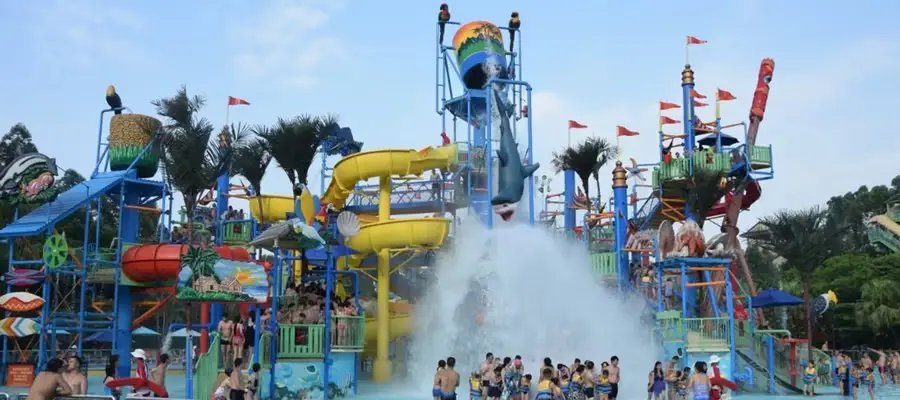
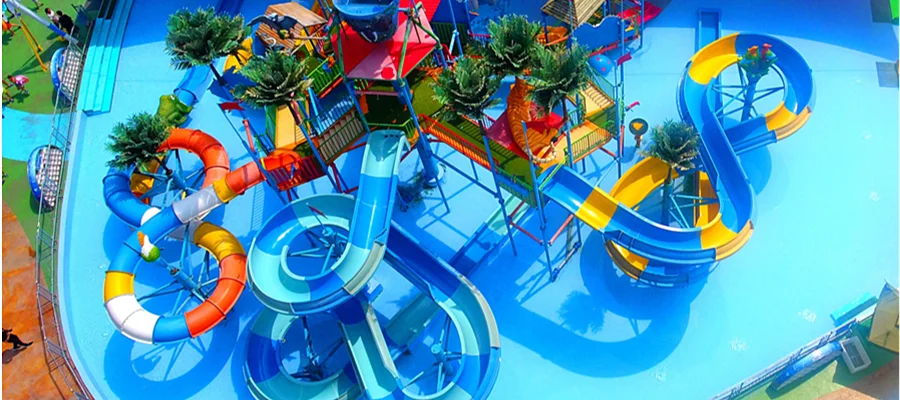
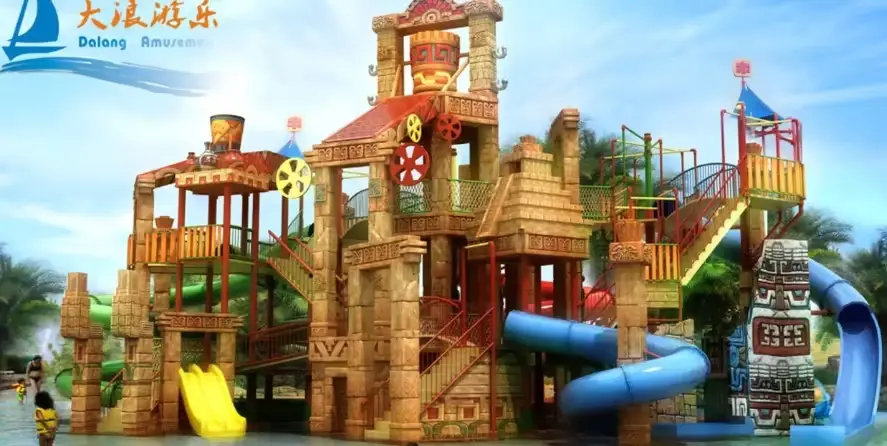
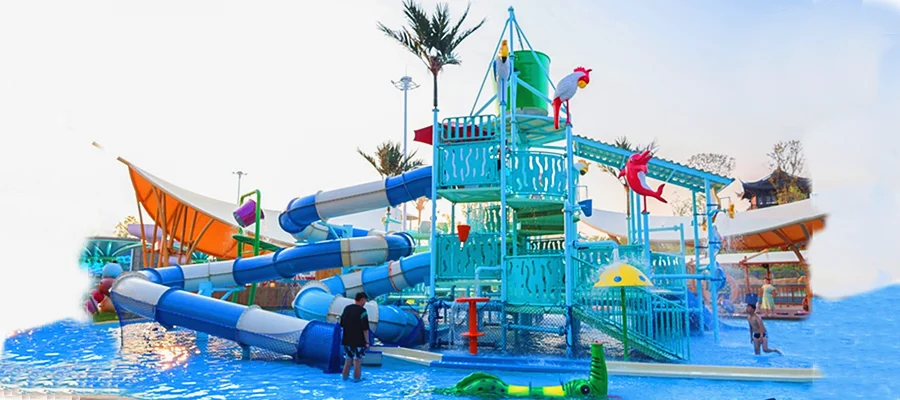
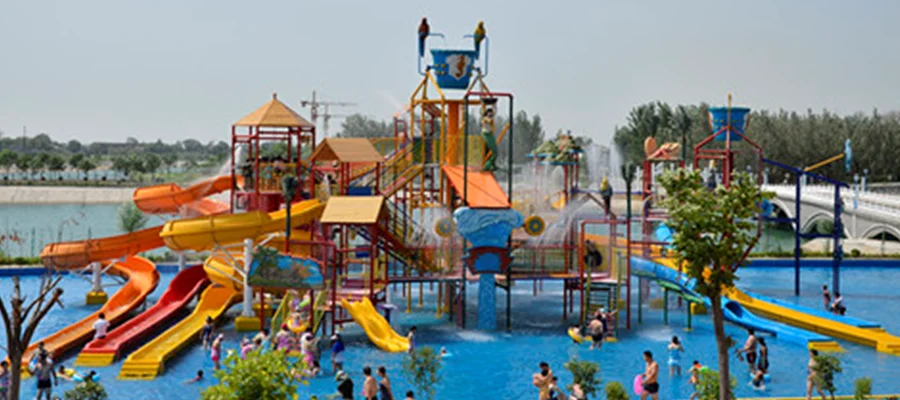
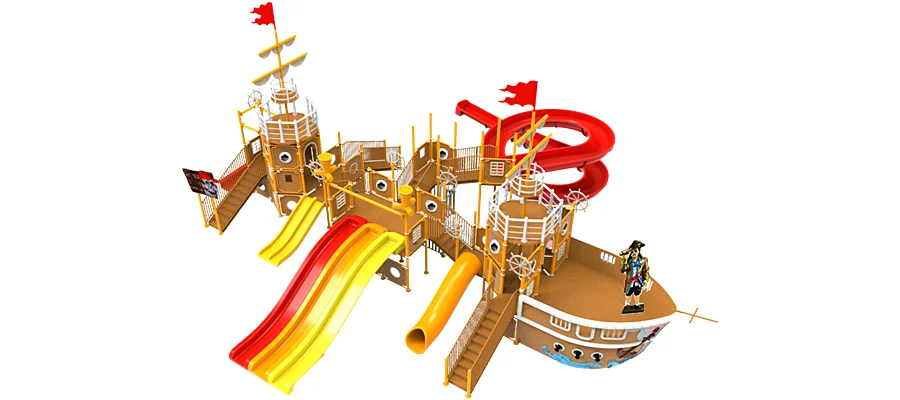
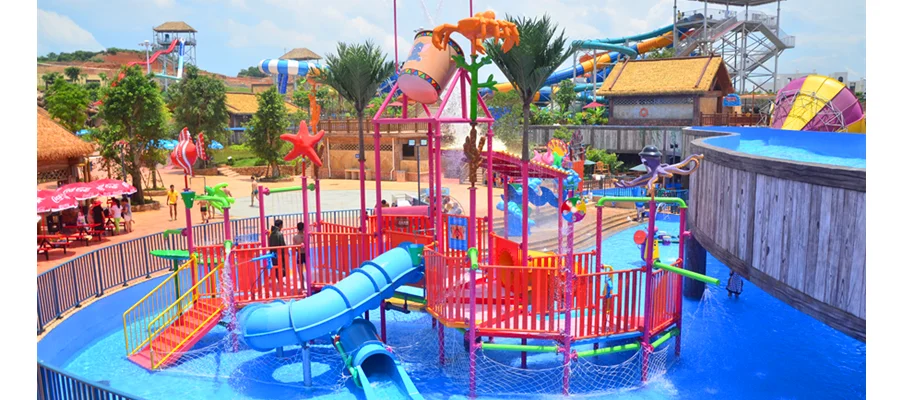
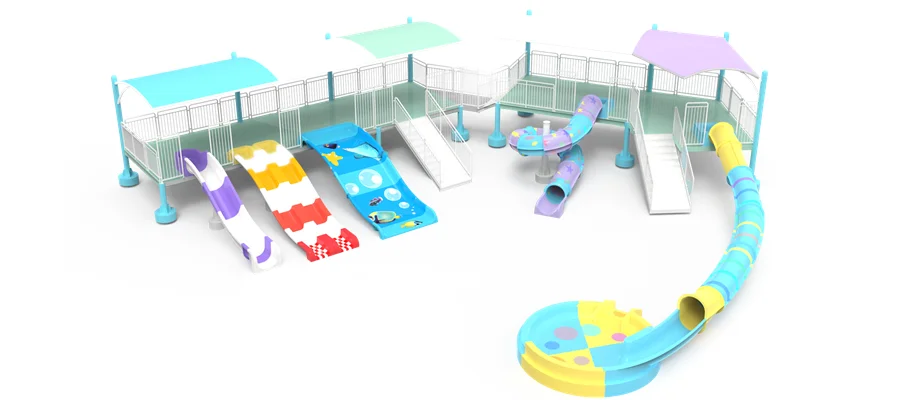
When we at Dalang help clients plan new attractions, the most common question is about separating reliable gear from flashy but fragile options. Over fifteen years of supplying commercial water park equipment, we have seen buyers regret rushed decisions. This article shares practical features we check daily, based on real installation feedback from parks across Southeast Asia and the Middle East. Let us walk you through what actually matters for long-term operation.
Material Durability and Corrosion Resistance
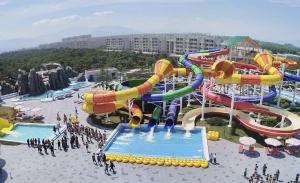
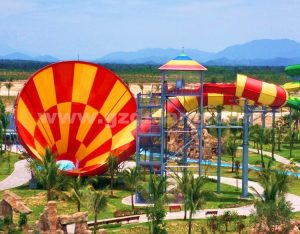
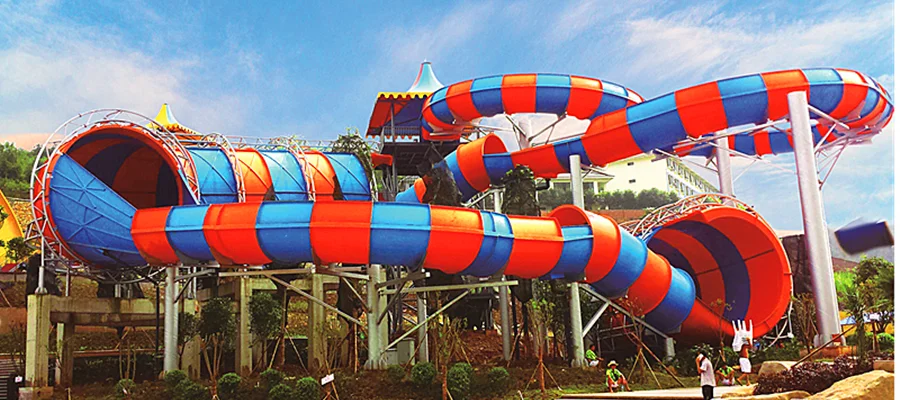
Fiberglass and stainless steel quality vary wildly between suppliers. We once replaced a client’s slide tower after only two seasons because the manufacturer used substandard gel coats. That is why we always inspect UV stabilizers and salt-spray test reports. High-grade fiberglass should feel smooth without micro-cracks under bright light. For metal components, 316 grade stainless steel outperforms 304 in chlorine-rich environments. Many water park manufacturers cut corners here, but our combination products use marine-grade alloys for all load-bearing parts. You should also check gasket materials—EPDM rubber lasts three times longer than standard neoprene when exposed to pool chemicals. Request sample coupons and bend them. Quality material won’t show white stress marks. This single step saves thousands in annual patchwork.
Safety Systems and Guest Flow Management
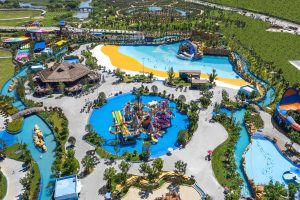
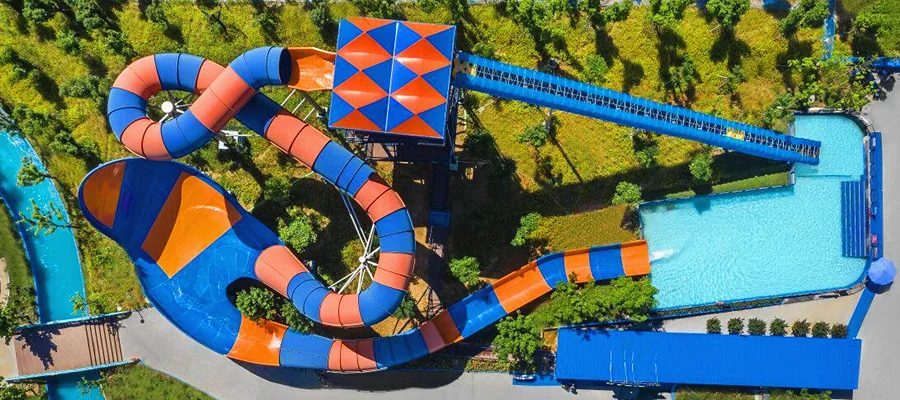
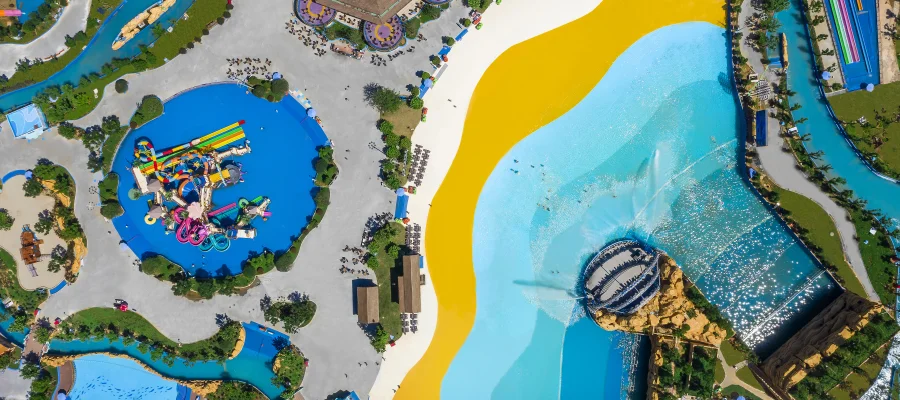
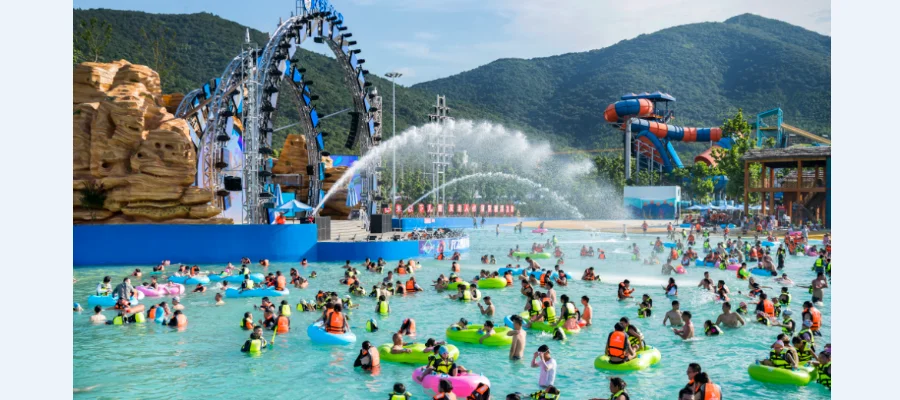
Even the most exciting ride becomes a liability without thoughtful safety integration. We learned this hard way when a client’s wave pool had excellent pumps but zero anti-entrapment grates. Now every combo package we design includes redundant vacuum release systems and slip-resistant flooring with 0.8 coefficient of friction. But hardware alone does not prevent accidents. The water park layout design directly impacts how lifeguards monitor blind spots. For instance, placing a rapid river exit near a kiddie slide creates dangerous cross-traffic. Our layout team uses real-time simulation tools to map high-density zones before pouring concrete. Additionally, consider water depth markers every three meters and audible alarms for sudden pump shutdowns. When evaluating proposals, ask suppliers about their incident response protocol. Trusted water park manufacturers will share anonymized safety audits without hesitation.
Modularity and Future Expansion
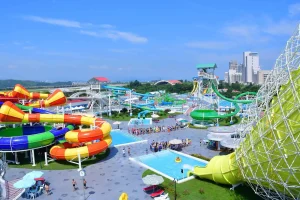
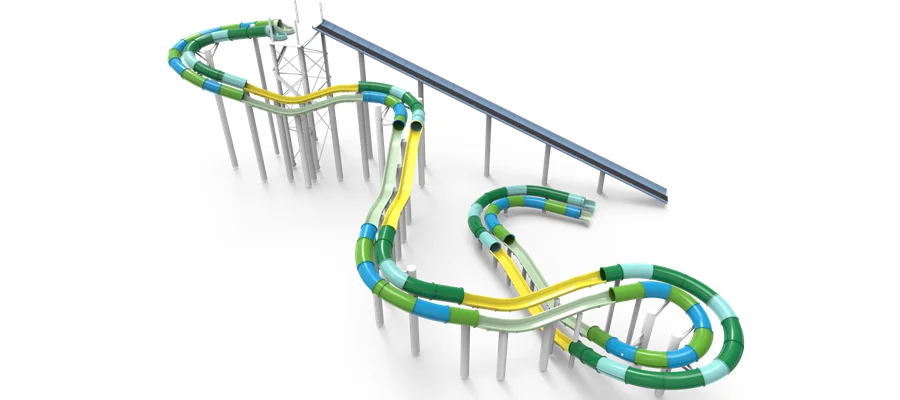
Parks rarely keep the same footprint for a decade. We recently helped a Malaysian client expand their lazy river without closing existing slides, thanks to modular joint systems. Look for equipment with bolt-flange connections rather than welded supports. This allows you to rearrange spray pads or add tube slides with minimal concrete work. A flexible water park layout plan also lets you phase investments—open the main pool first, then install the adventure tower next season. Our combination products include pre-marked utility ports for future pumps and filtration units. One overlooked feature: standardized pipe diameters. If every slide uses unique fittings, you will pay custom fabrication costs later. We stock common sizes for all bundled items, so expansion never requires scrapping existing gear. Ask for CAD files of connection points before signing. This small check prevents expensive surprises.
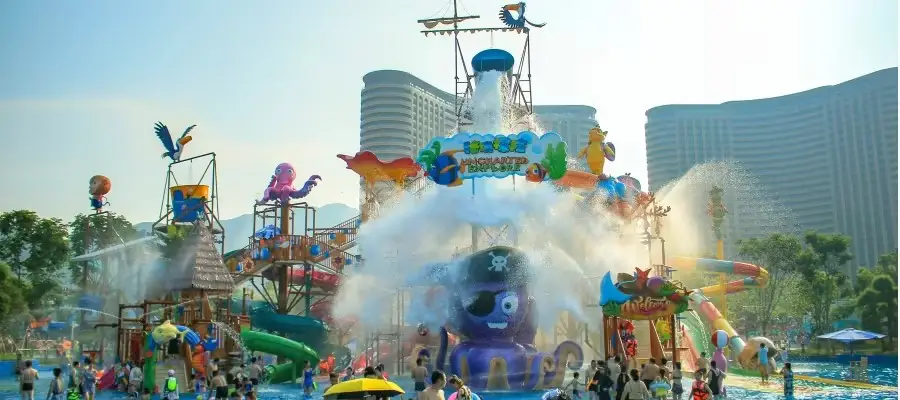
Choosing commercial water park equipment does not require guessing. Focus on verified material tests, safety-driven spatial design, and modular connectors for future growth. At Dalang, we bundle these features into every combo package because isolated good components often fail as a system. Whether you need a full park or an expansion zone, our team provides material samples and layout drafts before any deposit. Visit our website to see recent installation videos. For a water park layout plan tailored to your land shape, request a free consultation through the same link. Good equipment pays for itself within three operating seasons—when you know what to look for.