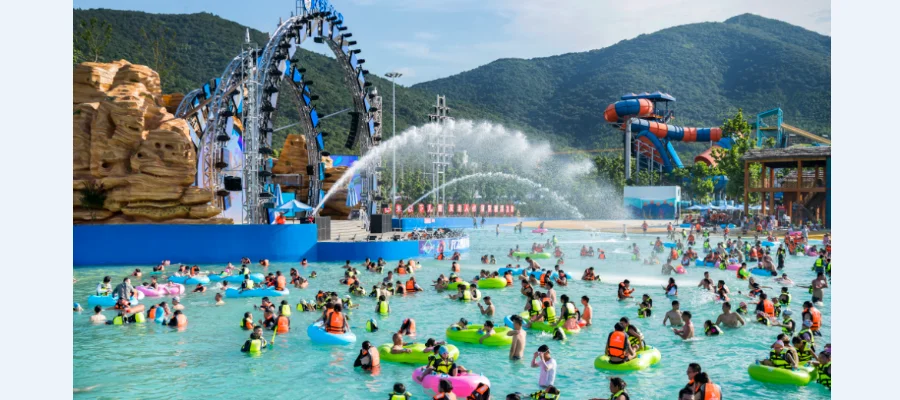
Building a wave pool involves much more than digging a hole and filling it with water; it is about mastering fluid dynamics to create a consistent guest experience. We at Dalang have seen many developers focus solely on the size of the pool while overlooking the technical backbone that keeps the waves rolling year after year. When you look for a wave pool for sale, the internal machinery and the structural integration are what actually define your return on investment. If the wave generators are mismatched with the pool’s dimensions, you end up with “dead zones” where water stagnates or waves that hit the walls too hard, causing structural cracks. Our approach centers on providing a complete ecosystem of equipment where the blowers, control panels, and safety sensors are designed to work as a single, robust unit.
The Impact of Hydraulic Efficiency on Operational Costs
Operational expenses can skyrocket if the wave system is inefficient or poorly integrated into the broader park environment. As experienced water park manufacturers, we emphasize that the power consumption of a wave pool is directly tied to the precision of the air-pressurized chambers. In our past projects, we have observed that even a small misalignment in the chamber valves can lead to massive energy waste and mechanical strain. We provide combination products that include the wave machinery along with specialized filtration systems to ensure the water density remains consistent, which helps the waves form correctly without overworking the motors. This level of technical synergy reduces the frequency of part replacements and ensures that your energy bills don’t eat into your seasonal profits.
Designing a Layout That Prioritizes Guest Flow and Safety
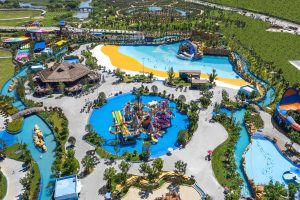
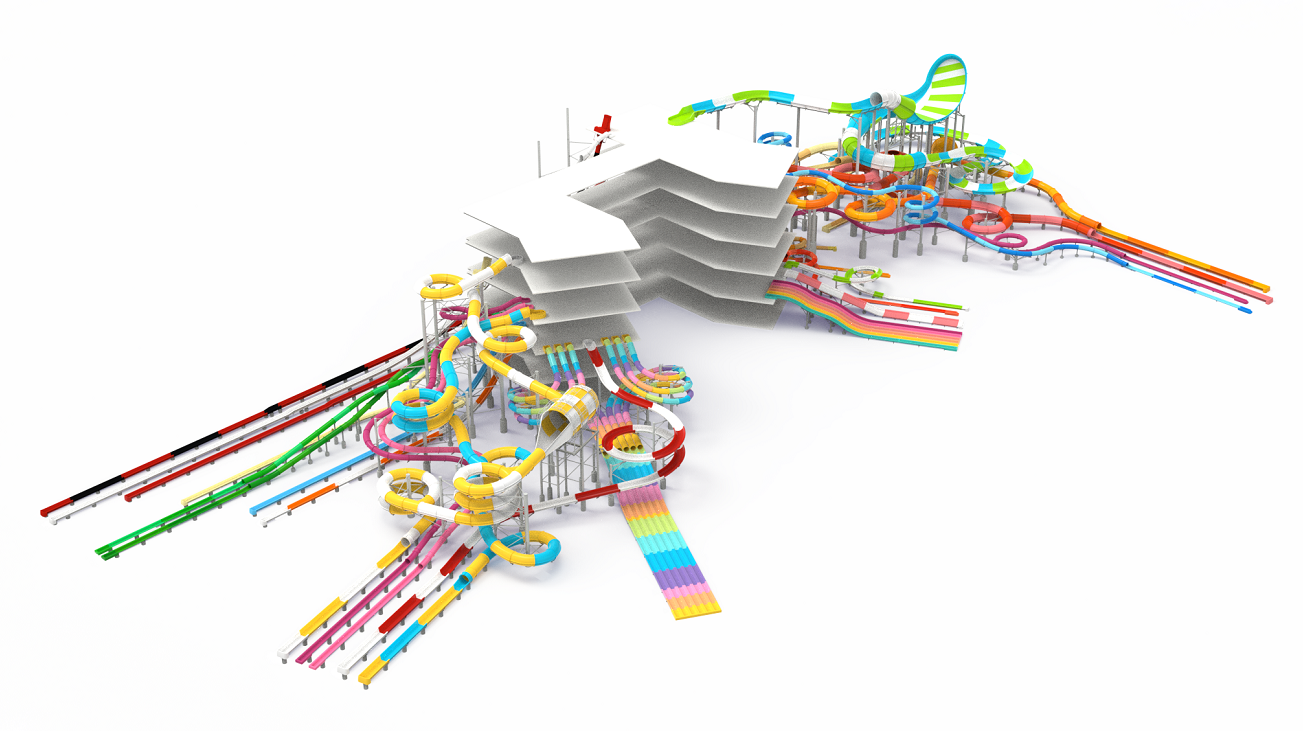
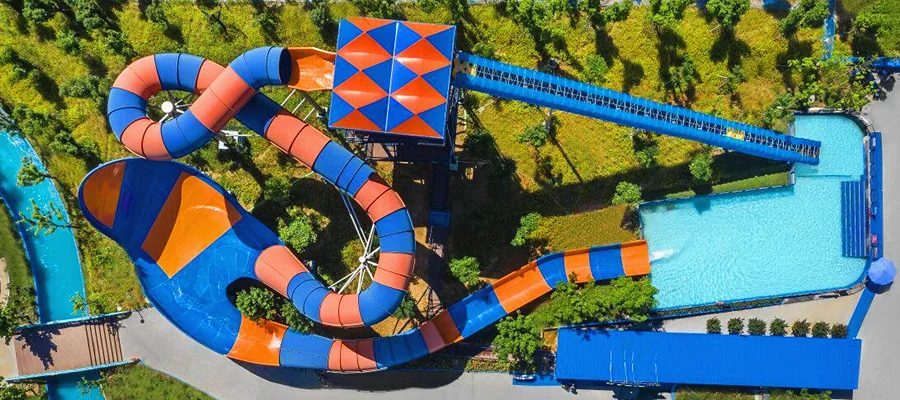
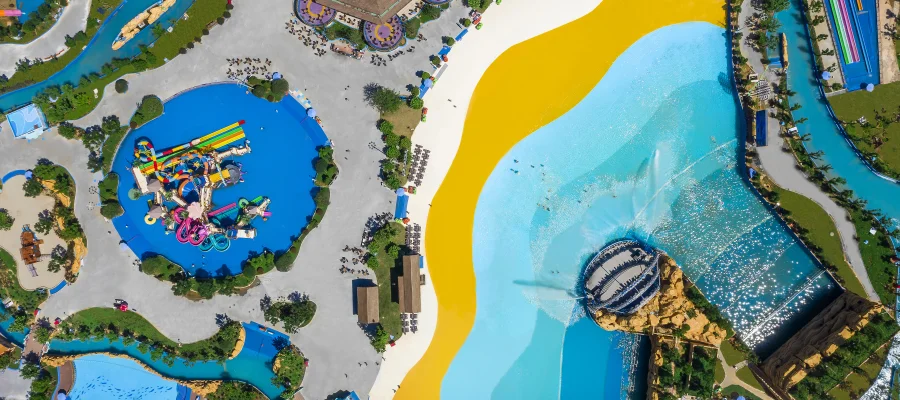
Creating a functional environment requires a deep dive into the water park layout plan to ensure the wave pool doesn’t become a bottleneck for your visitors. We often walk through sites where the entry beach is too narrow, causing congestion that ruins the relaxed atmosphere. By analyzing the anticipated foot traffic and the specific wave patterns we produce, we help organize the surrounding deck space and lounging areas to complement the water’s movement. Our experience shows that when the pool geometry is perfectly synced with the wave frequency, the water dissipates naturally at the shore, preventing the heavy backsplash that can erode the pool’s edge. This thoughtful arrangement keeps the facility looking fresh and reduces the need for constant masonry repairs around the splash zones.
Longevity Through Integrated Component Sourcing
Sourcing parts from five different vendors is a recipe for technical headaches and long-term mechanical failure. We believe that a wave pool for sale should be treated as a long-term asset, which is why we advocate for unified equipment packages that cover everything from the wave generation to the pool’s plumbing. When a pump fails because it wasn’t rated for the specific surge of a wave cycle, the downtime can cost a park thousands in lost ticket sales. We eliminate this risk by supplying integrated hardware that has been tested to perform under the unique stresses of a wave environment. Since we act as water park manufacturers who handle the full spectrum of production, we ensure that every bolt and seal is compatible with the chemicals and pressure levels present in a high-capacity wave attraction.
Maximizing Reliability with Smart Infrastructure
Focusing on the long-term health of your aquatic center means looking past the initial grand opening and planning for the thousands of hours of operation ahead. We at Dalang focus on the reality of daily wear, ensuring that our equipment is accessible for inspections and built to endure the harsh outdoor elements. By prioritizing a cohesive water park layout plan and using hardware designed for harmony, you create a space that remains safe and exciting for every visitor. Our commitment to selling combination products means you get a streamlined installation process and a mechanical system that is much easier for your staff to manage. Investing in the right engineering today is the only way to avoid the expensive, complex retrofitting projects of tomorrow.