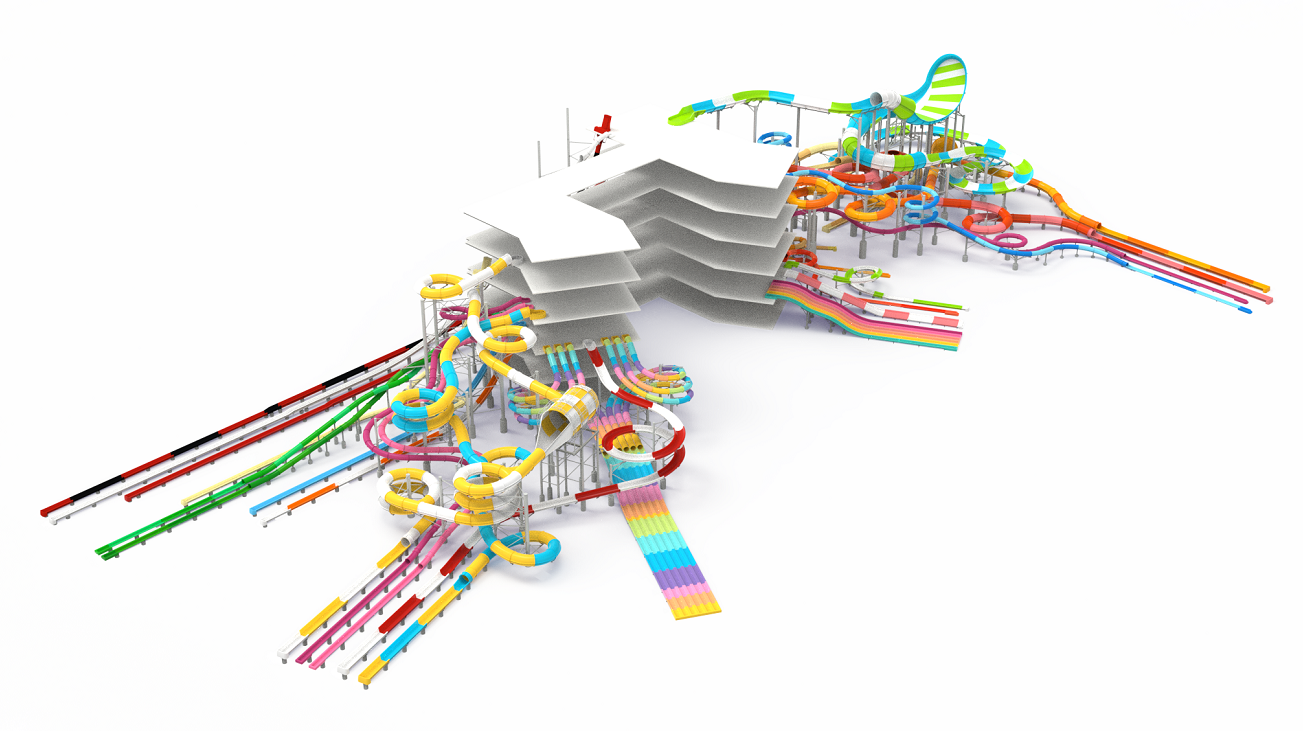
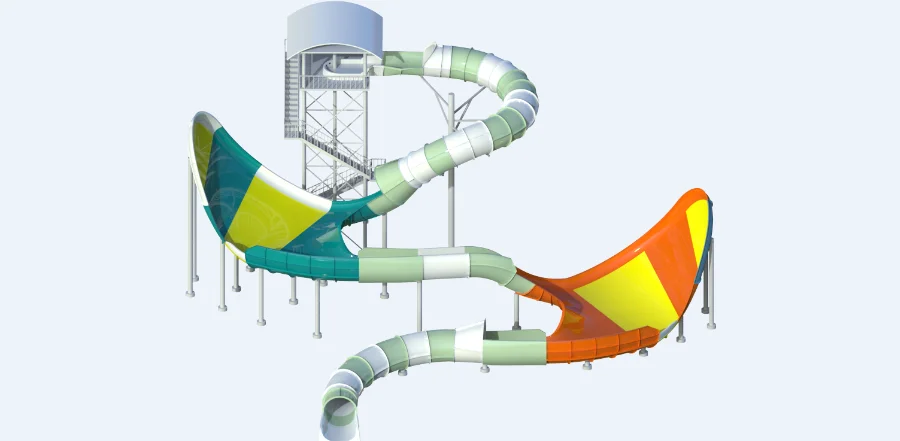
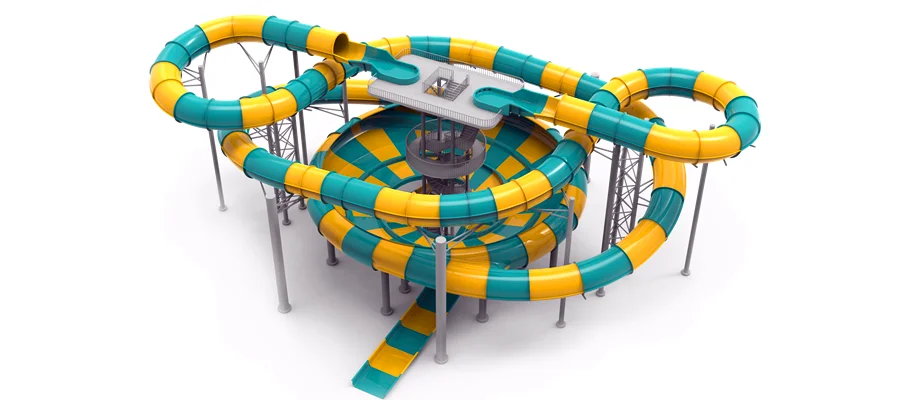
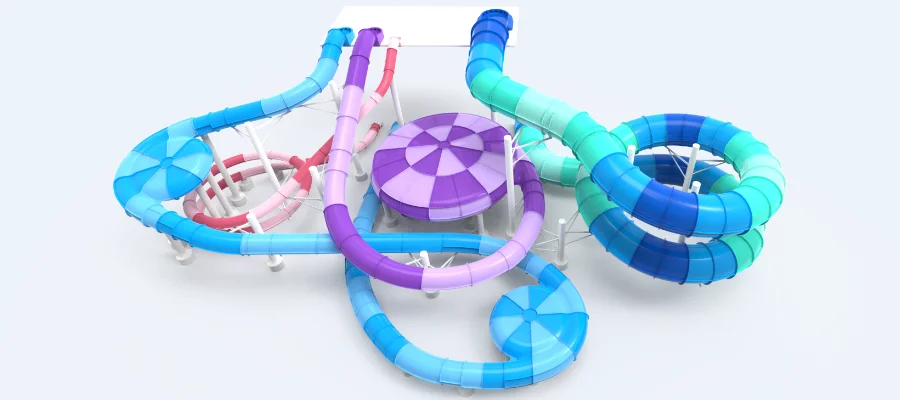
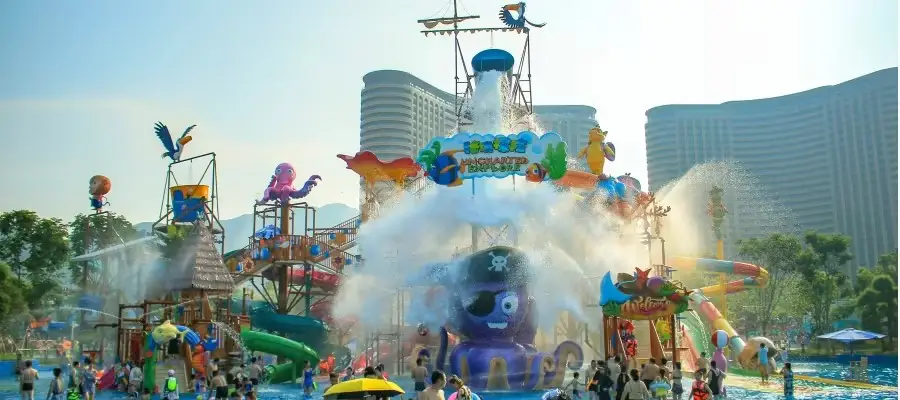
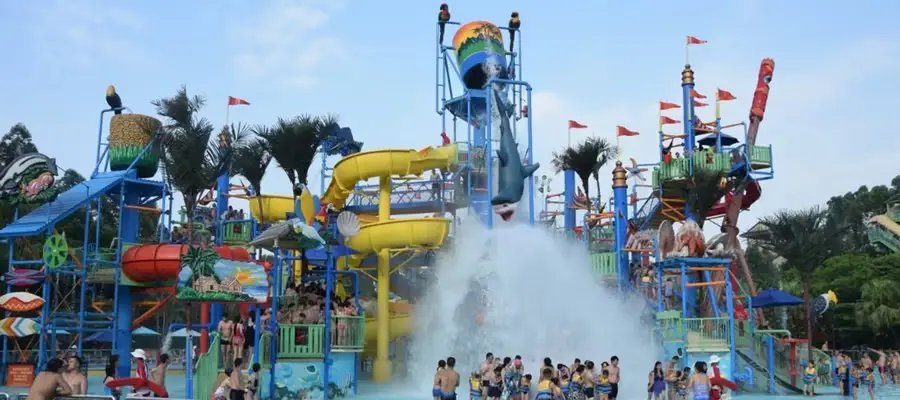
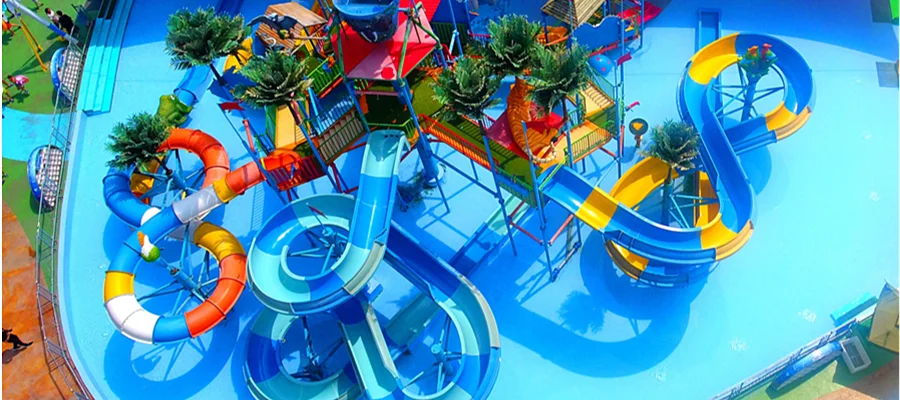
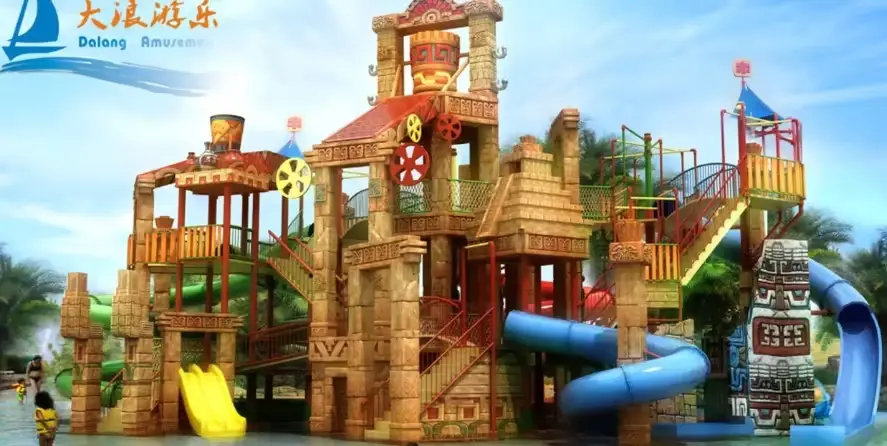
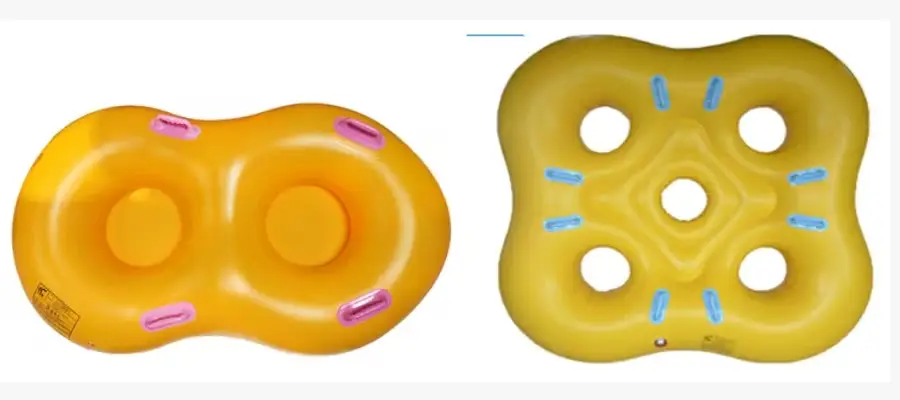
Every indoor aqua park project we have reviewed starts with the same complaint: the building team gave us too little floor area. But after two decades of building compact attractions, we stopped seeing small footprints as a problem. Instead, we learned specific spatial strategies that let us fit more action into less space than many competitors thought possible. Below are the techniques that have saved our clients from costly expansions or abandoned plans.
Rethinking Ride Layout with Multi-Level Play Zones
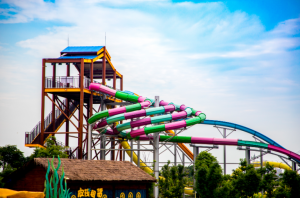
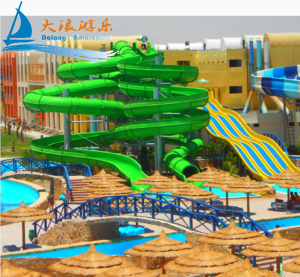
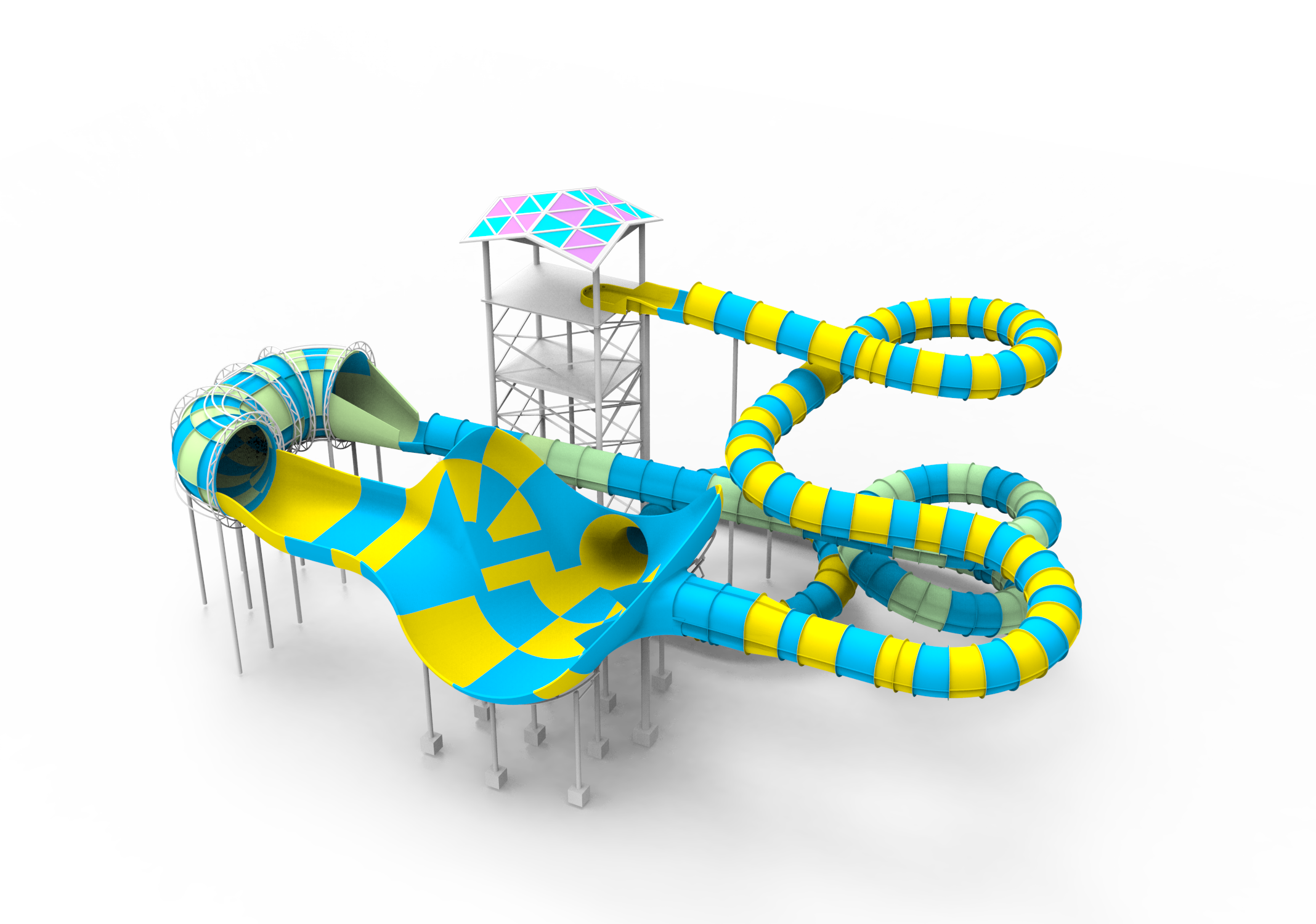
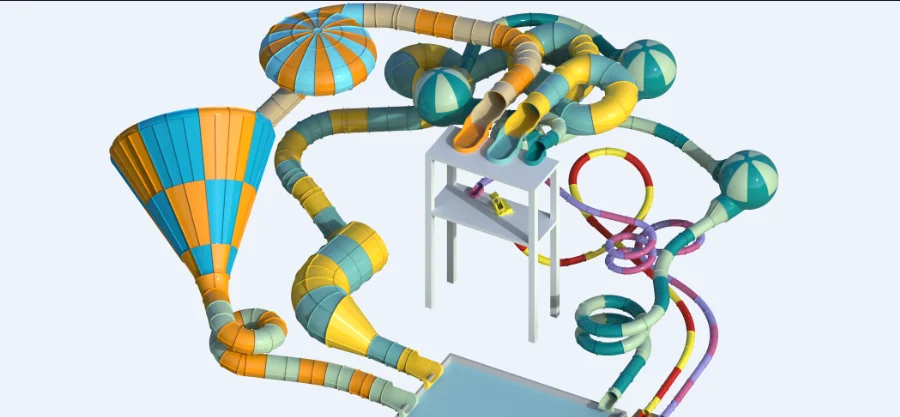
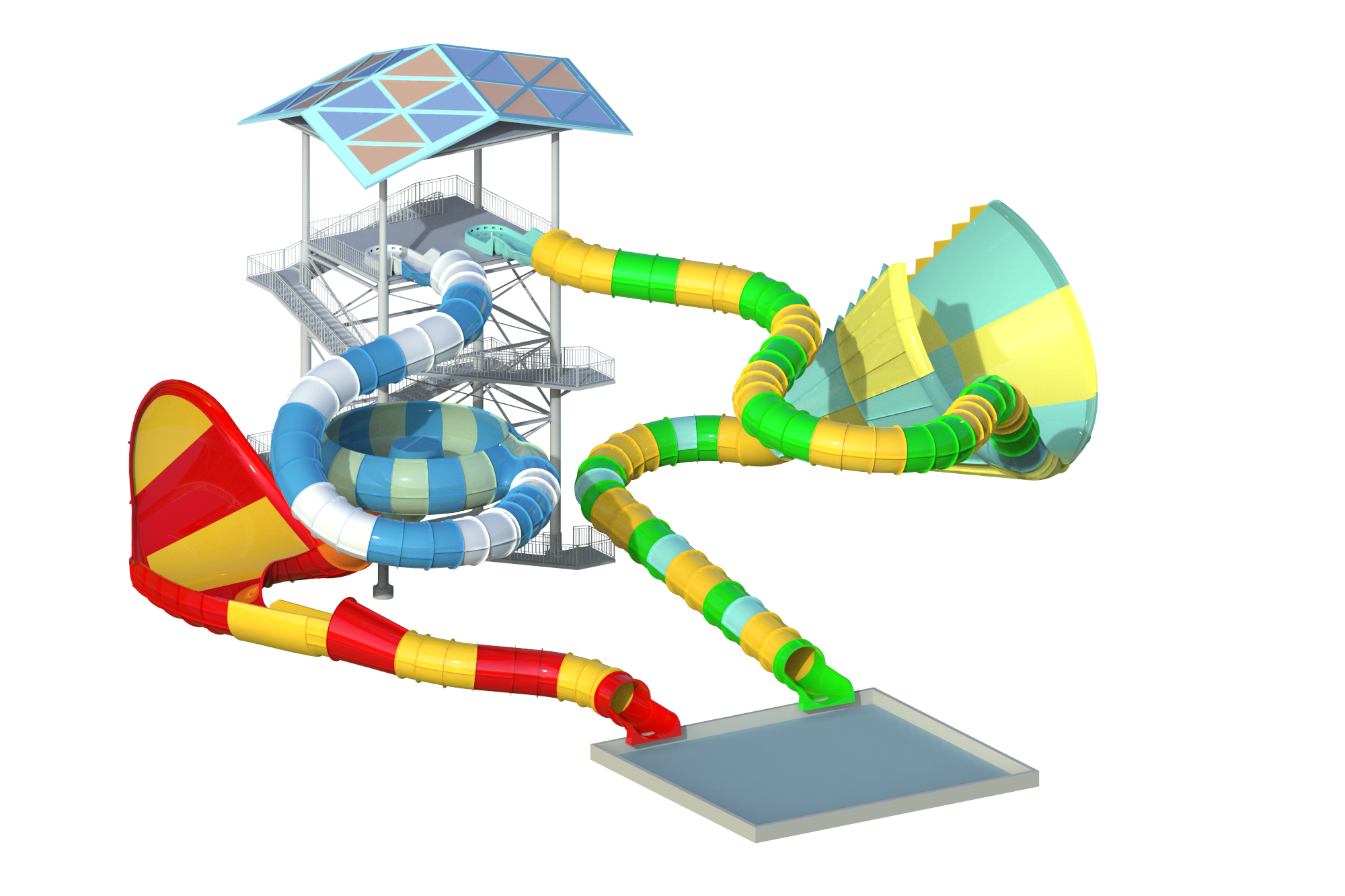
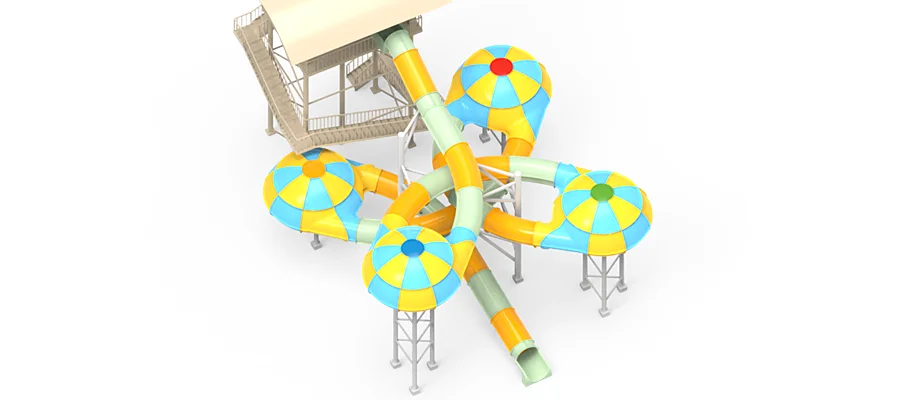
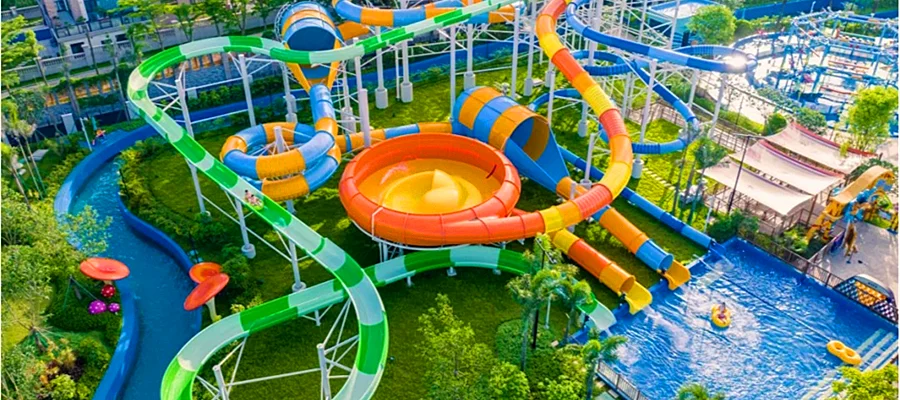
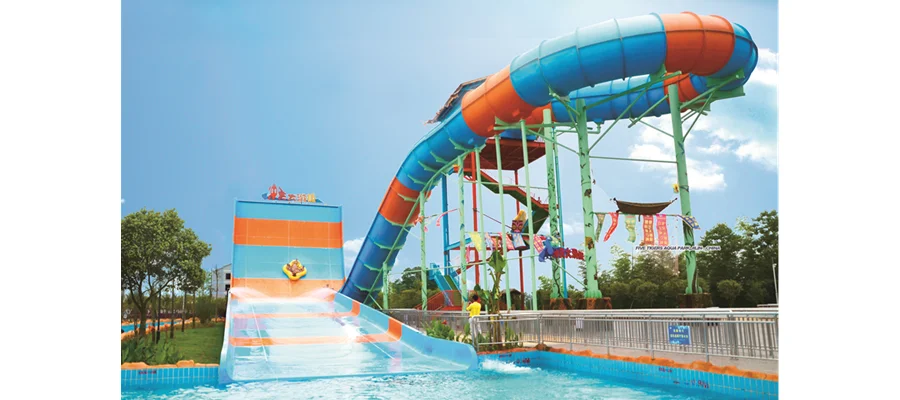
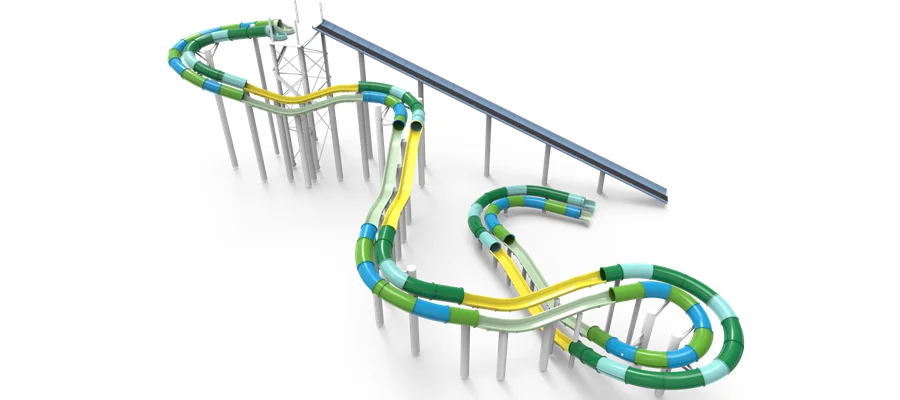
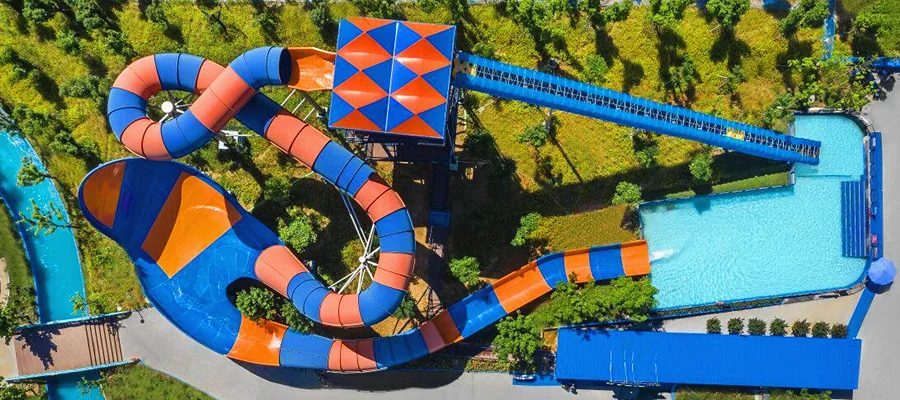
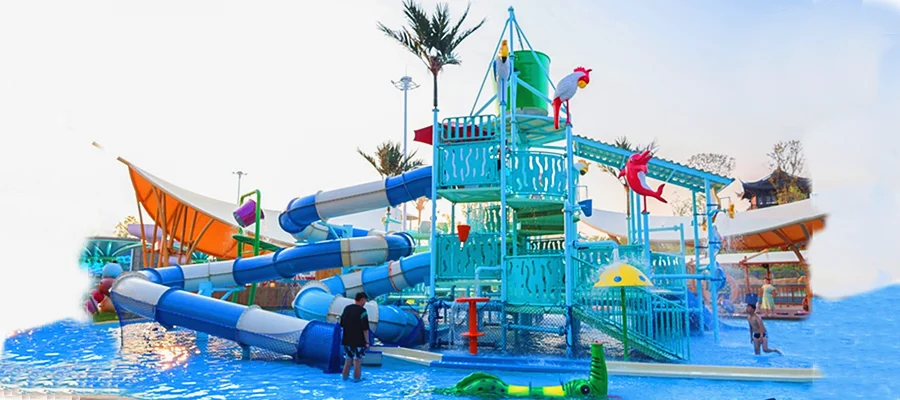
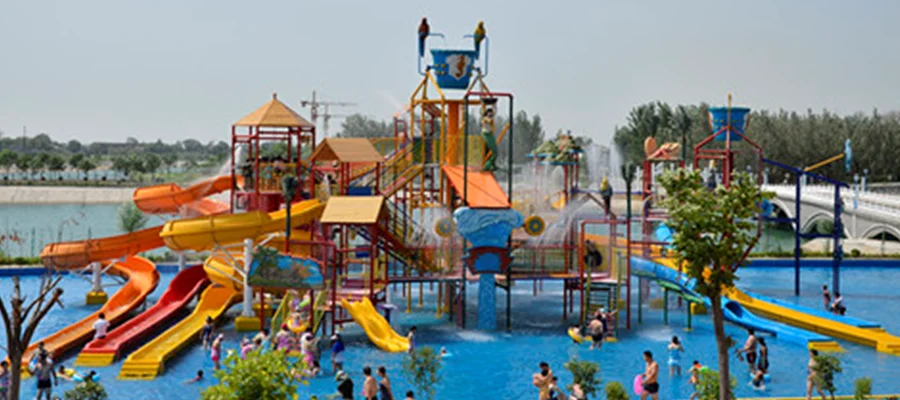
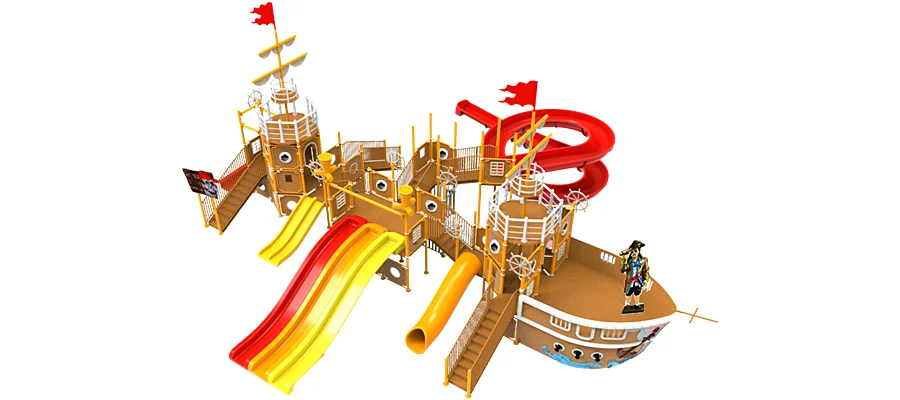
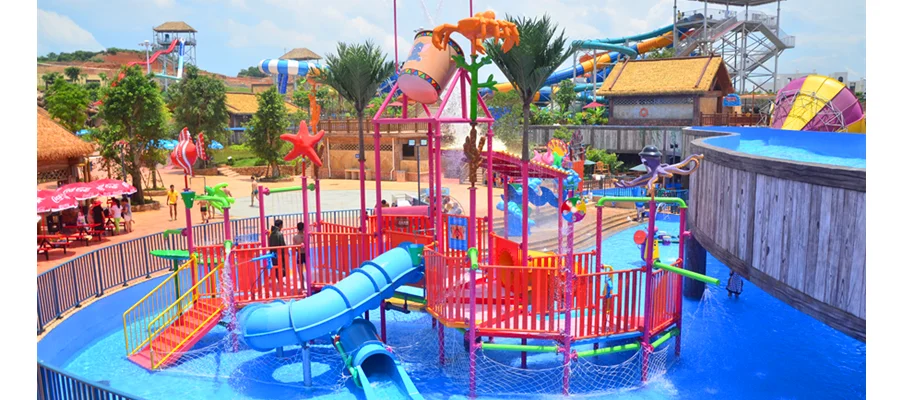
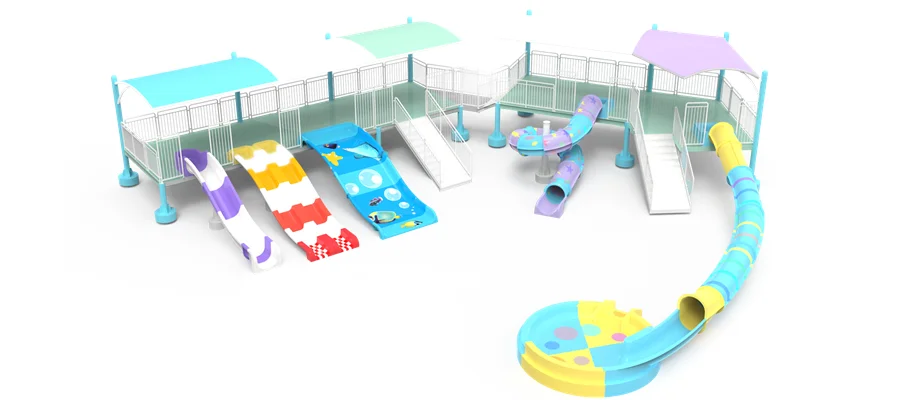
The first thing we examine is the vertical dimension. Traditional water park manufacturers often design flat, single-deck attractions that eat up huge ground areas. We take a different route. By stacking slides, splash pads, and support pools across two or three levels, we effectively double the ride density without expanding the building envelope. For one hotel project in Southeast Asia, our team converted a narrow 1,200-square-meter space into a six-slide complex by running a winding body slide above a wave pool, with a toddler area tucked underneath. This approach requires careful coordination with structural engineers, but the payoff is immediate. Many water park manufacturers shy away from such configurations because their products are not modular enough. That is why our combination products—like merging a compact indoor surf machine with an overhead play structure—are designed specifically for tight indoor envelopes. The key is to map guest flow, water return lines, and safety clearances simultaneously, not separately.
Custom Shaping for Odd Ceilings and Corners
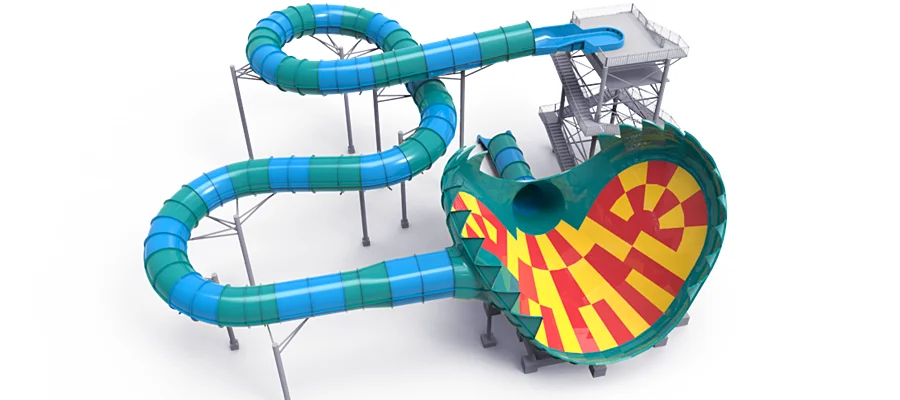
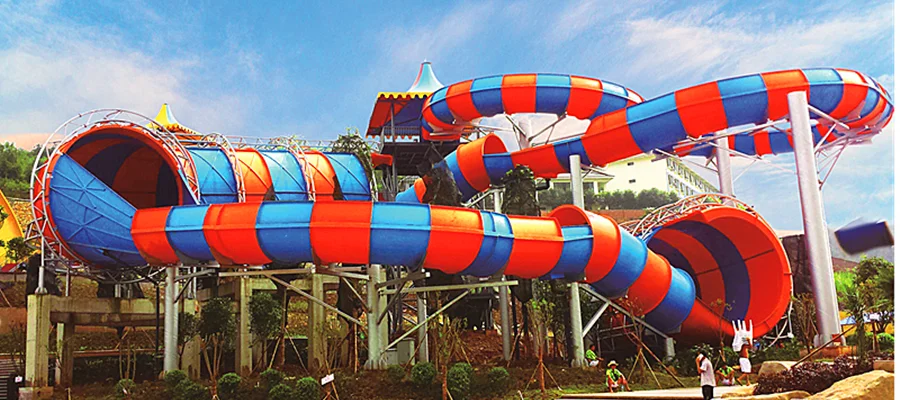
Standard equipment rarely fits irregular building shapes. We have walked into warehouses with sloping roofs, hotels with internal pillars, and convention centers with low mezzanines. In each case, off-the-shelf products from rigid water park manufacturers would have required demolition or major building changes. Instead, we use adjustable slide components and curved pool forms that hug the available geometry. For instance, a recent aqua park construction project used an L-shaped lazy river that followed the building’s exterior wall, turning a wasted corner into a signature attraction. Another job incorporated a short-drop speed slide that exited directly into a shallow plunge pool, eliminating the long run-out zone needed by taller slides. These adjustments do not reduce thrill—they just adapt to reality. The best water park manufacturers offer this level of customization without forcing clients to pay for full bespoke engineering. We provide pre-engineered modules that can be angled, shortened, or stacked based on your actual ceiling height and column spacing. That flexibility has turned dozens of “impossible” sites into profitable parks.
Flow Efficiency Through Smart Surfacing
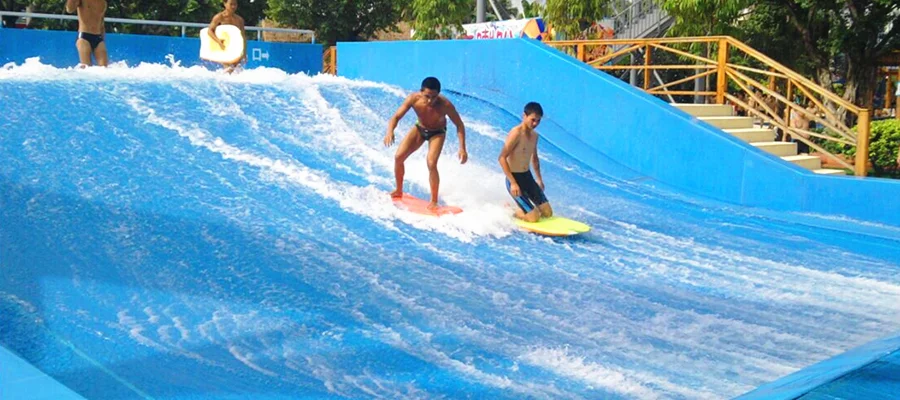
A third spatial trick involves how people move between attractions. Many aqua park construction plans waste valuable area on unnecessarily wide ramps, multiple stair towers, or disconnected raft storage. We have found that a single continuous circulation spine—lined with shallow splash zones—keeps guests moving while using 30 percent less floor space than traditional layouts. In one compact indoor surf machine installation, we placed the wave generator at one end of a narrow pool, with a raised walkway running along the side. Bathers entered from a central staircase, then flowed naturally toward the deeper surfing zone. No dead ends, no congestion. This same principle applies to combination products: when you pair a surf machine with two body slides, the queue area can feed both attractions from one point. We learned this from watching real operations, not from theoretical diagrams. Operational flow dictates spatial efficiency, and efficient flow directly lowers your required square footage.
Small indoor sites do not mean small experiences. Vertical stacking, custom shaping, and smart circulation allow us to fit complete aqua parks into spaces others would reject. At Dalang, we sell combination products that include stacking brackets, adjustable steel supports, and flow-optimized deck plans. Browse our compact solutions to see how we handled past tight projects, or request a space audit before you finalize your building lease. A cramped footprint is just a puzzle—we have the pieces to solve it.