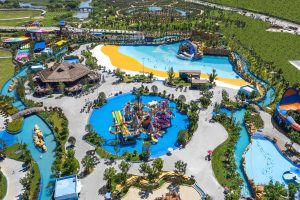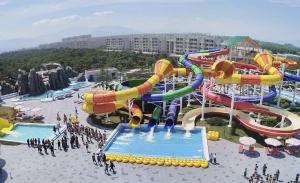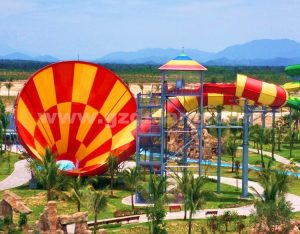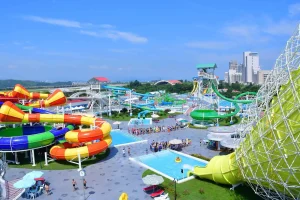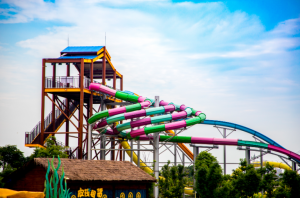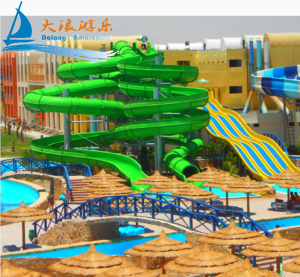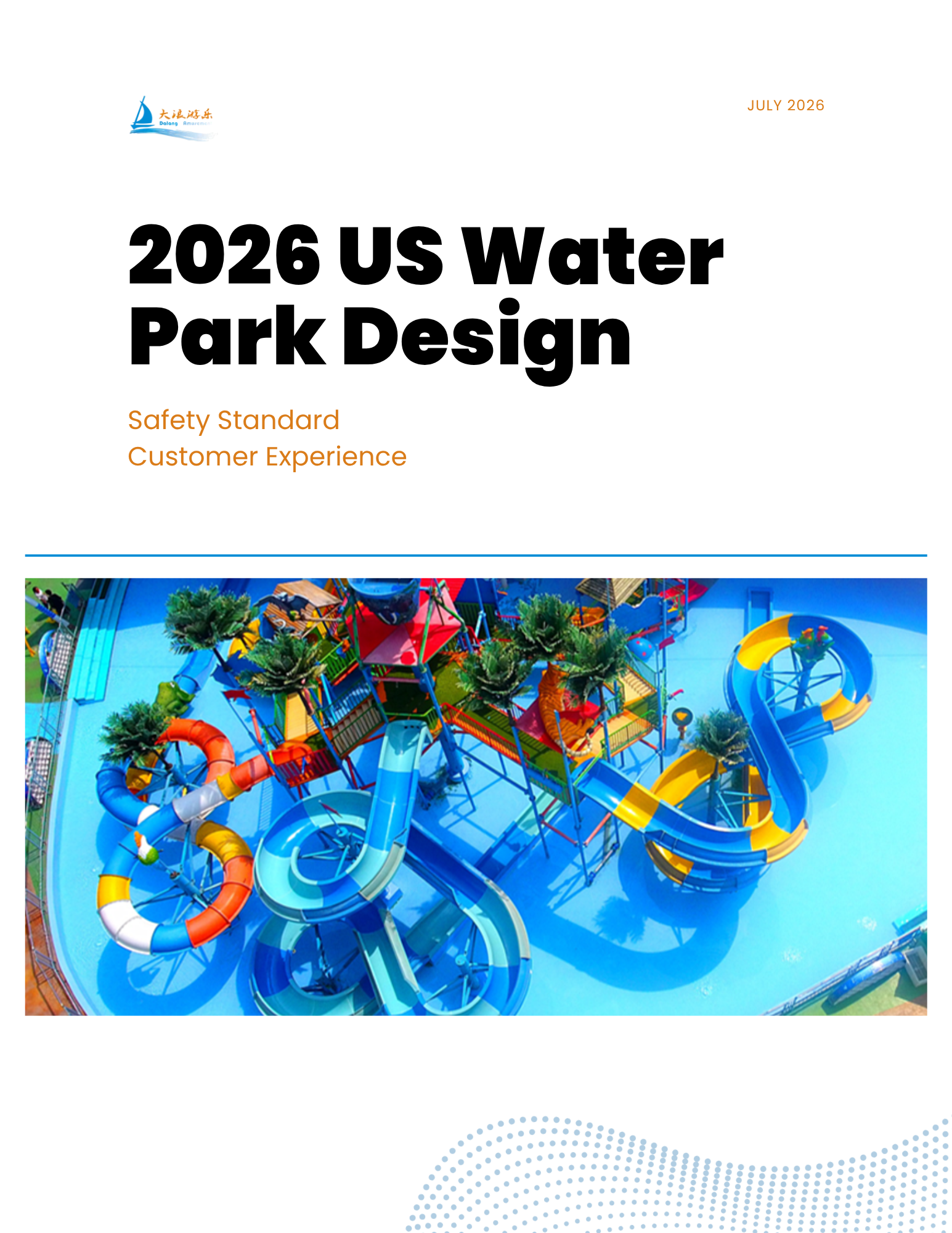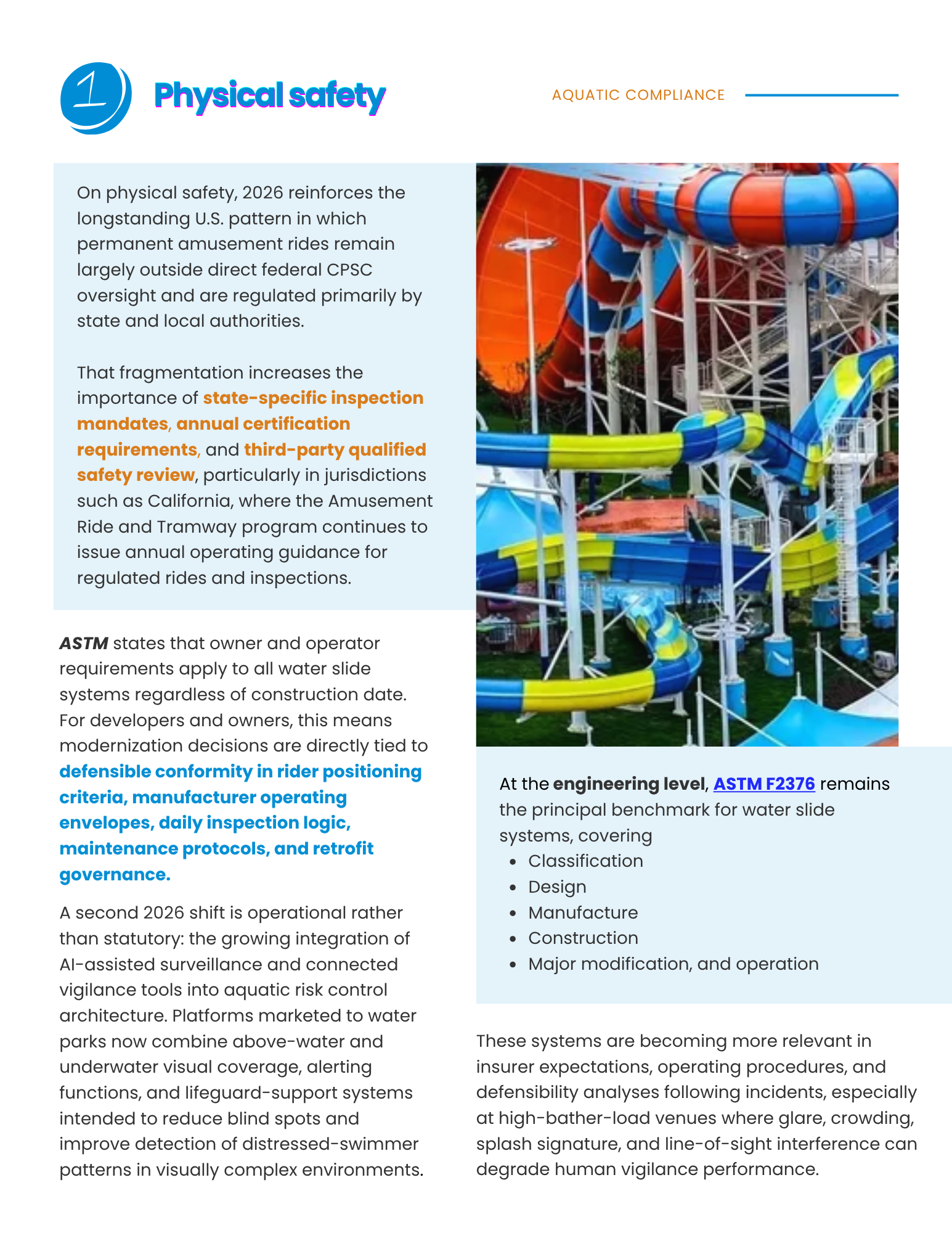
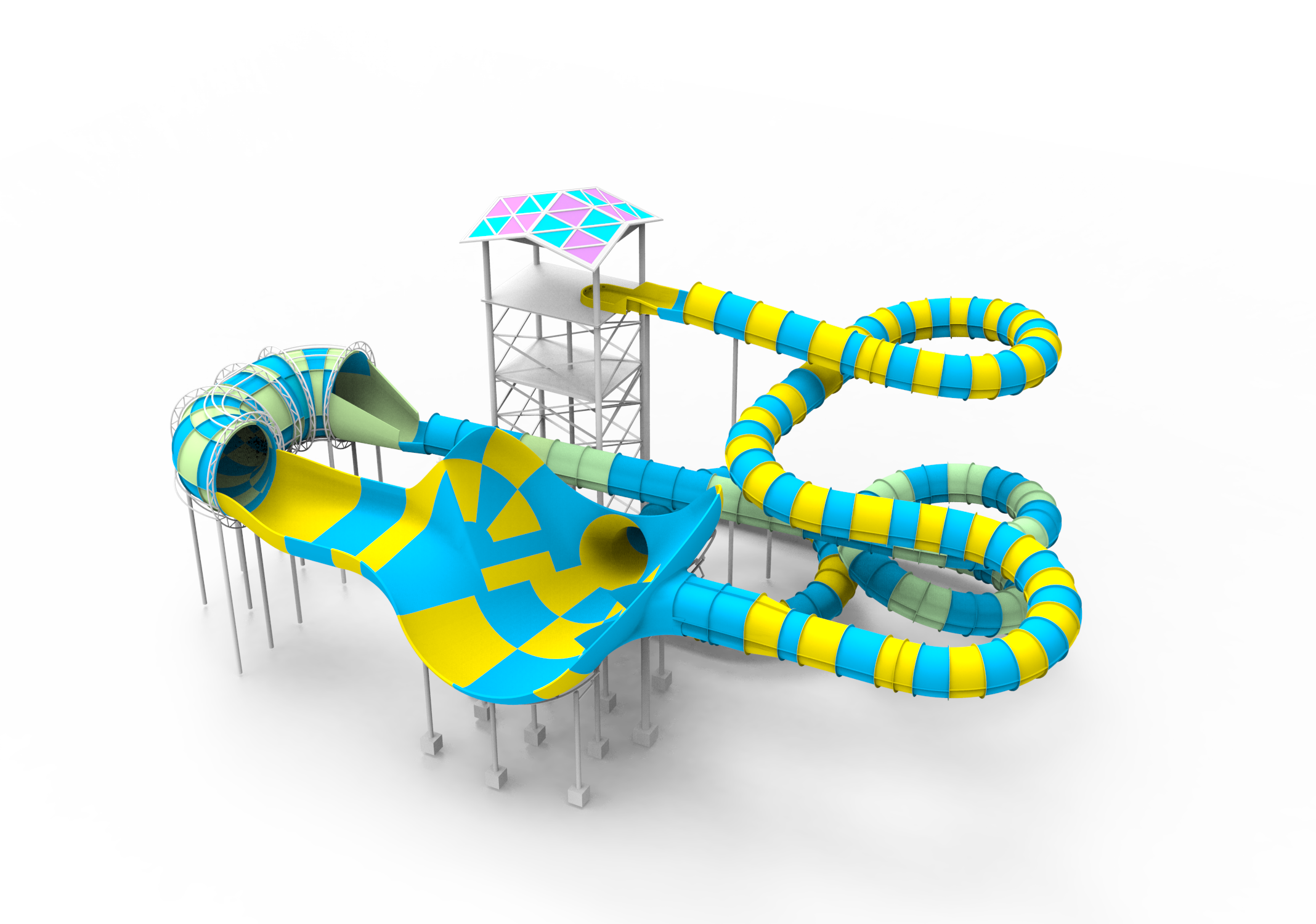
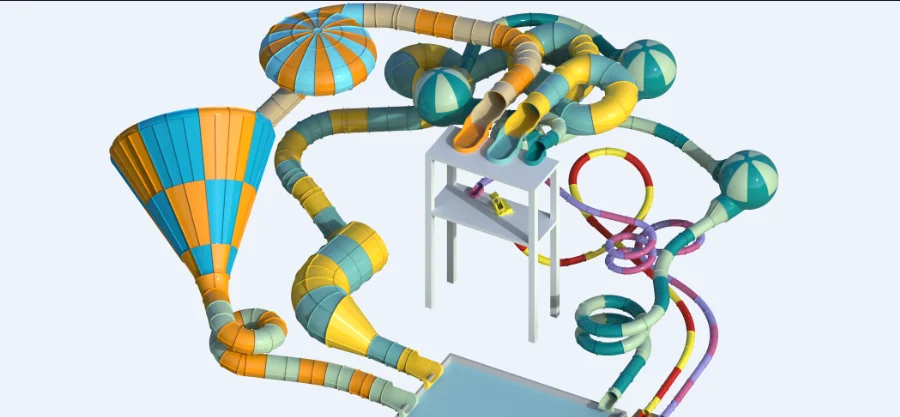
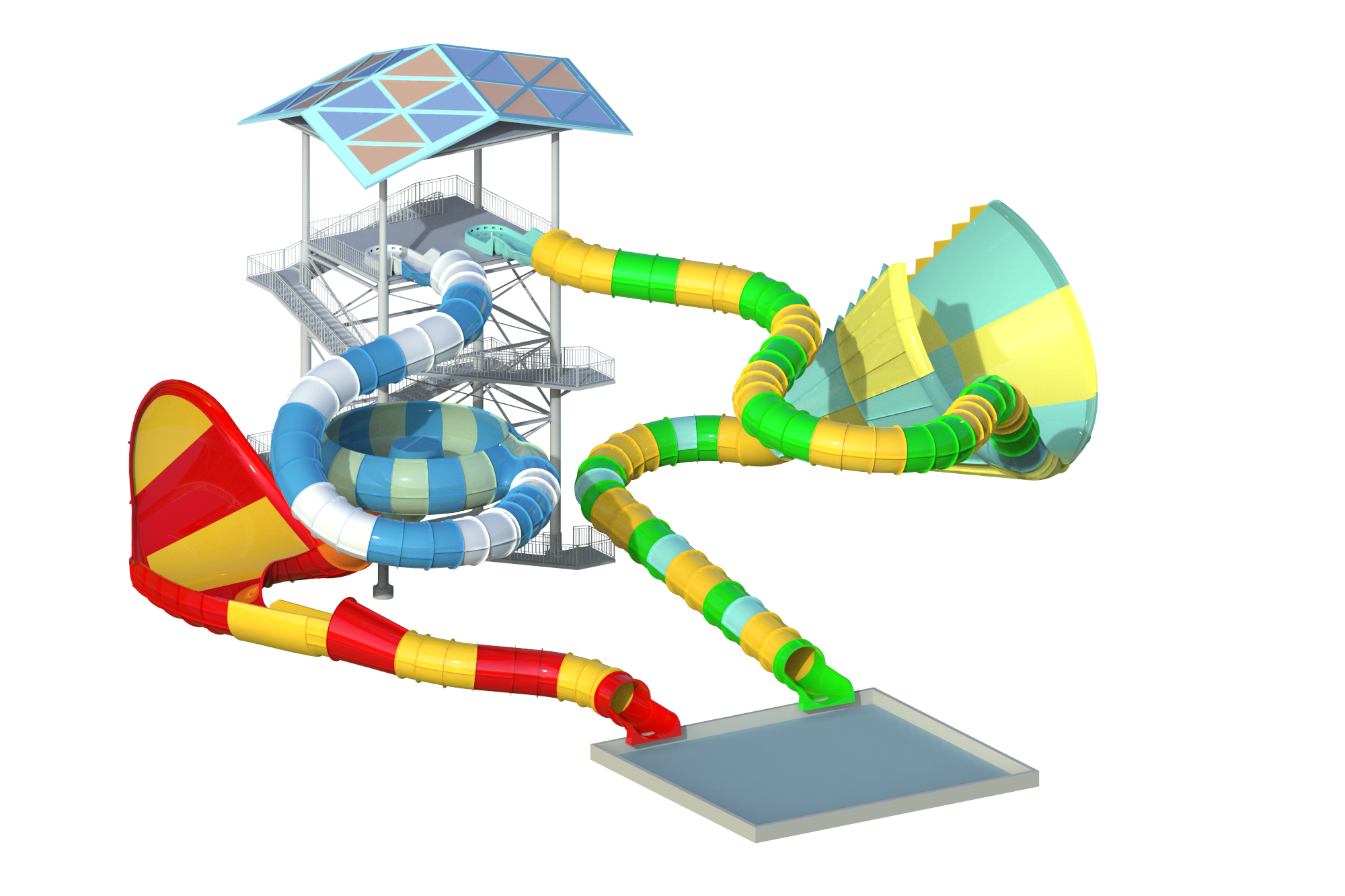
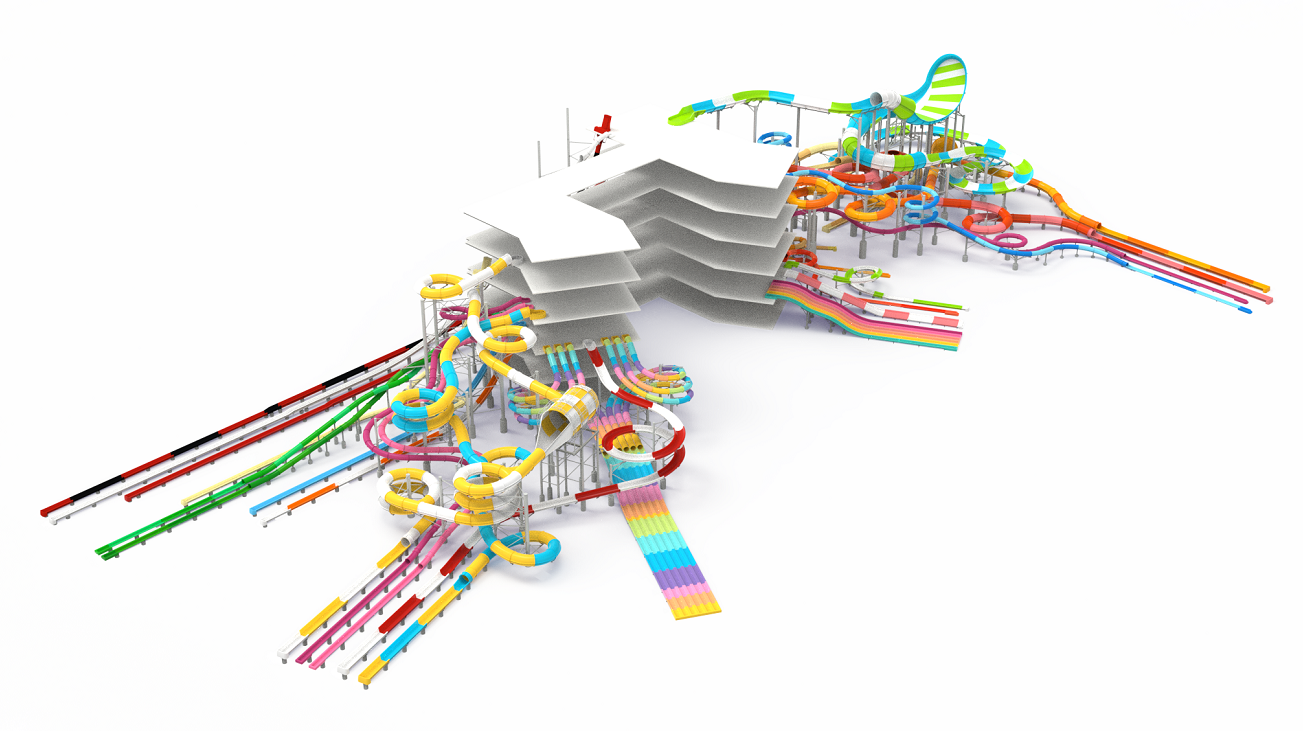
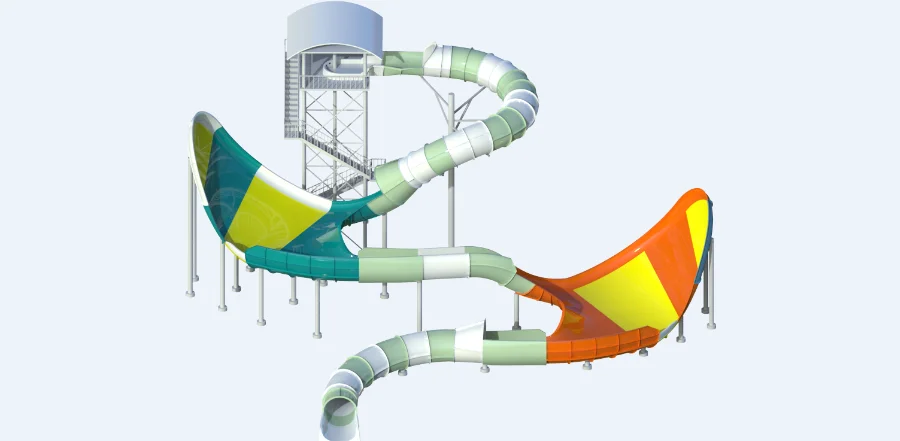
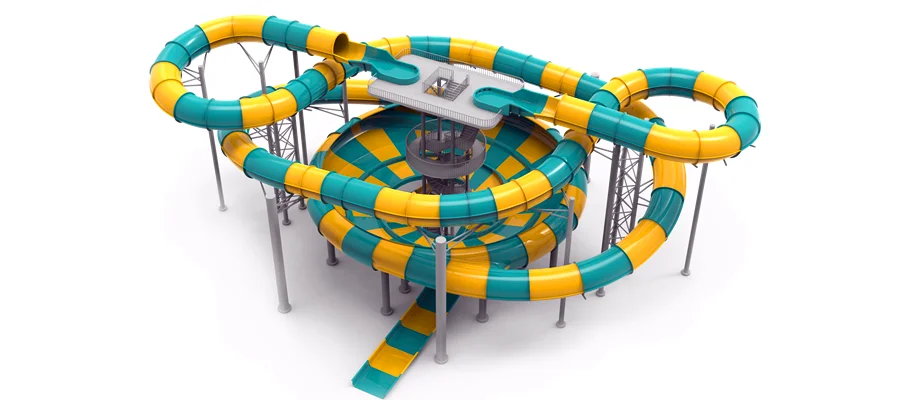
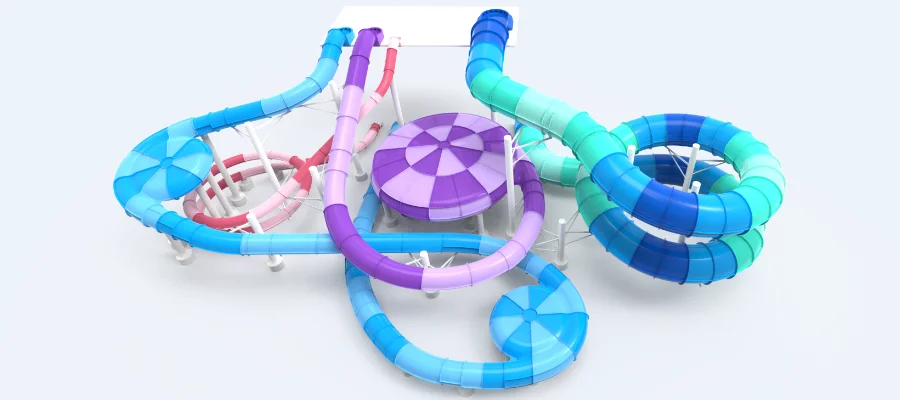
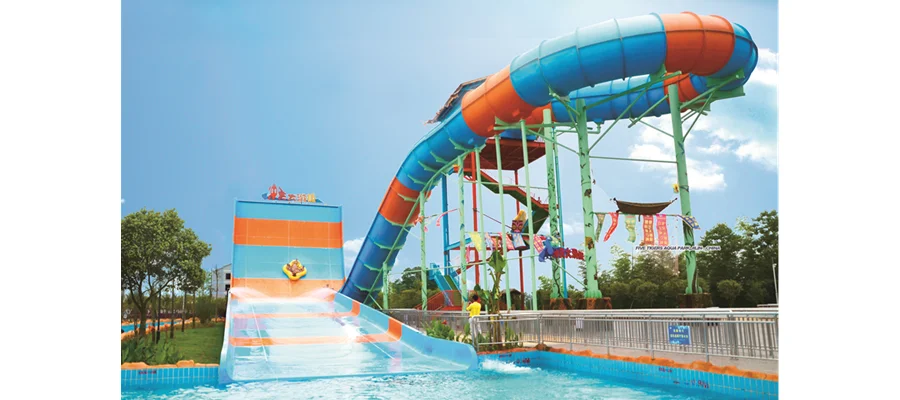
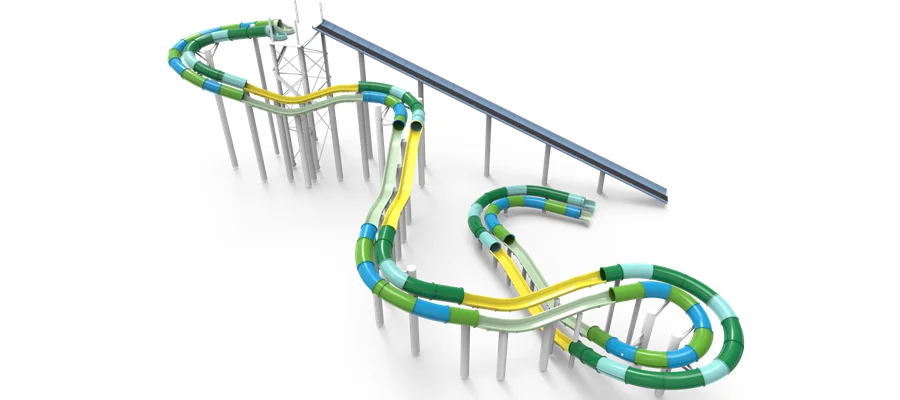
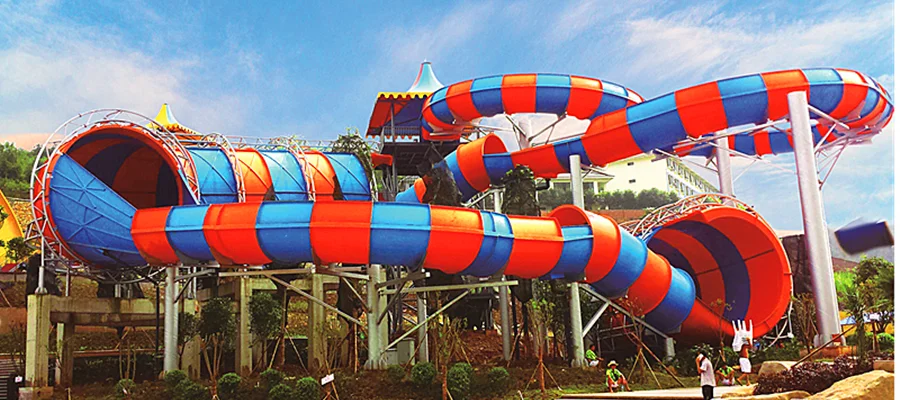
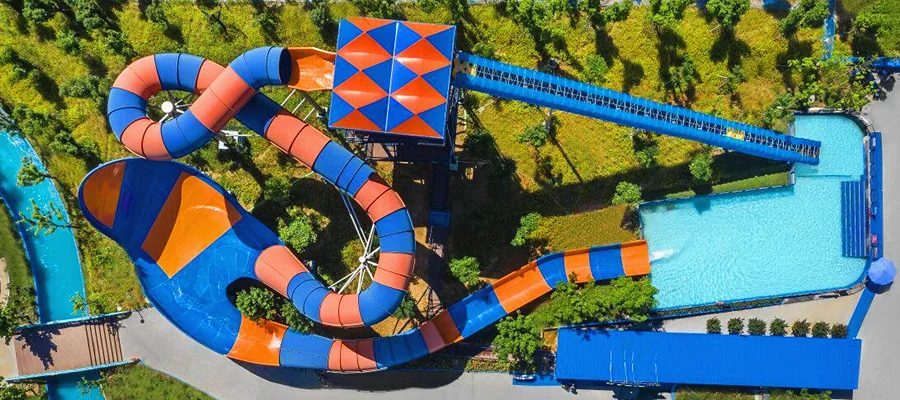
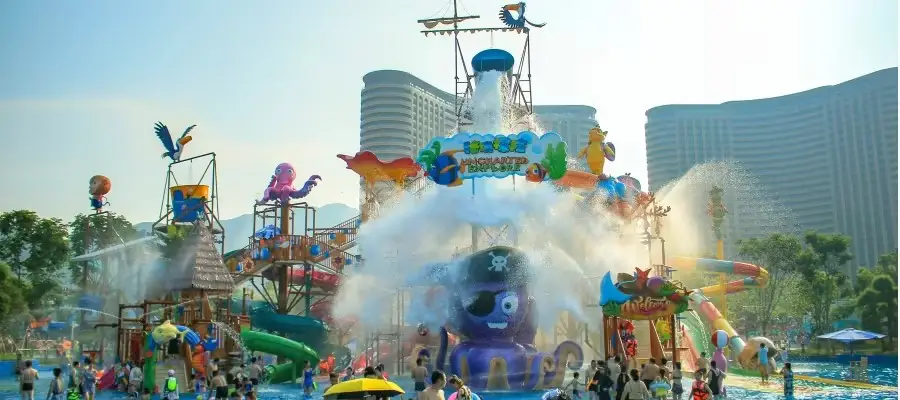
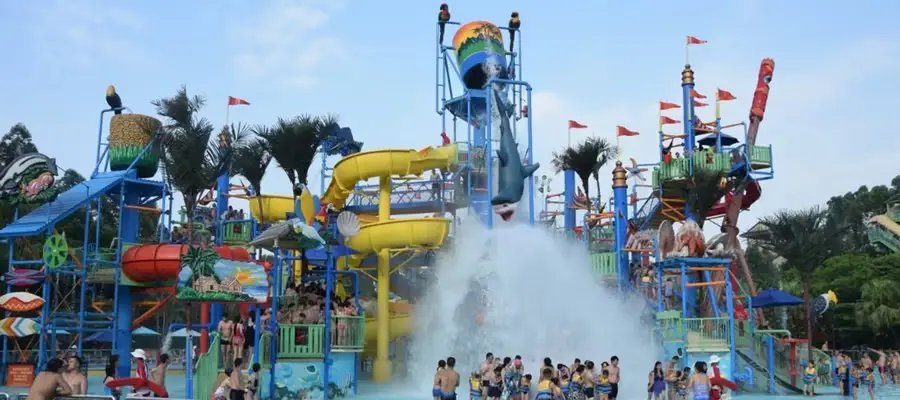
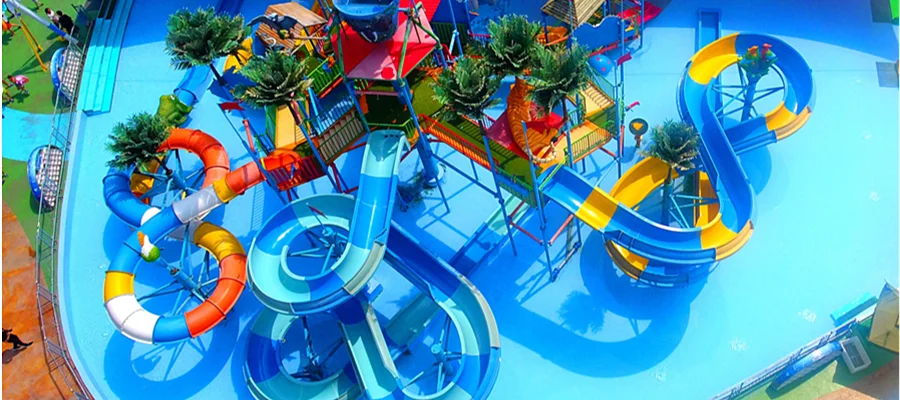
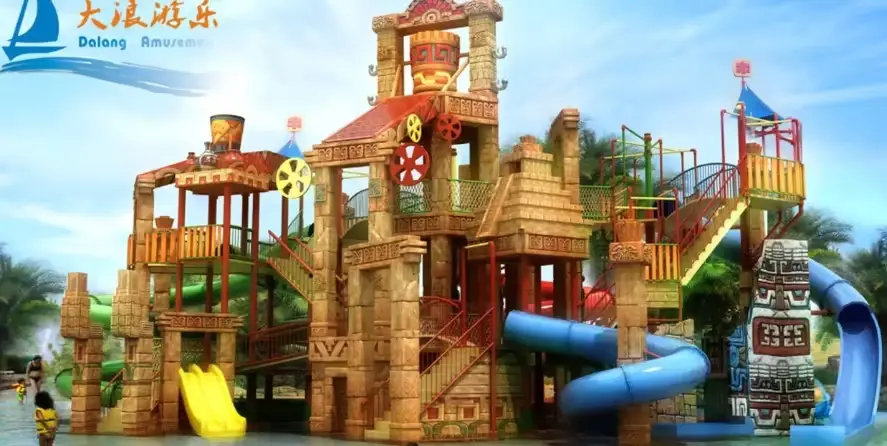
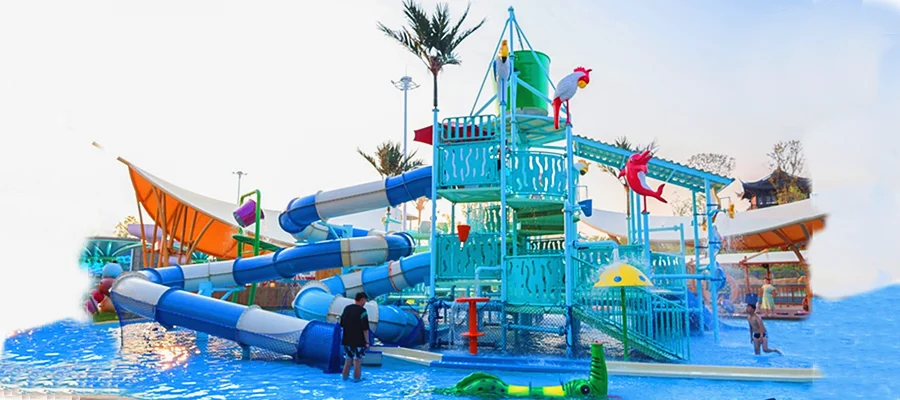
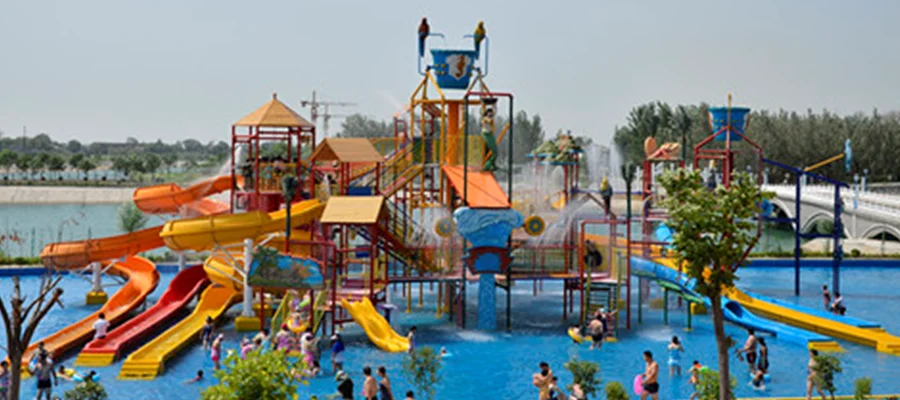
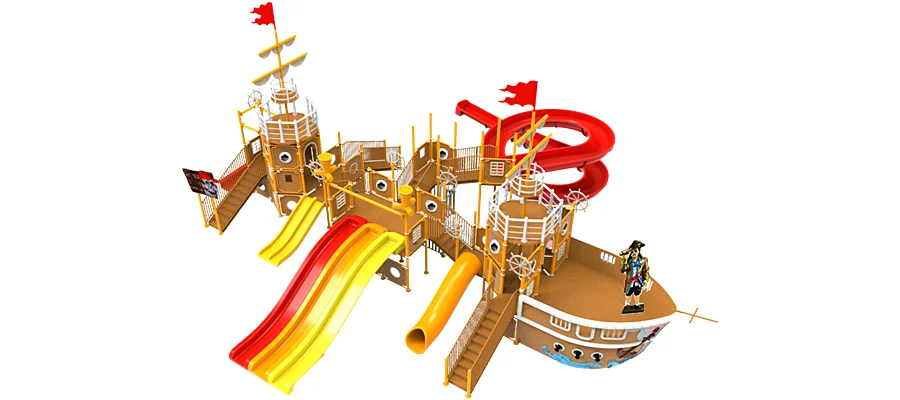
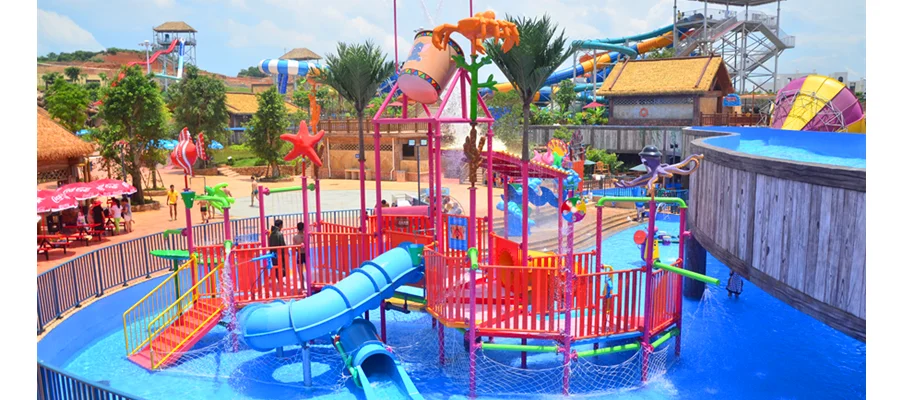
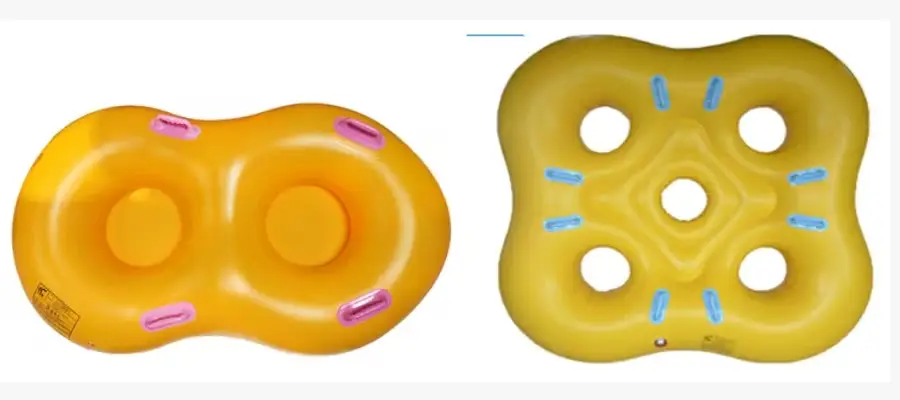
Integrating high-quality slides, wave pools, and play structures into a fresh construction project is never a simple plug-and-play process. We at Dalang have worked with developers worldwide, and we consistently see the same technical challenges pop up during the planning phase. Getting the equipment to function safely, efficiently, and durably requires solving several engineering puzzles before the first bucket of concrete is poured.
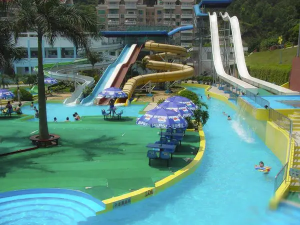
Space Coordination and Structural Load Demands
One of the first obstacles we encounter involves matching the physical footprint of indoor water park equipment with the building’s structural limits. Many new projects underestimate the height required for a winding body slide or the reinforcement needed for a multi-level interactive fort. For example, a large tipping bucket assembly can weigh several tons when filled with water, yet the supporting steel framework is often designed too late in the construction schedule. We always remind clients that indoor water park equipment needs dedicated load calculations from the architectural stage, not as an afterthought. Without early coordination, you might face costly beam reinforcements or repositioning of support columns. Our team has seen projects delayed by months simply because the ceiling clearance was six inches too low for a raft slide’s exit pool. That is why we emphasize integrating indoor water park equipment specifications into the building information model before breaking ground.
Water Circulation and Environmental Control Complexity
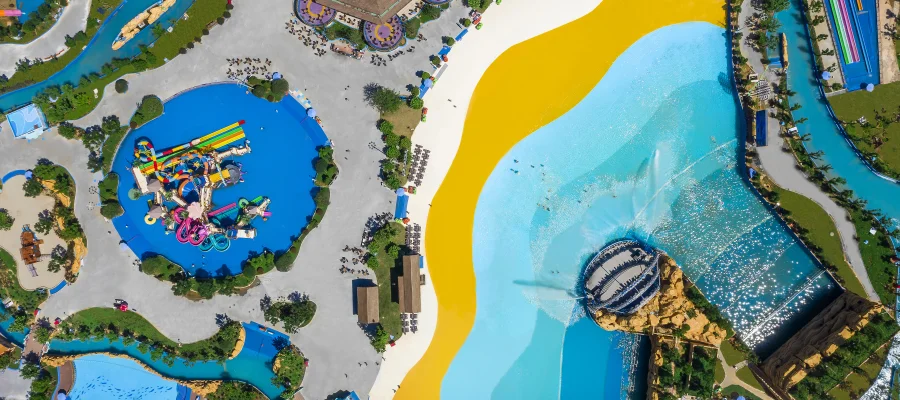
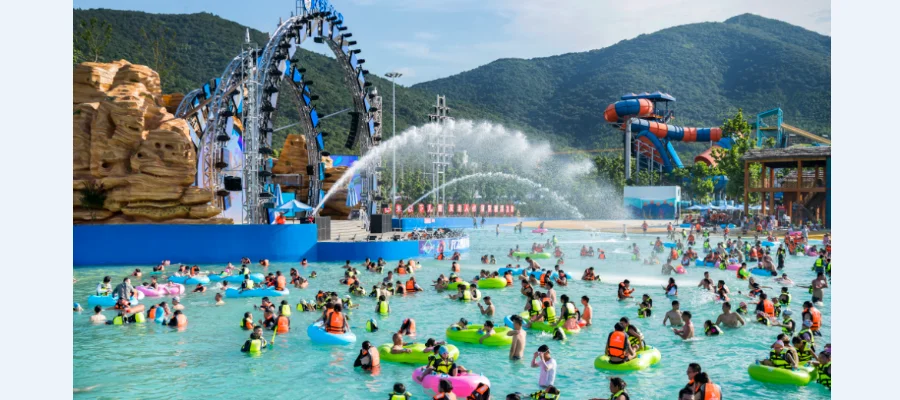
Another frequent hurdle in any water park design project involves balancing water quality, temperature, and humidity with the equipment’s operational needs. High-quality attractions demand precise flow rates and filtration cycles, but the building’s mechanical room is often undersized or placed too far from the slide towers. We once assisted a resort where the pump station for a wave generator was located 80 meters away from the main pool, causing pressure drops and energy waste. A well-executed water park design project must position all treatment systems, heat exchangers, and chemical feeders within a logical distance from each attraction. Additionally, the warm, moist air generated by body slides and activity pools puts stress on steel components and electrical panels. Dehumidification systems need to work in harmony with the splash dynamics, which many general contractors overlook. From our experience, a successful water park design project dedicates at least 15% of the mechanical budget to corrosion-resistant coatings and dedicated air handling units.
Integration of Safety and Maintenance Access
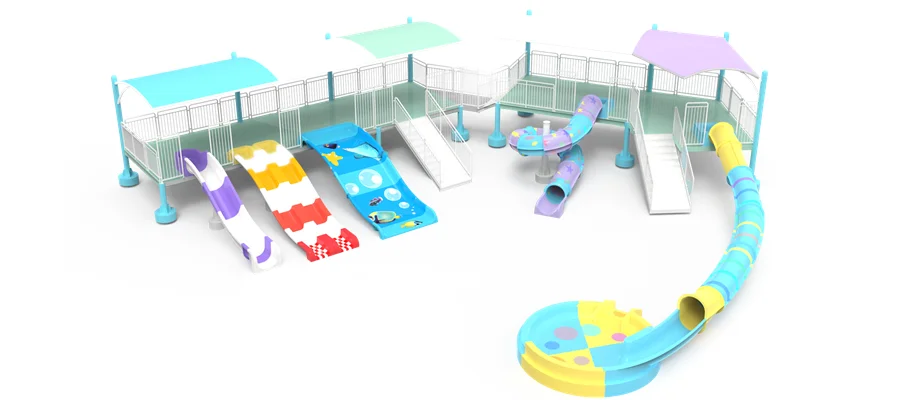
The third challenge we regularly help solve concerns how water park manufacturers design their products for real-world upkeep and emergency response. While slides and play structures look seamless in renderings, the actual equipment requires regular inspection of seams, nozzles, and anchor points. Some water park manufacturers produce attractions that are nearly impossible to service without draining an entire lagoon or removing floor tiles. We take a different approach at Dalang, offering combination products where ladder access, removable grating, and service corridors are built into the original layout. For instance, our combination of a half-pipe slide with an adjacent maintenance catwalk allows technicians to check welds without shutting down the whole zone. The best water park manufacturers will also provide clear documentation on how their equipment interacts with the building’s fire-suppression and drainage systems. Without that foresight, a minor leak can turn into a weeks-long repair project that forces closure of multiple rides.
Bringing high-quality water attractions into a new development is absolutely feasible when you anticipate these technical challenges early. We have learned that space coordination, mechanical integration, and service access are the three pillars that determine long-term reliability. At Dalang, we do not just supply individual rides; we sell combination products that include structural drawings, pump placement guides, and maintenance schedules tailored to your building. Visit our site to see how we support your water park design project from concept to commissioning, and contact our engineers for a technical review of your floor plan before finalizing any concrete work. A smooth integration starts with asking the right questions before the foundation is poured.