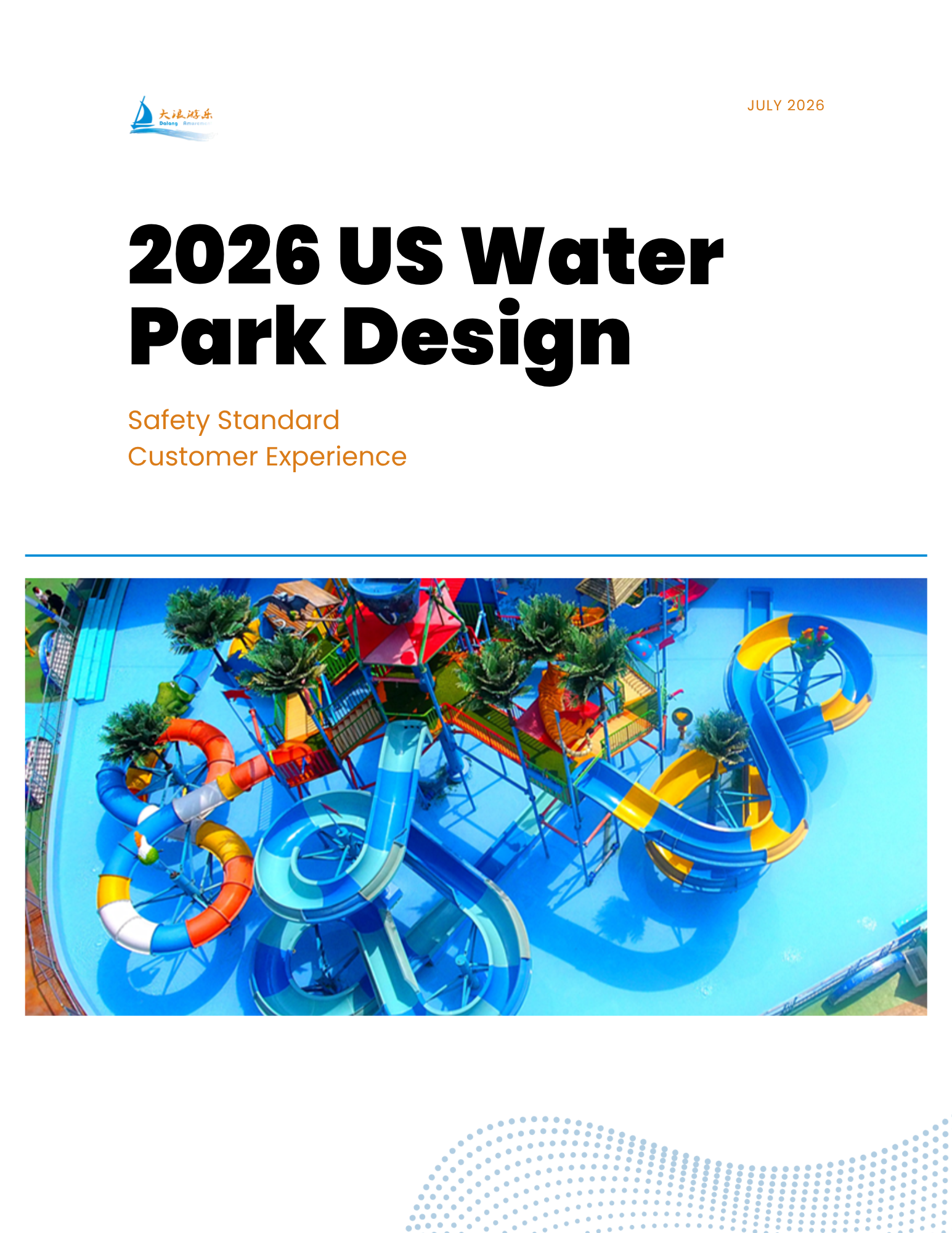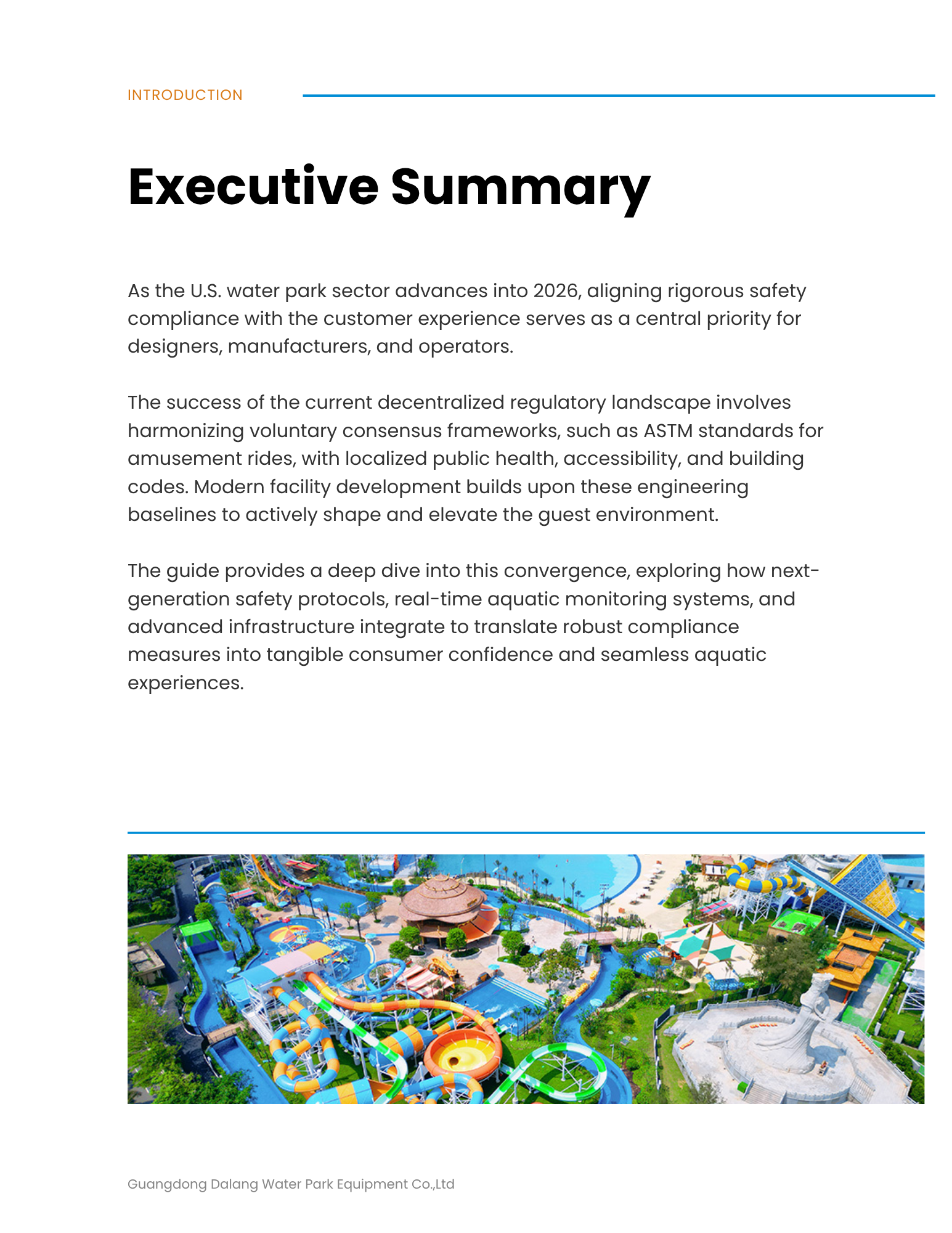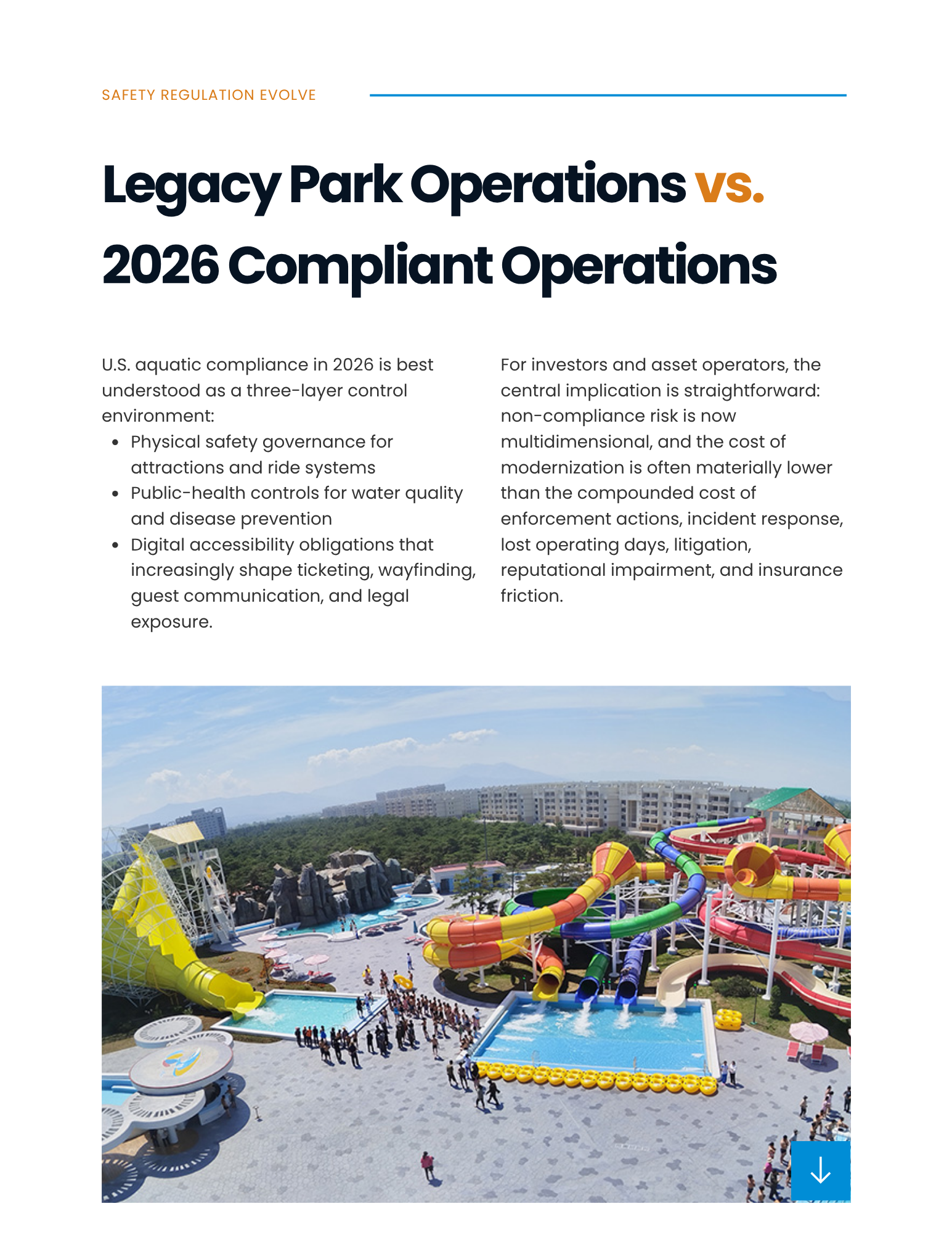
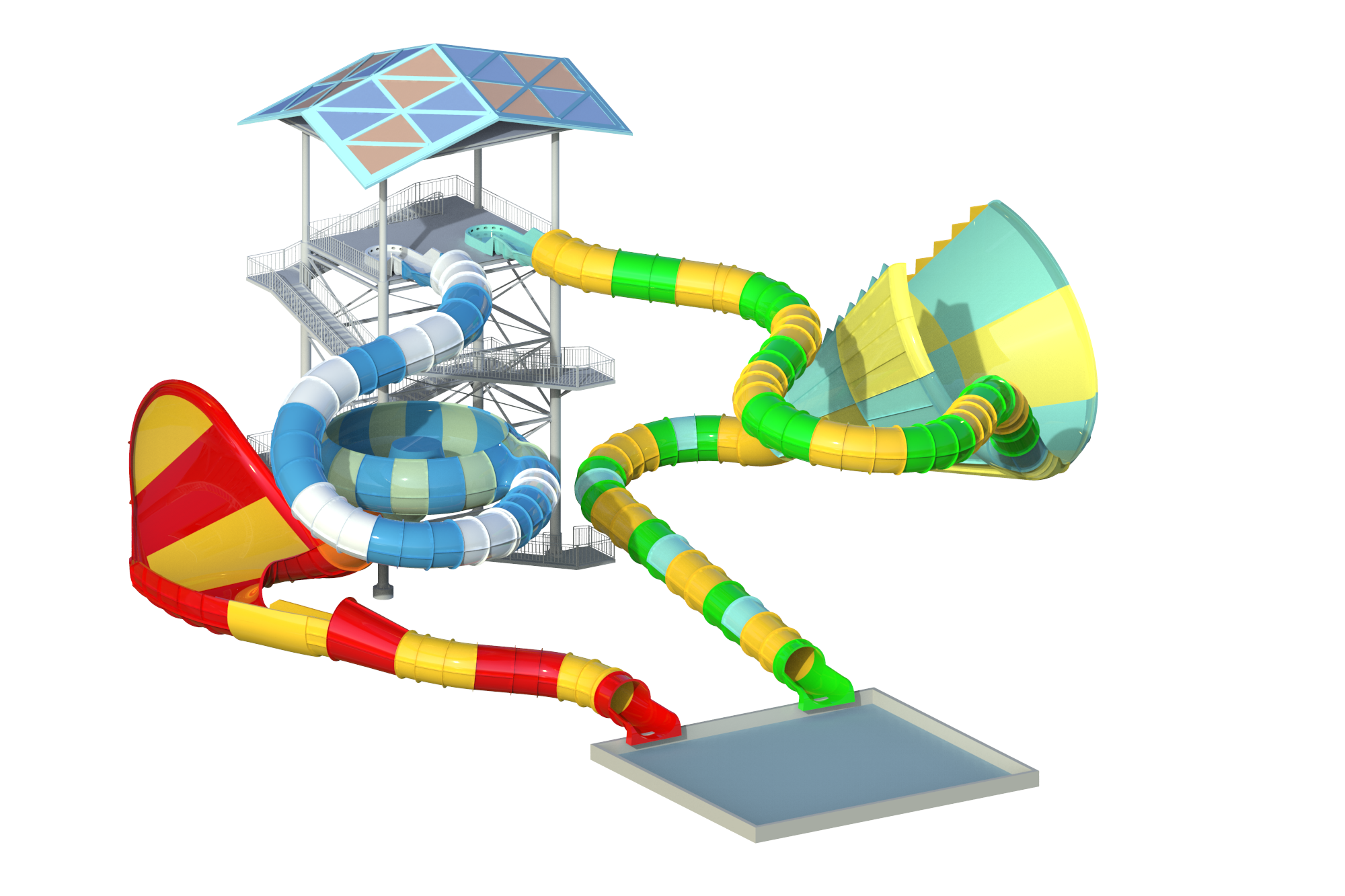
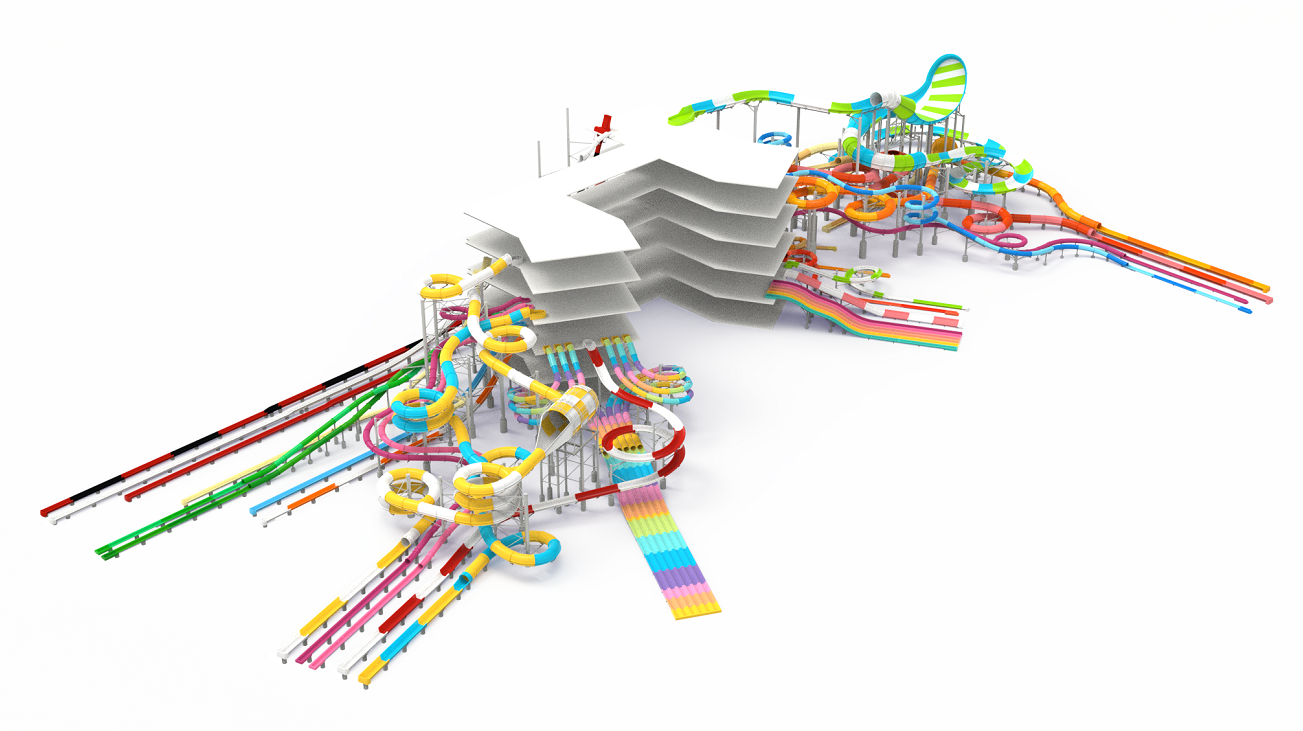
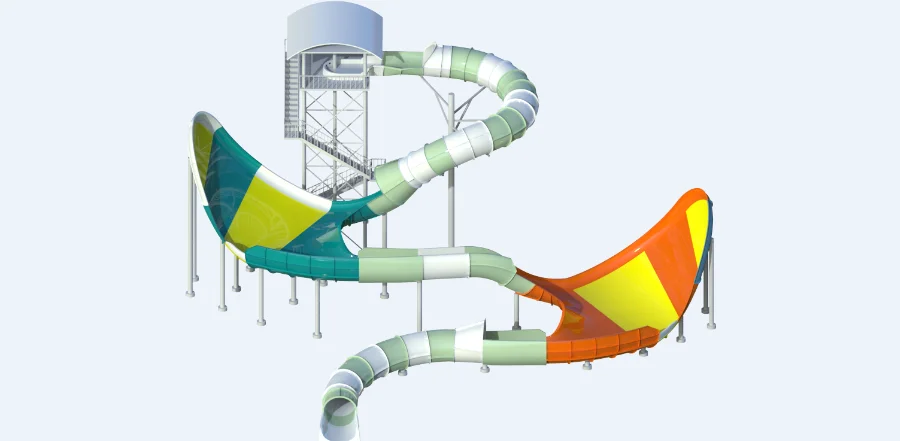
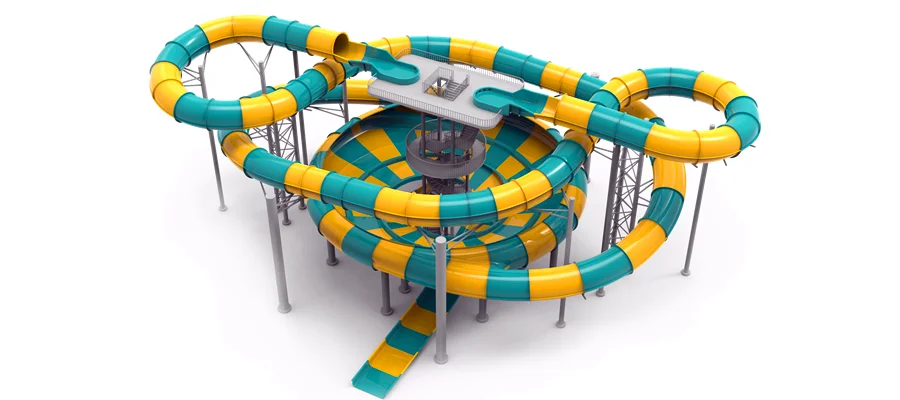
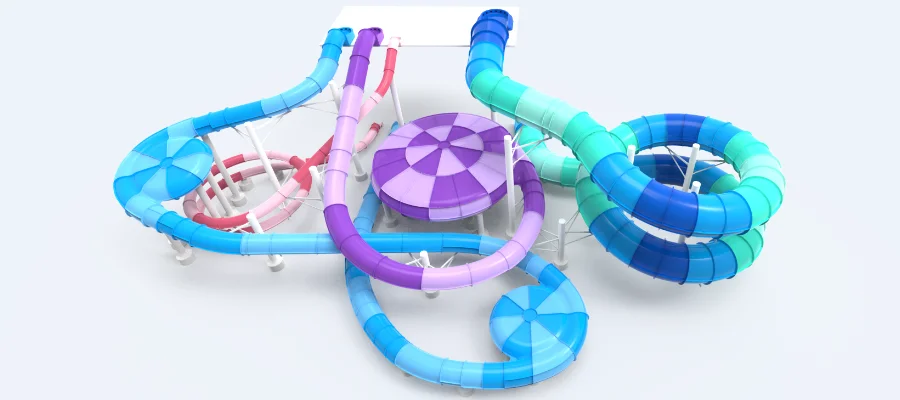
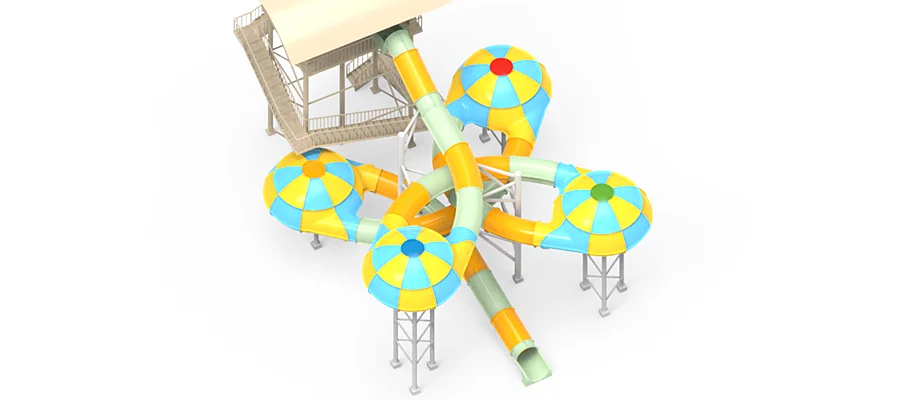
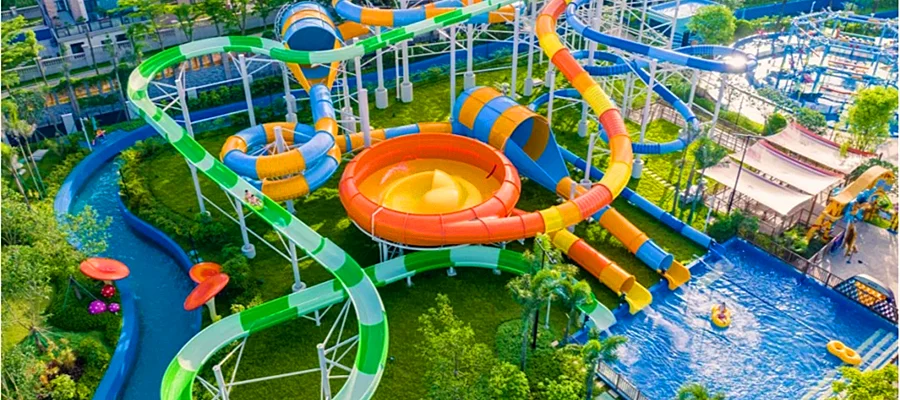
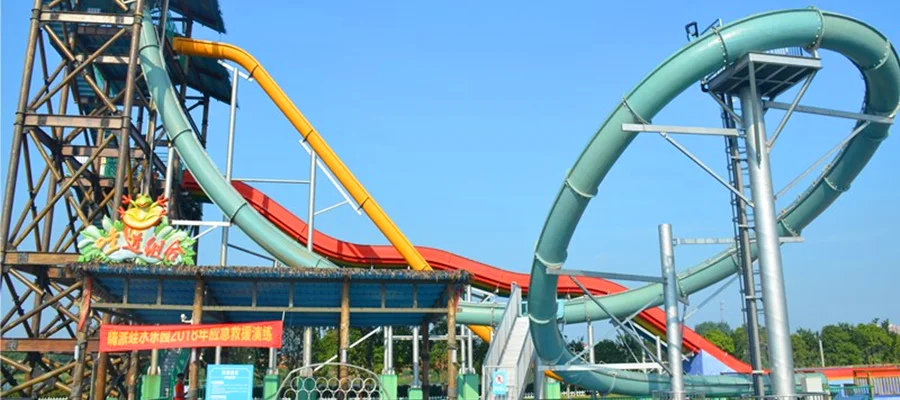
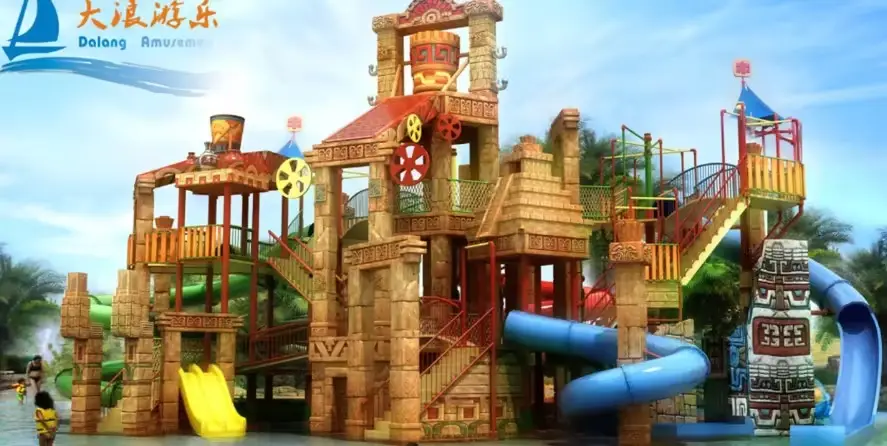
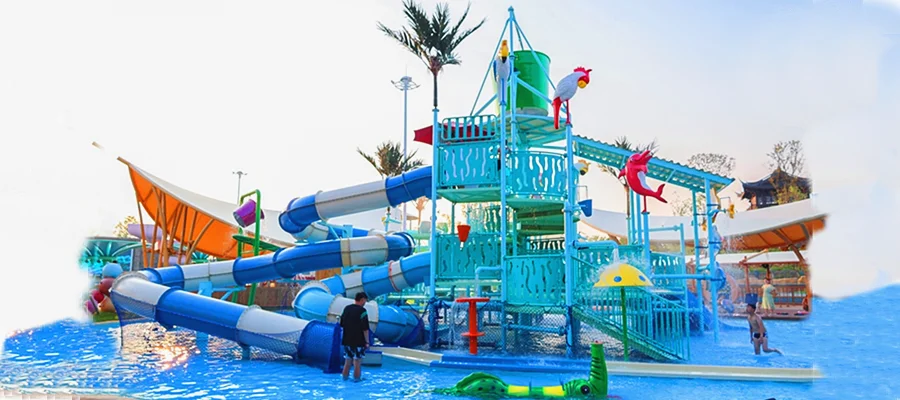
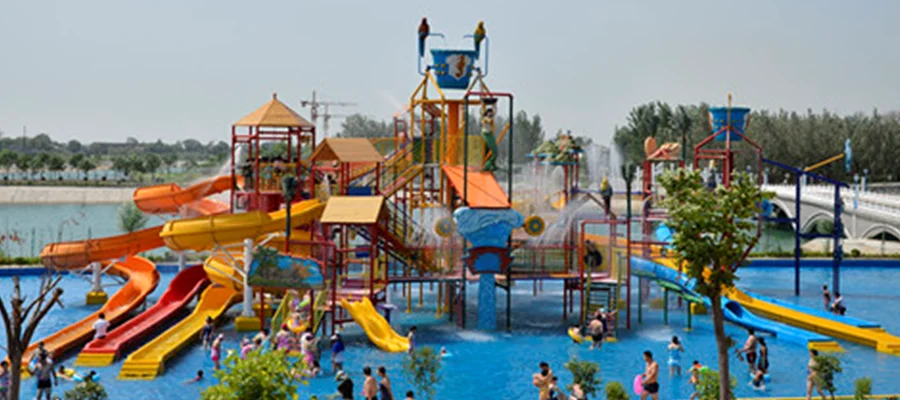
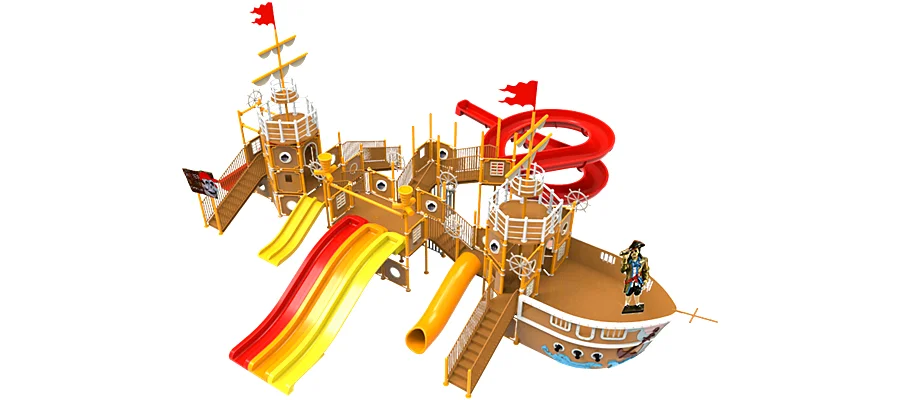
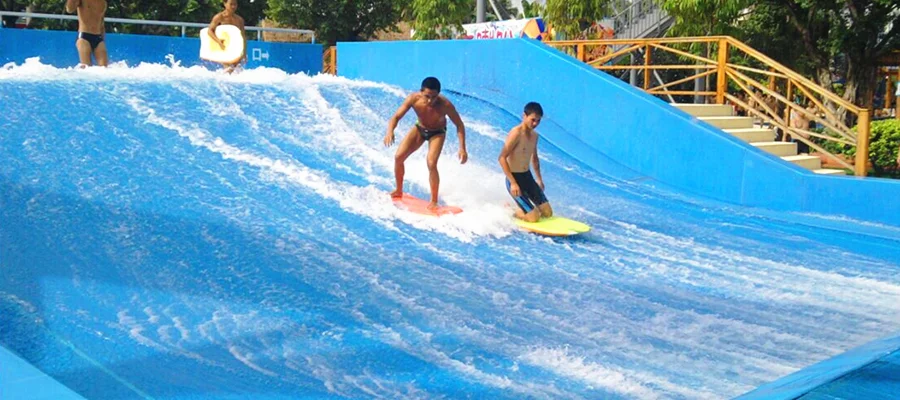
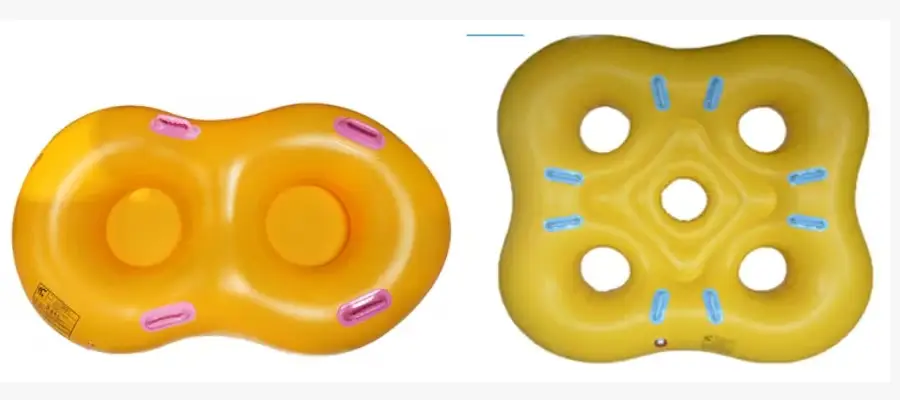
A water park can serve toddlers, children, teenagers, parents, and thrill-seeking adults without dividing the site into disconnected islands. The key is to use component combinations that share a theme, facilities, and circulation while offering different levels of intensity. A family may begin in a shallow interactive area, move toward a water house or raft attraction, and still remain close to larger slides. When assessing water park equipment or working with water park designers, the goal should be a connected age-inclusive journey rather than one isolated product for each demographic.
Map Needs by Age and Confidence
Age is only one factor. Swimming ability, height, confidence, group behaviour, and willingness to try new experiences also influence the right attraction. Younger children may need shallow water, close supervision, and simple interaction. Older children may want small slides, challenges, and independence. Teenagers often look for competition and speed, while adults may value shared family experiences or relaxation. Mapping these needs helps the designer identify overlaps, such as a family zone where different activities can be seen from one seating area.
Build Shared Spaces Between Intensity Levels
Transition spaces prevent the park from feeling divided. A shaded deck, shallow pool, family raft queue, lazy river connection, or themed plaza can allow groups to meet while different members choose their own attraction. These spaces also help parents supervise children who are playing while older siblings ride nearby. The transitions should be designed to avoid fast run-outs, raft movement, and confusing wet-dry crossings. Shared spaces are not leftover areas; they are part of the attraction strategy because they keep the group together.
Use a Water House as a Flexible Centre
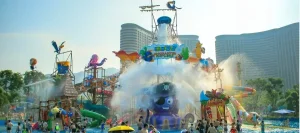
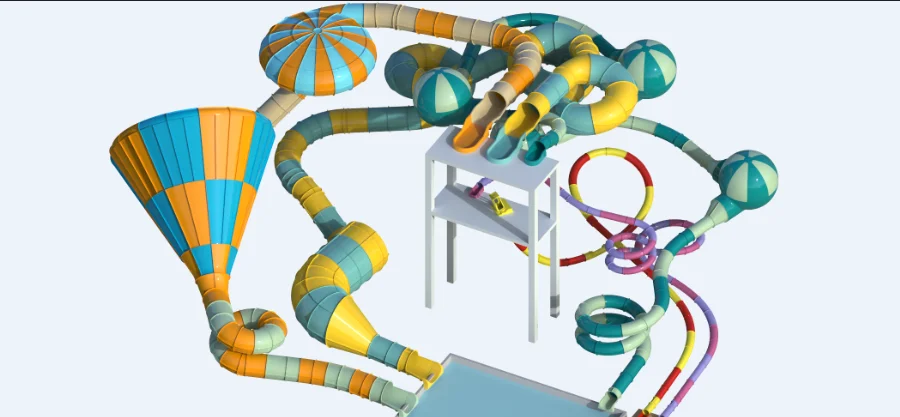
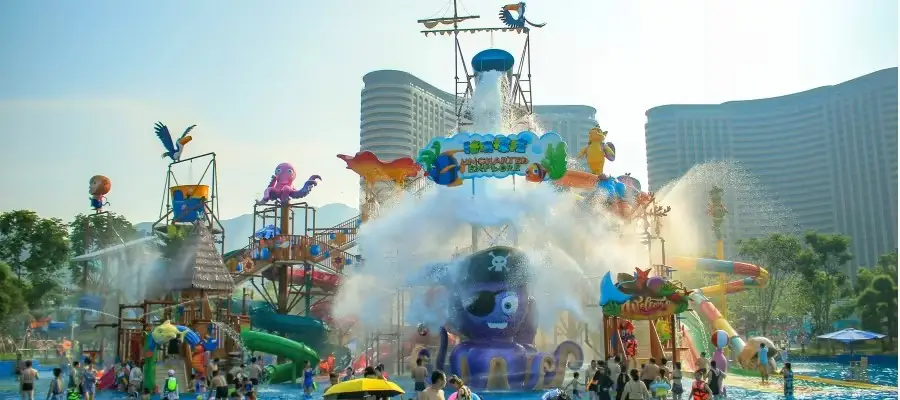
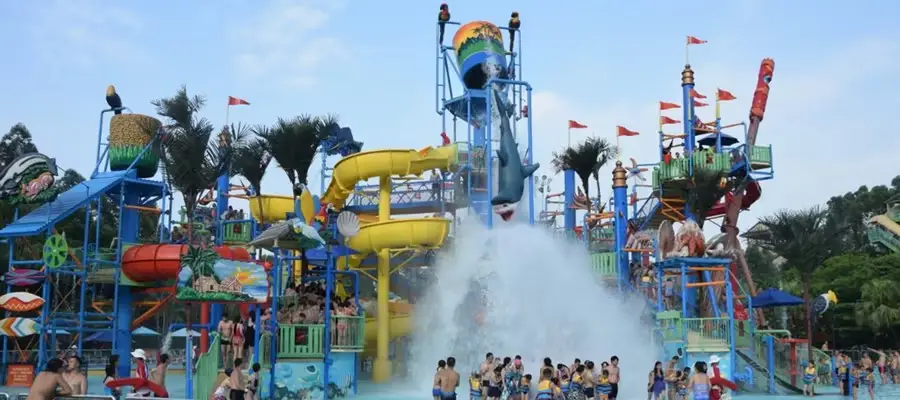
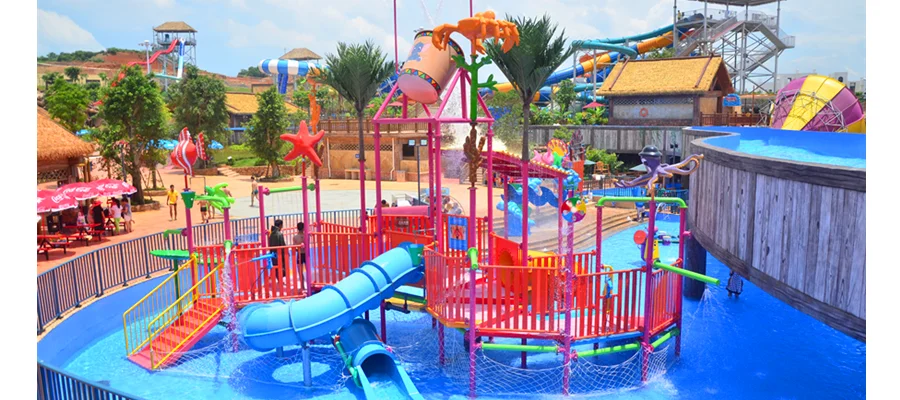
A multi-level water house can accommodate several play speeds and create a visible family centre. Smaller features can serve young children, while nearby slides or interactive targets provide more challenge for older ones. The structure can be linked to a family pool, seating, food, and the route toward larger attractions. Its theme can also bridge child-focused design and the wider park identity. This makes the water house more than a playground; it becomes a platform for age-inclusive circulation and family decision-making.
Arrange Thrill Components Without Isolating Them
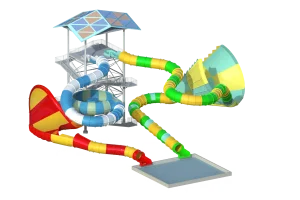
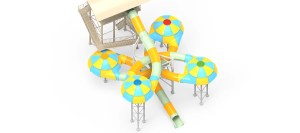
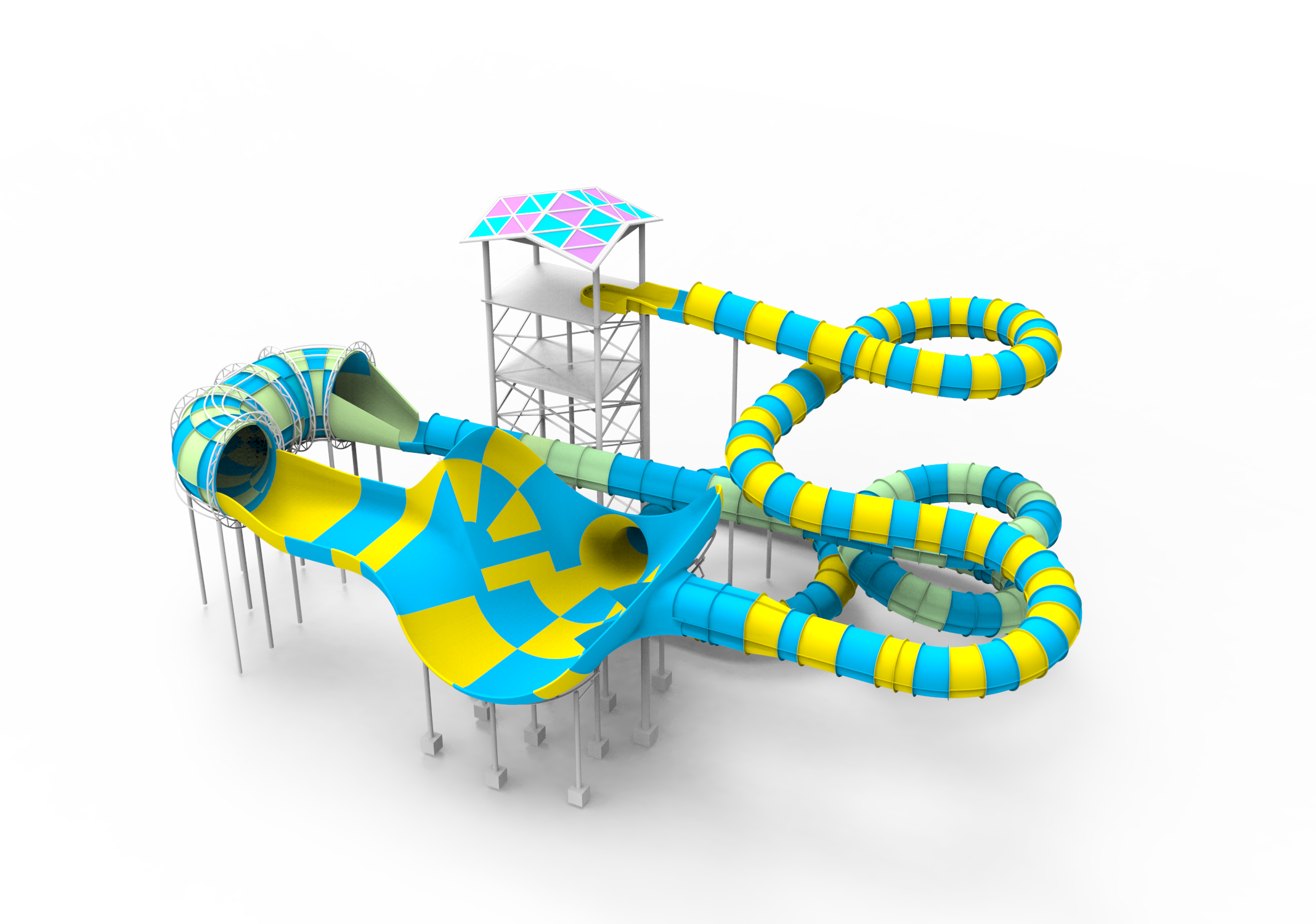
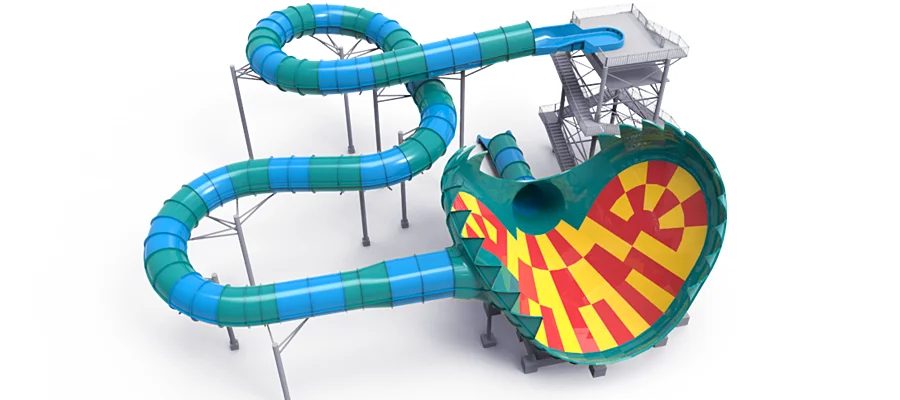
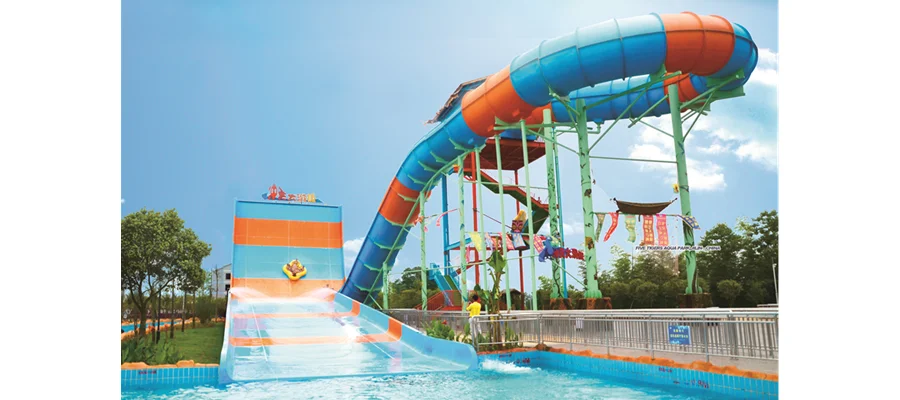
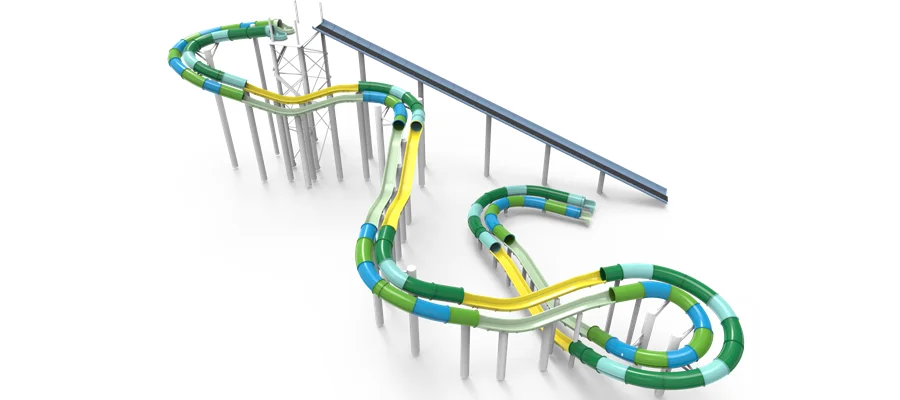
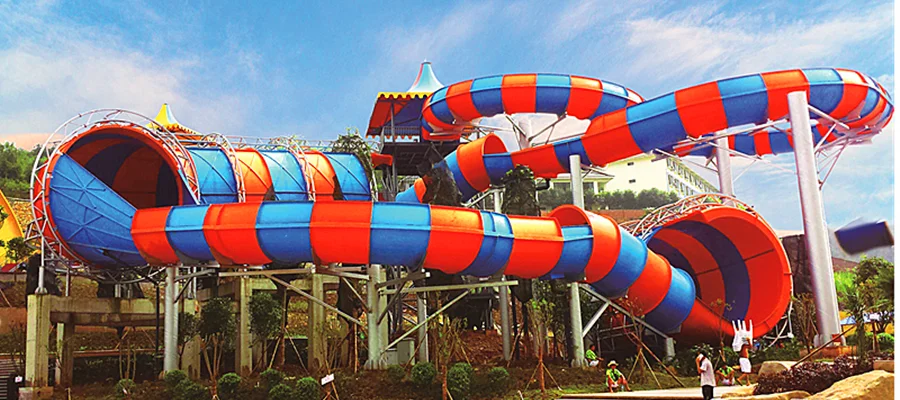
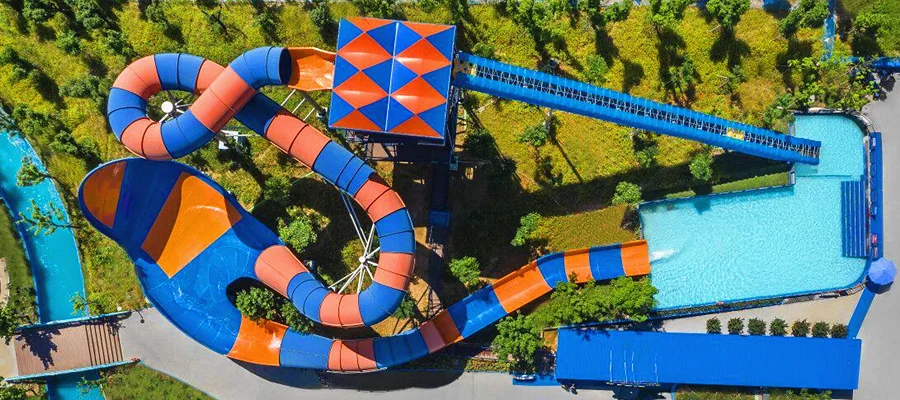
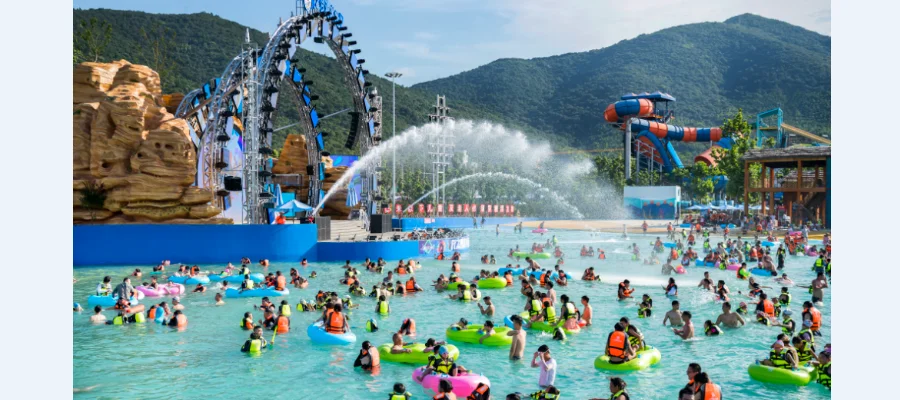
Large slides should remain exciting, but they do not need to be hidden in a separate corner that non-riders never visit. Position towers where families can see the activity and access shared facilities nearby. A teenager can ride a high-speed route in water park equipment while parents watch from a comfortable area, then the group can meet at a wave pool or restaurant. Clear height and safety information helps guests make choices without creating pressure. The attraction plan should respect different boundaries while preserving a sense of one destination.
Use Consistent Safety and Quality Controls
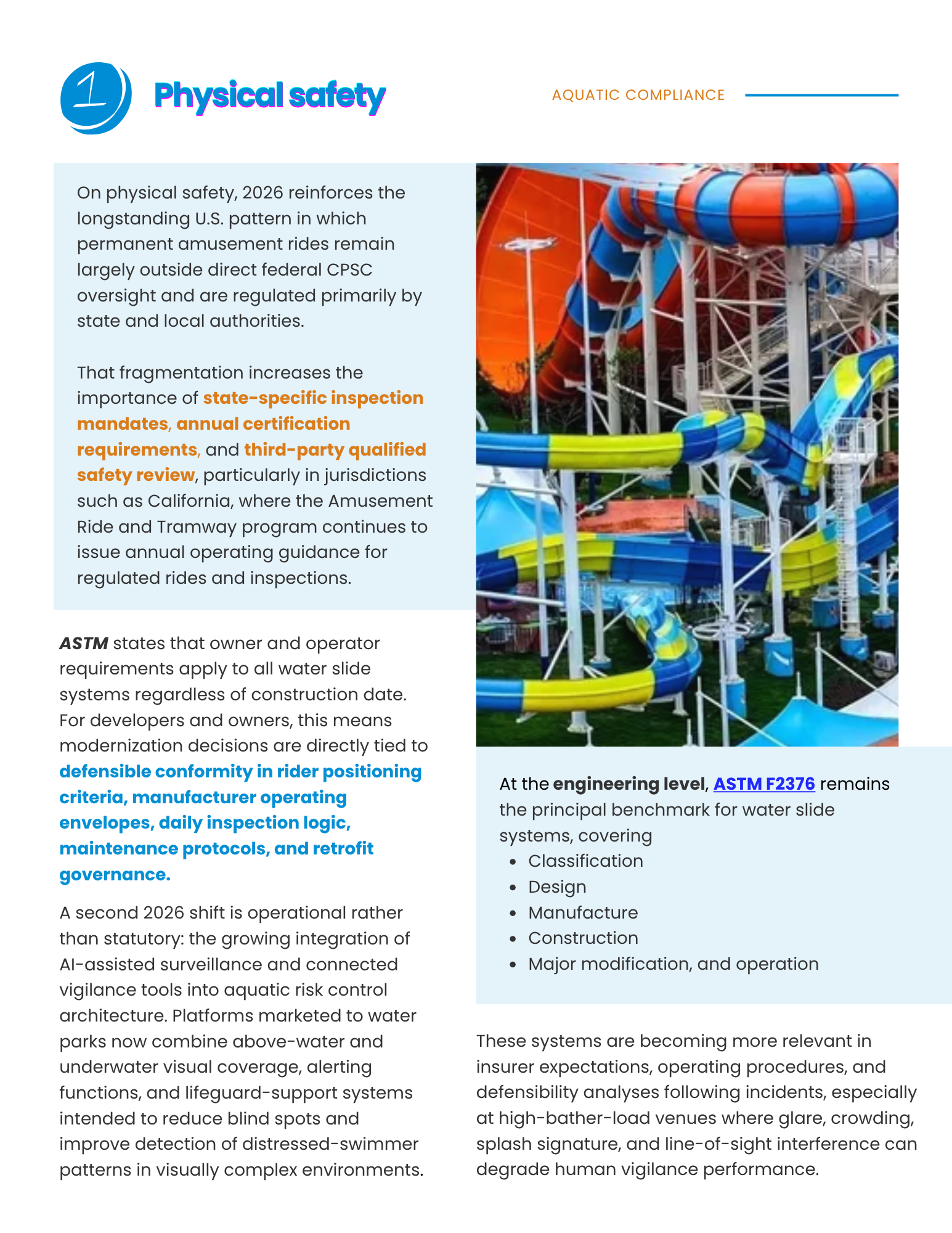
Age-inclusive design creates more interfaces between components and guest types, so standards must be consistent. Surfaces, water depth, stairs, handrails, barriers, signage, and operating rules should work together across the family district. We hold the China Special Equipment Production License for applicable equipment production. Project-specific engineering reviews, quality inspections, installation requirements, and local approvals must still be addressed according to the regulations and conditions of each site.
A qualified manufacturer should connect licensing, engineering, inspection, installation, and staff training instead of presenting compliance as a single document.
Support Parents Without Slowing the Park
Parents need practical information and comfortable places to supervise. Provide sightlines, shade, lockers, changing facilities, toilets, food, and clear routes between age zones. Seating should not block staff access or create a dry-traffic conflict. Digital and physical wayfinding can explain attraction suitability before families reach a queue. When these details are planned well, parents spend less time solving logistical problems and more time participating in the experience. The park becomes easier to use for the whole group.
How We Create Connected Age Zones
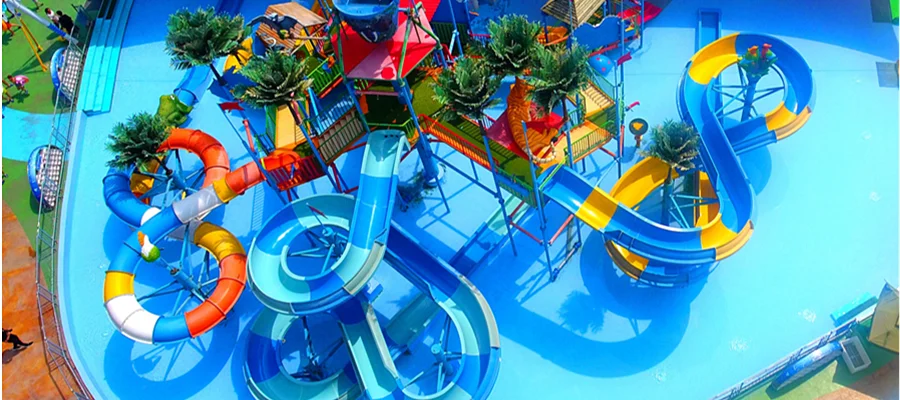
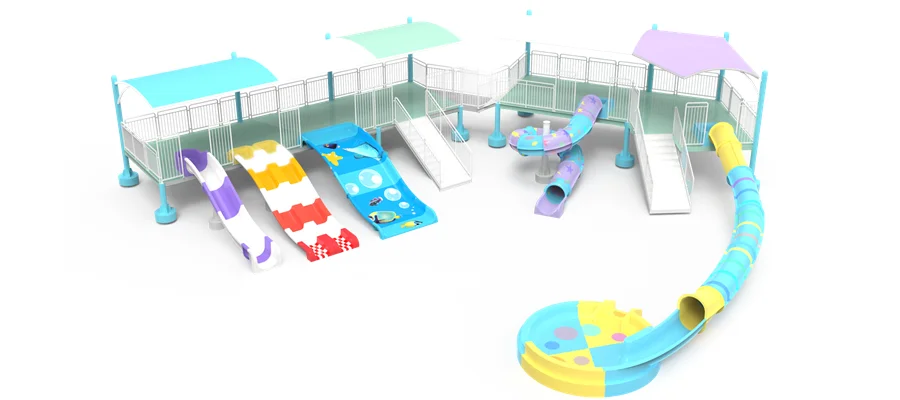
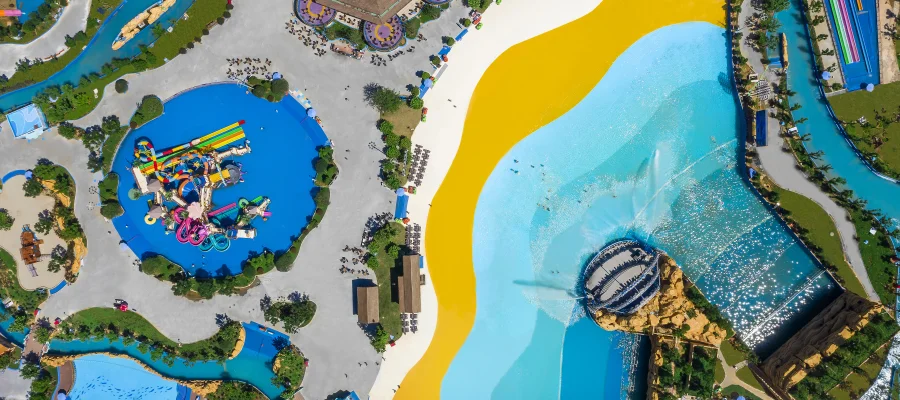
At Dalang, we can combine themed water houses, children’s play, family raft attractions, modular slides, wave experiences, and larger thrill components within one master plan. Our design process considers age range, guest flow, visibility, technical interfaces, capacity, and operating procedures. We can also place shared facilities between zones so that a family can rest, eat, change, or meet without walking across the whole property. This creates a smoother daily rhythm and makes the park more comfortable for adults who are accompanying children. Where the master plan allows, we can reserve space for future play or family attractions, protecting the age balance as the destination develops. Manufacturing, installation, commissioning, and training then carry those decisions into the finished park. This helps us create different levels of experience without leading the owner toward separate, disconnected purchases that increase walking, staffing, and infrastructure demands.
Conclusion
Age-inclusive planning is about relationships: between attractions, between family members, and between the guest journey and the operating system. Shared spaces, flexible water-play centres, visible thrill rides, consistent safety controls, and practical parent facilities can keep the park connected without making every visitor use the same equipment. The result is a more useful component combination and a stronger destination experience. With Dalang, we can help design a water park where different age groups have their own choices while remaining part of one coordinated environment.