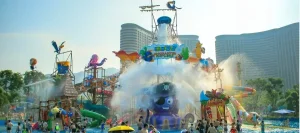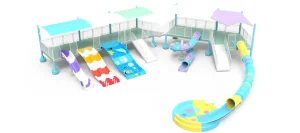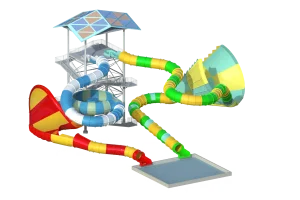
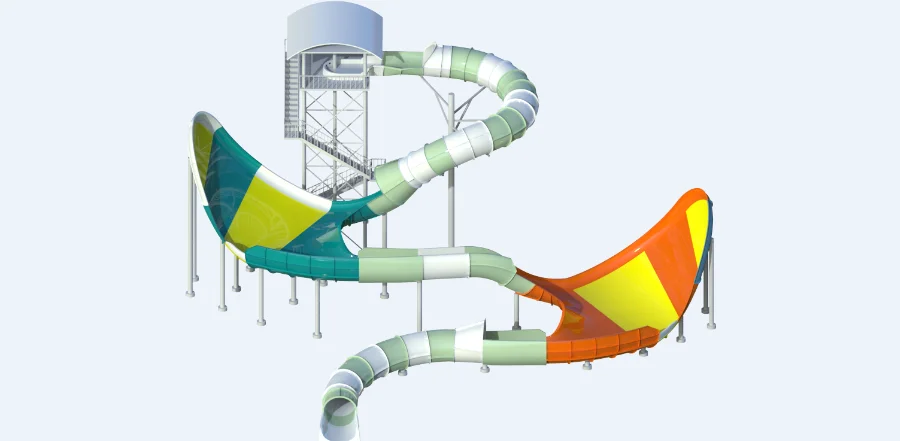
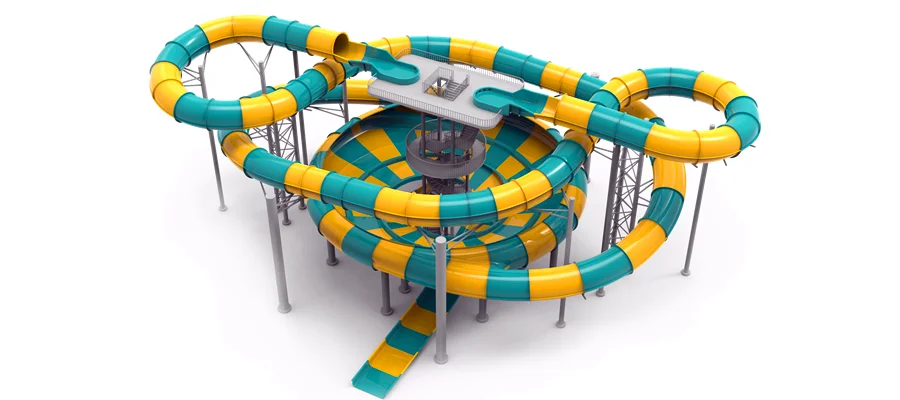
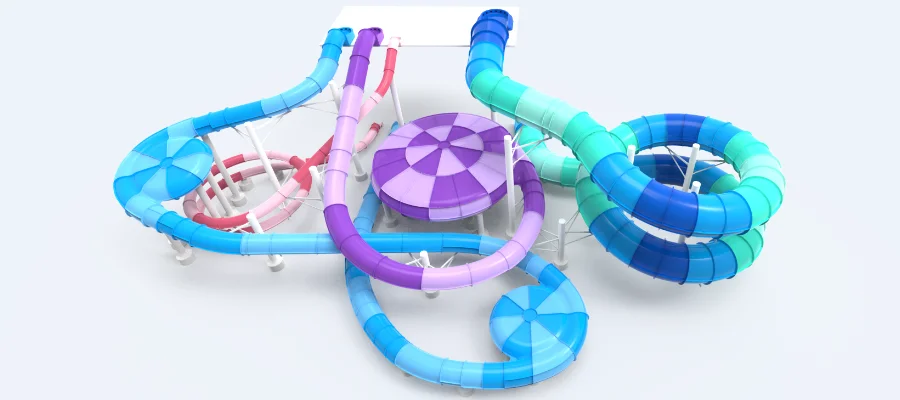
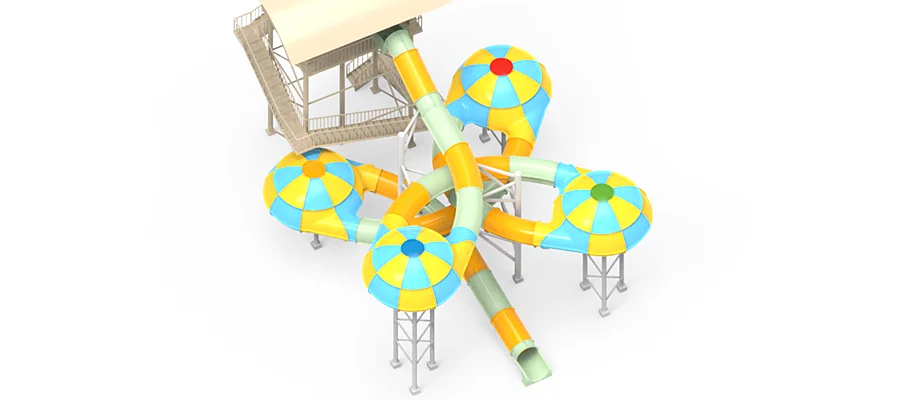
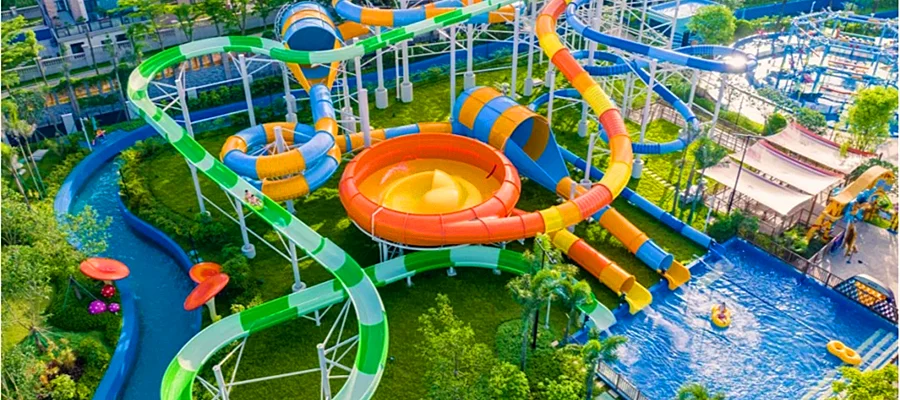
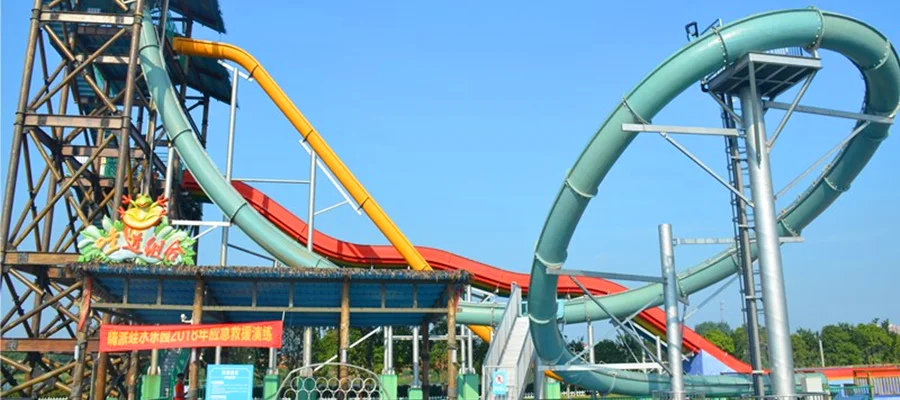
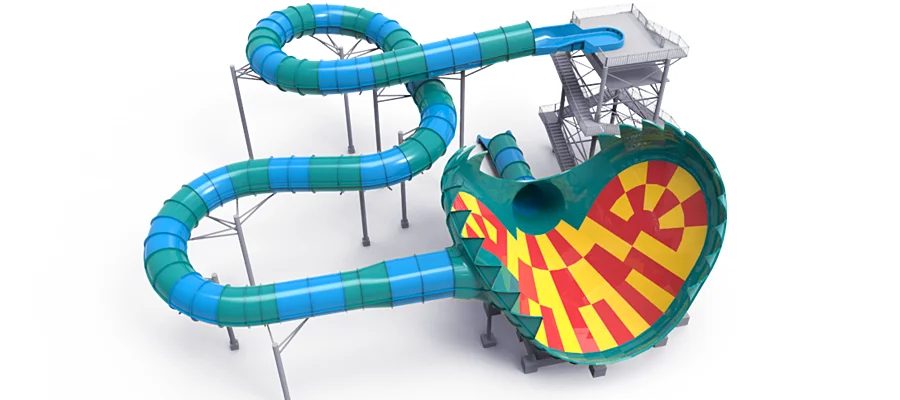
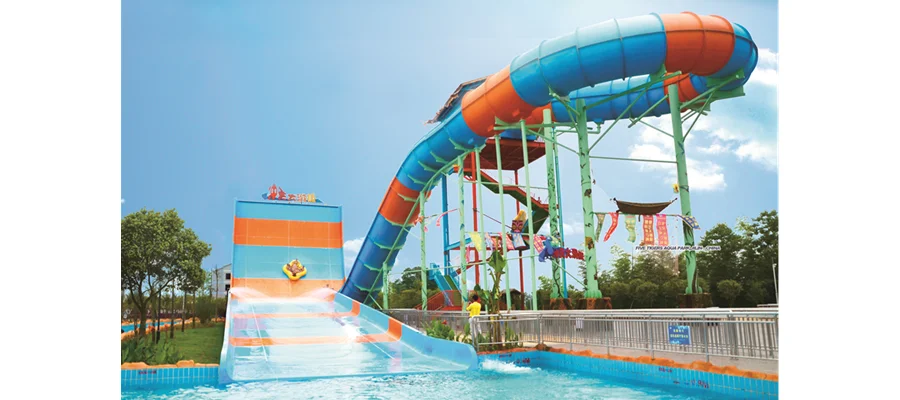
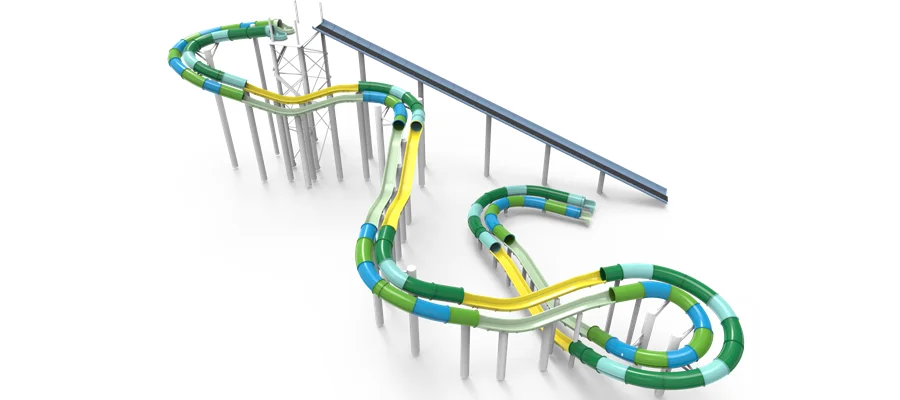
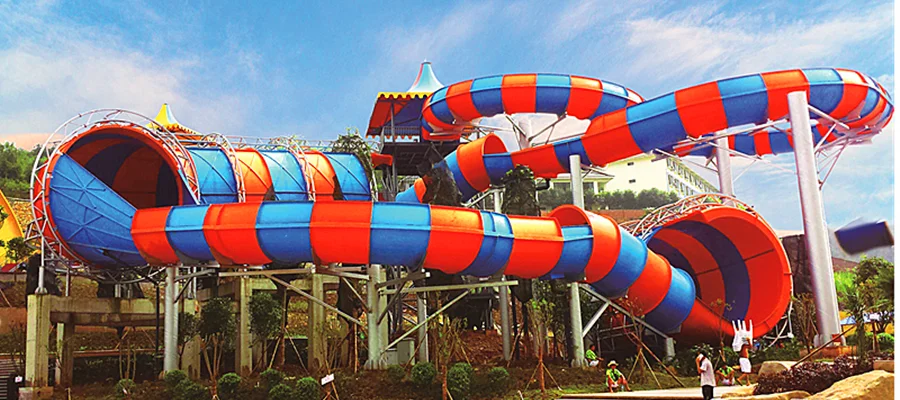
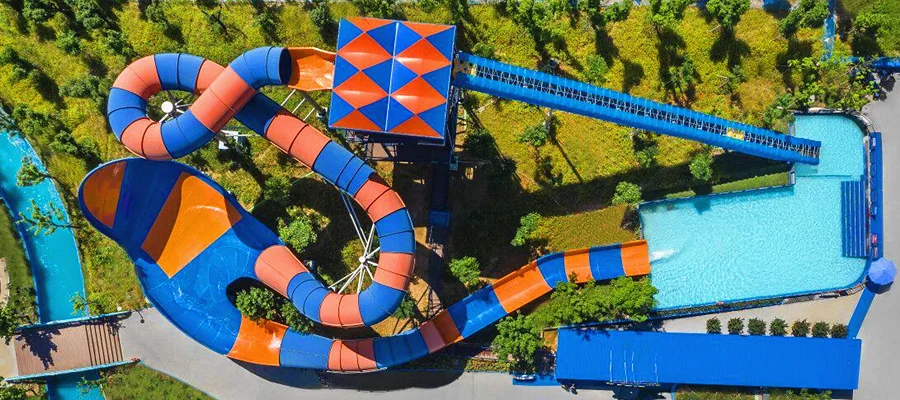
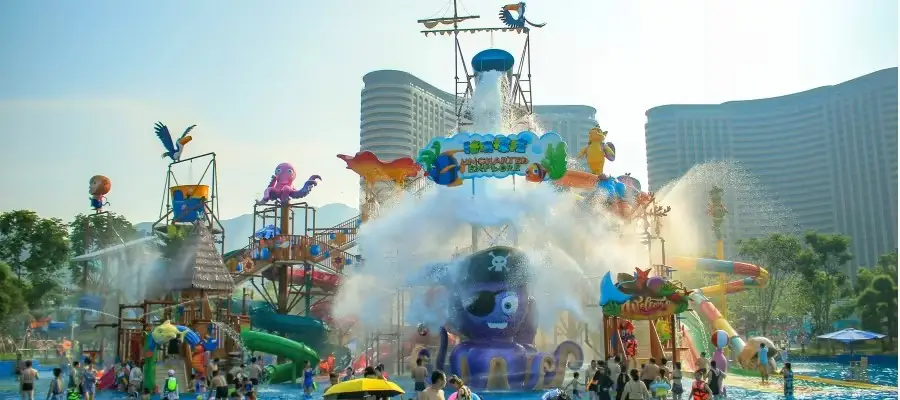
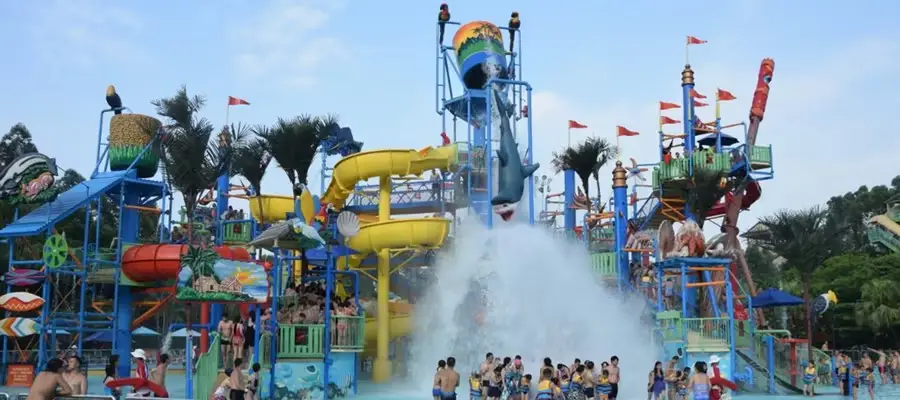
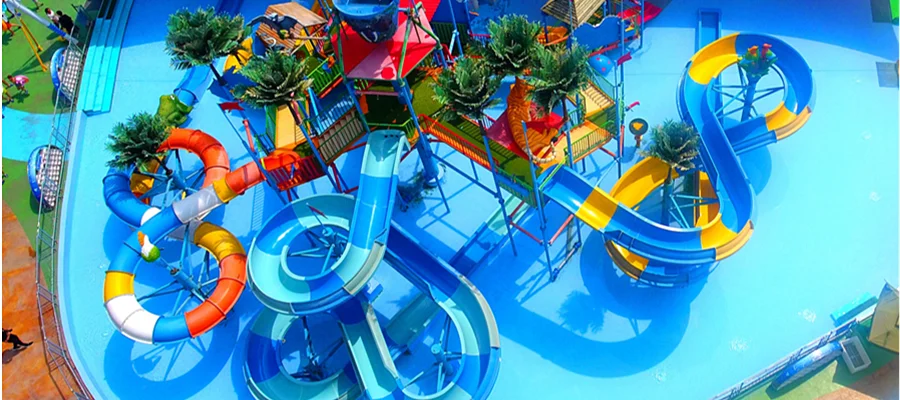
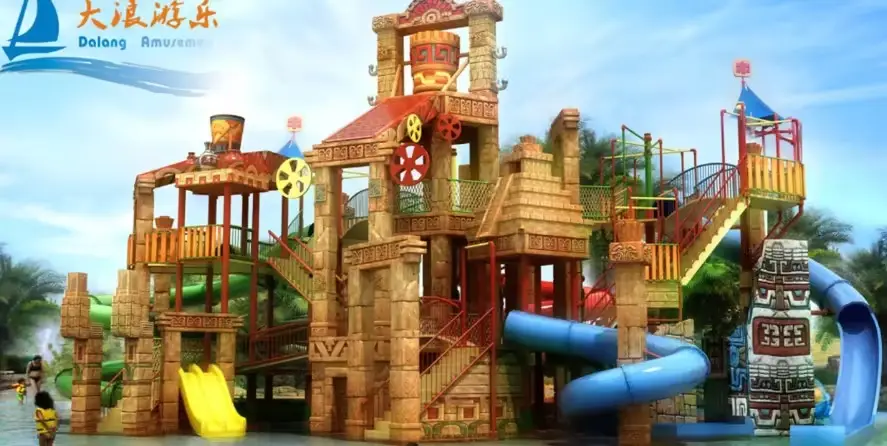
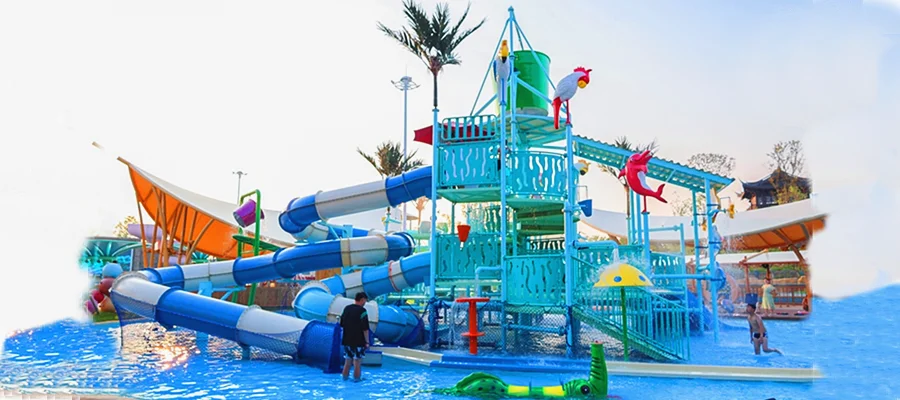
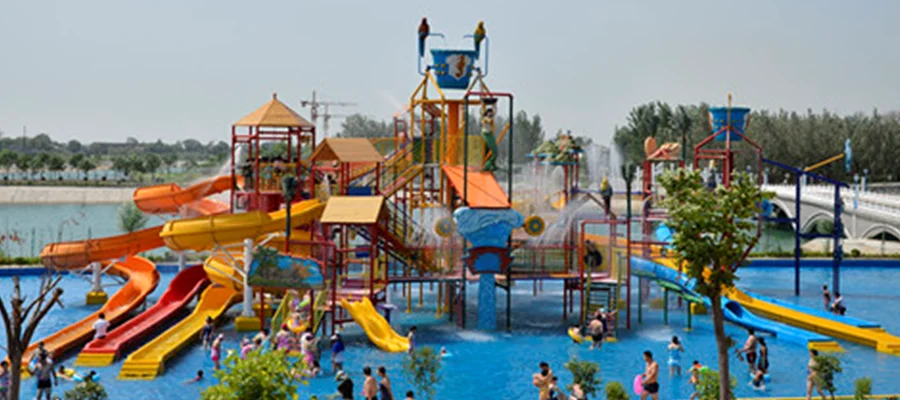
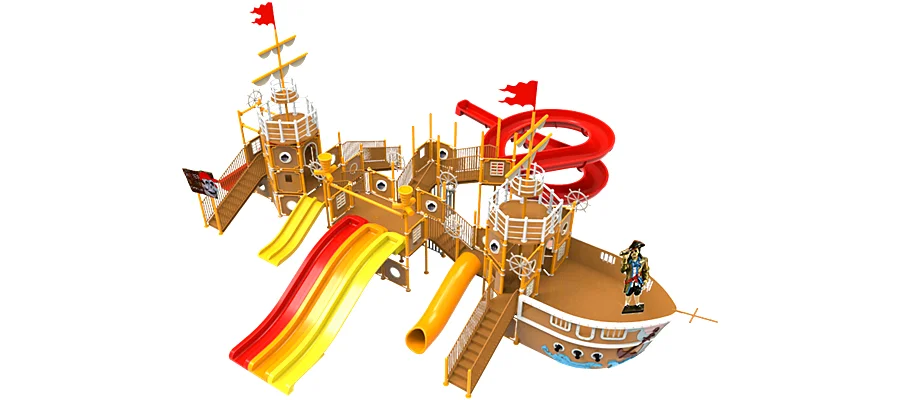
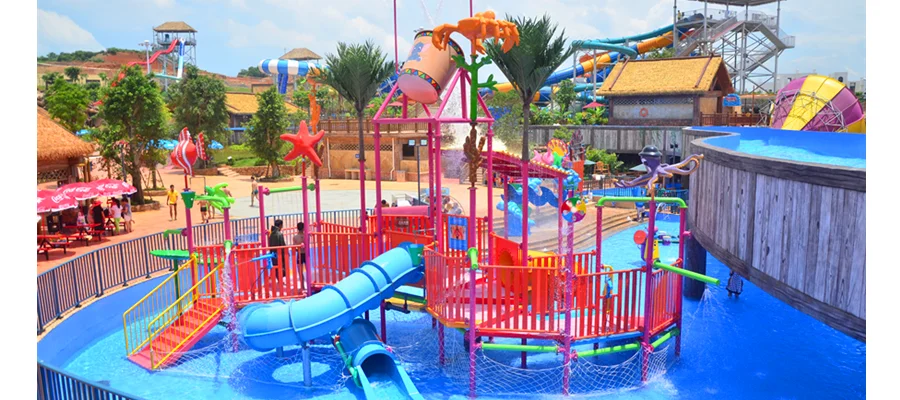
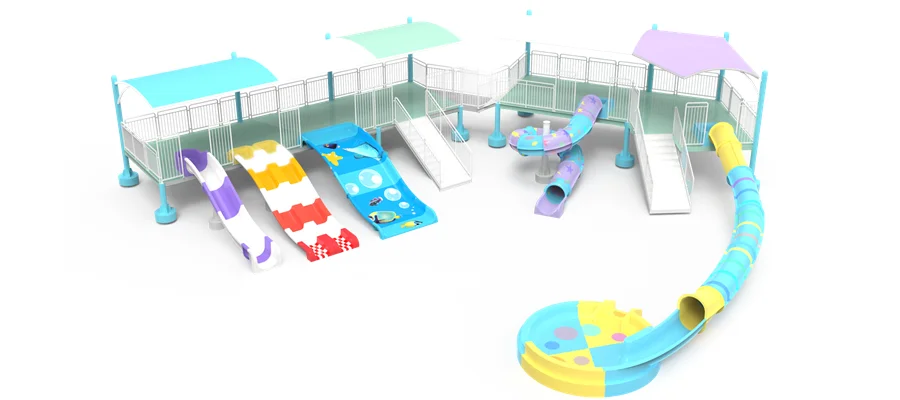
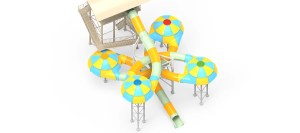
Complex slide structures demand a close connection between what is produced in the factory and what is assembled on site. A combination tower, large raft route, or multi-level slide may contain hundreds of interfaces that must align with foundations, pools, stairs, pumps, access routes, and safety systems. Choosing a water slide supplier is therefore only the beginning. Developers also need to understand how the supplier manages water slide construction from the approved design through delivery, installation, commissioning, and opening.
Freeze the Design at the Right Time
Factory production should not begin while important site decisions are still changing. The water slide construction project team needs an approved layout, structural information, connection details, water requirements, colour schedule, access plan, and installation sequence. At the same time, the design should retain enough flexibility to respond to confirmed site conditions. A controlled design-freeze process records what is final, what remains open, and who can approve a change. This prevents small adjustments from moving through the factory and creating larger problems on site.
Use Precision Molds for Repeatable Components
Complex slide structures are easier to assemble when the manufactured sections are consistent. Precision molds help control geometry, surface quality, joints, and the relationship between adjacent segments. Our factory uses imported five-axis CNC machining centres for mold production, supporting accurate forms across different slide types. This capability is especially important when a package combines open chutes, enclosed tubes, spiral sections, or racing lanes. Repeatable components reduce the amount of improvisation required during installation and make the final attraction closer to the approved design.
Inspect More Than the Finished Surface
Quality review should cover raw materials, composite work, reinforcement, inserts, joints, assembly, packaging, and final equipment. Our manufacturing information highlights more than 120 quality-control points and linear composite technology designed to improve surface smoothness, appearance, weather resistance, and impact performance. These checks do not remove the need for site inspection, but they give the installation team a stronger starting point. Consistent documentation also helps the owner understand what was checked before the equipment left the factory.
Prepare the Site for the Equipment
Installation efficiency depends partly on work that happens before the first component arrives. Foundations, embedded parts, pools, drainage, plant rooms, access roads, lifting areas, storage, and temporary protection should follow the equipment requirements. Our technical teams can provide construction planning and supervision so that civil works and equipment installation remain coordinated. The aim is to avoid a situation in which a slide is complete but the pool, stair, power, or access condition is not ready to receive it.
Sequence Assembly Around Safety and Access
A complex structure should be assembled in an order that protects workers, components, and the future operating system. Heavy sections may need to be lifted before surrounding theming or landscaping is completed. Inspection points and connection areas must remain accessible until checks are finished. Safe work zones should be separated from other contractors and future guest routes. A clear sequence also helps the owner understand when the project reaches key milestones: structural completion, equipment installation, water connection, dry testing, wet testing, and commissioning.
Commission the Whole System
Commissioning is more than confirming that water moves through a slide. The team should review ride performance, flow, run-out, pool recovery, controls, signage, dispatch, raft handling, emergency procedures, cleaning, and staff communication. For a combination structure, one route may affect another through shared water systems or circulation. Testing the whole package helps identify issues before guests arrive. It also gives operators practical experience with the procedures they will use during a real opening day.
How We Connect Factory and Site
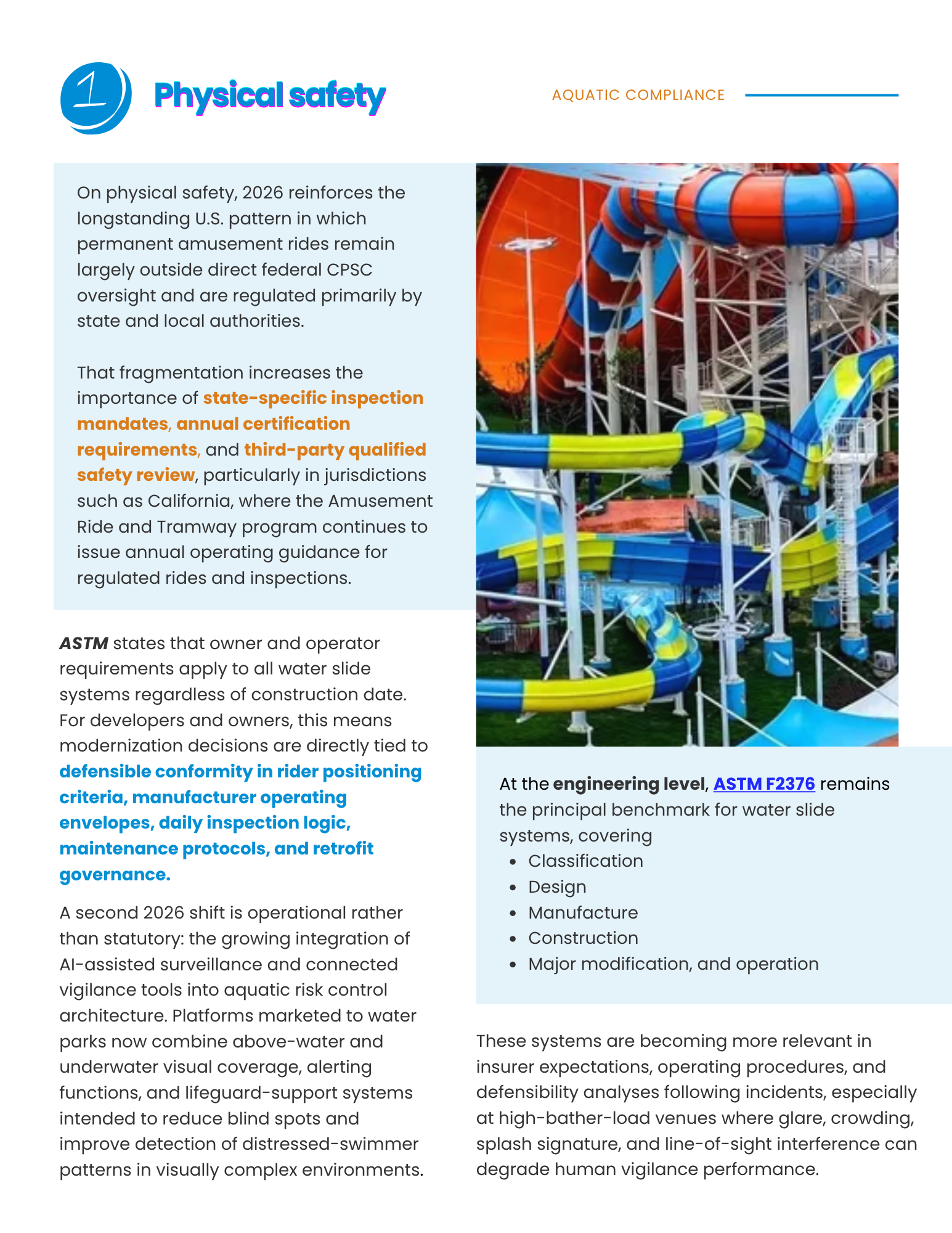
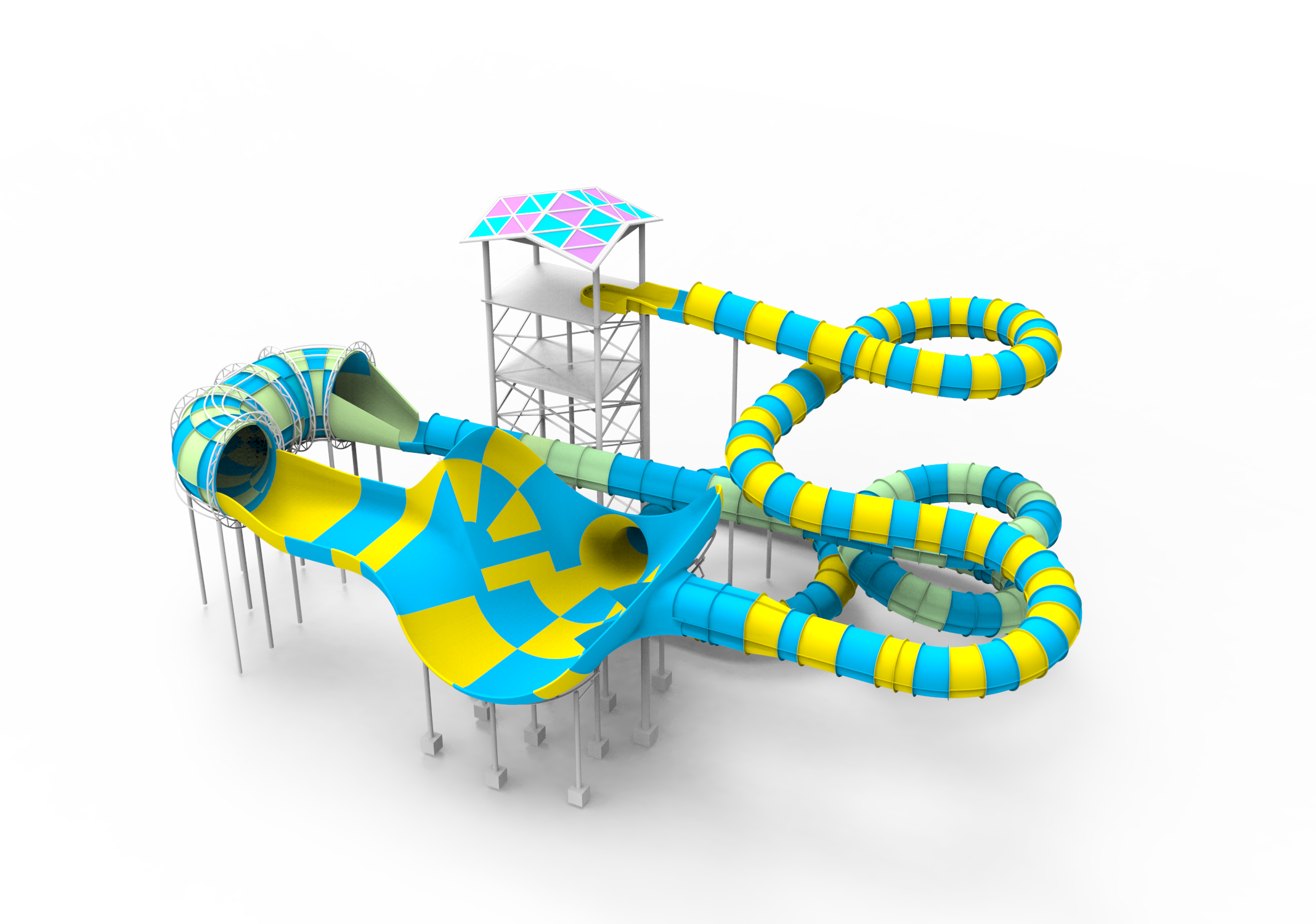
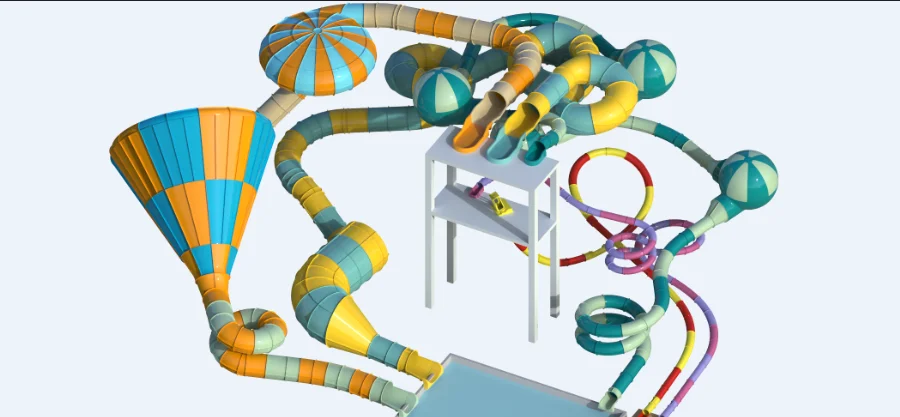
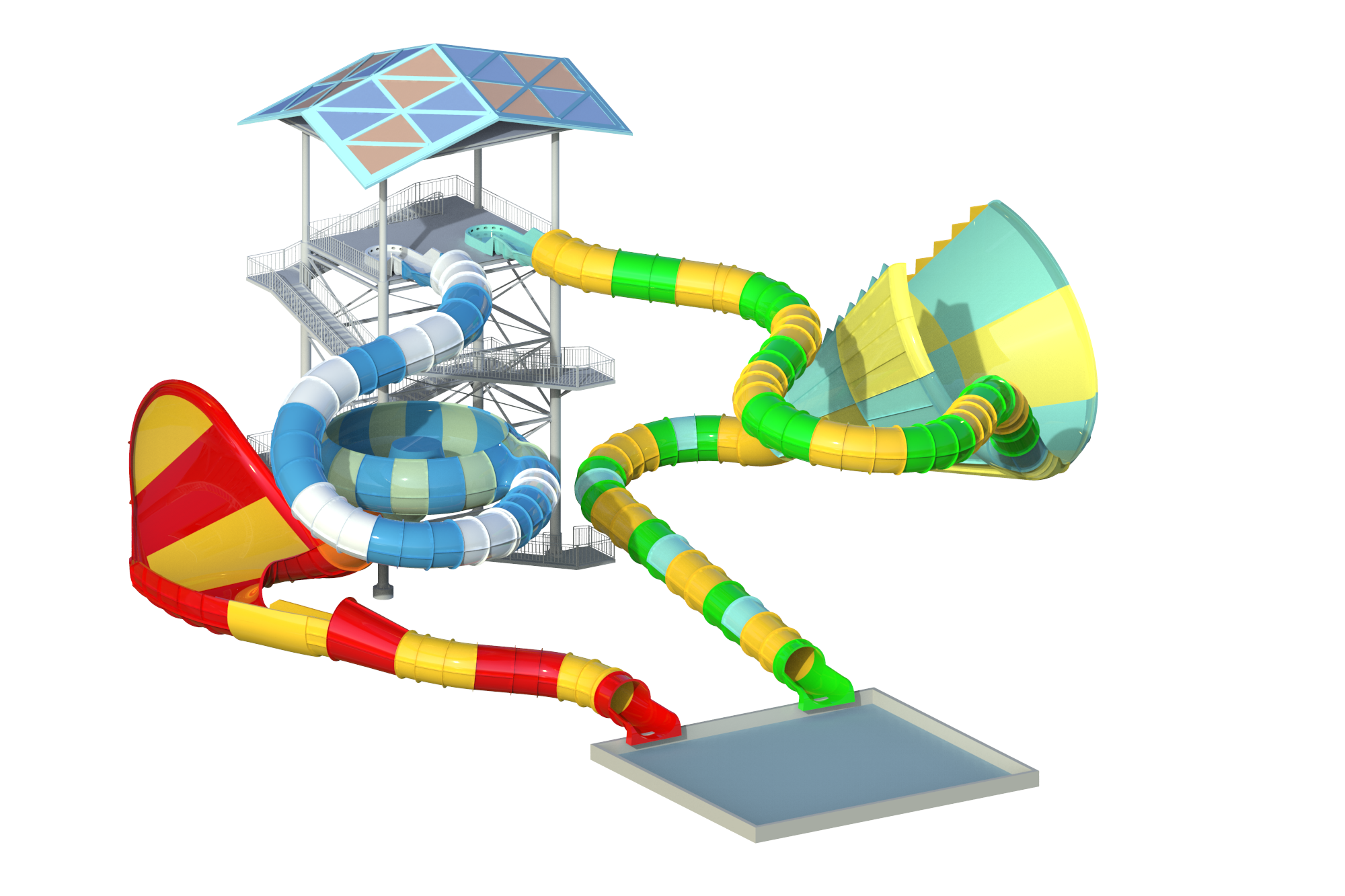
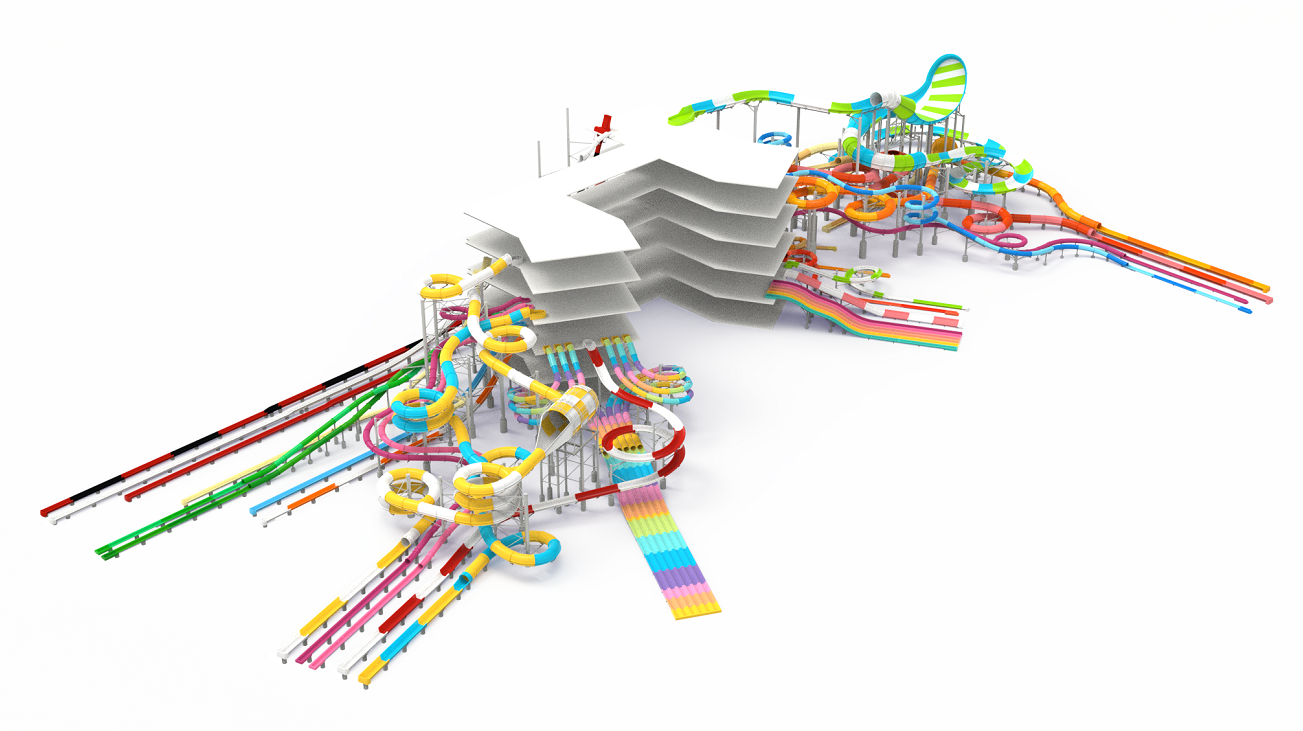
At Dalang, we coordinate design documentation, precision manufacturing, quality inspection, packaging, installation planning, technical supervision, commissioning, and operational training as related stages. Where a project uses local civil contractors or installation partners, we can coordinate technical communication around drawings, tolerances, sequence, testing, and acceptance. We also review how completed components will be protected while other areas remain under construction. This is especially important for phased or large-site projects, where factory quality can be undermined by poor storage or unfinished interfaces. A documented handover gives the owner a clear record for future maintenance, replacement, and expansion. It also helps all parties understand which conditions must be preserved when later equipment packages are added. Our integrated slide concepts demonstrate how several ride types can be combined in one structure, while our factory capabilities help produce the components consistently. After installation, our support process can continue through technical guidance and maintenance information. This connection allows the owner to manage a combination package with clearer responsibility and fewer gaps between factory and site.
Conclusion
Complex slide structures perform best when factory production and installation are treated as one continuous process. Design control, precision molds, quality inspection, civil preparation, safe sequencing, full-system commissioning, and operator training all contribute to the result. The objective is not merely to deliver fiberglass sections; it is to deliver a working attraction package that can be inspected, operated, maintained, and expanded with confidence. With Dalang, we can connect manufacturing discipline with on-site project support for complex water park structures.