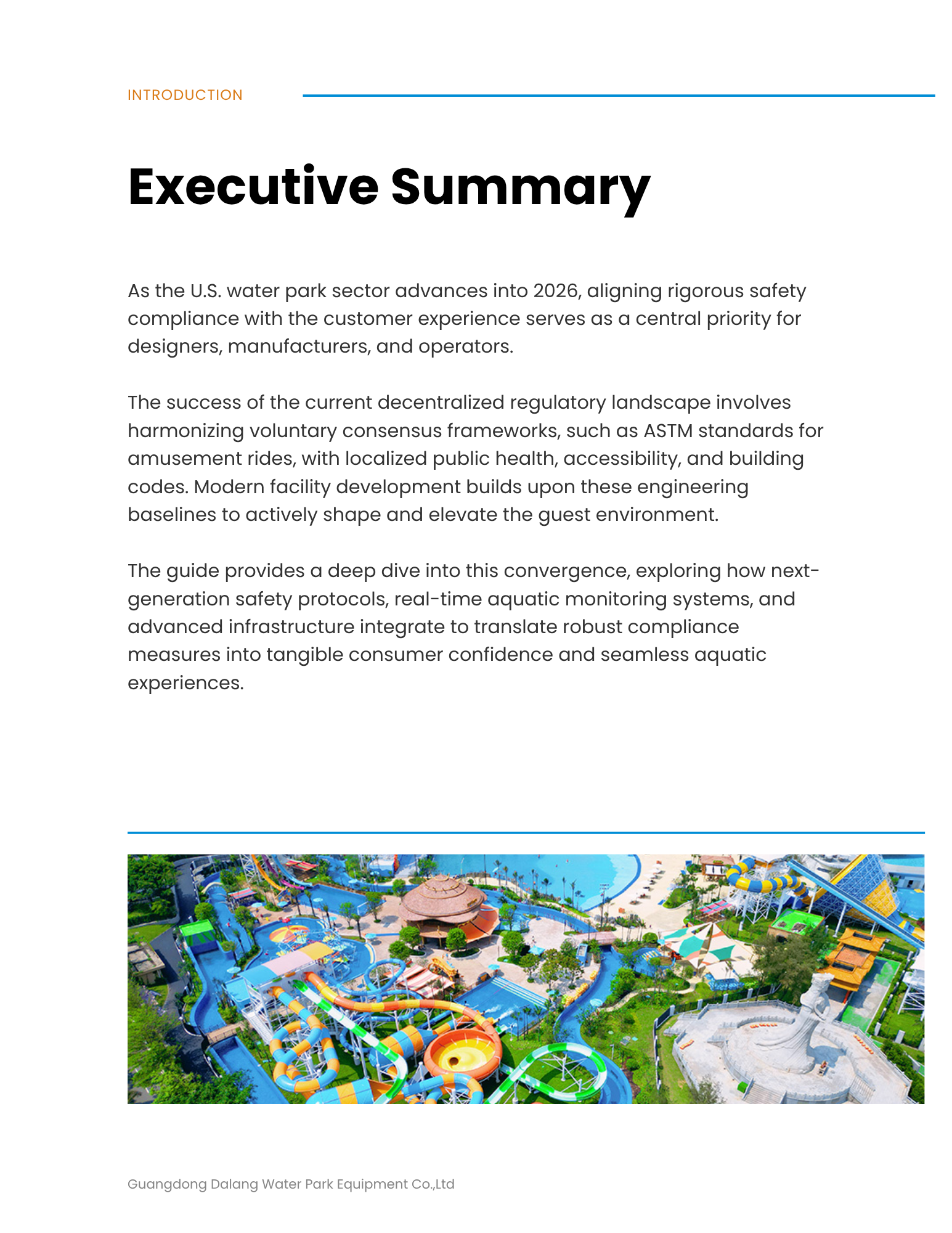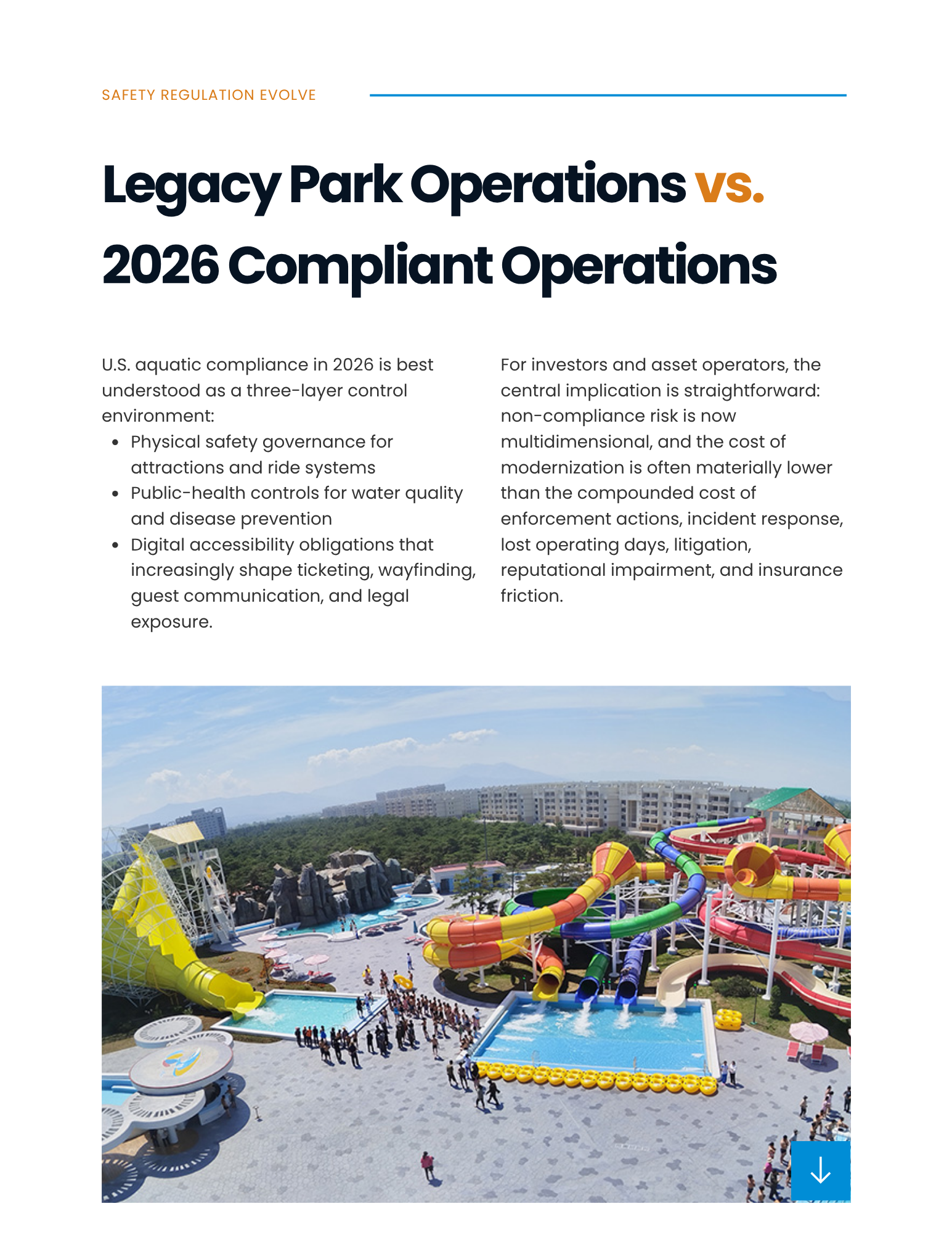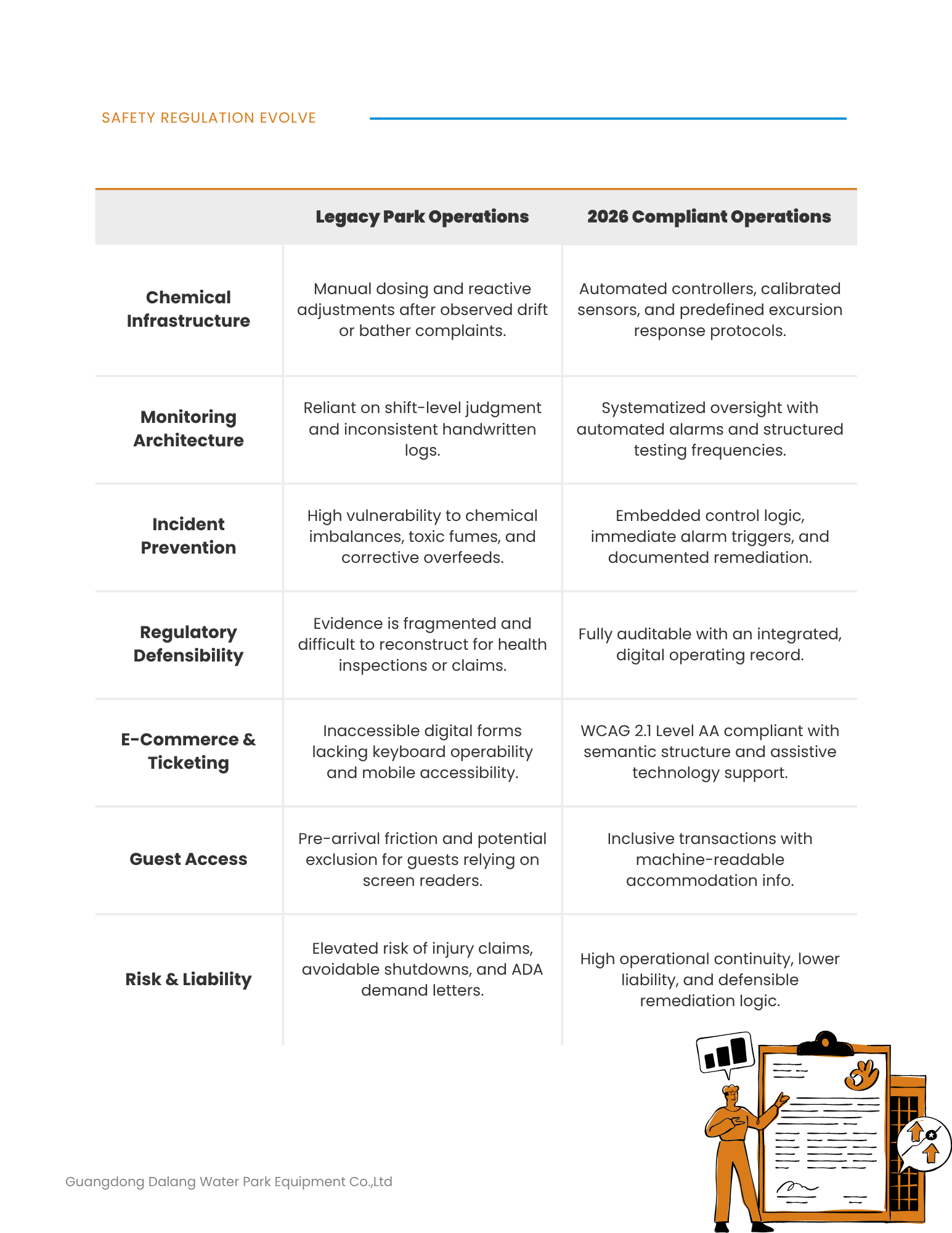
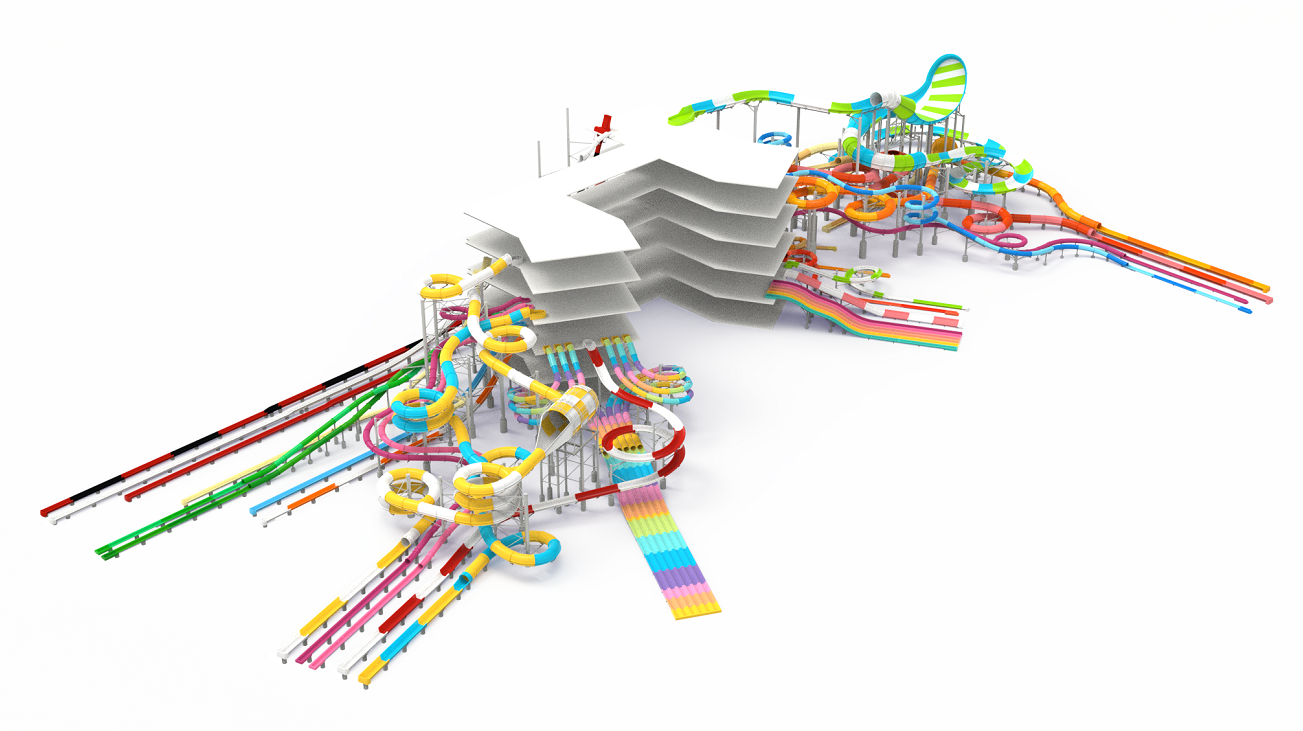
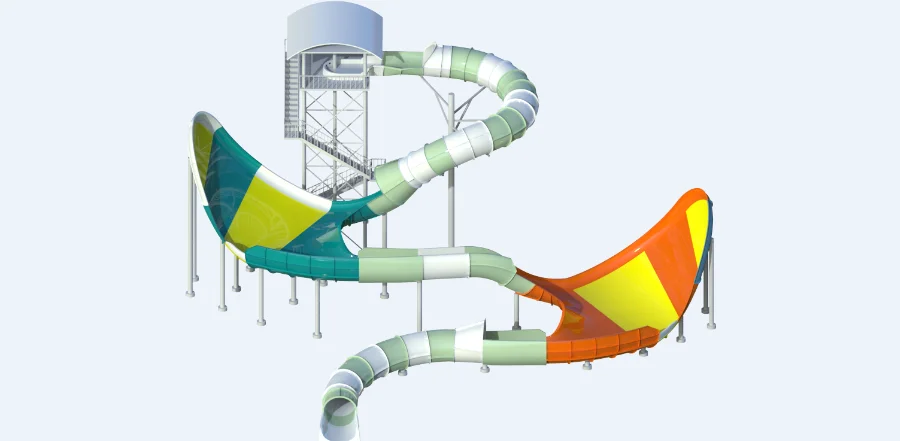
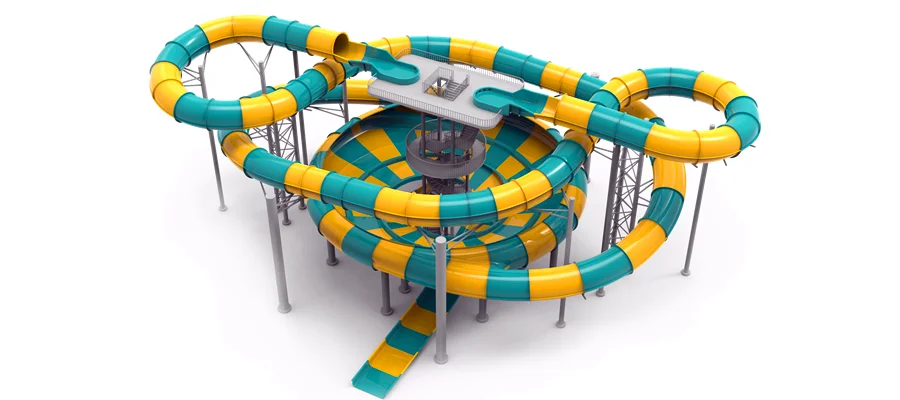
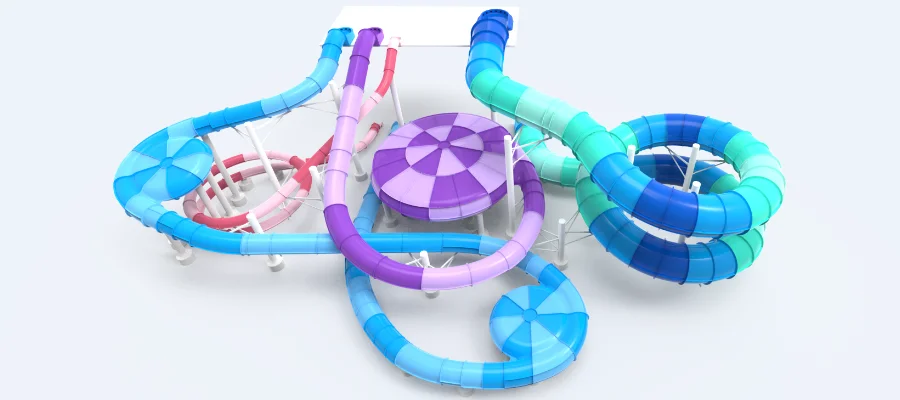
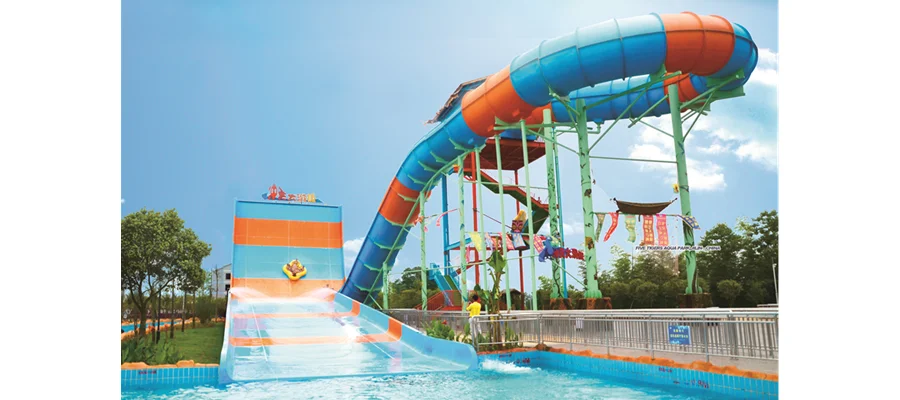
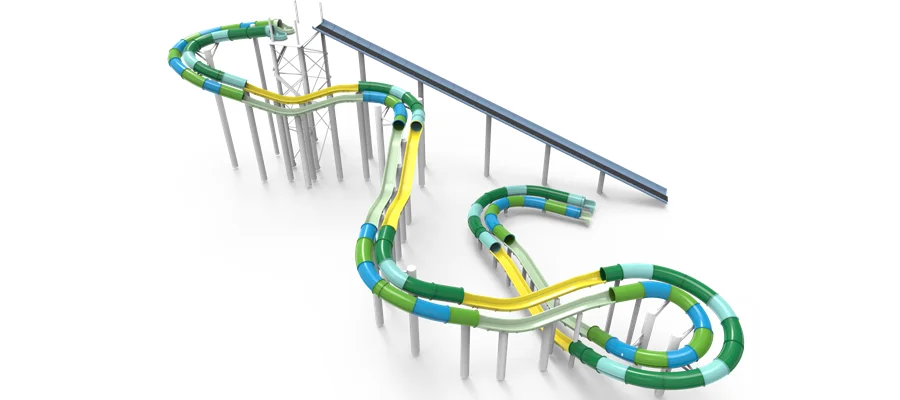
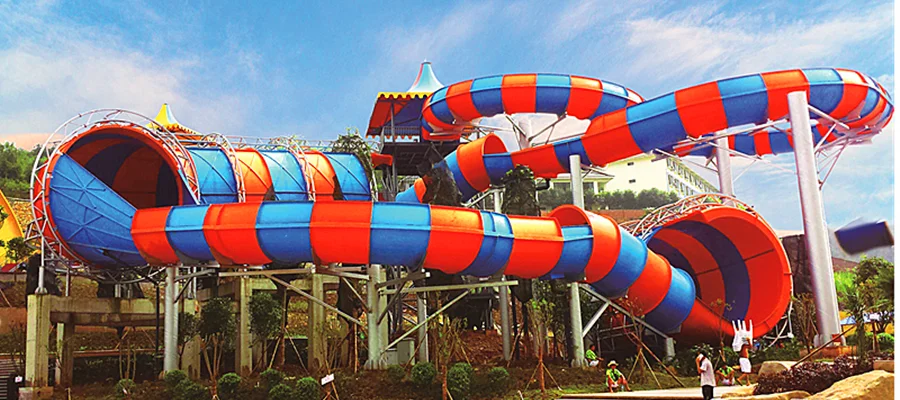
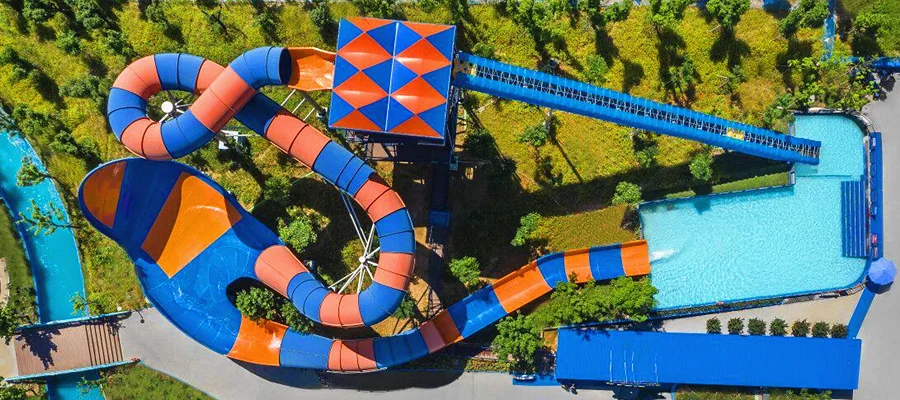
A successful water park project begins long before individual rides are selected. For a 2027 development, owners and investors should first determine how different attractions will work together across seasons, visitor groups, space, and operating hours. For an indoor or year-round park, that means looking beyond individual slides and considering a coordinated combination of indoor surfing, wave-making attractions, slide components, and supporting aquatic experiences.
Start With the Attraction Mix, Not a Product List
For year-round operation, attraction planning should begin with the guest experience and business model. IAAPA guidance on developing new water parks recommends determining the target market, park size, investment level, and attraction offering early in the planning process. The mix should reflect whether the project is designed primarily for families, teenagers, thrill seekers, resort guests, or a combination of these groups.
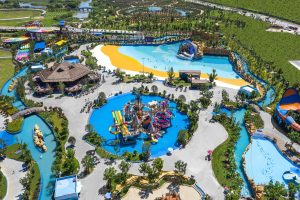
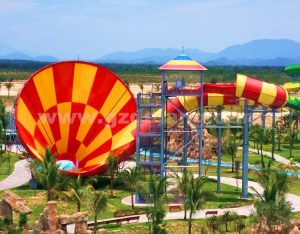
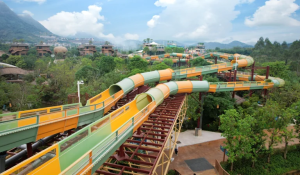
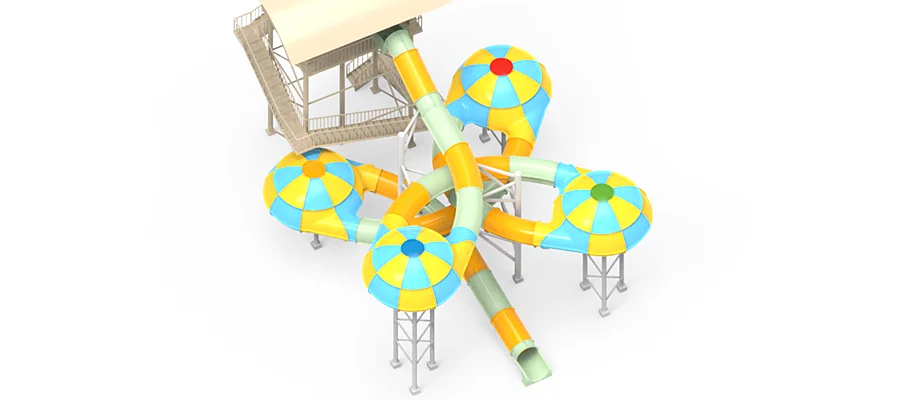
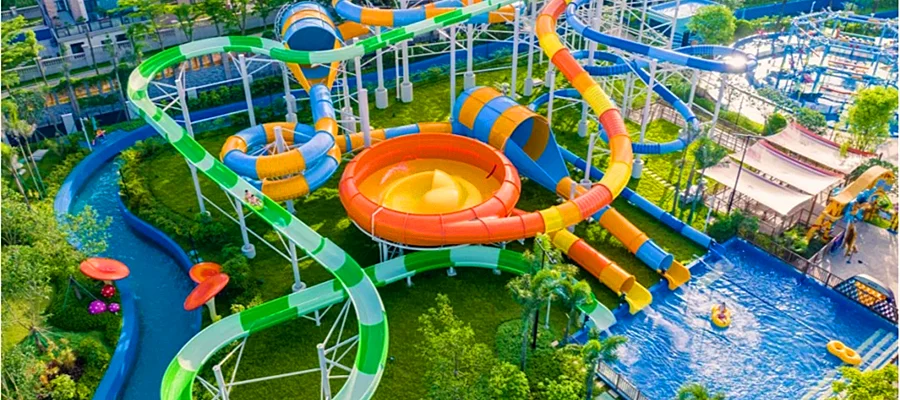
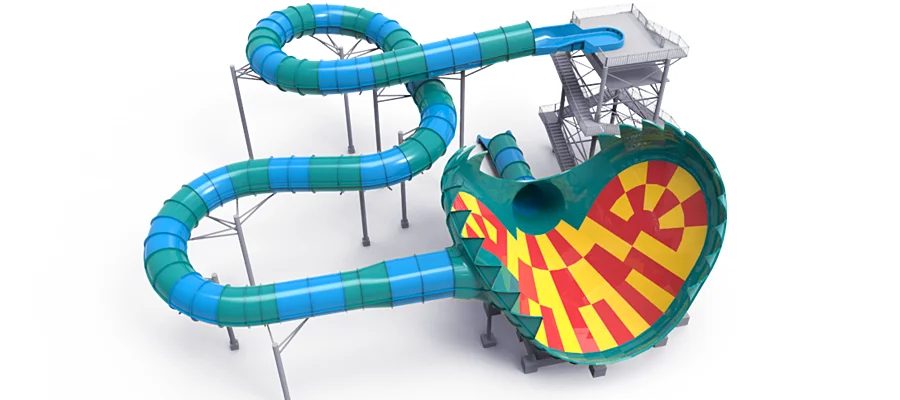
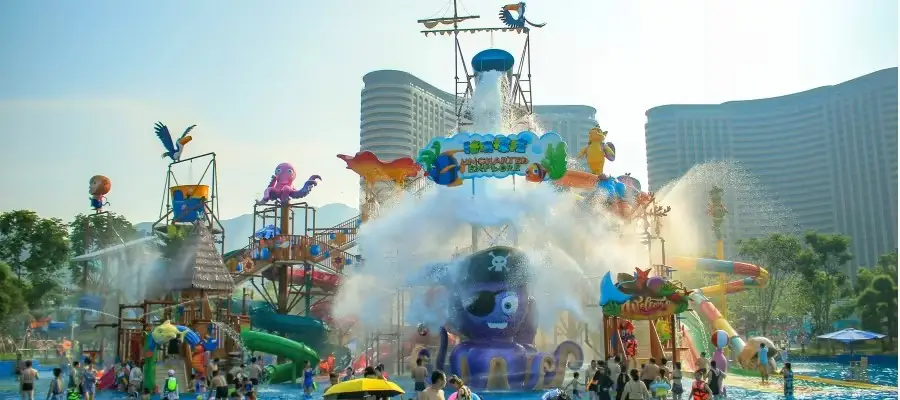
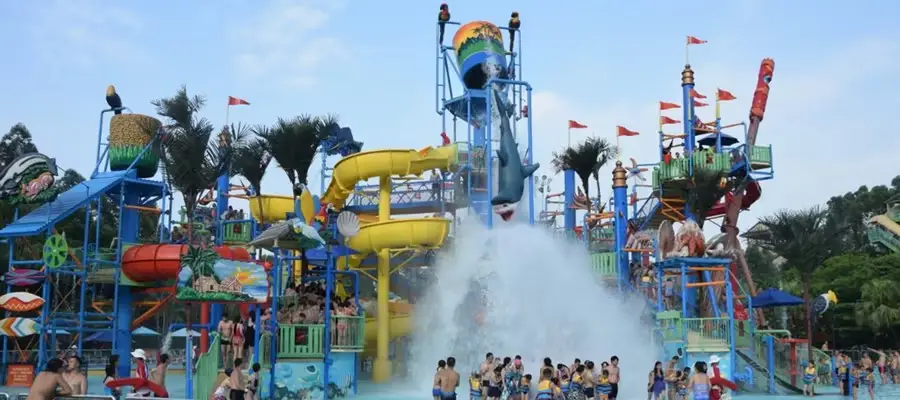
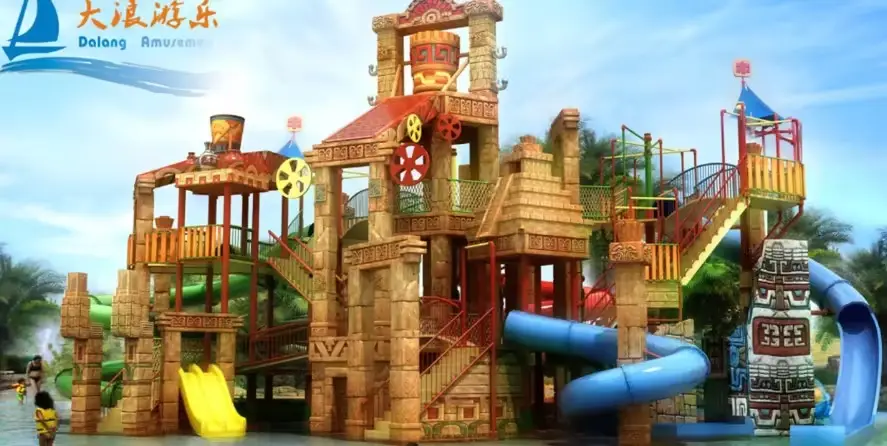
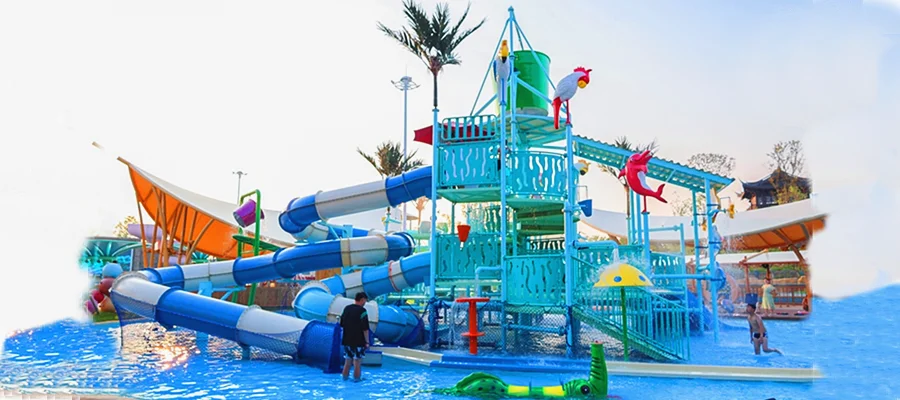
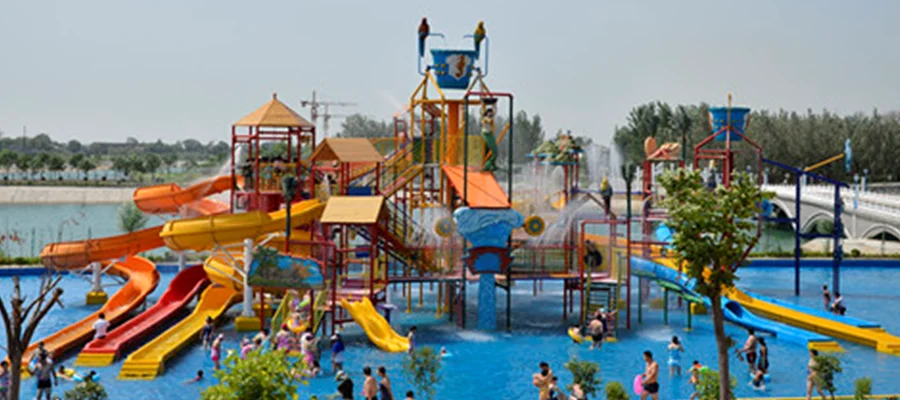
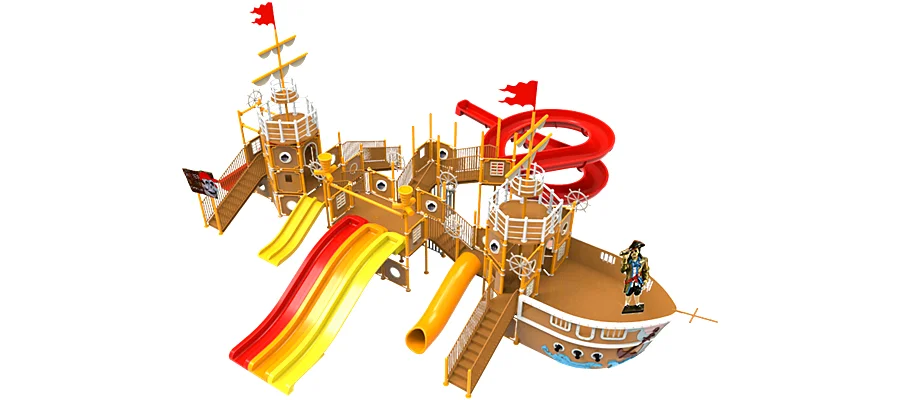
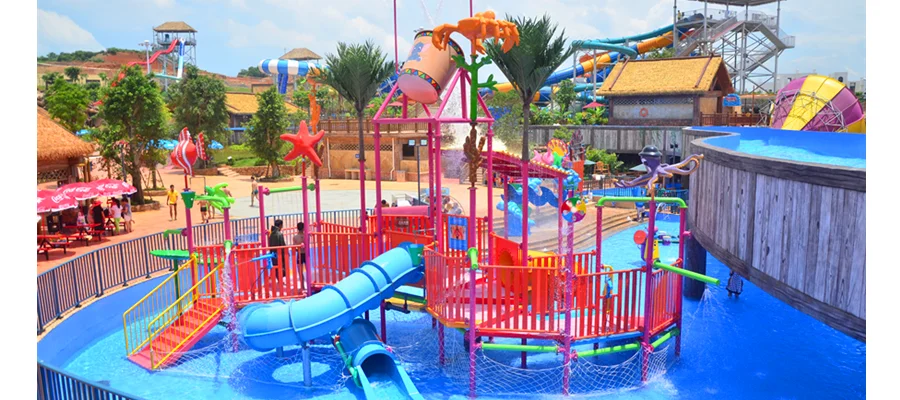
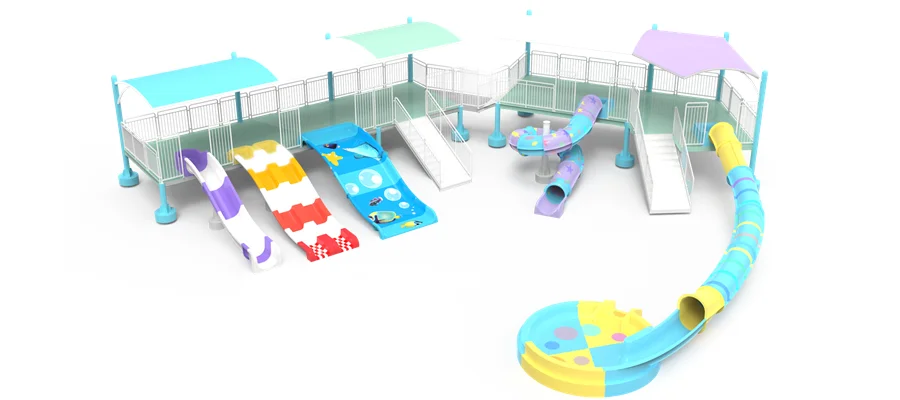
We recommend treating the park as a connected system rather than a collection of separate rides. A strong combination can place high-energy attractions alongside activities with broader age appeal. Slide components can create headline thrills, wave-making attractions can provide shared aquatic experiences, and indoor surfing can introduce a skill-based activity that encourages repeat visits. At the same time, kids area helps complete the family experience by providing safe, age-appropriate aquatic activities for younger visitors while allowing parents and older children to enjoy other attractions nearby.
This combination logic is especially important for family-oriented indoor water parks. Instead of separating the children zone as an isolated play area, developers can position it as part of the overall attraction flow. For example, a kids area can be located close to family pools, viewing spaces, and lower-intensity attractions, while remaining connected to more exciting zones through clear circulation routes. This allows different age groups to share the same visit experience without forcing every guest to participate in the same type of attraction.
This approach also helps operators avoid over-investing in one attraction category. Instead of building a park around several similar rides, we can help develop a balanced combination of attractions that distributes visitor interest throughout the facility and supports different patterns of use during weekends, holidays, and quieter periods.
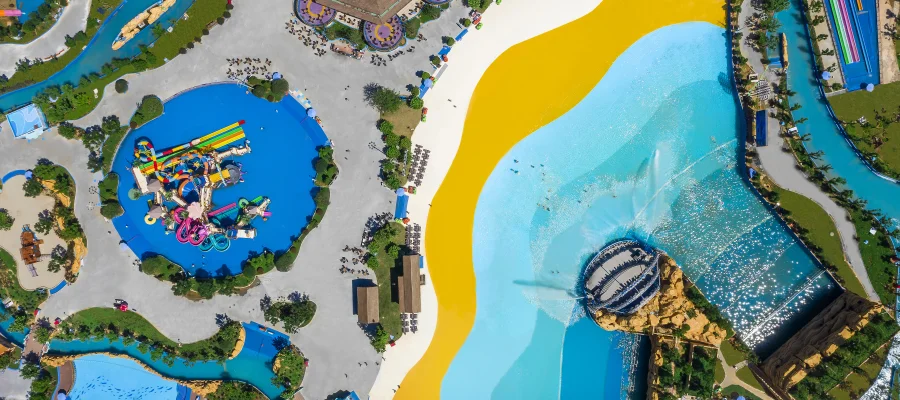
Build Water Park Layout Design Around Guest Flow
A well-planned water park layout design needs to consider more than where each attraction physically fits. Arrival routes, changing areas, pools, slide towers, surfing areas, viewing zones, food and beverage facilities, kids area, children zone, and service spaces all influence how visitors move through the property.
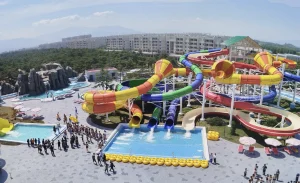
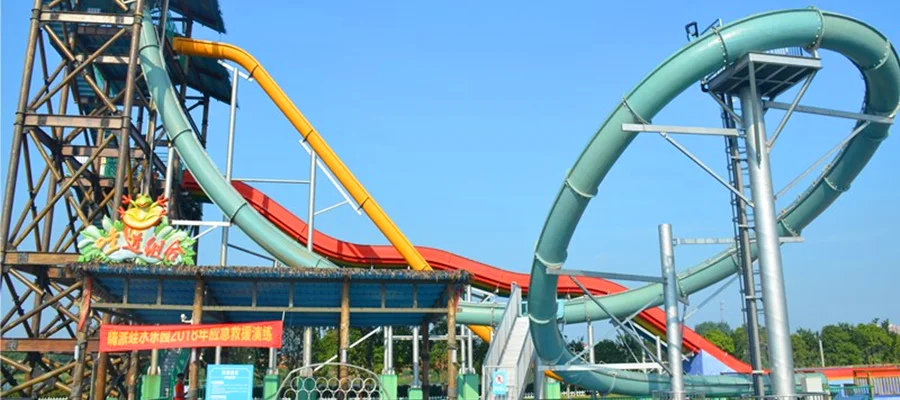
The relationship between attractions is particularly important indoors. Large slides may require considerable structural height and dedicated landing areas, while wave systems and surf attractions require carefully planned aquatic zones. Children zones usually require different design considerations, including shallow water depth, interactive play features, parental supervision areas, and easy access to family facilities. Therefore, the kids area should be planned together with surrounding attractions instead of being added after the main layout is completed.
The layout therefore needs to coordinate architectural, structural, hydraulic, electrical, safety, and operational requirements from the beginning.
Combine Surfing, Waves, and Slides Strategically
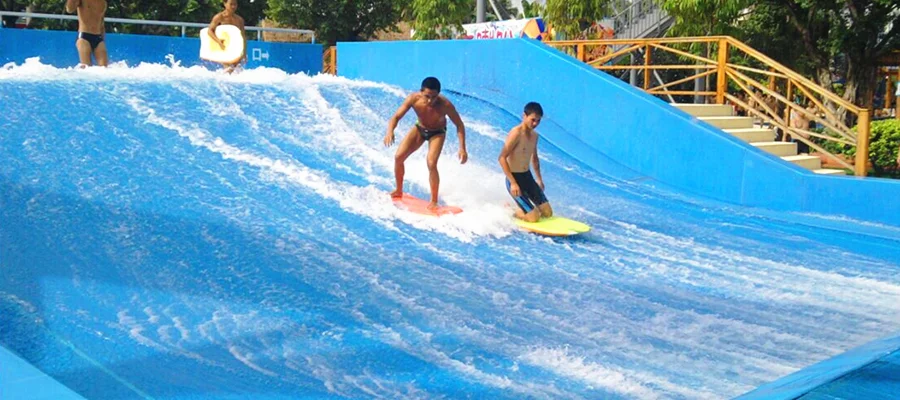
Indoor surfing can provide a distinctive attraction that differs from conventional slides. Rather than simply adding a surf simulator because it is fashionable, developers should consider its relationship with the rest of the attraction mix, including audience, capacity, operating schedule, training requirements, and surrounding circulation.
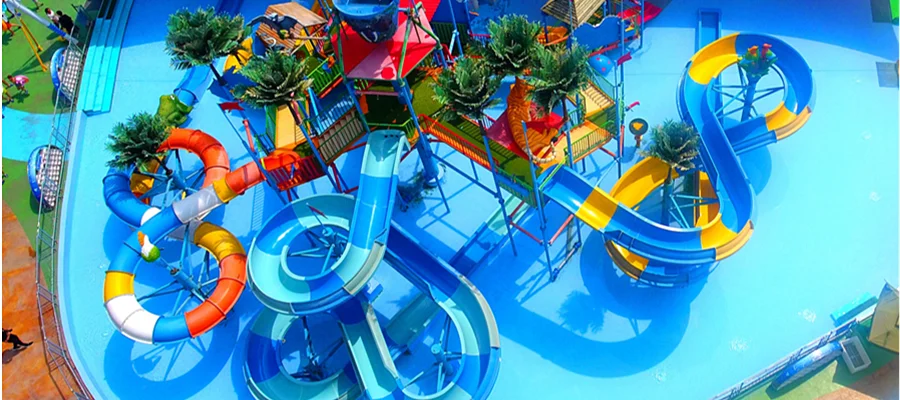
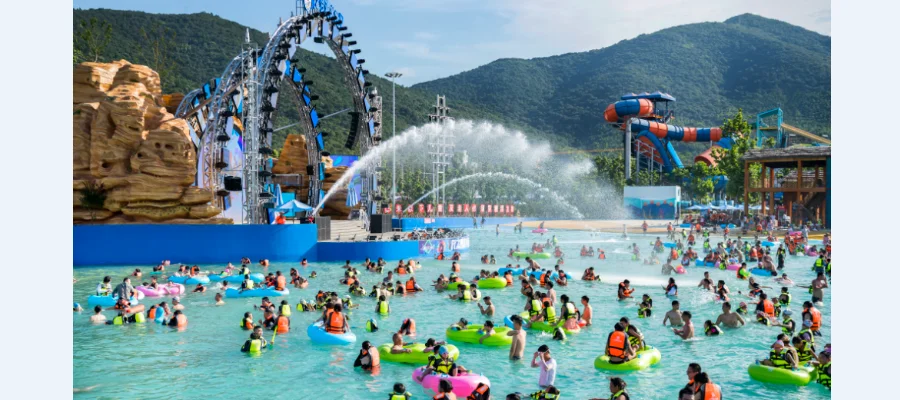
Wave-making attractions can serve another role by creating a shared experience for groups and families. Slide combinations can then provide higher-intensity experiences for guests seeking speed and competition. Together, these components can create a more varied visitor journey than relying on one attraction category.
The goal is not necessarily to maximize the number of rides. It is to establish complementary experiences that make the available floor area work harder. A carefully coordinated combination can also give operators more flexibility when attractions require maintenance, allowing other areas of the park to remain active.
Design the Indoor Environment for Year-Round Operation
Year-round operation requires coordination beyond attractions themselves. ASHRAE notes that indoor aquatic facilities are high-dew-point environments where humidity control, ventilation, air distribution, temperature, pool-water chemistry, and evaporation all need to be addressed as part of the overall design.
That means the attraction plan should be developed alongside the building and engineering strategy. Surfing, wave-making, and slide components affect water use, circulation, mechanical requirements, structural loads, access routes, and maintenance planning. Bringing these considerations together early can reduce costly redesigns later.
For us, this is where project coordination becomes particularly valuable. We can integrate different water park components into a unified plan rather than treating every attraction as an isolated purchase. Our combination approach considers how equipment, spaces, engineering systems, installation sequences, and operational requirements need to work together.
Work With Water Park Manufacturers That Can Coordinate the Project
Choosing among water park manufacturers should therefore involve more than comparing individual ride catalogs or equipment prices. Developers need to understand whether a supplier can support the project from concept development through installation and commissioning.
We provide professional water park layout design, attraction planning, equipment manufacturing, installation, commissioning, and operational support. Our product range covers large and modular water slides, interactive water playhouses, wave systems, surf pools, lazy rivers, and other aquatic components, allowing us to build combination solutions around the project’s specific requirements.
We have more than 26 years of industry experience, having been established in 1999. We are a National High-Tech Enterprise and a standing council member of CAAPA, and we contributed to drafting the GB 8408-2018 safety standard for large-scale amusement facilities. Our capabilities extend from design and manufacturing to on-site installation, commissioning, and operational training.
Plan the 2027 Project as One Connected System
A 2027 water park should be planned around the attraction experience first and individual equipment second. By combining indoor surfing, wave-making attractions, slide components, kids area, children zone, and complementary aquatic experiences, developers can create a more balanced destination for year-round operation.
A successful family water park is not only defined by its headline attractions but also by how well different zones support each other. A children zone connected with family areas, interactive features, and larger attractions can help create longer stays and a more complete guest experience.
At Dalang, we support this project-oriented approach by providing combination water park component solutions rather than encouraging owners to purchase a single standalone product. From professional design and coordinated manufacturing to installation and operational support, we help connect the major elements of the project into one workable plan, giving developers a stronger foundation for long-term performance.